Key Highlights
-
The Hebrew alphabet began with just consonants. There were no written vowels in the Hebrew script at first.
-
Later, a system called Niqqud was made. It uses dots and dashes to show the Hebrew vowels.
-
Scribes named the Masoretes came up with these vowel signs during the early Middle Ages.
-
The Niqqud system helps keep the pronunciation in Hebrew clear. This is very helpful, especially for people learning the language.
-
In the Hebrew alphabet, the vowel signs are shown with little marks, or vowel points, placed over, under, or beside the consonants.
-
It is important to know these vowel points and vowel signs for correct reading and pronunciation of Hebrew words.
Introduction
Are you just beginning to learn the Hebrew language? One thing you will see right away is that the Hebrew alphabet has consonants. Unlike English, the Hebrew alphabet does not use separate letters for vowels. At first, this can be a bit hard to understand. But, there is a smart system that helps you with pronunciation. In this guide, you will get to know all about Hebrew vowels. This will help you read and speak Hebrew with more confidence.
Understanding Hebrew Vowels and the Nikud System
You may wonder how people read Hebrew without letters that stand for vowels. For those who have spoken the language for a long time, the context helps. They do not need to see the vowels written out. But, if you are new and learning Hebrew, there is something that can help. It is called the Niqqud system. The Niqqud uses vowel points and dashes. These marks help you say each word the right way.
This Niqqud system was made in the early Middle Ages. The goal was to make the pronunciation of Hebrew the same for everyone. These vowel signs are put around the Hebrew letters. Each mark shows a different vowel sound. You can think of the Niqqud as a guide to how to say words. The marks make sure all people say the words in the same way. Now, we will look at the kinds of vowel signs and learn how they work.
Types of Hebrew Vowel Signs (Nikud) and Their Representation
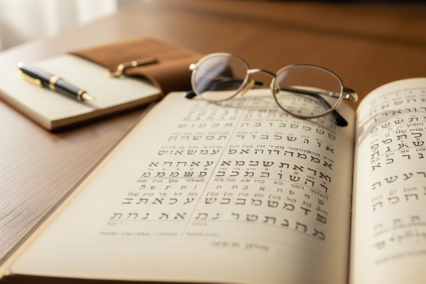
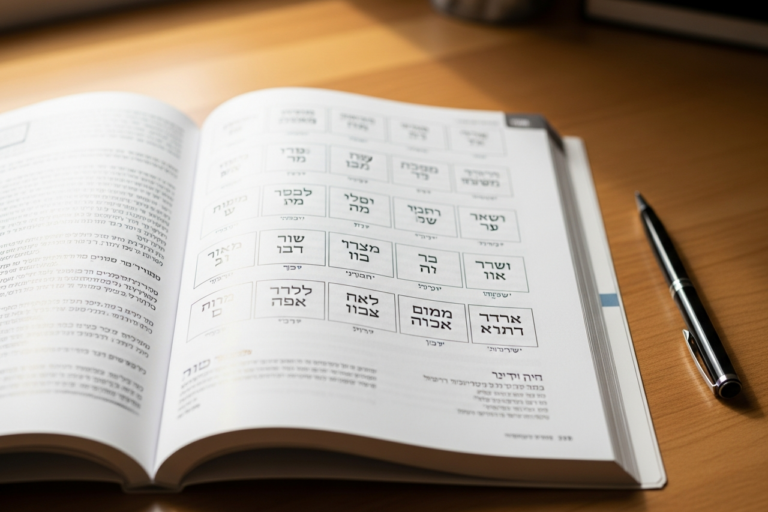
The Niqqud system is composed of several diacritics—dots and dashes—that represent different vowel sounds. These vowel signs are categorized as long vowels, short vowels, and reduced vowels, although the sound difference can be subtle for non-native speakers. These points are placed on, under, or next to a Hebrew letter to indicate the correct vowel sound.
To help you visualize this, here’s a chart showing the main types of Hebrew vowels and how they are represented using the letter Aleph (א) as a placeholder. This will give you a clear idea of what to look for when you’re reading.
|
Vowel Sound |
Vowel Name |
Representation |
|---|---|---|
|
AH |
Kamatz |
אָ |
|
EH |
Segol |
אֶ |
|
EE (I) |
Chirik |
אִ |
|
OH |
Cholam |
אֹ |
|
OO (U) |
Kubutz |
אֻ |
|
AY |
Tsere |
אֵ |
Each of these vowel signs has a unique placement and appearance, from a single dot to a combination of dashes. Understanding this chart is the first step to mastering Hebrew pronunciation.
How Hebrew Vowel Signs Influence Pronunciation and Meaning
The vowel signs in the Hebrew alphabet do not just show you how to say words. They also change what Hebrew words mean. In Hebrew, the written words are made with only consonants. That means the same group of letters can become different words, based on which vowel signs you use. That’s why knowing the Niqqud system is very important to read and understand Hebrew in the right way.
To say and read Hebrew vowels in the right way, you have to watch these little marks closely. The sound of the letter changes with the vowel sign right next to it. For one example, if there is a dot above the letter, it might make an “OH” sound. A dot under the letter could mean you say it as an “EE” sound.
Here’s how vowel signs affect your reading:
-
They set the sound of each syllable.
-
They help you know the differences between Hebrew words that have the same consonants.
-
They help you with the intonations and the flow of the sentence.
When you learn these vowel signs in the Hebrew alphabet, you can say words right and know what they mean. The vowel signs help you with the sound of the letter and help you see the new Hebrew words as you read.
Conclusion
To sum up, it is important to know about Hebrew vowels and the Nikud system if you want to get better at the language. The vowel signs help a lot with how you say words and what they mean. These marks are needed, whether you are just starting to learn Hebrew or you already know a lot. When you get used to the different vowel signs, you will see your reading and talking skills go up. Keep in mind, you get better the more you use and review these ideas, so it’s helpful to go over this guide now and then. If you want to move up and learn more, you can look into resources or Hebrew classes to give you the support that you need to work with vowels and pronunciation. Good luck, and enjoy your learning!
Frequently Asked Questions
Why are Hebrew vowels not included in the Torah text?
The vowel points are not in torah scrolls because the original biblical text was written without them. A group of scribes known as the masoretes made the niqqud system long after. They did this to keep the right way to say the words. When people read from the scrolls in prayers, the pronunciation is handed down by people telling and teaching each other over many years.
Are there differences between biblical and modern Hebrew pronunciation?
Yes, there are some differences. The Niqqud system helps people say words in the biblical text in the same way. But when people in Israel speak modern Hebrew, how they say things can be different. For example, many people today do not use long and short vowels in a special way. They say the vowels the same way, which makes everyday speaking easier. This can make things confusing for learners of Hebrew.
What are common mistakes learners make with Hebrew vowels?
Many people make mistakes when learning Hebrew. One mistake is mixing up vowel signs that look alike. Some may also put the sound in the wrong spot. For example, some get confused with the different “EH” vowels. Others forget that where you put a vowel sign—like above, below, or next to a letter—changes how you say it. Some people also miss the silent Shva when saying Hebrew words. These problems often come up when learning vowels, vowel signs, and how to get the right pronunciation in Hebrew.