Key Highlights
-
This guide talks about the basics of English phonology. You will learn about the sounds of English and how to work on your pronunciation.
-
Find out what makes phonology and phonetics different, and see why both are important to understand.
-
Take a look at the main parts of American English. This includes many kinds of consonant and vowel sounds you hear in the language.
-
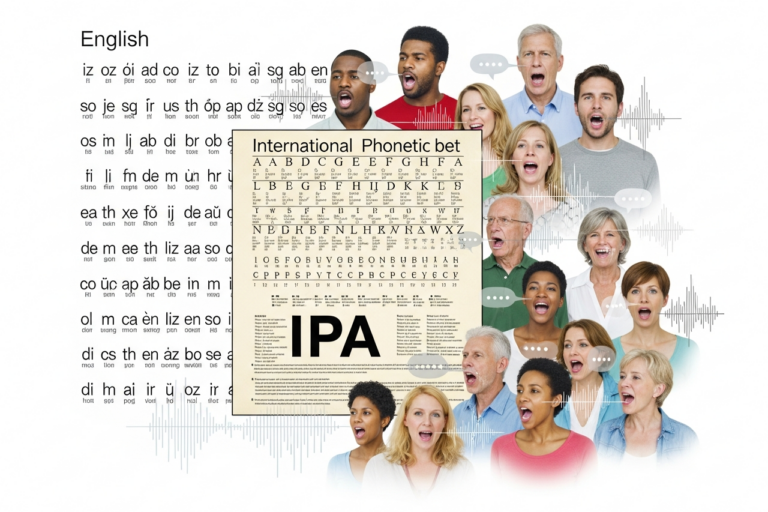
Learn about the International Phonetic Alphabet (IPA). You will see how each IPA symbol stands for a single sound.
-
Get easy tips that help you deal with common problems with English pronunciation.
-
See what makes the sounds in spoken English unique. Find out more about stress, rhythm, and intonation, and how they help form the way English sounds.
Introduction
Have you wondered why the English language sounds the way it does? The answer is in phonology. This is the study of how sounds work. If you understand phonology, you can have better pronunciation. You will also see the spoken word in a new way. In this guide, you will learn about english sounds. You will look at every consonant and each vowel. You will also learn how people make rhythm and tune when they speak sentences. Get ready to see and hear english in a whole new way!
Understanding English Phonology: Key Concepts for Beginners
Diving into English phonology starts with the basics. Phonology is about how the sounds in English are put together in your mind to create meaning. You can think of it as a plan for how we use English sounds in speech. Linguists look at the oral cavity and the parts of the mouth that help us make these sounds. This area has a link to articulatory phonetics but is not the same. Articulatory phonetics is more about how we make the sounds in a physical way.
When you learn these main ideas, you begin to notice the patterns in English. We will talk about what phonology is and what makes it different from phonetics. This will give you a good start in learning how English pronunciation works.
Defining English Phonology
So, what is English phonology? In short, phonology is the study of how a language sets up its sounds. It looks at the sound system of English. It’s not only about what sounds there are, but also how the sounds work together and how they are used in different words. Linguists study these patterns to figure out the rules for pronunciation.
The main building block in phonology is called the “phoneme.” A phoneme is the smallest sound that can make one word different from another. For instance, the sounds /p/ and /b/ are phonemes in English because they change “pat” into “bat.” When you know about phonemes, you start to see why swapping one sound for another makes new meaning in words.
In the end, English phonology is what guides how the language is spoken. It tells us why we say words in certain ways, why people have accents, and why some sound mixes work in English and others do not. It is like an unseen plan that helps us use spoken English every day.
English Phonology vs. English Phonetics
English phonetics and English phonology are not the same thing, even though people often talk about them together. Phonetics is all about the sounds in speech. It looks at how these sounds are made, what they sound like, and how people hear them. You can think of phonetics as the “what” and “how” of making sounds. For example, with articulatory phonetics, we learn how people move their mouth and tongue to speak. Acoustic phonetics tells us about the sound waves that come out when people talk.
Phonology, however, is about how these sounds are put together and used in the English language. It studies the system behind the sounds in words. It looks at why people use sounds a certain way in English and how they help us know what words mean.
Here’s a simple way to see the main differences:
-
Phonetics: Looks at all human speech sounds and their physical qualities, like how people make sounds (articulatory phonetics) or how the sound waves act (acoustic phonetics).
-
Phonology: Looks at how sounds are set up and used in the english language to share meaning.
-
Focus: Phonetics deals with sounds everywhere, but phonology looks at sounds in one language, like english.
The Building Blocks: Sounds of English
The sounds of English are the base of how we speak. These include two main types: consonants and vowels. The alphabet has 26 letters, but the sound system of English has many more. This makes spelling hard sometimes. Knowing these sounds helps you work on clearer pronunciation.
When you learn about consonants and vowels, you can spot patterns. A single sound can make a big difference in words, like in minimal pairs such as “ship” and “sheep.” This lets you see how to change meaning with just one sound. Now, let’s look at the consonant and vowel sounds that make up American English.
Consonant Sounds in American English
In American English, when you make consonant sounds, you stop the air from your lungs in some way. These sounds get their names based on where you make them in the mouth. This is called the place of articulation. For example, the /p/ sound is made with the lips. The /t/ sound is made with the tongue at the ridge behind the teeth.
Consonants are also put into groups by how you make them. This is called the manner of articulation. Some are stops, like /p/, /t/, and /k/. That means you stop the air all the way. Others, like /f/ and /s/, are called fricatives. Here, the air is pushed out through a small space. This helps people talk about the small ways consonant sounds are not the same in english.
You should also know about allophones in american english. These are small changes of the same english sound that do not change a word’s meaning. For example, the /t/ in the word “top” is said with a puff of air. But in “stop,” the /t/ does not have that puff. Even with this, both are the same sound in word meaning. They are just different allophones of the same consonant.
Vowel Sounds and Their Variety
Vowel sounds are created with an open vocal tract, allowing air to flow freely. Unlike consonants, the tongue doesn’t touch other parts of the mouth. The quality of a vowel sound is determined by the position of the tongue and the shape of the lips. North American English is known for having a large number of vowels—around 14-16 distinct vowel phonemes, depending on the dialect.
This large number of vowels is one reason learners find English pronunciation challenging. Many languages have only 5-7 vowel sounds, so English requires a finer degree of control over tongue and lip placement. These sounds are represented using the International Phonetic Alphabet (IPA) to avoid the confusion of English spelling.
Here are a few examples of vowel sounds in American English with their corresponding IPA symbols and example words:
|
IPA Symbol |
Example Word |
|---|---|
|
/i/ |
beet |
|
/ɪ/ |
bit |
|
/eɪ/ |
bait |
|
/æ/ |
bat |
|
/ɑ/ |
pot |
The International Phonetic Alphabet (IPA) and English
The International Phonetic Alphabet (IPA) is important for anyone who wants to learn about the English language. There is a symbol in the IPA for each sound. Each ipa symbol stands for one sound only. This really helps with the problem in English, where the same letter can mean more than one sound (like the letter ‘c’). Sometimes, the same sound has lots of ways to be spelled.
The IPA lets you write down speech in a clear way. There is no confusion. If you are learning English or working on your pronunciation, the ipa shows you how to say every word. People who study phonetics also use it to learn about the sounds of english. It acts like a simple map of english sounds. Now, let’s see how the IPA works for english and go over some common symbols.
How the IPA Represents English Sounds
The IPA gives a simple way to match each symbol to a sound. This makes it a strong way to show english sounds the right way. The regular alphabet can confuse people because one letter might stand for different sounds. But now, every ipa symbol shows just one sound and always keeps that same pronunciation. This helps people see the true sound of words.
Take words like “through,” “though,” and “tough.” The letters “ough” look the same, but they make different sounds. The ipa clears this up by using a different symbol for each vowel sound. There’s /u/ in “through,” /oʊ/ in “though,” and /ʌ/ in “tough.” This exact way to show vowel sound is key to knowing how the sound system of english works.
The ipa is also able to show what is there as a difference in american and british english dialect. For example, how the “r” in “car” sounds in british english might not be the same as it is in american english. The ipa can give both. With the ipa, you can keep track of, learn, and compare each part of pronunciation and phonetics between english dialetcs or other languages.
Common IPA Symbols for English Pronunciation
Getting to know the common IPA symbols is a big step if you want to get better at your English pronunciation. The IPA is meant to work for all languages, so when you learn some important symbols, you can figure out how to say words from any dictionary that uses this system. It gives you a clear way to know how to say things, no matter how a word is written.
Many symbols for IPA consonants look just like letters from the English alphabet. For example, [p], [b], [t], [d], [k], and [g] match what you see in the English letter set, which helps you learn them quickly. But, there are also some special symbols that stand for sounds that you don’t get with only one letter in English.
Here are some IPA symbols for you to know when you learn English:
-
ʃ: The “sh” sound you hear in the word “shoe”
-
θ: The “th” sound you get in “thin”—this is made without using your voice
-
ð: The “th” sound in “this”—this one is voiced
-
ŋ: The “ng” sound in the end of “sing“
If you learn these IPA symbols, you will get better at telling apart english accents and spotting small differences in pronunciation for any English dialect. This is very helpful to many people who want to
Unique Sound Patterns in English
English phonology is about more than just the single sounds. It also looks at bigger patterns that shape the way the language sounds when people speak. These patterns are seen in how sounds join together to create syllables. They show in which part of the word gets stress. Another part is the rise and fall of your voice when you talk. This rising and falling is called intonation. All these things matter as much as getting each vowel or consonant right if you want your speech to sound clear and natural in English.
You need to know about these larger patterns if you want to move from just saying each word right to really speaking English well. Let’s take some time to look closer at the way syllables work. We will also check out the musical side of english, like word stress and intonation. This will help give a better idea of how phonology works in the language.
Syllable Structures and Phonotactics
Syllables make up the beat or rhythm of speech. Every word in English has at least one syllable, and each one usually centers on a vowel sound. There are rules that guide how sounds fit together in syllables, called phonotactics. For example, in English, you can have a group of consonant sounds at the start of words, like in the word “street.”
But there are some limits to what sound groups are allowed. You would not find English words that start with the sound cluster /ŋg/. These kinds of rules help us know if a new word might sound like it could be English, even when it does not mean anything. Phonotactics show what sound patterns are allowed in English.
The rules also help to say which sounds can end a word as a final consonant. They guide what changes might happen to a sound at the end of words. At times, free variation happens, where you can say a word in more than one way, and the meaning stays the same. For example, you might say “stop” with or without a puff of air at the end. The shape of your oral cavity, or mouth, also affects how these sounds come out.
Stress, Rhythm, and Intonation Patterns
Stress, rhythm, and intonation make English sound like music. Stress is when you put extra force on some parts of words or sentences. In English, this can even change what a word means. For example, if you stress the first part of “REcord,” it is a noun. But if you stress the second part and say “reCORD,” it is a verb.
Rhythm is the main beat that comes from the pattern of stressed and unstressed syllables in English. The time between these stressed points is about the same, so English has its own clear flow. This is not the same as in some other languages where every syllable takes about the same amount of time.
Intonation is like the tune you use when you speak. It comes from how your voice goes up and down, and it is shaped by your larynx. Intonation shows if you are making a statement or asking a question, like “You’re coming.” compared to “You’re coming?”. It also shows how you feel. Other things like aspiration, which is a small puff of air, also help shape these speech patterns in English.
Challenges and Tips for Mastering English Pronunciation
Getting good at English pronunciation can be hard. One reason is the spelling is not always the same as how you say the words. There are many vowel sounds. You will hear a lot of ways people talk, too. This is because there are many dialects. For example, people speak differently in Australian English than in New York City. You may also find it hard to say some sounds if they do not exist in your own language. Sometimes, the small difference in how people from different places, like New York City, say words can be tough as well.
But if you know what these problems are and use the right ways to work on them, you can get much better at english pronunciation. Let’s talk about the main problems people have first. After that, we will go over how you can work on your own pronunciation. This will help you speak english with more confidence and make your english clear for other people to understand.
Common Difficulties Faced by Learners
One of the big problems in english pronunciation is the way that spelling and sound do not always match up. For example, words like “cough,” “bough,” and “through” look very different but sound nothing alike. This makes it hard for people to trust how words are spelled. Because of this, people have to know how to say many words by heart. There are not strong rules for a lot of english words.
It can also be tough to say sounds that do not exist in the learner’s first language. The “th” sound in english (/θ/ and /ð/) is a good example. Many people who are learning english do not have that sound in their language, so it is hard for them. There are also english sounds called minimal pairs, like the ones in “ship” and “sheep.” Many people can not hear or say the difference between these words if their language does not use many different vowel sounds.
Dialects of english can make pronunciation even harder. This is because rules about how to say words can change in every area. For example, the glottal stop, which you can hear in the middle of “uh-oh,” is used in some english accents and is not used in others. These changes in the way people say words can be confusing for someone trying to learn one way to speak english.
-
Distinguishing between similar vowel sounds.
-
Correctly placing stress within words and sentences.
-
Producing consonant clusters, like in
Practical Strategies to Improve Pronunciation Skills
You can get better at your pronunciation if you keep at it and use the right tips. One thing you can do is listen closely. Notice how people from the United States or Canada speak. Watch movies, play some podcasts, and try to copy how they say words. Pay close attention to their rhythm, intonation, and the way sounds are made.
It can also help you to learn some basics about the ipa symbol and how the International Phonetic Alphabet works. You do not have to know it all. But if you know a bit about ipa, you will use dictionaries and other resources for pronunciation in a better way. You will no longer have to guess the sounds.
Another big thing is to practice saying words and get help to fix your mistakes. Record your voice. Listen to it and see how it sounds compared to a native speaker. Work with a tutor or talk to a friend. They can tell you what to fix. Getting better at pronunciation is about many small steps taken often.
-
Use phonology tools, like online dictionaries, with sound.
-
Try some minimal pair drills for your listening skills.
-
Pick one or two hard sounds and work on only those.
-
Read out loud for about 10 or 15 minutes every day.
The Evolution of English Phonology
The way english sounds right now is because of many years of change. The history of english shows big moves in how words are said. People who study language call this a sound change. If you heard the english from Chaucer’s time, it would sound like a whole new tongue to us. That is mostly because its pronunciation came a long way from old english.
These changes from long ago help us see why english spelling and pronunciation can seem strange now. Knowing about this history helps us understand why english can be hard and interesting. We will talk about some key changes from the past and see how they made english sound the way it does today.
Historical Changes Influencing Modern English Pronunciation
The history of English pronunciation is full of sound change that never stopped. One very big change was the Great Vowel Shift. It happened from the 14th to the 18th centuries. In this time, the way people said all long vowel sounds in English changed a lot. For example, people in Old English used to say “mouse” more like “moos.” The word “feet” was said closer to “fate.”
This big shift is a main reason why English spelling does not match how we say words today. Back then, scribes started writing down many spellings before this Great Vowel Shift. So, when how people talked changed, the spelling did not change. This is why now English spelling shows an old way of saying words—a kind of record of the older system, or phonology.
There have been other changes, too. Some sounds were lost, and some got mixed together. For example, people used to say the “k” in “knight” and the “gh” in “night.” Later, people stopped saying these sounds, but they are still there in spelling. That shows us that, in the past, every letter usually matched a single sound.
English pronunciation, its history, sound change, old English, and the way a single sound was marked, all help us see why spelling and pronunciation are not the same now.
The Role of History in Today’s Sound System
The history of English has a big impact on the sound system of english we use now. When you see the strange spelling rules, the many vowel sounds, and the letters in words you do not say, they are all signs of where this language has come from. Each time period, from old english to times when french and latin got mixed in, has changed how we say words.
Over the years, the sound change helps explain why we have so many of these odd rules. For example, when you speak words like “food,” “good,” and “blood,” the way they sound different comes from changes in the language’s past, even though they started out the same. If you don’t see it with history in mind, all these rules seem to make no sense at all.
But when you know about the history of english, you can understand why the sound system of english is like this. You see that its pronunciation and phonology are not random. They come from real ways people spoke, borrowed words, or made new rules. English is always changing. It is not fixed. To really know how we speak today, we have to look back at where english came from.
Conclusion
To sum up, knowing English phonology is key if you want to work on your pronunciation and language skills. When you learn about the sounds of English, the International Phonetic Alphabet, and special sound patterns, you can really start to see what makes good communication work. Getting the hang of these ideas can help you with your pronunciation and make you feel more sure when you talk. It’s true that there can be some tough spots, but using easy tips can help you a lot as you learn. Stick with your study of phonology and look for other tools that can help you. If you want to improve even more, think about booking a free talk with our experts today!
Frequently Asked Questions
Why is understanding English phonology important for learners?
Knowing English phonology is important for more than just remembering words. It helps you learn the rules of english pronunciation, so you speak more clearly. It also makes you better at listening. This way, you can talk in the english language and be understood by people from many places who use different ways of speaking english. When you know about pronunciation and phonology, you get better at sharing your ideas and understanding others.
How many vowel sounds are there in American English and why is it considered a large number?
American English has about 14 to 16 vowel sounds. This is more than many other languages. Most languages have only 5 to 7 vowel sounds. Because there are so many vowel phonemes, there are a lot of minimal pairs in English. People who learn English need to notice the way they move their mouth and lips to say each vowel sound the right way.
What resources are recommended for studying English phonology?
If you want to study English phonology, start with university textbooks from Cambridge. These books give a clear look at phonetics. You should also use online dictionaries. They have IPA transcriptions and sound recordings, which can help a lot. You may also want to try websites or apps that focus on English phonology. These can help you practice sounds and learn about different dialects of English.