

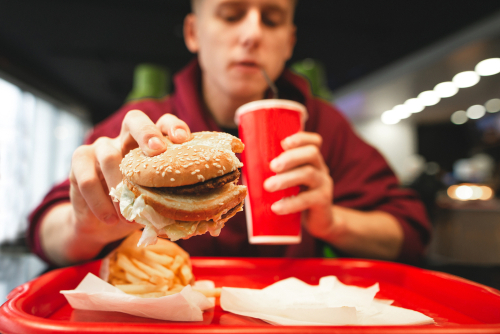
Traveling to the United States brings exciting new experiences, and exploring the local food is a major part of that journey. Many international visitors sit down for their first American meal, order a standard dish, and receive a plate large enough to feed two people. This initial culture shock is incredibly common for first-time tourists.
Understanding American dining habits matters for a few simple reasons. It helps you manage your travel budget effectively. It prevents unnecessary food waste. Knowing what to expect also stops you from feeling completely overwhelmed when your food arrives.
This guide explains why portions are larger in the US. You will learn exactly what to expect in different restaurant settings and how to handle it. We also provide clear, practical strategies to help you order confidently without overdoing it.
This advice comes from real, on-the-ground dining experiences across various US cities. It covers casual cafes, fast food chains, and sit-down restaurants. If you are unfamiliar with American dining culture, these simple tips will help you enjoy your meals with confidence and ease.
Are Portions Really Bigger in the US?
The short answer is yes. Food portions in the United States are often significantly larger than what you might find in Europe, Asia, or South America.
However, there is some nuance to this rule. Portion sizes vary heavily depending on the type of restaurant and the location. High-end, fine-dining restaurants often serve smaller, more refined plates. Conversely, casual diners, fast food locations, and family-style restaurants serve highly generous amounts of food.
The main takeaway is to expect portions to be larger than you are used to. Keep this in mind when you view a menu, and plan your orders accordingly.
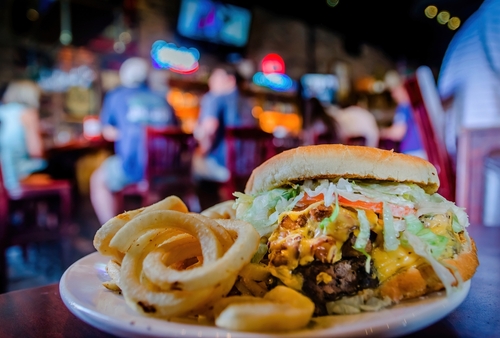
Why Portions Are Larger in the US
The generous size of American meals comes down to a mix of cultural expectations and industry standards. In the US, there is a strong cultural expectation of value. Customers want to feel they are getting a large amount of food for their money.
The competitive nature of the restaurant industry also plays a role. Restaurants use large plates of food to attract and keep loyal customers. Furthermore, the US has a high level of agricultural abundance, which keeps the wholesale cost of certain foods relatively low.
Finally, American dining habits fully embrace the concept of leftovers. Taking food home to eat the next day is a standard part of the dining experience, which encourages restaurants to serve extra-large meals.
What Normal Looks Like in the US
Portion sizes can look very different depending on where you decide to eat. Here is a breakdown of what to expect across common dining environments.
Restaurants
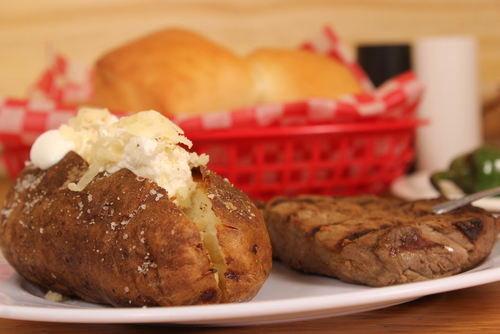
At a traditional sit-down restaurant, main courses often include heavy side dishes automatically. A single steak might come with a large baked potato, a side salad, and bread. Starter dishes, or appetizers, are frequently large enough for a whole table to share. Additionally, soft drinks and iced teas generally come in very large glasses with free, unlimited refills.
Fast Food
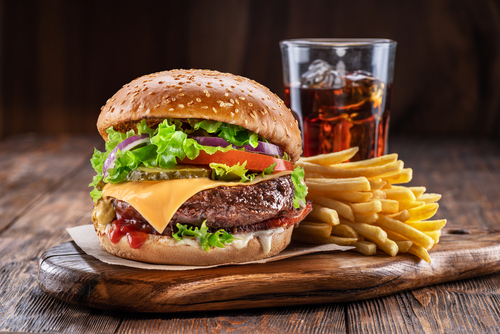
Fast food chains offer multiple size tiers, such as small, medium, and large. Be aware that a US “medium” often equals a “large” in other countries. Ordering a combo meal adds a substantial serving of fries and a massive drink to your main item, creating a very heavy meal.
Cafes and Casual Spots
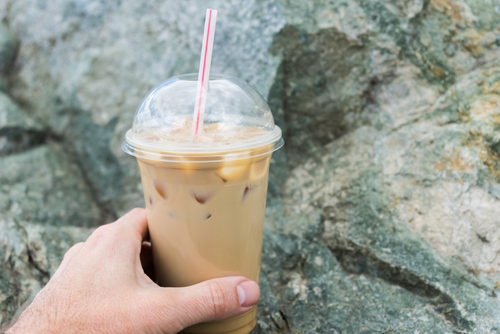
Cafes serve coffee in sizes that can surprise international visitors. A standard large coffee in the US can easily exceed 20 ounces (about 600 ml). Pastries, muffins, and bagels are also baked much larger than traditional European sizes.
Portion Sizes by Food Type
Breaking down typical portions by the type of food can help you navigate American menus safely and efficiently.
Meals
A single main course, often called an entrée in the US, is usually enough food to satisfy one very hungry person. If you are a lighter eater, one main course can easily feed two people.
Sides
Side dishes are rarely small garnishes. A side of fries, a side salad, or a serving of macaroni and cheese is often a generous bowl designed to fill you up.
Drinks
Drink sizes are notably large. Free refills are standard practice for sodas and iced teas in casual restaurants. Tap water is usually completely free, safe to drink, and served generously with ice.
Desserts
American desserts are famously rich and large. A single slice of cake or a serving of ice cream is typically designed with sharing in mind.
How to Order Without Overdoing It
You do not have to eat massive meals just because they are on the menu. Here are a few simple strategies to keep your dining experience enjoyable.
First, share your dishes. Sharing a main course or an appetizer is very common and perfectly acceptable in American restaurants. Second, consider ordering a starter instead of a main course if you want a lighter meal. Third, skip ordering extra side dishes unless you feel very hungry.
You can also use smart language when ordering. Ask your server direct questions like, “Is this enough food for one person?” or “Can this dish be easily shared?” Servers are usually very helpful and will give you honest advice about plate sizes.
The Takeaway Culture
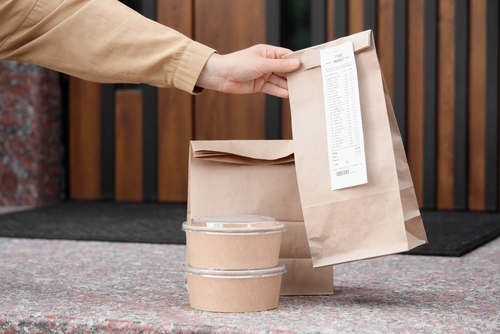
Taking leftover food home is a key part of American dining culture. If you cannot finish your meal, it is completely normal to ask for a takeaway box.
Restaurant staff will often offer you a container automatically when they see food left on your plate. These containers are provided at no extra cost. You can easily store your leftovers in your hotel fridge and enjoy them for lunch the next day.
While restaurant meals may seem expensive at first glance, the portion sizes offer great value. Managing your leftovers effectively means you often get two full meals out of a single order.
Common Mistakes Visitors Make
Many tourists make the same ordering mistakes during their first few days in the US. Knowing these pitfalls will save you money and physical discomfort.
A frequent mistake is ordering a starter, a main course, and a dessert individually for one person. This usually results in a massive excess of food. Another mistake is assuming that American portions match the serving sizes in your home country.
Visitors also hesitate to share food when a dish is clearly built for two. Finally, many travelers feel politely obligated to finish everything on their plate. It is completely fine to leave food uneaten or take it to go.
Practical Tips From Experience
Start with a smaller order. You can always ask the server for more food if you are still hungry after your first dish arrives.
Look around the restaurant before you sit down or order. Watching what other diners are eating gives you a clear visual idea of the actual plate sizes.
Stay hydrated with water. Large, heavy meals can feel much more filling than expected, and skipping the massive sugary sodas will help you feel more comfortable.
Frequently Asked Questions (FAQs)
Can I share meals in US restaurants?
Yes. Sharing meals is highly acceptable. Many people share appetizers, split a large main course, or share a single dessert. Some higher-end restaurants may charge a small “split plate” fee, but this is rare in casual dining.
Is it rude not to finish your food?
Not at all. Because portions are incredibly generous, servers do not expect you to clear your plate. It is not considered an insult to the chef if you leave food behind.
Are portion sizes the same everywhere?
No. Portion sizes vary by region and restaurant style. Fast food and casual dining chains tend to have the largest portions. Fine dining establishments offer much smaller, traditional serving sizes.
Can I order half portions?
Some restaurants offer half portions for specific items like salads or pasta dishes. It is always worth asking your server if a smaller size is available.
Do all restaurants offer takeaway containers?
Almost all casual and family-style restaurants provide free takeaway containers. The only exceptions are buffet-style “all-you-can-eat” restaurants, where taking food home is generally not allowed.
Final Thoughts on Navigating American Dining
US portion sizes are definitely larger, but they are very easy to manage once you know exactly what to expect. Sharing plates, ordering fewer items, and taking leftover food to go are completely normal practices.
A little bit of planning goes a long way. By understanding the dining culture and communicating with your servers, you can avoid unnecessary waste, save money, and enjoy the diverse flavors of American food comfortably.



