Quick answer: Travelers can prepare for financial emergencies abroad by keeping a separate, accessible reserve, carrying more than one usable payment method, storing backup cards away from a primary wallet, confirming how to access accounts without a usual phone, and knowing who to contact—whether a trusted person at home, an insurance provider, or a U.S. embassy—if something goes wrong.
A canceled flight adds an unplanned hotel night. A stolen wallet means a traveler can’t reach the money they already have. These are two different problems, and they call for two different solutions. The first is about having enough funds set aside. The second is about making sure those funds, or some version of them, are actually reachable when something goes wrong.
Most trip planning focuses on itineraries and packing lists. Fewer travelers think through what happens when a card gets blocked at a foreign ATM, a phone disappears along with its banking apps, or a connecting flight cancellation turns into three extra nights somewhere unplanned. Preparing for a financial emergency abroad means addressing both pieces: setting aside money, and building a backup plan to access it.
This guide walks through how to estimate a reasonable reserve, separate it from everyday spending, build backup payment methods that don’t share a single point of failure, and know exactly what to do if the primary plan falls through. Whether traveling for two weeks, visiting family for a season, or settling in abroad for an extended stay, the same principles apply.

What counts as a financial emergency abroad?
A financial emergency abroad isn’t always about a missing wallet. It can also be a situation where money is available but temporarily out of reach, or an expense that nobody budgeted for. Common scenarios include:
| Situation | What you may need |
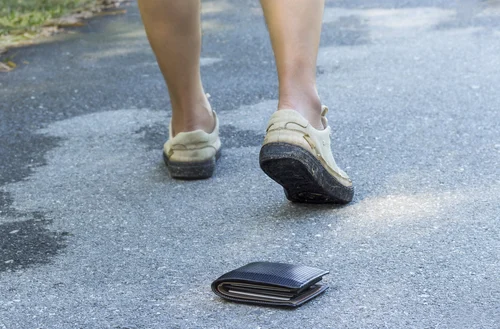
| Lost or stolen wallet | Another payment method and help replacing cards |
| Blocked bank card | Issuer support and independent access to funds |
| Flight disruption | Accommodation, food, or alternative transport |
| Unexpected medical expense | Insurance assistance and a way to meet upfront costs |
| Lost phone | Secure access to accounts and important contacts |
| Urgent trip home | Funds or available credit for travel arrangements |
Not every one of these costs gets reimbursed. An airline may or may not cover a hotel stay after a cancellation. A travel insurer may require documentation and a waiting period before paying a claim. Planning around the assumption that someone else will cover the bill can leave a traveler stuck in the moment it matters most.

Step 1: Estimate an emergency reserve for your trip
There’s no single dollar figure that works for every traveler. How much to set aside depends on a combination of factors:
- Destination costs, including how expensive accommodation, transport, and food typically run
- Trip length, since a long stay abroad carries more exposure to the unexpected than a long weekend
- Number of travelers and dependents, since a family of four faces different costs than someone traveling solo
- Existing prepaid arrangements, like a tour package that already includes lodging
- Access to transport and accommodation, especially in remote areas where options are limited
- Insurance deductibles, exclusions, and reimbursement arrangements
- Whether the trip is a short visit or an extended stay abroad
Build an estimate from realistic expenses
Rather than guessing at a round number, price out a plausible disruption. Consider what each of these might actually cost at the destination:
- Additional accommodation for an unplanned night or two
- Meals and local transport during a delay
- A replacement ticket or a change fee
- Essential communication, like a local SIM card or international data
- A relevant insurance deductible, if a claim becomes necessary
A trip reserve isn’t the same as a long-term household emergency fund. The Consumer Financial Protection Bureau notes that the right amount for an emergency fund depends on individual circumstances, and the same logic applies to travel: the goal is an amount that covers plausible disruptions for this specific trip, not a one-size-fits-all target. The CFPB also emphasizes keeping emergency savings accessible, which matters just as much for a travel reserve as it does for a household one.

Step 2: Keep your reserve separate from everyday spending
Once a reserve is estimated, the next step is making sure it’s not mixed in with regular spending money. A dedicated, accessible account or clearly designated balance keeps emergency funds visible and distinct from the trip budget.
Before departure, it’s worth checking a few details about that account:
- How quickly funds can move from the reserve into a spendable account
- Whether withdrawals or transfers have daily or per-transaction limits
- Whether the account can actually be accessed while overseas
- Whether a foreign residence would change account eligibility or trigger a review
- Any holds or delays that apply to newly deposited money
An account balance displayed in an app doesn’t always mean that money is immediately usable. Transfers between accounts can take time to clear, and some institutions place temporary holds on large or unusual deposits. Confirming these details in advance avoids an unpleasant surprise during an actual emergency.

Step 3: Prepare more than one way to pay
A single card, no matter how reliable, is still a single point of failure. A practical backup plan usually combines a few of the following:
| Backup option | What it can help with | What to check |
| Another physical card | Loss or failure of the main card | Overseas acceptance, issuer access, limits, and fees |
| Local cash | Small purchases during card or connectivity problems | Secure storage and a suitable amount |
| Digital wallet | Some situations where a physical card is unavailable | Merchant acceptance and device access |
| Funds in another accessible account | Problems affecting the main account | Transfer timing and withdrawal access |
| Trusted person who can send support | A shortfall or disrupted access | Eligibility, recipient requirements, and delivery timing |
Check whether your backups share the same point of failure
Having multiple payment methods doesn’t help much if they all disappear at once. A few common traps:
- Two cards kept in the same wallet can be lost or stolen together.
- A digital wallet and a banking app installed on the same phone can both become inaccessible if that phone is lost.
- Several cards linked to one restricted or frozen account may not provide any real independence from each other.
The FDIC recommends that travelers plan their payment options before departure, avoid carrying large sums of cash, and keep important contact information stored separately from valuables. Storing backup cards, cash, and recovery information in different, secure locations—rather than all in one bag or wallet—reduces the chance that a single incident wipes out every option at once.

Step 4: Make sure you can access accounts without your usual phone
Many banking apps rely on a phone for authentication. If that phone is lost, stolen, or simply out of battery, account access can disappear along with it. Before traveling, it helps to:
- Confirm that authentication methods, such as one-time codes or security questions, actually work overseas
- Ask the financial provider about approved account recovery options
- Keep recovery information, like backup codes or security question answers, stored securely and separately from the phone itself
- Save international support numbers for banks and card issuers somewhere other than the phone
- Know how to lock a card or report a missing device through an alternate channel
- Maintain a realistic charging and connectivity plan, including an adapter and a portable charger if needed
A few things to avoid: don’t disable security checks to make access more convenient, don’t store PINs or passwords alongside physical cards, and don’t share login credentials with relatives as a workaround. It’s also worth noting that a U.S. phone number may not reliably receive text message verification codes while traveling internationally, so confirming an alternative authentication method in advance is worthwhile.

Step 5: Understand your insurance and upfront payment needs
Insurance and accessible funds solve different problems. Insurance may eventually reimburse a cost, but it rarely pays a provider directly in the moment. Before departure, review:
- Overseas medical coverage under an existing health plan
- Emergency medical evacuation coverage, which is often sold separately
- Trip interruption or cancellation benefits
- Exclusions and deductibles that could apply to a specific claim
- Whether a provider can arrange direct payment to a hospital or clinic
- Whether the traveler must pay first and request reimbursement afterward
- What approvals and documentation a claim will require
According to the CDC Yellow Book, overseas care often requires payment at the point of service, even when the traveler holds travel health insurance, and the reimbursement process typically happens afterward rather than in real time. Coverage varies significantly between policies, so confirming a policy’s payment arrangements before departure is worth the extra ten minutes. No fixed reserve amount can be assumed to cover every serious medical emergency; a policy’s deductible and payment structure should inform how large a dedicated medical buffer needs to be.

Step 6: Check the cost of accessing emergency money
Accessing funds abroad usually comes with some cost attached. Before relying on a particular method in an emergency, it helps to understand:
- Foreign transaction charges on card purchases
- Bank and ATM operator fees for withdrawals
- Currency-conversion offers at the point of sale, which are sometimes less favorable than letting the card issuer handle conversion
- Transfer fees and exchange rates for moving money between accounts
- Credit card cash-advance fees and interest, which can apply immediately and accrue faster than standard purchases
These costs add up quickly during an already stressful situation. For a closer look at debit card fees specifically, see our guide, “Do International Debit Cards Charge Fees Abroad?”

Make a plan with someone you trust at home
A reliable contact at home can be one of the most useful parts of an emergency plan. Before departure, it’s worth agreeing on a few specifics:
- Who to contact if funds are needed
- An alternative communication method in case phones or apps are unavailable
- How to verify that an urgent request is genuine, since scammers sometimes impersonate travelers in distress
- What information a transfer provider may require from the sender
- How the recipient could access funds if a card or phone is missing
The trusted contact should verify any unexpected request through a channel they already know independently—a phone call to a known number, for instance, rather than replying to an unfamiliar message. They don’t need access to a traveler’s banking password to be useful in an emergency.
Check the receiving requirements in advance
A backup transfer only helps if the traveler can actually receive it. Before counting on this option, check:
- Whether the destination and recipient are supported by the transfer provider
- What identification will be required to receive the funds
- Whether there’s a usable account or a reachable pickup location
- Local hours and transport needed to reach a pickup point
- Fees, limits, verification steps, and expected timing
A passport copy won’t always substitute for original identification at a pickup location, so confirming requirements ahead of time avoids a frustrating trip to a closed office or a rejected pickup attempt.
How Remitly may help with emergency support abroad
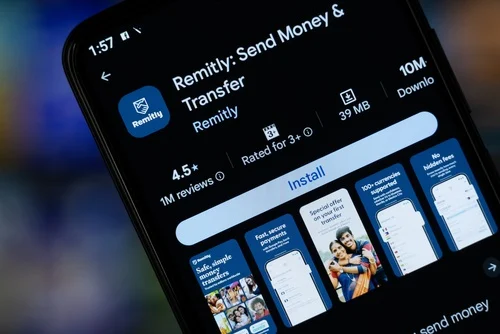
When a trusted contact at home needs to send support, the method they choose matters as much as the amount.
Check available delivery options
An eligible sender can review the delivery methods available for the recipient’s destination, such as bank deposit or cash pickup where supported. The right choice depends on the actual problem: depositing funds into a bank account doesn’t help if the recipient can’t currently access that account, whether because a card is missing or a phone used for mobile banking is gone. Cash pickup may be the more practical option in situations where immediate access matters more than convenience.
Review the transfer before sending
Before confirming a transfer, we display the recipient details and collection requirements, the fee and exchange rate, the amount the recipient will receive, and an estimated delivery window, along with any verification documents that may be needed. After sending, the transfer can be tracked, though availability depends on the specific route and transaction.
Confirm who is eligible to send
Not every traveler can send money from every country they visit, and temporary presence in a country doesn’t automatically establish eligibility to use every service there. This option is generally framed around an eligible person at home sending support to someone abroad, subject to the sender’s current eligibility and location.
Check the options available for sending support abroad.
Service availability, recipient requirements, fees, exchange rates, limits, and delivery times vary by location and transfer details. Review current requirements before relying on a transfer as an emergency option. Insurance benefits and assistance depend on the applicable policy or program.
What to do if you lose access to money abroad
When something does go wrong, having a sequence to follow reduces panic and wasted time:
- Get to a safe place first, before dealing with anything else.
- Report and secure any compromised cards or accounts immediately.
- Contact the relevant provider through a verified, independently known channel—not a number from an unexpected text or email.
- Use an independent backup payment method if one is available.
- Contact a trusted person about support, following the plan agreed on before the trip.
- Confirm exactly how any incoming funds can be received before assuming the problem is solved.
- Contact the appropriate embassy or consulate if the ordinary options have been exhausted.

What help can a U.S. embassy or consulate provide?
For U.S. citizens specifically, consular staff can offer several forms of support:
- Helping a traveler get in touch with family or friends back home
- Explaining the financial assistance options that may be available
- Administering limited loan programs for destitute citizens, which carry eligibility requirements and must be repaid
This assistance isn’t a guarantee of free money or payment of general travel expenses. A U.S. passport is typically restricted until a repatriation or emergency loan is repaid in full. Travelers who aren’t U.S. citizens should contact their own country’s consular services, since assistance programs and eligibility vary by nationality.
Practical scenario: A lost wallet during a family visit
Here’s a hypothetical example that pulls several of these pieces together.
A traveler visiting family overseas loses their wallet partway through the trip. Because they stored a backup card separately from their primary wallet, and kept their issuer’s international contact number saved outside their phone, they’re able to secure the missing cards quickly and check on replacement arrangements through a verified channel. The situation calls for a bit more cash than they have on hand, so a relative back home confirms an eligible transfer route and checks what the traveler will need to receive the funds at their end.
The takeaway isn’t that any single step solved the problem. It’s that having several independent access options in place reduced what could have been a serious disruption to a manageable inconvenience. This traveler still needed some original identification to complete the process; a lost wallet doesn’t erase every requirement at the other end.

Before-you-go emergency money checklist
- Estimate a reserve for plausible disruptions on this specific trip
- Confirm how to access that reserve while overseas
- Prepare a backup payment method stored separately from the primary wallet
- Carry a modest amount of appropriate local cash
- Check limits, fees, and authentication requirements on every card and account
- Save verified support contacts securely, outside of the phone itself
- Review insurance coverage and reimbursement requirements before departure
- Agree on a communication plan with someone at home
- Check backup transfer eligibility and recipient requirements in advance
Frequently asked questions
How much emergency money should I keep for a trip abroad?
There’s no universal figure. The right amount depends on destination costs, trip length, number of travelers, existing insurance coverage, and how remote or well-connected the destination is. A useful approach is pricing out a plausible disruption—an extra hotel night, a replacement ticket, a relevant insurance deductible—rather than picking an arbitrary number.
Should my emergency reserve be cash or money in an account?
Most travelers benefit from a mix. An accessible account offers security and the ability to move larger amounts, while a modest amount of local cash covers situations where cards or connectivity fail. Relying entirely on one or the other leaves a gap.
What if my phone and wallet are both stolen?
This is exactly why storing backup cards, recovery codes, and support contact numbers separately from a phone matters. Before traveling, confirm how to access accounts and report lost cards through channels that don’t depend on the phone itself, such as a hotel landline or a borrowed device.
Can family send me money while I’m overseas?
In many cases, yes, depending on the destination, the sender’s location, and the specific transfer provider. It’s worth confirming receiving requirements, such as identification and access to a usable account or pickup location, before counting on this as a backup plan.
Will travel insurance pay expenses immediately?
Not usually. Many policies require the traveler to pay upfront and submit a claim for reimbursement afterward, and some destinations require payment before care is provided at all. Reviewing a policy’s documentation requirements and deductible before departure avoids confusion in the moment.
Can a US embassy give me emergency money?
A U.S. embassy or consulate can help a citizen contact family, explain financial assistance options, and in some cases offer a limited loan program for destitute travelers. This support comes with eligibility requirements and repayment obligations—it isn’t a guarantee of free funds or routine expense coverage.
Can I rely on a credit card as my only backup?
A credit card alone carries risk. It can be lost, blocked, or declined due to a security hold, and cash advances often come with high fees and immediate interest. Pairing a credit card with at least one additional independent option—another card, some local cash, or a separate accessible account—reduces that single point of failure.
Preparing for a financial emergency abroad comes down to three things: an accessible reserve, more than one way to reach your money, and a recovery plan you’ve thought through before you need it. None of these preparations take long to set up before a trip, but they can make a significant difference if something does go wrong. Revisit this plan whenever your destination, trip length, or circumstances change, since what worked for a short beach vacation may not hold up for a semester abroad.