Key Highlights
If you are planning a trip to Vietnam, here is what you need to know about getting your Vietnam visa.
-
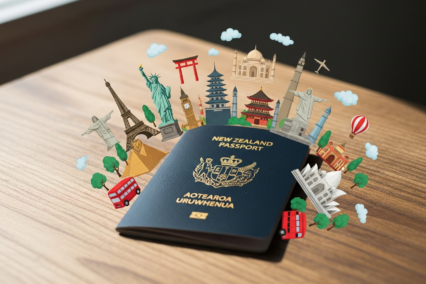
All New Zealand passport holders must get a valid visa before they travel to Vietnam.
-
You can fill in your visa application online to get a Vietnam eVisa. This eVisa is good for up to 90 days.
-
You can also get a Visa on Arrival. For this, you must have an approval letter before you get on your flight.
-
Your valid passport needs to be good for at least six months from the day you plan to arrive.
-
The normal processing time for an eVisa is about 3 to 7 working days.
Introduction
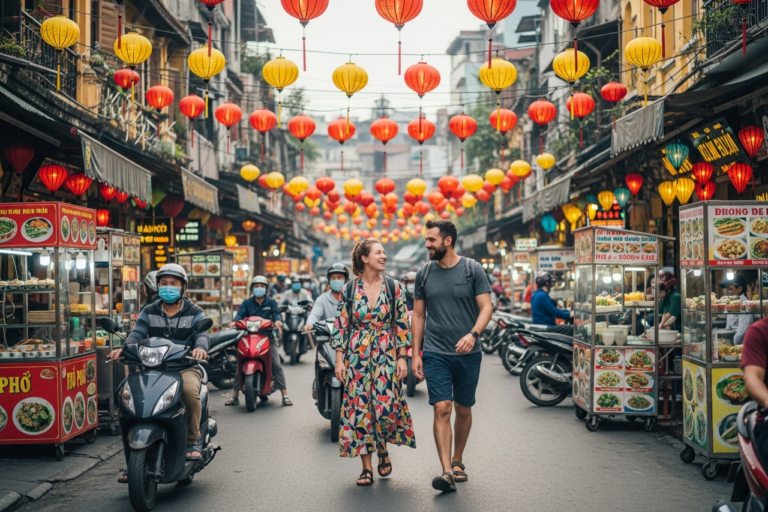
Vietnam is a popular pick for people from New Zealand. It has busy street markets, great views, and lots of culture to enjoy. Many people go to Vietnam for a short trip or spend more time there. The cost to visit is low, and there is warm weather all year. These things make a holiday in Vietnam a good idea.
If you are thinking about going, you might want to know the entry requirements. You need to know about getting a Vietnam visa and what it takes to enter the country. This guide will show you what you need to do to get your vietnamese visa. It will help you plan your trip without stress.
Do New Zealanders Need a Visa to Visit Vietnam?
If you are a New Zealand citizen, you have to get a visa to go to Vietnam. This is needed no matter why you are visiting. You could be going for a holiday, work, or to see family. The same rule is there for all New Zealand passport holders. It is part of the entry requirements.
If you want your trip to go well, you need to know the current requirements. Be sure to finish your visa application before you travel. The way you get the visa can change, depending on what you want to do in Vietnam. So, choose the best way to apply for your travel documents, based on your plans.
Current Entry Policies for New Zealand Citizens
To go to Vietnam, you need to have a valid passport and the right visa. Your passport must be good for at least six months from when you get to Vietnam. You also need to have two empty pages in your passport for the visa stamp.
There are a few visa types to pick from. The one you need depends on why you are going and how long you want to stay. If you are going for a holiday or a short work trip, you can use the e-Visa or get a Visa on Arrival. If you plan to stay longer, maybe for work or to study, you must get a special visa from the Vietnamese Embassy.
It is very important to know the current requirements, so you do not have any problems getting in. If you are not sure about what you need, you can talk to the Embassy of Vietnam in New Zealand, in Wellington. You can also check the Vietnam Immigration Department website to see what the latest entry requirements are.
Visa Exemptions and Short-Term Stay Rules
Most people from New Zealand need to get a visa to visit Vietnam. But there are some special cases where you can get a visa exemption. For example, if you are an overseas Vietnamese living in New Zealand, or you are the spouse or child of one, you may get a 5-year visa exemption certificate. This certificate lets you enter and leave Vietnam many times, and you can stay longer each time.
Other travellers with New Zealand passports will need to get a general visa. There are no broad visa exemptions for short visits, like there are for some other countries. Even if you are only going to Vietnam for a short time, you need to get a visa before you go.
There has sometimes been an exception for places like Phu Quoc Island. But these rules can change, so you should always check the current rules before your date of arrival. If you think you could be one of the people who are eligible for a visa exemption, you can:
-
Contact the Vietnamese Embassy in Wellington to check.
-
Look at the rules for the 5-year visa exemption.
-
See if there are any special rules for your location, like Phu Quoc Island, in Vietnam.
Types of Vietnam Visas Available for New Zealand Passport Holders
If you have a New Zealand passport, you can pick from a few type of visa options when you plan to go to Vietnam. The visa types you choose will depend on why you want to travel. You might need a visa for a holiday, a business trip, or to stay in Vietnam for work or study for more time. The main type of Vietnamese visa most people use includes the new e-Visa and the older, but still used, Visa on Arrival.
Each type of visa for Vietnam comes with its own way to apply, time it stays active, and its own set of rules. Knowing what these different visas offer will help you make a good choice for your visit. This lets your entry into Vietnam be easy and worry-free. Now, let’s look at the details of the most popular vietnamese visa options for people from New Zealand.
Tourist e-Visa: Features and Eligibility
The Vietnam eVisa is an electronic visa. It is now the most popular choice for people who want a tourist visa. This visa lets you fill out the whole application form online, which makes it easy to get started. If you are a New Zealand citizen, you can apply for this eVisa.
The Vietnam eVisa lets you stay for up to 90 days. You can use it for one visit or many visits to Vietnam. This gives you the freedom to change your travel plans if you need to. When your application gets approved, you just download and print your eVisa. You take it and show it to the immigration workers at any official checkpoint in Vietnam.
To get this visa, you will need to:
-
Fill out the online application form, and make sure all details are right.
-
Upload a clear scan of the data page from your passport.
-
Give a fresh passport photo (4x6cm size).
-
Pay the fee for the application online.
Visa on Arrival: How It Works for Kiwis
The Visa on Arrival (VOA) is another type of visa you can use for Vietnam. But you need to know that you must do a few things before you travel. To use this option, you have to apply online first. You need a pre-approval letter from an authorised agency. This letter is very important. You will not get on the plane to Vietnam if you don’t have it.
After you get the approval letter, which comes to you by email in a few business days, you can get on your flight. When you land at an international airport in Vietnam, there are some things you have to show. You need the approval letter, your passport, and two passport-sized photos. You also pay a stamping fee to get the visa sticker in your passport.
This type of visa is offered for single entry or more than one entry. It is usually good for up to 30 or 90 days. Keep in mind that you can only use a VOA if you arrive by plane. It is not for people who come to Vietnam by land or by sea.
Step-by-Step Guide to Applying for a Vietnam e-Visa
Applying for a Vietnam eVisa is easy, and you can do it at home. The most important thing is to use the official website. This helps you stay clear of scams and keep from paying any unnecessary fees. The Vietnam electronic visa portal will guide you as you go through your visa application. You will be asked to fill out an application form with your details and travel plans.
Once you send in the form and pay the fee, the processing time will start. It is a good idea to apply early so you have time if there are any delays. Up next, we will show you the official website to use. We will also talk about common mistakes to avoid when doing your electronic visa.
Official Website and Application Process
To apply for your eVisa, you need to use the official government portal. The right site is evisa.gov.vn. Using this official website will send your visa application to the Vietnamese immigration team. You will also pay the correct fee for your visa here. Be careful with other sites that look the same as the official website. Some of these may add extra service fees you do not need to pay.
The process on the Vietnam electronic visa portal is made to be easy to use. You will see step-by-step guides that ask for all the required information. Get digital files of your passport and your photo ready on your device before you fill in the application form.
Here’s a simple breakdown of the process:
-
Go to the official website: evisa.gov.vn.
-
Fill in the online application form with your personal and your travel details.
-
Upload a digital file of your passport data page and your passport-sized photo.
-
Pay the visa fee with your credit or debit card and send in your application.
Required Documents and Common Application Mistakes
When you want to get your eVisa, the first thing to do is get the right papers ready. You will need a valid passport with at least six months left after your planned date of entry. You also have to provide a digital copy of the page with your personal information in your passport. Take a recent passport-style photo (4x6cm) with a white background. This photo has to be digital, too.
If you put in wrong details while applying, it often leads to a hold up or a no from the office. The most common mistake is typing the wrong personal information. Make sure you look over things like your full name—exactly how it is in your passport, your date of birth, and your passport number. Even one small spelling mistake can give you a hard time.
To dodge problems with your eVisa application, watch out for these things:
-
Name order: Put your given name and surname in the right order and right spots.
-
Dates: Check your date of birth, your passport expiry date, and when you plan to cross the border.
-
Photo quality: Your photo needs to be clear, meet all the size needs, and not be fuzzy or out of focus.
-
Passport scan: The scan you upload of your passport should be sharp and easy to read.
Vietnam Visa Costs and Processing Times for New Zealand Travellers
Knowing the Vietnam visa costs and how long the processing time will be is important. This helps you plan how much money and time you need for your trip. Most fees are shown in USD, so the final amount you pay in NZD can change. It depends on the exchange rate when you pay. The Vietnamese Immigration Department decides these fees.
Processing time can be different for each case. So, it’s a good idea for New Zealand passport holders to ask for their visa early. This helps to make sure everything is ready before they go. Below, we will talk about the pricing for different visa types and what processing time people can expect.
Breakdown of Fees for Different Visa Types
The cost of your Vietnam visa depends on the type you choose. The e-Visa offers straightforward pricing, while the Visa on Arrival has multiple components to its cost. For the e-Visa, the fee is paid directly on the official government portal during the application.
For the Visa on Arrival, you pay a fee for the pre-approval letter to an online agency, and then a separate visa stamping fee in cash (USD is preferred) upon arrival at the airport. These fees can differ, so it’s good to know the breakdown.
Here’s a general guide to the government fees for the most common visa types:
|
Visa Type |
Government Fee (USD) |
Approximate Fee (NZD) |
|---|---|---|
|
E-Visa (Single Entry) |
$25 |
~ $41 |
|
E-Visa (Multiple Entry) |
$50 |
~ $82 |
|
VOA Stamping Fee (Single Entry) |
$25 |
~ $41 |
|
VOA Stamping Fee (Multiple Entry) |
$50 |
~ $82 |
Note that the VOA costs do not include the fee for the approval letter, which varies by agency.
Average Processing Times and Factors That May Affect Approval
The processing time for a Vietnam e-Visa is usually 3 to 7 business days. If you are applying for a Visa on Arrival, the approval letter often takes about 3 to 5 business days too. This may change depending on the service you pick.
Still, there are things that can slow down the process. The Vietnamese Immigration Department might get busy, especially when there are a lot of travellers. This often happens during peak travel times, so the wait can be longer. Public holidays in Vietnam will stop the processing, so you should always look at the calendar before you send in your application.
To help your visa application go well, keep in mind these things that could slow down your processing time:
-
Application errors: If the information you give is wrong or missing, it will delay your application.
-
Public holidays: When there are Vietnamese national holidays, it will take more business days for your visa to be done.
-
Urgent services: You can pay extra to some agencies that can speed up the process. This can sometimes make it a same day or just a few hours.
-
High demand: When it is the travel season and many people want a visa, the waiting time goes up.
Being ready and knowing about these points will help you when you apply for a visa in Vietnam.
Conclusion
To sum up, getting a visa for Vietnam as someone from New Zealand does not have to be too hard. If you have the right information, you will know if you need a visa, see which type fits you, and finish your visa application with no trouble. Be sure to check all the requirements and watch out for any mistakes. Make sure you give yourself enough time, as vietnam visa processing can take days. If you follow these steps, you will have a smooth trip. Your time in Vietnam is waiting for you. Take this first step to make it happen. If you have any questions or need help with your vietnam visa, you can always reach out. Safe travels!
Frequently Asked Questions
How can I extend my Vietnam visa or e-visa if I want to stay longer?
If you want to stay longer in Vietnam, you need to apply with the Vietnam Immigration Department before your current valid visa or eVisa runs out. The way to get an extension and what you need for it might change from time to time. So, it is a good idea to ask a local agent for help or go to the immigration office to find out the latest steps you have to take.
What should I do if my Vietnam visa application is rejected?
If your visa application is not accepted, the first thing you should do is check why it happened. This can often be because some information you gave was not right. You can fix the mistakes and then apply again on the official website. If you still have problems, it is a good idea to get in touch with the Vietnamese Embassy in New Zealand for help and advice.
Are there trusted agencies or contacts for Vietnam visa support in New Zealand?
If you need real help with your visa, the Vietnamese Embassy in Wellington, New Zealand is the best place to go. While you will find a lot of agencies that do visa work, the embassy is the only official office for the government. The embassy can give you the most up-to-date and correct advice if you have problems or tough questions about your visa or anything else to do with the Vietnamese Embassy in New Zealand.