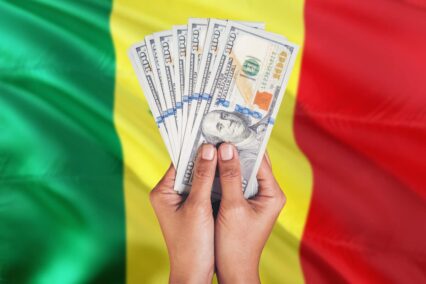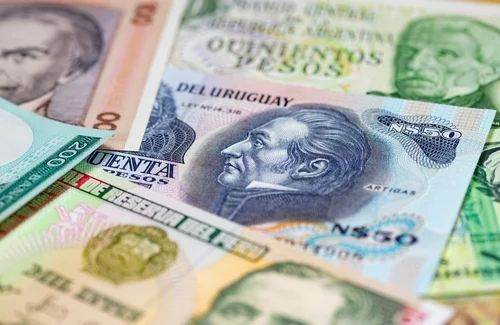
There’s no single South American currency, with different currencies used across the continent’s twelve sovereign countries. UK travellers will most commonly deal with the Brazilian Real, Colombian Peso, Argentine Peso, Chilean Peso and Peruvian Sol, plus the US Dollar in Ecuador. This guide covers what to expect country by country.
At a glance
- No single currency covers South America; different currencies are used across the continent’s twelve sovereign countries.
- Ecuador is the exception, using the US Dollar, which UK travellers can buy before flying.
- Pounds sterling aren’t generally accepted for everyday payments in South America, so plan to use local currency or a payment card.
- Cards are widely accepted in many cities and tourist areas, but carrying cash is advisable in smaller towns and rural areas.

What currency is used in South America?
No single currency covers South America, with different currencies used across the continent’s twelve sovereign countries. Here’s what each uses:
- Argentina – Argentine Peso (ARS)
- Bolivia – Boliviano (BOB)
- Brazil – Brazilian Real (BRL)
- Chile – Chilean Peso (CLP)
- Colombia – Colombian Peso (COP)
- Ecuador – US Dollar (USD)
- Guyana – Guyanese Dollar (GYD)
- Paraguay – Paraguayan Guaraní (PYG)
- Peru – Peruvian Sol (PEN)
- Suriname – Surinamese Dollar (SRD)
- Uruguay – Uruguayan Peso (UYU)
- Venezuela – Venezuelan Bolívar (VES)
French Guiana isn’t a sovereign country, it’s an overseas department of France, so it uses the Euro. Pounds sterling aren’t generally accepted for everyday payments in South America, so plan to use local currency or a payment card.
South America isn’t alone in this, currency in Asia varies just as widely from one country to the next.
Argentina (Argentine Peso – ARS)

Argentina significantly reformed its foreign-exchange system in April 2025, lifting currency restrictions for individuals, removing the “dólar blend” and introducing an exchange-rate band. The exchange-rate band system continued into 2026, so check current rates and guidance from the BCRA before you travel. UK cards generally work in Argentina’s larger cities.
Brazil (Brazilian Real – BRL)

Brazil is a popular South American destination for UK travellers, and Visa and Mastercard are widely used in major cities and tourist areas. Locals commonly use Pix, Brazil’s instant-payment system. Access for foreign visitors has historically been more limited, although some international payment providers now allow eligible customers to make payments or transfers using Pix details. ATMs are easiest to find in São Paulo and Rio.
Colombia (Colombian Peso – COP)

Colombia has grown popular with UK travellers, and how you pay depends on where you are. Credit and debit cards are widely accepted in hotels, shops and restaurants, although carrying cash is useful for markets and smaller businesses. Carrying some small notes can also be useful for everyday purchases.
Peru (Peruvian Sol – PEN)

If you’re visiting Machu Picchu or Cusco, you can usually book entry tickets online by card in advance. Card acceptance is reasonable in tourist areas but drops quickly in rural Peru, where cash is essential. Many locals use Yape, a popular mobile-payment app. Foreigners can register in certain circumstances, although visitors generally won’t need it for a short trip.
Chile (Chilean Peso – CLP)

Chile is one of the more card-friendly countries in South America; UK cards are generally well accepted in Santiago, with ATMs widely available. When travelling through more remote parts of Patagonia, carry some cash as a backup, since card acceptance and connectivity can be less reliable outside larger towns.
Ecuador (US Dollar – USD)

Ecuador uses the US Dollar, making it one of the most straightforward South American destinations for UK travellers – you can buy dollars before you fly. You may still receive small Ecuadorian centavo coins as change.
Using cash and cards in South America: what UK travellers should know

Check your bank’s current guidance before travelling. Many major UK banks no longer require customers to register overseas travel, but make sure your contact details are up to date in case your bank needs to verify a transaction. Travel-focused bank accounts can offer competitive overseas spending rates and lower fees than some traditional bank accounts. Their exchange-rate methods and cash-withdrawal allowances differ, so compare current fees before travelling.
At terminals and ATMs, it’s generally best to choose the local currency rather than pounds. Paying in GBP can trigger dynamic currency conversion, where the merchant or ATM operator sets the exchange rate and may add a significant markup. Make sure you know your card’s PIN before travelling, as you’ll normally need it for ATM withdrawals and some card transactions. If you’re sending money home too, knowing how bank identification codes work helps. If you’re sending money home too, knowing how bank identification codes work helps.
Practical money tips for UK travellers in South America
- Compare exchange rates before using airport currency-exchange desks, as convenience can come with less competitive rates or higher fees.
- Carry small denomination notes; shops and taxis often can’t change large ones.
- Check your bank’s overseas card settings, fees and contact details before you travel.
- Check which ATM networks your card works with before you travel.
- Learn what genuine local banknotes look and feel like, since counterfeits circulate in some countries.
- Travelling through Bolivia outside major cities? Carrying additional cash can be particularly useful, since access to compatible ATMs and card payments may be less reliable in smaller towns.
- Keep a mix of cash and card rather than relying on one, since acceptance varies by country.
Budgeting for a longer Latin America trip? Our cost of living guide for Costa Rica offers a useful comparison point.

FAQs
What currency should I take to South America?
You don’t need one currency for the whole trip, each country uses a different currency, with Ecuador using the US Dollar, so it helps to arrive with some local cash for each stop and top up from ATMs. Ecuador is the exception, since it uses the US Dollar, one of several unusual currencies worldwide.
Will my UK debit card work in South America?
Yes, UK debit cards generally work at ATMs and terminals in major cities, though acceptance drops in rural areas. Travel-focused accounts such as Wise, Starling and Monzo can offer competitive exchange rates and lower overseas card fees than some traditional bank accounts, although their exchange rates, limits and ATM fees differ. Check the current terms for your account before travelling.
Should I bring cash or rely on cards in South America?
A mix of both works best. Cards are widely accepted in cities, hotels and larger shops, but cash remains useful for transport, markets, small businesses and more remote destinations across much of the continent, so it’s sensible not to rely on your card alone.
Which South American country uses the US Dollar?
Ecuador uses the US Dollar as its official currency, making it one of the simplest countries in South America to budget for, since you can buy dollars before you leave home rather than arriving without any local cash on you.
How much cash should I bring to South America?
There’s no single figure – it varies with your itinerary and how rural your route is. Carry enough local cash for a couple of days at a time, topping up from ATMs as you go.

Key takeaways: managing money in South America
- South America doesn’t share one currency, so budget on changing money in each country you visit, except Ecuador.
- Card acceptance is generally strongest in cities and tourist hubs, while cash remains useful in smaller towns, markets and rural areas, so carry some local currency as a backup.
- UK travel-focused accounts such as Wise, Starling and Monzo can offer competitive overseas spending rates and fees, but their exchange rates, ATM allowances and charges differ.
- Argentina’s currency system changed significantly following reforms introduced in April 2025, so check current exchange-rate guidance before relying on older advice about obtaining pesos.
- In Bolivia, carrying additional cash can be particularly useful when travelling beyond major cities, where access to compatible ATMs and card payments may be less reliable.
However you manage money on the road, sending funds home is worth planning separately from your travel cash. If you’re transferring money to family while away, knowing how account and routing numbers work can make the process smoother. We hope this guide helps you feel more confident managing money as you travel.
Sources
Banco Central de la República Argentina (BCRA)
Official information on Argentina’s April 2025 foreign-exchange reforms, including the lifting of restrictions for individuals, removal of the dólar blend and introduction of the exchange-rate band: https://www.bcra.gob.ar/en/news/inicio-de-la-fase-3-del-programa-economico/
Banco Central de la República Argentina (BCRA)
Current information on Argentina’s exchange-rate band regime, including changes applying from January 2026:
https://www.bcra.gob.ar/regimen-de-bandas-cambiarias/
Banco Central do Brasil
Official information explaining Brazil’s Pix instant-payment system:
https://www.bcb.gov.br/estabilidadefinanceira/pix-sobre
Wise Newsroom
August 2026 announcement on expanded international access to Brazil’s Pix network:
https://newsroom.wise.com/en-LAM/269346-wise-expands-global-access-to-brazil-s-pix-network-enabling-cross-border-transfers-via-pix-keys/
GOV.UK – Foreign travel advice: Ecuador
Information on Ecuador’s use of the US Dollar, Ecuadorian centavo coins, cash and card payments:
https://www.gov.uk/foreign-travel-advice/ecuador/safety-and-security
GOV.UK – Foreign travel advice: Colombia
Information on using credit and debit cards and managing money in Colombia:
https://www.gov.uk/foreign-travel-advice/colombia/safety-and-security
GOV.UK – Foreign travel advice: Brazil
Information on using cards and ATMs and avoiding counterfeit or damaged banknotes in Brazil:
https://www.gov.uk/foreign-travel-advice/brazil/safety-and-security
Yape
Official information about registration requirements for foreign users using a passport or foreigner’s identity card:
https://www.yape.com.pe/preguntas-frecuentes/crear-tu-cuenta-yape/como-me-registro-a-yape-con-carne-de-extranjer%C3%ADa-o-pasaporte
Wise
Information on the mid-market exchange rate, currency conversion and travel-money fees:
https://wise.com/help/articles/2932395/whats-the-mid-market-exchange-rate
Starling Bank
Current information on overseas card spending, Mastercard exchange rates and foreign ATM withdrawals:
https://www.starlingbank.com/resources/tools/currency-calculator/
Monzo
Current information on overseas spending, exchange rates, ATM allowances and fees:
https://monzo.com/help/account-and-profile/understanding-fees
Barclays
Current guidance on using cards abroad and whether customers need to notify the bank before travelling:
https://www.barclays.co.uk/help/cards/debit-card/abroad-notice/
Lloyds Bank
Current guidance on using debit cards overseas and travel notifications:
https://www.lloydsbank.com/current-accounts/help-and-guidance/debit-cards.html
HSBC UK
Current guidance on using HSBC cards overseas and travel notifications:
https://servicing.hsbc.co.uk/international/using-your-card-abroad/
NatWest
Current guidance on whether customers need to notify NatWest before travelling abroad:
https://www.natwest.com/support-centre/help-with-your-card/going-abroad/how-do-i-let-you-know-i-am-going-abroad-using-the-brand-mobile-app.html
Last reviewed: September 2026