Key Highlights
-
Filipino wedding traditions bring family and the whole community together. There is also a lot of meaning in the things people do at these big events.
-
Couples usually go through important steps like Pamamanhikan, which is a formal proposal, and they pick special people to be their godparents, known as Ninongs and Ninangs.
-
At the ceremony, they use a unity candle, veil, cord, and coins called arrhae. All these parts have special meaning in Filipino weddings.
-
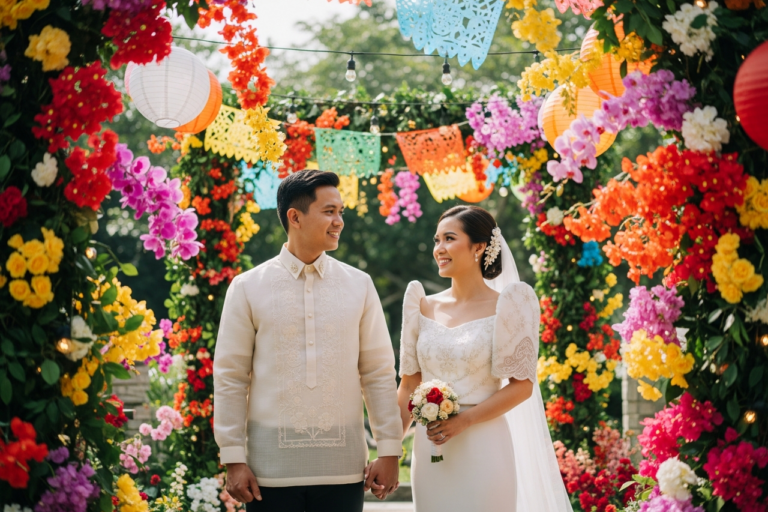
The Barong Tagalog is a classic outfit. When people wear it, it gives the wedding a strong Filipino style.
-
One highlight of the celebration is the money dance, where guests pin money on the couple. It is a sign that people want the couple to get good fortune in their new life.
-
The food at a Filipino wedding is always loved. Dishes like lechon stand out and make the reception feel very festive.
Introduction
Welcome to the bright and lively world of Filipino weddings! If you are going to a Filipino wedding or you want to add a bit of your own heritage, you will enjoy the day. Filipino culture is strong in its wedding traditions. The meaning behind each part brings a lovely and deep experience for every person there. These Filipino weddings are not just about having a party. They show how family, community, and long-lasting love come together. Let’s look at the special customs and wedding traditions that make Filipino weddings so wonderful.
A Canadian’s Guide to Wedding Traditions in the Philippines
For many Canadians, and those with Filipino roots, learning about Filipino wedding traditions can feel like going back to one’s own history. The wedding customs are built on family and bring people together. This makes the wedding ceremony something good for all to see.
The wedding ceremony has many important parts. Each an example of Filipino values. From the first formal promise to the big meal after, every part holds a special meaning. This guide will show you the main Filipino wedding customs. It will help you see what their culture believes and what wedding traditions mean to the people.
1. Pamamanhikan: The Formal Proposal and Family Meeting
Before the wedding starts, one of the biggest Filipino wedding traditions happens. It is called Pamamanhikan. This is not just a simple proposal. The groom and his family go to see the bride’s family. They ask the bride’s family if he can marry her.
The visit usually comes with gifts and food. The groom brings these to show that he wants and is ready to take care of his future wife. It is a time when the two families meet, talk, and get to know each other. They also talk about the wedding plans. The Pamamanhikan works as a kind of verbal marriage contract. Their promises to each other become sure in both families’ eyes.
Pamamanhikan is all about giving respect to the bride’s parents and family. It shows how important family approval is. From the start, families are involved, making it about the union of two families, not just two people.
2. Choosing Ninong and Ninang: The Importance of Sponsors
In Filipino culture, a wedding is not just for two people. It is something the whole community joins, and you can see this best with the role of the Ninongs and Ninangs. These principal sponsors are picked by the couple and become like godparents for the marriage. They do not just take part in the wedding party for the wedding day. Their part in the couple’s life goes on long after the ceremony.
These wedding sponsors are often looked up to in the community. They may be family friends or relatives who the couple thinks highly of. The couple picks them because of their wisdom, how much they have seen in life, and their strong values. On the wedding day, these sponsors are witnesses and join in important rituals.
Choosing Ninongs and Ninangs shows how big the importance of community is, and how much support from others matters in marriage. They are there not only for the wedding party, but to guide, give help, and share advice during married life. They become like second parents and role models while the couple makes their way through life together.
3. The Role of Arrhae (Wedding Coins) in Symbolizing Prosperity
A key moment in many Filipino wedding ceremonies is the arras ceremony, which is also called Las Arras. In this tradition, the groom gives his bride 13 coins called arrhae. This custom comes from a long history and has deep meaning.
The coins show the groom’s promise to take care of his wife and the family they hope to have. It is a clear sign of how he will give what he can to help them be well. The number 13 is also important because it stands for Christ and his 12 apostles. This adds a religious touch to the wedding tradition. It is a lovely part of Filipino wedding ceremonies because people believe it brings good fortune.
Now, many modern couples choose to update this tradition. Instead of only the groom giving coins, they might both give coins together. By doing this, they show that both will share in caring for the future and making a good life. This change is a good way to show that Filipino wedding traditions can still keep their meaning, but fit new ways couples live their lives.
4. The Unity Candle Ceremony and Its Meaning
The unity candle ceremony is a bright and meaningful moment in Filipino weddings. It shows how two people and their families come together as one. In this wedding ceremony, there are three candles. There are two small candles for the bride and groom, and one big candle in the middle called the unity candle.
At the start, a member from each family, often the mothers or chosen sponsors, lights the small candles. Then, both the bride and groom use these small candles to light the central unity candle together. This candle ceremony is about making a new family.
The flames of the small candles stand for each person’s life before the wedding. When the central unity candle is lit, it means they now have a life together. Even though they come from different families, this shows they are now joined as one. Filipino weddings use this candle ceremony to remind everyone how important family is.
5. The Veil and Cord Ritual: Binding Together in Faith
After the unity candle is lit, the veil and cord ceremony happens. This is another Filipino wedding tradition. It helps to show the union of the couple. The sponsors take part, which points to the importance of community in these weddings.
At first, two sponsors put a ceremonial veil on the bride’s head and the groom’s shoulders. This act means they are “clothed as one.” It also stands for the couple’s humility and shared life. The veil shows they are under God’s care, too.
Then, two other sponsors lay a decorative cord over the couple’s shoulders. The cord is shaped like an 8, which looks like an infinity sign. This cord ceremony is a symbol for their never-ending bond and their promise to each other. These wedding traditions show, in a strong way, how two people come together for life as one in marriage.
6. Barong Tagalog and Filipiniana: Traditional Filipino Wedding Attire
Filipino wedding attire is well known for the way it looks and feels. It connects people with their roots and shows style too. The groom will often wear a Barong Tagalog. This is the formal shirt for men in the Philippines. You can see its embroidery and feel how light it is. It is made from translucent fabric such as pineapple fibre, called piña, or banana fibre, called jusi. The shirt is always worn untucked. It gives off a classic vibe. It looks smart and stylish.
The bride may wear a white dress that is modern, or she might pick a more traditional outfit. This is the Filipiniana dress, at times also called the Baro’t Saya. This set includes a blouse with puffy sleeves and a matching long skirt. Many brides now like to try new versions of the Filipiniana gown. Each one can be beautiful, and many like the new look.
The wedding party takes part in these Filipino wedding customs too. Groomsmen put on Barong Tagalogs that match each other. Bridesmaids wear dresses that take ideas from Filipiniana style. Pretty accessories, like gold filigree earrings, finish their look. These make the day extra special and show another side of Filipino style and skill.
7. Sampaguita and Local Blooms: Incorporating Filipino Wedding Flowers
Flowers help set the mood at Filipino weddings, and using Philippine flowers is a great way to honour heritage. The Sampaguita is the national flower of the Philippines, so it is a special pick for a wedding day.
This small white flower gives off a sweet scent. It stands for purity, loyalty, and being true. All of these fit well with wedding day meaning. There are different ways for people to use this flower during the big day, tying the event back to wedding traditions.
Here are a few ways you can use Sampaguita in Filipino weddings:
-
Bouquets and Centerpieces: Add Sampaguita to the bride’s bouquet or use it in table décor for that lovely Filipino feel.
-
Garlands: You can make pretty garlands with Sampaguita buds to line the aisle or hang for sweet-smelling backdrops.
-
Leis: Give Sampaguita leis to guests when they arrive as a warm welcome.
Philippine flowers such as Sampaguita bring that extra touch to any wedding and stay true to both style and roots.
8. The Money Dance: Sharing Good Fortune with the Couple
One of the most lively and fun Filipino wedding traditions is known as the money dance. This tradition usually happens at the wedding reception. It is a way for the guests to wish the couple much prosperity and good fortune as they start life together.
At this dance, the guests take turns to dance with the bride and groom. During the dance, each guest will pin cash right onto the clothes of the couple. The whole event is full of joy. It’s not all about the money – it is about people showing that they want the couple to have a good financial start in their new life.
Here’s how the money dance goes:
-
The emcee will say it is time for the dance, so everyone knows it’s time to start the night.
-
Guests will line up to have a short dance with the bride or the groom.
-
During their turn, they pin money onto the clothing as a sign of good luck and to give the couple a helpful gift.
The money dance is one of the best wedding traditions in any Filipino wedding. It brings people together, shares joy, and fills everyone with good vibes. Everyone gets to help start the couple’s life with hope and good fortune.
9. Filipino Wedding Cuisine: Lechon, Kakanin, and Festive Foods
No Filipino celebration is ever finished without a good meal, and filipino weddings are where you really get to see the country’s amazing food. The wedding reception is always full of joy, where people come together and share some of the best dishes there are.
At many filipino weddings, there is lechon. This is a whole roasted pig that has very crispy skin and soft, juicy meat. Lechon stands for big celebrations and being generous. Besides lechon, there will also be many traditional filipino dishes for you to try and like.
There are also other foods you’re sure to see at filipino weddings:
-
Kakanin: All kinds of rice cakes and sweet treats. These delectable desserts make a meal end on a sweet note.
-
Pancit: These noodle dishes mean the couple will have a long and happy life together.
-
Adobo and Kaldereta: These are savoury stews everyone loves. You will taste why these are some of the best parts of traditional filipino dishes.
10. Post-Wedding Traditions: Paalam and Salu-Salo
The celebrations in Filipino wedding traditions do not stop when the reception ends. After the big day, there are still more ways for family and friends to come together. One special tradition is the Paalam, which means “goodbye.”
The Paalam happens a few days after the wedding. During this time, the couple goes to see their parents and family. This visit is to show thanks and respect for all the love and help they got. The couple says thanks to their parents and they say goodbye to their lives as single people. This is a way for them to step into a new life together and it also honours their Filipino roots.
There is also the Salu-Salo, which is a simple party or get-together. The couple or their families may host this. It is a way to thank guests and those who travelled to be present at the wedding. This event is not too formal. It feels easy and lets everyone have good talks and keep the fun going.
These wedding traditions are a way for the couple to stay close to their family, their friends, and the things that come from their Filipino roots.
Comparing Filipino and Western Wedding Customs
When you look at Filipino weddings and compare them to most Western parties, you will see some big differences and things that are the same. Both have a special day to bring two people in love together. But in Filipino weddings, there is a lot more focus on family and the people close to the couple.
The way things are done in the ceremony, the meaning behind small things, and how family joins in—they all stand out in Filipino weddings. The wedding party in these groups is not the same. You will see sponsors who play a much bigger part compared to what is usual in a regular wedding group. Let’s check out some main ways how these are not the same.
Key Differences in Ceremony Structure
The structure of Filipino wedding ceremonies is often more elaborate than that of many Western weddings due to the inclusion of specific Catholic and cultural rituals. A traditional Filipino Catholic wedding ceremony integrates several symbolic acts that are not typically found in Western services.
These rituals, such as the coin, veil, and cord ceremonies, are woven into the mass, making the service longer but also deeply layered with meaning. Each element involves the participation of sponsors, which is a key difference from Western ceremonies where the focus is primarily on the couple and the officiant.
Here’s a simple comparison of the ceremony elements:
|
Feature |
Filipino Wedding Ceremony |
Western Wedding Ceremony |
|---|---|---|
|
Key Participants |
Couple, Parents, Principal Sponsors (Ninongs/Ninangs), Secondary Sponsors |
Couple, Parents, Maid of Honour, Best Man, Bridesmaids, Groomsmen |
|
Core Rituals |
Exchange of Vows, Ring Exchange, Coin (Arrhae) Ceremony, Veil Ceremony, Cord Ceremony, Unity Candle |
Exchange of Vows, Ring Exchange, Unity Candle (optional), Sand Ceremony (optional) |
|
Family Involvement |
Highly integral; parents and sponsors have active roles throughout the ceremony. |
Important, but generally less formally structured participation during the ceremony itself. |
Unique Symbols and Their Cultural Significance
Filipino weddings have many symbols, and these mean a lot in their culture and in their faith. These are not just there to look nice. Each one is an important part of the wedding ceremony. They help tell the story of love, the promise to stay together, and the support of family and friends.
There is a special group of three symbols in the wedding ceremony. These are the arrhae (coins), the veil, and the cord. The coins show that the groom will work hard and provide for the family so they can have a good life. The veil stands for the couple being joined as one. The cord means the two will be linked together and no one can break their bond.
There are also other things people use in Filipino weddings:
-
Rice Grains: People throw rice grains on the couple after they leave the church. This is to wish them a happy, rich, and full life together.
-
Flower Petals: Throwing flower petals means people hope the new couple have a happy and sweet life ahead.
-
Unity Candle: The unity candle starts with two flames turning into one. This shows how their lives come together in the wedding ceremony.
In filipino weddings, all these symbols and traditions, such as the unity candle, rice grains, and flower petals, help make the day meaningful for everyone.
Family Roles and Community Involvement
The Filipino value called “bayanihan,” or helping each other in the community, is a big part of every wedding. In Filipino culture, the marriage is not just about two people. It is about bringing together two families and those around them. This is different from some Western weddings that focus more on the couple alone. You can see the importance of community in how family and friends are involved.
Extended family members do more than just be at the wedding as guests. They play a big part in what needs to be done. From early planning and all the way to the wedding day, everyone helps in some way. This can be helping with decorations, making food for the pre-wedding parties, or giving support when it is needed. Because of this, the importance of community stands out from the very start.
Key parts of this involvement are:
-
Principal Sponsors (Ninongs/Ninangs): These godparents are picked to help guide the couple and be main witnesses.
-
Extended Family Participation: Aunts, uncles, and cousins get jobs to do in the wedding or at the party after.
-
Community Support: The party often gets bigger and includes more people from the Filipino community—even neighbours and friends who join in the fun at local Filipino community centers.
Blending Filipino Traditions into Modern Canadian Weddings
For many Filipino-Canadians, planning a wedding is a time to honor both their roots and their lives now. The good thing is you do not have to pick between a traditional Filipino wedding and a newer Canadian style. Lots of modern couples now find good ways to include both wedding traditions.
Adding filipino wedding traditions to your day can make it feel special and true to you. It does not matter if your wedding is big and fancy or small and simple. What matters most is to pick the parts of a traditional filipino wedding that feel right for you and your partner.
Integrating Filipino Rituals in Contemporary Celebrations
Modern couples have so many ways to use Filipino wedding traditions in their day, no matter where the wedding happens. You and your partner can pick the cultural elements that mean the most to you, so you can honour your Filipino roots. Just choose the traditions that fit your style.
Even if you have a non-religious or civil wedding, it is possible to include the veil, cord, and coin rituals. You may ask the officiant to tell your guests what these mean. This makes the moment good and special for everyone. It is also easy to use modern words to explain these rituals and let them focus on partnership and sharing life together.
You can also add some of these traditions to your reception. You might have the money dance to get people started on the dance floor. Another idea is to talk to your caterer and plan a mix of your favourite traditional Filipino dishes and cool Canadian food. There are countless ways to make these wedding traditions feel like your own.
Tips for Honouring Heritage in Destination or Mixed-Culture Weddings
Planning a wedding in another place or marrying someone from a different background is a nice way to honour your Filipino roots. To do this in a creative way, you should talk openly and make sure you use the right cultural elements. That way, everything feels real and comes from the heart.
Start with your partner and their family. Explain what these Filipino traditions mean. This helps everyone feel close and ready to be part of the wedding. You can also tell your guests what the rituals are about. Do this in the wedding program or share details on your website. This helps your guests understand and feel more connected, too.
Here are some good tips for blending cultures at your wedding:
-
Incorporate Bilingual Elements: Use English and Filipino on your Filipino wedding invitations. You can also put both languages in the ceremony script.
-
Display Family Mementos: Some people set up a table with family mementos, like photos from your parents’ and grandparents’ weddings. This is a nice way to honour the family’s story.
-
Fuse Your Cuisines: Ask your caterer to make food dishes from both families. The menu is another way to mix cultures and show the best from each one.
Conclusion
To sum up, learning about Filipino wedding traditions can add more joy and meaning to your day as a Canadian. The pamamanhikan shows real care between families. The money dance is fun and celebrates the happiness in weddings. These wedding traditions let you honour your roots and make family ties stronger.
If you are having your wedding by mixing cultures or somewhere far, these Filipino wedding traditions can help your big day feel loving and full of unity. Take time to enjoy these special rituals. They will help, so your wedding day is one you and all your loved ones will not forget. If you need help with plans or have questions, do not be shy to ask for support.
Frequently Asked Questions
What do the main symbols in Filipino weddings represent?
Key symbols you find in Filipino wedding traditions are the arrhae (coins), which stand for prosperity, the veil and cord ceremony, which show unity and a never-ending bond, and the unity candle, which means two lives join into one. There are other things too, like the money dance, rice grains, and flower petals. These are all there for good fortune and a happy life.
How can Canadians respectfully participate in Filipino wedding traditions?
Canadians can take part in a respectful way by keeping an open mind and taking in the experience. If you go to a Filipino wedding, try to follow the dress code. Listen when people talk about the wedding ceremony and what each tradition means. Don’t be shy to join things like the money dance. When you show real interest in the wedding ceremony and Filipino culture, you show respect for the couple and their family.
How are Filipino wedding customs evolving in today’s multicultural world?
Filipino wedding traditions are changing with the times. Many modern couples choose to mix these old customs with new ideas or other cultural elements. For example, some people now use digital payment methods for the money dance. Others may change religious rituals to fit a more secular wedding, but they still hold onto the main meaning of the traditions. These wedding traditions stay special, even as modern couples add new touches with digital payment methods and different cultural elements.