Key Highlights
-
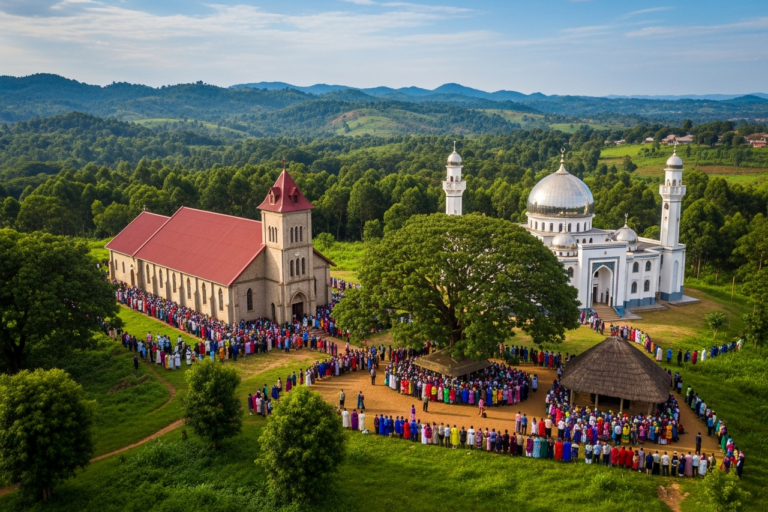
Uganda is a place where people follow many faiths, and the main ones are Christianity and Islam.
-
The christian population, which has many roman catholics and Anglicans, is the biggest group in the country.
-
There are still some people who follow traditional religious practices and hold on to indigenous beliefs, often at the same time as other faiths.
-
The law is clear, and it gives religious freedom to all. It does not let the state have one religion.
-
Muslim groups mostly live in eastern Uganda, in the central area, and also in the northwestern parts of the country.
-
Under Uganda’s law, no political group can be started because of a religious congregation.
Introduction
Are you curious about the spiritual life in Uganda? This lively African country has many different beliefs that shape how people live every day. You will find big city churches and quiet shrines in small towns. People in Uganda practice main world religions that mix with their own old traditions. If you want to know more about this special place, learning about what people believe will help you see what is in their hearts and how they live together.
Major Religions Practiced in Uganda
Most people in Uganda follow Christianity. The 2014 census says that about 82% of the total population is Christian. These people belong to many different christian denominations. Because of this, Christianity shapes a lot of what the country is and believes.
Islam is also important in Uganda. About 14% of the people in Uganda are Muslim. The Uganda Muslim Supreme Council thinks the number of muslims may be even higher. Some people still follow indigenous religions. There are also those who are Hindu, belong to the Baha’i Faith, or follow other beliefs. This shows that Uganda has more than one strong faith and the country is home for many beliefs.
Christianity and Its Influence
The teachings of the Christian religion have shaped life in Uganda. Many people in Uganda are Christian and go to different Christian churches. The two largest christian denominations are the Roman Catholic Church, with 39% of the people, and the Anglican Church, with 32%. Pentecostal groups are also growing in Uganda and now make up about 11% of the population.
The high Christian population goes back to the arrival of the first protestant missionaries and the french catholic missionaries in the 1800s. They helped many become christian converts, so there are now many strong churches. The Uganda Martyrs, killed for their faith in the late 1800s, stand as an important part of this past.
Most people live in tolerance, but there have still been cases of religious persecution. For instance, groups like the ADF have attacked christian schools and christian churches. This shows that, even if not everywhere, there are still some problems coming up from time to time.
Islam’s Role in Ugandan Society
Islam is a big part of life in Uganda and shapes how people live and connect with each other. There are a good number of Muslims in the country. You can find many in the eastern, central, and West Nile regions. Most of these people follow Sunni Islam, which is the biggest branch of Islam in the world. The Uganda Muslim Supreme Council often speaks for their needs and shares their voice.
The way of Muslims is part of Uganda’s national identity. A lot of daily habits, business, and family values in the country are touched by Islamic traditions. The number of Muslims grew after traders from the East Coast of Africa brought Islam here many years ago. This happened long before the time when European people came and took charge. Because of this, the faith is now an old and important part of Uganda’s past.
While Muslims are not the biggest group, they are active and have an impact on the people and life in Uganda. There have been times when people in the Muslim community say they were treated unfairly. Some say they have faced profiling and problems with security groups, especially with how counter-terrorism work is done. This shows there are still things that need to be better for them in the country.
Indigenous and Minority Faiths
Besides Christianity and Islam, there are many indigenous beliefs and other small faiths that add to Uganda’s spiritual life. People in different parts of the country still practise traditional religious practices. While not as many people follow these traditional religions, they are still important for the culture in many areas. These beliefs often show respect for ancestors and spirits found in nature.
In Uganda, many people say they are Christian or Muslim but still mix their faith with traditional religions. This mixing, or syncretism, is common. So, healers and spiritual leaders who follow indigenous beliefs are still asked for help, advice, and even for health or other needs. This shows how strong these old ways are in the lives of many Ugandans.
There are also other small faith groups in Uganda. Some of them are Hinduism, which is mainly followed by people of Indian background, and the Baha’i Faith. The Baha’i Faith has one of its biggest temples in Africa right in Kampala. The Jewish community lives mostly in the east part of the country. All these groups help make Uganda a place with many different beliefs.
Religion’s Impact on Ugandan Culture and Traditions
Religion in Uganda is not just a set of beliefs. It is a big part of the local culture and national identity. It touches all parts of life. You see it in people’s daily habits, the way they act with each other, and the big moments they celebrate. Religious leaders have a big part to play in the community. Many people look up to them when it comes to the welfare of the Ugandan people. They speak out on topics that matter to everyone.
Faith institutions stand at the centre of life in Uganda. They do this by bringing people together for colourful festivals. They offer people moral guidance and they run systems for helping in the community. In the next sections, we will see how religion shapes festivals, family life, and how everyone in the country feels about who they are.
Religious Festivals, Ceremonies, and Iconic Sites
Uganda has many bright religious festivals and ceremonies. These bring people together in the country. The events show deep faith, and many locals and tourists come every year. Uganda Martyrs Day falls on June 3rd. It is one of the biggest events, where thousands of people travel to the Namugongo Shrine. They gather there to honour those who lost their lives for their Christian faith.
The country is also filled with key religious sites. Many of these places are beautiful to look at and are important for spiritual reasons. Local authorities play a key role. They help manage crowds and plans for people at big events that take place at these sites. The most well-known religious spots are:
-
The Gaddafi National Mosque: This is a great example of Islamic art in Kampala.
-
The Baha’i House of Worship: This is the only temple of its kind in Africa, and you will find amazing gardens here.
-
Namirembe and Rubaga Cathedrals: These old churches are centres for the Anglican and Roman Catholic faiths.
There was also a sad moment in Queen Elizabeth National Park, which was not at a religious place. Two tourists and their guide were killed by an extremist group there. This event showed the kind of security issues that local authorities and others may face in areas where tourists like to go.
Influence on Family Life, Social Customs, and National Identity
Religion is very important in family life in Uganda. Big events like births, weddings, and funerals in the country almost always have religious ceremonies. These events bring people together and help them keep their values strong. The traditions give a good set of rules for people in the family to follow.
Also, what people do in Uganda is shaped a lot by things they learn at their place of worship. Religious leaders are seen often in the local media. They talk about problems people face and share their thoughts in big talks that affect everyone. People in Uganda look to them for advice because they care a lot about the welfare of the Ugandan people.
Having religion so much in everyday life helps people in Uganda feel like the country is one big team. People there believe in different things, but there is a strong respect for spirit and faith. This keeps everyone linked together, which is an important part of Uganda, even when times get tough.
Religious Tolerance, Pluralism, and Freedom in Uganda
Uganda is proud that it allows people to practise different faiths and accepts many beliefs. This is a big part of life in the country. The main laws in Uganda say everyone should have freedom of religion. There is no one official religion, so people from many faiths can live together in peace. These constitutional provisions help make the country open to all faiths.
You can see this freedom of religion when people from different religious groups meet and work together every day. In the next parts, we will look at the laws that protect this freedom and talk about some problems that can come up between different faith groups.
Legal Protections and Everyday Practice
The protection of freedom of religion is enshrined in Uganda’s constitution. These constitutional provisions are designed to prevent discrimination and allow citizens to practice their faith freely. The law prohibits the creation of political parties based on religion and criminalizes acts that insult or disturb religious gatherings.
The government requires religious groups to register, but this is often not strictly enforced for established bodies like the Catholic and Anglican churches. In practice, Ugandans are free to belong to and participate in the practices of any religious body. However, the law does set limits, such as noise regulations that some evangelical groups feel are enforced unevenly.
Here is a summary of the key legal aspects of religious freedom in Uganda:
|
Legal Aspect |
Details |
|---|---|
|
State Religion |
The constitution prohibits a state religion. |
|
Freedom of Belief |
Guarantees the right to practice, promote, and belong to any religion. |
|
Anti-Discrimination |
The constitution prohibits religious discrimination. |
|
Registration |
Religious organizations must register with the government to operate formally. |
|
Hate Speech |
The Computer Misuse Amendment Act criminalizes online hate speech based on religion. |
Interfaith Relations and Notable Challenges
Interfaith relations in Uganda are usually good. Leaders from different faiths often work together on national issues. Bodies such as the Inter-Religious Council of Uganda help make this happen. There are also people like Prince Kassim Nakibinge. He tries to bring together groups in the Muslim community. This helps bring more peace.
But the country does have some big problems. During the reign of Idi Amin in the 1970s, there were threats of violence and some groups were also persecuted. There was the removal of large numbers of Asians, and many of them were Hindu or Muslim. In more recent years, the country has had more cases of religious persecution. Groups like the ADF have made people scared. They have even attacked schools with mostly Christian students.
These things, along with the government’s profiling of Muslims in counter-terrorism work, make it hard for people of each faith to live in harmony. Even with these issues, there are many times when people come together. They stand against violence and help each other as they try to build peace in their communities.
Historical Evolution of Religion in Uganda
The story of religion in Uganda shows change and strength over time. At first, local spiritual beliefs were at the center of the people’s way of life. Things changed in the 19th century. Arab traders came and brought Islam. Soon after, European missionaries arrived and started to spread the religion of Christianity.
But the change was not always easy. There was often tension between their faiths and political plans. Sometimes this tension caused fights. Later, during the reign of Idi Amin, things got even worse, as there was strong religious persecution. The next parts will look at how Christianity and Islam began to spread and how old practices have kept going through all these changes.
The Spread of Christianity and Islamic Heritage
The spread of the religion of Christianity in Uganda began when Christian missionaries came in the late 1800s. The first Protestant missionaries and the French Catholic missionaries both wanted to have the most influence. They tried to win over important people, like the Baganda king. When the Baganda king became Christian, it helped many others in Uganda decide to follow the religion too.
At the same time, Uganda started to have a strong Islamic history. Traders from the east coast of Africa brought Islam there earlier in the 1800s. Islam grew strong, especially in some areas and with some groups of people.
This introduction of Christianity and Islam at about the same time made things complicated. Sometimes, the competition between these faiths brought tension. Still, both spread widely in Uganda. They both gave the people new social groups, ways to learn, and spiritual direction. This changed the country for good.
Persistence of Traditional Spiritual Practices
Christianity and Islam are the main religions in Uganda now. Still, traditional spiritual practices in Uganda are strong and have not gone away. Many people follow both their indigenous beliefs and their new religion. They do not see these things as a problem or as fighting each other. In fact, many feel their old ways help their spiritual life, most of all in rural areas.
You can see these practices most in the eastern regions of the country. In the east of Uganda, there are still many people who go to visit traditional healers. People also join in ancient rituals to get blessings, protection, or help with common day-to-day problems. This shows how deep the roots of these customs really go.
The fact that indigenous beliefs still exist shows something special about Ugandan spirituality. People there can take on new ideas but still keep and care for their older traditions. This mix helps old spiritual practices stay an important part of all the culture and religion in Uganda.
Conclusion
In the end, to understand religion in Uganda is to see how many beliefs and traditions come together to shape the country. People mostly follow Christianity and Islam. At the same time, there are many local practices that people follow too. Religion plays a big part in family life, social rules, and how people think of themselves as a nation. Ugandans welcome different beliefs, and this helps people have open talks, so there is more peace and less conflict. The way faith and culture mix makes life in Uganda rich and interesting. It also gives good lessons for Canadians who want to know more about other parts of the world. If you want to talk more, feel free to ask for a chat about these ideas.
Frequently Asked Questions
What are the percentages of Christians, Muslims, and other religious groups in Uganda?
Based on the 2014 census, most of the total population in Uganda is Christian. The christian population is about 82%. Out of this, roman catholics make up 39% and Anglicans are 32%. The number of muslims in Uganda is around 14%. Indigenous religions and other faiths account for the rest.
Are traditional African beliefs still visible in Uganda today?
Yes, you can still see traditional African beliefs today. Many people in Uganda mix their indigenous beliefs with either Christianity or Islam. In rural places like eastern Uganda, traditional religious practices are still common. People often visit healers and show respect to their ancestors. These things show that traditional religions are still important in their culture.
Are there any famous religious sites or festivals to visit in Uganda?
Uganda has many well-known religious places. Some of these are the Namugongo Martyrs’ Shrine, the Baha’i Temple, and the Gaddafi National Mosque. There are also big religious events in the country. One main event is Martyrs’ Day, which happens every year on June 3rd. On this day, you will see a strong show of local culture and faith. Many people come out to join and experience something special.