Key Highlights
-
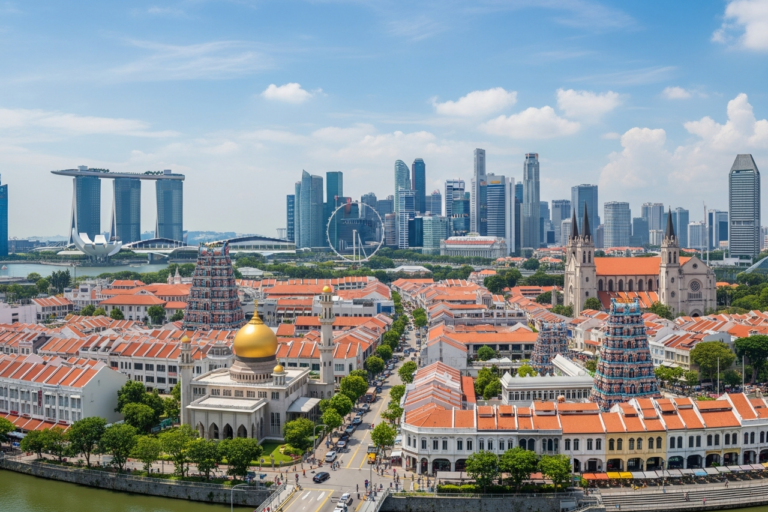
Singapore is known for its strong religious diversity. Buddhism, Christianity, Islam, Taoism, and Hinduism are the major religious groups in the country.
-
The government, with its laws and work with the community, helps support religious harmony. This lets different ethnic groups live together without any major problems.
-
People in Singapore have a right to religious freedom. But this right comes with rules. These rules are in place to take care of public order and keep the country safe.
-
Buddhism is the religion that the most people follow. About a third of the population in Singapore call themselves Buddhists.
-
More people now say they have no religious affiliation. A good number of Singaporeans call themselves free thinkers or do not have any religion.
-
People in Singapore celebrate many different religious festivals with a lot of excitement. All communities join in, which shows the nation’s mix of cultures.
Introduction
Welcome to Singapore! This is a lively place in Southeast Asia. Here, people from many backgrounds and beliefs live together in peace. If you come from Canada and plan to visit, it helps to know about the local faiths. It will help you enjoy your time and see how special this place is. Singapore is well-known for its religious diversity. People from different major religious groups and ethnic groups share the city with respect and religious harmony. This guide will show you the local faiths, festivals, and ideas that all help shape life in the Lion City. You will get to know more about what makes it unique and why folks here all get along so well.
Overview of Religion in Singapore
Singapore is well known in Southeast Asia for its strong religious diversity. There is no official religion in the country. People are free to follow any path they want. This has led to many religious groups living side by side in peace.
There are several major religious groups in Singapore. Many people from the ethnic Chinese population practise Buddhism. There is also Christianity, Islam, Taoism, and Hinduism. Each religious group adds something special to Singapore’s identity. This overview shares how the different beliefs shape the culture, laws, and the way people live each day.
Why Singapore’s Religious Landscape Matters for Canadians
As a Canadian, you live in a place with many cultures. But if you visit Singapore, you will see that their way of handling religious diversity is a bit different. The city-state is known as one of the most religiously diverse places in the world. To see this for yourself is something you don’t forget.
It is good to know about this, so you understand how people behave with each other. In Singapore, keeping religious harmony is very important for public order. Because of this, there are rules and ways people are expected to act when showing their religion.
When you know about the major religious groups and see how much people value living with each other in peace, you can connect better with them. It also helps you know the reason behind the beautiful temples, mosques, and churches. The many festivals you come across will also make more sense and will make your time special.
[religious diversity, major religious groups, religious harmony, public order]
Key Factors Behind Singapore’s Religious Diversity
Singapore’s religious diversity did not happen by chance. It began because Singapore was an important trading port. Over many years, people from China, India, the Malay Archipelago, and Europe came here. They brought their own cultures and religious beliefs to the country.
These different ethnic groups made their homes in Singapore. They built places of worship so people could practice their faiths. Over time, this helped to build the multicultural society we see now. Because of this history, the population of Singapore shows many types of religious affiliation.
The government in Singapore is also very focused on multiculturalism. It works hard to protect the rights of all faiths and asks people to respect each other’s beliefs. This makes it possible for many types of religious beliefs to grow and be a big part of everyday life. Now, religious diversity shapes much of the social life in Singapore.
Prominent Historical Influences on Local Religion
The story of religion in Singapore goes hand in hand with its history. Long before the British were in charge, the land had the indigenous people. Most of them were Malay Muslims. When Sir Stamford Raffles came in 1819, things changed fast. The place became a busy port, and many people started to come from other lands.
A lot of ethnic Chinese moved there. They brought Buddhism, Taoism, and Chinese folk religions with them. Indian people arrived as well. Most of them were Hindus or Muslims. Each group started their own community. This made the foundation for religious diversity in Singapore.
Big events, such as World War II, had an effect too. The way people lived and stuck together changed in that time. As the years went by, each religious group gave something special to the country. Now, the many faiths in Singapore are more than just accepted. They are a big part of what makes the country and its people who they are.
Main Religions Practiced in Singapore
Singapore is home to many faiths. The resident population follows several main religions. The government recognizes ten major religious groups. This shows that the country values people from different backgrounds.
There is not any official religious instruction in Singapore. Still, people respect all faiths. This is an important part of how everyone lives together.
The major religious groups in Singapore are Buddhism, Christianity, Islam, Taoism, and Hinduism. Most of the resident population follows these groups. Each group adds something special to the country. Let’s look at how each faith shapes life for people in Singapore.
Buddhism and Its Influence
Buddhism is the most common faith in Singapore. About a third of the population follows it. Most Buddhists here have ethnic Chinese backgrounds. The Mahayana school is the main type.
Singapore is different because it has places of worship for all three big types of Buddhism. These are Mahayana, Theravada, and Vajrayana. Having these many kinds in one place shows the island is a mix of cultures. These temples are for prayer, but people use them for other things too. They are at the centre of the community and are famous for their buildings.
Well-known places like the Kong Meng San Phor Kar See Monastery and the Buddha Tooth Relic Temple are key for Buddhist religious practices. A lot of people visit them every year. The Sri Mariamman Temple is for Hindus, not Buddhists, but you can see how major religious groups, like Buddhism, shape Singapore. This is why many different faiths and their sites live together in one small country.
Christianity Across Denominations
Christianity is a big and growing faith in Singapore. About 18% of the people say they are Christian. The christian community is very mixed, with many groups, like Catholic, Protestant, and types that are not Catholic.
There are many old and new churches all over the country. The Armenian Church, built in the 1830s, is the oldest Christian church in Singapore. People from all sorts of backgrounds go to church, and there are a lot of Chinese Christians too.
The International Bible Students Association is one group that is part of the Christian world, but Singapore has many local and international churches. Churches here do more than guide people in faith. They also give help to the community and support people, so they are a big part of daily life.
Islam in Singapore
Islam has been in Singapore for a long time. Today, about 15% of people in Singapore are Muslims. Most Muslims in Singapore are Malays. They follow the Sunni school of thought. The call to Friday prayers from the mosques can be heard in the city. It is a sound that makes Singapore a special place to be.
The Islamic Religious Council of Singapore, or MUIS, supports the Muslim community. This group looks after the religious, social, and cultural needs of Muslims. MUIS also manages the mosques, helps with the yearly trip to Mecca, and shares advice on Islamic issues.
Muslims are an important religious group in Singapore. They are a big part of Singapore’s mixed culture. Singapore’s first President, Yusof Bin Ishak, was a well-known Muslim. His picture is on the country’s money. This shows how much respect and belonging Islam has in Singapore’s national life.
Taoism and Chinese Religions
Taoism, like other Chinese folk religions, is important in Singapore, especially for the ethnic Chinese population. It is based on the ideas of Lao Tzu, an old philosopher. Taoism talks about living in harmony with nature, showing respect to ancestors, and being kind.
You can see many beautiful Taoist temples in Singapore. Some of them are centuries old. Thian Hock Keng Temple is one of the oldest and most well-known Chinese temples here. Taoist temples are lively places where people worship and celebrate their culture.
The teachings and ways of Taoism add a lot to Singapore’s religious diversity. You will notice Taoist temples near Hindu temples, churches, and mosques. This shows how the different people in Singapore live together in a multicultural way.
Hindu Community and Traditions
The Hindu community in Singapore is small, but it is also lively and strong. Hindus make up close to 5% of people living there, and most of them belong to Indian ethnic groups. Their ways of life help make Singapore’s culture feel bright and interesting.
There are about 30 Hindu temples in Singapore. Each temple looks different and is made for different gods like Ganesha, Shiva, or Vishnu. The Sri Mariamman Temple is the oldest Hindu temple in Singapore. It stands out in the city and is seen as an important spot.
Temples are busy, especially when people gather for big festivals like Deepavali and Thaipusam. Groups like the Hindu Endowments Board and Hindu Advisory Board take care of the hindu temples. They help the community with both social needs and religious needs. These groups also help keep traditions from all the different ethnic groups of Hinduism going strong.
Smaller Religious Communities
Singapore is not just home to the main faiths. The country also has many smaller but important religious groups. There are Sikhs, Jews, Baháʼís, Jains, and Zoroastrians. They all help build the religious diversity found here.
Every religious group plays a part. Big or small, they add to the multicultural feel in the nation. Their being here shows how open and welcoming Singapore is. Let’s have a look at these smaller communities and see where they fit into Singaporean life.
Sikhism: Roots and Practices
Sikhism has been in Singapore since the late 1800s. The first Sikhs came from Punjab, India. Now, the Sikh community is seen as a valued and strong religious group. Their spirit of service and care for others shows in everything they do.
The gurdwara is where Sikhs go to worship. The gurdwara welcomes people from all religions. There is a tradition called langar in every gurdwara. Langar is a free kitchen that gives vegetarian meals to anyone who comes. The idea behind langar is about equality and helping others.
The religious practices of Sikhs are an important part of religious diversity in Singapore. The Sikh community works hard to serve others and live in peace with people from other religions. This makes them a big part of Singapore’s society.
Judaism and the Synagogue Experience
The Jewish community in Singapore is small, but it has a long story that goes back to the 1830s. You can find both Sephardic and Ashkenazi Jews here, and this mix makes their traditions in Judaism special.
There are two synagogues in Singapore. One is the Maghain Aboth Synagogue, and the other is the Chesed-El Synagogue. These places are the heart of Jewish life and events for the people who are part of this religious group. The Maghain Aboth Synagogue first opened in 1878. It is also the oldest synagogue still standing in Southeast Asia.
The Jewish group is doing well and continues to be active. This shows that Singapore supports religious freedom in a real way. The Jewish community can follow its faith openly here, making it a valued part of all the different beliefs found in Singapore.
Baháʼí Faith Presence
The Baháʼí Faith came to Singapore in the 1950s. Since then, it has grown into a small but lively community. The group’s main beliefs are that there is one God, all religions are linked, and all people are connected. These ideas match well with Singapore’s mix of cultures.
As a religious group, the Baháʼís take part in community life. They hold prayer meetings, learning groups, and classes for kids. These are open to everyone and help teach moral and spiritual lessons.
The community has religious freedom in Singapore. They can do their religious activities openly and without trouble. The Baháʼí community brings one more piece to Singapore’s spiritual life. It helps show that different beliefs can live together, work together, and help everyone.
Jainism, Zoroastrianism, and Other Minorities
Singapore’s religious diversity goes beyond big groups. It includes small groups like Jains and Zoroastrians. Jainism is from India and has a few followers in Singapore. They have a temple, called the Singapore Jain Religious Society. In this temple, they follow rules of non-violence and living simply.
Zoroastrianism started in Persia and is one of the oldest faiths in the world. The Parsi and Irani Zoroastrians in Singapore are few, but they hold on to their own ways and beliefs.
Followers of other religions, as well as other minority groups, are all part of the nation’s colourful mix. Their presence shows Singapore’s open atmosphere. Even the smallest groups have a spot to believe and share, which adds more to the city’s religious diversity.
Non-Religious and Secular Trends
Singapore has many people who follow religions. But now more people are choosing to be non-religious. About 19% of people do not follow any religion. This group includes atheists, agnostics, and free thinkers.
The number of non-religious people is going up, especially with younger and more educated people. Groups like the National University of Singapore study how these numbers change. The next parts will talk about why more people are non-religious, and what is making this community grow.
The Growth of Free-Thinkers and the Non-Religious
The number of people in Singapore who call themselves non-religious or free thinkers keeps going up. Now, this group is the third-largest in the country, right after Buddhism and Christianity. These people are made up of many different backgrounds, and they have many different reasons for not having a religious belief.
In Singapore, free thinkers are not always against religion. A lot of them just don’t follow any set religious belief system. They choose to see the world using logic, reason, and what they know from their own lives instead of following a divine doctrine.
More people in Singapore are becoming secular, and this change is impacting the way people in the country live and interact. Groups like Singapore Humanism Meetup are giving free thinkers and others who are non-religious a place to connect and share ideas. This shows that people still want to be part of a community, even if they don’t share the same religious belief.
Reasons for Rising Secularism
Many things are helping the rise of secularism in Singapore. There is a growing number of people who say they are not religious. This is partly because people are getting more education. The internet and social media are also giving them more information. They can see the world in new ways. People can think for themselves.
The school system, with its focus on science and citizenship education, also matters. National Service asks young men from different backgrounds to work and live together. It helps build a national identity that goes beyond religion.
For most younger people, personal choice and their own thinking are more important. They look at ideas and question old ways. Singapore is following a global move where people think about religion differently. New generations are going their own way.
Youth and Changing Religious Affiliations
Young people in Singapore change their religious affiliation more than older folks. Many choose to switch faiths or stop having a religion altogether. Nanyang Technological University looks into this trend.
Most young Singaporeans see religion as something they choose. It is not just something passed down by their family. Some try different beliefs before picking one they like the most. Some decide not to follow any religion at all.
These changes in belief help religious diversity grow in Singapore. The country’s spiritual life keeps changing. It shows how each new generation thinks and what they value.
Government Policy and Legal Framework
The Singapore government takes an active role in handling religious matters. The government wants to promote religious harmony and let people practice their own faiths. But this freedom is not complete; there are laws in place to keep public order.
The legal structure is built so that no one religion causes issues with another. The main goal of the state is the maintenance of religious harmony. In the next parts, you will see the laws and organisations that support this balance.
Laws Governing Religious Freedom
In Singapore, the Constitution gives every person religious freedom. This means you can follow, practise, and share your religion. But, there is an important rule. You cannot use this right in a way that would harm public order, public health, or go against what people see as right and wrong.
So, the government may set some limits on religious activities. For example, if how a group does things is seen as a risk to the peace among people, the government can step in. You can try to talk to others about your faith, but you need to do it in a way that will not upset others of a different religion.
The government can also put a restraining order on religious leaders or groups that cause hate or bad feelings between groups of people. These rules help to keep religious freedom safe for all. They also help stop fights between different communities, making sure there is a good balance between what people want and what is good for everyone.
Institutions Protecting Religious Harmony
Singapore has set up important groups to protect religious harmony. The main group is the Ministry of Home Affairs. It watches over how different religious groups interact. It also makes sure people follow laws linked to religious activity.
Another key group is the Presidential Council for Religious Harmony. This council has respected religious leaders and community members. It gives advice to the President and the government. It helps the country stay balanced with religion. The council acts as a guide and helps solve problems.
These groups often connect with religious leaders from all beliefs. They set up regular talks and work together to fix problems before they get worse. They make plans that help people understand and trust each other more. This way of working ahead is a big part of how Singapore keeps peace. The Ministry of Home Affairs and the Presidential Council, along with many religious leaders, are central to keeping religious harmony.
Role of the Presidential Council for Religious Harmony
The Presidential Council for Religious Harmony is important in Singapore, even if many people do not see its work. The main job of the council is to give advice to the government on things that may affect the link between any religious group in the country.
The council can suggest restraining orders if someone or a group tries to create hate or trouble between different religions. This is a strong way to stop people from doing harmful things. The maintenance of religious harmony is at the heart of what they do.
The council goes beyond just legal actions. It works to build good ties between different religions. The council wants people to have talks, show respect for each other, and try to understand other beliefs. Even though it does not run religious education, it helps build a national culture where being tolerant of all religions is important.
Living Together: Religious Harmony in Everyday Life
In Singapore, religious harmony is not just about what the government wants. It is something you can see in real life every day. People from different religions talk and work together often. This peaceful way of living comes from everyone trying hard to support religious pluralism.
The community helps grow this harmony in many ways. You can notice it in places like housing blocks, offices, and schools. The sections below will talk about how people in Singapore handle and enjoy their differences every day.
Interfaith Organizations and Community Initiatives
Interfaith organizations are important for supporting religious pluralism in Singapore. Groups such as the Inter-Religious Organisation, Singapore (IRO) bring together religious leaders from ten faiths. They want to help people understand each other and work together.
These groups play a big role in bringing people closer. The work they do is not only about stopping problems. They try to build good relationships through action. Different projects by these groups help people from all backgrounds meet and share what they know.
Some of the main things these organizations do are:
-
Organize interfaith prayer times and talks.
-
Visit each other’s places of worship to see and learn about different customs.
-
Work together on community projects, like charity drives and helping with the environment.
-
Put out joint messages to support peace and unity when times are hard.
The help from these groups makes the religious diversity of Singapore a good thing for the country. It changes the way people can see or talk about differences between them and makes the country stronger.
Housing, Workplaces, and Multifaith Interactions
Singapore’s government has set up its public housing rules to help people from different faiths connect. The Ethnic Integration Policy makes sure that housing areas have a mix of ethnic groups. This means the neighbours belong to different religious backgrounds.
This way, people meet each other often, and it helps break down old ideas about others. You can see places of worship for many faiths close together in these neighbourhoods. It’s the sign that people live together peacefully. At work, people from different religions also work side by side.
Being together often in these shared spaces is important for keeping public order. It helps people feel like they are all part of one group. This goes past their ethnic or faith differences. It’s a big part of how life is lived in Singapore.
Education, Schools, and Respect for All Faiths
The education system in Singapore is set up to help everyone learn respect for all faiths from a young age. In public schools, kids do not get direct religious instruction about just one faith. But there is learning about different cultures and religions.
In classes like Social Studies and Citizenship Education, students get to know more about the main religions in Singapore. They see why religious harmony matters too. Students also visit places like mosques, temples, and churches. This helps them get real knowledge and see what their friends believe.
This way, every child learns the basics about religious harmony and respects the country’s diversity. They see that to be a good Singaporean, you have to be a good neighbour to people of all faiths. That is how Singapore builds a peaceful and close society.
Celebrating Religious Festivals in Singapore
One of the most exciting things about Singapore’s religious diversity is the lively calendar full of religious festivals. Big holidays from all the main ethnic groups are enjoyed with great energy. It’s not just the communities who take part—everyone in the country joins in.
These festivals are a key part of the national culture. At these events, you get to see faith, enjoy food, and take part in old traditions. They give visitors a great chance to get to know Singapore on a deeper level. The next part will talk more about these different celebrations.
Major Public Festivals and Their Significance
Singapore officially recognizes and celebrates the significant days of its major religions by making them public holidays. This is a powerful statement of the country’s commitment to its multicultural identity. These religious festivals are woven into the national culture.
Each festival has a deep spiritual meaning for its community, and the public holiday allows for proper observance. For the rest of the country, it’s a chance to learn, participate in the festivities, and share in the joy of their neighbours.
Here are some of the major religious festivals that are public holidays in Singapore:
|
Festival |
Religion |
Significance |
|---|---|---|
|
Lunar New Year |
Buddhism/Taoism |
Marks the start of the new year in the lunar calendar. |
|
Vesak Day |
Buddhism |
Celebrates the birth, enlightenment, and death of Buddha. |
|
Hari Raya Puasa |
Islam |
Marks the end of the fasting month of Ramadan. |
|
Hari Raya Haji |
Islam |
Commemorates the willingness of Ibrahim to sacrifice his son. |
|
Deepavali |
Hinduism |
The festival of lights, symbolizing the victory of good over evil. |
|
Christmas |
Christianity |
Celebrates the birth of Jesus Christ. |
|
Good Friday |
Christianity |
Commemorates the crucifixion of Jesus Christ. |
How Different Communities Mark Their Holy Days
Each community in Singapore has its own way of celebrating holy days. Buddhists and Taoists enjoy the Lunar New Year. This is a time when families come together. They do spring cleaning to clear out bad luck. They give red packets (ang pao) for luck and good wishes.
Muslims mark Hari Raya Puasa by praying at the mosque in the morning. After prayers, they visit family and friends. They ask for forgiveness and eat special meals. Hindus celebrate Deepavali by lighting oil lamps at home. They pray and exchange sweets. Christians go to church on Christmas and Good Friday.
These religious practices come from strong religious belief. They are shared by many generations. Their celebrations shine a light on the faith and culture found in the major religious groups and ethnic groups of Singapore.
Experiencing Religious Festivals as a Visitor
As a visitor, being part of one of Singapore’s religious festivals can stand out as the best part of your trip. It can give you a look into the country’s wide mix of people and cultures. For example, during Deepavali, the whole area of Little India glows with bright lights. At the same time, Chinatown fills up with red lanterns for the Lunar New Year.
Many places of worship welcome visitors during these festivals. You get to see what people do during the events and feel the mood all around you. Still, you need to stay respectful. Always follow the rules for guests. Try to dress in a modest way. Be sure to respect those who come to pray.
You should not be afraid to taste the special foods or join in the public fun. People in Singapore are open and like to show the world their culture. If you join in with respect, you can get a strong sense of the local life and learn something new.
Restrictions and Guidelines for Religious Practice
Singapore values religious freedom, but this happens within the country’s laws. The government puts public order and social harmony first. That means there are limits on some ways to practise religion.
The rules are there not to shut down faith. Their goal is to make sure people’s religion expressions do not cause problems between groups.
Next, we will talk about the rules for religious groups. You will learn what is not allowed and get tips on how to handle these customs if you are a foreigner.
Registration and Rules for Religious Groups
In Singapore, every religious group that wants to work officially needs to sign up with the government. This is usually done through the Registry of Societies. By signing up, the government can keep track of these religious organizations in the country.
After registering, the religious group will need to follow certain rules. They have to stay within what is legal. The group cannot take part in politics or make trouble between other groups. Also, their money reports and religious activities can be checked by the government.
This setup helps make sure each religious organization is responsible for what they do. It also stops extremist groups from growing, and keeps all religious activities in line with Singapore’s laws and the aim for everyone to get along.
Prohibited Activities and Sensitive Issues
Singapore has many strict laws to protect religious harmony. For example, if you make a speech or hand out written materials that are seen as critical of or insulting to other religions, you can get into trouble. These kinds of activities are not allowed, and there can be strong legal action taken against them.
Some religious groups are not allowed in Singapore. The Unification Church and the Jehovah’s Witnesses are two examples. Sometimes the International Bible Students Association is used as another name for Jehovah’s Witnesses. The government stopped these groups because their ways are believed to not fit with public order. For the Jehovah’s Witnesses, their choice not to do mandatory military service is a main reason.
Also, the government keeps an eye on the financial support of religious groups. They do this so people from other countries cannot interfere or use money for unsafe activities. All of these things are done to protect Singapore’s special social life and its people.
Navigating Religious Customs as a Foreigner
As a foreigner in Singapore, it’s good to know about the local religious customs. The right actions can help you have a smooth visit. Things you do, even by mistake, may mean different things to other people in this multicultural place. Being aware of this will help you have a better time and show respect.
At places of worship, you should always follow the rules for guests. This is important for showing respect. Most of the time, just watch the rituals and do not join in unless a member of the community invites you.
Here are some things to keep in mind at places of worship:
-
Dress Modestly: When you go to temples, mosques, or monasteries, be sure to cover your shoulders and knees. If you wear the wrong clothes, some places offer you a shawl or sarong.
-
Remove Footwear: You need to take off your shoes before you go into most mosques and Hindu or Buddhist temples. At the entrance, you can find shoe racks.
-
Ask Before Photographing: Always get permission before you take any photos of people or inside places of worship. In some areas, photos are not allowed.
Conclusion
To sum up, knowing about the religious scene in Singapore is important for Canadians who want to get close to the local culture. You will see many beliefs there, like Buddhism, Islam, and Christianity, plus some smaller groups. All this shows how Singapore works hard for harmony and respect. It matters to know about the history and government rules that make this mix happen. Festivals and interfaith events are part of daily life. If you keep an open heart and mind, you will make your time there better and help bring people together. Take the time to learn and join in, as this builds respect and understanding among everyone. If you want to find out more, reach out for a free consultation.
Frequently Asked Questions
Which religion is growing fastest in Singapore?
Christianity has been growing in Singapore in the past few years. It is now one of the fastest-growing major religious groups. Many studies on religious affiliation have noticed this trend. This rise adds to the religious diversity in Singapore. It is also changing the population of Singapore.
How does Singapore promote religious tolerance and harmony?
Singapore works to keep religious harmony in many ways. There are strict laws, and the government plans steps before trouble starts. People in the community also take part. The Presidential Council for Religious Harmony helps to keep things steady and gives advice on the maintenance of religious harmony. People meet in interfaith talks and often share public places. These things support religious pluralism and help people in Singapore respect each other.
Are there restrictions on religious freedom in Singapore?
Yes, people have the right to religious freedom. But the law puts limits to keep public order safe. The government does not allow things like spreading religious hate or saying things that insult other faiths. Some religious groups are also banned if their actions go against what is best for the country.