Key Highlights
-
Islam is the state religion in Saudi Arabia. It shapes the laws, the culture, and the way people live every day.
-
Most people in the country are Sunni Muslims. There are also many Shia Muslims living there.
-
Saudi Arabia has the two most important cities in Islam—Mecca and Medina—which are important for the whole Muslim world.
-
There is not much religious freedom. Public worship by any group besides Islam is against the law.
-
Religious minorities, like non-Muslims from other countries, may practise their faith in private. Still, there are rules and limits for them.
-
The government is very involved in religious affairs. It works through its ministries and other groups to manage these matters.
Introduction
Welcome to your guide about religion in Saudi Arabia. If you are Canadian and want to visit, work, or learn more about this big country, it helps to get how people believe and live there. Saudi Arabia is tied to Islam. The religion is part of laws and daily life. Most people in the country are Sunni Muslims. But there are Shia groups and many people from other countries living there. This guide will show you how faith, the old ways, and religious freedom work in Saudi Arabia now.
Overview of Religion in Saudi Arabia
Saudi Arabia is known around the world for the Islamic religion. Islam is the official state faith in the country. Out of a total population of over 34 million people, more than 12 million are foreign residents. The laws and way of life in Saudi Arabia are shaped by Islamic rules.
Even though Islam is a key part of life, people in Saudi Arabia are not all the same. In this look at Saudi Arabia, you will find out about the different types of Islam people follow, what religious freedom looks like, and who lives in this faith-based country. “Saudi Arabia,” “religious freedom,” “Islamic religion,” “total population,” and “foreign residents” all play a role in this overview.
The Significance of Islam in Saudi Culture
The Islamic faith is a key part of life in Saudi Arabia. It shapes how people live, think, and act every day. Saudi Arabia is special in the Muslim world because it is where Islam began, and it has the two holiest cities for Muslims. Daily life, such as when people work or meet each other, often fits around the five daily prayers.
Islamic values help guide the legal system, schools, and family life in the country. The Basic Law of Governance in Saudi Arabia says the Holy Qur’an and the Prophet’s Sunnah are the base for all laws. This means any law in Saudi Arabia must not go against Islamic Shari’ah. Because of this, the nation’s identity and what is expected from its people are closely tied to the Islamic faith.
Having the faith as a part of both public and private life lets Saudi Arabia keep and spread Islamic values through society. Kids learn about the rules of the Islamic faith from a young age. This helps ensure that the Islamic way stays strong in the future.
[saudi arabia,basic law,muslim world,islamic faith,islamic values,basic law of governance,legal system]
Historical Roots of Religion in the Kingdom
The religious history of Saudi Arabia is based in the Arabian Peninsula. This land is where the Prophet Muhammad was born and where Islam began. The roots of the country today come from a special reading of Sunni Islam called Wahhabism. This started in the 1700s.
This movement joined with the ruling Al Saud family. Together, they built a state that follows Islamic rules very closely. Most Sunni Muslims in Saudi Arabia follow the Hanbali school of Islamic law. But there are some people in Saudi Arabia who use the Hanafi, Maliki, and Shafi’i schools too.
This history still plays a big part in how people in the kingdom see their religion today. The Saudi government is in charge of Islam’s holiest places. That makes their role in religious history very important. Every year, millions of people from all over the world come as pilgrims.
saudi arabia, prophet muhammad, hanbali school, sunni islam, islamic jurisprudence, arabian peninsula
Key Facts about Religious Demography
The total population of Saudi Arabia is approximately 34 million people, a figure that includes over 12 million expatriates and foreign residents. Among the citizen population, between 85% and 90% are Sunni Muslims. This makes Sunni Islam the overwhelmingly dominant faith in the country.
A significant minority, making up 10% to 15% of the citizen population, consists of Shia Muslims. Most of these citizens reside in the Eastern Province and other specific regions. The expatriate community brings further diversity, with millions of non-Muslims, including Christians, Hindus, and Buddhists, living and working in the kingdom.
This mix of local and foreign populations creates a complex religious landscape. Below is a breakdown of the estimated religious adherents in Saudi Arabia.
|
Religious Group |
Estimated Percentage of Total Population |
|---|---|
|
Sunni Muslims |
~80.07% |
|
Shia Muslims |
~8.89% |
|
Christians |
~6.98% |
|
Hindus |
~2.03% |
|
Other Minorities |
<1% each |
Pillars of Islamic Faith in Saudi Arabia
The Islamic faith in Saudi Arabia, like in other parts of the world, is based on five main duties called the Pillars of Islam. These are the most important parts of the Islamic religion. All Muslims must follow the fundamentals of the Islamic religion, and they shape the way people live and think in Saudi Arabia. The Pillars show a Muslim how to act each day and how to be close to God.
Knowing about these five pillars is key to understanding how deep faith runs in the country. Here you will learn what each pillar is about and why the pillars matter in the lives of Muslims in Saudi Arabia.
The Five Pillars Explained
The fundamentals of the Islamic religion are shown in five key practices that every Muslim should follow. These five pillars are a big part of the Islamic faith and are connected to the culture and spirit of Saudi Arabia.
These five pillars shape daily life for many people and are a guide for them to reach spiritual goals. They are the core of a Muslim’s life. They keep people close to their faith and to Muslims all over the world.
Here are the Five Pillars of Islam:
-
Shahada: This is when you say and believe that there is no God but Allah and Muhammad is His messenger.
-
Salat: This is the daily prayer Muslims do five times a day, facing the Kaaba in Mecca.
-
Zakat: This is the required giving of money or things to help people who are in need.
-
Sawm: This is the fast during the holy month of Ramadan, from when the sun rises to when it sets.
-
Hajj: This is a trip to Mecca. Every Muslim who can should do this once in their life if they are able to.
These practices are important in the everyday life of many Muslims, especially in Saudi Arabia, where the Islamic faith and the fundamentals of the Islamic religion are a big part of society.
Sunni Islam and Its Prevalence
Sunni Islam is the main branch of Islam in Saudi Arabia. About 85% to 90% of the country’s people say they are Sunni. The country’s leaders follow a set understanding of Sunni Islam. Many people call this Wahhabism. This belief is important for the country’s rules and how people live.
The government looks after a wide network of Sunni mosques. The Ministry of Islamic Affairs takes care of around 72,000 Sunni mosques and more than 50,000 Sunni imams. These Sunni imams lead prayers, speak at mosques, and help guide people in their faith.
The Hanbali school of jurisprudence is the main school for Sunnis in Saudi Arabia. But there is more than one group among Sunnis in the kingdom. People from the Hanafi, Maliki, and Shafi’i schools, and Sufi groups, are also there. This shows that there is a mix of beliefs in Saudi Arabia’s Sunni community.
Here are your keywords used: saudi arabia, hanbali school, sunni islam, sunni mosques, sunni imams, ministry of islamic affairs, hanbali school of jurisprudence.
Shia Muslims in Saudi Arabia
Shia Muslims are a big religious group in Saudi Arabia. They make up about 10% to 15% of the people who live there. Most of them are in the Eastern Province. There are also smaller Shia groups in places like Najran and Medina. Many people in this community are from the Twelver group.
Even though the Shia minority is important to the country, they do not get fair treatment. In Saudi Arabia, Shia Muslims have a hard time in public schools, at work, and in the justice system. State-approved religious leaders often say bad things about them. Many Shia religious events, like Ashura, have rules that stop people from taking part in them out loud or in groups.
Outside of areas where there are more Shia Muslims, it is very hard for them to build Shia mosques. After some protests happened in the Eastern Province, things got much worse for Shia citizens. Human rights groups reported that these people went to court but did not get fair trials, and many also got strong punishments.
The Saudi Government’s Role in Religion
The Saudi government has a strong and central role in the religious life of the country. It is in charge of many things, like picking imams and making religious rulings, called fatwas. The reason for this is that the kingdom is an Islamic state at its core.
Some important groups, like the Ministry of Islamic Affairs and the religious police, have helped with making sure the state-supported interpretation of Islam is followed. Now, we will talk about the laws, the key ministries, and the bodies that make sure religion and government work together in this way.
Religion and State: Constitutional Framework
The Basic Law of Governance in Saudi Arabia sets out how religion and the state work together. This law acts as the country’s constitution. Article 1 says the country is Islamic. Islam is its religion. The Holy Qur’an and the Prophet’s Sunnah are its sources for all rules. Every state law in Saudi Arabia must follow Islamic Shari’ah.
The King leads the Saudi Arabian government. His official title is “Custodian of the Two Holy Mosques.” He must protect the Islamic faith. Other top officials, like the Crown Prince and cabinet ministers, also share this duty. They help make sure Shari’ah is followed.
The Basic Law gives the state a lot of power over religious issues. It says citizens need to pledge loyalty to the King based on the Qur’an and Sunnah. This makes the Saudi Arabian government the main group in charge of the country’s religion.
Ministry of Islamic Affairs: Duties and Reach
The Ministry of Islamic Affairs, Endowment, Call, and Guidance (MOIA) is an important government group in Saudi Arabia. It looks after much of religious life in the country. The MOIA takes care of close to 72,000 Sunni mosques and works with many imams all around Saudi Arabia.
This ministry handles the content of religious sermons, selects religious scholars, and guides public worship. The goal is to make sure all the religious teachings follow the government’s own interpretation of Islam. MOIA also works to spread the faith of Islam, both inside Saudi Arabia and in other countries as well.
With these roles, the Ministry of Islamic Affairs shapes the way many people in Saudi Arabia practise their faith every day. It is the main body the government uses to take care of religious matters. Because of MOIA, the rules about religion stay much the same across all public religious spaces, and the country’s official beliefs are followed by all.
Religious Police and Enforcement of Practice
For many years, the Committee for the Promotion of Virtue and the Prevention of Vice, which most people know as the religious police, was seen everywhere in public in Saudi Arabia. This group was in charge of making people follow the state’s strict view of Islamic law. They watched for things like how people dressed, kept men and women apart, and closed businesses at prayer times.
The Saudi authorities have cut back the power of the religious police a lot in the past few years. They used to be able to chase and arrest people, but now they can only report rule-breaking to the civil police. So now, you do not see them as much on the streets.
Even with these changes, making sure people “do good and stop bad things” is still a duty of the state, according to the Basic Law. The way the promotion of virtue committee does its work has changed, but the law and what people expect have not. Most people still need to follow Islamic norms in public, but the methods used by the religious police and the Saudi authorities have become different.
Daily Life and Islamic Practices
In Saudi Arabia, the Islamic faith is more than just what people believe. It is part of every day and the way people live. The five calls to prayer break up the day, and many people stop what they are doing to pray.
Public worship is common, and everyone sees it. People stop working or shopping so that they can join in prayer. Religion is present in both public places and in people’s homes.
This section will look at how these religious duties fit into both public life and private life in Saudi Arabia. It will talk about things like prayer times, going to a mosque, following Ramadan, and the way people act with others. Saudi arabia, public worship, and the Islamic faith are key parts of daily life.
Prayer Times, Mosques, and Public Life
The five daily prayers, known as Salat, are a big part of life in Saudi Arabia. You can hear the call to prayer from many mosques all around the country. When this happens, there is a break in work and life. Shops, offices, and restaurants stop business for a short time so that people can pray.
Mosques are important for people in the community. They are not just places to pray but are also places to meet others and learn new things. The Ministry of Islamic Affairs looks after Sunni mosques. The ministry makes sure these mosques are in good shape and selects the imams who lead prayer.
Having prayer as a part of the daily routine shows how much Islam shapes the lives of people in Saudi Arabia. If you visit the country, you will notice this. Everyday life in Saudi Arabia moves around these special times for prayer, which makes it clear how strong the country’s faith is.
Ramadan and Other Sacred Observances
Ramadan is the ninth month in the Islamic calendar. It is one of the main sacred times in Saudi Arabia. In this month, Muslims do not eat or drink from dawn to sunset. Work hours change, and after sunset, people come together with family and friends. They break their fast. Life at night is lively.
This month is a time to pray more, think about your life, and be kind to others. People try to show strong islamic values. Everyone in Saudi Arabia is expected to follow the rule of fasting in public hours. It is not allowed to eat, drink, or smoke in public when people are fasting. This rule is for non-Muslims as well. The law says you have to follow it.
There are also other main holidays. These are Eid Al-Fitr and Eid Al-Adha. Eid Al-Fitr happens when Ramadan ends. Eid Al-Adha comes with the Hajj time. They are both big national holidays. On these days, people pray, meet with family, and give to those who need help. These times show how faith is important in the Saudi Arabia calendar.
Dress Codes and Gender Interaction
Social rules in Saudi Arabia come from the Islamic faith. People in Saudi Arabia still need to dress modestly. In the past, women wore the abaya, a long, loose black cloak, when out in public. Now, the abaya is not required, but both men and women should pick clothing that does not show too much.
Public areas used to be separated by gender. This meant that men and women had their own places in banks, offices, and universities. But lately, many places, like restaurants and some entertainment spots, let men and women mix more because there are new social changes.
The male guardian system in Saudi Arabia used to mean that women needed a male relative to make big choices for them. This rule has changed a lot.
Some key points that are part of these social rules in Saudi Arabia:
-
Modest Attire: Men and women both dress in ways that cover up. You should stay away from tight clothes.
-
Public Interaction: Even with new changes, not being too close with people of the opposite gender is still common in many areas.
-
Changes for Tourists: Female tourists do not have to wear an abaya. Still, it is better to dress modestly.
These changes show how Saudi Arabia and the Islamic faith shape social life, rules, and how the male guardian system is changing.
Religious Sites and Their Importance
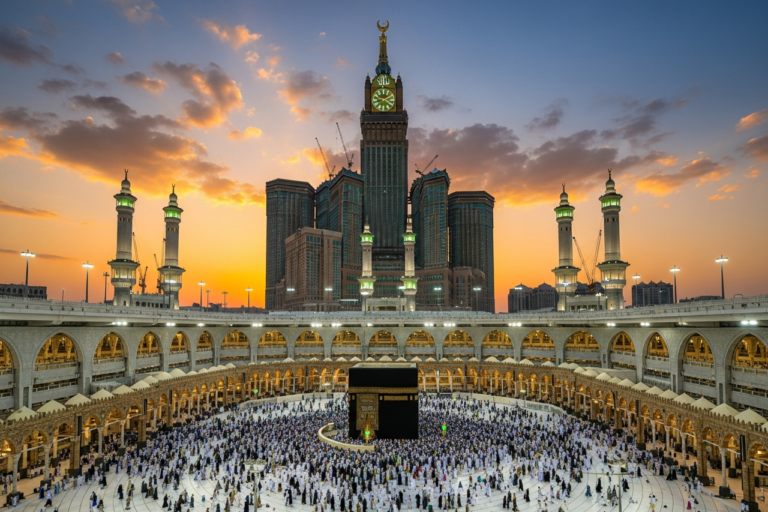
Saudi Arabia is where the two holiest places in Islam are found. These are Mecca and Medina. Many people see these cities as very important spiritually for all Muslims around the world. The Grand Mosque is in Mecca. The Prophet’s Mosque is in Medina. Both mosques are at the centre of prayer and trips for Muslims.
Because of this, the country has high respect in the Muslim world. The government also has a special job to look after these sites. Now, let’s talk about why Mecca is so important, what makes Medina special, plus some other religious places in Saudi Arabia.
Mecca: The Spiritual Heart for Muslims
Mecca is the most important place for the Muslim world. It is where Prophet Muhammad was born. The Kaaba is also found here, inside the Grand Mosque. Muslims in all parts of the world face the Kaaba when they pray, five times every day. This spot is the holiest for those who follow the Islamic faith.
This city is where the Hajj pilgrimage takes place every year. All Muslims who are strong and have enough money are asked to come here at least once in their life. Millions of people from many countries go to Mecca each year, making it one of the biggest gatherings in the world.
Only Muslims are allowed to enter Mecca. The city’s deep meaning in the Islamic faith, and as the centre of worship for the Muslim world, makes it a very special place. Mecca shows the strong bond and unity between all Muslims.
Medina and Its Unique Status
Medina is the second holiest city in Islam. It is called “the city of the Prophet.” Prophet Muhammad went there in the year 622 CE. He started the first Islamic community in Medina. He was later buried there, and his tomb is inside the Prophet’s Mosque. This mosque is an important place for people to visit.
Many Muslims see Medina as a place with deep meaning. Going there is a special action, but it is not part of the Hajj rules. Pilgrims often go to Medina before or after Hajj. They pray at the Prophet’s Mosque and show respect at Prophet Muhammad’s tomb.
Mecca does not allow people who are not Muslim. Medina, though, has some places open to non-Muslims. But the main area and the Prophet’s Mosque are only for Muslims. The first Islamic community grew in Medina, so it has special meaning. It holds a big place in the hearts of Muslims. Known in Saudi Arabia, it is one of the most loved places for those who follow Islam.
Other Significant Mosques and Religious Locations
Saudi Arabia, besides the holy cities of Mecca and Medina, has many other important religious sites. There are thousands of Sunni mosques in the country. Many of them have a good history or stand out with how they look. These mosques are a big part of their local areas. People use the mosques not just for prayer, but also to learn and meet with others.
In the Eastern Province, where most of the Shia community live, there are some mosques and places that are special to them. But, it is very hard for the Shia people to build new mosques, and the ones there are watched closely by the government.
There are also other sites that connect to the Prophet Muhammad and the first days of Islam. People do still go to see these places. The government does not encourage the special worship of those sites, as the official religious teachings try to stop what they call idol worship. Still, these places are part of what makes Saudi Arabia’s religious history deep and interesting.
Religious Minorities and Expatriates
Saudi Arabia is home to many people from other countries. There are millions of foreign residents and expatriates living in the country, and many of them are not Muslim. These religious minorities include people who are Christians, Hindus, Buddhists, and Sikhs. They help bring diversity to the country’s religious scene. But they have to face some strong rules when they want to practice their religion.
The state in Saudi Arabia has started to be a little more open to private worship. Still, people who are not Muslim face many rules and society makes things hard for them. The next sections will talk about the situation for these groups, the rules they deal with, and their main challenges.
Non-Muslim Communities: Size and Status
The non-Muslim population in Saudi Arabia mostly comes from people who move there for work. Most of these are foreign residents and workers. Saudi Arabia has over 12 million foreign residents. That is more than a third of the total population. Out of these, estimates say there are over two million non-Muslims. Many of them are Christians. They come from places like the Philippines, Europe, and Africa.
The largest Christian group is Roman Catholic. There are over one million Roman Catholics in Saudi Arabia. There are also many Hindus and Buddhists. Most of them come from countries in South and Southeast Asia. These religious minorities work in many sectors. You can find the people in jobs from helping in homes to company offices.
Even though there are a lot of people in these groups, their situation is not safe. The government in Saudi Arabia does not officially accept any religion that is not Islam. So, there are no public churches, temples, or other places for worship. The government allows these religious minorities to stay mainly to help the economy. But Saudi Arabia does not give their places of worship or their religious rights legal protection.
Private Religious Practice for Non-Muslims
The Saudi government lets people have some religious freedom in private, but there is no law to protect this. Non-Muslims, like Christians and Hindus, can pray in their own private homes or inside compounds built for people from other countries.
But, these private gatherings can still be watched by the authorities. Sometimes there are raids. People are not allowed to show religious symbols, like crosses, in public. The number of religious police on the streets is less than before, so it is now a bit better for private worship. Still, talking about religion is a touchy issue.
Non-Muslims have to be careful with how they worship. Some people feel safe to pray in the compounds. Others, who live outside, still worry about problems. Sharing your faith or trying to tell others what you believe is risky, because proselytizing is against the law.
Legal and Social Constraints on Minorities
Religious minorities in Saudi Arabia deal with many legal and social barriers. The legal system in the country is based on Sharia law. This legal system does not recognize or protect the rights of non-Muslims when it comes to public worship. In Saudi Arabia, people who are not Muslim cannot practice their religion openly. They are not allowed to build non-Muslim places of worship. It is also against the law to bring religious items that are not Islamic into the country.
It is not just the legal rules that make life hard for religious minorities. There is also strong social pressure. Religious scholars who are chosen by the government sometimes use negative words about religious minorities in official papers. School books have, for many years, described Christians and Jews as people who are against Muslims. This has made people in the country less accepting of other religions.
Saudi authorities are strict about how people show their religion. Some main restrictions on religious minorities are:
-
Apostasy and Blasphemy: If someone leaves Islam, that is called apostasy and can be punished by death. Criticism of Islam is also a crime that can lead to the death penalty.
-
Proselytizing: Trying to persuade a Muslim to leave Islam or join another religion is illegal.
-
Public Expression: Non-Muslims cannot celebrate festivals such as Christmas and Easter in public.
-
Discrimination: Minorities, especially foreign workers with low pay, are sometimes pushed to become Muslim. They can also
Freedom of Religion in Saudi Arabia
Freedom of religion in Saudi Arabia is a hard topic and is very strict. People in Saudi Arabia do not have the same freedom to follow their own faith as seen in international human rights. In this country, you can only show your religion in public if it is Islam. There are tough rules and punishments if you leave Islam or say things against it.
The government has talked about wanting more religious tolerance. But there are still big limits on how people can show their faith. The next parts will talk about what the state does, where there is a bit more freedom, and how people around the world see this issue.
saudi arabia, human rights, freedom of religion
State Policy on Religious Expression
The official state policy of Saudi Arabia on religious expression comes from its Basic Law. The Basic Law says that Islam is the state religion. It uses the Qur’an and Sunnah as the country’s constitution. Because of this, there is no room for religious freedom in Saudi Arabia. The Saudi government does not allow people to practice any religion besides Islam in public.
The Saudi government makes sure this rule stays in place with different laws and steps. People are not allowed to show non-Muslim religious symbols in public. There are no churches, temples, or other houses of worship for non-Muslims in the country. State-appointed scholars give religious rulings that keep this idea strong. These rulings affect what the government does and what citizens think.
The law in Saudi Arabia also makes it a crime to call for atheist ideas or to question the basics of Islam. The law sees this as an act like terrorism. Because of this, there is strong control not just on religious freedom, but also on the freedom to think and speak about faith in Saudi Arabia.
Restrictions and Areas of Tolerance
There are strong limits on religious freedom in Saudi Arabia. But, there are a few places where some tolerance can be seen. The government lets non-Muslims pray in private. You need to know that this right is not written into the law. Most of this is for the many foreign workers who come to live and work in Saudi Arabia.
In recent times, saudi authorities have tried a softer way. The religious police now have less power. This has made social life a little easier. There is less risk for foreigners who pray in private. One big event took place in 2018. The country had a mass by the Egyptian Coptic Orthodox Church in Riyadh. This was not normal and was the first time a non-Muslim service got full support by the country.
Still, these signs of tolerance stay small. There are harsh rules, too. If you want to share your faith in public and you are not a Muslim, it is against the law. Changing your religion from Islam is treated as a very serious crime. Saudi Arabia makes things clear. You may have religious freedom only if it does not go out in public or challenge the main place that Islam holds.
International Perspectives and Comparisons
People around the world often see Saudi Arabia as one of the worst places for religious freedom. Groups like Human Rights Watch and Amnesty International keep finding and telling us about how the country treats religious minorities badly. Shia Muslims and non-Muslims in Saudi Arabia have very few rights.
International religious freedom reports, like those from the U.S. State Department, show that the country’s laws can make it a crime if you leave your religion, speak badly about it, or gather in public to follow a religion that is not Islam. These rules are very different from places where people can choose their own religion and have it as a basic right.
News groups such as the New York Times write stories about people who get arrested because of what they believe. Raif Badawi, a well-known blogger, is one of these people. Here are the main points from international groups:
-
Lack of Legal Protection: There is not anything in the law to protect freedom of religion in Saudi Arabia.
-
Systematic Discrimination: Shia Muslims are often treated badly by the justice system, at school, and at work.
-
Punishment for Belief: Laws see atheism as a form of terrorism, and leaving the Muslim faith can lead to the death penalty.
-
No Public Non-Muslim Worship: There are no public places for other religions to gather and worship in Saudi Arabia. There are no churches or other non-Muslim sites for public worship.
People follow this topic because
Religion and the Law
In Saudi Arabia, religion and law are closely tied to each other. The whole Saudi Arabian justice system follows Sharia, which is the Islamic legal code. This code comes from the Qur’an and the Sunnah. Because of this, the rules of Islamic jurisprudence control every legal issue, like criminal cases, and personal status laws.
When faith and law come together like this, it affects everyone in Saudi Arabia. It touches citizens, guests, and foreign residents. Next, we will look at how Sharia is used as the main rule for the law. We will talk about how it works in day-to-day legal matters, and what this means for people who do not know much about its rules.
Sharia as the Legal Foundation
Sharia is the main source of law in the Saudi Arabian legal system. The Basic Law of Governance in Saudi Arabia says that the Qur’an and the Sunnah are the kingdom’s constitution. Sharia is used for all the state laws. This means Saudi Arabia is one of the few modern countries where Islamic law is not just a guide but is the law itself.
In Saudi courts, the way Sharia is understood comes mostly from the Hanbali school of jurisprudence. It follows a conservative Wahhabi reading. The judges in these courts are also religious scholars, and they need to use Islamic Sharia when they rule. There is no one above them except Sharia.
Because of this legal foundation, there is not a separate set of written laws for most situations. The laws and rules that the government makes must always line up with Sharia. This keeps the Saudi Arabia justice system closely tied to Islamic ways and values.
Civil Matters and Their Religious Context
Civil cases in Saudi Arabia, like contracts, family issues, and inheritance, are handled within the rules of Islamic law. The legal system there does not split religious law from civil law. Instead, all decisions in these areas are led by ideas taken from Sharia.
For instance, family rules about marriage, divorce, and who gets to look after a child come straight from Islamic teachings. Sharia courts use these laws, and they can be quite different from the family laws in Western countries. In the same way, if there is a disagreement about a contract or money, the rules of Sharia, which say no to interest (riba), are followed.
This setup brings Islamic values into every part of life in Saudi Arabia. It means the social and money matters follow the faith. The legal system, at its core, is built to carry out the teachings of Islam, showing how deeply faith is tied to how the country is run and how people live.
Implications for Visitors and Foreign Residents
For people visiting or living in Saudi Arabia, the legal system is based on a certain interpretation of Islam. This has big effects on daily life. Everyone, no matter where they come from or what they believe, has to follow Saudi law. So, you need to be careful and respect local ways and rules, which come from religion.
Some things that might be normal in Canada, like public displays of affection or drinking alcohol, are against the law in Saudi Arabia. These actions can get you in serious trouble. Foreign residents also need to know that dress codes, how you act with others, and what you do in public are enforced. This is even though the rules may be a bit less strict for tourists now.
It’s important to understand and follow these rules in Saudi Arabia for a safe stay without problems. Here are some main things to know:
-
Alcohol and Pork: It is not allowed to import, sell, or drink alcohol and pork.
-
Public Behaviour: People should dress and act in a modest way when out in public.
-
Religious Laws: Rules against saying bad things about religion or trying to convert people are for everybody.
-
Legal System: If there is a legal problem, foreigners have to go through Sharia law and the Saudi court process.
This is for all visitors and foreign residents who plan to be in Saudi Arabia, so they know what to expect under this legal system and interpretation of Islam.
Culture and Tradition: The Influence of Faith
The culture and traditions found in Saudi Arabia come from deep roots in Islamic values. For many people, faith is not kept to the side. It is part of every area of life and shapes how people see the world. You can see this in family life, the education system, the ways people act, and even in music and art.
The way families live and the holidays they enjoy through the year all show the strong ties to Islamic teachings. The country’s whole way of life comes from these principles. Next, we will see how religion can be found in schools, family life, the celebrations people have, and what is shown in the media.
Religion in Family and Education
In Saudi Arabia, people see the family as the center of their society. Family values in Saudi Arabia come from Islam and are important to most people there. The Basic Law says that families should teach the Islamic faith and also show respect to God and to those in charge. These strong beliefs help shape how people think, how men and women act, and what each person must do in the family.
The Ministry of Education in Saudi Arabia helps to support these Islamic values. It does this through lessons and the national curriculum. The school system teaches the students about Islam at every grade. This helps each young person grow up with strong Saudi arabia and islamic values. All students must take religious studies classes as they learn in school. These lessons help students hold on to their country’s beliefs and way of life.
Together, the home and the school pass on Islamic principles. This means people learn these teachings at a young age and keep them through their lives. That way, faith stays important for everyone, and helps to guide people to do the right thing as they grow up in Saudi Arabia.
Festivals, Holidays, and Social Customs
The calendar in Saudi Arabia has many religious festivals and holidays. The two big national holidays are Eid Al-Fitr and Eid Al-Adha. Eid Al-Fitr comes after Ramadan. Eid Al-Adha is known as the festival of sacrifice. These days are full of joy. People say special prayers, enjoy great food, and spend time with their family and friends.
Social customs in Saudi Arabia are shaped by Islamic values. You see lots of hospitality, respect for older people, and kindness. People greet each other with “Assalamu alaikum,” which means peace be upon you. When friends and family meet, they often serve Arabic coffee and dates. This is a sign of welcome and generosity. It is connected to deep cultural roots.
Festivals and social customs in Saudi Arabia are more than simple events. They show faith and bring people together. These things build strong ties in the community. They teach Islamic values, shape the year, and are key to the culture of Saudi Arabia. They link today’s people with many years of tradition.
Media, Arts, and Religious Content
Media and the arts in Saudi Arabia work in a way that follows the country’s religious and cultural values. You will usually find religious content on TV and radio, especially during Ramadan and other holy times. There are often sermons, Quran readings, and talks about Islamic topics in the media.
The art scene is getting bigger in Saudi Arabia, thanks in part to new social changes. Still, art must stay respectful of Islamic rules. If there is content that seems to go against Islam or public morals, the government may remove it. This approach makes sure media and arts help support the country’s values and do not work against them.
The government watches what goes out in the media to keep it in line with state policy. Some important ways religion affects media and the arts in Saudi Arabia include:
-
Censorship: Content that criticizes Islam or the government will not get approved.
-
Promotion of Values: Media is used to support Islamic values and show what the nation stands for.
-
Religious Programming: Many state-run channels play a lot of religious shows.
-
Artistic Constraints: Artists have to balance their work with both cultural and religious needs.
Conclusion
In the end, knowing about the close link between religion and culture in Saudi Arabia is key for anyone who wants to live or work in this country. You can see the importance of Islamic practices in day-to-day life and how the government is involved in religion. Everything shared in this guide gives you a good start to understanding life in Saudi Arabia. If you are a visitor or you plan to live there, knowing the country’s customs, laws, and what people do will help you show respect for others. It also helps you understand more about the many beliefs found in Saudi Arabia. Take time to enjoy your time there, and let what you see and learn help you think in new ways about faith and culture in this part of the world.
Frequently Asked Questions
Can non-Muslims visit or live in Saudi Arabia?
Yes, people who are not Muslim can go to Saudi Arabia. They can also live there. There are lots of foreign residents in the country. Saudi Arabia is now more open for tourism, so more people can visit. But, anyone who lives in or visits the country needs to respect the laws and customs, which come from the Islamic religion. There are strict limits on religious freedom for everyone.
How strict are religious laws for tourists and expats?
In Saudi Arabia, religious laws are for everyone. The rules on dress and how people act in public are now more relaxed for tourists and expats. But there are still strong laws in the country against drinking alcohol, trying to get others to change their religion, and showing other faiths in public. The most important thing is to respect the interpretation of Islam in Saudi Arabia when you visit.
Are there churches or temples in Saudi Arabia?
No, there are no official churches, temples, or other public places for non-Muslim worship in Saudi Arabia. The public practice of any religion that is not Islam is against the law. Religious minorities, like Christians and Hindus, can worship in their homes, but not in public places.