Key Highlights
-
The state religion in the Sultanate of Oman is Ibadhi Islam. This is a different branch from both Sunni and Shia Islam.
-
Islam has a big role in Omani society. It shapes the people’s daily lives, social rules, and even public holidays like Ramadan.
-
Oman gives a good amount of religious freedom. Expatriate Christians, Hindus, and others are allowed to worship, but they must do this in private.
-
The Ministry of Endowments looks after religious affairs in Oman. The government does this to keep public order and help everyone get along.
-
Non-Muslims, like the large group of expatriate Christians, can follow their own beliefs. However, they are not allowed to try to convert Muslims.
-
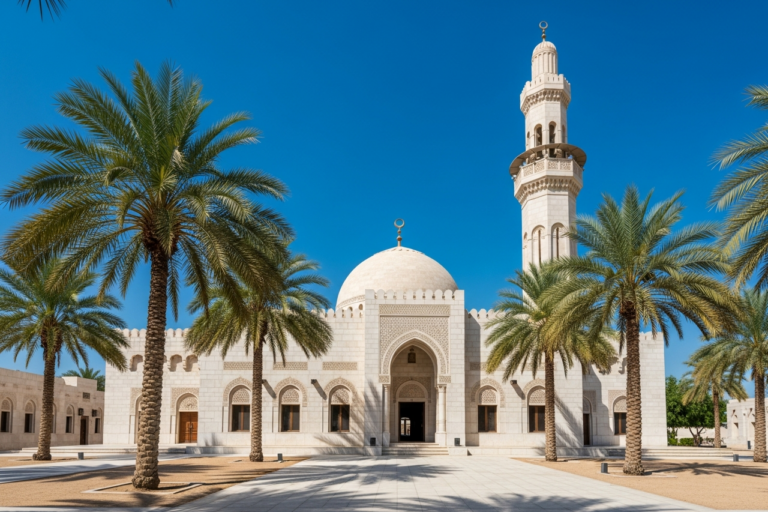
Visitors and tourists can go to some mosques, including the Sultan Qaboos Grand Mosque. They must follow the local dress code and be respectful when they go into these places.
Introduction
Welcome to Oman! If you are from Canada and here to see this part of the Middle East, you will soon see that faith is very important in the Sultanate of Oman. In Muscat, you will spot some beautiful mosques. You will notice how religion is part of day-to-day life. Omani culture has faith at its core.
This guide is here to help you learn more about the religious side of the Sultanate of Oman. You will get to know the beliefs and main traditions. These things help make Oman so special and warm to people like you who visit.
The Religious Landscape of Oman
Most people who live in Oman follow Islam, the state religion. The larger part of the group in Oman are Ibadi Muslims. Ibadism is a special school of Islam that makes the Sultanate of Oman different from the others in the area. This religious affiliation helps Oman be seen as moderate and open to others.
Alongside Ibadi Muslims, there are also smaller groups like Sunni and Shia Muslims. In Oman, there are many migrant workers from South Asia. They bring their own beliefs from their home countries, so the country also has Christian and Hindu groups among others. All these communities, Sunni, Shia, Ibadi and others, create a rich fabric of faith in the Sultanate of Oman.
Islam: Beliefs, Practices, and Influence on Omani Life
The main school of Islam in the Sultanate of Oman is Ibadism. This is a unique branch of Islam. It started in Mesopotamia long ago. Ibadism is not the same as Sunni or Shia Islam, which makes Oman different from other countries in the Islamic world. One important teaching in Ibadism is to show a lot of tolerance to people with other faiths. You can see this across Omani society. Sharia, which is Islamic law, helps guide rules and laws in Oman. It, also, shapes many parts of public life and personal life.
Life, every day, for Omani Muslims in the Sultanate is guided by the five pillars of Islam. These include praying, or salât, five times a day, giving alms which is called zakat, and making the pilgrimage to Mecca, called hajj. You will hear the call to prayer from mosques all over the country. This happens in the major urban areas of Muscat, and in quiet desert villages, as well. An imam leads the prayers and some religious rites with the community.
The holy month of Ramadan is very important for all Muslims in Oman. During Ramadan, people do not eat or drink from sunrise to sunset. Life slows down to help Omani Muslims keep this rule. Business hours in Oman’s major urban areas and small towns both change, so that people can spend more time with family. There is also a focus on getting together with your community and sharing
Non-Muslim Communities and Religious Diversity
Oman has many groups of people who are not Muslim. The biggest groups are the expatriate Christians and Hindus. They are in Oman because many Indian migrant workers and other expatriates have come here for work. This has brought lots of religious diversity to the country.
You can find different types of Christians in Oman. This includes Catholic, Eastern Orthodox, and Protestant groups. The Protestant Church of Oman is one example. It is a team effort between the Reformed Church of America and the Anglican Church. This church serves many people from different countries. You will also see smaller groups such as Sikhs, Jews, and Buddhists. All these groups add more culture to Oman.
Non-Muslim groups can practice their beliefs, but usually only in places made for worship. The government in Oman tries to be open and fair. This lets these communities do well. But, it is not allowed to spread religion to Muslims in public. This way, everyone lives peacefully and respects each other in Oman.
Religion and Culture: Traditions Canadians Should Know
In the Sultanate of Oman, religion and culture go hand in hand. If you visit, you will see that Islam is a big part of daily life in oman. The people let their faith lead their social customs and the way they live. If you know a little about these things, it will help you enjoy your time in omani society and show respect to the people.
You will notice the impact of islam in omani day-to-day life. From the way people greet each other to the way they celebrate national holidays, islam is always present. Oman is a muslim country, and religion is linked to family beliefs, how people act with each other in the community, and even the way people do business. In the next parts, you will learn how religious rites and beliefs are a big part of rites and manners that you will see in the sultanate of oman.
How Faith Shapes Social Customs and Public Life
Faith is the base of many social customs in Oman. The Islamic value of hospitality is a big part of life here. People in Oman also have respect for elders. There is a strong sense of community. You can see all this every day. Religious leaders are respected a lot. They often help lead community matters. These leaders work to promote social harmony. This helps keep public order and supports the country’s traditions.
You will always notice Islam in public life in Oman. The five calls to prayer from the mosque set the rhythm for the day. Many people in Oman plan their daily life around these times. This happens even more during Ramadan. In the holy month of Ramadan, the whole country fasts and focuses on reflection and being with the community. The public sphere changes a bit in this month. Work hours are often shorter. This is so people can meet their religious needs.
Oman is a muslim country. The laws and daily way of life here follow Islamic rules and customs. This can be seen in family law or how people act in public places. If you visit Oman, you will see there is a strong feeling of modesty and respect. These ways come from deep religious and cultural roots.
Visiting Religious Sites and Observing Cultural Etiquette
Oman is a friendly place for tourists, and it asks people to see its beautiful religious sites with respect. One of the most famous is the Sultan Qaboos Grand Mosque found in Muscat. This mosque has set times for non-Muslims to visit. When you follow local ways of doing things, it is not only polite. It also shows that you are thankful for how welcoming Oman is to visitors.
When you plan to go to any mosques in Oman, keep in mind that these are still active places for prayer. You need to check if each mosque is open to visitors who are not Muslim. Many mosques do not allow non-Muslims in, but some do. If you go, you have to dress in a way that shows respect. The rules say your arms, your shoulders, and your legs must be covered. Women will also need to cover their hair with a scarf.
To make sure your visit is good for you and the people there, remember these simple etiquette rules:
-
Dress Modestly: Men should wear shirts and long trousers. Women must cover their, arms, hair, and legs.
-
Remove Your Shoes: Take your shoes off before you go into the prayer hall.
-
Be Quiet and Respectful: Do not talk loudly. Think about the people around you, especially those who are praying.
-
Seek Permission: Always get prior permission before you take pictures of people.
These tips will help you learn more about Muslims and
Understanding Government Policies on Religion
The government of Oman, led by the Sultan, uses a clear and steady way to handle religious affairs. The rules for the country come from the Basic Statute of the State. This acts like a constitution. It says that Islam is the state religion in Oman. It also says that Sharia helps guide the country’s laws.
To keep public order and look after religious matters, the government set up the Ministry of Endowments and Religious Affairs. This group watches over how people practice their faiths. It gives the OK for new places of worship to be built. It also checks that everything done by people about religion fits with the country’s laws and way of life. The next parts will tell you more about these official rules.
Official Stance, Laws, and Freedom of Religion
The official stance of the Omani government promotes tolerance while maintaining Islam as the state’s foundation. The Basic Statute of the State guarantees freedom of religion, provided it does not disrupt public order or contradict established customs. This creates a framework where different faiths can coexist peacefully under the oversight of the state.
The Ministry of Endowments and Religious Affairs is responsible for implementing these laws. It manages the affairs of all religious groups, including approving the construction of worship sites and the importation of religious materials. The Sultan has historically played a key role in fostering this environment of tolerance, such as by donating land for the construction of non-Muslim places of worship. While Sharia is a source of legislation, the legal system also incorporates other traditions.
Here is a summary of Oman’s key religious policies:
|
Policy Area |
Description |
|---|---|
|
Official Religion |
Ibadhi Islam is the state religion of the Sultanate of Oman. |
|
Freedom of Religion |
Guaranteed by the Basic Statute of the State, as long as practices do not disturb public order. |
|
Governing Body |
The Ministry of Endowments and Religious Affairs oversees all religious groups and activities. |
|
Proselytizing |
Publicly trying to convert Muslims to another faith is illegal. |
|
Places of Worship |
All religious groups require government permission to build or rent places of worship. |
Tolerance Toward Other Faiths and Multiculturalism
Oman is seen as a bright spot for being open in the Middle East. The country’s open view on religious freedom is not just a rule. It is part of what makes Oman special and connects to its Ibadhi Islam roots. This has helped real multiculturalism grow in the country.
The government gives a lot of help to keep peace among people of different backgrounds. The late Sultan Qaboos bin Said Al-Said played a big part in this, and the new sultan said he will keep it going. By supporting interfaith talks and staying out of sect battles in the area, Oman has shown it wants peace.
You can see this promise to tolerance every day. Many groups work and live together with respect. The rules say you cannot try to make others change their faith, but people respect one another. This is how Oman has made space for all while holding on to its special beliefs and traditions from Ibadhi Islam.
Frequently Asked Questions
People are often curious about the role religion plays in Oman. Many people ask how Islam, the state religion, shapes daily life and keeps public order in the sultanate. There are also questions about religious freedom, such as what it’s like for expatriate Christians, Hindus, and other groups who live in Oman. There is some interest in the way the Ministry of Endowments and Religious Affairs works to protect Omani society’s values and way of life.
It’s true that Oman follows Islamic jurisprudence, but in big cities like Muscat and Salalah, there is a base for people of different religions to live together. This helps make the country a place where Islam, Christians, Hindus, and others can share their space, work, and have a good life, with rules set by the ministry to guide public order and religious affairs.
Is it possible to openly practice different religions in Oman?
Yes, in Oman, non-Muslims do have religious freedom. They can practice their faith, but this is often limited to places like certain churches, temples, or other private areas approved by the Ministry of Endowments. To hold prayer in public or hand out religious materials, you have to get prior permission. Also, it is not legal to try to convert Muslims from Islam.
Can tourists visit mosques and religious sites in Oman?
Yes, tourists can go to some mosques in Oman. One famous place is the Sultan Qaboos Grand Mosque in Muscat. You need to make sure you follow the set visiting hours for people who are not Muslims. The rules are clear about what you can wear and how you should act. This means you have to dress in a modest way. It is also important that you take off your shoes. Show respect to people who are there to pray.
What role does religion play in day-to-day Omani life?
Religion is a big part of life for Omani people. Islam affects social customs, family life, and the way people spend their day. Prayer times play a key role in making the day’s schedule. This is even more clear during Ramadan. The advice from leaders in religious affairs helps shape how people live in both major urban areas and small towns.
Conclusion
To sum up, knowing about the religious life in Oman is important if you want to get the full experience of its unique culture. Islam is a big part of the daily life there. The people of Oman are also becoming more open to different beliefs. When you are in Oman, you will see a mix of old customs and new ways of living. As you learn about the country’s traditions, it is good to keep respect and an open mind. Doing this will make your time in Oman better and can help you build strong bonds with people from the local community. If you want to know more about islam in Oman or have questions, you can always ask for more help!