Key Highlights
-
Mexico does not have an official religion. This means all people have freedom of religion. But, Roman Catholicism is the main faith.
-
About 78% of the people in Mexico say they are Roman Catholic. It plays a big role in the nation’s culture and the way people in mexico see themselves.
-
Many catholic ways and customs in mexico mix with older indigenous beliefs. This gives each tradition a special touch.
-
Even though catholicism is the main faith, there are more kinds of faith like Protestants, Jehovah’s Witnesses, and some other smaller groups.
-
Religious festivals and signs, like the Virgin of Guadalupe, are a big part of life for people in mexico. You see them a lot and they mean a lot to people.
-
Big religious spots like the Metropolitan Cathedral in mexico city are very important for both religion and visitors. These sites bring people from all over each year.
Introduction
Are you thinking about planning a trip to Mexico? It helps to know a bit about the country’s religious background before you go. For many Mexicans, faith is a big part of everyday life. You will spot it in their culture, their ways of doing things, and even in the buildings you see around the country. Some parts are the same as what you may find in other latin america places. But Mexico has its own special way of looking at faith. This guide is here to help Canadian travellers get to know the world of belief in Mexico better. You will learn about grand cathedrals and also small, fun festivals. This is a good way to enjoy your time with people in Mexico.
Overview of Religion in Mexico for Canadian Travellers
While you may see the Catholic faith being very strong in Mexico, there is no official religion in the country. The government gives people the freedom to follow any religion, and public education is not tied to any faith. Because of this, many religious associations and groups can live together in peace.
For a lot of Mexicans, being Catholic is a big part of who they are, and it often comes from their family. But, this does not always mean they go to church often. People show their faith most during public festivals and by having altars in their homes. Even people who are not very religious, or who do not go to church, sometimes still join these Catholic celebrations.
Main Religions and Their Influence on Mexican Life
The main religion you will find in Mexico is Roman Catholicism. This type of Christianity is tightly linked with Mexico’s culture. The catholic church brought it in during the 16th century. Over time, it mixed with local customs, which has made faith in Mexico something special.
This mixing of beliefs is a big part of Mexican spirituality. The catholic faith and its saints often go hand in hand with indigenous traditions. You will notice this mix in their holidays, art, and the way people show their beliefs each day. It tells a lot about the country’s history.
Even though catholicism is most common, other religions are getting more followers. Some minority religions include Protestant groups and Jehovah’s Witnesses. More people have joined these in the last few years. This happens when people look for something new when the catholic church does not give them what they need for their spirit.
Regional Religious Differences Across Mexico
As you travel through Mexico, you’ll notice that religious expression isn’t the same everywhere. Different regions have distinct spiritual characteristics, often influenced by the strength of their indigenous communities and local history.
For instance, states with large Indigenous populations, like the State of Chiapas and Oaxaca, often have a more visible blend of Catholicism and pre-Hispanic beliefs. In contrast, other areas may have a higher concentration of a specific religious group or a more secular population. This diversity adds another layer to Mexico’s rich cultural tapestry.
Here’s a quick look at the religious landscape in a few popular states:
|
State |
Dominant Religious Characteristics |
|---|---|
|
Jalisco |
Known as a Catholic heartland, this state is home to many important religious icons and pilgrimage sites. |
|
Chiapas |
A high concentration of Indigenous communities results in a strong syncretism of Catholic and Maya beliefs. |
|
Quintana Roo |
As a major tourist hub, it has a more diverse and sometimes more secular population than other regions. |
|
Baja California |
Shows a growing number of Protestant and Evangelical groups, alongside a significant secular population. |
The Role of Catholicism in Mexican Society
The Roman Catholic faith is not just a religion in Mexico. It is part of the country’s culture. The Catholic Church teaches about Jesus Christ, and you will see its ideas in many things people in Mexico do and say. People often use phrases like “Si Dios quiere” (God willing) every day. This shows that faith is tied into the way people talk and live their lives.
In Mexico, many big life moments are marked with Catholic events. These include baptism, first communion, and marriage. For many, these events mean a lot, and have for a long time. Because the Catholic Church touches so much of life in Mexico, knowing about Catholicism helps you know more about Mexico, too. Next, we will look at where Catholicism started and how people follow it today.
Historical Background of Catholicism in Mexico
The story of the catholic church in Mexico began when Spanish conquistadors landed in the 16th century. People like Hernan Cortes led these groups. They brought roman catholicism to the land of the Aztecs. This change was not peaceful. The Spanish destroyed the temples of Indigenous people and built churches in their place. They used force to make the native people accept their catholic faith.
Over many years, the catholic church changed its role in Mexico. It held a lot of power, but some church figures spoke out against what was happening. One catholic priest, Miguel de Hidalgo, made the first call for Mexican independence. In the 20th century, the Mexican Revolution aimed to reduce the church’s power in politics, which led to a government that did not mix religion with its rules.
Even with this long story of struggle and change, a special kind of catholicism grew in Mexico. This faith mixed in Indigenous signs and practices, making it different from roman catholicism in other places. Today, official figures say most Mexicans say they are catholic. That shows how strong the church’s history is in Mexico.
Modern Catholic Practices and Festivities Canadians May Encounter
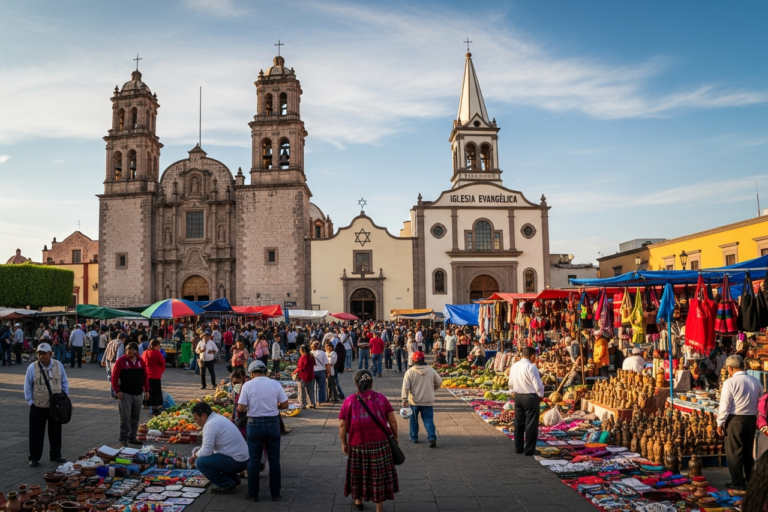
When you go to Mexico, you will see that the catholic church and its ways are a big part of life. The signs of catholic faith are out in the open. There is usually a large cathedral right in the city centre or zocalo. There are also many small chapels in each part of town. Many mexicans make the sign of the cross as they go by a church, to show respect.
The festivals are a big deal in modern religious life for the people. These events are full of colour, have lots of energy, and mean a lot to the people in their towns and cities. If you are there at the right time, you may get to see one. Some major celebrations in mexico include:
-
Easter (Semana Santa): This week stands out, with large processions and plays that show the story of Jesus.
-
Day of the Dead (Día de los Muertos): People mix Indigenous ways and catholic faith, and hold this in november.
-
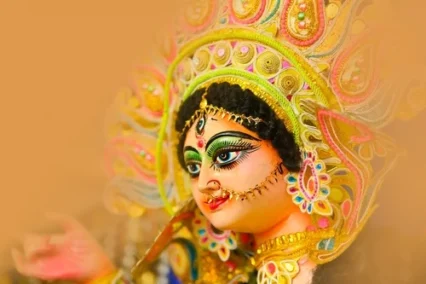
Feast of the Virgin of Guadalupe: On december 12th, millions walk to her basilica to show love to mexico’s patron saint.
There are other big holidays, like christmas. But for many, the love and faith in the virgin of guadalupe is at the heart of catholicism in mexico. You see her picture in many places, and she is seen as a mother to all mexicans. Many people visit her basilica on their own journey of
Religious Diversity Beyond Catholicism
Catholicism is still the main religion in Mexico, but there is more religious variety now. People in the country can choose their religion freely because the constitution protects it. Because of this, many minority religions and their groups have grown. In the past few years, more Mexicans have started to follow different faiths.
Because of these changes, you can see more Protestants and other Christian groups. Now, there is more religious variety, and people in Mexico seem to be looking for new ways to believe. In the next part, we will talk about some of these groups and also look at how secularism is growing.
Presence of Minority Religions and Interfaith Communities
Beyond the Catholic and Protestant churches, you will see that people in Mexico follow many other faiths too. There may not be a lot of them, but these groups help shape the country’s mix of religions. You will often find their communities in bigger cities like Mexico City.
These groups have made their own spaces in Mexico. They get help and take part in different religious associations. Some of the most known smaller faiths are:
-
The Jewish community, which has been in Mexico City for many years.
-
Mormons (The Church of Jesus Christ of Latter-day Saints), who people can see in many parts of Mexico.
-
Smaller groups include Muslims, Buddhists, and followers of the Baha’i faith.
Many of these groups, like Evangelical Christians, have grown a lot in recent years. The Pew Research Center found that lots of people who say they are Protestants today used to be Catholic but wanted a new way to practise their faith. This shows that the spiritual life in Mexico keeps changing and growing.
Secularism and Changing Beliefs in Contemporary Mexico
Along with more kinds of faith in Mexico, there is also more secularism now. The latest census shows there are more people who say they have no link to any religion. This shows that people in Mexico are changing how they see faith and old ways.
There are findings from the Pew Research Center that say this is not simple. For example, many people still say they are Catholic, but not all of them are close to the church in the same way. Many, about half of Mexican Catholics, also mix in some older beliefs. These can be things like believing in the “evil eye” or magic from before the Spanish came.
This mix leads to a new way for people to practise faith. As church and state are kept separate, in part through public education, we see some changes. For a growing group in Mexico, religion is still big in culture, but there are now more non-religious people or people who practise faith in their own way, not just in church.
Conclusion
To sum up, knowing about the religious life in Mexico can help Canadian travelers have a better and richer trip. Mexico has many strong traditions that come from Catholicism. There are also lively practices from minority religions. These different beliefs are a big part of life in Mexico.
When you know how religion shapes each part of Mexico, you can talk and act with more care and respect. This makes your visit better for you and for the people you meet.
Take time to get to know the local ways and customs. Show respect for these traditions. The people you meet will notice this and thank you for it. When you plan your trip, keep these points in mind. This will help you learn more about the spiritual life and the faiths in Mexico. Enjoy your travels!
Frequently Asked Questions
Is it appropriate to visit religious sites in Mexico as a tourist?
Yes, you can visit most religious sites in Mexico City as a tourist. Places like the main cathedral or basilica in Mexico are open to people from outside. It is important to be respectful, especially during religious services. Make sure you dress in a modest way with your shoulders and knees covered. Speak in a quiet voice and do not use flash when you take photos.
How do religious customs in Mexico differ from Canada?
Religion in Mexico is shared more openly, and many people take part together. The strong Catholic faith there mixes with many visible indigenous traditions. You can often see public religious festivals happening in Mexico. While life in Canada is more multicultural, religion is usually something people keep private. It does not often have the same big role in daily life as it does in many communities in Mexico.
Are there important laws or etiquette around religion that visitors should follow?
Mexico has freedom of religion, and the law is clear for any religious institutions that are registered there. When you visit, the main thing is to show respect. If you go to a church during religious services, remember to dress well, and always get permission before you take pictures of people while they worship.