Key Highlights
-
Islam is the state religion in the Hashemite Kingdom of Jordan. The majority of people in Jordan are Sunni Muslims.
-
Jordan has also had Christian communities for a long time, and they are a part of society in the country.
-
Even though Islam is the religion of the state, Jordan is known for good relations and respect between those from different religions. There is tolerance toward religious minorities.
-
The government, with help from groups like the Jordanian Interfaith Coexistence Research Center, works to build peace between people of different faiths.
-
The law gives people freedom of religion, but there are some rules to help keep public order.
-
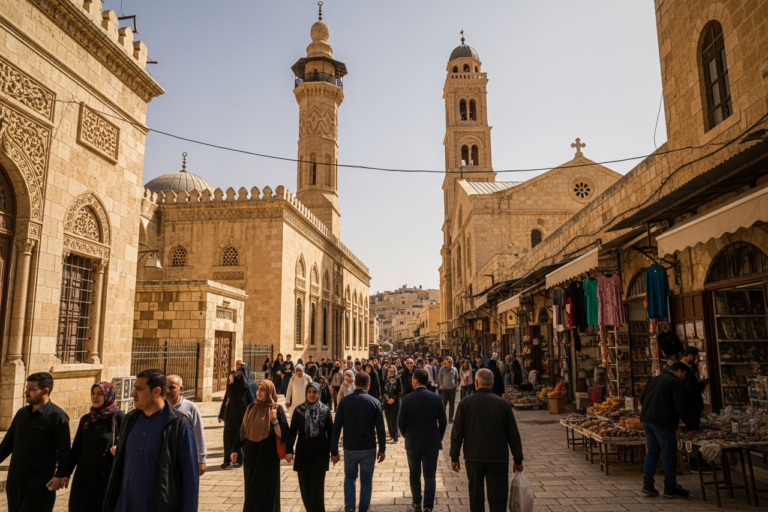
Muslims and Christians both have Arabic roots and share in the culture of the nation. This brings a strong sense of coming together as one people.
Introduction
Welcome to Jordan. This country sits in the middle of the Middle East. Here, old beliefs and new ways of life mix to make a rich culture. If you come from Canada, it helps to know about the country’s different religions. This can help you understand the old ties people have with their customs and how friendly they are. This guide lets you see how people in Jordan practice religion. You will learn about its main faith, the way it welcomes other beliefs, and how it cares about religious freedom. This will help you feel close to Jordan and your time there.
Overview of Religion in Jordan
In the Hashemite Kingdom of Jordan, the main religion is Islam. Most people in Jordan are Muslims. Around 96% of Jordanians are Sunni Muslims. Islam is not just a personal belief; it is also the state religion.
There are also Christians in Jordan, even though they are fewer in number. Christians make up about 4% of the population. Along with the Muslims, Christians and other religious minorities are known in the country. These groups are a part of Jordanian life. This part talks about the state religion and the mix of people in Jordan who each have their own faith.
Official Religion and State Policies
The constitution of Jordan says that Islam is the religion of the state. This shapes many parts of life and law in the country. It also makes sure that Jordan’s rules follow the main ideas of Islam. Still, King Abdullah and the government tell people to show openness and get along with each other.
The government tries to keep the country’s religious side while also making sure there is public order. They support Islamic groups. At the same time, they try to make sure people from all faiths get respect and can be safe. The Department of State says the King has to be Muslim. There is a rule for all cabinet ministers. This includes the Prime Minister. They must take an oath and say they believe in God.
For any faith group to sign up and own land, they need a Royal Decree. This means a leader has to give official permission. With this rule, all known faiths can work with the law, live together, and have their own group space. Even though Islam is at the centre of many things, this way of working lets other religions be part of the country in a fair and organized way.
Religious Demographics and Diversity
Jordan’s population is predominantly composed of Sunni Muslims, who make up the vast majority of citizens. This demographic reality shapes the cultural and social norms you’ll experience throughout the country.
However, Jordan’s religious landscape is not monolithic. Christians represent a significant minority and have been part of the region’s history for centuries. They are well-integrated into society, often holding prominent positions in business and public life. In addition to Christians, there are very small communities of other religious minorities, contributing to the nation’s diversity alongside various ethnic minorities.
Here is a general breakdown of the religious demographics in Jordan:
|
Religious Group |
Estimated Population Percentage |
|---|---|
|
Sunni Muslims |
96% |
|
Christians |
4% |
|
Other Religious Minorities |
Less than 1% |
Islam’s Role in Jordanian Society
Islam is a big part of life and culture for most Jordanians. The principles of Islam shape how people act with others, and how they live with family and in the whole community. For Muslims, faith is part of each day. This can be seen in the call to prayer from mosques and the way people follow religious holidays.
The legal system shows how important Islam is, too. There are religious courts called Sharia courts. These courts look after matters of personal status for Muslims. This is for things like marriage, divorce, and inheritance. Now, we will see how Islamic beliefs affect daily life and the big holidays that are important in the lives of Jordanians.
Influence of Islam on Daily Life
The influence of Islam is seen every day in Jordan. You can hear the five calls to prayer from each mosque. For many Muslims, this sound helps make the hours of the day clear. It is a big part of daily life.
Family values, warm hospitality, and a strong sense of community come from Islamic teachings. These teachings help people in Jordan be generous and show respect for one another.
For Muslims, religious leaders and scholars are important. They give advice about both spiritual and everyday things. Issues like marriage, divorce, and inheritance come under what is called matters of personal status. In Jordan, these things are guided by Islamic law. Sharia courts take care of these matters of personal status, making sure events in life follow what their religion says.
Even if some people are not so serious about faith, Islam still shapes their culture. It is seen in how people act with each other, the clothing rules in many places, and even how fast life moves, especially in smaller towns and villages. For example, on a Friday afternoon, you can see many people going to the mosque for prayer, filling the streets together.
Islamic Holidays and Traditions in Jordan
Islamic holidays are big events in Jordan. People in all religious communities take part, and these days bring the whole country together. The traditions come from faith and often have special prayers, family time, and helping those in need. The lunar calendar is used to set these holidays, so the dates change each year.
Ramadan is the most important time for Muslims in Jordan. It is a month when Muslims do not eat or drink from dawn to sunset. At night, families and friends meet for Iftar, which is the meal to break the fast. This meal feels like a party. Many places in Jordan slow down during the day, and people have shorter work hours.
Other important Islamic holidays are:
-
Eid al-Fitr: This holiday comes after Ramadan. People pray at the mosque, share meals, and give gifts to each other.
-
Eid al-Adha: Called the “Festival of Sacrifice,” this holiday remembers when Prophet Ibrahim was ready to give up his son. People share meat with those who have less.
These Islamic holidays show how important faith and togetherness are for Muslims and all people in Jordan.
Christianity and Other Faiths in Jordan
Jordan is an Islamic nation. Still, it has a strong Christian history that goes back to before Islam. Christianity has been in this land since the time of Jesus. Christians are a respected and important part of life in Jordan. You can see many old christian churches and holy places in lots of areas in the country.
The government gives rights to Christians and other religious minorities so they can follow their own faith. This is a good example of the country’s goal of religious freedom. People in Jordan are proud of this way of living together. Next, we will look at how these christian communities started and how people of different faiths get along in Jordan.
Christian Communities and Historical Contributions
Jordan is a country where you will find some of the oldest Christian communities in the world. These groups have a deep history in the land. Many important places, like the baptism site on the Jordan River, are at the heart of Christianity. Each year, people come from all over to visit these places. The link to the early days of the faith is still alive in these communities.
There are many christian denominations in Jordan. Among them, the Greek Orthodox and Roman Catholics are the biggest and best known. You will find other groups too. Even if they are small, they are strong and have been there for a long time. Christian leaders often take on an important role in the country. Many speak up about the need for people to accept each other and live in peace.
Christians in Jordan have given a lot to the country. They have been active in schools, hospitals, business, and politics. Today, they are part of daily life all over Jordan. There are churches and other christian institutions in many cities and towns, such as Amman and Madaba. These are all a valued part of the country and can be seen everywhere you go.
Minority Religions and Interfaith Relations
Besides the bigger christian denominations, there are also some smaller religious minorities in Jordan. These groups are not big, but they are important. They make the country’s culture and religion more rich. The government of Jordan lets some of these groups look after their own personal status matters.
In Jordan, there is real interfaith harmony. Muslims and christians often live next door to each other. They go to the same schools and work at the same jobs. This is more than just something written on paper. People really live this way. Their friendships are based on respect for each other. It is common to say that these groups are like one big family. They have different beliefs but they share the same Jordanian and Arab roots.
Some of the religious minorities that Jordan recognizes are:
-
Druze
-
Armenian Orthodox
-
Coptic and Syrian Orthodox
-
Various Protestant denominations
Experiencing Religious Culture as a Canadian Visitor
If you visit Jordan from Canada, you will find its religious culture very interesting and special. People in Jordan are known for being friendly. They welcome you if you show respect for what they believe in and how they live. You might go to a big mosque or an old church. At these places, people will be warm and kind to you.
Jordan is also a safe place for people who travel, no matter where they come from. You can feel good about walking into its many places of worship and learning about the country’s deep spiritual roots. The next parts of this guide will share tips for visiting these holy places. You will also learn more about religious freedom and respect among Jordanians that you can find there.
Visiting Religious Sites and Landmarks
Jordan is full of important places and buildings that are meaningful in many faiths. When you visit, the best thing to do is dress in a way that shows respect. Women should cover their hair, arms, and legs. This is more important when going into a mosque. Most big mosques will give visitors a headscarf and abaya.
The capital of Jordan is Amman. Here, you can find great mosques and churches. The most special and old sights are in other cities too. Madaba is a place known for its old greek orthodox mosaics. One of the most known is a map of the Holy Land inside the Greek Orthodox Church of St. George. There is also the Jordan Valley close by, with its ties to early Bible stories.
Don’t forget these places when you’re in Jordan:
-
The Baptism Site (Bethany Beyond the Jordan): People say this is the spot where Jesus was baptized in the Jordan River.
-
Mount Nebo: The Bible says Moses saw the Promised Land from here before he died.
-
The King Abdullah I Mosque in Amman: This mosque is a good example of new Islamic building style and it welcomes visitors who are not Muslim.
These sites will help you see the long history and special meaning the country holds.
Religious Freedom, Tolerance, and Safety for Travellers
Jordan’s constitution promises religious freedom. People are free to follow their own faith as long as it does not go against public order or basic morals. This rule plays a big part in keeping visitors safe. People of all religions can practise freely there. You will see churches, synagogues, and mosques out in the open.
The government in Jordan also supports an attitude of acceptance. The U.S. Department of State says Jordan has rules to protect the rights of accepted religious groups. These groups can look after matters of personal status using their own religious courts or councils.
If you are visiting, you will find a safe and friendly place in Jordan. Jordanians meet and talk with people from many backgrounds. They will respect your beliefs. This feeling of respect and open-mindedness keeps Jordan steady. It is something Jordanians feel good about. Jordan is a safe place for people who want to discover more about spirituality.
Conclusion
As we come to the end of our look at religion in Jordan, you can see that the country has a mix of faiths and traditions. This gives a one-of-a-kind experience to people who visit. Islam shapes much of daily life in Jordan, but there are also strong Christian groups that add to the country’s culture. Jordan is a good example of how people with different beliefs can live together in peace.
If you are from Canada and visiting Jordan, you will learn and grow by taking part in these ways of life. Go to famous places that matter in religion or join in with local events. You will see that people’s faith in Jordan is felt both alone and with others. Take part in it, let it bring you new ideas, and make you feel close to others as you travel there.
Frequently Asked Questions
How do Muslims and Christians coexist in Jordan?
In Jordan, muslims and christians live with the same arab culture and national identity. This helps them get along with each other. Many of the people there are neighbours or friends, and they work together too. They even join in to celebrate each other’s events. The way people of both faiths live in peace is something the country is proud of, and the leaders in jordan always try to keep and grow this feeling of harmony.
Is it safe for visitors of different faiths to practice their religion in Jordan?
Yes, it is very safe for visitors to practice their religion in Jordan. The country respects religious freedom. People in Jordan are open to others who come to practise their faith. You will see that there is a friendly feeling and you can move around or see religious places without worry. Jordan makes you feel safe as you explore your faith and find support on your journey.
What are key religious holidays celebrated in Jordan?
The main Islamic holidays in Jordan are Ramadan, Eid al-Fitr, and Eid al-Adha. People in Jordan also notice Christian holidays like Christmas and Palm Sunday. These holidays are big days for the Christian community. Islamic holidays change each year because they follow the moon calendar. But Christmas and Palm Sunday happen on the same date every year, and Christian workers get those days off.