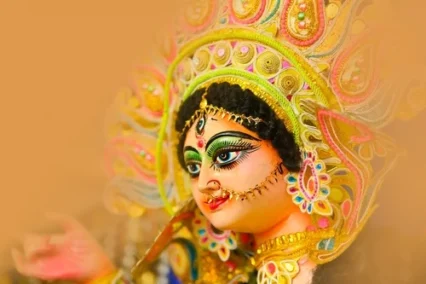
Key Highlights
-
India has many major religions. Hinduism is the biggest one. There is also a large Muslim population, along with many other faiths.
-
Religious diversity is very important to the culture of the country. It shapes everything, like daily life, social events, and national holidays.
-
Religious practices are a big part of living in India. They affect family life, what people eat, and even how people shop and what they buy.
-
The Indian Constitution says India will be a secular state. This means people will have religious freedom, and the rights of all groups are safe.
-
Colourful religious festivals such as Diwali, Eid, and Christmas are enjoyed with a lot of excitement. These show how India is strong because of its many religions and people coming together.
Introduction
Welcome to our guide on religion in India! For the people of Canada, the country of India is known for its bright colours, good food, and deep roots in traditions. At the center of this is faith. In India, religion is part of daily life. It shapes the way they live and brings people together. You can see this on busy streets and in quiet towns with temples. To understand India, it’s important to learn about the different religions there. Let’s go on this journey and discover more about it together.
Understanding Religion in India: An Overview
India is known for having a lot of different religious beliefs. Most of the people, over 80% of the total population, are Hindu. Still, the Indian subcontinent has the world’s third biggest Muslim population. There are also millions of people who are Christians, Sikhs, Buddhists, and Jains living there. All these people together make a truly unique place to live.
You can see this religious diversity in everyday life. It is not just numbers, but it can be felt and heard all around. The sound of temple bells, calls to prayer from mosques, and hymns from churches can often be heard at the same time. These things show that many beliefs can live together in one place.
Now, let’s talk about why this information and the mix of all these groups matter to Canadians. We’ll also see how such rich diversity helps shape the nation.
Why Canada is Curious About Indian Religions
In Canada, we are proud of our mix of cultures. The Indian community is growing fast, and they bring many bright and colourful traditions from Indian religions. Many people in Canada want to know more about the beliefs and ways of life of their friends, neighbours, and workmates.
Indian faiths like Hinduism, Sikhism, and Islam are easier to see in cities around Canada now. You can find temples, gurdwaras, and mosques in many places. These buildings are not just for prayer. They host fun festivals and events where everyone is welcome. The more we see and join these activities, the more we want to learn about them.
As these religious communities get bigger in Canada, learning about where they are from and what they do helps us make stronger bonds with others. It helps us see and value the wide mix of people that makes our country special. It is a way for all of us to connect with the world right in our own backyard.
Defining Religious Diversity in the Indian Context
Religious diversity in India is more than different major religions living together. It shows in a history where people have learned to live side-by-side and interact with each other. Hinduism is the biggest faith in the country, but there is also a very large Muslim group. India has many people who follow Christianity, Sikhism, Buddhism, and Jainism. All these groups help shape what the nation is today.
Because there are different faiths in India, religious minority communities have strong roots here. They have their own ways and old customs that mix with the larger culture. You can see this when people enjoy each other’s festivals, when buildings feature different designs, or when words from other faiths and places show up in everyday talk.
For many, the way of life in India can be very rich because people with major religions and different beliefs share and learn from each other. It is true there are some hard times. Still, “unity in diversity” is something many Indians believe in. This idea brings people together and shows how complex and close their society can be.
Role of Faith in Everyday Indian Life
For many in the Indian population, religious beliefs are not just for special days or events. The beliefs and rituals are a big part of daily life. Every morning, you can hear people say prayers. A lot of homes have small places for prayer. Many people make choices about what they eat because of what they believe.
Religious rituals are important at every step in life. They start from birth, then go on to things like marriage and even at the time of death. These are not just things that happen in a single home or with one person. Most times, the whole community gets involved. It helps everyone feel close and teaches values that matter. More than 70 percent of the Indian population believes there is a higher power. This shows how deep religious beliefs go.
You can see, hear, and even feel this in daily life. On many shops, there are special symbols for good luck. In public transport, you may hear spiritual songs playing. People who go by a place of worship often stop for a moment to show respect. In India, the spiritual and normal day-to-day things fit together in a smooth way.
Historical Development of Religion in India
The story of religion in India goes back to when people first started living here. The history is long. It starts in very old times, even before there were any big cities or writing. Over many years, the way people thought about the world and the gods grew and changed. There are very old traditions that helped shape what people believe now.
At first, people in India believed in spirits and natural things. As time went on, their ideas got more detailed. The teachings and ways of life in ancient India were always changing. We will look at how these religious beliefs started. We will see how they grew, and how people from different groups talked to each other and shared their ideas. This back-and-forth created the many ways of faith that people in India have today.
Prehistoric and Ancient Beliefs
Long before people formed organized religions, there were many different groups in prehistoric India. Each group had its own special spiritual ways. Archaeologists found things like cave paintings and places where people buried the dead. This shows that these early people had old beliefs about nature, life, and what happens after death.
They often worshipped mother goddesses, special animals, and parts of nature like trees and rivers. People would do religious rituals to help make crops grow well, keep the tribe safe, or show respect to those who had died. These first spiritual ways gave a base for the new faiths that came after.
We do not know everything about those old faiths, but we can see some of their ideas in a few local customs and folk traditions in India today. These early beliefs are the start of a long and very interesting religious story in India.
The Indus Valley Civilization’s Spiritual Legacy
The Indus Valley Civilization was one of the first urban cultures in the world. It left behind a spiritual history that is both mysterious and interesting. We still cannot read their writing, but items found at Harappa and Mohenjo-Daro help us learn about their religious practices.
Some seals show a figure sitting in a meditative pose. Many people call this “Proto-Shiva.” It may be the start of one of the Hindu gods. There are also many female figurines. This tells us they may have worshipped a mother goddess. Worshipping a mother goddess is still common in many Indian faiths. The Great Bath at Mohenjo-Daro shows ritual bathing was important for them.
The people of the Indus Valley Civilization may be gone, but their spiritual ideas stayed alive. Many believe that later people kept some of these early religious practices. These ideas shaped Hinduism and other religions found in South Asia for many years.
Vedic Foundations and Early Hinduism
The Vedic period gets its name from the Vedas. These are the oldest holy books of Hinduism. This time was important for the growth of Indian religious beliefs. The Vedas, written in Sanskrit, hold songs, prayers, and deep thoughts. These ideas set the base for early Hindu traditions.
The heart of the Vedic religion was the yajnas. These are special acts where Brahmin priests would make sacrifices. They did this to please gods who showed up as powers of nature, like Agni (fire) and Vayu (wind). People thought these acts were needed. They hoped to keep the world safe and get good things from the gods.
After some years, the main ideas moved. It went from just doing acts to thinking more about deeper things. This change shows in the Upanishads. These later Vedic books talk about ideas like Brahman (the one true power) and Atman (the soul in each one of us). These things became big parts of Hindu traditions and shape the core of its thoughts today.
Shramanic Movements: Buddhism and Jainism Emerge
Around the 6th century BCE, new ideas started to question old Vedic traditions. The Shramanic movements grew from this time. Some of these new religious communities were Buddhism and Jainism. They gave people other paths to find spiritual freedom. These groups focused on personal effort, living simply, and non-violence. They did not agree with using rituals and sacrifices.
Gautama Buddha shared what he called the “Middle Way.” He said this was the best path to enlightenment. This way says people should avoid doing too much or too little. His teachings spread fast, especially when rulers supported him. One such ruler was Emperor Ashoka from the Mauryan Empire. He chose Buddhism and helped spread it across his empire.
Jainism, which was led by Mahavira, also became known at this time. This faith taught people to follow a life of no violence (ahimsa) and to control themselves. Jainism did not get as many followers as Buddhism in India. Still, these religious communities set strong rules that have shaped Indian ideas and morals for a long time.
Arrival of Abrahamic Faiths: Christianity, Islam, Judaism
India’s religious history grew richer when the Abrahamic faiths came in. Christianity is said to have come to India as early as the first century. The Apostle Thomas brought it to the southern state of Kerala. He helped start one of the oldest Christian groups in the world there.
Islam came in the seventh century. Arab traders landed on the Malabar coast first. Later, Islam spread more with the delhi sultanate and their military forces. Over the years, Islam became the second biggest religion in India. It gave a lot to Indian art, culture, and building styles.
Judaism is another old faith in India. People from this religion settled in places like Kochi and Mumbai over two thousand years ago. Though there have never been a lot of them, these groups did well for many years. They make India’s mix of religions even more special.
Sikhism and Later Religious Movements
Sikhism started in the Punjab area of India during the 15th century. Guru Nanak and nine other gurus taught this faith. Sikhism is a monotheistic religion. It says that all people are equal. The faith puts focus on selfless service, being honest, and showing love to one God.
Guru Nanak wanted everyone to be together. He spoke against splitting people by their religions and social levels. Guru Nanak wanted to make a faith that mixed loving parts of Hinduism and the one-God idea from Islam. This created something new and special.
Sikhism is not the only faith that began later in India. Many new movements started because of what people needed at that time. These faiths helped shape the beliefs and ways of life in India. They added more to an already rich and mixed spiritual world.
Colonial Era Transformations and Modern Era Dynamics
The time of the British Raj made a big change in India’s religious life. More Christian missionaries came to India during this time. The British also brought in new laws and social rules. Sometimes, these things did not fit with traditional religious practices in India. At the same time, there were new movements inside Hinduism and Islam. These changes came as people in India tried to deal with both new ideas and colonial rule.
The fight for Indian independence was closely tied to religion. The partition of India in 1947 was a huge turning point. India was split along religious lines. This led to mass migration, violence, and pain for many people. The partition of India changed who lived where across the country.
After Indian independence, the country created a constitution. This helped guarantee religious freedom for all. But religion and politics are still mixed together in India today. This mix often leads to debate or even conflict about identity, nationalism, and how people use their religious freedom.
The Constitutional Status of Religion in India
The Indian Constitution gives the country a strong base to handle its big religious diversity. It makes India a secular state, but the idea of secularism here is not quite the same as what we see in other places. India does not keep the church and the state fully separate. Instead, it gives equal respect to all religions.
This promise is clear in the main rights of every citizen. People living in India have religious freedom. The Indian Constitution says you can practice your faith. It also works to keep religious communities safe. In the next part, we will talk more about the details. We will look at what the constitution says about secularism, talk about the laws that protect people, and see how personal law can be complex.
Secularism in the Indian Constitution
The idea of secularism is a key part of the Indian Constitution. In 1976, it was added to the preamble. But, Indian secularism is not the same as what you see in the West. In India, the government does not have a big wall between religion and the state. Instead, the government of India must be fair, act as a secular state, and not show favour to any faith.
The government cannot pick one faith to support. It must treat all faiths the same. It is its job to make sure no religious group is treated badly. This rule helps with the religious diversity in the country. It is there so people get along, even when their faiths are different.
In a secular state like India, many faiths and their customs can work in the country’s legal system. At the same time, the government has the power to step in if those customs need to change for social reasons. This balance tries to protect religious freedom and the rights of people, while still letting the government do what is needed for all.
Legal Protection for Religious Practices
The Indian Constitution gives strong legal support for religious practices. Articles 25 to 28 talk about the right to freedom of religion. This means people have the right to believe, follow, and share their faith. It is a basic human right written in the country’s top law.
This right is there for both people and religious groups. These groups can set up and run their own religious places. The Supreme Court of India has been very important in understanding and keeping these rights safe for many years.
But, these rights are not without limits. The government can stop or control some religious practices if it is about public order, good values, or health. The courts most often have to find the right balance between someone’s freedom of religion and what is good for all people, which has led to important decisions.
Personal Law and Faith-Based Rights
India has its own way of handling personal law. Issues like marriage, divorce, inheritance, and adoption are not the same for everyone. They are settled by the religious laws that the different religious communities follow. So, Hindus, Muslims, Christians, and some other religious groups have to follow different legal rules when it comes to these things.
For example, when it comes to marriage for Hindus, Buddhists, Jains, and Sikhs, the Hindu Marriage Act applies. Muslims use their own personal law, which is based on Sharia. The reason for the country having more than one way is to respect all the customs of the different religious groups and keep their religious freedom safe.
There is a lot of talk on if India should change this by bringing in a civil code that everyone follows. Some people say having more than one law for these matters is good because it is part of religious freedom. On the other hand, some think a civil code that is the same for all would make things fair and good, especially for women. Now, the current government wants to start using a uniform civil code, but not all the religious groups are in agreement with this plan.
Restoring Religious Freedom: Cases and Challenges
Even though the constitution gives religious freedom in India, there are still many challenges. The courts, and the Supreme Court, play a big part in dealing with these. The Supreme Court often handles cases that try to balance the rights of people with traditions in the community.
Some important court decisions involve things like women entering places of worship, the right of a religious minority to run schools, and laws about converting to a different religion. These decisions by the Supreme Court have helped set out what religious freedom means and how far it can go.
But there are still problems the people and courts must face. Arguments between different groups, politics, and laws like the Citizenship Amendment Act keep testing how well India sticks to being secular. It is important for the country and its institutions to keep working on peace and fairness for all.
Connecting Religion to Indian Society
Religion is not something that stands alone in India. It is part of the country’s daily life. Religion mixes with culture, and you can see this in Indian society. The way families are made, and the way people move through the year, all connect with religious practices. These things shape what people believe, how they act, and who they are in groups.
You can see this connection everywhere—in public and at home. In the next parts, we will look at how faith and religious practices touch family events, national holidays, food choices, and the marriage ceremony. This all shows that, in India, religion lives and moves in every part of life.
Family Life and Social Rituals
Family life in India is shaped in a big way by religion. Religious rituals and religious ceremonies are not rare events. They are part of both daily life and the changing seasons in the house. Many people do things like morning prayers and say blessings before they eat meals. They also follow important times when they make big choices.
Big moments in life, like when a baby is born, when a child grows older, when people get married, or when someone dies, are all marked by special religious ceremonies. These religious rituals help bless changes in life. They help bring the family and the wider group of people together. These moments are a big part of Indian culture. They give people a sense of being connected to the past and to each other.
A lot of the time, these social rituals bring in people from outside the small family—like cousins, uncles, aunts, and neighbours. The whole community can join to mark big days. Whether it is about naming a newborn baby or saying goodbye at a funeral, these religious ceremonies show how faith helps make their social ties stronger.
Festivals: Unity and Diversity in Celebration
Indian festivals show the country’s religious diversity in a bright way. The national calendar has a lot of holidays for many religious festivals. This is part of the country’s mix of beliefs.
Events like Diwali, Eid, Christmas, and Vaisakhi are important times in India. People join each other as one during these days. It does not matter what your religion is. People share food, greet each other, and have fun together.
These festivals are not just about religion. They are lively events that help bring people together. They are a great way to see how people in India live with different beliefs. Through these festivals, people show how they can be different but stand together. This highlights India’s unity in diversity.
Dietary Customs and Traditions
In India, what people eat often goes hand in hand with their religious beliefs. For many, food customs are a big part of who they are. In Hinduism, being vegetarian has a long history. The cow is seen as a sacred animal, so many avoid eating beef.
Jains also follow vegetarian food customs. But Jains take it a step further. They do not eat meat or root vegetables like onions or garlic. They do this to stop harm to small living things in the soil. Muslims have their own religious practices for food. They eat food that is halal, which means the meat must be prepared in a certain way. Muslims also do not eat pork or drink alcohol.
Many of these groups take part in fasting. Hindus have fasts during Navratri and Muslims fast during Ramadan. For them, these food choices are more than what is on the plate. These are acts of devotion and ways to follow their religion every day. This brings people together and shows the importance of their religious beliefs in daily life.
Role of Religion in Matrimony
Marriage in India is seen as a sacred bond, and religion is a big part of it. Most people want to marry someone from the same religion. You can see this in the way people post matrimonial ads in newspapers and on the internet.
Wedding events here are long and full of important religious rituals. Some of these rituals can go on for many days. Each of these steps means more than just tradition; they are there to bless the couple and make their bond strong. The Hindu Marriage Act is a law that accepts and explains marriages that use Hindu customs.
In all religious communities, marriage is much more than two people coming together. It is about two families joining, held close by shared faith and old ways. The religious rituals, vows, and celebrations are rooted deep in strong religious beliefs. For many, marriage stands as one of the biggest signs of faith in Indian day-to-day life.
Major Religions Practiced in India
India is where many major religions began, and it is also the home to people who follow many other faiths. Hinduism is the most common religion here and is followed by most of the people. But, India also has the third-biggest muslim population in the world. You will find large groups of Christians, Sikhs, Buddhists, and Jains living here too.
This part gives you a look at the main religious beliefs and the ways people follow them in their daily life. It also shows how important each faith is to Indian culture. There are old ways in Hinduism, and Sikhism stands out for its belief in only one God. Each of these major religions makes India’s spiritual life special by bringing in its own ideas and ways of living.
Hinduism: Beliefs, Sects, and Pilgrimages
Hinduism is one of the oldest religions in the world. The religion has a lot of different beliefs and has no single founder or holy book. The main ideas in Hinduism are dharma, meaning what you should do to be good, karma, meaning every action has a result, and moksha, which means freedom from being born again and again. People who follow Hinduism worship many gods and goddesses. These gods and goddesses are different forms of one main power, Brahman.
Hinduism has many schools of thought and groups. Some of the well-known ones are Vaishnavism, with people who worship Vishnu; Shaivism, with people who worship Shiva; and Shaktism, with people who worship the Divine Mother. Because there is so much variety, people are free to follow many different practices and beliefs under Hinduism.
Going on a pilgrimage is important for many who follow Hinduism. Every year, millions of people travel to well-known pilgrimage sites such as Varanasi, Haridwar, and the Vaishno Devi temple. These trips are seen as acts of strong faith. People believe they will be cleaned of their wrongs and will gain good spiritual rewards by making these journeys.
Islam: Faith, Rituals, and Cultural Influence
Islam is the second largest religion in India. It is home to many people from the world’s Muslim population. Muslims in India believe in one God (Allah), and they follow the teachings of the Prophet Muhammad. These teachings are found in the Quran. The share of Muslims in the country’s total population is over 14 percent.
Muslim religious practices are based on five main rules. One is the declaration of faith, which is called shahada. Another is prayer, known as salah. Muslims also give charity (zakat). There is fasting during Ramadan (sawm), and finally, a trip to Mecca (hajj) if possible. These important practices shape the daily and yearly routines of the followers.
Islam has shaped Indian culture for centuries, especially in the north. You can see its mark in amazing Mughal buildings. It is also present in Urdu songs, poems, and food. These all mix to be a part of the country’s culture.
Christianity: Diversity Among Indian Christians
Christianity has been in India for about 2,000 years. The Christian community in India is a religious minority, and makes up around 2% of the people here. It is very diverse. There are old groups like the Syrian Christians of Kerala. There are also different Catholic and Protestant groups that came up when India was a colony.
Christians have made good contributions in India, especially in education and health care. Some of the most well-known schools, colleges, and hospitals were set up by Christian missionaries, and they help all people, not just Christians.
This community is also diverse when it comes to religious practices. Christian traditions in India often mix with Indian customs. Large Christmas parties happen in some cities, and some old churches in the south have special ways of doing things. Because of this, Christianity in India feels unique and local.
Sikhism: Roots, Identity, and Practices
Sikhism began in the Punjab region during the 15th century. Guru Nanak started this faith. Sikhism has one God and shares that everyone should be treated equal. The religion is about helping others through seva, or selfless service. It teaches that people should love and be loyal to one God. The words and lessons from Guru Nanak and the nine Gurus after him are written in the Guru Granth Sahib.
The Sikhs have a strong sense of who they are. Many Sikhs who follow this path closely wear the Five Ks. These include Kesh, which means you do not cut your hair, Kangha, a small wooden comb, Kara, a steel bracelet, Kachera, or cotton underclothes, and Kirpan, which is a small sword. These Five Ks help Sikhs to stay true to the Sikh way of life every day.
The Golden Temple, found in Amritsar, is the most important and special place to worship for Sikhs. It is known all around the world. Sikhs see it as a home for their faith and a place where people come together. Pilgrims come from all over to see the Golden Temple. The temple’s main kitchen, called langar, makes free meals. It feeds thousands of people each day. These meals go to anyone, no matter their background.
Buddhism: Belief Systems and Pilgrim Sites
Buddhism started in India with the teaching of Siddhartha Gautama. He is also known as the Buddha. He got enlightened in Bodh Gaya. The main part of his teaching talks about the Four Noble Truths and the Eightfold Path. This is a way for people to end suffering and reach Nirvana.
There are not many Buddhists living in India now. But the teaching of Gautama Buddha has shaped Indian thought and culture in a big way. In the 3rd century BCE, Emperor Ashoka started to follow Buddhism. He helped make the religion spread in India and much of Asia. The ideas of non-violence and being kind to others, which Gautama Buddha taught, are still held in high regard.
India is seen as a special place for Buddhists all over the world. People go on trips, called pilgrimage, to important sites in the life of the Buddha. Some of the main pilgrimage sites are Bodh Gaya, where Siddhartha Gautama found the way to enlightenment, Sarnath, where he taught for the first time, and Kushinagar, where his life ended. These places draw people who want to feel close to Buddha and learn about history.
Jainism: Principles and Communities
Jainism is an old religion that started in India. The people who follow Jainism believe strongly in not hurting any living thing. This is called ahimsa. There are other important ideas in Jainism too, like understanding that there can be different views (anekantavada) and not taking more than you need (aparigraha). People in this faith think that life goes in a circle, with rebirths. They believe that people can reach freedom, called moksha, if they live with care and purity.
The idea of ahimsa is very important in Jainism. Jains do not eat meat. They also do not eat root vegetables, because picking root vegetables can hurt small living things in the soil. They try to be gentle and kind in everything they do.
Not a lot of people follow Jainism, but this group has shaped Indian life in many ways. Their ideas have helped shape ideas about how to live well. Jains have made important things in art and they have built many beautiful temples. They are known for their work in helping others and also in schooling, across the country.
Judaism: A Small but Historic Presence
Judaism in India is a small, old religious minority. The history goes back more than two thousand years. The Jewish community in India had different groups. Some of these are the Cochin Jews in Kerala, the Bene Israel in Maharashtra, and the Baghdadi Jews who moved to cities like Mumbai and Kolkata.
The people in these groups lived in India for hundreds of years. They were able to live without the problems and pain they went through in other parts of the world. They became part of local life but still kept their own religious and cultural ways. They also built beautiful synagogues. Many of these buildings are still here today.
After World War II and the start of Israel, most Indian Jews left India. Even now, some people from the Jewish community are still living in India. They show that India has been a good home for many different faiths. This history is important, showing how the country gives respect to a religious minority and welcomes many beliefs with open arms.
Zoroastrianism: Parsis in Indian Life
Zoroastrianism is one of the world’s oldest monotheistic faiths. It found a new place in India because of the Parsis. Many years ago, the Parsis left Persia, which is now called Iran. They did this to get away from trouble for their faith. They ended up living on the west coast of India, first in Gujarat and later in Mumbai.
The Parsi community is a small religious minority, but what they have given to Indian life is very big. They are well known for doing well in business, science, the arts, and giving to the needy. The names Tata, Godrej, and Wadia are now well known with Indian industry because of them.
Their religious rituals are unlike any other group. Fire is important in their faith because it shows purity and the presence of their God, Ahura Mazda. The number of Parsis gets lower each year. Even so, the Parsis stay a respected and strong group. They show how a small group can keep their own way of life and become a real part of their new home.
Tribal and Indigenous Religions
Beyond the big world religions, India has many tribal and local belief systems. These are followed by Adivasi (indigenous) groups in parts of India, like central India, the northeast, and the Andaman and Nicobar Islands.
These tribal religions are very different from each other, but they often have a few things in common. They may believe the forest, trees, and other objects of nature have their own spirits. People might honour their past family members and feel a deep tie to their land. They keep their beliefs alive by telling stories and teachings from one generation to the next.
As today’s world grows and moves into their lands, these old ways of faith face many problems. Some have changed because of bigger religions like Hinduism and Christianity. But there are also efforts to keep these special and old spiritual ways strong and alive.
Contemporary Atheism and Secular Thought
India is known for being a country where many are very religious. However, more people are now starting to talk about atheism and secular thinking. The Indian Constitution is based on the idea of secularism. It makes sure that the state does not follow just one religion. It also protects the rights of everyone, even those who do not have any religious beliefs.
Atheism and agnosticism go way back in Indian thinking and ideas. Some groups in history have questioned Vedic acts and the idea of a creator God. Today in India, a few people say they are atheists or rationalists. They talk a lot about the need to use scientific thinking and reason instead of only following faith.
This kind of thinking is often seen with young people in cities who have had more education. These young ones are starting to question old ways. They are still a very small group compared to all the people in India, as religion is still a big part of life for most. Even so, their presence shows there is real variety in thought in India, and that has always been a big part of this place’s culture.
Regional Mapping of Religion Across India
India has many different religions in different areas. The religious make-up in India is not the same everywhere. It can change a lot from one place to another. When you look at a map, you see which religion is strong in each part of the country. For example, northern India has one type of religious mix, and southern India has another.
This way that religion spreads over the land comes from many years of history, people moving, and also conversions. In the parts that follow, we will go around the country to see what makes each region special. We will start with the Hindu heartland in the north, and then go down to see the different faiths in southern India and the northeast.
Religion in Northern India
Northern India is called the heartland of the country by many people. In this region, Hinduism is the main faith. The states of Uttar Pradesh, Madhya Pradesh, and Rajasthan have some of the most special places for Hindus. Cities like Varanasi and Ayodhya are well known for being holy. This part of India was once ruled by large Hindu kingdoms.
But there is also a big muslim population in Northern India. The history of the Delhi Sultanate and the Mughal Empire can still be seen today. There are many grand mosques and tombs in this area. The muslim population is especially large in Uttar Pradesh and in New Delhi, which is also the capital.
Sikhism is the main faith in Punjab. In Amritsar, you will find the famous Golden Temple, which is the most important place for Sikhs. There are different religious groups that have been living together in this region for a long time. Sometimes these groups get along, other times they do not. Northern India has a deep and interesting past because so many faiths share this land.
Southern India’s Unique Faith Traditions
Southern India has a long and special religious background. Hinduism is the main faith in this area, but the way people follow it is not always the same as in the north. People here have their own gods, styles of temples, and traditions. Tamil Nadu and Andhra Pradesh are well known for big temples that are built for gods like Vishnu and Shiva.
There is also one of the oldest Christian groups in the world in southern India, mostly in Kerala. People say that St. Thomas the Apostle brought Christianity here. Because of this, the Christian faith is now a big part of the local way of life.
In the south, you will also find a large muslim population. Many Muslims live near the Malabar Coast. Arab traders first brought Islam to this part of India. The area has an interesting mix of very old hindu traditions, a long history of Christianity, and strong Muslim communities. This makes southern india different from other places when it comes to faith and culture.
Eastern India: Confluence of Beliefs
Eastern India is a part of the country that brings together many beliefs. This area was shaped by strong kingdoms and big spiritual changes in history. West Bengal is well-known for Durga Puja, a colourful festival that shows the impact of Shaktism. This is a way of worship that centres around the divine feminine. The Ganges River, which flows through here, is very important in Hindu life.
Buddhism was once strong in this area when the Pala Empire was in power. It has left its mark for a long time. In Bihar, you can find Bodh Gaya. This is where Buddha reached enlightenment, so many people come from all over the world. There are not many Buddhists now, but their history and stories still matter a lot.
The region also has many people who are Muslim or Christian. This adds to the religious diversity seen here. Mixing these faiths with local and tribal traditions gives Eastern India its lively and spiritually rich feel. The area truly shows how many ways people can find meaning.
Western India: Diverse Communities
Western India is known for its busy business world. It is home to many different religious communities. In Maharashtra, most people are Hindu. But in Mumbai, the capital, you will see people from all religious backgrounds living and working together every day.
This area is also important because it is where two of India’s smallest but important minority groups mainly live. The Parsis, who follow Zoroastrianism, came to this place a long time ago. They helped shape Mumbai and the business world across India.
Gujarat is another large state in Western India. It has many Jain people, and they have shaped the way of life and business style there. There is also a good size Muslim population in the region. With Hindus, Muslims, Jains, and Parsis living alongside each other, Western India shows us how many kinds of people and their beliefs can get along well together.
Northeastern States and Indigenous Religions
Northeastern India is different from other parts of the country because of the people and faiths found there. Many people here are from tribal groups. Each group has its own way of speaking, living, and following its beliefs. Most of these faiths are about honouring nature and the people who came before them.
Christianity is also important in the northeastern states. You will find it is the main faith in Nagaland, Mizoram, and Meghalaya. In these places, most people follow Christianity. People started to change their faith during the time when the British were in control. This change to Christianity has played a big role in shaping how people see this region now.
People here also follow Hinduism and Buddhism, mostly in Assam, Tripura, and Arunachal Pradesh. Still, what really stands out is how Christianity and the old tribal faiths mix and shape life here. That is why Northeastern India is one of the most different and unique parts of the country, both in who lives there and what they believe.
Demographics and Statistics of Indian Religion
To really know about religion in India, you need to see the numbers. The census of india and other groups collect these statistics. These numbers show you what religions people follow and how things have changed over the years. You can find both old and new trends in these details.
In this part, you will find facts and figures about religions in India, based on the latest census of india. This will also look at how things have changed over many years. There will be information about how the numbers shift in cities and villages. You will also learn how moving from place to place affects the spread of different religions. This way, you can see the full picture of religion in India from a data point of view.
Religious Composition Based on Census
According to the most recent detailed Census of India from 2011, the country’s religious composition shows a Hindu majority with a diverse range of minority faiths. Hindus make up the largest group, but India is also home to one of the world’s largest Muslim populations.
The census data provides a precise breakdown of the total population by religious affiliation. The share of Hindus stands at just under 80%, while the share of Muslims is over 14%. Christians, Sikhs, Buddhists, and Jains collectively make up the remaining percentage, illustrating the nation’s pluralistic character.
This data is crucial for government planning and for understanding the social dynamics of the country. Here is a simplified breakdown of India’s religious composition:
|
Religion |
Percentage of Population (2011 Census) |
|---|---|
|
Hinduism |
79.8% |
|
Islam |
14.2% |
|
Christianity |
2.3% |
|
Sikhism |
1.7% |
|
Buddhism |
0.7% |
|
Jainism |
0.4% |
|
Other/Unspecified |
0.9% |
Trends in Religious Affiliation Over Decades
Looking at data about religious groups in India from the last few decades, we can see some slow changes. Groups like the Pew Research Center have looked at India’s census numbers. Their studies show that since 1951, most of the numbers for the main religions have not changed much. But, the growth of each group is a bit different.
The number of Hindus, as a part of all people in India, has gone down a little. At the same time, the number of Muslims in the country has gone up. Smaller groups like Christians and Sikhs have kept about the same numbers through the years. Things like how many children people have, how long people live, and religious switching all help change these numbers. Still, not many people switch religions, so it does not change the whole country much.
People moving from India to other places matters too. There have been more Muslims and Christians who left India than there are in the population by percent. By knowing these patterns that happen over many years, you can better see how the story of religion in India is slowly changing.
Urban vs. Rural Religious Dynamics
There are some clear differences in the way religion works in urban and rural India. In rural areas, the majority of people live and tend to follow old ways. There, religious practices are a big part of community life and shape a lot of what people do each day. The social rules in these places are also shaped by faith.
In cities, life moves faster and people often live on their own. Religion is still important, but the way people show it can change. Cities are more mixed, with people from many backgrounds living and working close together. This can bring people of different faiths together but sometimes causes problems, too.
Economic development and education are common in cities. These things can make some people more secular or lead them to keep their religious practices private. Still, cities are also where new religious groups often start, and there are big public celebrations of festivals. This shows that religion finds new ways to grow and change in busy, modern city life.
Changing Demographics and Migration
Migration, both inside India and to other countries, is an important reason why the population of India is changing. The ongoing shift of people moving to cities means that every year, millions leave their rural homes to find new chances in the city. This kind of movement brings more religious diversity to big city areas.
People leaving India for other countries also changes the mix of religious groups. The Pew Research Center found that Indians who move abroad do not come from religious groups in the same numbers as those who stay. For example, there are more Christians and Muslims among people who leave India, while there are fewer Hindus compared to the whole population.
This tells us that many of those who leave India are from religious minorities. The way people move not only changes India’s own numbers, but also helps grow and make the Indian community more diverse around the world. You can find strong and lively Indian groups in places like Canada and the United States now.
How Religion Shapes Daily Life in India
Religion in India is not just found in temples, mosques, or churches. It touches all parts of daily life. People see it in the food they eat, the clothes they put on, and in how they talk with people who live near them. Faith is always there and helps guide the way many live in India.
This strong effect of religion makes how people live together in India quite complex. There can be peace but also some tension. In the next parts, the text will look at how religious diversity is seen day by day. You can also find good examples of people getting along, as well as times when people live apart or even have fights, to see how much faith can mean in the everyday life of millions.
Respect, Tolerance, and Coexistence
For many years, people have said that Indian society is built on respect between different religions and on people living together in peace. In many towns and villages in the country, people from many faiths live close to each other. They share their lives and celebrate festivals with one another. There is also a strong feeling of respect for different ways of life.
The idea of living together is an important value in India. The sight of a Hindu temple, a mosque, and a church all on one street is normal. This shows how people in the country get along so well, and are open to more than one belief system. Most Indians feel proud of this side of their culture and say it is something that makes their country strong.
People in India build this peaceful life on simple friendships and on being part of a big community. Sometimes, politics can focus on things that make people different from each other. But for many Indians, their daily life is about understanding each other and working together. This comes from India’s long past of welcoming people and traditions from many places.
Examples of Interfaith Harmony
Even though there are times when things get tense, India has a lot of inspiring stories about people from different religions living in harmony. These stories show the unity that grows in the middle of religious diversity, and they help fight against stories of conflict.
The acts of standing together are not just rare events. They are a strong part of many people’s lives and they show a real belief in our shared humanity that often rises above religious lines. Here are a few examples you can see:
-
Muslim artisans in places like Varanasi make silk sarees with Hindu symbols for weddings.
-
Sikh gurdwaras invite everyone into their doors and serve free meals in their kitchens, called langars, especially during hard times like natural disasters or when people are in trouble, no matter what faith they have.
-
Groups of people from different religions celebrate festivals together, like when Hindus eat at Eid feasts or Muslims join Diwali celebrations.
These times of working together and showing each other respect help prove that strong bonds connect people on the ground. They make the idea of a united and open India real by showing the good that can come from religious diversity.
Experiences of Segregation or Communal Tension
It is true that India has many stories of people living in peace. But at the same time, the country has had times of trouble among different groups. This is a hard and important part of life in India. Problems can come up because of things that happened long ago, when politics get heated, or when there are fights over things like land or money.
Sometimes, these problems cause groups to live separate from each other. You might see some neighbourhoods where most people are from the same religious group. This can make a feeling of “us versus them.” So, people from other groups might not talk much or learn about each other. For a religious minority, this can make people feel alone or like they don’t belong.
India did face many hard moments after partition, and there have been times of fighting between groups. Still, it is good to know that this is not something people see every day. Most conflicts stay in one area and may start because of politics. Courts in India also try to help when there are fights. They step in and try to keep things fair for everyone. Even so, it can still be hard to bring people together and fix old wounds.
Religion in Education and Workplaces
Religion has a strong impact on both education and work in India. Many religious communities have their own schools. These schools teach modern subjects and also give lessons on faith. They help people keep their cultural and religious identity, especially those in minority groups.
Most government schools and private schools follow secular rules. This means they do not have direct lessons on one religion. But, in many cases, they teach moral science. These classes use stories and ideas from many religious traditions.
At work, people usually respect religious practices. You can often see small shrines or signs of faith in shops and offices. Many companies let people take time off for big festivals from all religions. There can be some problems, but in most cases, workplaces try to support the religious needs of their workers. They may offer spaces for prayer or allow people to wear religious clothing.
Impact on Youth and Generational Attitudes
Young people in India have different views about religion, and this shows things are changing between generations. Many young people are still very religious, but more of them now want faith to be something personal, not just about following a lot of old rituals. They often ask questions about old religious beliefs and what these mean for them.
Living in cities, seeing the world online, and getting more education help push this change. Some young Indians now think in more of a secular way, or say they are “spiritual but not religious.” The youth sometimes pick the parts of their religious beliefs that feel right for them and let go of things they think don’t fit their lives anymore.
But, this does not mean all young people are leaving religion. Some feel even more connected to their religion, and sometimes this ties in with politics and ideas about the nation. This means the youth in India show a mix of views, and sometimes they may feel divided in what they believe. The way the youth feel about religious beliefs today will play a big part in where religion goes in India in the future.
Religion and Indian Festivals
Indian festivals are bright and important. They show the country’s deep religious beliefs. Almost every big Indian festival comes from old stories, gods, or religious teachings. They remember key stories, harvests, and gods. These days make the whole calendar light up with music and bright colours.
But, these events are not only for religion. These are times for families to be with each other. People come together as a group and get a fresh start. In the next sections, you will see why some of India’s biggest religious festivals matter so much. These bring people close and show the nation’s wide and rich culture.
Importance of Festivals in Building Community
Religious festivals in India are very important for bringing people closer together. At these times, people stop their busy lives to join in with others for the festival. When many in the community take part, it helps everyone feel they belong. There is a strong feeling that people are together as one group.
When a festival comes, the whole area can change. People go to each other’s homes. They give gifts and sweets. Many come together to help decorate and set up events in their town. This work and meeting up help all of them stay close. If there were problems, they get a chance to fix things and get along again.
A lot of festivals have processions, fairs, and shows that happen with others watching. These events are open to anyone—does not matter where they are from. People from different groups get together. This way, religious festivals let everyone join in so they all feel like they have something in common, and the festival becomes a party for the whole community.
Hindu Festivals: Holi, Diwali, Navratri
Hindu festivals are a great way to see faith and culture come together. Diwali, called the festival of lights, is well-known all over. It lasts for five days. The festival stands for light winning over darkness and good winning over bad. People light lamps, called diyas, in their homes. Families sit down to eat special food and watch fireworks.
Holi is known as the festival of colours. It is a happy time that marks the start of spring. On this day, people throw coloured powder and water at each other. The fun breaks up social walls and brings people together. Holi is also about forgiving and starting over fresh.
Navratri, which means “nine nights,” is held to honour the goddess Durga in her different forms. People use this time to fast, pray, and take part in bright dance shows such as Garba and Dandiya Raas. These dances are especially big in western India. Each of these hindu festivals has its own religious rituals and helps bring people together.
Muslim Festivals: Eid-ul-Fitr, Eid-ul-Adha
Muslim festivals are full of happiness and love. They are very important to the second-biggest group of people who follow a religion in India. Eid-ul-Fitr is also called the “Festival of Breaking the Fast.” It shows the end of Ramadan, which is a special month for fasting. At this time, people feel thankful, eat with those they love, and give to others.
On the morning of Eid-ul-Fitr, Muslims pray together at big mosques or in large open spaces. Later in the day, they visit family and friends. They say “Eid Mubarak” to each other and share tasty food, especially sweets. This is a happy end to a month of deep thinking and staying strong.
Eid-ul-Adha is called the “Festival of Sacrifice.” It helps people remember when Prophet Ibrahim almost gave his son to God. People mark this day by giving up an animal like a goat or sheep. The meat is shared with family, friends, and people who have less. Both Eid festivals show all of us how to live with love for the community, care for others, and faith in God, which is important in Islam.
Christian Festivals: Christmas, Easter
Christmas and Easter are two of the most important Christian festivals in India. People celebrate both with great energy and joy. Christmas is on December 25th. At this time, church communities come together for many happy events like singing songs in groups, big meals, and church visits. You will find cities like New Delhi shining with bright lights and fun decorations.
Easter is another big event. It shows the new hope and the return of Jesus. On this day, religious communities get together for special prayers and meals. These gatherings help people remember the faith, love, and unity that are at the heart of these religious beliefs.
These holidays are a big part of the rich mix of religious beliefs in the country.
Sikh Festivals: Vaisakhi, Gurpurabs
Vaisakhi is the Sikh New Year. People in Punjab and other places celebrate this day with a lot of joy. This festival is bright and full of life. It remembers when Guru Gobind Singh Ji started the Khalsa in 1699. This moment stands for people coming together and showing their love and faith. On this day, Sikh families get together. They pray, share meals, and take part in big walks with music and dance from their culture.
Gurpurabs are also very important. These days mark the birthdays or special times in the lives of the Gurus, like guru nanak. On these days, people join for prayers, listen to the Guru Granth Sahib, and do good things for others. Both Vaisakhi and Gurpurabs show the rich history and the values of Sikhism. The values are about helping others, feeling for others, and serving the community.
Buddhist Celebrations: Buddha Purnima
Buddha Purnima is a special day for many people. They come together to remember the birth, enlightenment, and death of Siddhartha Gautama. He is the one who started Buddhism. People celebrate this day on the full moon in April or May every year. In India, you will find many going to temples in places like Uttar Pradesh and Tamil Nadu. They do this to honor what he taught.
At the temples, people meditate, say prayers, and put flowers near Buddha statues. This happy time helps people feel close to one another and brings out the heart of how Buddhists live. It also makes people think deeply and show kindness. Buddha Purnima helps us remember what the road to enlightenment is all about. It speaks about having peace and being kind, both inside and with everyone in the world.
Jain Festivals: Paryushana, Mahavir Jayanti
Jain festivals like Paryushana and Mahavir Jayanti are celebrated with lots of joy. These days show the spiritual heart of Jainism in the indian subcontinent. Paryushana, sometimes called the “coming together,” is a time when people fast, pray, and look within themselves. It helps them hold on to ideas like non-violence and truth.
During Mahavir Jayanti, people remember the birth of Lord Mahavir, the last Tirthankara. You can see processions and people meeting with their community. These festivals help bring the Jain community together. They teach people to care and forgive. The festivals show the religious diversity in the indian subcontinent. They also share the spirit of Jain philosophy. This adds to the rich culture in India.
Cross-Community Celebrations
Festivals in India are bright events where people from many backgrounds come together. These moments show the country’s deep religious diversity. Big celebrations like Diwali and Eid welcome people from all religious groups. They show how joy, kindness, and unity can bring everyone closer.
At these times, neighbourhoods light up with colour. People join in with shared meals and group traditions. This togetherness helps people know and trust each other more, no matter their background. When different groups work and celebrate together, they respect each other’s ways. This open feeling is good for the whole community and grows everyone’s understanding of India’s rich cultural life.
Religion, Caste, and Societal Structure
India has many layers in society that are connected with religion and a long past with the caste system. The caste system may look different now, but it still has a strong effect on how people act together. Hindu traditions, as well as other religious beliefs, bring together many practices in daily life.
Places like Uttar Pradesh and Tamil Nadu each have their own ways when it comes to religious practices, shaped by their local customs. The Indian government works to make things more fair and help religious minorities. These actions try to fix problems that come from the caste system and make society more open for all.
Understanding the Caste System and Its Evolution
The caste system in India has been part of the country for a long time. It mainly puts people into different groups, with some groups seen as higher or lower than others. At first, this was based on jobs, but now it shapes the lives of many people in different places. States like Uttar Pradesh and Tamil Nadu still see the caste system have a big impact on people’s social status.
Over the years, there have been group movements to fight for equal rights and fairness. The constitution also protects the rights of religious minorities, which helps challenge the strict rules of the caste system. These days, the old rules still matter for some, but things are slowly changing. More people get a good education now, and many are changing their religious beliefs too.
You now see a shift to more inclusion and fairness in society. This change shows how the Indian population, with all its differences, is moving forward. People in places like Tamil Nadu and Uttar Pradesh are part of this change, helping make the country more fair for all.
Caste Beyond Hinduism: Impacts on Other Faiths
When you look at how the caste system affects religions other than Hinduism, you find that things can get pretty complex. In many places, you see that Muslims and Christians in India also face some of the same caste issues. These feelings and behaviours are seen in the way people talk to each other and in their religious practices. This is true especially in northern India and southern India, where history and money matters made small religious groups grow inside different castes.
The caste system also makes it hard for some people to feel real religious freedom. For some groups, their caste leads to people treating them in an unfair way. To really understand religious diversity in India, it is important to know about these small details. This lets us see how deep the mix of race, beliefs and the caste system can be in India.
Contemporary Debates About Caste and Equality
In the last few years, people in India have talked a lot about caste and what it means for equality. The way caste connects with social justice gets many people in the country to think about human rights and religious beliefs. Many activists, scholars, and everyday people want the Indian government to be sure that all religious communities in India get the same rights and chance to do well.
This talk often includes a look back at history, like what happened during the time of the Mauryan Empire or what changed under colonial rule. People say it is important to understand the past for us to move forward. In all parts of the country, you can see a push for change as Indian society works to make better laws. Many want things to be better and fairer for everyone, no matter who they are, or what they believe.
Religious Pluralism and Syncretism
There are many different beliefs and ways of life in India. The mix of major religions gives the country a special kind of diversity. People from all faiths live side by side. This leads to sharing between different groups. For example, festivals and places like temples and mosques bring people together. Here, people meet, talk, and work with each other.
The country is like a big melting pot. People share and blend their customs. Music, art, and old ways join together to create something new and rich. This mixing of ideas and traditions help people feel close to one another. It also shapes how people see themselves in a group.
Diversity in faith helps people connect on a personal level. It makes for a peaceful and friendly feeling among the people. As people move forward in life and their own beliefs, celebrating all these differences leads to good talks and lively cultural moments all over the subcontinent. The presence of major religions brings even more colour and value to daily life.
Shared Practices and Places of Worship
Across India, you can see the beauty of religious diversity in many ways. People from different communities often share special places. They come together to talk and help each other understand more. At many festivals, people join in, no matter what their own faith is. This is a sign of respect and how well they get along.
You may find temples, mosques, gurdwaras, and churches right next to each other. These places welcome everyone and let people be part of each other’s traditions. This kind of sharing helps to make life richer for all groups. It also shows why religious tolerance matters so much. When it is time for Diwali or Christmas, everyone can join the fun, even if the festival is not of their religion. This shows how there is unity in diversity.
Stories of Religious Coexistence
All across the Indian subcontinent, you can find stories where people from different religious beliefs live side by side in peace. Many people come together for events, help each other, and join interfaith ceremonies. In some places like New Delhi and Chennai, you will see Hindu and Muslim groups work as one on service projects, which help people understand each other and feel respect.
These stories show that, even with different ways of life, unity can be a big part of the culture. When there are local fairs or festivals, you see Hindus, Muslims, and others sharing their traditions. This sharing mixes everyone’s cultures, builds new friendships, and lets people get closer to each other.
Mixed-Faith Communities
Across India, you will see mixed-faith communities that show the country’s strong religious diversity. In places like New Delhi and Andhra Pradesh, families bring together pieces from Hindu traditions and from one-god religions like Christianity and Islam. This helps people show respect for each other and lets everyone share in the joy of special days and festivals. These local areas are often full of life, with lots of cultural mixing and people taking part in many religious rituals together. This creates a feeling of togetherness.
When you live in these kinds of communities, you get a chance to learn about the many religious beliefs in India. You can also build close bonds that can cross over old lines between groups. Many stories from these areas share how people make real friendships by connecting, working, and celebrating together. All of this helps to show that both faith and daily life can bring people together, not push them apart.
Influence on Art, Music, and Literature
Art, music, and literature in India are full of life and shaped by many religious beliefs and practices. Big festivals like Diwali and Eid give artists and musicians new ideas. They make art that shows what people in their group feel and think. You can hear traditional music with religious themes all over the country. For example, Sufi qawwalis are famous in Uttar Pradesh, while people in Tamil Nadu sing deep and moving bhajans. Many stories in Indian books come from great teachers like Gautama Buddha and Guru Nanak. These books talk about faith and reaching for something above us. When people share these many ways of thinking, Indian art becomes even more beautiful and deep. This brings people together, even when their lives and customs are very different.
Religion, Politics, and Public Policy
The way religion and politics mix together has a big effect on how India is run. Many political parties reach out to different religious communities so they can get more votes. The Bharatiya Janata Party is one group that works very closely with people’s Hindu beliefs. There are also talks going on about religion-based reservations. These show that there is still a lot of debate over being fair and making sure everyone gets heard, which are key parts of the Indian Constitution.
Sometimes, what happens in the news about religious freedom makes it clear that being a true secular state takes a lot of care. The different religious beliefs in the country do more than guide how people vote. They also shape the rules and everyday life in each region, including northern and southern India.
Voting Behaviour and Political Parties
Voting patterns in India show how many religious groups live in the country and how these groups affect one another. Political parties know this. They shape their ideas to fit what different people believe and value. Many voters in India look at religion before they decide who to support. The bharatiya janata party, for example, gets a lot of votes from Hindu people. Some other parties talk about secularism to reach out to those in religious groups that are in the minority. Caste and religion also mix together to make voting even harder to predict. People think about their group, but they also care about things like economic development and fairness. In the end, all these parts come together and shape who wins and loses in elections across the indian subcontinent.
Impact on Government Policy
Policies in India often show the close link between religion and the way the country is managed. The Indian Constitution highlights freedom of religion. This means people from different religious communities can live by their beliefs with no trouble from others. The rules found in this can be seen in areas like schools, marriage, and even help given to people who need it. This is how these things affect the lives of minorities, including many people who are Christian and Muslim.
Sometimes, political groups like the Bharatiya Janata Party push for laws that follow certain religious practices. This can change how people in India feel or act and also guide the ways of society. India is known to be a secular state. So, it has to deal carefully with these matters to support human rights and make sure that everyone, no matter what they believe, feels included. This work is key, since the country has so many kinds of people living in it.
Religion-Based Reservations and Representation
In India, religion-based reservations play a key part in giving equal chances to many religious groups, like Christians and Muslims. The main aim is to make life more fair for these groups and to help them get education and jobs. These steps help to fix the problems that come from a long history of unfairness.
The Indian government uses laws written in the constitution to support religious freedom. At the same time, it must deal with the many layers of the caste system. There are often debates in the country about how well these steps work and what they mean for people coming together as one nation.
Still, using these plans the right way can help build a better, more open community. It’s a way to show off the true religious diversity of India.
Major Political Controversies Involving Religion
Religion often takes center stage in many political issues in India. It is a big part of identity and the way the country is run. One good example is the talk about a Uniform Civil Code. This code wants to offer equal rights to people from all religious communities. But some people and groups are not in favor of it.
It is also said that some political parties, like the Bharatiya Janata Party, use people’s feelings about religion to get more votes. This is seen even more in places where there are many Hindu people. These problems show how strong different beliefs are in the country. They keep playing a big part in shaping Indian society and the way it works.
Migration, Diaspora, and Changing Faith Patterns
The movement of different religious groups from India has changed the way people follow their faith, both in India and around the world. In the Indian community living in other places, like Canada, people often change their religious practices to fit in with new ways of life. Still, they keep the main parts of what they believe. When they mix old traditions with new ones, it makes communities rich with many cultures.
As people from various faiths get to know each other, they start to talk and share more. This helps everyone understand and accept each other better. The way people follow their religion keeps growing and changing. This can be seen in new ways of doing religious rituals, and how people come together, not just in Canada but all over the world.
Historical Patterns of Religious Migration in India
India has a long history of people moving for religious reasons. Over many years, groups like Hindus and Muslims have moved through the land. They did this because of trade, wars, and when other countries ruled over parts of India. People from other faiths, like Jews and Christians, have also come here. The rise of Sikhism shows one more way faith can change and grow.
When people moved, they brought new ideas and ways of doing things. This movement of people and ideas changed the way Indian society looks today. It made life and beliefs more mixed and rich for the people there. If we look at how and why people moved, we can better understand how strong and diverse the people in India are. They have found many ways to hold on to their beliefs through all these years.
Internal Migration and Urban Religious Change
Cities in southern and central India bring together many different religious groups. These places are where people from many areas come and live, which changes the way religious practices look. People move to cities like New Delhi or Chennai because of work. This leads to neighborhoods where many kinds of religious communities live together. Here, people from different groups start to mix their ways of worship.
Sometimes this mix brings new kinds of festivals and rituals. It shows how people from different backgrounds can share one city. It also helps show the strong links in the religious identities of those living there.
When people come from the villages to these big cities, their ways of worship may change to fit the city life. The Indian population brings their ideas and ways of faith to the city, so the culture changes all the time. Cities like New Delhi and those in central India keep getting new forms of faith and practice because people bring them with every move they make. This shows just how much religious practices can change—and grow—over time.
Indian Religious Diaspora and the Canadian Context
The Indian religious diaspora in Canada is important for the country. It adds a lot to the mix of different cultures you see here. People in this group bring many religious beliefs and ways of life. They practice faiths like Hinduism, Sikhism, and Islam. In cities such as Toronto and Vancouver, you will find their festivals and rituals in many local groups.
This mix helps people learn about one another. It can build understanding and respect between all the groups. Even though they have different ways and traditions, they often find values they share. The religious diversity brought by the diaspora helps Canada grow into a more open and rich place. While keeping their own cultural heritage, these groups still join in and shape their bigger Canadian world.
Contemporary Issues for Immigrant Religious Communities
Moving to a new country can be hard for immigrant religious communities. They often try to keep their religious beliefs while also fitting into new ways of life. This is true in Canada, where people have to blend their old customs with what they find here. These changes can be tough but also bring out new and good parts of their lives.
Things like getting to a place to pray, having a community for help, and getting along with other faiths are very important. These things help people feel like they belong. When their traditions meet the new ways here, it can be confusing at times, but also rewarding.
New things such as globalization and technology also affect how people stick to their religious identity. People want to make sure they can still respect where they come from while taking part in new things. That way, religious communities in Canada can keep their past close while looking forward to the future.
Religious Tourism and Pilgrimage Destinations
India is full of spiritual places. Every year, many people visit these sites for their faith. The Kumbh Mela is a big event with lots of energy. It happens at holy rivers and shows how old the traditions in India are. People there share a strong sense of community.
Places like the Golden Temple in Amritsar and Bodh Gaya, where Siddhartha Gautama got enlightenment, are important for people who believe. Each place has its own story and style of religious practices. Visitors get to know a lot about Indian culture at these sites.
When you see these places, you find not only faith but also many religious practices. You also see how much religious diversity there is in India. It shows how the people in many religious groups can come together and live in one country.
India’s Spiritual Cities and Sites
India has many spiritual places that bring in both tourists and those on a religious journey. Varanasi sits on the banks of the Ganges River. It is one of the oldest cities where people still live. The city is filled with strong faith and many colorful rituals. Amritsar is also a well-known place, where the Golden Temple stands. This temple is a symbol of peace and faith for Sikhs. People from all walks of life visit it. Bodh Gaya is another important site. Here, Siddhartha Gautama reached enlightenment. Because of this, it is a key place for Buddhists to visit. All these cities show the great religious diversity that is found in the Indian subcontinent.
Famous Pilgrimages: Kumbh Mela, Amritsar, Bodh Gaya
Kumbh Mela is one of the biggest gatherings in the world. Each year, millions of people come to bathe in the holy rivers because they believe it makes their souls clean. On the other hand, the Golden Temple in Amritsar is very important for the Sikh religion. The place is open to everyone, no matter what they believe. People like to enjoy the Langar there, which is a free meal where everyone sits together. It shows the true feeling of equality.
At the same time, Bodh Gaya means a lot to Buddhists. It’s the place where Siddhartha Gautama found enlightenment. These places each show the deep faith that is part of India. People from all over the world are welcome to visit and feel the spiritual life found in these sites.
The Role of Pilgrimage in Interfaith Relations
Pilgrimage sites in India, like the Ganges River and the Golden Temple, are places where people from many faiths come together. These sacred spots bring in people with many religious beliefs. They help everyone in these religious groups to show respect for each other and understand one another better. When people take part in the same religious ceremonies at these places, it often helps them talk and learn from each other. This makes their time together more special.
At these pilgrimage sites, you see how the love and respect for the place goes beyond each person’s religious beliefs. When people visit, it does more than help their own spiritual goals. It also brings different religious groups closer and helps everyone live together in peace. This is very important for a country like India, with its many cultures and religions.
Media, Popular Culture, and Representation of Religion
In movies, TV shows, and books, you can see how the media shows the many beliefs and practices found in India. Popular culture often focuses on the major religions, such as Hinduism, Islam, and Christianity. People like to see festivals and religious ceremonies linked to these groups, as they connect with all kinds of viewers. Social media is also important in this process. It lets people share how they feel about their faith and helps them join bigger groups online. In this fast-changing space, the way people see sacred places, like the Golden Temple and other well-known pilgrimage sites such as Bodh Gaya, helps everyone in India learn about and respect other religious groups.
Depiction of Religion in Indian Film and TV
Cinema and television in India show the many religious beliefs found in the country. You will often see the lively colours and sounds of Hindu festivals. Movies and TV also tell stories about Islam and Christianity. They show how people pray and live their faith every day.
A lot of Indian films show important people like Guru Nanak and Gautama Buddha. You will learn about what they taught and how they changed people’s lives. The way the media tells these stories helps bring people together. It lets everyone see the mix of values and customs across the Indian subcontinent.
When you watch these stories, you can feel what people go through. This helps you get that there are many religions living together in India. The more you see, the more you understand what is close to all of us.
Influence of Social Media on Religious Expression
Social media has changed the way people show their faith in India. Platforms like Facebook and Twitter let people share what they believe in. They talk about what they do for their faith and what they think, with many others. This helps people from different religious groups connect and understand each other better.
This online space makes people from different faiths talk to each other. It lets you find out more about other religions, their main festivals, and the things they do. People can say what they feel on these platforms.
Social media is also a good place for speaking up. Those from minority religions can use it to talk about social problems. They share their thoughts about religious freedom. Their voices help make India’s spiritual community stronger and more open to all.
Popular Literature and Comics about Indian Religions
Stories about Indian religions are often found in popular books and comics. These stories keep readers interested with their fun and easy-to-follow storylines. Many writers get ideas from the many beliefs in India. These include Hindu traditions, Guru Nanak’s lessons, and stories about Gautama Buddha. There are also many characters who show how different religious communities live. These stories help show how beautiful and rich India’s religious diversity is.
Comics make the big ideas in these faiths easy and fun to see. Pictures and simple words help everyone, old or young, understand hard spiritual ideas. This mix of fun and learning helps people know more about each religion. It brings people together and helps make a strong feeling of unity and understanding among all readers.
Religion in India: Recent Trends and Future Outlook
Recent trends in faith practices in India show that the way people connect with religion is changing, especially for young people. Many are moving towards a more secular way of life because of changes in technology. This also gives rise to new spiritual ideas and groups. People sometimes blend different religious beliefs but still keep their own identity. This makes for lively environments where different faiths exist together.
The Indian government works to support religious freedom. This shows how ideas about religion and rights are always changing. As India accepts and celebrates its many backgrounds, the talk between religious groups grows stronger. This helps build better links and understanding among all who live there.
Youth and Changing Religious Identities
Young people in India are looking at their religious identities in new ways. They still have the old ways, but now mix them with ideas from today. This is common for many, as the world gets smaller because of things like the internet and travel. Lots of youths now talk with each other and people from other faiths. They want a country where many religions can live together, showing respect for all.
In cities like New Delhi and places like Tamil Nadu, some youth want more rights for people from all different backgrounds. They speak up for the freedom of religion that the Indian constitution gives to everyone. These changes help all kinds of religious communities. People hope this will bring more unity to all, in a place with so many ways of living and beliefs.
Technology’s Role in Shaping Faith Communities
New technology has changed religious groups all over India in a big way. The use of social media lets people come together online just like they do in a real religious place. People use these sites to talk about their religious beliefs. They also join in talks and enjoy festivals, even if they live far apart from each other. So, these online spaces help people get by barriers that used to keep them apart. They bring together folks from many religions.
Mobile apps help people read and learn from religious texts with ease. This helps more people grow in their faith. In places such as New Delhi and Tamil Nadu, technology helps set up events and run community service projects. Because of this, the world online helps bring out a lively mix of religious expression and brings people together.
Trends Toward Secularism and New Spiritual Movements
There is a clear move towards secularism in Indian society now. People want more religious freedom, and this is true for all kinds of groups. Many do not see themselves as part of only one old faith anymore. Instead, they are joining new groups that focus on each person’s search for meaning, not just on rules.
A lot of these groups mix teachings from different religions. That helps people talk to each other and work together, even if they have different beliefs. You see this a lot in big cities, where people try out new spiritual practices that fit with the way they live now. This adds to the variety of beliefs across the indian subcontinent. So, what we see is that ideas about faith are changing as times change.
Conclusion
Exploring beliefs in India shows a wide and rich mix of cultures and ideas. People in the country follow different religious practices, and this helps to build a strong sense of living together and accepting one another. If you look at history, starting from the old days in the Indus Valley, then the time of the British Raj, and up to now, you can see how these periods have shaped how people act today. India’s identity is always changing. The way people talk about faith, community, and equal rights will keep changing too. If we welcome this diversity, it helps everyone. It can make religious communities get along better and helps make a more open society, where people understand and respect each other.
Frequently Asked Questions
What are some key things Canadians should know before visiting a religious site in India?
Canadians need to dress in a modest way and show respect for local customs. You should also take off your shoes before you go into any sacred spaces. It helps to know a bit about the special rituals of each religion. This can give you a better idea of what is going on. Be sure to follow the rules about taking photos, and always try to stay calm and quiet when you visit these important cultural sites.
How can a Canadian respectfully participate in Indian religious festivals?
Canadians can take part in Indian religious festivals in a respectful way. You can do this by learning about the customs before you join in. Make sure you wear the right clothes for the event. It’s also good to talk to local people and be friendly. If you show real interest, ask questions, and join rituals with a humble attitude, you help build understanding between different cultures. This will help people connect better, even in diverse groups.
Are there any differences in religious practices between Indians in India and the diaspora in Canada?
Yes, there are big differences in religious practices between Indians in India and those who live in Canada. The way people practice faith can change because of how they fit into life in Canada. Social life, local customs, and new values in Canada also play a part. This means that people mix old traditions with the way things are done in Canada, creating something new.
Further Reading: Key Books and Documentaries on Indian Religions
If you want to learn more about Indian religions, you can read important books like “The Hindus: An Alternative History” by Wendy Doniger. You can also watch documentaries like “India: The Modi Question.” These choices give good ideas about faith in India and how people follow their culture.
Recommended Resources for Understanding Indian Faith and Culture
If you want to know more about Indian faith and culture, try reading books by Khushwant Singh and Arundhati Roy. You can also watch documentaries that show many different religious practices in the country. There are good online platforms that talk about interfaith dialogue too. These places give you a good look at the rich spiritual ways people live in India.