Key Highlights
-
Cuba is mostly a Catholic country, but there is a wide mix of faiths in its religious life.
-
Different cultures came together to make a special mix of religions. Afro-Cuban religions and the Catholic Church join in many ways.
-
Afro-Cuban faiths like Santería started with Yoruba people who were taken from West Africa in the 16th century.
-
There are also Protestant churches and other groups that live with the big Catholic Church. These communities are growing.
-
In recent years, there has been greater religious freedom. This means people are more free to follow their own faith, and more festivals are part of their way of life.
-
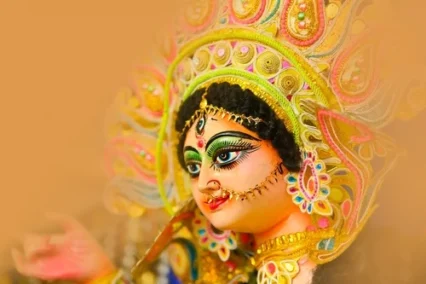
The Virgen de la Caridad del Cobre is the patron saint of Cuba. She means a lot to the Cuban people and is a strong religious sign for them.
Introduction
Are you going to Cuba and want to learn more about the local ways of life? Knowing about the island’s faith will help you get closer to the Cuban people. Most people in Cuba call themselves Catholic, but the country’s past has mixed many different religious practices. This mix of faiths is a big part of who the Cuban people are. You will see big Catholic churches and small Santería ceremonies done in people’s homes. You’ll find that religion is part of everyday life in Cuba. This guide will help you see what makes Cuba’s spiritual world special, especially now that people have more religious freedom.
Understanding Cuba’s Religious Landscape
Cuba has a rich spiritual life with many beliefs. The dominant religion for the total population is Catholicism. Still, many religious practitioners also follow traditions from Afro-Cuban culture. These beliefs mix in a special way and give Cuba a religious environment you cannot find in any other place.
In Cuba, you will see different religious organizations. Some are the Catholic Church, a few are Protestant groups, and there is also the Religious Society of Friends. Many Cuban travel guides talk about how people in Cuba live their faith. For most people, having faith is a private thing and often a blend of different beliefs. In Cuba, these ways of worshipping come together and mix well, showing how different religions can connect.
Overview of Major Religions Practiced in Cuba
The most widespread religion is Catholicism, brought to the island centuries ago. However, the true religious character of Cuba lies in its syncretic nature. Many Cubans blend Catholic practices with Afro-Cuban religions, creating a unique spiritual expression.
This mix is most evident in Santería, a syncretic religion that combines the worship of Yoruba deities from Africa with the veneration of Catholic saints. This practice developed when enslaved Africans were forced to adopt Catholicism and concealed their own beliefs within it.
Beyond these, you will also find a growing presence of Protestant churches and smaller communities of Jews, Muslims, and Buddhists.
|
Religion |
Key Characteristics |
|---|---|
|
Catholicism |
The dominant faith, with the Virgen de la Caridad del Cobre as the patron saint. |
|
Afro-Cuban Religions |
Includes Santería and Palo Monte, blending African beliefs with Catholic elements. |
|
Protestantism |
A growing presence with various denominations like Methodists and Adventists. |
Regional Differences in Religious Expression
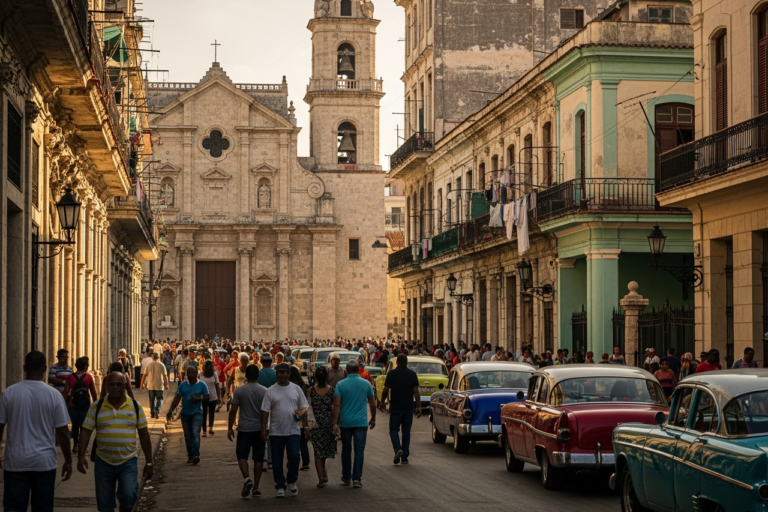
Religious expression in Cuba is not the same everywhere. You will see big differences from one place to another. In big cities like Havana and Santiago de Cuba, there are large cathedrals. You will notice the Catholic church being a big part of life. You can also find other kinds of religious groups there.
In rural areas and smaller towns, things are not just about the big religions. Here, people mix old traditions and Afro-Cuban beliefs with their everyday lives. The way people follow faith in these places can look a lot like their local customs. It’s not always easy to see where religion ends and tradition begins. A place like Isla de la Juventud might even have its own ways that you do not see on the main island.
This mix is what makes visiting Cuba so interesting. When you move from place to place, you get to see a new side of the island’s spiritual life. From one part of the country to another, you see many beliefs coming together to make something unique.
Historical Evolution of Religion in Cuba
The story of religion in Cuba goes back many years, even before the Spanish came, when native people held their own beliefs. But when colonists showed up in the 16th century, things changed a lot. They brought Catholicism with them, and it became the main faith. This was also the start of strong colonial rule.
During this time, the new religion and the old ways started to blend. Over many years, traditional beliefs mixed with Catholicism. Later, African spiritual practices joined in too. This mix helped create what people see in Cuba’s religious life today. Then in the 20th century, big political changes would come, and those also played a part in shaping how things turned out.
Indigenous Beliefs and Colonial Influence
Before the Spanish arrived in the 16th century, Cuba had people living there who had their own special ways to connect to the world around them. Most of these first beliefs are not seen as much now. Still, the old ways of linking with nature show up in some customs in Cuba today.
When Spain came, it changed things deeply and for a long time. The Spanish brought the Catholic Church with them, and soon it was the main and strongest religion on the island. They built many churches. The people living there were made to give up their faith and follow Christianity, sometimes by force.
But it was not only about switching from one belief to another. Africans who were brought to Cuba as slaves had to follow the Catholic Church too. They found a way to keep some of their old beliefs by mixing them with what they learned in Catholic Church. They matched their Yoruba gods up with catholic saints. This mixing of beliefs helped build the special religions that are still a big part of Cuba’s life now.
Impact of Political Changes on Religious Practices
For many years after the revolution, Cuba was an atheist state. The Communist Party did not support religious practices. The Cuban government made it hard for people to follow their faith. Open worship was often not allowed.
But things started to change in the early 1990s. The government changed the constitution and made Cuba into a secular state, not an atheist state. This gave greater religious freedom and allowed people to be more open about their faith.
Now, the relationship between the Cuban government and religious groups is more open. There are still some rules to follow, but freedom of religion is recognized. This helps people feel better about practising their beliefs. There has been a new energy for faith, and many now go out and share their religious practices with others.
Christianity in Cuba
Christianity is the main religion in Cuba. The Catholic Church has a big role in both Cuba’s history and its culture. You can see its grand buildings all over the country. Many of the ways people live and celebrate come from the Catholic Church, and it shapes the art and local events too.
The Catholic Church is not the only group that has grown in Cuba, though. Different Protestant groups are also getting much bigger. There are churches like the Church of Jesus Christ, Methodists, and Baptists that are growing strong. Church leaders from these groups guide their people and help bring more mix to the spiritual life of the island.
Catholicism’s Role in Cuban Society
The Roman Catholic Church has played a big role in Cuban life for over 500 years. You can see the mark of the Catholic Church in the beautiful old churches across the island and in many traditions that Cubans, including those who do not always attend church, still follow.
One important part of the Roman Catholic story here is the Virgen de la Caridad del Cobre, who is the patron saint of Cuba. People call her Cachita, and she stands as a strong sign of what it means to be Cuban and to have hope. Every year on September 8, many people join together to honour La Caridad del Cobre. It is one of the most important religious and cultural days on the island.
A big day for Cuban Catholics came in 1998, when Pope John Paul II came to Cuba. His visit helped make things better between the Church and the government. This visit also led many to get more involved again with their faith and with the Roman Catholic Church.
Protestant Denominations and Their Communities
Catholicism has been around for a long time, but protestant churches have grown a lot in Cuba in the past few years. In Cuba, you will see many types of churches like Methodists, Baptists, Anglicans, and Seventh-Day Adventists.
These religious organizations build strong and close groups. They are active, as they often help people out and give a sense of home to their members. You may see some people hand out religious materials or gather for worship in small chapels in the area.
Groups like Jehovah’s Witnesses and the Church of Jesus Christ are also active on the island and have their own communities. The growth of protestant churches has brought more change to Cuba’s already diverse mix of beliefs.
Afro-Cuban Religions and Their Influence
The influence of Afro-Cuban religions on the island’s culture is very big and easy to see. These faiths, like Santería and Palo Monte, came from west Africa when people from there were brought to Cuba in the time of the slave trade.
Even though these faiths faced a lot of trouble for many years, they did not fade away. They kept going by mixing with Catholic ideas, leading to a strong and special mix of beliefs. Their rituals, music, and way of looking at the world are now found everywhere in Cuban art, music, and in daily life. Because of this, they are a big part of what makes Cuba, and help people understand the soul of the nation.
Introduction to Santería and Its Traditions
Santería, also called the Regla de Ocha, is the best-known Afro-Cuban religion. This syncretic religion started with the Yoruba people in West Africa. When people from the Yoruba group were taken from West Africa and forced to live in Cuba, they had to become Catholics.
To keep their African religions safe, they found a way to mix their sacred figures, known as Orishas, with Catholic saints. These saints had qualities just like their own deities. By doing this, they could keep their worship of Orishas hidden. Because of this, Santería now has parts of Catholicism mixed with African beliefs.
Key things found in Santería traditions include:
-
Orishas and Saints: Each Orisha, or African god, goes together with one Catholic saint. As an example, Changó, the god of thunder, is joined with Saint Barbara.
-
Ceremonies and Offerings: People use music, drumming, dance, and bring gifts for the Orishas during their special ceremonies.
-
Divination: To ask their Orishas for advice, people use ways like cowrie shells to try and see the future.
This is how Santería, a syncretic religion, brings together parts of West Africa’s spiritual activities with elements of Catholicism and the use of Catholic saints, helping people keep their African religions alive.
The Survival and Adaptation of Afro-Cuban Faiths
The story of Afro-Cuban religions living on is strong and full of hope. The slave trade brought these faiths to Cuba. People with West African roots could not follow their old beliefs in the open.
So, they had to keep these practices quiet. They often hid their deities as catholic saints. This way, the people found a good way to let Santería and Palo Monte stay alive. They shared the faiths by word of mouth and with private events at home.
Even though these religions once stayed in the shadows for a long time, now people see them more. The Association of Free Yorubas of Cuba is one group that helps keep these old ways from West Africa going strong. They want to make sure this important culture and its ties to west african roots grows and is shared with people on the island.
Minority Religions and Interfaith Harmony
Cuba has many different faiths. There are also small but strong groups that follow religion like Judaism, Islam, and Hinduism. Each the group has its own story about how it started here. Even though the people in these groups are not many, they help make the religious mosaic in Cuba even richer.
Christianity and Afro-Cuban beliefs are the main faiths in the country. But you will still see a sense of peace among the religious organizations. These groups work side by side and respect each other’s way of worship. This shows that Cuba can be a country where different faiths get along well.
Judaism, Islam, and Hinduism in Cuban Life
Cuba’s Jewish community goes back many years. The synagogues in places like Havana are more than just places for prayer. They are spots for people to get together to keep the culture and spirit alive. The number of Jewish people in Cuba has gone down through the years, but the group is still active. They keep their old traditions, and they do so with pride.
Islam and Hinduism came to Cuba later, and they are not as large. You can see the small Muslim and Hindu groups. Many of them are immigrants, students, or people who have chosen to follow these faiths in recent years. These groups are slowly making their mark on the list of religions you can find in Cuba.
Having all these different religions shows that there is religious tolerance in today’s Cuba. These people might not be large in number, but being able to follow their faith means a lot. Their presence adds more colour and meaning to Cuban life, showing one more side of what makes the country’s identity so rich.
Other Spiritual Movements and New Trends
Cuba has more than just its well-known faiths. The country is also home to some other spiritual movements, which add to its wide range of beliefs. The Religious Society of Friends (Quakers) has been in Cuba for a long time. This group is known for putting focus on peace and helping the community.
In recent years, there have been more signs of Eastern Christianity in Cuba. For example, you will find a Russian Orthodox Church and a Greek Orthodox Church in Havana. Both churches serve small groups of people but bring new looks and different beliefs to the city.
These newer religious movements and small spiritual groups show Cuba’s growing openness to the world. As things keep changing in the country, people will watch for what comes next. They will also see how new trends work alongside other faiths to shape the island’s mix of beliefs.
Religion in Everyday Cuban Life
Religion in Cuba is not limited to churches or temples. It is something you see in everyday life. You can find it in the small altars set up in private homes. The people also wear religious medals for protection. The way that people talk often mixes talk of saints and spirits. Religious activities in Cuba are often a natural part of social events.
There are many traditions during the end of the year. These times are full of spiritual meaning for many people. Big religious festivals happen. Small private rituals are important too. For many people, faith helps shape the way they come together, celebrate, and face the tough parts of life.
Religious Festivals and Ceremonies for Visitors
As a visitor, you get a special chance to see Cuba’s faith up close with its many religious festivals. These events are full of colour and feeling, as they mix tradition, music, and fun times in the community. You will find that these moments share what is strong and meaningful to the people here.
One of the biggest events is the day for the Virgen de la Caridad del Cobre. It happens each year on September 8th. She is the country’s loved patron saint. All over Cuba, there are many gatherings and church services for her. The largest festival is at her basilica close to Santiago de Cuba. People also get together in many ways to celebrate other catholic saints. These usually have bright, happy events outside with many people joined together.
If you want to join these moments, try to see:
-
Holy Week (Semana Santa): This takes place with walks and music in the streets of cities like Trinidad.
-
Festival of La Caridad del Cobre: Each September 8th, this becomes a huge event across Cuba.
-
Local Saints’ Days: Each town may have a big day for their special saint. You will find fun traditions and music that are just for that place.
The spirit at these festivals is easy to feel, making each one different and full of joy.
Religious Freedom and Legal Framework in Cuba
The Cuban Constitution gives people religious freedom and the freedom to think as they wish. This is a big change from before, when the state did not allow religion. Right now, Cuba is a secular state. It now says people can openly practice any religion.
All religious groups must register with the Ministry of Justice so they will be seen as legal. The Office of Religious Affairs, which is linked to the Communist Party, looks after religious matters. This setup helps manage how religious organizations and the state work together.
Still, some religious groups say they have problems and face some government interference. Many people can go to worship in the open, but the state still keeps control of religious activities. Also, following the rules for religious organizations can be tricky and hard to get right.
Conclusion
To sum up, to really get to know the local culture in Cuba, it’s good for people from Canada to learn about the many religions in the country. There are colourful practices like Santería, which comes from Africa, and strong Christian roots. There is a lot of different kinds of faith on the island, and all of it is interesting. People who visit are welcome to go to local festivals. This will help you see what life is like for those who live in Cuba, and you get to learn about their beliefs. When you understand the history and what people do now for their faith, you’ll connect better with Cubans and their ways. If you are going to Cuba, try to visit some places of worship and take part in religious events. This will make your trip even better.
Frequently Asked Questions
How common is religious practice among Cubans?
The Catholic Church is the main faith in Cuba. Still, there are many different religious practices among the Cuban population. Some religious people mix Catholic beliefs with Afro-Cuban ones. Many people in Cuba do not go to church often or follow one faith, but they take part in events and traditions linked to old beliefs. These are an important part of their culture and daily lives.
Are there any restrictions on religious freedom in Cuba?
The constitution says there is religious freedom, but the government still watches over religious organizations. The communist party, through the office of religious affairs, is in charge of religion in the country. Some groups say they get government interference. Still, there is more freedom of religion now than there was in the past few decades.
Where can tourists experience religious festivals or ceremonies in Cuba?
Tourists can see many festivals that honour Catholic saints. Important public events to watch are the Holy Week processions in Trinidad and the festival for La Caridad del Cobre on September 8th. Many towns have their own religious activities and days for their patron saints, and most welcome visitors if you are respectful.