Key Highlights
-
The religious life in Brazil is very mixed, showing the long and rich history of the country.
-
The Catholic Church is still the biggest group, but Evangelical churches are getting more people all the time.
-
You can see that brazilian culture has deep ties with faith, like in events such as Carnaval in rio de janeiro.
-
African religions like Candomblé and Umbanda are an important part of the country’s spiritual side.
-
Brazil has many groups, like Spiritism, Judaism, Islam, and churches such as the Church of Jesus Christ.
-
People’s religious affiliation in Brazil often blends the old ways with the search for new spiritual paths.
Introduction
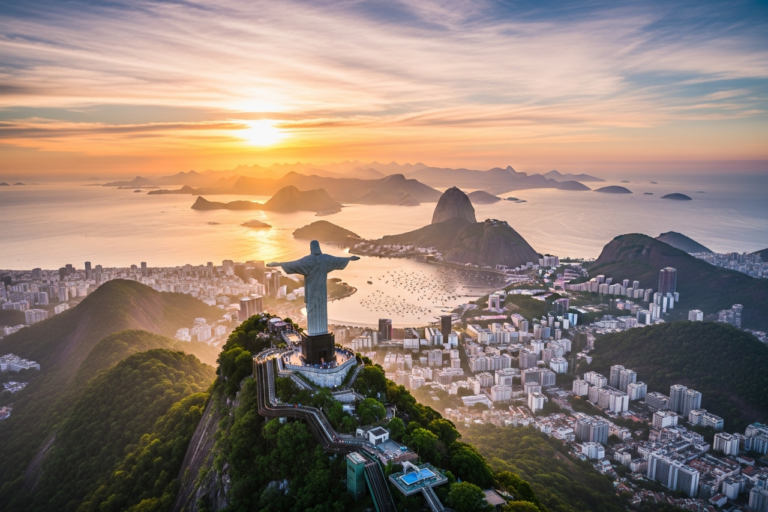
Welcome to the heart of Brazilian culture. Here, faith and spirituality touch every part of daily life. You can see it in the Christ the Redeemer statue that looks over rio de janeiro. It is also there in the many street parties and festivals that happen all across the city and country. In Brazil, religion is strong and easy to see everywhere you go.
When you look at the total population in Brazil, most people have some kind of religion. To really get to know Brazil, you have to learn about the many beliefs and ways people worship. This guide is here to help you, as a Canadian, understand the colourful and lively religious life found in rio de janeiro and all over this amazing South American country.
Understanding Religion in Brazil from a Canadian Perspective
For many Canadians, the way people talk openly about faith in brazilian culture can stand out. In Brazil, religion is not only about what you believe at home. It is something people share in public, at events, and it shapes the way they talk with others. It even has a big effect on politics and how people see their country.
Your religious affiliation is an important part of life for most people in Brazil. This guide looks at the different religious beliefs you will find there. You can see not only how Christianity leads, but also how other unique faiths have grown and mixed together. This helps you better understand brazilian culture and what means most to people who live there.
Why Religion Matters in Brazilian Society
Spirituality has a big part in the daily lives of the Brazilian population. It is not just something people do once a week. It is in the way people talk, the things they put in their homes, and even in political chats. Faith gives people a way to know what is right and wrong, help each other, and understand the ups and downs of life.
You can see these strong religious practices everywhere, from small shrines inside homes to big cathedrals and temples. In cities like Rio de Janeiro, there are both formal religious places and more casual ways people show their faith. This shows how faith can reach every part of society.
For many in Brazil, being spiritual gives them strength and helps shape who they are. Spirituality touches family values, events like baptisms and weddings, and those big get-togethers in the community. If you want to get a good feel for Brazilian culture, it is important to see how strong this link is.
Comparing Canadian and Brazilian Religious Cultures
When you look at different religious groups, Brazil is much more religious than Canada or most places in Europe. In both Brazil and Canada, people have freedom of religion. Still, faith plays a bigger part in Brazil’s public life and is easy to see in daily living. People in the north, like in Canada and Europe, live in places that are more focused on things outside religion.
If you compare Brazil to the United States, both have strong religious groups, but the way they show faith is not the same. Brazil is known for the way Catholicism, Evangelical groups, Afro-Brazilian faiths, and Spiritism grow together. This mix is hard to find in the United States.
Because of this, Brazil’s religion makes a unique and active culture. Canada has many backgrounds too, but Brazil blends religious faiths together in special ways. These faiths come together and change each other over time, showing a different form of diversity from the united states or Canada.
Historical Overview of Faith in Brazil
The story of religion in Brazil starts back in the 16th century, when the Portuguese came. They brought the Catholic Church with them. The Catholic Church soon became the main spiritual and political power in the new land.
But the story of religion is not just about the official church. Many Africans were forced to come to Brazil. With them came many african religions and spiritual ways. These faiths did not go away. Instead, people held on to them, and they changed over time. Many mixed with Catholic ideas, and this mix became something special and new in Brazil. We will look at both these roots next.
Colonial Roots and Catholic Foundations
Brazil started its religious journey in the 16th century when the Portuguese came. They brought the Roman Catholic faith with them. Jesuit missionaries worked hard to convert the local people. This early push set up Catholicism as the main religion.
During the colonial years, the Catholic Church was a big part of the state. In the 19th century, Brazil made Catholicism the official religion. This deep tie is why people in Brazil still see so many Catholic holidays, saints, and religious images today.
But things have changed in recent decades. The country now has fewer people in the Catholic faith, even though its roots in the 16th century and 19th century are strong. This change has helped other faiths grow, and the spiritual life of Brazil looks very different from before.
Arrival and Integration of Other Faiths
Besides Catholicism, the arrival of millions of enslaved Africans in Brazil brought strong religious changes. These people came with their own African religions, including the worship of orixás. To avoid trouble, they mixed these beliefs with Catholic saints and ways of worship. This made new and tough faiths that still survive.
In the 19th century and after, even more groups arrived. People from Europe and the Middle East came to Brazil. They brought their beliefs. Because of this, a large Jewish community started to grow, and later, Muslim groups also formed. At this time, Brazil started to have a truly multi-faith feel.
Now, people in Brazil follow many religions. Christianity is the largest group, but there are strong groups who follow Afro-Brazilian faiths like Candomblé and Umbanda, as well as Spiritism, Judaism, Islam, and several Eastern religions. All these beliefs add to the country’s spiritual mix.
Christianity’s Presence in Brazil
Christianity is a key part of religious life in Brazil. But it is not all the same. The Roman Catholic Church has been in the country for a long time. It has helped shape Brazil’s culture and who the people are for many years.
Lately, the way people practice Christianity in Brazil has changed a lot. Evangelical churches have grown fast, and now they are a big part of this change. There are also other groups, like the Latter-day Saints, who have come in. This mix of churches, including the roman catholic church and catholic church, makes Brazil full of many different religious beliefs.
Catholicism – Influence and Identity
The Catholic Church has been the biggest religious group in Brazil and most places in Latin America. The culture has grown with the church at the center. Big holidays and things like the Christ the Redeemer statue show how deep the catholic church goes in life there. For much of history, being Brazilian has often meant being part of the catholic faith.
Most people show the catholic faith through praying to saints, going to festivals, or having customs like baptism and first communion. More than half of Brazil still says they have the catholic faith, but not as many people go to church or events as they did before. This has made the numbers of people in the catholic church go down.
One big way the catholic church is not the same as Evangelical groups is its strict setup. It puts focus on old customs and the role of priests to lead and take care of important events. You will also find some new groups inside the catholic faith in Brazil, like the Liberation Theology movement. This group reads the Gospel with eyes on helping poor people, which stands apart from what many Evangelical groups in Latin America do.
Evangelical Christianity – Growth and Differences
The most important change in Brazil’s religious life in recent years is the big rise of evangelical churches. Many people in Brazil have been going to these churches because of their lively ways of worship, focus on personal salvation, and strong sense of community. This rise has come to be a big part of life in modern Brazil.
Evangelical Christians usually talk about having a close and personal link to God. They say the Bible has real power in their lives. It also matters a lot to them to have a “born-again” moment. These churches, unlike the structured Catholic Church, come in many forms, with thousands of Pentecostal and neo-Pentecostal groups.
This whole movement has changed Brazil a lot, not only in the way people see faith, but also in their politics and culture. The growth of evangelical churches is not just about faith—it leads to new ways of living and working together, and it breaks up the Catholic grip that held steady for hundreds of years. This is now shaping both the religious and public side of Brazilian life.
Other Christian Denominations (Orthodox, Jehovah’s Witnesses, Latter-day Saints)
While the Catholic Church and Evangelical groups often get most of the attention, they are not the only types of Christianity in Brazil. There are many other groups that add to the country’s mix of faiths. Each of these has its own people and way of doing things.
Groups like the Orthodox Catholic Church are small, but they are still another part of the Christian faith. You can also find many Jehovah’s Witnesses. They are known for how they go out and talk to people about their faith. There are also more people joining the Church of Jesus Christ of Latter-day Saints.
The adherents of other Christian groups may not make up a big share of the total religious affiliation in Brazil. But their communities are very active. They each add something important to the many ways people believe in the country. These groups show that Brazil has a place for nearly every type of Christian faith.
African and Indigenous Religious Heritage
Brazil is shaped by more than just Christianity. The country’s soul holds a lot of influence from African and Indigenous religions. Enslaved Africans brought their spiritual practices with them. These beliefs changed over time. Now, they are strong and special Afro-Brazilian spiritual practices and a big part of Brazilian life.
The indigenous religions of the first people in Brazil are still around. Many do not talk about them, but they are there. These spiritual practices stay tied to nature and the spirit world. They have helped shape Brazilian beliefs, too. Faiths like Umbanda mix both African and Indigenous traditions and show how important these roots are.
Candomblé, Umbanda, and Afro-Brazilian Spirituality
Brazil has its own mix of religions that are unique, with Candomblé and Umbanda being the most well-known. Candomblé comes straight from African religions. The followers say it is one of the closest ties to the old ways in the Americas. People in Candomblé pray to orixás. They use music, rituals, and old traditions that show the strong Afro-Brazilian roots.
Umbanda is different because it is a new religion that grew in Brazil in the 1900s. It mixes African traditions with some parts of Catholic ideas, Spiritism, and Indigenous faiths. The followers of Umbanda try to help other people and build brotherhood. They look for spiritual help from many different spirits.
Both Candomblé and Umbanda have been through hard times. They have faced a lot of prejudice and sometimes people have said they practice witchcraft, even when it is not true. Practices like animal sacrifice in certain Candomblé groups have also caused some debate. Still, these african religions continue to grow. They show how strong and vital Brazil’s spiritual side is. They bring people together and give them hope, even today.
Indigenous Beliefs and Their Modern Expressions
The first people in Brazil had many different spiritual ways long before the Europeans came. These indigenous religions are very close to nature. The people see the forests, rivers, and every animal as special and full of spirits.
These beliefs are not the same everywhere. They change from one group to the next, from the Amazon rainforest to places like Rio Grande do Sul. For many, the line between this world and the spiritual world is thin. Shamans are important people. They help others and heal them by working with these spirits.
Over time, many Indigenous people started to follow Christianity. Still, the old ways did not go away. Their beliefs are now a quiet part of Brazilian culture and show up in other faiths, too. Now, more people in these communities want to bring back and keep their spiritual past strong.
This love for the spiritual world and the ways of the Indigenous groups can be seen across Brazil. The spirit of brazilian culture is richer because of it.
Spiritism and Syncretic Religions of Brazil
Brazil is home to many religious groups where different beliefs mix and influence each other. One well-known example is Spiritism. It is a way of thinking about the spirit world. Many people in Brazil follow this faith.
This faith is also called Kardecism. It is one of the syncretic religious groups in Brazil. That means it brings together parts of European philosophy, Christian morals, and African traditions. These religious groups show how Brazil can join different ways of thinking and make something new.
Kardecism and the Spiritist Movement
One of the most different spiritual practices in Brazil is Kardecism. People also call it Spiritism. This way of thinking comes from the ideas of Allan Kardec. He was a teacher from France in the 1800s. Followers of spiritism believe in coming back to life after death. They also believe it is possible to talk with spirits through mediums.
Unlike other religions, followers of Spiritism are often from well-educated people and those in the middle or upper class. The movement talks a lot about charity, getting better as a person, and using science to study things like spirits. Spiritist centres are led by local religious leaders, not by an official church group. These places help the community and give people advice about life and the spirit world.
Kardecism is its own faith, but it also gave ideas to other spiritual practices in Brazil, like Umbanda. Some Christian groups do not understand what followers of spiritism do, and treat them unfairly. Even so, the Spiritist movement still plays a strong part in how people in Brazil think about their spirit and beliefs.
Syncretism: Blending Faith Traditions in Brazil
Religious diversity in Brazil shows the brightest through mixing, also called syncretism. This is when different beliefs and practices blend together. It is not just about getting along with each other. It is about a long past where different faiths came together. This happened because of deep history, including colonization and immigration, and it shapes brazilian culture today.
You see this the most with syncretic religious groups that join Catholic faith with african traditions. Back when slavery was part of life, people followed Candomblé. They often worshipped an orixá, who is a spirit or god, by calling them a Catholic saint, so they would not get into trouble. For example, the orixá Iemanjá gets linked to the Virgin Mary. This still has a big place in their spiritual practices.
These afro-brazilian spiritual practices show how people stay strong and creative so they can keep their ways alive. Mixing these faiths is a big part of brazilian culture. The way people honour their beliefs is fluid. That means a person might go to a Catholic mass, ask a Spiritist for help, and also show respect to afro-brazilian deities, all in their own life.
Non-Christian Faiths in Brazilian Culture
Christianity is very important in Brazil, but the country also has many other faiths. People have moved to Brazil from Europe, the Middle East, and Asia. They brought their beliefs, and now these are also part of life in Brazil.
Brazil has had a Jewish community for many years. There are also more Muslims living in the country now. Other religions like Buddhism and Hinduism are growing, too. All these groups make Brazil more diverse. Their stories help show how Brazil has become a country with many different faiths.
Judaism and Islam in Brazilian Society
Brazil has one of the biggest Jewish communities in Latin America. The Jewish community has been in the country since the time the colonies were formed. Many people came from Europe and the Middle East in the 1800s and 1900s. Now, there are strong Jewish communities in cities like São Paulo and Rio de Janeiro.
Islam has a long story in Brazil too. The first Muslims here were enslaved people from Africa. They kept their faith hidden. Later, more people from the Middle East, especially Syria and Lebanon, started to move in. This made the Muslim group grow and become easier to see.
Today, the Federation of Muslim Associations of Brazil speaks for the Muslim community. The Jewish community and the Muslim community are both important in the country. You can see how they shape life in Brazil, both with their culture and religion, in rio de janeiro and other places. They are key to what makes the country rich with so many kinds of people.
Buddhism, Hinduism, and Eastern Religions
The different beliefs in Brazilian culture include not just Catholic or Christian faiths, but also Eastern religions. More people in Brazil are interested in Buddhism now. It is not just those with a Japanese background. Many Brazilians from other backgrounds are also learning about it because they like its ideas of being calm and staying in the moment.
Hinduism does not have as many followers, but the people in these groups are committed. You can find temples and centres in Brazil where people worship or do meditation. These places invite all kinds of people and help add to the spiritual life in the country.
The fact that Buddhism, Hinduism, and other Eastern faiths are part of Brazilian culture shows that people in Brazil are open to many ways of thinking about life. From yoga studios to meditation spots, you can see the ideas of these religions shaping how people look for meaning each day. This shows how Brazilian culture keeps changing and growing.
The Baháʼí Faith and Japanese New Religions
Brazil has many different religions. Some are known all around the world, but they have built special local groups in Brazil. The Baháʼí Faith teaches that all religions are important and that all people are connected. This faith has grown in Brazil. You can find its followers in many places across the country.
People from Japan also brought more than just Buddhism to Brazil. They brought “Japanese New Religions,” too. These bring together ideas from Shinto, Buddhism, and old local beliefs. Many of these groups have set up local headquarters and branch offices of the organization to help their members.
These faiths did not start in Brazil, but now they are part of its religious mix. They show that the country’s culture is open. In Brazil, these global beliefs are able to change and grow. And, they bring together people from many different backgrounds.
Regional Variation in Brazilian Religious Life
Brazil is a big country, and faith can look very different from place to place. The different brazilian states show a lot of variety when it comes to how people practice their faith.
A catholic part of Minas Gerais will not feel the same as an area known for being filled with evangelicals in rio de janeiro. It is also not like a place with strong spiritist roots in rio grande do sul. If you want to really know what brazilian spirituality looks like, you have to see these changes from place to place.
Diverse Practices from North to South
The religious character of Brazil changes as you travel across its states. The Northeast, with its deep colonial and African roots, is a heartland for both traditional Catholicism and Afro-Brazilian religions like Candomblé. In contrast, southern states like Rio Grande do Sul show a stronger European influence, with a mix of Catholicism, Protestantism, and Spiritism.
In urban areas like the state of Rio de Janeiro, you find a dense and competitive religious marketplace. Here, traditional Catholic parishes exist alongside massive Evangelical churches and numerous Umbanda and Spiritist centres. The sheer variety is a hallmark of city life.
This regional diversity even impacts the styles of Christianity. Catholicism might be more traditional and formal in one region, while in another, it may have adopted more charismatic and lively forms of worship to compete with the appeal of Evangelical churches.
|
Region |
Dominant Religious Characteristics |
|---|---|
|
Northeast |
Strong presence of traditional Catholicism and Afro-Brazilian religions (Candomblé). |
|
Southeast |
Highly diverse urban areas (e.g., Rio de Janeiro, São Paulo) with a mix of Catholicism, large Evangelical churches, and Spiritism. |
|
South |
Strong European immigrant influence; significant populations of Catholics, traditional Protestants, and Spiritists. |
|
North (Amazon) |
Mix of Catholicism and Evangelical growth, with a strong presence of Indigenous spiritualities. |
|
Central-West |
Rapidly growing Evangelical population, especially in new frontier cities. |
Urban vs. Rural Faith Communities
The gap between cities and the countryside shapes how people in Brazil follow religion. In places outside the city, Catholicism is still a big part of daily life. The local church is more than a spot to pray. It also brings people together for social time. In these areas, religious affiliation is often something that families pass down over many years, and it does not change much.
In the city, things are not the same. Urban areas are busy and full of all kinds of religious groups. People in the city see many types of faith and often try out different ones to find what feels right for them. This has made Evangelicalism and other new types of faith grow fast in big towns.
Because of this split between city and countryside, religious affiliation can look very different depending on where a person lives. If you live in a small rural town, your link to a faith may just be what your family gave you. But if you are in the hustle and bustle of a city, your choice is more likely to be yours. It’s because you have more religious groups to see and pick from in urban areas.
Brazilian Festivals and Religious Celebrations
Festivals are a big part of life in Brazilian culture. Many of the most well-known celebrations come from religious beliefs. These events are a bright and lively time where faith, song, and the people all join together. You will see many colours, the music, and people having a good time.
From Carnaval, which is famous in the world, to smaller days for local saints, each festival shows how much people believe. The Catholic Church has a strong effect on these festivals. You will also notice rhythms and old ideas from African religions. These have helped shape the way people celebrate in the country.
Carnaval and Its Religious Roots
Even though most people know Carnaval for its big parties and street fun, it started as a religious event. It is a time to say “goodbye to meat” and enjoy before the 40 days of Lent in the Catholic faith. Lent begins on Ash Wednesday, and people do not eat meat or celebrate much during this time.
In Brazil, places like Rio de Janeiro and Salvador have a history of mixing religious beliefs and african traditions. People in these cities brought their own music, dance, and parade themes from African culture. They made these fit with the time for Catholicism. So now, songs and celebrations in brazilian culture have rhythms and stories from both cultures.
All this together is what makes Carnaval in rio de so special and one of a kind. You can see how both Catholic and african traditions helped build the festival, making it both a holy time and a time to party.
-
Catholic Timing: The festival is held right before Lent starts.
-
African Rhythms: Samba and other songs come from african traditions and culture.
-
Street Parties: Big group celebrations happen before a quiet and serious time for religion.
Other Major Religious Festivals Across Brazil
Beyond Carnaval, there are many festivals in Brazil that are built around the country’s religious beliefs. These events are an important part of the culture. They bring people together in faith and community. Millions of people join and take part in them each year.
One of the largest is the Círio de Nazaré in Belém. This festival is held to honour Our Lady of Nazareth, who is seen as a form of the Virgin Mary. The Círio de Nazaré is a big procession. It is also one of the largest Catholic events in the world. Another major event is the Festa do Divino Espírito Santo, which means the Feast of the Divine Holy Spirit. This is marked with colourful walks through the streets and local customs, and it happens in many towns.
These big celebrations show how much the catholic faith and religious beliefs shape Brazilian traditions. They are not just about religion. They also play a big role in shaping identities in each region.
-
Círio de Nazaré: A large Catholic walk in Belém to honour the Virgin Mary.
-
Festa Junina (June Parties): People mark this by celebrating Catholic saints like St. Anthony, St. John, and St. Peter. It features food, music, and dance that come from old times.
-
Festa de Iemanjá: This marks respect for the Afro-Brazilian sea goddess. It’s most famous in coastal cities such as Salvador.
You can feel the
Religion and Daily Life in Brazil
In Brazil, faith is a part of everyday life. People do not keep it just for weekends or big days. It shapes how they talk to their families, work with others, and spend time in their neighbourhoods. Many people also include spiritual practices in what they do each day.
Some pray by themselves at home. Others talk about faith and what matters to them on social media. Religion is with them all the time. People in Brazil live their faith out in the open. You will see that places of worship are full of life. There is more going on than just the usual religious services. These places often help to keep the whole community together.
Spirituality at Home, Work, and in Public Spaces
Spirituality is a big part of daily life for many people in Brazil. You often see religious items like crucifixes or pictures of saints in homes, taxis, and small shops. This shows that there is a close link to the spiritual world that people keep all day.
At work, people talk about their faith openly. Sometimes, businesses even close for religious holidays. It is common to see religious items in public places too. Some law enforcement and government offices show these symbols as well. This shows there is not much space between public and private faith.
People in Brazil feel good talking about spiritual topics. You might chat about faith with a shopkeeper. Or you might have more deep talks with friends. Faith is a normal part of day-to-day life for most people in Brazil, and it shows how much the spiritual world matters in their life.
How Brazilians Choose and Express Their Faith
Many people in Brazil are born into a certain religion, but more are starting to pick their own religious affiliation. The country’s rules make sure everyone can practice their religious beliefs, so you can try different spiritual ways and look for a group that fits you.
Family often shapes the religion people follow, but there are other important things. A person’s own experience, friends, and what a church or religious group says are big factors too. Many change their religious beliefs or join different religious groups during their life. This is called religious transit.
Today, more people use new ways to find and share their faith. Social media is now a big place for religious leaders and their followers. Here, they talk, share their thoughts or stories, and build online communities.
-
Family Upbringing: Many get their religious beliefs from their family.
-
Personal Experience: A hard time or special moment can make someone change to a new religion.
-
Community Appeal: The friendly support from a church or religious group brings many in.
-
Evangelism: Groups that reach out get new members to join them.
Religious Freedom and Tolerance in Brazil
Brazil’s constitution says that everyone has religious freedom and freedom of conscience. It is illegal to treat someone unfairly because of what they believe. The law also works to protect places of worship. On paper, it lets all people practice their faith without worry.
But things are not always simple. Most people in Brazil are tolerant, but there are times when religious intolerance still happens. These problems can be as small as harsh words, or as bad as antisemitic hand gestures or harm to places of worship. All of these test Brazil’s promise to look after religious freedom, freedom of conscience, and the protection of places of worship for their people.
Legal Protections for Faith Practices
The laws about freedom of religion in Brazil are strong. The federal constitution clearly says people have freedom of religion and are safe from being treated unfairly. This legal system helps all religious groups practice their beliefs in a free way.
There are also laws to protect places of worship and important religious items. It is against the law to stop anyone from holding religious ceremonies. The government does not make religious groups register. Many do it on their own to get tax breaks or other help.
Groups like the U.S. Department of State say the Brazilian government usually respects these rights. But, even with these protections, some people still face prejudice and issues. There are still cases of unfair treatment, mostly toward minority religious groups. This can also happen at places of worship.
Contemporary Challenges and Interfaith Dialogue
Even though Brazil has many laws to protect people, the country still deals with problems related to religious intolerance. The most affected are Afro-Brazilian religions, like Candomblé and Umbanda. Their places of worship often get damaged, and people who follow these religions get called names or even attacked.
These acts of religious intolerance happen because some people have the wrong ideas. A few members from other religions spread these ideas on social media and in other ways. While most trouble is against Afro-Brazilian groups, there are also some cases of religious intolerance against Jewish and Muslim people. These happen less often, though.
To help this issue, religious and community leaders are getting together to talk. They want to build respect and help people understand each other’s beliefs. By working together and sharing information, they hope to cut down on hate.
-
Targeting of Afro-Brazilian Religions: The most usual type of religious intolerance.
-
Verbal and Online Hate Speech: This is showing up more, especially on social media.
-
Vandalism of Religious Sites: People go so far as to destroy temples and items used for worship.
-
Interfaith Councils: These groups want to spread peace and get people to understand one another.
Conclusion
Religion in Brazil is full of life and brings together many different beliefs and ways of worship. This mix shows the rich history and culture in the country. You will find the deep roots of Catholicism, along with strong African and Indigenous spiritual traditions. When you learn about this, you start to see what makes brazilian culture so unique. For people from Canada, understanding these many ways of faith can help them get closer to Brazil and its people.
When you see all the different faiths in Brazil, you start to see the value of religious freedom. It reminds us why it matters to accept and respect many kinds of beliefs. As you take part in brazilian culture, try to enjoy the bright festivals and daily habits tied to faith that people live by. These things help shape life in Brazil.
If you want to know more about how these traditions may be part of your own story, you can ask for a free consultation.
Frequently Asked Questions
How religious is Brazil compared to Canada or the United States?
Brazil is usually more open about religion than Canada, but people there feel as strongly about their beliefs as in the United States. Census data shows more people have a religious affiliation in Brazil than in Canada. With so much energy in its religious culture, Brazil stands out as one of the most faith-filled countries in Latin America.
Are there any unique religions found only in Brazil?
Yes, Umbanda is a different religion that started in Brazil. This is one of the many syncretic religious groups in the country. These groups mix African religions, Catholicism, and Spiritism in new ways. Candomblé comes from African roots, and Spiritism has beginnings in France. But the way they show in brazilian culture is different and special. There are also millions of followers of Umbanda and followers of Spiritism in Brazil. This makes these religious groups a big part of life and faith in the country.
How do Brazilians typically choose their religion or spiritual community?
Family tradition is important for the Brazilian population, but freedom of conscience gives people the choice to pick what they believe. Many people decide their religious affiliation because of support from the community, personal life moments, or the way that religious groups reach out. Social media is also a good tool. People use it to learn about and connect with other faiths.