Key Highlights
Here are the key things you should know from this guide about Spanish greetings:
-
Start by saying simple Spanish greetings such as “Hola,” “Buenos días,” “Buenas tardes,” and “Buenas noches.”
-
Know when to use “tú” for people you know well and “usted” to show respect, so you talk to people the right way.
-
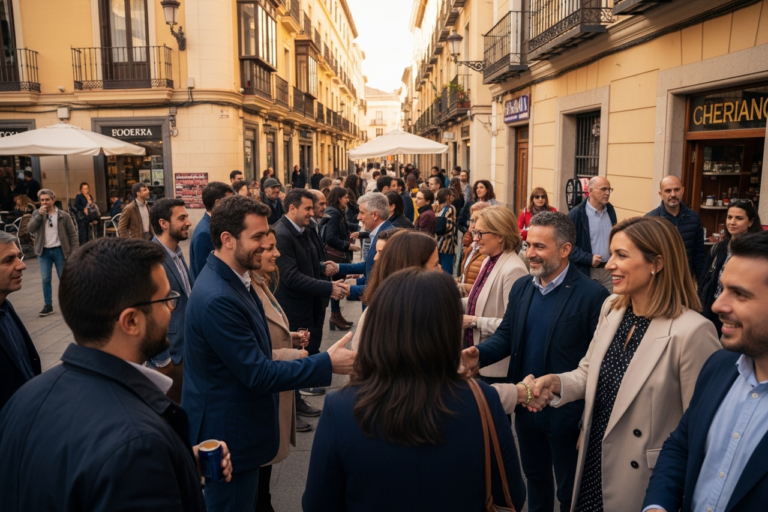
When you meet people in Spain, it is common to greet them with a handshake or two quick kisses on the cheeks (dos besos).
-
People usually say “Mucho gusto,” which means nice to meet you, when they meet someone for the first time. It’s a nice thing to do.
-
What greeting you use can change with the time of day, from morning until night.
-
If you use these greetings and follow these customs, you will give a good first impression when you meet new people.
Introduction
Are you going to visit Spain and want to talk with the locals? Learning some spanish greetings is a good way to start. It is the first step to close the gap if you do not know their language and helps you start new chats with people. To master a new language takes time. Still, saying a simple hello or asking how someone is can help you feel good with others. This guide will show you the main spanish greetings you need for your trip to Spain. It will help you feel sure when you talk to people for the first time.
Common Spanish Greetings Used in Spain
When you start to learn the Spanish language, the first thing you hear is often the greetings. In Spain, the way you greet people really matters. It helps shape how the rest of your talk will go. You may want to be casual or choose a more formal way to say hello. For new learners, it may feel like there are a lot of choices.
You will hear many common Spanish greetings as you go. If you know these, you will feel good in most talks with others. You can use “Hola” or select a phrase tied to a certain time of the day. Let’s break down the basics and look at some other greetings you can try.
Basic Ways to Say Hello and Goodbye
The most common way to say hello in Spanish is “Hola.” It is easy to use and works for almost all situations, both formal and casual. If you want to greet someone based on the time of day, say “Buenos días” to mean good morning. People use this from early in the day until about lunchtime.
After noon has passed, switch to “Buenas tardes.” This means good afternoon. This is normal to use until night comes. When it is time to leave or end a chat, you can say “Adiós.” This is the main way to say goodbye. In Spain, you might hear “Hasta luego” more often. It means see you later and feels a bit more relaxed.
Here are some main spanish greetings and farewells:
-
Hola: Hello
-
Buenos días: Good morning
-
Buenas tardes: Good afternoon
-
Hasta luego: See you later
Alternative Spanish Greetings Beyond “Hola”
While “Hola” is a great start, using different ways to greet people can make your Spanish sound more natural and fluent. For example, in the evening or at night, you would say “Buenas noches.” This phrase works both as a greeting (“good evening”) and a way to say goodbye (“good night”). Another common informal greeting is “¿Qué tal?,” which is a casual way of saying “How’s it going?”
When you don’t know when you’ll see someone next, “Hasta la vista” is an appropriate farewell, meaning “so long.” It’s less common in daily conversation but still understood. Exploring alternative greetings will add variety to your vocabulary and help you connect better with native speakers.
Here are some other useful phrases for greetings and goodbyes:
|
English Phrase |
Spanish Phrase |
When to Use It |
|---|---|---|
|
How’s it going? |
¿Qué tal? |
Informal greeting with friends |
|
What’s up? |
¿Qué pasa? |
Casual greeting among peers |
|
Good evening/night |
Buenas noches |
Greeting in the evening or saying goodbye at night |
|
See you soon |
Hasta pronto |
When you expect to see the person again soon |
Greeting Customs: Formality and Addressing Others
Understanding formality is very important when talking to a Spanish speaker. Knowing the difference between formal and informal ways of speaking helps show respect and makes you look aware of social rules. If you are unsure, it’s better to use a formal tone. This can help you avoid awkward moments.
Spaniards like polite words, and using them the right way goes a long way. Choosing between the informal “tú” and the formal “usted” is a big part of speaking Spanish. We will talk about when to use each one. We will also share some polite phrases to say when you meet someone for the first time.
When to Use ‘Tú’ Versus ‘Usted’
The choice between “tú” and “usted” is a big part of spanish greetings. “Tú” is the informal “you.” People use it in most informal settings every day. You use “tú” with friends, family, people the same age as you, and in casual places. It makes you sound friendly and close to others.
On the other hand, “usted” is the formal “you.” You should use “usted” when you want to show respect. Use it for someone who is older, has authority, or when you don’t know the person. People also use “usted” a lot in business or at work. “Usted” helps you be polite and careful with others.
If you are not sure which word to use in a spanish greeting, the best thing to do is use “usted.” The other person might ask you to be less formal and say, “Puedes tutearme.” This means, “You can use ‘tú’ with me.” This rule will help you get it right when you talk to new people.
Polite Expressions for Meeting Someone New
When you meet someone new in Spain, you want to use polite words. This helps you make a good first impression. Right after you say hello, it’s normal to say something nice. Most people use “Mucho gusto,” which means “Nice to meet you.” People say this to be warm and show they are friendly.
If you want to sound a bit more formal, you can say “Encantado” if you are a man, or “Encantada” if you are a woman. These words mean “Pleased to meet you.” Both of these are common and useful to know for social times. These should be part of your Spanish vocabulary.
Here are a few polite expressions that you can use when you are meeting someone new in Spain:
-
Mucho gusto: Nice to meet you.
-
Encantado/a: Pleased or delighted to meet you.
-
Es un placer conocerle: It’s a pleasure to meet you (for formal use).
-
Igualmente: Likewise (you can say this as a reply when someone says “Nice to meet you”).
Using these words will help you sound polite and fit right in when you visit Spain or use your Spanish with new people.
Physical Greetings in Spanish Culture
In Spanish culture, the way people greet each other with touch is just as key as saying “hello.” When you look at people in Spain, you see that they like to show warmth in how they greet someone. This is different from in Canada, where many people like to keep a little more space.
People in Spain often use handshakes. One thing that stands out the most is kisses on the cheek. Knowing about these ways to say hi can help you feel good in social times. If you know when to use these spanish greetings, you feel ready in any setting in spain. Here, we will look at how these gestures work and what you can expect from greetings in spain.
Kisses, Handshakes, and Other Gestures
The most common way people greet each other in Spain is with “dos besos.” This means two kisses—one on each cheek. You start on the right cheek, so you lean left. It’s what women use to greet each other, and it’s also normal for a man and a woman to do in relaxed, social times. Men, though, almost never greet each other this way. They will give a handshake or sometimes a quick friendly pat on the back instead.
A good handshake is the main way to greet people if you’re in a formal setting or at work. It’s the usual way for men in Spain to say hello, even when things aren’t formal. These types of greetings are a big part of spanish life. They show how people there like to be warm and friendly when they meet.
Key spanish greetings you should know are:
-
Dos Besos (Two Kisses): This is common between women, and between a man and a woman.
-
Handshake: People use this in work places and mainly between men.
-
A Hug or Pat on the Back: You will see this when friends or family meet.
-
These warm greeting gestures from spain are a big part of meeting people there.
Morning, Afternoon & Evening Greetings
In Spain, greetings change with the time of day. It’s good to know which greeting to use at the right part of the day. This helps you sound like you know more about the language and culture. People in Spain split the day into morning, afternoon, and evening for greetings.
During the morning, people say “Buenos días,” which means good morning. This is the right thing to say until around midday or lunchtime. Lunch can be as late as 2 p.m. in Spain. After that time, use “Buenas tardes.” This is how you say good afternoon, and you use it through most of the day. Keep saying buenas tardes until the sun goes down or until about 8 or 9 p.m.
Once it is dark outside, say “Buenas noches.” You use this phrase for both good evening when you get somewhere, and good night when you leave or when you go to bed. Using the right greeting shows you know about the time of the day in Spain. It also helps you fit in a little better.
-
Buenos días: Good morning (used until about 2 p.m.)
-
Buenas tardes: Good afternoon (used from 2 p.m. until evening)
-
Buenas noches: Good evening/Good night (used after dark)
Conclusion
To sum up, knowing the different ways of greetings in Spain can make your trip better and help you meet new people. If you say a simple “Hola” or a formal “Buenos días,” you show respect for Spanish customs. You should also know about the common greetings that use handshakes or kisses. These can help break the ice and make others feel welcome. Each part of Spain may have its own style, so it is good to pay attention and be ready to learn. Use these greetings, and you will see that putting in a little effort goes a long way in Spain. Have a good time and enjoy all that the Spanish culture has to offer!
Frequently Asked Questions
Is it suitable to use informal greetings with strangers in Spain?
It is usually good to start with formal greetings when you talk to strangers in Spain, especially if they are older than you. Spanish culture is friendly, but when you use “usted” instead of “tú,” it shows that you respect them. If the other person chooses to be less formal, you can use informal greetings after that.
How do Spanish greetings differ from those in Latin American countries?
Many Spanish greetings are the same, but there are some changes based on where you are. For example, the “dos besos” or two kisses on the cheek is a greeting you will find in Spain. In much of Latin America, people usually give only one kiss on the cheek. There are also some common Spanish phrases and bits of slang used in Spain that people in Latin America may not use, and the same is true the other way around.
Spanish greetings can change a lot depending on where someone is. People in both Spain and Latin America use their own ways to say hello. Learning about these greetings and common Spanish phrases helps people fit in better when they meet others.
What should Canadians keep in mind when greeting people in Spain?
Canadians should get ready for more physical contact when they meet people in Spain. People may greet you with two kisses. It is good to try using spanish greetings instead of always speaking in english. Saying “hola” or “buenos días” is nice and shows you want to connect.