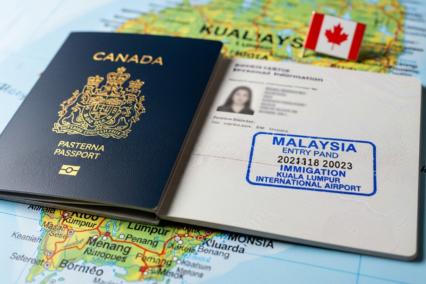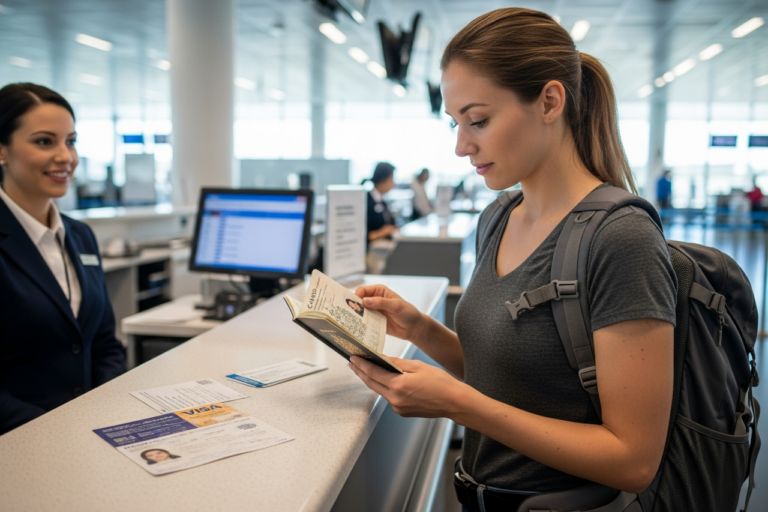
Key Highlights
Are you getting ready for your trip to Vietnam? Here’s what to know before you go, the list covers the basics of your vietnam visa.
-
Canadian people need to get a visa to enter Vietnam, no matter if it is for fun or work.
-
The vietnamese government has different visa types you can choose from, like the tourist visa and the e-Visa that a lot of people get.
-
You can get your e-Visa done online, pick up your visa when you arrive, or talk to the embassy of vietnam.
-
Now, thanks to new rules, you can use an e-Visa to stay for up to 90 days at a time.
-
There is a visa exemption just for phu quoc island, but only if you meet certain rules and you stay a short time.
This list should give you a good head start on your travel plans. Make sure to pick the right visa type for your visit.
Introduction
Are you thinking about going to Ho Chi Minh City or seeing the beautiful views at Ha Long Bay? Vietnam is a good place to visit and has a lot to offer. Before you go, it is important to know what you need to get into the country. There can be many rules to follow, especially around getting a vietnam visa, and it might look hard. But this guide will make things easy for you. Here, you will find out how to get your vietnam visa, how to fill out the application form, and what choices are open for Canadian travellers.
Overview of Vietnam Visas for Canadian Travellers
Getting the right visa for your trip to Vietnam is very important. The type of visa you need will depend on why you are going and how long you plan to stay. The Vietnam Immigration Department has certain visa requirements that all Canadian travellers must follow before coming into the country.
No matter if you are flying into an international airport or coming across a land border, you need to have your paperwork in order. This will help you have a smooth time getting through your port of entry. Below, we will talk about if you need a visa, new policy changes, and how long you can stay in Vietnam.
Do Canadians Need a Visa to Visit Vietnam?
Yes, if you are from Canada, you will need a Vietnam visa to visit for fun or work. The Vietnamese government sets the visa requirements. It is important to follow these rules, so you do not have any trouble when you get there. You must have this travel paper along with your valid passport.
This rule is for most trips, so the Vietnam visa is an important part of what you need before you go. Some people from other countries do not need a visa, but Canada is not on that list. The immigration department makes sure everyone follows these visa requirements.
There is one big exception, though. There is a visa exemption for people who want to go to Phu Quoc Island for up to 30 days. You must meet some rules to get this. If you want to go anywhere else in Vietnam, you will need your visa before you travel.
Major Changes in Vietnam Visa Policy
Great news for travellers! The Government of Vietnam has new visa rules, making it easier and quicker for Canadians to visit. After March 15, 2022, the country started using its old visa rules from before COVID-19. This means that many of the old travel restrictions are gone.
One big change is that the e-Visa is now good for up to 90 days, instead of just 30 days like before. With this new visa, you have more time and can see much more of Vietnam.
These changes in Vietnamese law help bring more tourists and business travellers to the country. If you get visa approval under the new rules, you can enjoy a longer visit and really take in all of Vietnam’s culture and beauty.
Duration of Stay Permitted for Canadians
The time you can stay in Vietnam depends on the type of visa you get. There are different visa types, and each lets you stay for a set time. It’s good to pick the one that works best for your travel plans.
For Canadians, if you use the e-Visa, you can now stay for up to 90 days. You can get this as a single entry or multiple entry, based on what you ask for. Many people use this as their tourist visa, so you have plenty of time to see and do things.
If you go with the Visa on Arrival (VOA) method, the time you can stay will be written in your approval letter. You need to get this approval letter before you fly to Vietnam. VOA options often give you 30 days or 90 days, and you can choose single entry or multiple entry. Always look over your type of visa to make sure you follow their rules for your stay.
Key Visa Types Available for Canadians
Canadian passport holders have a few ways to get entry visas for Vietnam. The two main types are the tourist visa and the business visa. Each one fits a different need. Knowing the differences helps you pick the right one.
If you want to take a trip for fun or work, you will find a visa for that. In this guide, we cover the main choices you have. This includes the tourist visa, business visa, and visas for short visits. This will help you choose what is best for you.
Tourist Visa Options
If you want to go to Vietnam for fun or a holiday, you will need a tourist visa. This is the most used visa for people who want to see all the nice places there. The application process is easy for most. But you must follow all the visa requirements to get it.
To get started, you must fill in a visa application form. You also need to show your valid passport. The stuff you need can change a bit. It depends on how you want to get the visa. That could be through an e-Visa, Visa on Arrival, or the vietnamese embassy.
Here are the main ways you can get a tourist visa:
-
E-Visa: You can go online and apply for a 90-day visa.
-
Visa on Arrival (VOA): You get an approval letter online before you leave your home. Then you will get the visa stamp at a vietnamese international airport.
-
Embassy Visa: You can go to the vietnamese embassy in Canada and apply there before you travel.
Business Visa Categories
If you are going to Vietnam for work like meetings, conferences, or to look for business chances, you need a business visa. This type of visa is not the same as a tourist visa. It has its own rules and needs.
A Vietnam business visa does not let you work full-time in the country by itself. You will usually need a work permit for full-time work. The business visa is for short-time business things. The immigration department will ask for papers from your sponsoring company in Vietnam.
Key points about business visas include:
-
Sponsorship: You usually need a letter of invitation or sponsorship from a company based in Vietnam.
-
Validity: Business visas can be given for different lengths of time, from three months to one year. You can get one for a single trip or many trips.
The immigration department, a business visa, work permit, tourist visa, and type of visa are important things to know about if you want to go to Vietnam for work.
Transit and Short Stopover Visas
If you are in Vietnam just for a stop on your way to another place, you may need an entry visa. It will depend on how long you stay and if you go outside the airport. These visas are for a short time only.
Most of the time, if you stay inside the airport transit area and do not go through border checks, you do not need to get a visa. But, if you want to step out of the airport even for a short time, a visa is important. Vietnam does not offer a visa exemption for people who want to enter the country during a layover.
Here’s what you should do:
-
Check with your airline: Your airline will have details about the rules for your stop in Vietnam, based on your trip.
-
No transit visa option: There is no special “transit visa” for Vietnam. If you want to stay in the country, even for a short period of temporary residence, you need to apply for a normal tourist visa like an e-Visa.
This advice can save you time and trouble, so make sure to sort out your entry visas before you travel.
Understanding the Vietnam e-Visa
The Vietnam e-Visa is an electronic visa. It is now the most popular and easy way for people to travel to Vietnam. The application process is online. You can do it all at home, which makes it simple and stress free.
The Government of Vietnam started this system to make getting a visa easier. It helps cut down on the visa requirements and saves you from going to the embassy. Now, you can learn what the e-Visa is, where you can use it, and how long you can use it for.
What is a Vietnam e-Visa?
A Vietnam e-Visa is an official paper made online by the Vietnamese government. This electronic visa lets people from other places come into the country. It makes things easy because you do not have to go to an embassy or stand in line for a Visa on Arrival.
You have to fill out an application form by going to the official government page. Put in your own details and your trip details. You also have to add a digital photo and a picture of your passport’s front page.
The immigration office will look at your application. If it gets approved, they will send the e-Visa to you online. You just print it out and show it when you get to Vietnam. This way is simple and helps people travel with less stress.
Eligible Entry Points for e-Visa Holders
When you apply for an e-Visa, you need to choose the port of entry and exit. The good thing is, you can use your e-Visa at many international airports, land borders, and seaports all over Vietnam. This will help you have more options with your travel plans.
So, you can fly into a big city like Hanoi, Ho Chi Minh City, or Da Nang. You can also enter Vietnam by land from another country. Just remember, you must use the entry point you put on your application.
Some international airports that accept the e-Visa are:
-
Noi Bai International Airport (Hanoi)
-
Tan Son Nhat International Airport (Ho Chi Minh City)
-
Da Nang International Airport (Da Nang)
-
Cam Ranh International Airport (Nha Trang)
-
Phu Quoc International Airport (Phu Quoc)
Validity Period and Extensions for e-Visa
The Vietnam e-Visa lets you stay in the country for up to 90 days. You may choose a single-entry or multiple-entry visa during this time. This longer period is good because it lets people travel, see more, and not worry as much about leaving quickly.
Many people ask about a visa extension. Policies from the Vietnamese government may change. Asking for a visa extension after you get to Vietnam can be hard. It is better to apply up front for a visa that fits your whole visit and the days you need.
If, after you arrive, you want to stay longer, you must talk to the Vietnamese Immigration Department for what steps to take. Getting a visa extension is not always easy and will often need a sponsor. These requests also might not be approved. You should double-check that all your personal information is right when you apply. This helps speed up your processing time and makes sure your visa stays valid.
Visa on Arrival (VOA) Explained
Before the e-Visa was easy to get, many people got their Vietnam visa by using Visa on Arrival, or VOA. With this way, you have to get a pre-approved approval letter from the immigration department before your trip. When you land at a Vietnamese airport, you then have a visa sticker given to you in your passport.
You can still use this way, but it’s good to know how the application process works. You should also know how the VOA is not the same as the e-Visa. Here, you will find how to apply and what to bring when you get there.
Step-by-Step VOA Application Process
The Visa on Arrival (VOA) process happens in two steps. The first step is the most important and must be done before you leave Canada. You need to fill out an online application through a travel agency. If your application process is successful, you will get an approval letter from the Vietnam Immigration Department.
You must have this approval letter to get VOA. Airlines will not let you fly to Vietnam if you do not have it. Many people mix this up because “Visa on Arrival” can sound like you just turn up and get the visa. But this process is different from going to an embassy for a visa. This is done all online with a trusted agent before you go.
Here is a short step-by-step guide to help you:
-
Fill out the online application through a trusted agency to get your approval letter.
-
Get the email that has your approval letter in it.
-
Print the approval letter and take it on your trip.
-
When you arrive at the airport in Vietnam, show the letter, your passport, photos, and pay the stamping fee to receive the visa sticker.
Entry Requirements at Arrival Airports
When you arrive at one of Vietnam’s international airports, like Tan Son Nhat in Ho Chi Minh City, you need to go to the Visa on Arrival counter. Do not walk right into the main immigration line.
At the VOA counter, you have to show some documents to the immigration authorities. It’s good to have all of your papers in order. This will help things move fast. If you miss something, you could wait for a long time.
Here are the things you need to show:
-
Your valid passport with at least six months left before it runs out.
-
A printed visa approval letter.
-
Two passport-sized photos (4×6 cm) with a white background.
-
Cash (USD is best) to pay the visa stamping fee.
Differences Between VOA and e-Visa
Choosing if you should get a Visa on Arrival (VOA) or an electronic visa can make you feel unsure. Both can be used to go into Vietnam, but they are not the same thing. They work in different ways with their own good and bad things. The electronic visa is sorted out before you go, while the VOA is done in two steps.
The biggest difference is about when and where you get your visa. If you choose the electronic visa, you get all parts of your visa before your trip. If you pick a Visa on Arrival, you get a paper that says you have pre-approval, and you finish the last step at the airport in Vietnam. This can mean waiting in line when you land.
Here is a simple look at how they compare:
-
Application: The electronic visa can only be done through the official government website. The VOA is done with a private business.
-
Entry Points: You can use the electronic visa at more places, including land borders. The VOA is for some international airports only.
-
Convenience: With the electronic visa, you go right to the immigration area. With VOA, you need to stop first at the visa counter.
-
Processing Time: Both ways have about the same processing time online. But with the VOA, you spend more time when you arrive because of waiting in line.
Applying for a Vietnam Visa Through the Embassy
If you want to use a more classic way or your visa need does not fit the e-Visa or VOA, you can apply for your visa at the Embassy of Vietnam in Canada. With this option, you have to send your visa application form and other needed papers right to the embassy.
This application process is clear and safe. You get your visa approval and the visa sticker in your passport before you leave Canada. Below, we will show you what papers you have to get ready, how to apply, and the time it will take at the Embassy of Vietnam.
Required Documentation for Embassy Applications
When you apply for a visa at the Embassy of Vietnam in Ottawa, you need to get some documents ready. Having all your papers in place will help things go well.
The main things you need are the visa application form and your original valid passport. You can get the visa application form from the embassy’s website. The embassy needs your passport to put the visa sticker inside.
Along with the visa application form and your valid passport, you also usually need to provide:
-
Your original passport, and it should be good for at least six months longer than the day you plan to go.
-
The visa application form, filled out and with a new passport photo attached.
-
The visa fee. The embassy will tell you how to pay it, like with money order or certified cheque.
Applying In-Person vs. By Mail
Canadian citizens can send their application to the embassy of vietnam in two main ways. You can do it in person or by mail. The way you pick may depend on how close you live to the embassy in Ottawa or what you like best.
If you apply in person, you get to talk to the staff right at the embassy. You can ask them your questions. They will check your papers and let you knowif all is good before you turn it in. This makes some people feel at ease. Applying by mail is easy for people who do not live near Ottawa.
Think about these points before you pick the way that works for you:
-
In-Person: You take your papers right to the embassy of vietnam. You also get to know when you can get your stuff back.
-
By Mail: It is easy and you do not have to leave your place. You must get all your papers ready. You have to put in a prepaid, self-addressed envelope so the embassy of vietnam can send your passport back to you. You should use a tracked mail service to keep your papers safe.
Processing Timeframes for Embassy Visas
The processing time for an embassy visa can vary based on the service you choose and the embassy’s current workload. It’s always wise to apply well in advance of your planned travel dates to avoid any last-minute stress.
The Embassy of Vietnam in Canada typically offers standard and expedited processing options. Standard processing is more affordable but takes longer, while the express service can get your visa approval faster for an additional fee.
Here is an example of typical processing times, though you should always check the embassy’s official website for the most current information:
|
Service Type |
Typical Processing Time |
|---|---|
|
Standard |
5-7 business days |
|
Expedited |
2-3 business days |
These timeframes do not include mailing time, so be sure to factor that in if you are not applying in person.
Preparing Your Vietnam Visa Application
A visa application needs good preparation to go well. It does not matter if you want an e-Visa, Visa on Arrival, or an embassy visa. As a passport holder, you must give correct personal information and all proper papers.
Your visa application form is the first thing the immigration authorities see. It is important to fill it out with care. This helps you avoid delays or being refused. The next parts will show you the main rules for your passport and photos. You will also learn how to avoid mistakes that many people make.
Personal Information & Passport Validity Criteria
The most important part of your visa application is the personal information you give. All details need to be the same as what is in your passport. If there is any difference, even a small mistake, your application can be turned down or you might not be allowed in when you arrive.
One thing that all passport holders must know is the rule about how long your passport is good for. Your passport needs to be valid for at least six months from the date you plan to enter Vietnam. The Vietnamese immigration department takes this very seriously.
Before you begin your application, check these things:
-
Your full name is spelled right.
-
Your date of birth is true.
-
Your passport number is correct.
-
Your passport has at least two extra pages for visa stamps.
Photograph and Supporting Document Guidelines
Your application photo needs to meet certain rules. If you are uploading a digital photo for an e-Visa, or giving printed copies for a VOA or embassy, the requirements are almost the same.
The photo must be new and clear. It should be taken in front of a white background. Your face must show fully with a natural look. You should not be wearing glasses or hats.
You need to follow these main rules for your photos and other documents:
-
Photo: It must be a passport-style photo. You can use digital or paper, based on the type of application.
-
Passport Scan: If you are applying online, make sure you give a clear and easy-to-read scan of your passport’s information page.
-
Other Documents: If more documents are needed, like proof of where you will stay or your flight plan, make sure they are clear and easy to read.
Common Errors to Avoid on Application Forms
Even small mistakes on the application form can turn into big trouble. It is best to check every piece of personal information before you send the form in. This makes things go much more smoothly.
A lot of people make mistakes by putting in personal information that does not match what is on their valid passport. Make sure your name, your date of birth, and your passport number match exactly. Some people also pick the wrong visa type or put in the wrong entry or exit dates, which can mess up their travel plans.
To avoid problems, watch for these things:
-
Name Mismatches: Put your full name in, just like it is on your valid passport.
-
Date Formatting: Use the right format (DD/MM/YYYY) that is shown on the application form.
-
Entry/Exit Points: Pick the right airports or land borders you want to use, especially when it comes to the e-Visa.
Processing Times and Fees for Vietnam Visas
Knowing the costs and how long it takes to get your Vietnam visa matters when you plan your trip. The price and time to get your visa change based on the type of visa you pick and how fast you need it.
If you choose an e-Visa, Visa on Arrival, or an embassy visa, each one has its own steps to apply and its own fees. Here, we will go over the normal processing time, costs, and ways to speed up your vietnam visa application process if you need it done quick.
Typical Processing Durations by Visa Type
The time it takes to get your Vietnam visa depends heavily on the type of visa you apply for. An e-Visa generally has a quick and predictable processing time, while an embassy visa might take a bit longer.
Online applications, such as for the e-Visa or the VOA approval letter, are typically processed within a few business days. However, it’s always recommended to apply as early as possible to account for any potential delays, especially during peak travel seasons or public holidays.
Here’s a general guide to processing times:
|
Visa Type |
Standard Processing Time |
|---|---|
|
e-Visa |
3-8 business days |
|
Visa on Arrival (Approval Letter) |
2-3 business days |
|
Embassy Visa (Standard) |
5-7 business days |
Keep in mind that these are estimates and can be affected by various factors.
Fee Structure for e-Visa, VOA, and Embassy Visa
The cost for your Vietnam visa depends on the visa type you pick. You need to know the full fee setup before you start planning your trip.
For the e-Visa, you pay one government fee. This is done online with a credit or debit card while you go through the application process. The VOA costs are split in two parts. There is a service fee that you pay online to the agency so you can get the approval letter. There is also a stamping fee that you pay in cash when you get to Vietnam. If you get your visa from an embassy, you pay the embassy straight. The fee will change, based on the visa type and how long you need it.
The fee setup has:
-
E-Visa Fee: You pay $25 USD for a single entry or $50 USD if you need to come in and out more than once.
-
VOA Service Fee: You give this fee to the online agency when you ask for your approval letter.
-
VOA Stamping Fee: You pay this fee in cash (USD) when you get to the airport in Vietnam.
-
Embassy Fee: The amount changes, based on the visa type and how quick you need it done. Ask the embassy to know the current fees.
Ways to Expedite Your Application
If you do not have much time, you can speed up the application process for your visa. Most visa types let you pay extra for a faster service. This will bring down the normal processing time a lot.
If you want to get an approval letter for your VOA, many agencies have express service options. With these, you can have your letter in only one business day, or even just a few hours. The Embassy of Vietnam can also help you get faster visa approval with its expedited option.
There are ways to make your visa come quicker:
-
Urgent VOA Service: Pick the express choice when you apply for your approval letter online.
-
Expedited Embassy Service: Use the quick option for processing when you turn in your application at the embassy.
-
Check e-Visa Rush Options: The official e-Visa site has a usual timeline, but some other services might make sure your application is right. This can help speed things up for you.
Vietnam Visa Exemptions
Canadian citizens usually need a visa to get into Vietnam. Still, there is visa exemption if you know where to look. The Vietnamese government has deals with some countries. People from these countries can come and stay for a set time without a visa.
Canada is not in this group for the whole country. But there are times and special cases when visa exemption works. We will talk about what places the Vietnamese government has deals with, and a special visa exemption for a well-known island.
Overview of Countries with Exemption Agreements
Vietnam offers visa exemptions to citizens of several countries, allowing them to enter and stay for a limited time without needing to apply for a visa. These exemptions are based on unilateral or bilateral agreements between governments.
This policy is designed to promote tourism and strengthen international relations. The duration of the visa-free stay varies by country, typically ranging from 14 to 45 days. Unfortunately, Canada, the United States, and Australia are not on this list.
Here is a sample of countries whose citizens benefit from a visa exemption. For a complete and up-to-date list, always check with the Vietnamese Immigration Department.
|
Country |
Visa-Free Stay |
|---|---|
|
South Korea |
45 days |
|
Japan |
45 days |
|
Germany |
45 days |
|
France |
45 days |
|
United Kingdom |
45 days |
Phu Quoc Island Short-Stay Exemption
Here is a great tip for people from Canada who travel: you can visit Phu Quoc, a very pretty island, without needing a visa. You can stay for up to 30 days because of a special visa exemption. This rule is for Phu Quoc, one of the most loved tourist areas in Vietnam. It is an easy way to check out the country with no visa needed.
To get this visa exemption, you must stay only on Phu Quoc. You cannot go to other places in Vietnam from the island unless you have a visa. This visa exemption is made for tourists who want to spend all their track time on the island.
The rules for getting a Phu Quoc visa exemption are:
-
You have to come to and leave Phu Quoc directly. You do this by a flight or by boat from countries that are not Vietnam.
-
You need to show an onward ticket out. You must travel to somewhere outside Vietnam in 30 days.
-
You can only have a short stay or temporary residence on Phu Quoc. You must not stay more than 30 days.
This information helps you know what you need to enjoy Phu Quoc, one of Vietnam’s favorite tourist areas.
APEC Business Travel Card and Special Cases
Beside the usual exemptions, there are some special cases that let travellers enter Vietnam without the standard visa. One example is for people who have an APEC Business Travel Card (ABTC).
The ABTC makes it easier for business people in APEC member countries to travel. If you see “VNM” printed on the back of your card, Vietnam has given you approval to enter for work, with no need for a visa, for up to 60 days. This is a big benefit compared to a regular business visa.
Other special cases are:
-
Vietnamese nationals overseas: If someone can prove their Vietnamese origin, they can apply for a 5-year visa exemption certificate.
-
Spouses and children of Vietnamese citizens: They can try to get the 5-year visa exemption certificate too, making travel and visa requirements easier.
People need the right papers and must fill out applications with the Immigration Department or a vietnamese embassy.
Extending or Renewing Your Vietnam Visa
Sometimes, your travel plans can change. You may want to stay in Vietnam longer than your first visa lets you. If you want a visa extension, it will depend on your visa type and the rules by the Vietnamese immigration authorities at that time.
If you want to extend or renew entry visas, you have to go to the immigration office in Vietnam. You can’t get this done from outside the country. In this section, you will find out who can get an extension, what steps you have to take, and what can happen if you overstay your visa.
Eligibility for Extensions as a Canadian
As a Canadian citizen, getting a visa extension in Vietnam is not promised. It depends on many things. The immigration department looks at each person one by one. Most of the time, people with work visas or business visas from a Vietnamese company have a better chance than those with tourist visas.
Keeping your legal status is very important. You need to apply for a visa extension before your visa is out of date. If your visa ends while your application is waiting, go to the immigration office for advice. This will help you not be seen as an overstayer.
Key factors that affect if you can get an extension are:
-
Visa Type: Work visas and business visas are easier to extend than tourist visas.
-
Sponsorship: Having a sponsor, like an employer or family member, can help a lot.
-
Reason for Extension: You must explain why you want to stay longer.
Keywords used: immigration department, immigration office, legal status, work visas, visa extension
Extension Process and Document Checklist
If you want to get a visa extension, you will have to apply at a local office of the Vietnam Immigration Department. You may fill out the application yourself, or you can get help from a good visa agent. Many people find it easier to go with a visa agent.
To get your new visa, you have to submit a fresh visa application form and some other paperwork. You must make sure all your papers are ready. If not, it might cause a delay or your application might not go through. Take your passport along as you need it for the extension stamp.
Your document checklist should have:
-
Your real passport with your current visa inside.
-
A filled-out application form for visa extension (Form NA5).
-
A sponsorship letter, if you need one.
-
Proof you have registered your temporary residence from your hotel or landlord.
Overstaying and Possible Penalties
Staying past your visa date in Vietnam is not something you want to do. It can bring a lot of trouble. The punishment for this can be a fine or even worse things. What happens depends on how long you have overstayed. As soon as you do this, it changes your legal status in the country.
If you do stay too long, you need to go to the immigration office right away. This will help you solve the problem more quickly. You will have to pay a fine. The fine goes up for every day you overstay. If you stay too long, the consequences get tougher.
Possible problems from overstaying are:
-
Fines: Each day you are late will cost you more money.
-
Deportation: For big cases, you might have to leave Vietnam and pay for your own trip out.
-
Blacklisting: The government may not let you enter Vietnam again for a long time. You may also need an exit visa before you can get out of the country.
Important Rules and Regulations for Canadian Visitors
After you get your visa and come to Vietnam, there are some important things you need to do. If you follow these rules, you will have a smooth time here. The Vietnamese Immigration Department has made rules for all people coming to visit. You need to know about these when you are in Vietnam so you can travel without problems.
One big rule is to tell the local police where you are staying. Most of the time, your hotel or the person who rents a room to you will do this. Still, at the end, you are the one who must make sure it is done. Let’s talk about this and some other things you should always check and follow while staying here.
Registration With Local Authorities Upon Arrival
All foreigners who spend the night in Vietnam need to sign up their temporary residence at the local police station. This rule is there to help immigration authorities keep an eye on who is in the country.
Most people visiting don’t have to worry about this step. If you are in a hotel or hostel, they will take care of the registration for you. You may be asked to hand over your passport for a short time. They use this to get your details and send them to the local police.
If you stay at a private place with friends or book an Airbnb, someone must make sure you are registered.
-
Hotels/Hostels: They handle temporary residence registration with the local police.
-
Private Stays: You or your host will need to register your stay with the local police station.
Essential Health and Immigration Checks
When you get to Vietnam, you will have to go through regular immigration checks. An officer will look at your passport and visa to make sure everything is right. Be sure to keep your travel papers close so you can show them fast.
Sometimes, you might also go through health checks. This can mean they take your temperature or ask you to fill out a health form. You should check the latest travel news before you leave so you know what to expect.
Be ready for the following checks:
-
Immigration Checks: A ministry of public security officer will stamp your passport and visa.
-
Health Screenings: Make sure you know about any health rules, such as vaccine tips from the CDC, which you can find online.
-
Luggage Scans: Customs officers might scan your bags.
Staying Compliant with Visa Terms
To keep your legal status in Vietnam, you have to follow the rules of your visa. This means you need to know what you can and cannot do under your type of visa. If you break these rules, there could be big problems for you.
For example, with a tourist visa, you are not allowed to work. You cannot take a job if you only have a tourist visa, as it is against the law. Your visa will also say how long you can stay in the country and the number of entries you are allowed to make.
To stay within the law, you should:
-
Use your visa only for its reason (for example, do not work if you have a tourist visa).
-
Make sure you don’t stay in Vietnam after your visa runs out.
-
Follow the number of entries and conditions shown on your visa.
-
Always keep a copy of your passport and visa on you.
This way, you make sure you keep your legal status and have no trouble on your trip.
Official Resources and Where to Get Help
When you need visa information, the best thing is to get it from the right place. You should trust official sources that are safe and clear. Rules for visas can change, so you want information that is always up to date. It’s smart to go right to the vietnamese government or its official people for anything you need about visas.
If you are from Canada, your main place for help is the vietnamese embassy in Canada. You can also find good help on official sites from the government for visa applications. We will give you the contact details and links where you can get help, ask questions, and find good information for your plans.
Contacting the Vietnamese Embassy in Canada
The Embassy of Vietnam in Ottawa is the main place that deals with Vietnam’s business in Canada. It is where you go for most questions to do with visa requirements, applications, and consular help.
If your travel plans are a bit tricky or you need a type of visa that you can’t get online, your best option is to talk to the embassy. Their official website gives you application forms, fee lists, and steps to follow.
You can get their help in these ways:
-
Embassy of Vietnam in Ottawa: This main office looks after consular services for people in Canada.
-
Consulate General: Right now, Vietnam does not have a consulate general in other cities in Canada. The embassy in Ottawa helps everyone in the country. To find the latest ways to contact them and to know their hours, always check the official website.
Links to Vietnamese Government Visa Portals
For visa applications online, make sure you use the official website from the Vietnamese government. Some other sites may seem official, but they’re private and ask you to pay more. When you stick with the official portal, you know you are dealing with the real Vietnamese government.
On the official e-Visa portal, you can apply for your 90-day electronic visa. This site gives you all the instructions, the application form, and a way to see your status. It’s the best way to get visa approval from the government and not any other group.
Here are the key official online resources:
-
Vietnam e-Visa Portal: The official website for applying for an electronic visa.
-
Vietnam Immigration Department Portal: Provides information on immigration procedures, rules, and regulations.
-
Embassy of Vietnam in Canada Website: Offers information specific to applicants in Canada.
Trusted Third-Party Visa Application Services
Navigating the visa application process can be hard, especially with so many choices for foreign nationals. Trusted third-party visa services make it easier. They give you the support you need to get your documents for the trip. These services often take care of the small details, like filling out the forms and talking to the Vietnamese immigration department. If you are working on your travel plans, using a good service can help you meet all visa requirements quickly. With help from these experts, the application process is smooth. You can spend your time looking forward to enjoying Vietnam and its beautiful places.
Conclusion
There are many visa types you can choose when you want to go to Vietnam. At first, it may look hard, but once you know the main steps, it gets much easier. With the right help, filling out the application form and learning about how long it takes at Vietnamese embassies or the immigration offices is simple. Canadian travellers can get the visa they need with no stress, and start planning their trip.
When you think about going to Da Nang or walking in the lively streets of Ho Chi Minh City, having the right visa lets you get in with no trouble. Get ready for your trip and welcome all the fun. Vietnam has a rich culture and a warm welcome waiting for you!
Frequently Asked Questions
Can Canadians apply for a Vietnam visa online from home?
Yes, Canadians can get a Vietnam visa online. You can do it from home. There are a few approved sites that help with this. These websites let you fill out the form and get your e-visa sent to you. This is a good way to get what you need for your trip. It makes things easy and quick.
How much does a Vietnam visa cost for Canadian travellers?
The cost of a Vietnam visa for Canadian travelers can be different based on the type you need and how long you plan to stay. Most of the time, you may pay between CAD 20 and CAD 100. This can include service fees if you work with an agent. It is a good idea to check the newest rates before you apply for a vietnam visa so you do not get any extra or surprise charges.
What documents are necessary for a smooth visa application?
To make sure you have a smooth visa application for Vietnam, you need to get a valid passport, fill out an application form, and bring recent photographs. You also need to show proof of where you will stay and, if asked, any financial statements. There may be other documents needed depending on what kind of visa you want or why you are going.