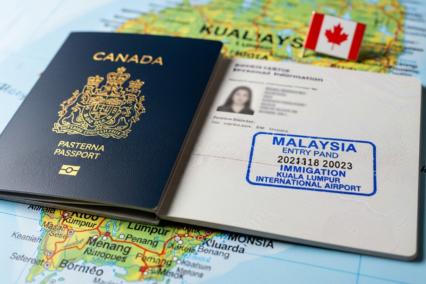
Key Highlights
Here’s what you need to know if you are Canadian and planning to get a Dutch visa or visit the Netherlands:
-
Canadians can go to the Netherlands and travel in the Schengen area for up to 90 days without a visa.
-
If you want to stay longer than 90 days, work, or study there, you will need a long-stay visa (MVV) and a residence permit.
-
The visa application process is often handled by the Dutch embassy or by VFS Global, which is a service provider.
-
Starting in 2025, you will need to get ETIAS travel authorization for short stays.
-
Visa fees change based on which visa type you apply for and your age.
Introduction
If you plan to go to the Netherlands, you may want to see Amsterdam’s canals, visit the tulip fields, or look for new jobs. Before you start your trip, it is good to know what you need for a visa. Canadians can get to this bright European country without much hassle, especially for short stays. This guide shows you each step, from what you need for a short trip to how to get a long-stay visa. You will find it easy to follow, and you can find answers with the dutch embassy. This way, your trip to the Netherlands or Amsterdam will be off to a good start.
Understanding Dutch Visa Requirements for Canadians
Your need for a Dutch visa depends on your country of residence and how long you plan to stay. The Netherlands is part of the Schengen area, which shares the same entry visa rules. If you are from Canada, you do not need a visa for short visits.
It’s a good plan to check the latest guidelines on the official Dutch government website before you go. This way, you can be sure you have the right details about a Dutch visa, entry visa, and other rules based on where you live and how long you want to be in the Netherlands, which is part of the Schengen area. This is even more important if you wish to stay for a longer time.
When Canadians Need a Visa for the Netherlands
You can visit the Netherlands without a visa if you are there just for tourism. But, the rules change in some cases. If you want to stay for more than 90 days in any 180-day period, you must get a long-stay visa.
This rule is the same if you stay only in the Netherlands or you travel through the Schengen area. The 90/180 day rule is followed by all countries in the Schengen. If you stay more days than allowed, you could face trouble.
If you want to work, study, or join your family in the Netherlands, you must get a specific Dutch visa. This is needed even if the length of your stay seems short at first. You cannot do these things on a tourist visit. Make sure you have the right visa before you leave Canada.
Visa Exemption Scenarios for Canadian Travellers
Canadian citizens do not need a tourist visa for short visits to the Netherlands or any other schengen country. You can enter the schengen area and travel around for tourism or a short business trip without a visa.
You can stay up to 90 days in the schengen area in a 180-day window. To enjoy this visa-free travel, make sure that:
-
Your stay is not more than 90 days.
-
You have a Canadian passport that was given to you in the last ten years.
-
Your passport must be good for at least three months after you leave the schengen area.
This exemption is for fun trips and short visits only. If you want to study, work, or live in the schengen area for a longer time, you need another visa option.
ETIAS Travel Authorization and Its Impact
A new rule for Canadians who want to travel to Europe will start soon. In 2025, Europe will bring in something called the European Travel Information and Authorisation System (ETIAS). This is not a visa. It is an electronic travel OK that visitors from countries like Canada, who do not need a visa, must get.
The Dutch government, together with other Schengen area countries, will ask Canadians to get an ETIAS before they go. You can apply for it online. It is a quick way to check people before they come into these countries. You will need it if you want to stay for a short time, for holidays, business, or to change planes.
If you get approved, your ETIAS will last three years or until your passport ends, whichever comes first. You will be able to visit the Schengen zone as many times as you want during that time. This idea is close to what the United States does with the ESTA, so travel will be smoother and still be safe for all travellers.
Types of Visas Available for the Netherlands
The Netherlands has different types of visas you can apply for. These depend on how long you want to be there and what you plan to do. The Schengen visa, also called Type C, is for short stays. The long-stay national visa, known as Type D, is usually for people who need a residence permit.
It is important to know which Dutch visa is right for you before you start your application. The Schengen visa lets you stay in the Netherlands for up to 90 days. If you want to live, work, or study in the Netherlands for a longer time, you need to apply for a long-stay visa or MVV. This visa often leads to getting a residence permit.
These are the most common types of visas used by people who want to go to the Netherlands.
Short-Stay Schengen Visa (Tourism & Business)
The short-stay Schengen visa, called a Type C visa, lets you go to the Netherlands and all other Schengen states. You can stay for up to 90 days in a 180-day period. People from Canada do not need this visa for just tourism. But people from over a hundred other countries have to get one.
This visa is usually given for things like:
-
Tourism and leisure
-
Visiting family or friends
-
Short business trips or going to conferences
To get this Schengen visa, you will need to fill out the visa application form and show supporting documents. Many people call it a tourist visa, but it is for different short visits. You cannot work in the Netherlands with this visa.
Schengen visa, visa application, application form, type c visa, tourist visa, schengen states, Netherlands, schengen, visa
Long-Stay Visa (MVV) for Residency
If you want to stay in the Netherlands for more than 90 days, you will need a long-stay visa. This is called an MVV (Machtiging tot Voorlopig Verblijf). The MVV is also known as a Type D visa. It is a provisional residence permit that lets you enter the Netherlands to get your full residence permit.
The Dutch government says that most people from outside the EU who want to live in the Netherlands must get an MVV before they get there. Usually, a sponsor in the Netherlands, like an employer or a school, sends in your MVV application. They do this under a process called the Entry and Residence Procedure, or TEV.
This TEV process joins the application for the MVV and for the main residence permit. It makes it easier if you want to stay in the Netherlands for a long time. Getting an MVV is a key step. You need it if you want to move to the Netherlands for work, to study, or for family reunification.
Student Visas for Canadian Applicants
If you are a Canadian and plan to study in the Netherlands for over 90 days, you must have a student visa and a residence permit. The application process usually starts with the Dutch school you are joining. The school becomes your sponsor. They will help you go through each step.
The school will send your application to the Dutch Immigration and Naturalisation Service (IND). When it gets approved, you need to:
-
Get your long-stay visa (MVV) from the Dutch embassy or consulate in Canada.
-
Travel to the Netherlands.
-
Pick up your residence permit once you arrive.
This way, you’re able to legally live and study in the country. Your visa depends on you staying enrolled as a student. If you finish your studies and want to stay longer, you might be able to apply for an orientation year permit.
Work Visas and Permit Options
If you want to work in the Netherlands and you are from Canada, you need to get a work permit and a residence permit. The easiest way to do this is to find a job with a company in the Netherlands that will give you sponsorship. Most times, the employer will start the visa application and get the right permits for you.
There are different kinds of residence permits for work. The one you need depends on your job and your situation. Common work visa and permit choices are:
-
Highly Skilled Migrant Permit: This is for people who earn at least a certain amount set by the government.
-
Intra-Corporate Transferee Permit: This one is for people moving to the Netherlands within the same big company.
-
Self-Employed Person Permit: This is for people who work for themselves as long as their business will help Dutch society.
The visa application you need to do for work is a detailed process. You must show you have a real job offer or a good business plan. Getting sponsorship from your employer is important because they help with most paperwork and work with the Dutch office for immigration.
Dutch Caribbean Visas and Special Programs
If you want to go to the Caribbean parts of the Kingdom of the Netherlands, you need to know the visa rules change for these islands and are not the same as those for the European part of the Netherlands. The Dutch Caribbean includes Aruba, Bonaire, Curaçao, Saba, St. Eustatius, and St. Maarten.
If you are Canadian, you can normally visit these places with no visa for a short stay. This is usually up to 90 days. A Schengen visa for the Netherlands will not work for traveling to these Caribbean islands. They have their own rules and entry needs.
If you are staying longer or want to work on any of these islands, you must apply for a Caribbean visa or a permit. The visa type you need will depend on which island you pick and why you want to go there. You should always check what each island asks for before you plan your travel.
Choosing the Right Visa for Your Purpose
Choosing the right visa type is key for your travel and stay in the Netherlands. The visa you need will depend on why you want to go there. For example, you might be going for a short holiday, to study at a university, or to start a new job. Each reason will need its own kind of visa.
If you pick the wrong visa, you could face delays. Your application might even get denied. So, think about your plans and, if you are not sure, check the official website of the Dutch embassy. This part will help you understand the main visa types used by most people travelling to the Netherlands.
Travel and Leisure
If you are from Canada and you plan to take a vacation or a short trip for tourism, the Netherlands is easy to visit. You do not need to get a Schengen visa if you stay up to 90 days in any 180-day period of time. You can use this to see the Netherlands or any other country in the Schengen area.
You only need your Canadian passport. But, your passport has to meet these rules:
-
It should be good for at least three months after you plan to leave the Schengen area.
-
It must show at least two blank pages.
The visa-free plan makes travel and time off much easier. You get to see and enjoy the places and culture with no need to deal with a visa application. But please know that this way is not for work or if you want a longer stay.
Studying in the Netherlands
If you want to study in the Netherlands for more than three months, you need to get a student visa and a residence permit. The application process is something you and your chosen school do together. The school will be your sponsor and start the application for you.
Once you get accepted into a program, your school will help you with the application process. The main steps are usually:
-
Give your required documents to the school.
-
The school sends your application to the Dutch Immigration Service (IND).
-
When it is approved, pick up your visa at the Dutch embassy in Canada.
This makes the application process simpler for students from other countries. Your student visa lets you live in the Netherlands while you study, and sometimes you may be able to work a few hours with it.
Employment or Business Ventures
If you want to work or start your own business in the Netherlands, you need the right visa type and a work permit. As a Canadian, you can’t work on a tourist visa. You need to have sponsorship from a Dutch employer or show that your business can work.
Most of the time, your employer will take care of the work permit and residence permit for you. Here are some common options:
-
Highly Skilled Migrant: You can apply if you make the minimum salary.
-
Regular Employment: This is for jobs that don’t count as highly skilled migrant roles.
-
Entrepreneurship: For if you want to start a company or be self-employed.
Getting the Dutch visa for work takes detail. You work closely with your sponsor. They help make sure all the legal steps are done so you can be in the Netherlands for your new job.
Step-by-Step Guide to Dutch Visa Application Process
When you need a visa, the Dutch visa application process can look hard. But, if you break it down into steps, it gets easier to follow. The process often starts online. After that, you might need to go to the Dutch embassy, a consulate, or a visa application centre such as VFS Global.
This guide shows you the main parts of the application process. It will help you know where to apply and what to do, like giving your biometric data. If you follow these steps, you will make sure your visa application is complete and goes ahead without trouble.
Where Canadians Should Apply (Embassy, Consulate, VFS Global)
For Canadians needing a Dutch visa, the application must be submitted at an official location. In Canada, the Netherlands has outsourced the collection of visa applications to VFS Global. This means you will submit your application and provide biometric data at a VFS Global centre.
You will need to book an appointment at one of their offices in Canada. While VFS Global facilitates the application process, the decision to grant or deny the visa is made exclusively by the Dutch embassy or consulate.
Here’s where you can typically apply:
|
Application Channel |
Role in the Process |
|---|---|
|
VFS Global |
Collects applications, documents, and biometric data on behalf of the Netherlands. |
|
Dutch Embassy/Consulate |
Reviews the application and makes the final decision on the visa. |
Completing the Visa Application Form Correctly
A big part of your visa application is the application form. If you are getting a Dutch visa, you usually start by filling out the visa application form online. You will do this on the Dutch government’s portal. This helps to make sure all of your details are in the system before you go for your appointment.
Once you finish the form online, print it out and sign it. You have to bring this signed, printed form to your appointment. You will also need your other supporting documents there. It is very important to fill in all details right. Any mistakes could slow down your visa application.
When you fill out your visa application form, make sure to:
-
Use the same info that is in your passport.
-
Write down your purpose and the type of visa you want.
-
Check all dates and your travel info more than once.
-
Have all other required additional documents with you.
Scheduling Your Appointment and Biometrics Submission
After you have your application form and papers ready, the next thing to do is set up your meeting. For Canadians, you must do this on the VFS Global website. You are not allowed to give in your visa application if you don’t have a meeting before, so make sure you book early before the time you want to go.
At your meeting in the VFS Global centre, you will hand in your application file and give your fingerprints. You will also need to get a digital photo taken. These are part of the schengen visa steps and your biometrics are kept for 59 months.
If your child is younger than 12 years old, they do not have to give their fingerprints. They might still need to come to the meeting though. When VFS Global finishes collecting your biometrics and gets your application, your file will then go to the Dutch embassy so it can be checked.
https://www.vfsglobal.ca/Netherlands/Canada/
Essential Documents Needed for a Netherlands Visa
Getting the right documents ready is one of the key steps in your visa application. If you send in a full file with all the needed papers, you can avoid things getting slowed down. Make sure you have your valid passport, a filled-in visa application form, and proof of travel insurance.
The specific documents you need depend on the type of visa you are after. In the next parts, you will find the main things you need, like your ID and money proof. This way, you know what to gather for your visa application.
Passport and Identification Requirements
Your passport is the most important piece of ID for your visa application. It needs to meet the strict rules set by the Schengen area. Before you start your application, check that your Canadian passport is ready.
The rules for your passport are:
-
It needs to have been given to you in the last 10 years.
-
It must be good for at least three months after you plan to leave the Schengen area.
-
It should have at least two blank pages for the visa sticker and stamps for coming in and going out.
These rules cannot be changed. If your passport does not fit them, your visa application will be turned down. The Dutch embassy has to put a visa sticker in your passport. So, it is important to check all these things first, no matter what visa type you are using, like a Type C visa. Make sure your passport is right before you send your visa to the Dutch embassy.
Financial Proof and Travel Insurance
When you apply for a Dutch visa, you need to show that you have enough money to support yourself during your visit. This is a usual rule to make sure you will not cause extra costs for the country. You can do this by sharing your most recent bank records or by giving a letter from someone who will support you.
There is also another key rule for a Schengen visa application. You need to buy travel insurance before you apply. The insurance policy is a big part of your additional documents, and you have to follow these rules:
-
It has to give you at least €30,000 in coverage.
-
It needs to pay for emergency medical care, hospital stays, and taking you home if needed.
-
The coverage has to work in all Schengen countries.
-
The insurance must last for your whole trip.
You must give a note from your insurance company when you start your application. If you do not show good proof that you have enough money or the right travel insurance, there is a chance your visa will not be approved.
Supporting Documents Based on Visa Type
The kind of documents you need for your visa application depends on your visa type. Each visa is made for a special reason, so you will have to show different evidence. For example, a student visa needs other documents than one for family members who want to come together.
Here are some examples of the specific documents you may need for your situation:
-
For Students: an acceptance letter from a Dutch school or university.
-
For Workers: an employment contract and proof of sponsorship from your employer.
-
For Family Visits: an invitation letter from family members living in the Netherlands.
-
For Business: a letter from your company that describes what you will do and how long you will stay.
Always look at the official checklist from the Dutch authorities for your visa type. It will help you make sure you give all needed documents for a smooth visa process.
Netherlands Visa Fees and Payment Methods
Applying for a Dutch visa comes with some costs. You will need to pay visa fees from the European Union, and service fees to centres like VFS Global. Be sure to know these costs and how to pay before you go in for your appointment.
How much you pay depends on the type of visa and your age. This part will show you the fee structure. It will also tell you how to pay these fees. That way, you will be ready for the costs that come with applying for a Dutch visa.
Standard Application Fee Structure
The visa fees for the Netherlands are standardized across the Schengen area. The Dutch government collects these fees, which vary depending on the applicant’s age and the type of visa. For example, the fee for a long-stay visa (MVV) and residence permit is different from that of a short-stay Schengen visa.
It’s important to note that visa fees are non-refundable, even if your application is denied. The fees must be paid in full at the time of your application submission.
Here is a general overview of the standard fees:
|
Applicant Category |
Schengen Visa Fee (approx.) |
|---|---|
|
Adults (12 years and older) |
€80 |
|
Children (6-11 years) |
€40 |
|
Children (under 6 years) |
Free |
How Canadians Can Pay Visa Fees (Online, In Person)
When you want to get a Dutch visa in Canada, you have to pay the visa application fee and service fees at the VFS Global centre when you have your appointment. The ways you can pay are given by VFS Global. So, you should look at their website to see the most up-to-date information before you go.
Most of the time, you can use the most common ways to pay. You will not be able to pay for your Dutch visa fee online early, because you have to give this visa fee in person along with your application.
Accepted payment methods usually include:
-
Credit card (Visa, MasterCard)
-
Debit card
-
Cash (in some locations, but confirm beforehand)
Additional Service Charges and Exemptions
You need to pay not only the standard visa fee, but also a service fee to VFS Global when you do your schengen visa application. The service fee covers the work they do to handle your visa application for the Dutch government. This includes things like collecting documents, taking your biometrics, and booking your appointment.
The Dutch government gives some visa fee exemptions for certain applicants. You may not have to pay the visa fee if you fit in one of these groups:
-
Children under six years old.
-
Students and teachers who go on school trips.
-
Researchers who travel for scientific work.
Even if you do not pay the visa fee, you still might have to pay the VFS Global service fee. You should check if you can get an exemption before your appointment. This helps you know what the total cost may be for your schengen visa application.
Conclusion
When you go through the steps to get a netherlands visa, it helps to be ready and informed. Knowing about the different visa types, what you need, and how to apply makes things easier for you. If you want to visit for fun, study, or work, having the right info will help your trip go smoother. Plan well and pay attention to these details, so you can save time and avoid stress. If you have any questions or need some help, you can get a free consultation. Get ready for your new adventure in the netherlands!
Frequently Asked Questions
How long does it take to process a Netherlands visa for Canadians?
The normal processing time for a schengen visa is about 15 calendar days. The dutch embassy says the application process can take longer in some cases. At busy times, or if the dutch embassy needs to look more into your visa application, it could take up to 45 days. It’s a good idea to apply early so you have enough time, especially for a schengen visa.
Can Canadians apply online or must visit VFS Global or Dutch Embassy?
When you begin the visa application online, you still have to go for an in-person appointment. In Canada, you need to send your application to a VFS Global centre. You do not send it right to the Dutch embassy or consulate. VFS Global takes your papers and your biometrics for the embassy.
What is ETIAS and will Canadians need it for short stays?
ETIAS is the European Travel Information and Authorisation System. It will start in 2025. All travellers from visa-exempt countries, like Canada, must apply if they want to go to the Schengen area for short trips. This is not a visa. It is a needed online check done before travel to help keep the Schengen area safe.
Understanding Dutch Visa Requirements for Canadians
For Canadians, the rules about visas for the Netherlands depend on how long you plan to stay and why you are going there. If you stay less than 90 days, you do not need a visa. If you stay more than 90 days, or if you go for work or study, you will need a dutch visa. The kind of visa you get will be based on your country of residence and what you want to do in the Netherlands.
When Canadians Need a Visa for the Netherlands
Canadians need a Dutch visa if they want to be in the Schengen area for more than 90 days during any 180-day period of time. You also need a visa for things like long-term study, work, or if you go there to join your family. This is needed no matter how long you plan to stay at first.
Visa Exemption Scenarios for Canadian Travellers
Canadians do not need a visa for tourism or short business visits to the Netherlands if they stay up to 90 days. They will need to have a valid passport. The Dutch government and Canada have made deals that let people travel for a short time without a visa. This helps make trips easier.
ETIAS Travel Authorization and Its Impact
Starting in 2025, Canadians will need to apply for ETIAS before traveling to the schengen area. This is a must-have if you are going for tourism, business, or transit. You fill out an online form, and it will be linked to your passport. ETIAS is not a visa, but you will need it to get in.
Types of Visas Available for the Netherlands
There are two main types of visas for the Netherlands. One is the short-stay Schengen visa. You use this visa if you want to stay for up to 90 days. The other is the long-stay national visa, also known as MVV. You need the MVV if you plan to get a residence permit for work, study, or to join your family. It is important to pick the right visa.
Short-Stay Schengen Visa (Tourism & Business)
The short-stay Schengen visa, also called the Type C visa, lets you travel within all Schengen states for up to 90 days. Even though Canadians do not need this, it is the usual tourist visa for many people from other countries. To start the application process, you need to fill out a form and give the needed documents.
Long-Stay Visa (MVV) for Residency
The MVV is a provisional residence permit. It lets you enter the Netherlands if you want to stay for more than 90 days. The application process usually begins with a sponsor, like an employer or a school in the Netherlands. This is the first step in getting a full residence permit.
Student Visas for Canadian Applicants
If you are from Canada and want to study in the Netherlands for over 90 days, you will need a student visa and a residence permit. The Dutch government asks the school or college to help you by being your sponsor. They will start the visa application for you. This makes things much easier for all people who want to study in the Netherlands.
Work Visas and Permit Options
Canadians who want to work in the Netherlands need to get a Dutch visa and a work permit. The application process often needs a sponsor from their Dutch employer. The employer will apply for the work permit, like the Highly Skilled Migrant visa, for their employee.
Dutch Caribbean Visas and Special Programs
A Dutch visa or schengen visa does not work for places like Aruba or Bonaire in the Dutch Caribbean. These islands have their own visa rules. Most Canadians can travel to these places without a visa if they stay for a short time. If you want to stay longer or work, you need to get a special caribbean visa.
Choosing the Right Visa for Your Purpose
Choosing the right visa type is important. If you are going to the Netherlands for tourism, you do not need a visa as a Canadian. If you want to work or study, you will need to get a long-stay Dutch visa. This can help you get a residence permit. Your reason for visiting will decide which visa application you should use.
Travel and Leisure
Canadians do not need a Schengen visa to go to the Netherlands or any place in the Schengen area for travel and fun if the visit is up to 90 days. You only need a valid passport for this trip. This makes short tourist trips easy to plan. You will not need to go through a long visa application.
Studying in the Netherlands
Canadians who want to study in the Netherlands need a student visa and a residence permit. The school in the Netherlands takes care of the application for you. Once you get approval, you go to the Dutch embassy to pick up your entry visa.
Employment or Business Ventures
To work in the Netherlands, you need a work permit and a Dutch visa. For your visa application, you usually need sponsorship from a Dutch employer. Your employer will work with Netherlands immigration to get the work permit and Dutch visa you need for the job. This helps Canadian workers get the right visa and work permit to be employed in the Netherlands.
Step-by-Step Guide to Dutch Visa Application Process
The Dutch visa application process starts when you fill out a form online. Then, you need to get all your papers ready and book a date with VFS Global. At your appointment, you bring your documents and give your fingerprints. VFS Global will send your file over to the Dutch embassy. The embassy will make a call about your visa application.
Where Canadians Should Apply (Embassy, Consulate, VFS Global)
Canadians who need a Dutch visa have to use the VFS Global centres in Canada. These centres are approved by the Dutch embassy, and they handle the collection of visa applications and take biometric data. But the Dutch embassy or consulate will make the final decision about your visa.
Completing the Visa Application Form Correctly
Filling out your online visa application form the right way is very important for your Dutch visa. Be sure that all your personal details are correct. You should also pick the right visa type on the form. Get all your additional documents together before you start. When you finish, print the visa application form and sign it. Bring it with you to your appointment.
Scheduling Your Appointment and Biometrics Submission
You need to book a time online with VFS Global if you want to apply for a visa. At your visit, you will have to give your fingerprints and get your photo taken. This is something most people must do when they apply for a visa.
Essential Documents Needed for a Netherlands Visa
To get a Netherlands visa, Canadians must have some key documents. You need a valid passport, recent photos, proof of a place to stay, travel insurance, and bank statements. There might be more documents needed, depending on the visa type. So, always look up the exact documents you must bring before you apply.
Passport and Identification Requirements
When you go to the Netherlands, you need to show a valid passport. The passport should be good for at least six months after you leave the country. It is also smart to bring an identification card or your driver’s license. This will help with checking your identity during your visit.
Financial Proof and Travel Insurance
When you apply for a visa to the Netherlands, you need to show that you have enough money to support yourself while you are there. You also must have travel insurance that pays for medical bills and getting you back home if needed. Make sure the policy you get fits what the Dutch want. This helps you avoid problems with your application.
Supporting Documents Based on Visa Type
The documents you need for a visa in the Netherlands can change based on the type of visa you apply for. Most people will have to show a valid passport. You also need proof of where you will stay, money to support yourself, and health insurance. Some visas may need more documents. It’s good to look up what you need for your own case.
Netherlands Visa Fees and Payment Methods
The fees for netherlands visa depend on the type and how long you want the visa for. You can pay by credit card, bank transfer, or cash at the consulate. You should look at the official immigration site to see the latest fees and what payment ways are allowed.
Standard Application Fee Structure
The cost to apply for a visa to the Netherlands changes based on the type of visa you need. Most of the time, you have to pay between €60 and €200. Canadians should check the current fees on the official Dutch immigration website before they begin their visa application.
How Canadians Can Pay Visa Fees (Online, In Person)
Canadians can pay visa fees online on the official immigration website. You can use your credit or debit card for this. If you want, you can also pay at a local office or at an embassy. There, they may take cash, a bank transfer, or a card. Be sure to check what payment methods you can use for your visa.
Additional Service Charges and Exemptions
When you apply for a visa in the Netherlands, there may be some extra service fees. The cost can change based on the type of application you choose. Some people, like students or those who work as diplomats, do not have to pay these charges. It is important to check all fees and if you get any special offers at the time of the application process.
How long does it take to process a Netherlands visa for Canadians?
Processing a Netherlands visa for Canadians usually takes about 15 working days. But, the time can be different based on the type of visa you choose and your own situation. It is a good idea to apply early for your Netherlands visa because there can be delays.
Can Canadians apply online or must visit VFS Global or Dutch Embassy?
Canadians can apply for some types of visas online. But for some other visa types, you need to go to VFS Global or the Dutch embassy in person. It is key to check what is needed for your visa first. This helps you know if you will go online or visit the Dutch embassy or VFS Global.
What is ETIAS and will Canadians need it for short stays?
ETIAS stands for European Travel Information and Authorization System. It is needed for people who are not from the EU when they go to Schengen countries. If you are from Canada and plan to visit the Netherlands for a short trip, you will need ETIAS in 2024. It helps make Europe safer and improves border control.