Key Highlights
-
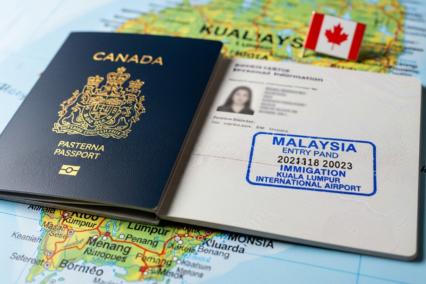
Canadian citizens can go to Switzerland and the Schengen Area for up to 90 days without a visa.
-
If you want to stay for more than 90 days, like for work or study, you will need to apply for a national visa.
-
From late 2026, you will need ETIAS authorisation for short trips that do not need a visa.
-
The visa application process means you have to send an application form and the required documents to the Swiss embassy or a service provider they choose.
-
The types of visas include the Schengen visa for short visits and a national visa for longer stays.
Introduction
Are you thinking about taking a trip to the beautiful views of Switzerland? If you are a Canadian citizen, you need to know the visa requirements before you go. Canada lets people visit Switzerland without a visa for short stays, but sometimes you do need to fill out a visa application.
This guide will show you what you need to do as a Canadian to get a Switzerland visa. With the right steps, your travel plans can go smoothly. Get ready to plan your Swiss adventure!
Understanding Switzerland’s Visa System for Canadians
Switzerland is part of the Schengen Area and has visa rules that travelers need to follow. If you are a Canadian citizen, what rules you need to follow will depend on how long you will stay and why you are going. Swiss representations, like the Swiss consulate, handle the visa application for Canadians. They follow the rules set by the Swiss authorities.
The Swiss authorities make a clear difference between short trips for tourism or business and long stays for work or study. It is important to know which group you belong to before filling out your visa application. This helps keep people safe, but also makes it easier for travelers who have a good reason to visit. Up next, we will talk about the different types of visas and what you need to apply for each one.
Overview of Schengen and Swiss National Visas
When you travel to Switzerland, you need to know about two main visas. The first is the schengen visa. This visa lets you stay for up to 90 days in a 180-day period. It works not just for Switzerland, but also for other schengen countries. This is great if you want to visit a few places in Europe, not only Switzerland.
The other option is the national visa. This is also called the type d visa. You need it if you plan to stay for more than 90 days. It’s needed when you want to work, study, or live in Switzerland. This visa is only for Switzerland. The cantonal migration authority in your place of residence decides about this visa.
Each member state in the schengen zone has the same main visa requirement rules. But, getting a national visa is the job of each country. Picking the right visa is the first step to make your application go well.
Key Differences Between Short-Stay and Long-Stay Visas
The main difference between Swiss visas is about how long you stay and why you go there. A short-stay visa is called a Schengen visa or Type C visa. This visa lets you visit Switzerland for up to 90 days. You can use it for things like tourism, short business trips, or seeing family.
A long-stay visa is also known as a National visa or Type D. If you need to be in Switzerland for more than 90 days, you need this visa. It is for things like studying, working, or joining family. This type of visa may let you get a residence permit once you get to Switzerland.
Here are the main differences:
-
Duration: A short stay lasts up to 90 days. A long stay is more than 90 days.
-
Purpose: Short-stay visas are for visiting, tourism, or short-term studies. Long-stay visas are for work, long-term education, or living there.
-
Type: A short stay uses a Type C Schengen visa. A long stay needs a Type D national visa.
Do Canadians Need a Visa to Enter Switzerland?
For most trips, the answer is no. Canadian citizens do not need a visa to stay for a short time in Switzerland or the wider Schengen Area. As passport holders from Canada, you can go in for tourism, business, or to see family for up to 90 days out of a 180-day period. There is no visa requirement for this.
But, there are limits to visa-free access. If you want to stay over 90 days or take part in things like work or long-term study, you will need to get a visa. Here are the main rules for visa-free travel and times when a visa is needed.
Visa-Free Travel Rules for Canadian Passport Holders
Canadian passport holders get visa-free travel to Switzerland and other Schengen states if you stay for a short time. You can be in the Schengen area for up to 90 days in any 180-day period. This is good if you want to have a holiday, visit friends, or go to short business meetings.
You do not need a visa, but you have to meet some rules to enter. Border officers may ask you why you are there, where you will stay, or about your money. It is smart to bring copies of all required documents. You do not have to go to a Swiss consulate for travel like this, but your passport needs to fit the rules for being valid.
Key rules for visa-free travel are:
-
You cannot stay more than 90 days in a 180-day period.
-
Your passport must be good for at least three months after you leave the Schengen area.
-
Your passport must be less than 10 years old.
-
You can come for tourism, a short work trip, or to see your family.
Circumstances That Require a Visa for Canadians
Short visits to Switzerland are visa-free. But in some cases, you will need to do a visa application. If you want to stay in Switzerland for more than 90 days, you have to apply for a national visa (Type D).
This rule is for Canadians who plan to work, study, or be with their family members in Switzerland. The national visa application will ask for more travel information. It also needs approval from the authorities in your new place of residence. You have to show many documents that say why you want to stay.
You need a visa if:
-
you want to study at a Swiss school or college for over 90 days.
-
you take up work in Switzerland.
-
you want family reunification and wish to live with your family members in Switzerland.
-
you plan to get married in Switzerland and live there.
These rules help people understand what a visa application means, depending on their place of residence, if they have family members in Switzerland, or need to give travel information for a national visa (Type D).
Types of Swiss Visas Available to Canadians
Switzerland has a few types of visas, and they depend on how long you want to stay and why you’re going. If you are from Canada, the visas are mainly split into short-stay and long-stay options. The short-stay visa is called a Schengen visa (Type C), and the long-stay visa is called a national visa (Type D).
Each visa is for a different reason, like travel or staying a long time. You need to know which one fits your travel plans before you start the application process. In the next sections, you’ll get more detail about the visas you can get for tourism, business, or study.
Tourist and Visitor Visas for Short Stays
Canadians do not need a tourist visa to visit Switzerland for a short stay. You can see the country for up to 90 days without applying for a visa. This rule is good for tourism, seeing family and friends, or taking part in other short stays that are not for paid work.
People who come from a country that does need a visa for a short stay must get a Schengen visa. With this visa, you can travel to other parts of the Schengen Area too. The visa application asks you to give details about your travel plans. You must also show that you have enough money and a place to stay during your trip.
Even though Canadians do not need a tourist visa for this, you still have to follow the rule that lets you stay only 90 days out of every 180 days. If you stay longer, you could face penalties. So, always make sure to keep track of how much time you spend in Switzerland.
Swiss Business Visas for Canadians
Canadian citizens do not need a business visa for short trips to Switzerland. You can go for meetings, conferences, or talks for up to 90 days without a visa. The agreement lets you stay for a short time, but you cannot do paid work while there.
If you want to stay longer than 90 days or get a job there, you will need to apply for a national visa and get a work permit. This must be approved by both the Swiss authorities in Canada and the local Swiss office, or cantonal authorities, in Switzerland. This is a longer process with extra steps.
For short business trips, you should bring:
-
An invitation letter from the Swiss company you will visit.
-
Proof of where you will stay and your travel plans.
-
Something that shows your Canadian boss or company will pay for your trip.
Student and Research Visas in Switzerland
If you want to study in Switzerland for over 90 days, you need to get a student visa. This is called a national visa (Type D). It lets you live in Switzerland so you can go to school there. But, if you are only going for a short language course that is less than 90 days, you do not need a visa.
You should apply for your student visa early through the right Swiss office in Canada, before you plan to leave. The application will ask you for proof that you got in to a school in Switzerland. You will also need to show you have the money to pay for your stay and give a plan for what you want to study.
After your visa is OK and you get to Switzerland, you must get a residence permit from the migration office in your area. This paper shows that you are there as a student. A residence permit is usually good for one year and you can ask to make it last longer.
Introduction to ETIAS for Canadians
A new travel rule is coming soon for Canadians who want to visit Switzerland and the Schengen Area. It will start in late 2026. At that time, the European Travel Information and Authorisation System (ETIAS) will be needed for all visa-exempt travellers, and that includes Canadians.
ETIAS will not be a visa. It is an electronic travel authorisation system that is tied to your passport. The main reason for ETIAS is to keep the area safe. It helps by checking all visitors before they get there. In the next parts, you will learn more about what the European Travel Information and Authorisation System is, how it works, and how you can get it.
What Is ETIAS and How Does It Work?
ETIAS means European Travel Information and Authorisation System. The European Union made this electronic authorisation system to make the Schengen Zone safer. While it is not a visa, you do need this pre-travel screening if you come from a country that can visit Europe without a visa.
This system does automatic checks by using different security databases. You have to apply online before you travel. Most times, your application will be looked at, and approved, in a few minutes. The pre-screening helps spot if there could be any security or migration issues before you get on your flight.
Here’s a quick overview of ETIAS:
-
This is an online travel authorisation, not the same as a visa.
-
It is for visa-exempt travellers planning to visit 30 European countries in the system.
-
It helps improve security and makes border checks faster.
ETIAS Requirements and Application Process for Canadians
Applying for ETIAS will be easy and can be done fully online. If you are Canadian passport holders, you need to fill out the application form on the official ETIAS website or with the mobile app. You will give your personal details, valid passport info, and answer a few questions about security.
The main thing you need is a valid passport. It has to be good for at least three months after you plan to leave Europe. You must also have a credit or debit card to pay the application fee. The fee is expected to be €20, but if you are under 18 or over 70, you do not have to pay.
After you send in your application for ETIAS, they check your details with security systems. Most ETIAS authorisations will be approved fast. The approval lasts up to three years or until your passport runs out, whichever comes first. With this authorisation, you can make several short visits of up to 90 days within a time of 180 days.
Basic Requirements for Applying for a Switzerland Visa
When you need to get a Swiss visa, like a national visa for a long stay, there are some basic things you must have. The main thing in your visa application is the visa application form and the required documents to show why you want to travel.
You must show that you have a valid travel document. You also need enough money for your stay, and you must have travel insurance. These basic points matter a lot for your visa application. The Swiss authorities look at these first.
Let’s look at these requirements more closely.
Valid Passport Criteria and Photo Specifications
Your passport is the most important travel document for your visa application. To get a Schengen visa, your passport has to follow strict rules to be valid. This is done so you have a good travel document. The border guards have to accept it when you enter the Schengen area.
You must also give recent passport-style photos as part of your visa application. The photos need to meet clear rules for size, background colour, and how your face looks. If the photos you give are not right, there can be delays with your Schengen visa application.
Here are the main passport rules:
-
Validity: Your passport needs to be good for at least three months after you leave the Schengen area.
-
Date of Issue: The passport has to be issued in the past ten years.
-
Blank Pages: There must be two empty pages for visa stamps and entry or exit.
These steps make sure you have the right travel document for your visa application.
Proof of Sufficient Funds and Accommodation
A big part of the visa application for Switzerland is showing the Swiss authorities that you have enough money to look after yourself while you are there. You need to make sure they know you will not become a problem for the country because you do not have enough money. People usually give their latest bank statements or a letter from someone who will pay for them as the main proof of financial means.
You also have to show that you have somewhere to stay while you are in Switzerland. This can be a hotel booking, a rental paper, or an invite letter from a friend or family member. You must have this information so your visa application form shows you will have a place to go.
The amount that will be enough can change, but the Swiss authorities say it should be close to 100 Swiss Francs for each day. You need to mention this part in your visa application and have the right papers to prove everything.
Travel Insurance Requirements for Swiss Visas
If you want to apply for a Schengen visa to Switzerland, you need to have travel insurance. This rule is not optional. Your insurance must cover costs if you need emergency medical treatment or if you must be sent home for health reasons.
Your travel insurance should meet the rules for the whole Schengen Area, not just Switzerland. You need coverage of at least €30,000. This money is to pay for medical treatment if something happens.
You have to show proof of this insurance with your visa application. Your policy should show what is covered, how much is covered, and for how long the insurance lasts. If you do not have the right travel insurance, your visa application will be refused.
Key Documents for Switzerland Visa Applications
Getting the right paperwork together is an important part of the Swiss visa application process. You will have to give a full set of required documents to back up your application. The main things you will need are the completed visa application form, your passport, and proof of your travel plans.
The documents you need can change. It depends on the type of visa you ask for, your place of residence, and your personal case. In the next parts, you can find the key required documents you have to get ready. This starts with the visa application form itself and also covers any extra proof that you might have to add.
Completed Application Form Details
The visa application form is the main thing you need for your visa submission. This paper takes in all your personal data and travel information. It is important that you fill the form with correct and honest answers, as any mistakes can lead to your application being refused.
The form asks you to give details about your identity, your travel document, your travel plans, your place of residence, and the reason for your visit. Make sure you check every answer before you send it in. Most swiss representations have the visa application form online. You can download it and fill it out.
Some key points to give correctly are:
-
Your full name, as shown on your passport.
-
The dates when you plan to enter and leave Switzerland.
-
The address where you will stay in Switzerland.
Invitation Letters, Purpose Statements, and Additional Evidence
Besides the regular forms, you may need to add more documents to your visa application. One way to do this is with a purpose statement or cover letter. This is your chance to talk about your travel plans in detail. In the letter, say why you want to visit Switzerland, what you will do there, and explain why you will come back home after your trip.
If you are going to see friends or family, you will often need an invitation letter from the person you are visiting. This letter should make it clear that they want you to come, say where you will stay, and mention how long you will be in Switzerland. If your host is going to pay for your stay, their letter can show that as well.
Depending on your case, you may need other required documents with your application. These could include copies of flight plans, proof that you work in Canada, or acceptance letters from a school. All these details help the visa officer understand your travel plans better and show that your visit is genuine.
Step-by-Step Guide to Applying for a Swiss Visa from Canada
If you want to apply for a Swiss visa from Canada, there are some simple steps to follow. Most people send their application to the swiss embassy or use their external visa service provider. In many cases, this is VFS Global.
You will need to book an appointment, hand in your papers, and let them take your biometric data. If you know what to do at each step, you will find the whole application process much easier. Below, you can see how to book your meeting and what happens when you put in your documents and take part in the interview.
How to Book an Appointment and Submit Your Application
The first thing you need to do for your visa application is to book a time at one of the visa application centres. In Canada, this is usually handled by a company like VFS Global for the Swiss office. To find the spot closest to your place of residence, you go to their website and pick when you will go.
After you book your spot, gather all your documents. This includes your filled-out application form, your passport, and whatever other paperwork you need. Take this file with you to the visa application centre on your chosen day.
You have to go to the right office for your visa application. If Switzerland is the main place you will visit, go to the Swiss centre. If you plan to be in other Schengen countries more, apply through the representation of another Schengen state. Always check the processing time, and apply well before your travel date—so you don’t run out of time.
Biometric Data Collection and Visa Interview Tips
When you go to the visa application centre for your Schengen visa, you will need to give your biometric information. This means you will get your fingerprints scanned and have a digital photo taken. They will keep this data in the Visa Information System (VIS). This is a normal step in the Schengen visa application process.
You may not always need to do a full interview when you apply for a Schengen visa. But you should be ready to answer a few simple questions about your travel plans. The visa officer may want to know about your trip, your money, and how you are connected to Canada. They do this to check the personal data and other details you gave in your visa application.
Here are some tips to help you have a smooth application process:
-
Be Punctual: Try to get to your appointment on time.
-
Be Honest: Give true answers that match your application.
-
Be Prepared: Bring all your documents. Have them ready to give to the visa officer.
Switzerland Visa Fees and Processing Timeframes
If you want to get a Swiss visa, you will have to pay some fees and wait for a while. The visa fees are not given back, so if they say no to your visa application, you will not get your money back. The processing time can change. It depends on the type of visa, the time of year, and what is in your schengen visa application.
It is a good idea to think about both the visa fees and the processing time when you start to make plans for your trip. This can help you stay away from stress right before you go. The next parts will help you see the costs and know how much time to wait for your visa application.
Breakdown of Visa Costs for Canadians
The cost of a Swiss visa application is composed of the visa fee itself and may include a service fee if you are applying through an external provider. The standard Schengen visa fee is set by the Swiss authorities and is payable in Canadian dollars.
Payment methods can vary, but typically visa application centres accept credit or debit cards. The visa fees are subject to change based on currency exchange rates, so it’s always best to check the latest fee schedule on the official website of the Swiss representation in Canada before your appointment.
Here is a general breakdown of the visa fees. Please note that these are standard fees and can change.
|
Visa Type |
Fee (in EUR) |
|---|---|
|
Schengen Visa (Adult) |
€80 |
|
Schengen Visa (Child 6-12) |
€40 |
|
Schengen Visa (Child under 6) |
Free |
|
National Visa (Type D) |
Varies |
Expected Processing Times and How to Track Your Application
The time it takes to process a Swiss visa can change from case to case. If you are applying for a regular Schengen visa, it usually takes about 15 calendar days after the embassy or consulate gets your visa application. But at some times of the year, or if they need to check things more, this can go up to 45 days.
If you need a national visa (Type D), it takes much longer. The processing time can be weeks or even months. This is because your application has to be sent to the cantonal migration office in Switzerland to get their OK. That is why it is important to begin the application process long before your planned travel date.
Groups like VFS Global can help you keep track. They give you an online tracking service so you can look up your visa application and see what stage it is at.
-
Apply early, at least one month before your trip.
-
National visa applications should be submitted several months in advance.
-
Use the online tracking tool provided to stay updated on your application’s progress.
Extending or Modifying Your Stay in Switzerland
Sometimes, your travel plans can change. You may want or need to stay in Switzerland longer than you first thought. If you are a foreign national, you can try to extend or change your stay. This must be approved by Swiss authorities, and the rules to do so are strict.
The cantonal migration authority in the canton where you live controls the extension process. They only give extensions for short-stay visa holders in special cases. Changing your visa type also has tough requirements. Let’s look at these options more closely.
Rules for Extending Your Visa as a Canadian Citizen
As a Canadian citizen, you can travel in the Schengen Area for up to 90 days without a visa. You cannot usually stay longer, unless you have a serious personal reason, need to stay for humanitarian reasons, or something big happens like a natural disaster that cancels your flight.
If you want to stay longer, you have to send a formal visa application to the cantonal migration authority where you live in the Schengen Area. You must do this before your 90 days run out. You should be ready to give a strong reason and proof with documents. Just wanting to keep your holiday going is not enough.
The cantonal migration authority will decide what happens with your request. They follow rules set by the State Secretariat for Migration (SEM). If they say no to your visa application, you need to leave the Schengen Area when your 90 days are over.
Changing Visa Types While in Switzerland
In most cases, you cannot change your visa type or your immigration status after you arrive in Switzerland. For example, you can’t come to Switzerland as a tourist without a visa and later apply for a student or work visa while you are in the country. The correct application process is to apply for the right long-stay visa from your home country before you travel.
There are only a few exceptions to this rule. Any request to change your visa type has to go to the cantonal migration authority. They will look at your request by following Swiss immigration law. These requests do not get approved often. It usually happens only if there is something special or something unexpected.
If your situation changes when you are in Switzerland, like if you get a job offer, you normally have to go back to Canada. Then you need to apply for the right visa through the Swiss authorities there. This is the right way to follow the application process to get a residence permit.
Conclusion
Getting a visa for Switzerland may feel hard at first. But if you have the right info, you will find it is easier to do. You need to know the types of visas and the rules for each one. This will help you as you fill out your visa application. If you are going for a short visit or staying longer, having all the papers you need and knowing how to apply will make your travel plans go well. It is a good idea to be ready from the start. If you are not sure or want help with your visa application, you should ask for support. Have a good trip and enjoy Switzerland!
Frequently Asked Questions
Can Canadians work or study while holding a tourist visa?
No, you can’t work or study if you have a tourist visa or come to Switzerland with the visa-free entry. You need a national visa and a residence permit for these things. If you work or study without the right documents, you break Swiss immigration law and this can cause big problems.
What should I do if my Swiss visa is refused?
If your visa application is turned down, the Swiss embassy will send you a letter telling you why. You can ask them to look at their choice again, or you can apply again. When you want to make a new visa application, read over the reasons for refusal closely. Be sure to send in all the required documents and give the right information to solve any of the issues.
Are there special travel advisories or entry requirements for Canadians?
Right now, the main entry requirements for Canadian citizens are to have a valid passport and to follow the 90/180-day rule. But, you should always check travel advisories from the Government of Canada and the swiss embassy before you travel, because the rules can change. There will be a new ETIAS requirement starting in late 2026.