Key Highlights
Here are the main things to know from our guide on South African visas for Canadians:
-
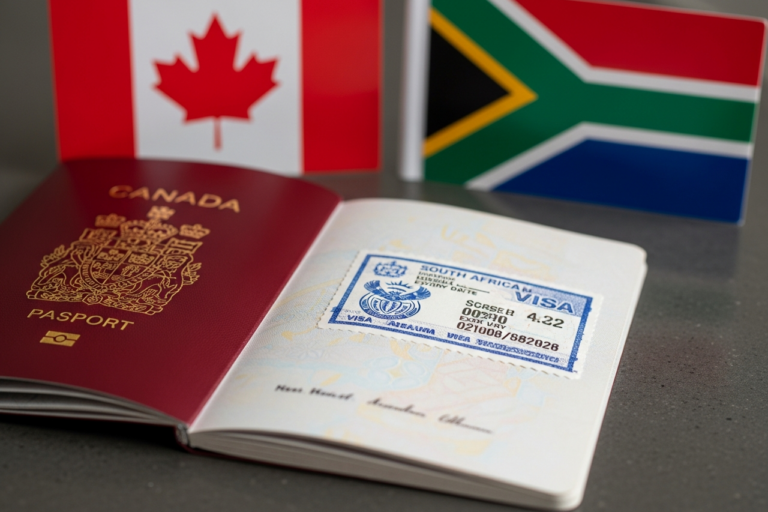
Canadian citizens do not need a visa if they visit South Africa for tourism or business for up to 90 days.
-
If you want to stay longer or you go for work or study, you need a special type of visa.
-
The visa application process means you have to collect some documents and send them to the right people.
-
South Africa has different visas like tourist, business, study, work, and residence permits.
-
It is important to know the visa requirements from the Department of Home Affairs for your application to go well.
If you follow these steps and get help from the department of home affairs, your visa application process should be easier. Knowing what you need and what the south african visas are all about will help you get ready.
Introduction
Are you thinking about going on an adventure in South Africa? You can find energy in the city of Cape Town and see the amazing sights at Kruger National Park. There is so much to see and do in this country. The people here will have memories that last a long time. But there are some things you need to know before you leave. One big thing is to learn about the visa requirements for Canada travellers. In this guide, we show the steps for south africa’s visa rules. You will hear about the different visa types and the whole application process. We want to make your trip plans easy and clear. That way, you can look forward to a good time in south africa without any stress.
Overview of South African Visas for Canadians
Planning a trip to South Africa means you have to know the right rules for Canadian citizens. If you want to go for a short time for vacation or work, things are usually simple. For longer stays or something else, you will need to do a visa application.
It’s good to know the visa requirements before you go, so your trip can go smoothly and you don’t run into trouble. In this part, we will look at the main rules, some updates in the policy, and what conditions you have to meet when you travel to and from South Africa.
Understanding Visa Requirements for Canadian Citizens
If you are a Canadian who wants to go to South Africa, here is some good news. You do not need a visa if you go for business purposes or a holiday, as long as you stay less than 90 days. It is easy for short visits—just bring your valid passport, and you are ready to go. But make sure you do not stay longer than 90 days or you could have trouble with immigration when you leave.
If you want to stay in South Africa for more than 90 days, or you want to study, work, or live there, you will need to get a visa. There are different visas available. You might need a business visa, a tourist visa for longer stays, a study visa, a work visa like the general work visa or critical skills work visa, or you could apply for temporary or permanent residence.
Every type of visa has its own rules. The South African Department of Home Affairs looks after this process. You need to pick the right visa for your plans so you follow the law when you travel and stay in South Africa.
Recent Updates to South African Visa Policy
South Africa’s visa policy often gets updated, so it is important for any traveller to stay up to date. The Department of Home Affairs looks over and changes the Immigration Act now and then. This can change visa requirements and the process for foreign nationals. Lately, there has been more effort in making travel easier while also keeping things safe.
A major part of South Africa’s visa policy is the list of countries that do not need a visa. Many places, like the United States, the United Kingdom, and Canada, are on this list. People with these passports can go to South Africa for tourism or business for a set amount of time. They do not need to get a visa before they come.
It is a good idea to check updates from the Department of Home Affairs or your closest South African embassy before you travel. There may be new messages about visa-free deals, e-visas now being offered to more countries, or new documents you will need to show.
Entry and Exit Conditions for Canadians
When you enter South Africa, if you are a Canadian passport holder, you need to show a valid passport at one of the official ports of entry. Your passport must be good for at least 30 days after you leave South Africa. Make sure it has at least two blank pages for all entry and exit stamps. Immigration officials will look at your travel documents when you arrive.
If you come to South Africa for less than 90 days and get the visa exemption, you may need to show a return or onward ticket. You may also need to show you have enough money for your stay. It is important to keep these travel documents with you in case immigration officials ask for them.
If you need a visa to stay longer in South Africa, the time it takes to process your visa may be different in each case. Usually, it is good to apply for a visa ahead of your travel plans. The South African Department of Home Affairs gives estimated wait times, but these may change. It depends on how many applications they get and the type of visa you need.
Types of South African Visas
South Africa has many types of visas for people with different plans. You can find a type of visa for holidays, work, business, study, or if you want to live there. It is good to know about these types before you start your visa application.
This part will tell you more about south africa visas that are most common for Canadians. You will see the reason for each type of visa, and some main things about tourist, business, study, work, and residence visas, so you can pick the right one for your trip.
Tourist Visa Options
Canadians can visit South Africa as a tourist for up to 90 days without a visa. If you want to stay longer, you will need to apply for a tourist visa. This type of visa is for taking a break, seeing new places, or visiting friends and family.
A tourist visa and a business visa let you do different things. With a tourist visa, you cannot work or do any business activities in South Africa. It is only for having a holiday or enjoying free time. When you apply, you have to show your travel plans and where you will stay.
You must send your application for a south african tourist visa to the right place before you travel. It is important to make sure the type of visa you have is the valid visa for what you want to do there. This will help you avoid issues and make your trip smoother.
Business Visa Explained
A business visa is needed if you want to go to South Africa for business purposes. You might need this if you plan to attend meetings, conferences, or negotiations. This is different from a tourist visa, which is only meant for a holiday. A business visa lets you do certain work tasks, but it does not let you get a job or be hired in the country.
If you are from Canada, you can usually do business in South Africa for up to 90 days with no visa. If you want to stay longer or do more business, you will need to apply for a business visa. You do this through the Department of Home Affairs (home affairs). You need to send documents that show the kind of work you will be doing in South Africa, like an invitation letter from a South African company.
It is important that you are not doing business on a tourist visa. This could get you into real trouble with South African immigration. If you get a business visa, your work there will be known to the government and you will be following the rules set by south africa.
Study and Exchange Visas
If you want to study in South Africa, you need to get a study visa. This is for anyone who plans to go for school, university, or an exchange program. The study visa is a type of temporary residence permit. It lets you live in the country for as long as your studies last.
You have to get an official letter from the school or university in South Africa to apply. The Department of Home Affairs handles your application. You will also need to show that you have medical cover. You must have enough money to pay for your time in South Africa too.
The study visa is given for the time your course runs. Try to apply for this visa early, before your course starts, because it can take a while to process. The visa is needed for all people who want to study in South Africa. This is a key rule set by the Department of Home Affairs.
Work Visas and Permits
For Canadians who want to work in South Africa, you must get the right work visa. The south african government gives out a few types of work visas. Each visa fits a different kind of job. The two that people use most are the general work visa and the critical skills work visa.
A general work visa needs you to show proof that a south african citizen or someone who is a permanent resident could not do the job. You get this proof with a letter from the Department of Labour. The critical skills work visa is for people who work in jobs that are on a list the south african government makes. These jobs need more people. For this visa, you do not need a job offer when you apply.
All work visa applications go to the Department of Home Affairs. The home affairs office asks for many papers. You must give things like your qualifications, your work contract, and other documents. Getting the right work visa is a main part of being able to work and live in south africa the right way.
Temporary Residence Visas
A temporary residence visa (TRV) lets a person from another country live in South Africa for more than 90 days. You can use this visa type if you want to work, study, or retire in the country. For example, a work visa or a study visa is a kind of temporary residence visa.
To get a TRV, you need to apply to the Department of Home Affairs. You have to show why you need to stay longer in South Africa. Every kind of visa has its own steps and you must send the right papers with your application. This means if you want a work visa, you need to have a job offer or job papers. If you want a study visa, you will need an acceptance letter from a school.
If your temporary residence visa is almost up, you can often stay longer by applying for an extension in South Africa. To do that, you must hand in your extension forms to Home Affairs at least 60 days before your visa ends. This helps you keep your legal status while waiting for your new visa.
Permanent Residency for Canadians
For Canadians who want to move to South Africa for good, applying for a permanent residence permit is the next thing to do after having a temporary residence visa. With this status, you can live and work in the country as long as you want. You get many of the same rights as a South African citizen, but you do not get the right to vote.
There are different ways to get permanent residence. One common way is if you stay in South Africa with a work visa for five years in a row and also have a steady job offer. Another way is through the critical skills group. If you have skills that are wanted in the country, you can ask for permanent residence without waiting.
Applying for a permanent residence permit takes time. The South African government asks for a lot of papers to show that you qualify. When you get permanent resident status, you get more security and a long-term future in South Africa.
South African Visa Exemptions and Waivers
Understanding how south african visas work can really help make travel plans easier. If you have a Canadian passport, you do not need a visa for short trips to south africa. This rule helps many people, because citizens from a lot of other places can go to south africa without a visa too.
In the next parts, you will find out which countries can get into south africa without a visa. You will also see how long you can stay there without needing one, and find out what you must know if you travel with children who have a Canadian passport. Knowing all this will help you enter south africa without trouble.
Countries Eligible for Visa-Free Entry
South Africa allows passport holders from many countries to enter without a visa for short periods. This policy of visa-free entry is designed to promote tourism and business travel. When arriving at a port of entry, citizens of these exempt nations can be granted entry for up to 90 or 30 days, depending on their nationality.
The Department of Home Affairs maintains a list of these countries. Canada, the United States, the United Kingdom, Australia, and many European Union nations are among those granted a 90-day visa exemption. This makes short-term travel much more convenient for a large number of global travellers.
Here is a partial list of countries whose citizens can enjoy visa-free entry to South Africa for up to 90 days:
|
Country |
|---|
|
Canada |
|
United States |
|
United Kingdom |
|
Australia |
|
New Zealand |
|
Germany |
|
France |
|
Brazil |
|
Argentina |
|
Japan |
Always verify the most current list with the Department of Home Affairs before travelling.
Length of Stay Without a Visa
For people from countries that do not need a visa, like Canada, you can stay in south africa for up to 90 days. You get this time when you get there, and it can be for tourism or business purposes. But the 90-day rule is very strict. If you stay longer, you may face trouble, like being seen as an “undesirable person.” This can get you banned from coming back.
The difference between coming to south africa for tourism and for business purposes is what you will do on your trip. Tourism is when you are there to relax and have fun. Business purposes is if you go to meetings or a conference. You can’t do any paid work in south africa on this kind of entry. If you want to work and get paid, you need a work visa from the department of home affairs before you go.
If you want to be in south africa for more than 90 days, you must ask the department of home affairs for an extension or get a different type of visa. You should fill out your application before your first 90 days are over.
Requirements for Children Traveling with Canadians
When you travel to south africa with children, there are some rules about travel documents that Canadian families need to follow. The department of home affairs made these rules to help protect kids. The rules are easier now, but it is still important to bring the right papers.
Each child must have a valid passport. You should also bring the child’s long-form birth certificate. This birth certificate shows the names of the parents. It helps show that the child is with the right people.
In some cases, you might need to have:
-
A letter that gives consent from the other parent if the child is only with one parent.
-
Papers showing adoption or a court order if you are the child’s legal guardian.
When you have these travel documents, it makes things easier for you and the immigration officials when you get into or leave south africa.
South African Visa Application Process
If you plan to travel and need a visa, it is important to understand how the South African visa application process works. There are a few steps you must take. You will need to get all your documents, fill out forms, and wait for an answer. The Department of Home Affairs and its locations in other countries take care of the whole process.
We will show you each step so people from Canada know what to do. We will also talk about how to apply online, what the consulate does, and how long it may take. It is important to follow every part of the process if you want your visa application to be successful.
Step-by-Step Application Guide for Canadians
To apply for a South African visa, you need to follow some steps. First, find which visa you need for your trip. Then collect all the documents you will need. This is your passport, the visa application form, some photos, and other papers like a letter of invitation or proof that you have enough money, if those are needed for your visa.
Once you have every document ready, you can start the application. For people from Canada, you have to hand in your south african visa application in person. Go to a south african embassy or consulate. Make sure you read their rules because you may have to make an appointment.
Here is the usual list of steps in the application process:
-
Complete the BI-84 visa application form that fits you.
-
Gather all papers that support your application.
-
Pay the fee that comes with your visa application.
-
Give your paperwork to the south african mission in Canada that handles visas.
If you follow this process, your application should go more smoothly and be sorted out on time.
Applying Online: E-Visa Platforms and Options
South Africa is bringing out an online visa system to make the visa application process easier. With this e-visa system, people from some countries can send in their visa application and put up their documents online. You do not have to go to an embassy in person for this.
Right now, the e-visa is only for people from certain countries. The Department of Home Affairs is slowly making this service open to more people. If you are from Canada, the good way to know if you can use the e-visa is to look at the official Home Affairs website. You should check there to see if Canadians are now on the list of countries that can use the e-visa.
If you can use the e-visa, this is what you have to do. You will need to make an online account first. Then, you fill in the form as part of the application process and add digital copies of the papers you need. You also pay your fee online. The aim of this way is to make the visa application like an electronic travel authorisation, so it is more simple and quick for everyone. For the latest news, always see the Department of Home Affairs page.
Consulate and High Commission Services in Canada
If you are in Canada and need to apply for a visa, the South African High Commission in Ottawa and the consulates found in other major cities will be your main contacts. They take care of the visa application process and share details for the Department of Home Affairs.
When you apply for a visa, you usually need to go in person to one of these offices. Staff there will check your documents and send your visa application so it can be looked at. You can get clear steps, download the forms you need, and see the fees on the official websites.
Besides helping with visa application services, the South African embassy and the consulates also support South African citizens living in Canada and work to keep good ties between the two countries. If there is anything about your visa application you do not find online, it is best to talk straight to the consular section.
Timeline and Processing Periods
One of the questions people have about a visa application is how long it will take. The time it takes to process south african visas can change based on the type of visa you need. It also depends on how many people are applying at that time.
Most of the time, visitor visas for short trips are faster and might be ready in a few weeks. Long-term permits, like work or study visas, need more checks and, because of that, can take many months. The department of home affairs shares expected times for processing, but these can change and are not a sure thing.
To make sure your travel plans are not affected, you should start the application process early and give yourself lots of time. Try to make your visa application as complete and correct as you can. This will help to prevent hold ups. When you apply, always check processing times shared by official home affairs sources to get the most up-to-date details.
Documentation Needed for South Africa Visa
A south african visa application will only work if you give the right travel documents. You need to show papers that prove who you are, why you want to go to South Africa, and that you can pay for your trip. If you do not include something, your south african visa application may be slowed down or even turned down.
Below, you will learn what travel documents are most important. This covers your passport, proof that you have enough money, your travel plan, invitation letters, and any health forms they need. With these, your application process for south african visas can go better.
Valid Passport and Passport Requirements
The most important thing you need to have for international travel is a valid passport. If you are applying for a South African visa or coming in without a visa, your Canadian ordinary passport has to follow rules from the Department of Home Affairs.
Your passport must be good for at least 30 days after you finish your visit to South Africa. For instance, if you plan to leave the country on June 1st, your passport should be good until at least July 1st that year. It is a good idea to make sure your passport will last longer than the required time so you don’t run into trouble.
Your passport also needs at least two blank pages for stamps when you enter and leave. These pages cannot be “endorsement” pages. The people at border control use these pages for entry and exit stamps. Make sure you have enough space in your passport so it does not become a problem.
South Africa and the Department of Home Affairs want you to follow these rules for a smooth trip.
Proof of Funds and Itinerary
When you apply for a visa, you need to show that you have enough money to pay for your stay in South Africa. The department of home affairs needs this to make sure you can look after yourself and not depend on others. You can show proof of funds by giving copies of your recent bank statements, usually for the last three months.
The bank statements must show your name and show you have a good amount of money for your trip. There is no set amount you must have, as the department of home affairs looks at the length of your stay and the type of your trip.
Along with proof of money, you will be asked to give your travel plan. This means a copy of your return flight ticket and also where you will stay in South Africa. Giving a full travel plan lets the officials see why you want to visit South Africa and what you plan to do. This helps your visa application be stronger.
Invitation Letters and Supporting Documents
Depending on why you want to go to South Africa, you may have to give invitation letters and other papers with your visa application. These papers help show the reason for your trip and make your visa application stronger.
If you are going to South Africa to see friends or family, you will need an invitation letter from the person you are staying with. Their letter should have their contact details, address, and a copy of their South African ID or residence permit. If you are applying for a business visa, the South African company you plan to visit will need to give you an invitation letter. This letter must say what kind of business you will do there.
You may also need to give other papers, like an employment letter if you work or a letter of acceptance from a school if you want a study visa. The Department of Home Affairs says what papers you need for each type of visa, so make sure to look at their list closely.
Medical and Health Declarations
Health is something you need to think about before you travel, and this is true when you go to South Africa. There are rules set by the Department of Home Affairs that you must know. When you want to be in South Africa for a long time, you might have to give a medical report and a radiological report. This proves to them you are in good health.
You also have to show proof of medical insurance or medical aid that works in South Africa. Having this helps you get the medical care you need, and you will not have to ask help from the public system. A good idea is to take travel insurance that will pay for medical evacuation if you need it.
There are some health forms and vaccines you must have:
-
Yellow Fever: If you come from or stop over in a country that has yellow fever, you have to show a yellow fever vaccination certificate.
-
Routine Vaccinations: Make sure all your shots, like for Hepatitis A, are up to date.
-
Prescription Medications: Bring your prescription medications in the package from the drug store, with a doctor’s note.
Make sure you take a look at the latest health news and tips from the Department of Home Affairs before you go.
Additional Requirements for Minors
If you plan to travel to South Africa with kids, you need to get some special travel documents ready. The Department of Home Affairs in South Africa wants to stop child trafficking. So, all parents or guardians have to follow their rules.
You must have a valid passport for every child. The child also needs a copy of their long-form birth certificate. This birth certificate must show both parents’ names. This paper is very important because it proves the child’s connection to the adults they travel with.
Depending on how you travel, you might also need the following:
-
A parental consent affidavit from the parent not traveling. This is for when a child goes with only one parent.
-
A court order if there is full parental control or someone is a legal guardian.
-
A death certificate, if one parent has died.
Having all these papers ready will help you get in and out of South Africa without problems.
[south africa, home affairs, department of home affairs, travel documents, valid passport]
South African Visa Fees and Costs
When you plan your trip to South Africa, you need to think about the costs for your visa application. The price for south african visas can change based on the type of visa you ask for. Keep in mind, once you pay the fee, you do not get your money back. This is true, even if you do not get the visa.
This part will talk about the fee details for different visa categories. It will also explain how people in Canada can pay, and what the refund and handling fee rules are like. If you know these costs before you apply, it will make it easier to budget for your south african visa application.
Fee Structure for Different Visa Categories
The cost of a South African visa depends on the specific category you are applying for. The Department of Home Affairs sets the visa fees, which are subject to change. Visitor visas typically have a lower fee than long-term permits like work or study visas.
It is essential to find the current fees directly from the official website of the South African High Commission in Canada or the Department of Home Affairs before submitting your application. The fees are usually listed in Canadian dollars for applicants in Canada.
Here is a sample of what a fee structure might look like. Please note these are for illustrative purposes only and you must check the official source for current fees.
|
Visa Category |
Approximate Fee (CAD) |
|---|---|
|
Visitor’s Visa |
$47 |
|
Study Visa |
$47 |
|
Work Visa |
$166 |
|
Permanent Residence |
$166 |
Always confirm the exact amount before making a payment, as fees are updated periodically.
Payment Methods Available for Canadians
When you want to get south african visas in Canada, you have to follow the payment steps given by the South African High Commission. They tell you how to pay, and you must do it just like they say. If you do not, they can send your application back to you.
Most times, you cannot pay with cash or a personal cheque. People are often told to use a certified cheque or a money order to pay. This must be made to “South African High Commission” or as you see it on the website where you apply.
Before you pay, you should always check the latest fees and what payment ways are accepted. You can find this on the Home Affairs website, or on the website for the South African mission in Canada where you send in your visa application. Many people do not pay the right way, and this can slow down their visa application. So, do it the right way from the start.
Refund Policies and Handling Fees
You need to know that the visa application fees you pay to the Department of Home Affairs are usually not refunded. This is true no matter what the outcome is for your visa application. If your visa is approved or refused, this fee is for the work needed to process your form and will not be given back.
Most government visa services around the world follow this rule. You pay for the checking of your case. You do not pay for just getting the visa. So, you should make your application as complete and right as you can. This will help give you the best chance of success.
There may be extra fees on top of the main visa fee. These may come from some application centres or outside services. Most times, these extra fees are also not refunded. You should always read all rules and fine print before you pay any fee that goes with your visa application. For real information on fees, look at the Department of Home Affairs website.
Visa Decisions, Refusals, and Appeals
After you turn in your visa application, you have to wait for a decision. Many people do get an answer that is good. Still, it is very possible to get a refusal. You need to know why the Department of Home Affairs or home affairs might say no to your visa application and know the steps you can take if they do that.
If you get a refusal, do not give up. The Department of Home Affairs has a way to look at your case again. In the next part, we will talk about why people may get a visa refusal, what to do if your visa is not given, and how you can ask for your case to be looked at again or how you can try to apply one more time.
Common Reasons for South African Visa Refusals
Getting a visa refusal is tough, but knowing the main reasons can help you the next time you apply. Most of these refusals happen because of small mistakes or not meeting the visa requirements set by the Department of Home Affairs.
A lot of the time, the main reason for a visa getting refused is the application is not complete. You might forget to sign the form, leave out a document, or write something wrong in your answers. Another common problem is not showing enough proof that you have the money to pay for your time in the country.
Here are some usual reasons why people get refused for a visa:
-
Submitting an application form that is not complete or has mistakes.
-
Not giving all the documents the Department of Home Affairs asks for.
-
Not meeting all the visa requirements, or not fitting in the right visa group.
-
Having a criminal history or breaking immigration rules before, like staying past the expiry of an old visa.
It is good to check every detail before you send in your application. Taking time to make sure you meet the visa requirements from home affairs can help you avoid a refusal.
Steps to Take if Your Application is Rejected
If your South African visa application is turned down, there is no need to panic. The Department of Home Affairs will send you a letter that tells you the reason for this decision. Read this letter with care so you know why your application did not go through.
After you know the reason, you get two choices. You can appeal the decision, or you can send in a new visa application. The best thing to do depends on the reason the Department of Home Affairs gave you. If it was just a small mistake like you forgot a document, it may be quicker to just try again.
Here is what to do right away:
-
Go over the refusal letter well to see the reason for the visa rejection.
-
Find out if the reason is something you can fix yourself, or if the department made a mistake.
-
Then choose if you want to appeal, or get ready to make a new, better application.
How to Appeal or Reapply for a Visa
If you think your visa application was turned down unfairly, you have the right to appeal this decision. To do this, you need to give your appeal to the Department of Home Affairs within a set time. Most of the time, you have 10 working days after you get the refusal. Make sure your appeal talks about why the visa was refused and includes proof that can help your case.
This appeals process with home affairs can take a long time. So, it is best to go this way if you believe a clear mistake happened when they looked at your application. You must send in a formal letter of appeal. Add any new paperwork that could make your case stronger.
Or, you can choose to start over and reapply for your visa application. This is often a better idea if your refusal happened because there was an error or a missing document in your first try. By reapplying through the department of home affairs, you can fix these mistakes. You can then send a complete and correct application. Many times, this way can get you a faster answer than waiting for the appeal.
Extending Your Stay or Changing Visa Status in South Africa
You may need to change your travel plans, and you might want to stay in South Africa for a longer time than you first thought. The South African government lets visitors ask for more time to stay or even switch their visa to a different one while they are still in the country.
This section will show you the rules and steps for making a temporary residence visa last longer. It will also tell you how you can go from a temporary permit to something that lets you stay for good. It is important to know about these steps so you keep your stay in South Africa legal.
Extension Criteria and Procedures for Canadians
If you are in South Africa on a temporary residence visa and want to stay longer, you can ask for an extension. You need to send your extension application to the Department of Home Affairs at least 60 days before your current visa is set to end. It is important to do this on time. This way, you can stay legal in the country while they work on your request.
To get an extension, you must give a good reason for it and meet the rules for your visa type. For example, if you are asking to stay on a study visa, you might have to show a letter from your school. This letter says you are still a student there.
The usual steps when you want an extension are:
-
Fill out the right application form.
-
Give papers that back up your reason for staying longer.
-
Pay the fee for the application.
If you do not apply to renew your visa in time, you could be seen as an “undesirable person.” This comes with some tough problems.
Keywords: south africa, home affairs, department of home affairs, temporary residence, study visa, temporary residence visa
Conversion from Temporary to Longer-Term Visas
In some cases, you can change your visa status from one temporary residence visa to another while you are in South Africa. For example, if you come to the country with a study visa and later get a job offer in a critical skills field, you might be able to switch to a work visa without having to leave.
To do this, you need to send a new visa application to the Department of Home Affairs. You have to meet all the rules for the new type of visa. The process is not automatic and needs approval from home affairs.
Having a temporary residence visa can lead to a permanent residence permit down the road. If you stay in South Africa with a visa like a work visa for about five years, you could qualify to apply for permanent residency. Once you get a permanent residence permit, you can live and work in the country without any time limit.
Conclusion
Getting a visa for South Africa as a Canadian can look tough, but knowing what you need and how to do things can help you a lot. There are many types of visas like tourist or work permits. Each one has its own needs, so you have to know which one is right for you. It is important to keep up with the latest rules, know what papers you must have, and be sure of the fees. This will help you finish your application in a good way. You should be patient while you wait, as the process can take some time. Being ready with all that you need will help you stay away from problems. If you plan to travel or stay in south africa for some time, knowing these things will help you a lot. If you have more questions or want help made just for you, you can always talk to someone who knows a lot about this.
Frequently Asked Questions
Can I visit neighboring countries and re-enter South Africa with the same visa?
Whether or not you can get back in will depend on your visa. If you have a multiple-entry visa, you can go to another nearby place and then come back. If you came in with no visa, your 90-day stay keeps counting when you come in again. It’s a good idea to look at what your visa says, or you can try to get a multiple-entry visa if you want to travel to other places near by.
What should I do if my South African visa is lost or stolen during travel?
If you lose your passport with your visa inside, or if someone steals it, you need to tell the local police first. After that, speak to the Canadian embassy or consulate. They will help you get an emergency travel paper. You also have to go to a Department of Home Affairs office. The people at home affairs will give you a permit, so you can stay in the country and leave when you are ready.
Are there any health or vaccination requirements for Canadians visiting South Africa?
You need to have a yellow fever vaccination certificate if you are coming from a place where yellow fever might be spreading. It is also good to be up-to-date with your routine vaccines, like Hepatitis A. You should talk to your doctor or a travel clinic before you go, the staff there can give you advice that fits you.