Key Highlights
-
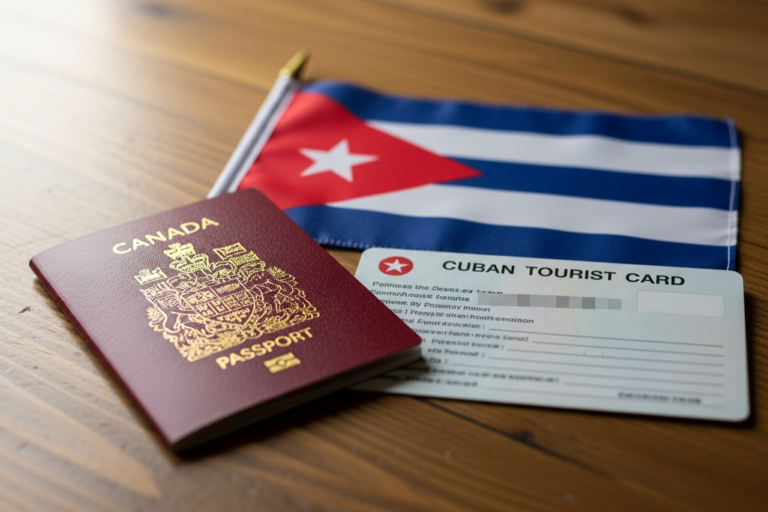
If you are a Canadian, you usually need a tourist card and not a cuba visa to visit Cuba for fun.
-
You need to have a valid passport and proof of health insurance when you enter Cuba.
-
You can often get your tourist card from your airline, your travel agency, or the cuban consulate.
-
In 2025, Cuba will start using an electronic visa (eVisa), and it will make entering the country easier.
-
Be sure that your papers are correct and include your valid passport and your health insurance before you travel.
-
It is good to check with the official sources to know the latest entry rules for Cuba before your trip.
Introduction
Are you getting ready to travel to the sunny beaches of Cuba? This place is full of beauty and fun, but before you think about old cars and nice sand, you need to know what you need to get in. Most people from Canada find it simple to enter Cuba. You will need a tourist card and not a regular Cuba visa for your trip. This guide will help you learn what the Cuban government needs from you. It also tells you about the steps for applying, so your trip can be easy and free of stress.
Overview of Visa Requirements for Canadians Visiting Cuba
For most Canadian visitors, you do not need a standard Cuba visa. You just need a tourist card, also known as Tarjeta del Turista. This is what most people use when they travel to Cuba for fun. It is good for only one visit and lets you stay in Cuba for up to 90 days.
The government of Cuba makes these rules. You can get the tourist card from your airline or tour operator. If you want a different type of visa, you need to go through the Cuban embassy or a consulate in Canada. We will talk about how these documents are not the same as well as other important rules you need to know.
Difference Between Tourist Cards and Actual Visas
It can be simple to mix up a tourist card with a tourist visa. But they are not the same and have different jobs. The tourist card is a pre-authorization for people who want to visit for fun. It is an easy paper that you fill out and give when you arrive. Most of the time, people from Canada just need this tourist card.
A tourist visa, or type of visa, is more formal and goes into your passport. You have to get this visa if you will be in Cuba for more time, or if you want to do more than travel for fun, like business, school, or work. To get a tourist visa, you need to apply right at a Cuban consulate. The process also takes more steps and time.
You might hear words like “pink visa” or “pink tourist card.” People use this card when they come to Cuba from the United States, no matter what country they are from. People from Canada who leave for Cuba from Canada use the usual green tourist card.
Basic Entry Requirements for Canadian Passport Holders
When you pack to go to Cuba, it is important to take the right documents. These are just as important as your swimsuit. The Cuban government has entry rules for everyone, even those with a Canadian passport. If you have the right paperwork, you will not have problems at immigration.
Before your flight, look at your documents again. Your airline will want to see them before you leave. Keeping these papers ready will help you start your holiday without stress.
Here are the documents you must take:
-
A valid passport that is not expired.
-
A tourist card, unless you have a formal visa.
-
Proof of return or onward travel, like a return flight ticket.
-
Proof of valid health insurance that covers medical costs in Cuba.
Canadian Citizens Versus Permanent Residents: Who Needs What
The entry rules for Cuba depend on your citizenship, not where you live in Canada. Canadians usually have an easy time. They just need a tourist card when going for a holiday. It works much like a visa waiver program in other places. This makes travel simple.
But, if you are a permanent resident in Canada with a passport from another country, your rules will be based on that country. Look up what is needed for your passport to see if you need a tourist card or a visa.
For instance, if you are a permanent resident and your passport is from a country that is not on the visa-exempt list for Cuba, you must get a visa at the cuban consulate. This is different from Canadian citizens who just need the tourist card. The rules depend on the passport you use to travel, not your Canadian residence status or your U.S. green card.
Types of Visas and Travel Authorizations for Cuba
Knowing which travel document you need for your trip to Cuba is important. Most Canadians who go to Cuba for fun need a tourist card. But if you want to travel for another reason, you may have to get a formal Cuba visa.
There will be some big changes soon. Cuba is going to offer an electronic visa, also called an eVisa. This is planned to start in 2025. The new system will make it easier for people to apply to enter Cuba. Now, let’s see what kind of travel papers people can use and what the new eVisa will mean for those who travel.
Tourist Card (Tarjeta del Turista) Explained
The tourist card, which people call the Tarjeta del Turista, is what most people from Canada use when they come to Cuba for a short trip. This card acts like a Cuba tourist visa that lets you stay in Cuba for a short time. You don’t keep this card inside your passport. You have to show it to the Cuban authorities when you get there.
Make sure you fill out the tourist card fully and with the right information. Even a small mistake can be a problem. The details you put on the card have to match your passport. This card is for tourism and is usually good for a 90-day visit only.
Here’s what to remember about the tourist card:
-
It’s just for tourism.
-
You have to fill out all the details, and you should not have any errors or changes.
-
Most people get the card from their airline or tour operator.
-
How you get the card can depend on your country of residence.
Other Visa Categories for Special Visits
If you want to visit Cuba for a vacation, you can use a tourist card. But some trips need a different type of visa. If you are going for things like business, journalism, or study, you must get a special visa. You have to apply at the Cuban embassy or a consulate.
The government of Cuba has set up different types of visa for people visiting for different reasons. For example, to get a business visa, you need an official letter from a Cuban company. To get a student visa, you need proof you are studying at a Cuban school.
Each type of visa has its own rules and ways to apply. You should get the right visa ahead of time, because it can take longer to get than a tourist card. To find out more, it is good to contact the cuban embassy.
eVisa and Electronic Processing Updates for 2025
Big changes will come for people traveling to Cuba soon. Starting in 2025, the country will use an electronic visa. They call it the eVisa system. This will be a new way to enter Cuba. The plan is to make things easier for everyone. This system will replace the tourist card for most visitors.
You will need to get your eVisa by finishing an online application. You must do this before you go there. After your application is looked at and approved, you will get a confirmation. It will likely have a QR code. You show this code to immigration authorities when you arrive in Cuba. The electronic visa system will help you get through faster and with less stress.
Key features of the new eVisa system will be:
-
An application that you do online.
-
You get your travel authorization in a digital way.
-
You use a special QR code to show at the border.
-
There will be less paperwork for you and the airlines.
-
Immigration checkpoints will be quicker for everyone.
Step-by-Step Cuban Visa Application Process
Getting your Cuba visa or tourist card is simple, but you need to know what choices you have. People are now using the online process more because it’s easier. The paper way is still possible and some people like it.
If you apply online or through the Cuban consulate, have all your papers ready. We will show you how to fill out the online form. We explain how the paper application works too. You also get advice to help your Cuban visa or tourist card application go well.
Completing the Online Application for Canadians
As Cuba moves to a digital system, getting the tourist card or eVisa online is now the easiest way. You can fill out the form at home. This means you do not have to go to the consulate.
When you apply online, you have to give personal details just like they are on your valid passport. You need to enter things about your trip too. This includes your flight and where you plan to stay. Have a digital copy of your passport and your credit card with you because you will need them for the payment. The country of residence you live in will decide which site you use to apply.
To finish the online form, you will need:
-
A valid passport that is still good for at least six more months.
-
A digital photo that meets the rules.
-
Your flight and place to stay details.
-
A credit card to pay the fee.
Paper Applications and In-Person Submission Options
If you want the old way, or you can’t use the internet, you may still get a tourist card or visa by paper. You can find the forms on the Embassy of Cuba website or from a Cuban consulate in Canada.
When you apply by paper, you need to fill in the form yourself. Then, send it by mail or take it to the consulate. Most times, you need to pay with a money order or certified cheque. The consulate may not take personal cheques or cash. So, check with the consulate to see what is needed for payment.
This way takes more time than doing it online. So, send in your tourist card application early. Make sure you add all asked-for papers so your process is not late.
Tips for Avoiding Common Application Mistakes
A small mistake in your application can cause delays or get your application turned down. To keep the process easy, it’s important to watch for details when you fill out forms, either online or on paper. Most common mistakes in applications can be avoided if you take your time.
One error that happens a lot is giving details that do not match your valid passport. Your name, date of birth, and passport number all have to be the same. Another mistake is not adding all documents you need, like proof you will come back or health insurance.
Here are some tips to help you avoid common mistakes in your application:
-
Double-check that all information matches your valid passport.
-
Don’t leave any fields that are required blank.
-
Make sure your passport photo fits what is asked for.
-
Send clear copies of all documents, such as your flight details and health insurance policy.
Documentation Required for a Cuban Visa
To travel to Cuba, you need to have the right documents with you. Cuban authorities will not let you travel without them. First, you must have a valid passport. This is the most important thing you need, but it is not the only one.
You also need proof that you will return, like a flight ticket showing when you’ll leave Cuba. On top of this, you must have travel insurance or health insurance. This insurance should cover medical emergencies while you are in Cuba. Cuban authorities want you to be able to pay for any medical costs that could come up. Up next, we will talk about what is needed for each document.
Valid Canadian Passport Criteria
Your Canadian passport is the most important travel paper you will need. To get into Cuba, your passport must look good and meet some rules that the immigration authorities set. The Cuban immigration officers will check this document when you arrive, so have it ready for your trip.
The main thing is that your passport has to be good for all the days you will stay. Some places ask for six more months left on your passport after you leave, but Cuba can be a bit easier on Canadian visitors. Still, it’s a good idea to make sure you have a few months left, just in case.
These are the important points about your valid passport:
-
It must be a regular Canadian passport.
-
It should not be damaged or changed in any way.
-
Make sure it is good for all the days of your trip.
-
It should have one blank page for stamps.
Proof of Return or Onward Travel
When you get to Cuba, the border staff will ask to see proof that you plan to leave. Many countries have this rule. You can show them you have a flight back home or an onward ticket. This lets them know you are not going to stay in Cuba without a plan to go.
The best thing to show is your airline ticket for your trip out of Cuba. You can bring a paper copy of your e-ticket or show a clear picture of it on your phone. The ticket needs to have your name and the date when you will leave Cuba.
If you are flying from Cuba to another country, that ticket will work too. But if you only have tickets for domestic flights inside Cuba, this will not be enough for this rule. They need to see you have an international trip planned out of the country.
Health Insurance and Additional Supporting Documents
Cuba needs every visitor from outside the country to have health insurance that covers them while they are in Cuba. When you come in, you might be asked to show your proof of medical insurance at immigration. If you do not have it, you will need to buy a new policy from a Cuban insurance company at the airport.
Your Canadian provincial health plan will not cover you in Cuba. So, you need to get a travel insurance policy. When you get one, make sure it says clearly that you get medical insurance help in Cuba if there is an emergency. A lot of Canadian companies have health insurance plans that do this for you.
Along with travel insurance and health insurance, it is good to bring:
-
A copy of your place to stay booked in advance.
-
A note from your doctor for any prescription medication you bring.
-
The contact info for the Canadian embassy in Cuba.
-
Proof you have enough money with you for your time there.
Visa Fees and Payment Methods in Canada
The price of your Cuban tourist card or visa will change based on where and how you get it. Knowing the tourist card fees and what payment ways you can use is key. This will help you have a smooth time when you apply. Most people find that getting the tourist card from their airline is the fastest way.
If you ask for your card at a Cuban consulate, you need to know their rules for payment. They do not take cash or your own cheque. The next section will show what costs you may have and what ways you can pay for your travel papers.
How Much Does a Cuban Tourist Card Cost?
The price of a Cuban tourist card can differ based on the provider. Airlines and tour operators often include the cost in their package deals, making it the most convenient and often cheapest way to get one. If you need to purchase it separately, the fees can vary.
Applying directly through a Cuban consulate or a third-party visa service will have a set fee, and you may also have to pay for shipping or processing. The cost can also be higher if you need to purchase the tourist card upon arrival in Cuba, although this option isn’t always available.
Here is an approximate breakdown of the costs for a Cuba tourist visa (tourist card):
|
Method of Purchase |
Estimated Cost (CAD) |
|---|---|
|
Included with Airline/Tour Package |
Often $0 (included in the price) |
|
Purchased from Airline Separately |
$20 – $40 |
|
Through a Cuban Consulate |
$20 – $75 + processing fees |
|
Third-Party Visa Agency |
$50 – $100+ |
Note: These are estimates and can change. Always verify the current visa fees with your provider.
Accepted Methods of Payment at Cuban Consulates
When you apply for a visa or tourist card at a Cuban consulate in Canada, you need to know how to pay the fees. Consulates are not like most shops. They have strict rules for payment. The most common way to pay is with a money order or a certified cheque to the consulate. Some consulates also let you use a debit card or a credit card. Still, check before you go. If you send your application by mail, you must use a money order.
Before you visit, look at the consulate’s website to see which payment methods they allow. This can help you avoid any problems. Usually, you can pay with:
-
Certified cheque
-
Money order
-
Bank draft
-
Debit card (if the application is in person)
-
Credit card (not common, check first)
Refund Policies and Exceptions
When you pay for a visa, you need to know the fee is almost always non-refundable. After you send your application and make the payment, you will not get your money back. This is true even if the Cuban consulate rejects your application or you cancel your trip.
This rule is the same at consulates and visa centres all around the world. The visa fee pays for the work done to handle your application. It does not matter if you get the visa or not. Because of this, you should make sure you really want to travel before you apply and pay.
Sometimes, the Cuban consulate may make a mistake in the process. In these rare cases, an exception to the no-refund policy might happen. But, you should not rely on this. It is a good idea to check all parts of your application to help avoid losing your fee and having your visa denied.
Processing Times and How to Track Your Cuban Visa
After you have sent in your application for a Cuba visa or tourist card, you will need to wait. Knowing how long it will take can help you make smart plans for your trip. Most people get their tourist card fast. But, if you apply for other types of visas, it can take more time.
Now, many places let you check your application online. This helps you know what stage your Cuba visa or tourist card is at. If you need it quickly, you may pay extra for faster service. This can be good for those who need their travel papers soon. Below are tips on how long you might wait and how to keep track of your visa or tourist card.
Normal Processing Durations for Tourist Card Applications
The processing time for a tourist card is often quick, especially if you get it through an airline. In most cases, you will get the card the day you fly, or it may be with your travel papers from your tour company.
If you get a tourist card from a Cuban consulate in Canada, time frames can be different. If you apply in person, you might get the card the same day or in a few business days. If you apply by mail, it will take longer—usually between one and three weeks because of mail time.
Here are normal processing times:
-
Airlines/Tour Operators: Often right away or within a few days.
-
In-Person at Consulate: Same day to 3 business days.
-
Mail-in Application: 1-3 weeks.
-
Online Application: 24-72 hours.
Expedited Service and Rush Options
If you are running short on time and need your tourist card or visa fast, you can try to use a faster service. Some Cuban consulates and some third-party visa places offer a rush option if you pay more. This can cut down the wait time a lot.
An expedited service is very good to use if your trip is coming up soon and you still do not have your documents. If you apply in person, you can ask if they have same-day or next-day processing. When you apply online, there could be a “rush” choice at checkout, and this will get your application looked at first.
But you should know that this service is not always a sure thing. It depends on how busy the consulate is at that time. The safest way is to always apply for your tourist card early. This way, you will not need to pay extra for fast work or stress about running out of time.
Checking Your Application Status Online
If you sent in an online application for your Cuban tourist card or eVisa, you can usually track how things are going. Most sites let you check your application by using a reference number you get after you finish your form.
This tool helps you feel at ease, because you can see if your application is still waiting, if it got approved, or if there is something you need to fix. After your application gets approved, you will get an email with your document or QR code in it.
To check the status of your application, you will need:
-
The application reference number.
-
Your passport number.
-
Your date of birth.
-
Access to the website where you sent your online application.
Arrival in Cuba: What to Expect at Immigration
Welcome to Cuba! After you land, you will go to the immigration and customs area first. It is good to have your documents, like your passport and tourist card, ready. This will help you get through fast and save time. The immigration authorities will check your passport and tourist card before you can enter.
You will need to fill out a customs declaration form. Many people do this online before they fly. You should know that your bags may be checked at this stage. If you are clear on the arrival steps, you can move through the airport and start your holiday with no stress.
Submitting Your Tourist Card and Entry Documents
When you get to the immigration counter, you have to show your main entry documents to the Cuban authorities. This is the normal step for all people coming from another country. The officer will look over your documents to see if all is good.
The one thing you must show is your completed tourist card. You also need a valid passport. The officer will check if the information on the card matches what is in your passport. The officer will also want to see your proof of health insurance and your return flight ticket.
Here are the papers you need to get ready to show:
-
Your valid passport.
-
Your completed tourist card.
-
Proof of health insurance.
-
Your return flight ticket.
-
Your accommodation details (they may ask for this).
Customs Declaration and Baggage Screening Tips
After you go through immigration, the next step is customs. Every traveller has to fill out a customs declaration form. Cuba now does this online, and you must complete the D’Viajeros form within 48 hours before your flight. This form asks about immigration, customs, and health details.
When you pick up your bags, they will most likely go through an X-ray machine for baggage screening. Cuban customs is strict, especially about trafficking of illegal drugs or bringing in large amounts of cash without telling them. The penalties for trafficking of illegal drugs are very severe. Remember to declare large amounts of cash if you have them.
To make customs easier, do not pack things that are not allowed, and fill out your declaration form honestly. Items for personal use are usually OK, but if you bring goods to sell, you may have to pay duties, or they may take them away.
Entry Stamps and Document Retention
When the immigration officer checks your papers, they stamp your passport. In Cuba, though, the stamp is often placed on your tourist card and not in your passport. The officer will tear the card in half. They keep one part and hand you the other.
You must keep your tourist card safe during your trip. This card shows Cuban authorities that you are in the country legally. You need to have it when you leave. If you lose it, you might have delays, and you could get a fine.
Here’s what you need to do with your tourist card:
-
Keep the stamped tourist card together with your passport at all times.
-
Give it back when you leave Cuba.
-
Take a photo of it, so you have a copy.
-
Put it somewhere safe to stop it from getting lost or damaged.
Extending Your Stay: Visa Extensions and Renewals
Have you found yourself loving Cuba and want to stay a bit more? If you have a tourist card, there is a way to ask for a visa extension while you are in the country. The tourist card lets you stay for 90 days. You can ask for one renewal that gives you another 90 days.
To do this, you need to go to an immigration office in Cuba. There are things you have to do to meet their rules. You cannot just stay past your first allowed period without getting permission from the government. Let’s see who can get an extension and how you can apply.
Eligibility Criteria to Extend Your Tourist Card
Not everyone can stay longer in Cuba right away. To get a tourist card extension, you have to give a reason for wanting to stay. Most of the time, “tourism” is okay as a reason. In the end, it is up to the Cuban authorities to approve or not.
Apply for your extension before your first 90 days are up. It is good if you start the process a week or two early, so there will be time for the Cuban authorities to look at your request. You need to show have enough money to support yourself during the extra time.
You also have to show proof that your travel health insurance will last through all of your stay. If you do not have valid health insurance, they will probably say no to your tourist card extension request.
How and Where to Apply for an Extension While in Cuba
To apply for a visa extension, you have to go to an official immigration office called Inmigración y Extranjería in Cuba. These offices are found in major cities and provincial capitals. You cannot get an extension at a Cuban consulate abroad if you are already in the country.
You need to bring a few things, like your passport, your tourist card, and proof of where you are staying, such as a hotel booking or a registered casa particular. The process means you need to buy special stamps, called sellos, from a nearby bank. These are needed to pay the extension fee.
Here’s what you need to apply for an extension:
-
Your passport.
-
Your current tourist card.
-
Proof of valid health insurance for the time you want to stay longer.
-
Proof of accommodation.
-
Stamps (sellos) for the fee, bought from a bank.
Possible Penalties for Overstaying
Overstaying your allowed time in Cuba is not a good idea. The cuban authorities do not like it when people break their immigration rules. If you stay longer than you should, you will get fines and maybe face other problems.
The immigration authorities can give you a fine. They can also keep you until you can leave. This will cost money, cause stress, and you may miss your flight home.
After this, you might have trouble coming to Cuba again. The record can make the cuban authorities say no to you next time. It is best to follow the local laws. Leave on time, or make sure you get a proper extension.
Special Rules and Travel Considerations
Beyond the usual visa and entry rules, there are some extra things you should know when you go to Cuba. This tips are important for people who travel with kids, those who have two citizenships, and anyone with health needs. Knowing about these things ahead of time makes it easy to have a trouble-free trip.
It is important to understand the rules if you or someone in your group is a dual citizen, especially if you have Cuban roots. You should also stay up to date with health rules before you enter Cuba so you can be ready. Let’s go over what you need to know for your travel.
Traveling with Children or Minors
If you plan to go to Cuba with your kids or minors who are under 18 years of age, you will need extra documents. This helps stop problems linked to international child abduction. Immigration staff in Cuba are very firm about who can go with a minor.
If a child is with one parent only, you should get a signed letter from the other parent who is not going. This letter needs the non-travelling parent’s contact details and a copy of their passport. If you have sole custody, take the paper from the court that says so.
Every child, no matter their age, must have their own passport and tourist card to get into Cuba. Some places let kids be listed on a parent’s permit. But in Cuba, every person who travels must have their own documents.
Dual Citizens and Entry/Exit Nuances
For people who have dual nationality, especially if you are a Cuban citizen also, there are some special rules for coming in or leaving Cuba. The cuban government says anyone born in Cuba is a Cuban citizen. That person must use a Cuban passport to get in or out.
If you are Canadian-Cuban, you cannot use your Canadian passport to enter Cuba. You must bring a valid Cuban passport. If your Cuban passport has expired, you need to get it renewed at the embassy of cuba in Canada before you travel.
This rule is firm. The cuban government will not allow you to enter on a foreign passport if they see you as a Cuban citizen. Trying to do this can cause big trouble, like not being allowed in. Talk to the cuban embassy if you need help or have questions about your situation.
COVID-19 and Health Entry Requirements
Most rules from COVID-19 are gone now, but it is smart to check the latest health entry needs before you go. The Cuban government can change its rules at any time. So, you should look at official travel health notices before your trip.
Every visitor to Cuba must have health insurance. Your health insurance has to cover medical bills, because you have to pay for any care you get there. You should also make sure your travel insurance will cover medical evacuation if you get hurt or very sick.
Here are health tips for your journey:
-
Confirm your travel insurance covers Cuba.
-
Bring some basic medical supplies and any prescription medication you take.
-
Check travel health notices from the Government of Canada before you leave.
-
Complete the online D’Viajeros health form before you fly.
Official Resources and Trusted Information Channels
Information about visa and entry rules can change fast. Because of this, you have to check official sources to get the right details. If you use old forums or blogs that are not official, that can cause trouble.
The top places for you to find what you need are the cuban consulate in Canada, the Government of Canada’s travel tips, and Cuba’s ministry of foreign affairs. These have the latest rules for travellers. Let’s see how you can use these sources.
Contacting the Cuban Consulate in Canada
For clear and direct answers on Cuban visa needs, the Cuban consulate is the best place to get help. Cuba has an embassy of cuba in Ottawa. You can also find cuban consulate offices in other major cities such as Toronto and Montreal. These are the main places to ask about your visa questions.
You can check their websites for info about the types of visas, how to apply, costs, and wait times. If you have a special case, like going for something other than tourism or if you are a dual citizen, it is best for you to speak with the cuban consulate team.
Here’s how you can reach them:
-
Visit the official website of the Embassy of Cuba in Canada.
-
Call or email the consular section with your questions.
-
Schedule an appointment for an in-person visit if needed.
-
Follow their social media pages for updates.
Government of Canada Travel Advisories for Cuba
Before you travel outside Canada, you should always look at the Government of Canada’s official travel advisories. The page for Cuba has good details about safety, security, local laws, and the rules for coming in and leaving the country.
The government updates these advisories often. You can find helpful warnings about things like health problems, bad road conditions, and times when it may be hard to get goods and services. The advisories also tell you about the local political mood. This can include news about peaceful demonstrations.
If you use these advisories, you can make better choices and stay safe. The information talks about public transportation and risks in some regions. You will get all the help you need to plan for a fun and safe trip.
Where to Find Official Cuban Entry Policy Updates
To find the latest updates on Cuban entry rules, the best place is the official websites run by the Cuban government. The Ministry of Foreign Affairs, or MINREX, is the main source where they share this news.
Their site has press releases and official notes about things like visa changes, health rules, and other ways to get into Cuba. The information on their website is usually in Spanish. It is the most trusted place you can go for this. If you need help to read the updates, you can use an online translator.
Here are some main official sources for getting policy updates:
-
The website of Cuba’s Ministry of Foreign Affairs (MINREX).
-
The official D’Viajeros portal for the online entry form.
-
The websites of Cuban consulates in Canada.
-
The International Air Transport Association (IATA) travel centre, which airlines check for rule changes.
Conclusion
If you know what you need, the visa process for Cuba can be simple. You should understand the difference between tourist cards and visas. It’s important to have the right papers. Be sure you know how long each step will take.
If you’re visiting from Canada, it’s smart to learn about entry rules. You should watch out for any changes or problems that could come up. Planning a trip, whether for a few days or a longer time, will be easier if you get ready first.
If you want help, you can ask our experts for a free consultation. We’re here to make your travel plans better. Enjoy your trip to Cuba!
Frequently Asked Questions
Can I apply for a Cuban visa online as a Canadian?
Yes, you can get a tourist card online from different third-party sites. The government of Cuba is also starting the Cuba eVisa system in 2025. This will make applying online the usual way to get in. You should always use good or official sites for your application.
What documents are essential when traveling from Canada to Cuba?
When you go from Canada to Cuba, you need to have a valid passport. You also must bring a tourist card or a visa. You should have proof that you will return, and you need health insurance that will cover you in Cuba. It is a good idea to keep copies of your travel insurance policy and the place where you are staying.
How do I extend my stay if I want to remain in Cuba longer?
To stay longer in Cuba, you need to go to the immigration office in the country before your tourist card ends. Bring your passport, tourist card, proof of insurance, and money for the fee. You can’t get an extension from a Cuban consulate while you are in Cuba.