Key Highlights
Here are the main points you need to know from this guide about the Chile visa for Canadians:
-
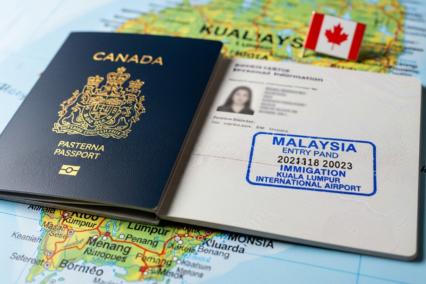
Canadian citizens can travel to Chile for up to 90 days without a visa if visiting for tourism. You will get a tourist card when you arrive.
-
Your Canadian passport has to be good for your whole time staying in Chile.
-
If you plan to stay longer than 90 days, or want to work or study there, you must go through the visa application process.
-
The online application is an easy way to use for different types of Chile visas.
-
There are special entry requirements if you want to visit Rapa Nui (Easter Island). You need to fill out a special entry form.
-
Always look up the latest entry requirements before you leave, because they can change.
Introduction
Do you want to see the amazing places in Chile, like the Atacama Desert and the icy lands of Patagonia? If you are from Canada, you will need to know about the rules for a Chile visa before you plan your trip. This guide will help you with all the things you need to know, from short visits as a tourist to getting a longer stay. We use new updates from the ministry of foreign affairs to make sure you get all the right information. You can get ready without stress and look forward to your adventure.
Overview of Chilean Visas for Canadians
When you plan a trip to Chile, as a Canadian citizen, the visa you need will depend on why you want to go and how long you will stay. If you only want to visit for a short time as a tourist, the process is simple. But if you want to work, study, or stay longer, you will need a special visa type.
It is important for all foreign nationals to know these details. Your country of origin and your reason for travel decide which chile visa you must get. This helps you follow the rules in Chile from the time you arrive. In the next parts, you will read more about these chile visa options.
Why Canadians Need to Understand Chilean Visa Rules
Planning a trip brings with it many things to think about. One important step is to know the visa requirements for where you will travel. If you are a Canadian citizen going to Chile, you should know what the foreign affairs department wants from you before you go. Knowing the right rules will make it easy to enter and leave the country. If you do not understand these, you might face problems. These can include long waits, not being allowed into Chile, or even issues while you are there.
There are some things that can be more important for dual nationals. For example, people who are British-Chilean dual nationals must use their Chilean passport when they enter or leave Chile. This shows that rules can change if you have more than one citizenship. Canadian dual nationals need to think about this, too, because the same or other rules could apply to them.
In the end, it helps to stay up-to-date. This will let you get the right papers ready and follow the right process. No matter if you want a trip for a few days or a long time, finding out about visa requirements before you go can save you trouble. It lets you have a good time in Chile and not have to worry about these matters.
Latest Updates on Chilean Visa Policies
Chilean visa policies can change often, so it is good to check for updates before you travel. The Chilean Ministry of Foreign Affairs gives the most up to date information on visa requirements and the application process. You can visit their website, or you can go to the site of the nearest Chilean consulate, to get news on any changes.
These changes may affect things like the papers needed for your Chile visa application, how long you have to wait, or the fees you need to pay. Sometimes, the rules might ask for a new form, or they may change who can get a certain visa type. It is important to know the latest visa requirements so your application is correct and full.
If you keep on top of what is new, you are less likely to run into problems during the visa application process. This is the way to be sure that you follow all current rules. It helps you get ready for your trip to Chile and makes things go smoothly.
Trends in Canadian Travel to Chile
More people in Canada now want to put Chile in their travel plans. They are interested because of the country’s rich land and lively culture. With this growing trend, finding resources for your trip is easier than before. However, you still need to be ready for the visa application process.
When you start the application process, it is best that you get your information from the Chilean consulate. Some people go to other external websites for advice, but the chile consulate always has the best and most up-to-date information. We see that people who know what to do in the visa application process deal with fewer problems.
Here are things you should remember about travel right now:
-
Planning Ahead: Begin your visa application process early. Don’t leave it to the last moment; start before your trip dates.
-
Digital Convenience: Where it is possible, use online ways to send your application.
-
Document Verification: Always look at the Chilean consulate’s website to check you have all the documents before you submit them.
Entry Requirements for Canadians Visiting Chile
If you are a Canadian citizen and want to travel to Chile, you need to know the entry requirements first. If you are going for a short trip as a tourist, you mostly do not need a visa before your trip. When you get there, you will get a tourist card, which is called a ‘tarjeta de turismo’. You have to keep this card with you until you leave the country.
You must have a valid passport and the right travel documents. This is very important and cannot be skipped. If you want to stay longer or you plan to do something other than tourism, you will need to fill out a visa application. Now, let’s look more at how long your passport needs to be valid and what other travel documents are needed.
Passport Validity and Essential Documents
One of the main entry requirements for Chile is to have a valid passport. Your Canadian passport must stay valid for the whole time you will be in Chile. If your passport will expire soon, it is a good idea to renew it before your trip. This will help you avoid trouble with immigration officials.
Besides your passport, you may need other documents depending on your situation. This is true if you travel with kids or if you need a special visa. While it is good to carry your ID card, you might need more than that for some official steps. For example, you may need a birth certificate to show family ties if you want a family visa or are going with children alone.
To make sure you have the right papers, always check the entry requirements with the Chilean consulate. Typical documents you need can be:
-
A valid passport that will not expire before you leave Chile.
-
A birth certificate, especially if you will travel with minors.
-
Proof about why you travel there and other personal information they may ask for.
Visa-Free Entry for Short-Term Stays
Good news for Canadian citizens who want to go on a trip! If you plan to stay in Chile for a short time as a tourist, you can enter the country without a visa. You do not have to fill out any papers for a visa before you travel, if your stay will be up to 90 days. This rule is for many people, like those from Canada, Australia, and the United States.
When you get to Chile, you will get a “tourist card,” known there as a “tarjeta de turismo.” This is a small paper you need to have with your passport. It shows that you have permission to be in the country as a visitor. You should take care of this card, because you need to show it to the workers at immigration when you want to leave Chile.
If you lose your tourist card, do not worry. The PDI, which is the police in Chile that look after visitors, can give you another copy. You can ask for a new one online. This easy step helps so you are not held back if you misplace your card, and so you can enjoy your visit from the United States or Canada without trouble.
Other Special Entry Requirements and Restrictions
Besides the normal visa rules, there can be other entry requirements or rules, depending on your travel plans. For example, if you want to go for business travel and not tourism, then the entry requirements could change, even for a short time. It is always best to say what you plan to do, so you know what rules to follow.
There can be health entry restrictions too. These are not a rule now for Canadians, but it is a good idea to check if you need any shots or an entry form about your health. This is very true if you have any health problems or need medical treatment while you are away from home.
Keep these things in mind:
-
Travel with Minors: The rules are stricter here. You need more documents, like a notarized paper from the parent who is not traveling.
-
Specific Destinations: Places like Rapa Nui (Easter Island) have their own entry form and some unique entry requirements.
-
Customs Declarations: Know what you can and cannot bring into Chile. The rules are strict about this.
Tourist Visas for Canadians
Canadian citizens can visit Chile without a visa for up to 90 days with a tourist card. But what if you want to stay longer and enjoy the culture more? In that case, you have to look at options like a tourist visa extension or another type of tourist visa.
You need to meet certain rules and give some documents to go through this application process. Here is how the application process works, what paperwork you will need, and what you can expect to pay when getting a chile tourist visa or when you need to extend your stay.
Eligibility Criteria and Application Process
If you want to stay in Chile for more than the first 90 days, you must go through the visa application process. You need to show that you have enough money to support yourself for the extra time. You also must prove that you will stay as a tourist and not do any work.
You handle the application process for a tourist visa extension inside Chile. The immigration department takes care of the visa application process. You should send your formal request before the first 90 days are over. You have to fill in forms and give documents to show why you need more time.
Canadians do not need a tourist visa for the first 90 days. When you first arrive, they will give you a tourist card. The application process above is just for people who already got to Chile and want a way to stay longer on their vacation.
Required Supporting Documents
When you apply for a Chilean visa or want to extend your stay, it’s important to have the necessary documents. These are needed so the officials can check your identity, your reason for visiting, and if you have enough money to support yourself.
You should get all your paperwork ready and keep it in a file. For most people, this means you will give officials things like your personal ID, proof that you have money, and details about your travel plans. If you miss even one paper, this can slow down your case or make your application get turned down.
Common things you need to show include:
-
A valid passport and a copy of your tourist card.
-
Proof you have enough money, like bank records.
-
A letter of invitation if you plan to stay with friends or family.
-
Proof of accommodation, like hotel bookings.
-
A completed application form.
Tourist Visa Fees and Processing Times
Knowing the visa fees and how long it takes to process your application can help you plan your trip and set your budget. The cost for a Chilean visa can change. It depends on the visa type you need and your nationality. Be sure to check with the Chilean consulate for the latest fee schedule before you apply.
The time it takes to process your visa can also change. It depends on how many people are applying at that time and what visa type you want. Some online application services may make certain steps faster, but in the end, the government will decide on your visa. Make sure you apply with enough time before you travel or before your current visa ends.
You also need to know which payment methods are accepted when you apply. The consulate or the online portal will tell you if you need to pay by credit card, bank transfer, or some other way. Be ready to pay your visa fees when you start your application.
Types of Chilean Visas Available to Canadians
Beyond just visiting for fun, there are different visa options for Canadian citizens who want to stay longer or need to go to Chile for more than travel. The chile visa you need will depend on what you want to do, like work, study, or join family. The Department of Foreign Affairs looks after these visa types.
Each chile visa has its own rules, steps to apply, and what you need to do while in the country. In the next sections, you will get a look at the main visa types people ask for, such as temporary resident visas, work and business visas, and student and family visas.
Temporary Resident Visa
A temporary resident visa is made for foreign nationals who want to stay in Chile for about one to two years. With this visa, you can work or study in the country. The things you can do depend on the subcategory you get. This is more than just a tourist visa. It lets you be a temporary resident in Chile.
To get this visa, you need a valid passport. You will also have to provide other documents that show why you want to live in Chile. These might include a contract of employment or proof that you have family there. The application process has more steps than it does for a tourist visa. You usually start the application process before you arrive in Chile.
After you get the temporary resident visa, it is good for up to two years. This gives you time to work, study, or get used to life in Chile. If you want to live in Chile for a long time, this visa is a good first step.
Work and Business Visas
If you want to work for an employer in Chile, you will need to get a work visa. The work visa connects to a signed job contract and you have to get approval from the Ministry of Foreign Affairs. The employer in Chile usually helps in the application process by giving you important paperwork, like the contract.
If you are going to Chile for business travel, like meetings or conferences, you could have different requirements. Many Canadians can do some business without a visa, but you might need a business visa for other work, especially if you get paid. It is good to check this before you travel.
The visa application process for both work visa and business travel is detailed. You must show that your job or business is real. This helps make sure you work in Chile with the proper approval from foreign affairs.
Student and Family Visas
If you want to study in Chile, you will need a student visa. This visa lets you join a school that is approved in Chile. To get the visa, you must show your acceptance letter from the school. This letter is the main part of your visa application. It proves that you plan to live in Chile to study.
There is also a family visa for people who want to be with a family member living in Chile. To get this visa, you need to show how you are related to the person. You can do this by giving a birth certificate or marriage certificate. You may also need a letter of invitation from your family member who is in Chile.
When you apply for a student or family visa, you should know there are more steps. You must bring additional documents, like proof that you have money to live on. You also need to fill out some special forms. It is a good idea to ask the consulate for a full list of what you need.
Applying for a Chilean Visa: Step-by-Step Guide
Getting through the Chile visa application can feel hard at first, but if you break it down into a few easy steps, it will go smoother. The general visa application process starts when you gather all your documents, fill in the right application form, and send it in to the correct office. The visa requirements will tell you what papers and details you need.
No matter if you are applying online or at an office, it helps a lot to stay organized. The next parts will show you more about the online application and where you need to send your chile visa application. You will also find some tips to help you get through the visa application process without any problems.
Online Application Process Explained
These days, most people use an online application when they want a Chilean visa. This new way is faster and can help you do everything at home. You do not need to go out. To begin, you will have to set up an account on the main Chilean immigration website.
After you join, the site will show you the Chile visa application form. You will put in your personal information, detail what is on your passport, and give facts about the visa type you want. The website will also ask you to add digital files. You need your passport photo and support letters, for example.
Here is a simple look at how the online application process works:
-
Visit the right government website and pick the visa type you want.
-
Fill out the form with your correct details and add clear, scanned copies of your papers.
-
Send your visa application and pay the fee online. You will get news about your application after this.
This way, you can send in your chile visa request with ease. Just remember to put in all needed documents and double-check your information. The whole chile visa application is done online now, and the steps help you go from start to end without trouble.
Where to Apply: Consulate and Embassy Information
Knowing where to direct your application is a crucial part of the process. For Canadians, visa applications are handled by the Chilean Consulate. Chile has a number of consulates in Canada, and you should apply to the one that has jurisdiction over your province of residence. It is important to avoid unofficial external websites and deal directly with the official representatives.
The Chilean Embassy in Ottawa is the main diplomatic mission, but consular services, including visa processing, are often decentralized. You can find the contact details and specific instructions for the application process on the official website of the consulate serving your region.
Here are the locations of Chile’s consular offices in Canada. Be sure to visit their official website for the most up-to-date information on hours and services.
|
Office Location |
Jurisdiction |
|---|---|
|
Ottawa |
National Capital Region |
|
Montreal |
Quebec, Atlantic Provinces |
|
Toronto |
Ontario, Manitoba |
|
Vancouver |
British Columbia, Alberta, Saskatchewan, Yukon, NWT |
Tips for a Smooth Application Experience
A smooth visa application can be much easier if you are ready and pay close attention to the details. If you spend a little more time to do things right from the start, the chance of slowdowns or having your application turned down goes down a lot. One big mistake people make is leaving something out in their application, so being careful is good for you.
Begin by making a list of all the papers you need for your visa application. When you find each thing you need, mark it done on your list. Be sure your personal information, like your name and passport number, is written the same way on every paper and form.
For the best way to go through the visa application process, try these ideas:
-
Start the application process early.
-
Check again that all your documents are not out of date.
-
Scan your papers and keep good, clear copies of each.
-
Before you answer a question on the form, read it slowly and think about it.
-
Hold on to a copy of your whole visa application for yourself.
Understanding Temporary Residency in Chile
Temporary residency in Chile is for people who want to stay in the country for more time than a normal tourist visit. You must have a valid passport to get a temporary visa. This visa lets you live, work, or study in Chile. It is also needed if you would like to become a permanent resident later.
With this status, you can feel more settled in the country. It gives you more peace of mind than just being there for a short time. In the next parts, you will see how long you can stay, how to make your visa last longer, and how to move from temporary to being a permanent resident.
How Long Canadians Can Stay with Temporary Residency
If you get a temporary resident visa for Chile, you can stay for up to two years. You get lots of time to settle in and do what you need there. People go to Chile for work, school, or because of family. The time you are allowed to be there will be written on your visa.
This type of residency is for people who plan to stay in Chile for a longer reason, but do not have permanent residency. The status is official and it comes with some rights, but also some things you must do. You need to follow the visa requirements. Doing this is important if you want to keep your residency.
If you want to stay in Chile longer than your visa allows, you have to look into how to extend your stay. You can’t stay in Chile with an expired visa. If you want to stay more time, start to plan your extension early.
Extension Procedures for Temporary Visas
Yes, you can get your temporary visa extended while you are in Chile. The rules let you stay longer in the country, and you do not have to leave to do it. The application process is carried out by the immigration office under the Ministry of Foreign Affairs.
To get an extension, you need to hand in your application before your visa ends. The process is a lot like when you first applied. You have to show you still meet all the rules for a temporary visa. This could mean sharing new papers, like a fresh work contract or more proof you have family there.
It is very important to start the extension application process early. If you go over your visa limit, even if your extension request is in progress, you could run into problems. Always look at the official immigration website to know the right time to apply and to see what you need for your application.
Transition from Temporary to Permanent Residency
After you have had a temporary resident visa for one or two years, you may be able to apply to be a permanent resident of Chile. Making this change is a big step because it lets you live and work in Chile with no time limits.
The application process for permanent resident status in Chile is detailed. You need to show that you are now part of Chilean society, have a steady income, and have followed the rules of your temporary visa. You do this by sharing new documents, like proof that you are still living in Chile and that you have enough money.
This change does not happen by itself. You must apply for it. The application process takes some time, as you need to get all your documents in order and prove you are eligible. If they approve your application, you will get a permanent resident status, and you can make a good life in Chile for years to come.
Important Visa Rules and Restrictions in Chile
You need to follow Chile’s visa rules and entry restrictions for your trip to go well. The local authorities make sure these rules are followed. The department of foreign affairs sets these rules. If you know what these rules are, you are less likely to have problems. This also helps you avoid trouble with immigration officials and keeps you from getting fined.
If you overstay your visa, it can cause problems. You should also know what paperwork you need at immigration checks. Being ready and knowing these things is the best way to avoid issues. The next parts will tell you about the most important rules, including some that are only for travel to Rapa Nui (Easter Island).
Overstaying Your Visa: Consequences and Solutions
Overstaying your visa in Chile goes against the country’s visa rules. If you stay longer than your visa allows, you will get a penalty. Most times, this is a fine, and the amount depends on how long the overstay is. If you do not follow these rules, you could face tougher entry restrictions in the future.
If you find that you have stayed too long, you must fix this before you can leave Chile. You need to go to the immigration office, tell them what happened, and pay the fine. This is needed to meet the exit requirements and get permission to go out of the country.
The best thing to do is to plan ahead. Make sure you know your visa expiry date. If you want to stay longer, start your extension application early. If you know the entry requirements and the time you are allowed to stay, you can avoid the worry and cost that comes with overstaying your visa.
Immigration Checks and Required Documentation
When you enter or leave Chile, you will go through immigration checks. An officer will look at your travel documents. This is to make sure you are following the laws of the country. Be sure to have all your travel documents ready and keep them organized. This will help the process go smoothly.
The main document you need is your passport. If you are a tourist, you must also have the tourist card you got when you came into Chile. This card is very important when you are leaving. If you live in the country, you will need to show your Chilean ID card. The officer will check your personal information and look at your legal status in Chile.
Always keep your main travel documents with you in a safe spot. It is also smart to have digital or paper copies of your passport and visa in case something happens. If you are ready for these checks, your travel day will go well.
Specific Rules for Travel to Rapa Nui (Easter Island)
Travelling to the faraway and well-known Rapa Nui, or Easter Island, follows special rules. Because of the island’s one-of-a-kind nature and culture, the rules to get there are not the same as you find on mainland Chile. Everyone who visits must fill out a Rapa Nui entry form before they go.
This Nui entry form is an online declaration you have to do. It asks for travel details like your flight information and proof of accommodation for your stay. No matter if you visit for holiday or business, you need to complete this rapa nui entry form. If you are coming for business, you should fill out the business rapa nui entry form instead.
To get into Rapa Nui, you need to get these things ready:
-
A filled-out rapa nui entry form.
-
A round-trip flight ticket.
-
Proof of accommodation at a spot that is registered with SERNATUR, or a letter of invitation.
-
You can only stay on the island for up to 30 days most of the time.
Costs and Payments for Chilean Visas
When you are planning your trip to Chile, you should keep visa fees in mind. The cost of a Chilean visa can be different for people, depending on which type you need and where you are from. The government of Chile sets these fees, and they can change at any time.
You should also know which ways to pay are accepted and what the rules are if your visa is denied or you need a refund. The next parts will go over the most common fees for Canadians, how you can pay them, and what happens if you are not approved for a visa.
Breakdown of Visa Fees for Canadians
The visa fees for Chile depend on the category of visa you are applying for. For Canadians, a short-term tourist visit does not require a visa and therefore has no associated government fee. However, if you are applying for a specific visa type like a work or student visa, costs will apply.
These fees can change, so it’s always best to confirm the exact amount with the Chilean consulate at the time of your application. The fees cover the administrative cost of processing your application. For example, a temporary resident visa will have a different fee than a simple tourist visa extension.
While specific fees must be verified on the official consulate website, here is a general idea of what you might expect for different visa types. Note that these are illustrative and not official figures.
|
Visa Type |
Potential Fee Range (CAD) |
|---|---|
|
Tourist Visa Extension |
$100 – $150 |
|
Student Visa |
$150 – $250 |
|
Work Visa |
$200 – $400 |
|
Temporary Resident Visa |
$200 – $400 |
Acceptable Payment Methods and Currency
When you need to pay your visa fees, make sure to use one of the payment methods set out by the Chilean consulate or embassy. These payment options can be different at each office, so you need to check the rules at the one looking after your application.
Some payment methods that are usually allowed are certified cheques, money orders, or direct bank transfers. If you use an online application, you may also get to pay with credit cards, and this is often easier for people. Most consulates and embassies do not take cash for safety reasons, so don’t plan to use it.
You have to pay all fees in a certain currency. If you are in Canada, that is usually Canadian dollars (CAD). The exact fee and which currency to use will be shown clearly in your application instructions. Make sure you use one of the right ways to pay, or your application could be slowed down.
Refunds, Denials, and Reapplication Fees
It is good to know what the rules are for refunds and denials before you send in your visa application. Most of the time, you do not get back the fee you pay for the visa application, no matter what happens with your application. This fee is for the work done to look at your file, not for giving you the visa.
If they say no to your visa application, you will get a note to tell you why. They might turn you down because they need more papers, or you do not meet what is needed for the visa application process. Getting turned down does not always mean you cannot try again, but you need to fix the problem that led to the denial.
If you want to apply again, keep these things in mind about the application process:
-
You will most likely have to pay the fee again for another application.
-
You will need to start the visa application process all over.
-
Make sure you fix the things that caused the denial in your first try.
Conclusion
Getting a Chilean visa might look hard at first, but once you have the right information, the process is clear. You need to know about the different types of visas and the steps in the visa application process. It is also important to learn what Canadians need to do for their visa. When you understand all this, it can make travel easy. This helps you feel good about your choices when you want to visit for a short time or plan to stay longer. If you have any questions about the application process or want help with your visa application, please contact us. We are ready to help you at every step. Reach out now for your free advice, and we will try to make your trip to Chile simple and easy.
Frequently Asked Questions
Can Canadians extend their stay in Chile beyond the visa limit?
Yes, Canadians are able to ask to stay longer. You have to follow the rules set by the Ministry of Foreign Affairs before your first 90 days are up. To do this, you need to send an application to the Chilean immigration office. Make sure to have your valid passport and all the other papers they ask for.
Do Canadian citizens need a visa for tourism in Chile?
No, Canadian citizens do not need a tourist visa if they are staying for up to 90 days. They get visa-free entry and will get a tourist card when they arrive. You just have to show your valid passport to get in. If you plan to stay in Chile for more than 90 days, you will need a Chile tourist visa extension.
Where can Canadians get official updates on Chilean visas?
Canadians who want the latest and most reliable updates on visa requirements should go to the official websites of the Chilean Ministry of Foreign Affairs, the Chilean Embassy in Ottawa, or the Chilean consulate for their area. Do not rely only on external websites that are not official, because the information there could be out of date.