Key Highlights
-
Australians need to check which Uganda visa fits their travel plans before they start a visa application.
-
Your passport and other supporting documents are a key part of meeting entry requirements for Uganda.
-
Many travellers go with the Uganda electronic visa, which starts with an online application.
-
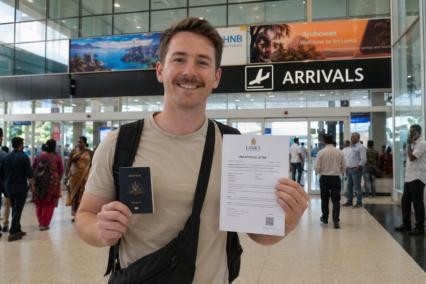
A visa approval letter is handy because it helps you plan before you leave.
-
Processing fee depends on the visa category, so look at the official web site to know what you need to pay.
-
Apply early and don’t book fixed travel until your Uganda visa is approved.
Introduction
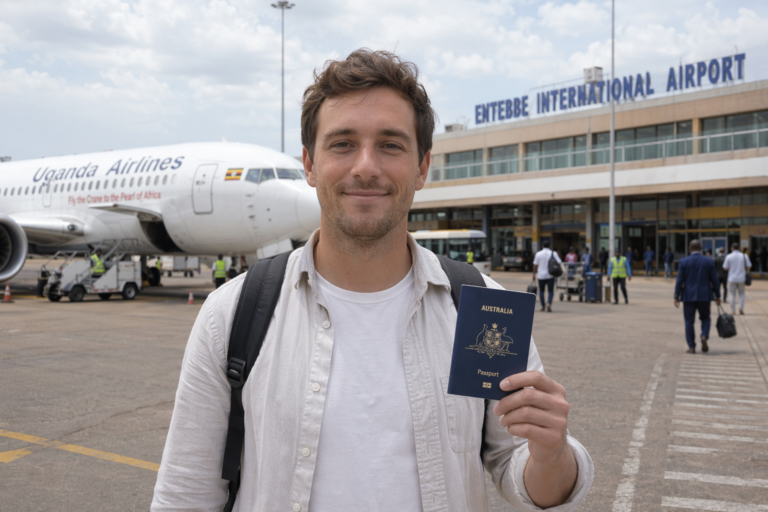
Planning a trip to Uganda from Australia can be easy when you know what you need. Whether you go for a holiday, work, or another reason, it’s important that each applicant picks the right visa for their trip. Uganda has online steps you must follow, and there are papers to check along with some entry rules before you fly. This guide will show you what to do first, so each applicant understands the visa process and can avoid problems before leaving.
Types of Ugandan Visas for Australians
The type of visa you need will be based on what you want to do in Uganda. If you are coming from Australia, your Uganda visa can be for tourism, business, work, transit, or regional trips in Africa. You need to answer this first before you start the application process.
Some travellers will need a single entry visa if they plan one visit. Others might go for a visa that lets them come and go more than once. Foreign nationals who visit more than one country in Africa may use the East Africa Tourist Visa. The guide below covers the main types to help you choose the right one.
Tourist Visa Options
If you are making plans to visit Uganda for a holiday, sightseeing, or gorilla trekking, a tourist-focused Uganda visa is often the first thing to look at. Many travellers will need to decide if a single entry visa is right for their one trip, or if they need a regional option that works for more travel.
Foreign nationals might also choose the East African Tourist Visa if their itinerary takes them to Uganda, Kenya, and Rwanda. This kind of visa comes in handy if you wish to cross borders and have a smoother travel experience through East Africa.
The cost of your Uganda visa, including an East African Tourist Visa or any African tourist visa, will depend on the visa type and the current fee listed in the application process. Because fees can shift, the safest way is to check the official web site instead of guessing. After you get your approval letter, keep it with your travel documents when you get ready to go.
Business and Work Visas
Business trips and work travel are usually not the same as going on holiday. If you need to attend meetings, do business tasks, or are coming for work as an expat in the Republic of Uganda, your business visa or work visa must say exactly what you plan to do right from the start.
When it comes to work travel, the process can be tougher than a short visit. There might be a permit application system, more paperwork from your employer, and a closer look at your application. In Uganda, it’s very important to get the details right, as the wrong papers can hold everything up.
The main idea is this: pick the right visa early. A business visa and a work visa are not the same thing, and if you plan to work, you need stronger proof. Even if the way the Republic of Uganda does things doesn’t follow the usual Department of State model, you should still apply for the visa that suits what you will be doing. The visa application process really matters if you want everything to go well with your work or business plans in Uganda.
Transit and Other Visa Categories
Not every trip to Uganda is a big holiday or a work job. Some Australians might just be stopping by on their way to somewhere else, and this is when a transit visa comes into play. There are other visa types too. People might need a different kind for family reasons, because they travel often, or have some special official need.
These details are important. A multiple entry visa can be good for travellers who need to go in and out many times. But, a different visa type might ask for more supporting documents. Foreign nationals must always check which visa class fits their travel plans.
Before you leave, you should look at the conditions on the visa you got from the issuing country system or the online portal. If you get an approval letter, make sure to print and keep it. Even small mistakes in your travel reason or missing a paper can give you hassle at the border.
Uganda Electronic Visa Application System
Many travellers now start with the Uganda electronic visa system instead of waiting until they travel. The biggest benefit is that it is easy. The online application lets you get your documents ready, fill in your details, and keep an eye on your progress before you go.
For the most reliable information, use the official government web site linked to Uganda’s immigration process and get updates through the Ministry of Foreign Affairs if needed. This way, you know the application process, what you need right now, and any changes that could affect your trip.
How to Apply Online Step-by-Step
Starting an online application is the easiest way for an Australian traveller. The main thing is to go slowly, use the official web site, and be sure the applicant details match the passport exactly. Even a small typo can cause trouble.
An easy way to handle the visa application is:
-
Open the official web site and pick the right visa category.
-
Fill out the online application with your personal and travel details.
-
Upload supporting documents in the format asked for.
-
Check your email for updates after you send it in.
-
Download and keep the approval letter when the decision is released.
After you finish, keep digital and printed copies of all your records. Your approval letter, passport, and uploaded papers should all be easy to get. If the system gives you problems, check the site instructions first. Don’t rush to send another application unless the portal tells you to do that.
Documents Required for E-Visa
Your documents are very important in the visa application process. Most of the time, you will have to give some supporting documents for your e-visa. These help to prove the details you have entered online. If your paperwork is not clear, you may have to wait longer for your visa approval.
Common supporting documents you might need are:
-
A valid passport
-
A clear copy of your passport
-
Your travel itinerary
-
A birth certificate if you are asked for it
-
A marriage certificate if this helps your case
The exact papers needed can be different for each type of visa. So, do not think that every applicant needs the same paperwork. It is a good idea to read the instructions for your type before you upload any document. It also helps to keep all files for your application in one place, so you can quickly send a new or clearer copy if the authorities ask for them.
Processing Times and Fees
Processing time can vary, so it is best to apply well in advance of travel. The compiled information strongly supports early planning and warns travellers not to lock in final travel arrangements before the visa is in hand. That is sensible advice for any online visa application process.
Here is a practical summary:
|
Item |
What to know |
|---|---|
|
Processing fee |
Check the current amount during the application process |
|
Visa fee |
Fees may depend on visa type and are shown online |
|
Currency |
Charges are often displayed in USD or US dollars |
|
Approval letter |
Wait for this before treating the visa as ready |
|
Technical issues |
System delays can affect timing and document uploads |
If you are wondering how long approval takes, the safest answer is that timing depends on demand, document quality, and any technical issues. Apply early, watch your email, and keep a copy of every payment and submission record in case you need to follow up.
Entry Requirements for Australians Visiting Uganda
Entry requirements are not just about getting the visa. Australians need to check that their passport is in good shape. You should also know the health rules, and make sure you have the right certificate before you leave. At the border, checks can look at who you are and if you follow health rules.
Yellow fever vaccination is very important. Travellers may have to show a valid certificate for this. There are other vaccinations too, and these can make you ready for travel. In the next parts, you will see the main entry requirements. This includes passport validity, showing you have enough money, health checks, and if applying early is a better idea.
Passport Validity and Evidence of Funds
The first thing you need to check is your passport. If your passport will not last long enough or if it is damaged, it can make your trip hard even before you start. A smart applicant puts their passport details first when working on a visa application.
You should always have these basics ready:
-
Your original passport
-
A clear copy of your passport
-
Proof of funds if asked during the visa process
While this blog mainly talks about Uganda, the same rule is common in many places, like the United States. Being able to show who you are and that you have the money to travel is important for a visa. The information you put on your visa application needs to match your documents. If their details do not, you may need to give more information later or face delays with your trip.
Health, Vaccinations, and Traveler Safety
Health rules can change how you get in, just like visa paperwork does. It is very important to check if you need a yellow fever vaccination before you leave Australia. If you do, make sure you have your fever vaccination certificate with your other travel documents.
Keep these things and checks in mind:
-
Confirm if a yellow fever vaccination is needed for your trip
-
Keep your fever vaccination certificate easy to reach
-
Watch for official travel updates about ebola
-
Check local traveller safety advice before you go
The information you find also shows that health alerts can be updated at any time. This is important because health checks could change with little warning. Before you fly, have a look at the newest notices, and keep both printed and digital copies of your travel documents, like your visa and fever vaccination certificate. This way, you will not get surprised by any changes during your trip.
Visa on Arrival vs Advance Application
Many travellers want to know if getting a visa on arrival is good enough or if it’s better to get visa approval ahead of time. From the advice given, it’s safer to apply early. This way, there is time to fix any problems, pay the processing fee, and get visa approval before your trip.
Getting your online application in early is often a better choice because:
-
Your online application can be checked before you leave
-
You might get your approval record before you arrive
-
You won’t feel as much stress about the visa at the airport or border
If there is a visa on arrival for your nationality or your travel route, it’s still important to look at it and check how it compares with the official process for getting your visa early. Each issuing country has its own rules, and the rules can change. For Australians, it’s a good idea to apply before you go. This way, you are more sure to have the right paperwork squared away, and your trip starts out well.
Conclusion
For Australians planning a trip to Uganda, it’s important to know how visas work before you set off. Uganda has a range of visas, including tourist, business, and transit visas. You need to pick the right one for why you’re going. The Uganda Electronic Visa Application System helps make the visa application simple. Make sure you go through the application process the right way and have all your paperwork ready before you travel. Remember to check the entry requirements. Your passport will need to be valid, and you should look at the health rules for travellers too. Having these things sorted will help your trip go well. If you want to see all that Uganda has to offer, check your visa details and passport before your journey begins. Safe travels!
Frequently Asked Questions
What’s the difference between single entry and multiple entry visas?
A single entry visa lets you enter the country one time only. If you want to go in and out a few times over a certain time, you will need a multiple entry visa. The type of visa you need mostly depends on what you plan to do, the rules set by the issuing country, and the application process for your trip.
Where is the visa application centre in Kampala?
The info shared points out there is a visa application centre in Kampala. It is run by IOM and it helps with Canadian visa services. The place can be found at Plot 41-59, Mackenzie Vale, Kololo.
If you are an applicant and need help for something in Uganda, do check which immigration offices or Ministry of Foreign Affairs is right. Make sure to ask first before you go.
Can I extend my Ugandan visa while in the country?
The info given does not show a definite way to get a Uganda visa extension. If you want to extend your visa, reach out to the main immigration offices. Have your application process details, passport, and visa approval letter ready when you ask for your Uganda visa status.