Key Highlights
-
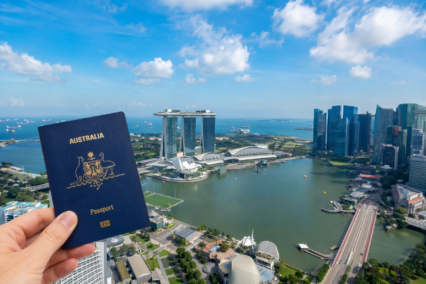
Australians can travel to the united states using different visa category options. These include nonimmigrant visas for short visits or immigrant visas linked to a green card for those who want permanent residence.
-
Some people might use the visa waiver program instead of a full visa application, but this is only for short stays.
-
Your reason for travel will decide your visa type, whether it’s for tourism, study, or jobs in specialty occupations.
-
Most people begin online and then follow the steps given by their local consulate in Australia.
-
Immigrant visas are for people who want to live in the united states forever, while temporary options are for short trips or temporary workers.
-
Rules for visas, the fees you pay, and places where you apply can change, so it’s a good idea to check the latest information from official sources.
Introduction
Planning a trip to the united states can be exciting, but the visa application part might make you have a few questions. You might ask yourself if you need a visa or if you can use the visa waiver program. The answer will depend on why you want to travel, how long you will stay, and if your trip is for a short visit or something longer. This guide gives you, as an Australian traveller, an easy look at the main visa options, what main steps to take, and what documents you may need before you go.
Understanding U.S. Visas for Australian Travellers
If you are from Australia and plan to go to the united states, your first step is to pick the visa category that matches your travel. This choice will guide your visa application. It tells you where to apply and what papers you need to get ready.
Put simply, nonimmigrant visas are for stays that do not last too long. These include trips for holidays, work, study, or business. Some other options are there for people who want to move and stay for a long time. The next parts will show you the difference and why it’s so important to choose the right type when you start.
Immigrant vs Nonimmigrant U.S. Visas
The main difference is what you want at the end. Immigrant visas are for people who want to live in the United States for good. If you get this type of visa, you can get a green card and become a permanent resident.
On the other hand, nonimmigrant visas are for short visits. This visa category covers things like tourism, business trips, studying, exchange programs, and some types of jobs. You come to the United States for a reason, and when your approved time is up, you go back.
This is important because the rules and paperwork are not the same. Plus, they are handled at different places. In Australia, immigrant visas are only looked after by the U.S. Consulate in Sydney. Nonimmigrant visas can be done at U.S. consular offices in Melbourne, Perth, and Sydney, depending on where you are. If you do not know which visa fits for you, the visa wizard at the official U.S. pages can help you choose the right one.
The Importance of Selecting the Right U.S. Visa
Choosing the right visa category is more than just filling out forms. It shapes your whole application process, what paperwork you do, the fees you need to pay, and how the consular officer reviews your case. If you pick the wrong one, it can slow things down or even end in a refusal.
The Department of State sets up visa services based on why you are travelling. That means you need to look at the eligibility requirements first. Ask yourself if you are going as a visitor, student, temporary worker, fiancé(e), or want to live there permanently. The type of visa you pick should lead to every next step.
-
Use the visa wizard if you are not sure which visa category fits your plans.
-
Check if you need a DS-160 for nonimmigrant visas or should use USCIS forms for things like moving there.
-
Make sure you know where your case will be looked at in Australia before you book anything.
A bit of care at the start can save you time, worry, and extra costs later on.
Main Categories of U.S. Visas Available
Most U.S. visas fall into two main groups. These are nonimmigrant visas and immigrant visas. This simple way of splitting the types will help you see if your trip to the U.S. is for a short stay or if it could lead to you being one of the country’s permanent residents.
Nonimmigrant visas are for short visits like tourism, study, exchange, or work. Immigrant visas are for people who want to live in the country for a long time. In many cases, this means you can get a green card. There are also special ways you can move, like coming for family, jobs, fiancé(e) visas, or if you are a returning resident. Now, let’s look at these two big groups a bit more.
Nonimmigrant Visas for Temporary Stays
For many Australians, nonimmigrant visas are the most relevant option. They are designed for short stays in the United States and do not provide permanent residence. Your visa application usually depends on the purpose of the visit and the visa type that fits that purpose.
These visas can cover tourism, business, study, exchange activity, and employment for temporary workers. A visa, when required, is placed in the traveler’s passport, which serves as the key travel document for entry requests at a port of entry.
|
Visa type |
Typical purpose |
|---|---|
|
B-1/B-2 |
Business visitor travel, tourism, or medical treatment |
|
F or M |
Study in the United States |
|
J |
Exchange visitors and approved exchange programs |
|
H, E-3 and other work visas |
Employment or specialty occupations for temporary workers |
|
K-1 |
Travel to marry a U.S. citizen fiancé(e) within 90 days of arrival |
Even with the right visa type, admission is still assessed when you arrive.
Immigrant Visas for Long-Term or Permanent Residency
If you want to live in the United States for good, you need to look at immigrant visas. These are different from travel permits that only let you stay for a short time. Immigrant visas are for people who want to be there long-term and might later get a green card.
The main options include family-based immigration, fiancé(e) cases, work-based visas, the diversity immigrant visa program, and visas for returning permanent residents. People from Australia need to know that immigrant visas get processed at the U.S. Consulate in Sydney.
What you have to bring changes based on what kind of visa you apply for, but you should have your ID, the right forms, and anything that proves why you should get the visa. If you get your immigrant visa, you will move forward to permanent resident status, not just a short, allowed stay. The timing for some of these visas may change as well because of limits shown in the visa bulletin, and this will depend on the rules for your category.
Popular U.S. Visa Options for Australians
Many Australians want to know the best or simplest way to go to the United States. There are two main options. One is short stays through the visa waiver program. The other is work travel using the E-3 visa route for specialty occupations.
These two ways are for very different sorts of trips. The visa waiver program lets you visit for a short time and you do not have to get a standard visa if you are eligible. With the other one, you need to do a full visa application, but it is for Australians who will work in a speciality job in the United States. Here is a look at how each one works.
ESTA (Electronic System for Travel Authorization) and Visa Waiver Program
Some travellers from overseas may visit the United States without the need for a visa if they are covered by the visa waiver program. This is good for quick trips for fun or business. Still, you have to check your own rules closely before you travel.
The type of travel document you have, and the country you come from, both matter a lot. Getting the go-ahead to travel does not always mean you will get into the United States. Officers at the port of entry will make the last call. If you do need a visa, remember that visa application fees won’t be given back and can’t be used for someone else.
-
Go by the official U.S. advice to see if your trip fits the visa-free travel rules.
-
Always check the latest rules for entering, and any health events, because these can change.
Even if you already have a valid visa, bigger travel changes might still stop you from getting in. To be sure, look for up-to-date news from officials before you fly.
E-3 Specialty Occupation Visa for Australians
The E-3 is a good choice for Australians who want to go to the United States for work in specialty occupations. This visa is made just for people from Australia, and that is what makes it different from many other visa options used by people from other places.
When you are looking to get any visa, you need to make sure you fit all the rules for that visa category and finish the steps you are asked to do. People who apply for work in the United States are also given info about their rights and protections for certain work-based visa types. This can help you when you are thinking about which visa to choose.
-
The E-3 is for Australians. It is not for people from another home country.
-
Some employment-based visa applications may need paperwork related to labour that is handled by the Department of Labor.
Getting a visa issued to you is never automatic, so you need to be ready before you go for your interview or make travel plans. If you have a go at a job that is skilled and just for a short time, the E-3 could be a good way in.
Other Common U.S. Visa Types
Besides ESTA and the E-3, the US offers some other visa options for Australians. The best visa type for you will depend on why you want to travel. You could be going to visit, study, join a program, or be with a family member because of a relationship.
Official U.S. pages talk about visitor, student, exchange, fiancé(e), family-based, and work visa options. These are the main paths a foreign national can use. You will find two of the most used visa types below: visitor visas and study or exchange visas.
B-1/B-2 Visitor Visas
A B-1/B-2 visitor visa is a well-known way for people to travel for a short time to the United States. It is mostly used if someone cannot have visa-free travel, or they want a type that is right for business travel, holidays, or seeing a doctor.
The B-1 part is mainly for those who come for business reasons. The B-2 part is mostly for those who need it for a holiday or personal trips. But many people ask for a B-1/B-2 visa together. In your visa application, you still have to show why you want to go to the United States and that your stay will not last forever.
When you apply, you need to have your valid passport, some ID details, and documents that explain the reason for your trip. There may be more papers, like proof of an appointment, things to do with medical treatment, or something to show your work purpose for the trip. The consular officer looks at if this visa type is a good fit for what you want to do.
Student and Exchange Visitor Visas (F-1, J-1)
If you want to go to the United States to study or join an approved exchange program, you will usually need a student visa or an exchange visitor visa. Most students get the F-1 visa, while people in exchange programs usually get the J-1 visa. Both visas are for those studying or joining a program that is approved.
In Australia, your visa application goes through U.S. consular services, not the Embassy in Canberra. The official directions say that Melbourne, Perth, and Sydney have consular services. Some places do things a bit differently, so be ready for changes depending on where you are.
You have to give your passport, your application confirmation, and paperwork that shows your study or exchange program details. Some types of visas, including F and J, are also part of the rules on handling your social media privacy when you apply. So, make sure you know the latest information before you give in your paperwork or go for an appointment at the consulate general.
Steps to Applying for a U.S. Visa from Australia
Applying for a visa from Australia usually starts online. If you want a nonimmigrant visa, you need to use the DS-160 form. If you are going for anything about moving for good, you have to use the right forms with the immigration services or USCIS, based on your visa type.
The application process after that can include paying fees, booking your interview, and showing up for a meeting at the consulate. The department of state says that people should set up their interview for nonimmigrant visas in their own country or where they live most of the time. After this, a consular officer will look at your case and all the records you have sent in.
Preparing Your Online Application (DS-160)
For most people applying for a nonimmigrant visa, the DS-160 is the online form you use to start the visa application. The Department of State says that if you already know your visa type, you can go straight to the DS-160. You do not need to look through lots of other pages.
Take your time when you fill in this part. Make sure your details are the same as what is on your passport or any other travel document. If you want to go down a path that leads to moving and living in the United States, you will use USCIS and other immigration services instead of the DS-160.
-
Confirm your visa category before you begin, so you do not end up filling in the wrong form.
-
Keep your passport, your travel dates, and any other details you need close by while you finish each part.
The Department of State also has a visa wizard. If you do not know which one you need, you can use this tool. It can help stop mistakes and make it all go more smoothly.
Scheduling and Attending Your Visa Interview in Australia
After you send in your forms, the next thing you need to do is book your interview with the right U.S. consular service in Australia. The rules say people applying for U.S. nonimmigrant visas need to set up the interview in the country where they live or where they are from.
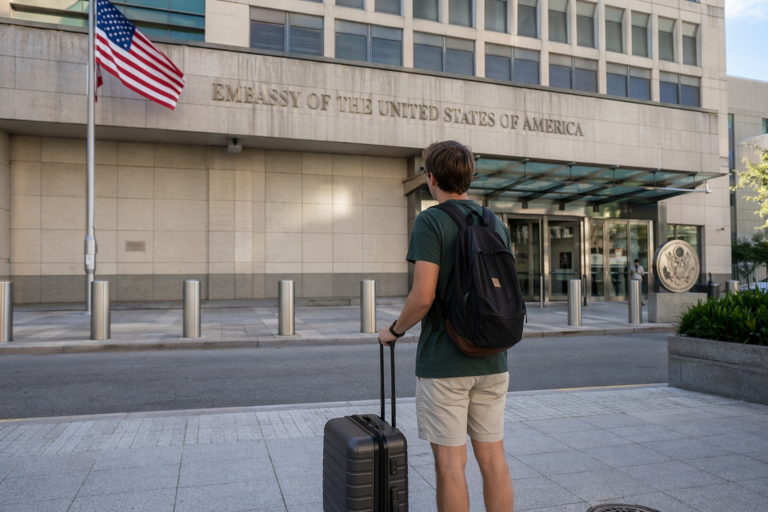
In Australia, you can get visa services at the U.S. Consulates in Melbourne, Perth, and Sydney. If you go to the U.S. Embassy in Canberra, you will need to know that they do not process visa applications. For those applying for immigrant visas, Sydney is where the processing happens. Knowing this before you make any travel plans is helpful.
-
Please use the closest consulate navigator or the official contact page to book or handle your appointment.
-
Make sure you take all your needed papers, as visa issuance will only be possible when your case is complete and has been approved.
Even after you go through your interview and things go well, you may get stopped at the port of entry, so being let in is not a sure thing yet.
Key Documents Required for Your U.S. Visa Application
Getting your documents ready is very important when you do a visa application. What you need can change based on the type, but most people have to show a current passport, some ID, and papers to show why they want to travel.
You might be asked to show how you will pay for the trip. So, what you will do on your holiday and proof you can cover your costs are at the heart of a good visa application. The next two parts will help you see what you need, and let you get ready with more confidence.
Passport and Supporting Identification
Every visa application begins with who you are. The official U.S. guidance says a visa is put in the traveller’s passport, and this is the travel document given by the traveller’s country of citizenship. If you do not have a valid passport, you will not get very far in the process.
Your details need to be the same on all forms, bookings, and supporting papers. Even small differences can slow things down. This is true for names, dates, or passport numbers especially. This is why people often collect their identity documents before they start the online form.
-
A valid traveller’s passport is the key travel document for nearly all visa application types.
-
You might also need more I.D. to prove who you are as your application is processed.
Check when your passport ends early on and see that all your details match what you will use each step of the way. If something changes, update your records fast. This will help your visa application stay on track.
Evidence of Travel Purpose and Financial Support
After you show who you are, the next thing to do is say why you are travelling. You need to give proof of why you want to go. This helps show if the type you picked in your visa application matches what you plan to do. This could be for a holiday, a work meeting, to study, exchange, get medical treatment, or to move to a new place.
Money is also important. The officer looking at your case will want to know how you will pay for your trip, stay, or any program. The records you need might not always be the same, but you have to show your stay is real and you have enough money. Remember, visa application fees must be paid by you. These fees cannot be returned or given to someone else.
-
Get records that show why you want to visit or move.
-
Add details that show you, or another person, have enough money to support you.
Having your papers in order makes it quicker and clearer for the consular staff to look at your application.
Tips for a Successful U.S. Visa Interview
The visa interview is often where people feel the most nervous. This is normal. If you stay calm and get ready, you can go through the application process with fewer surprises and more confidence.
Processing times are not the same for everyone, so it’s smart to apply well before you travel. The consular officer will check your answers, your papers, and if the category you picked suits your plans. Good preparation will not always mean a yes, but it can help you show your case more clearly.
Preparing for Interview Questions
A good interview is often about being clear and saying the same thing each time. The consular officer will ask about the reason for your travel, the category you picked, and if your answers match what you put in your visa application. You do not have to give any rehearsed talks. Just give direct and honest answers.
You should know that the time it takes to process a visa can change. Some visas are done quicker than others. There can be delays if they need to do more checks or ask for more papers. That is why it is a good idea to apply early, so you do not feel the pressure.
-
Go over your form before you have your appointment. That way, your answers will be the same.
-
Be ready to talk about your trip, your plans, and the documents you sent in.
Short and clear answers will be better than giving very long stories. If you do not get a question, ask them nicely to say it again.
What to Bring on the Interview Day
On the day of your interview, being organised is important. You need to bring everything needed for your visa application. This includes your passport and all the supporting papers for your category. If you forget any papers, your case could slow down or you may need to do more later.
The Department of State also says to follow what your local consulate tells you to do. This means you need to check your appointment notice and look at the Australia consulate page before you head out. Some small things like photos, confirmation pages, or extra papers for your case might be different.
-
Carry your passport, your application confirmation, and any papers for the appointment.
-
Pack all documents that show who you are, what your travel is for, and proof of money if it matters.
It is good to be ready with all you need, but don’t carry too much. Keeping your papers neat helps you and helps the officer look over everything during your visa application.
Conclusion
The U.S. visa process might look tough, but if you know the steps and what you need, it can be much easier for Australian travellers. It helps to know the difference between immigrant and nonimmigrant visas. If you understand which visa type is right for you, things go a lot smoother. Make sure you have all the right papers and get ready for the visa interview. This will make your application process better. If you are not sure, you should ask the experts for help. You can even get a free consultation to get advice that fits you. Take the first step toward your journey and travel with more confidence!
Frequently Asked Questions
How do I check my U.S. visa application status online?
You can check your visa application online with the official Department of State tools. These let you know the current status of visa services. The Department of State also has pages that explain more about visa services.
If you are not sure where to start, use the visa wizard to help you. It points you to the right steps for your visa application.
What is an E-3 visa and who qualifies as an Australian applicant?
An E-3 visa is a U.S. work visa made for people from Australia in specialty occupations. This visa is just for Australians and not for a foreign national who is from other places. The type of job and supporting work records with the Department of Labor can change how visa issuance works.
Are there any recent changes to U.S. visa policies affecting Australians?
Yes, new changes can have an effect on entry and visa processing. Official advice says there is a presidential proclamation. This can stop or limit the entry of foreign nationals from some countries. There are other updates for specific groups too. The rules for visas may change because of law enforcement needs, a new presidential proclamation, or the Department of Homeland Security. So, it’s important to always look at the latest notices.