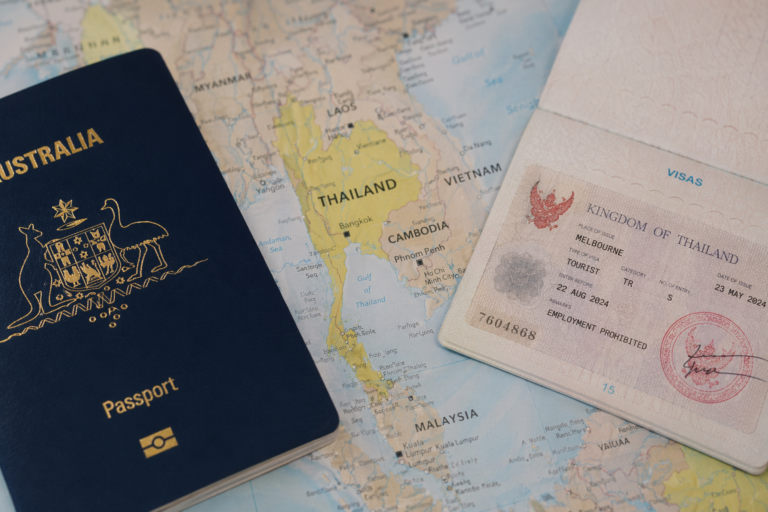
Key Highlights
-
Australians can often travel to Thailand with visa exemption for short tourist trips.
-
If you want to stay longer, your thai visa choice will depend on what you plan to do there.
-
There are tourist visas, work, study, and retirement too. Each has its own visa application steps.
-
You should check with the thai embassy or a thai consulate to find the right visa type.
-
Foreign nationals need to get things like passport details, travel bookings, and proof of funds ready early.
-
Thailand visas and entry rules might change, so always check the latest details before you fly.
Introduction
Planning to travel from Australia to Thailand can seem easy at first, but knowing about thailand visas will help you save time, lower stress, and keep your trip on budget. Most people from Australia can use visa exemption for a short holiday. But, there are some who must get a thai visa before they go, like for work, to study, retirement, or if they want to stay longer. What you have to do depends on your stay time and your reason to visit. This guide shows a clear and useful overview of the visa steps. It will help you get started with your plans for thailand with more confidence.
Overview of Thailand Visas for Australians
Australians can get a thai visa in a few ways, and the right visa type for thailand will depend on your purpose of visit. If you just want a short holiday, you might be able to use a visa exemption. But if you are planning to be in thailand for work, study, or to retire, you will need a specific thai visa before you go.
The visa application process can be done through the thai embassy or by using the online system, based on your visa type. Thailand has different visa types for foreign nationals, so you need to look at your plans, your length of stay, and what documents you have. That will help you choose the right visa application path. The next parts will show where Australians do well with their visa application and what common mistakes they make.
Why Australians Need to Understand Thai Visa Options
For Australians, the rules for a thai visa depend on your purpose of visit. If you have an Australian passport and want to go to thailand for up to 60 days as a tourist, you can usually use visa exemption agreements. That means you do not need to get a thai visa before you go.
This sounds simple, but different purposes of stay can change what you need. If you want to work, study, retire, or stay longer than the tourist time, you will need a visa before your trip. Sometimes, you may also have to go to the immigration office in thailand to get an extension.
It is important to pick the right entry option for your trip, or you might have problems at the border or later on. If you know what you need early, you can follow thai rules, avoid any delays, and make sure your stay in thailand goes well.
Common Mistakes Australians Make with Thai Visas
A big mistake people make is to think every Australian can stay in Thailand under the same rules. In fact, the visa requirements for Australians going to Thailand will change based on the type of visa, the reason for your travel, and how long you want to stay in the country.
Another problem is starting the visa application process too late. Some people check the thai embassy rules only after they book their flights. Then they find out they need more paperwork, an interview, or extra time for their visa to get approved. Some people also forget that extension decisions are not automatic and the thai authorities will make the final call.
Most common mistakes are:
-
Picking the wrong visa type for work, study, or staying long-term
-
Not checking if your passport meets all the rules
-
Getting surprised by the visa fees and extension costs
-
Staying longer than your visa allows and having to pay fines or facing trouble with the thai authorities
Key Visa Categories for Australians Traveling to Thailand
The main type of visa for Australians in Thailand are: the Thailand tourist visa, the work visa, the study visa, and the retirement visa. These different visa types are for taking short holidays, working, studying, or moving there to retire later in life. The type of visa you pick will depend on what you want to do when you get to Thailand.
There is now new interest in Thailand from remote workers. Skilled professionals, retirees, and other people who plan to stay longer usually need a long stay visa, not just the normal tourist visa. If you want to work, some work categories will need a work permit too. The next sections will look at the most common options, so you can get a better idea of what’s possible.
Tourist Visas: Short-Stay and Multiple Entry
If you are asking how long you can stay in Thailand on a tourist visa, the answer depends on the entry route. Australians with a standard passport can usually use visa exemption for up to 60 days for tourism, with a possible extension of up to 30 more days through Thai immigration. For stays beyond that, a Thailand tourist visa may suit you better.
Tourist visas can be issued for 3 or 6 months, with single-entry or multiple-entry options. The visa application is usually digital, though more documents or an interview may still be requested. Visa on arrival is mentioned often in travel searches, but Australians are generally focused on visa exemption instead. Official passports may face different requirements.
|
Entry option |
Typical use |
Length of stay |
|---|---|---|
|
Visa exemption |
Short tourist visits for Australians |
Up to 60 days, with possible 30-day extension |
|
Single-entry tourist visas |
Longer holiday planning |
Often issued for 3 months |
|
Multiple-entry tourist visas |
Repeat visits over a set period |
Often issued for 6 months |
Business, Study, and Retirement Visas
Yes, there are different types of visas for people who want to work, study, or retire in Thailand. You will need a work visa or business visa if you have work or a business lined up. If you plan to study, you can get a study visa for approved courses. For people over 50, the retirement visa is for eligible applicants.
To get a long-term visa for Thailand, first you need to choose the visa that fits what you want to do. Then, check what is needed and get all the documents ready for your reason for going. Most of the time, you apply through the thai embassy or online with the e-visa system. You might be able to get extension options, but that is up to thai government rules and if they say yes.
Some common visa types are:
-
Work visa or Business visa (Code B) if you have a job
-
Study visa (ED Code) for school and courses
-
Retirement visa (Code O) for people who are retirees
-
Other ways to stay longer, like those meant for wealthy global citizens
Visa Exemption and Visa on Arrival for Australians
For Australians, visa exemption is the way most people enter when they travel. If you want Thailand to be your country of destination for a holiday, you can visit without a visa for up to 60 days. You must have an Australian passport and meet the entry needs set by thai authorities.
Visa on arrival is not the same thing as visa exemption. Don’t mix the two up. You should also know that holders of diplomatic passports or others with special passports may have other rules with the thai authorities. There may also be costs later. For example, you could have to pay extra fees in thb if you stay longer.
Conditions for Visa-Free Entry and Duration of Stay
Australians can use the visa exemption for tourist trips to Thailand for up to 60 days. If you are thinking about how long you can stay, this is the usual time given to people who have an Australian passport and visit for tourism.
The visa-free entry rules are not all about where you are from. You need to have a passport with at least six months left on it. You also need to finish the Thailand Digital Arrival Card before you go. If you want more time in the country, you can ask the Thai Immigration Bureau for an extension, but it is up to them to say yes or no.
Key conditions include:
-
Having an Australian passport with at least six months left
-
Going there for tourism using visa exemption agreements
-
Finishing the digital arrival steps before you travel
-
Applying to the thai immigration bureau if you want an extension
-
Looking at other options, not the Thailand Privilege Program, if you hope to change your purpose of stay
How to Get a Visa on Arrival in Thailand
A lot of people ask if they can get a visa on arrival, but folks from Australia should be clear about what that means. Most Aussies actually enter Thailand with a visa exemption for tourism, not through the usual visa on arrival way. So, if you are coming from Australia, it’s important to know your own situation before thinking you can do it quickly at the airport.
The best thing to do is to look up the right thailand visas guide and work out if your type of passport or visit reason means you need to apply first. If you do need one, you will have to use the thai embassy or go through the online visa application steps, not just count on sorting it out after you land.
Before you go, be sure you:
-
Check if you can get a visa exemption, not just visa on arrival
-
Fill out the digital arrival card in the right time frame
-
Go over the visa application process if you are not coming for tourism only
-
Talk to the thai embassy if your passport or reasons for travel do not fit the usual rules
Applying for a Thai Visa from Australia
If you want a Thai visa from Australia, first check which visa type is right for you. There are different options like tourist, work, study, and retirement visas. Each one has its own steps, records you must show, and timeframes to follow. Working out your visa type is the first thing you need to do for your visa application.
Most of the time, you can apply online using the Thai e-Visa system. But the Thai embassy or a Thai consulate can still ask you for more details or call you in for a chat. Make sure you have all your paperwork sorted first. This means you need proof of funds, your passport details, and anything else that shows why you want to travel before starting your application.
Step-by-Step Guide to Submitting a Thai e-Visa Application
If you want to know how to apply for a Thai e-Visa online, the steps are pretty simple. The tips bring travellers straight to the official Thai e-Visa website. Here, you can look at different thai visa categories, see if you need a visa, sign up for an account, and start your visa application.
You fill out the visa form online, send in the needed documents, and pay the fee in one go. But thai authorities or the embassy can still ask you for more things or an interview, if they feel they need to know more about your case.
A clear step-by-step process is:
-
Visit the official Thai e-Visa website
-
Check the right thai visa category for the trip you want to take
-
Set up an online account and fill in the form
-
Upload the documents you need for your visa application
-
Pay the fee online
-
Wait to hear back from thai authorities or the embassy in case they want more from you
Documents Required for Popular Thai Visas
The documents you will need for your visa application will depend on why you want to stay and what visa you are applying for. If you are applying for a tourist visa, you have to get your passport copy, a recent passport photo, proof you have at least 20,000 THB, and some proof you will have a place to stay in Thailand. You must also fill in the visa application form.
If you are going for another visa, you might need a bit more. For a work visa, you may have to show company details, tax numbers or papers, a map and photos of your workplace, and documents that show your past jobs or schooling. If it is for study, you’ll be asked for a letter from the school or university. People applying for a retirement visa can get asked for bank details and also where they will be living. Visa fees are also different for each type.
There are some things most people will need:
-
Passport copy and a new passport photo
-
Visa application form, filled out
-
Proof of funds and also your travel or place you will be staying
-
Any other papers linked to work, study, or retiring in Thailand
-
Extra documents if you have family members coming or you are applying for something special, like the thailand privilege card
Conclusion
To sum up, getting a visa for Thailand can be easy if you know what to do. When you understand the different visa choices for Australians, your trip should go more smoothly. You can spend more time enjoying Thailand, which is a lovely place. The main options include tourist visas, business, and retirement visas. It’s good to know about common mistakes and how the application works. With the right plan, you can skip stress and really enjoy your time there. If you have any questions or need a bit more help, just ask. Safe travels!
Frequently Asked Questions
How much does it cost to obtain a Thai visa from Australia?
Visa fees change based on your visa application type. The details show that long-term work, study, and retirement visas can cost 2,000 THB. Tourist visa fees are not the same for everyone, as they depend on how long you will stay and the type of entry. Each applicant should check the latest thailand visas fees with the thai embassy or by using the official online system before they apply.