Key Highlights
-
Australians can often go into the schengen area for short stays without needing a switzerland visa.
-
You will usually need a switzerland visa if your visit time or reason doesn’t fit the usual visa-free rules.
-
Your visa application from Australia depends on what kind of trip you make, what you plan to do, and how long you want to stay.
-
A schengen visa lets you stay for some short stays, but if you plan to stay longer, you will need a national visa.
-
The application process for a visa may need you to give biometrics, show some documents, and go to an appointment while in Australia.
-
There can be delays at the border, so it is best to plan your trip early.
Introduction
If you are planning a Swiss holiday, study program, or a long-term move, it’s good to understand the switzerland visa process early. This will save you stress later on. While Switzerland is not part of the european union, it is in the schengen area. Because of this, entry rules often follow the wider Schengen rules. Australians can travel visa-free for some visits, but other trips will need a formal visa application. This guide covers the main types of visas, the documents you need, the costs, how long things take, and the rules once you land, all in simple and clear language.
Understanding Swiss Visas for Australians
For Australians, the switzerland visa you need will depend on why you want to travel and how long you plan to stay. If you will only go for a short visit and your plans fit into the Schengen rules, you may not even need a visa. But if you need to stay longer, or for another reason, you may need a schengen visa or a special permit for a longer stay.
When you fill out your application form and gather the papers they ask for, you will normally deal with the people in charge in your own country of residence. Because Switzerland works as part of schengen countries, it is important to think about all the countries you want to visit on your trip. The next parts will show where Australians fit in to this process.
Do Australians Need a Visa for Switzerland?
In many cases, the answer is no. Australians with an Australian passport do not need a switzerland visa for short stays in the schengen area. You can spend up to 90 days in a 180-day period for things like tourism or other short visits.
But, visa requirements can change based on why you are travelling and your length of stay. If you want to study for a long time, work, join family, or stay longer than the normal short-stay, you will need a visa before you go. The time you spend in other european countries also adds to the schengen area limit.
Rules also depend on your place of residence and your nationality. If you have dual nationality with a european passport, make sure you check which passport to use and see if there are any special entry rules.
Differences Between Short-Stay and Long-Stay Visas
The main difference between a schengen visa and a national visa is the length of stay you want in Switzerland and what you want to do there. A schengen visa is for short stays, while a national visa is for longer visits. If you plan to live, study, or work for a longer time, or if you want a residence permit, you need a national visa. Make sure your entry visa fits your real reason for going.
Here’s how it works:
-
Schengen visa: for stays up to 90 days in 180 days.
-
National visa: for longer stays, study, work, family joining, or similar reasons.
-
You usually can’t do paid work in Switzerland on a short-stay trip.
-
If you stay long, Swiss migration authorities need to approve.
Before you apply, check the length of stay and your plans. Picking the wrong option can cause delays or even refusal. The next part explains each visa type in a simple way.
Overview of Swiss Visa Types
Switzerland has more than one type of visa, and each one is for a different reason to travel. Australians can get a short-stay schengen visa or a long-stay national visa. There may also be an airport transit visa, but this is only in some cases. If you need this, it will depend on your nationality and where you are flying.
Switzerland is part of the group of schengen countries. The type of visa you will need depends on where you plan to go, how long you will be in Switzerland, and what you want to do there. Here, you can see the main visa groups explained in easy terms.
Schengen (Short-Stay) Visa Explained
A schengen visa is the main short-stay permit you need to travel in the schengen area, which includes Switzerland. People often call it a Category C visa. You use it for things like tourism, seeing family, business trips, cultural events, sports, religious reasons, or medical treatment. This visa is only for short stays.
The schengen visa lets you move around in the bigger schengen zone for up to 90 days within any 180-day window. This depends on the travel rules for your plans. Australians don’t need a visa for many short visits, but the time limits still count. You must keep an eye on these and not go over them.
The application process for this visa looks at why you want to travel, your documents, and the dates you have in mind. This is not the same as the process for a long-stay visa like category d. Category d visas are for people who want to be in Switzerland for more than 90 days.
National (Long-Stay) Visa Explained
A national visa lets you stay in Switzerland for a long time, usually more than 90 days. People often get this visa if they want to study, work, do an internship, research, take a language course, look for a job, or join family there. It is the way to go if your plans are more than a normal visit.
This is different from a short-stay visa because you often use it to later apply for a residence permit once you arrive. The cantonal migration authority is the one that will decide on your case, based on the place of residence you pick in Switzerland.
If you are going for a long stay, you should know there will be closer checks. The people in charge will look at your purpose, your papers, and what is needed for local approval. Both the state secretariat and cantonal offices are part of the process, so it is best to choose the right visa category before you start.
Special Purpose Visas (Business, Study, Medical & More)
Not every trip people take is for tourism. Switzerland gives out visas for special reasons, so your papers must show the real reason you want to travel. Many times, you will still use the rules for short or long stays, but the reason for your visit can change what you need to prove.
Common reasons for a visa include:
-
business visa for meetings, events, or short work visits
-
work visa or long-stay entry if you have a job offer
-
student visa if you are going to study in Switzerland for a long time
-
travel for medical treatment or to be with your family (family reunification)
Some of these might have extra checks, especially if you want to stay a long time. People from Swiss, EU, or efta countries can have different rules in some cases, but Australians still need to follow the Swiss rules for their situation before they try to get a visa.
Requirements for a Switzerland Visa Application
Swiss visa requirements depend on your reason for travel, how long you plan to stay, and your own situation. Usually, you have to fill out a visa application form and attach your passport, travel plans, and other important documents that back up your visit. The documents you need can change with the visa type.
You will be asked to show you have enough money for your stay and send documents that match the official rules. Because the steps can change, it’s smart to follow the guidance from Swiss authorities like the state secretariat before you hand in your application form.
General Eligibility Criteria
Your eligibility for a Swiss visa depends on a few basic things. Swiss authorities look at who you are, where you live now, why you want to travel, and how long you will stay. The visa requirements are not exactly the same for everyone, because the type of visa you need affects what is checked.
In general, they look at:
-
your country of origin and passport status
-
your rightful place to apply as one of the foreign nationals applying from Australia
-
your reason for travel and the proof you give
-
if the type of visa you choose matches your plan to stay
It is important that your papers are complete and make sense. If your booking details, reason for travel, or money proof do not match up, there can be problems with your application. Make sure your visa type fits what you really plan to do. That is one of the best ways to stay away from delays.
Key Documents Australians Must Provide
Australians need to get a clear set of papers ready before they send in any visa application. The list of papers changes depending on if you go for a short trip or plan a longer stay, but some items come up a lot. If you forget to include something, it can slow things down or even lead to a refusal.
The usual documents are:
-
a valid passport that has enough time left and blank pages
-
a filled out and signed visa application form
-
proof of accommodation, like your hotel book or details from your host
-
proof of financial means to pay for your time there
You might also have to add a travel document copy, details of your return or onward ticket, and a letter of invitation if someone in Switzerland is hosting you. They might ask for work, study, or retirement papers, depending on the application form you use.
Proof of Accommodation, Finances, and Travel Health Insurance
These three things are important for most Swiss visa checks. You have to say where you will stay, show how you will pay for your trip, and explain how you will cover health costs if something goes wrong. If you give strong proof, your application form will look complete and will have a better chance.
You may have to give:
-
proof of accommodation. This can be hotel bookings or an invitation.
-
bank records that show you have enough money for the trip.
-
travel insurance that is good for the whole Schengen area.
-
documents to support your travel plans and show your departure date.
Insurance is very important because medical expenses can be high in Switzerland, and hospitals may ask you to pay upfront. If your documents do not show travel insurance, proof of accommodation, and you have enough funds, they may ask more questions or your application could take more time.
Applying for a Swiss Visa from Australia
If you are in Australia and want to do a swiss visa application, you need to apply using the way made for your country of residence. The steps for the application process can be different for each visa type, but you will usually start by finding the right visa and getting your application form ready.
After that, you will go on with booking, handing in your forms, and going to have your identity checked if needed. Australians need to follow the visa application steps made for people living in their home country or where they have the right to stay, then go along with the directions from the right Swiss office or approved centre.
Online Application Process Step-by-Step
The online application process is set up to help you start your visa request in an easy and clear way. While you might see different screens, the main steps are simple. You choose the right category, fill in the application form, get your documents ready, and then prepare to send everything.
Here is a step-by-step guide you can follow:
-
check if you need a visa and pick the category that fits you
-
fill out the application form with care and be honest
-
gather all the papers you need to show
-
make any bookings needed for your appointment or biometrics
-
send your visa request the way you are told to
Before you press submit, look at every detail again. Make sure your dates, passport numbers, and contact details match your documents. If there are any mistakes in the online application, the application process can get a lot harder for you.
Where and How to Submit Your Application
Foreign nationals usually need to send their Swiss visa application through the official place serving where they live. This could be a swiss consulate, an embassy, or another centre that takes Swiss papers. The right spot to apply depends on the place of residence at the time you buy for the visa.
When you ask for a visa to stay for a long time, the cantonal migration authority in Switzerland might need to make the call too. This happens if you need to get the okay to live there. Your swiss visa application can be sent from Australia, but the cantonal migration authority in the canton you want to move to will look at it.
Things for swiss visa can change, so you should always look at the swiss state secretariat or talk with swiss representations for help and to know the latest steps. If you use the wrong way to hand in your papers, there could be delays in getting your visa.
Biometric Data Collection and Appointment Details
Biometric checks are now a common step in most travel and visa systems. If you want a swiss visa, you may have to go to an appointment where they will take your fingerprints and a photo. If you are Australian and coming for short stays, you might also need to register when you arrive under the European Entry/Exit System.
Be ready for these basics:
-
book your appointment details as early as you can
-
bring your passport and all needed application papers
-
expect to have your biometric data taken if they tell you to
-
allow extra time, especially if you travel during busy periods
This part of the application process is very important because these checks are used by many schengen states. Switzerland works closely with these countries so sometimes there can be delays, especially when the border and exit system is busy or during peak seasons. Planning ahead will make things easier for you.
Swiss Tourist Visa for Australians
A Swiss tourist visa is usually a short-stay schengen visa. People often call it a type c visa. You use this visa for holidays and visits like that, if you need one to enter. If you are from Australia, you might not need a tourist visa for many trips. Still, the rules will depend on your passport, your country of residence, why you want to visit, and the length of stay.
Switzerland is in the schengen zone but not the european union. So, you should look up the rules for your country of residence and where you want to go, before you book your trip.
Who Needs It and Popular Reasons for Visit
Most people from Australia who visit Switzerland for a holiday won’t need a tourist visa for short trips in the schengen area. But, if your nationality status, your past travel, or the reason for your trip don’t fit the usual visa rules, you might need a type c visa before you go.
Popular visitor reasons include:
-
sightseeing in Swiss cities and alpine regions
-
family or friend visits
-
cultural or sporting events
-
short private travel across nearby Schengen destinations
It is important to make sure your plans match the current visa requirements. Your travel date, how many days you want to spend in the Schengen area, and why you plan to visit will all matter. If you have an Australian passport and will stay within the normal short-stay limit, you will most likely travel without a visa. But you should check before you leave.
Supporting Documents for Tourist Visa Applicants
If you need a tourist visa, your visa application needs to show that your trip is real, short, and has enough money to cover it. The Swiss authorities want to know all about your trip—not just see the visa application form and a copy of your valid passport.
A normal tourist file has the following:
-
a filled out visa application form
-
a valid passport with copies of the main pages
-
a travel document or itinerary that tells them when and where you plan to go
-
hotel bookings or other proof of accommodation
You may also have to add proof of enough money, travel insurance, and a return or onward ticket. If you will stay with someone, you can give their details instead of a hotel booking. Make sure all your papers match, as mixed-up dates or unclear travel plans can make your tourist visa harder to get.
Costs, Timelines, and Decision Process
Before you put in a visa application, it is good to know what you may have to pay and how long you might wait. Swiss charges change based on the type of visa and the age of the person applying. The time to process your visa request also depends on the number of applications, if you have sent in all papers, and if more checks are needed.
Your visa request can go through fast if your file is clear and complete. But there can be hold-ups, especially when lots of people travel or when the office needs more checks. Knowing about the process early will help you plan and avoid most surprises.
Visa Fee Breakdown and Payment Methods
Swiss visa costs are usually set by category and age group. Based on the compiled information, both the short-stay schengen visa and long-stay national visa have similar base charges. Some applicants, including certain children and specific exempt groups, may pay reduced fees or none at all.
Here is a simple text table:
|
Visa category |
Applicant group |
Fee |
|---|---|---|
|
Schengen visa |
Adults aged 12 and over |
USD 94 |
|
Schengen visa |
Children aged 6 to 11 |
USD 47 |
|
Schengen visa |
Children under 6 |
Free |
|
National visa |
Adults aged 12 and over |
USD 94 |
|
National visa |
Children aged 6 to 11 |
USD 47 |
|
National visa |
Children under 6 |
Free |
Payment methods can vary by submission centre, so check instructions during the application process. Also remember that service charges, if any, may depend on where you lodge the file, so confirm the full amount before your appointment.
Processing Times for Aussie Applicants
There is no single timeline for when every Australian will get their visa approval. The time it takes for your visa application to get processed depends on the visa type, how good your documents are, the time of year, and if Swiss authorities need to do more checks. If your papers are all complete, it’s usually easier to make a decision than when things are missing or do not match up.
Short-stay requests can often be reviewed faster than long-stay ones. This is because long-stay requests may need approval from Swiss cantonal offices. Also, if your plan is to visit more than one place in the schengen countries, the authorities might need extra time to make sure Switzerland is the best state to handle your application.
You should put in the application form well before you want to travel. This is more important when there are busy times, like during ski season or the holidays. The border systems and more people applying have made things slower lately, so it’s good not to trust a last quarter guess for when you’ll get your visa. Do not wait until the last moment to send your application form.
What to Expect After Submission and Common Delays
After you put in your visa application, someone will check your file to make sure it is complete. They look at your identity and see if you meet all the visa requirements. Some people get an answer fast without much follow-up. But some may be told to supply more papers or go through extra checks.
Common reasons it might take longer to get a decision on your visa application are:
-
your forms or documents are not complete or you have missed something
-
your travel plans are not clear, or your money situation is not strong enough
-
there are lots of people wanting visas, or it is a busy travel time
-
you need extra checks for stays that go long or for special reasons
It is a good idea to be easy to contact after you put in your visa request. If someone asks you to explain something, getting back to them quickly can help your visa move along. Even if you do everything right, there still could be delays. So, try not to book travel that you cannot change if your visa is still being processed.
Arriving in Switzerland—Important Entry Information
Getting approval is not everything. When you get to Switzerland, the Swiss authorities may ask to see your entry visa if you needed one. You will also need to have a valid travel document, plus other travel details ready. There can still be border checks, even for travel inside the big Schengen zone.
If you arrive at a Swiss airport at a busy time, you have to give yourself some extra time. After you land, what you plan to do and your place of residence, especially if you stay longer, can change what documents or steps you need next. Sometimes more paperwork or registration is needed, based on your plans or how long you will be there.
Border Checks and Arrival Procedures
When you get there, border staff might ask about why you are there, when you will go back, and where you will stay. Even when you travel within the Schengen area, you should bring your valid passport and any papers that show what your application or reason for entering without a visa is.
If you need an entry visa, you must have it with you. You should also be ready to show where you will stay, how you will travel on or head back, and proof of money if needed. Entry officers may need to check that you plan to follow the reasons you were let in for the trip.
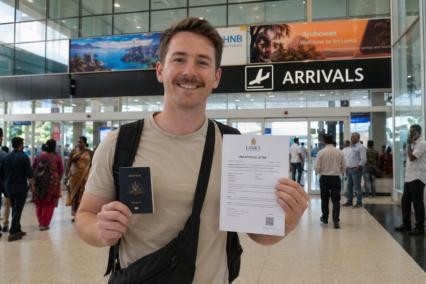
There can be delays at a swiss airport. These can happen with the new European Entry/Exit System or when it is busy, like in popular travel seasons. At times, Geneva has had large crowds and long waits in the arrival hall. If you stay calm and keep your documents handy, you will get through arrival without too much trouble.
Registration Requirements After Arrival
If you are in Switzerland for just a short visit, you often only need to do the basic entry steps. For longer stays, you may need to register locally soon after you get there. This is common if your visa is for work, study, or being with family.
You might need to:
-
register at your local place of residence
-
deal with follow-up checks to confirm your residence status
-
get in touch with the cantonal migration authority
-
do more steps if you want a permanent residence permit or a longer stay
These rules are important for all swiss residents and foreign nationals with long-term visas. You are expected to stick to the local admin rules. Getting your visa is only one part of the process—it may not be the last thing you have to do for immigration. Always follow the instructions from your canton and make sure they match your reason for being there.
Safety & Travel Guidelines for Visa Holders
Switzerland is seen as a safe place to visit. Right now, the advice is to use normal safety steps. But, being well-prepared is important. Petty theft is going up in areas with a lot of tourists and on public transport. Bad weather can also cause trouble when you travel in the mountains.
It’s good to follow some travel rules before you go. Check that your travel insurance is good and will cover medical expenses, emergencies, and any activities you plan to do. You also need to know the local law, because there can be tough penalties for people from other countries who break it.
Important Safety Advisory Updates
The current safety advice for Switzerland is clear. You should take normal steps to stay safe. That sounds good, but it does not mean you can stop paying attention. There can still be petty theft, scams, and long waits at borders. These things often happen in tourist spots and busy places like transport hubs.
You should watch out for:
-
pickpocketing when on trains, at stations, or near popular sights
-
long waits at borders and when you get to arrival halls
-
the risk of terrorism in busy places and at transport centres
-
sudden bad weather in the alps, like avalanches or flash floods
Before you go, check the latest news from the right Swiss offices and the federal department of foreign affairs. Make sure your travel insurance is in place for your whole trip, even when you have stopovers or plan on doing stuff outdoors. Weather problems or getting medical help can cost a lot, so having travel insurance is important.
Health, Insurance, and Local Law Guidance
Health care in Switzerland is good, but it’s not free for Australians. There is no health deal between Switzerland and Australia, so you have to pay for your treatment. Hospitals there may even ask for your payment before they help you. That is why it is very important to have good travel insurance and health insurance. These are things you must have, not just a choice.
Keep these things in mind:
-
medical treatment can cost a lot of money
-
your insurance needs to cover you for hospital care and if you need to be flown out
-
the law in Switzerland is strict if it comes to drug offences
-
save your emergency contacts on your phone before you go
The main numbers you will need in an emergency are police at 117, ambulance at 144, and fire or rescue at 118. Make sure you bring enough of your medicine for your stay. Check if your medicine is allowed in Switzerland. Carry a copy of your doctor’s letter and the script with you while you travel.
Remember, having travel insurance can help you if you get sick or hurt in Switzerland and need medical treatment.
Visa Extensions, Refusals & Appeals
Not every stay will go the way you plan. There are times when you may need a visa extension. Or, your visa could be refused if your documents don’t meet the rules. What comes next can change based on your visa, your situation, and the group in charge of your case.
For stays that last longer, the cantonal migration authority often looks after these matters. It helps to know the rules about changes, refusals, and how to appeal. This way, you can act fast and do things the right way.
How to Extend or Renew Your Visa
A visa extension or renewal does not happen by itself. If you need to stay longer, you have to check if your current status lets you have extra time and find out which authority you should contact. In Switzerland, it will depend if you are only in the country for a short time, or if you already have a residence permit.
If you stay longer, the cantonal migration authority will usually be the main group for your application process. They will look at whether you are still here for the same reason, if your documents are still good, and if you follow the local rules to stay.
You should act early if your visa or permit is about to end. If you wait too long, you can have problems with immigration and it can trouble your travel next time. The rules can change, depending on your case. Always follow the steps for your own visa or residence permit and the instructions in your canton. You should not think all renewals will be the same everywhere in Switzerland.
What to Do if Your Swiss Visa Is Refused
A visa refusal can be hard to deal with, but it does not have to be the end. The first thing you need to do is read your refusal notice closely. Look at exactly why your visa application did not get approved. Often, this happens because there is missing evidence, your reason to travel is not clear, or you picked the wrong visa category.
If your file is refused, you should:
-
review the stated reason for refusal closely
-
gather stronger or missing supporting documents
-
check whether an appeal process is available
-
follow the deadline and authority listed in the decision
The right body that will look at your visa application can be the cantonal migration authority, or it could be a federal-level office that is part of the state secretariat system. Do not ignore the decision letter you get. A quick and organised reply gives you the best chance to fix the problem, or to appeal the decision in the right way.
Studying, Working, and Living in Switzerland
If you’re thinking about more than just a holiday, you can look at Switzerland’s pathways for study, work, or staying longer. These choices often start with a national visa, not just a short-stay one. Once you get to Switzerland, you usually move onto a residence permit.
What you need to do will depend on if you have a spot at a school, a job with a Swiss company, or another approved reason to be there. The next parts will walk you through the main study and work options for Australians.
Student Visa Options and Process
Australians who plan to study in Switzerland for a long time will need to get a student visa. This is called a national visa and is for courses that go over the normal short-stay limit. You will use this visa if you want to learn a language there or join other approved programs.
Your visa application needs to show documents that prove you are accepted by a Swiss university or another school they recognise. You should give proof of your enrolment, information about your money, and sometimes a letter of invitation or an acceptance letter.
These study stays are for a long time, so you might also need local approval. You should start your visa application early so you have all your paperwork ready. You have to choose the visa that matches the whole time you will be there to study, not just your first travel dates.
Work Permits and Business Visas for Australians
Australians who go to Switzerland for a short stay, like meetings or events, might need a business visa, depending on what their visit is for. This is not the same as going there to work. If you want to work in Switzerland, you will need more than just visitor status. You need the right permission.
Some common ways people go to Switzerland for work are:
-
with a business visa for short work trips
-
with a work permit for an approved job
-
with a long-stay type d visa if you plan a longer work stay
-
with the support of a swiss company through an employer-backed application
The rules for working in Switzerland are different from the rules for tourists. You can’t just work there because you are allowed in as a visitor. These work rules can sometimes link with arrangements in the european free trade association area. But if you are Australian, you need to follow the rules made for non-European people. Go through the right category and make sure to get the right approval process.
Conclusion
Getting a visa for Switzerland can seem hard, but if you are from Australia, it helps to know what you need. There are a few types you can get, including the schengen visa and the national visa. You need to know what each one is for, what papers you have to bring, and how to fill out the forms. It is smart to get ready early, because that will make things go well.
No matter if you want a short holiday or you are planning to stay longer, knowing what to do is important. When you collect your papers and learn the steps, you will have an easier time. If you want help or have questions, you can ask for a free consult. Get ready—the best of Switzerland is waiting for you!
Frequently Asked Questions
How Long Does a Swiss Visa Take to Process?
Processing time can change based on the visa type, how good your documents are, and how busy it is at that time. A basic schengen visa might get sorted out faster than a long-stay one, but delays can still happen. Make sure you lodge your visa application as early as you can. The application process often slows down when there are more people travelling or after the last quarter rush.
Can I Visit Other Schengen Countries with a Swiss Visa?
Yes, you can usually travel to other Schengen countries with a valid Schengen visa. This includes a type C visa. You just need to stay within the time allowed for your trip. In your application process, you must show that Switzerland is your main destination. You also have to follow the rule that lets you stay only 90 days out of every 180 days in the Schengen area.
Is Travel Insurance Mandatory for a Switzerland Visa?
When you apply for a schengen visa, you will need travel insurance. It has to cover the whole schengen area for your whole trip. This is important because medical expenses in Switzerland and nearby can be very high. Even if you do not need a visa, having strong travel insurance is still a good and smart way to protect yourself.