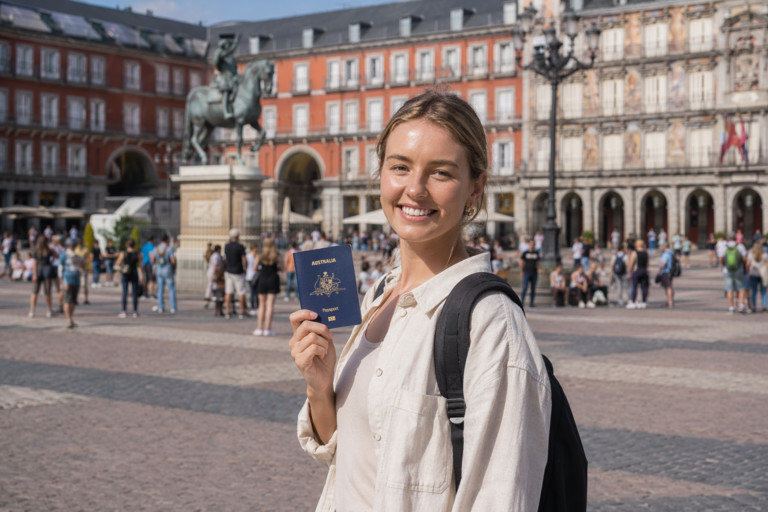
Key Highlights
- Australians can often enter the schengen area for up to 90 days without making a visa application if it’s for tourism or business.
- If you want to stay longer than 90 days, you will most likely need a national visa before you travel.
- Why you are going matters. Study, work, remote work, retirement, or family reunification all have different steps you have to follow.
- The spanish consulate asks for all the required documents. You need more than just a passport.
- Proof of money, insurance, and having a place to stay can shape what happens next.
- Picking the wrong visa early on can make it tough to change later.
Introduction
Getting ready to move or go on holiday in Spain can be a lot of fun. But sometimes, the rules can surprise you, because not every trip is the same. If you are Australian, you need to think about your reason for going, how long you will be there, and if your trip will follow the schengen area short-stay rules. Before you start your visa application, it is good to know what the spanish consulate might ask you for and which steps match your plans.
Understanding Spanish Visas for Australians
Spain gives Australians two main options. There is a schengen visa or a free short stay for visits that do not go over 90 days. If you plan to stay over 90 days, you need a national visa. What you need depends on why you get ready to go to Spain and how long you will stay.
To make it clear, if you are going for a holiday or a short business trip, you follow the short-stay rules. If you want to study, work, retire, or be with family members, you must apply at the spanish consulate in your home country for the national visa. The next sections will make these visa requirements even clearer for you.
Do Australians Need a Visa to Enter Spain?
For short trips, Australians do not need to make a visa application before going to Spain or the Schengen area. You can go for up to 90 days in any 180-day time for tourism or business. This is a visa-exempt rule for Australians.
But you still need the right documents when you travel. You must have a valid passport. You may also have to show proof of onward or exit travel, proof of accommodation, and show that you have enough money for your stay. These checks are for travellers who are not EU citizens. EU citizens follow other rules.
The reason for your trip is important. If you are going as a tourist, you do not need a tourist visa for a short holiday in Spain if you are Australian. This does not let you live or work there. If you want to do more than visit, you will need to find a different way.
Schengen Area and Its Impact on Australian Travellers
Spain is in the schengen area. This means it is part of a group of schengen countries in Europe with no hard borders. Your time in Spain joins with your days spent in other schengen countries, so you do not get separate 90-day visits for each place.
This rule is important for Australians. You can be in the schengen area for up to 90 days out of any 180-day period, without needing a visa. If you need a schengen visa due to your nationality or your situation, you still have to follow the same rule for all these countries.
If you are not from the european union, you need a passport that is less than ten years old and will be valid for the time you are in Europe and a bit after. You will also need to show where you are staying, proof of your next travel out, and often your travel insurance. Spain also uses rules from the wider european union, so be sure to plan your trip and check your dates carefully.
Main Types of Spanish Visas
There are three main types of visa: short-stay visas, transit visas, and long-stay visas. For most Australians, you usually pick between a short visit with a schengen visa, or a national visa if you want to spend more time in Spain.
The right type of visa depends on what you want to do. You might just be visiting, studying, working, living on savings, or joining family. If you plan a long time to study, you should look at a student visa. If you want to work or retire, there are other ways to live here. Every type of visa asks for its own required documents, so try to match your reason for going before you start.
Short-Stay (Schengen) Visa for Tourism and Business
A short-stay schengen visa is for people who want to travel, go to see family, do business, or take short courses in Europe. You can use it for up to 90 days in any 180-day period. Most Australians will not need this for a normal holiday. But if you do, the main thing is to show clear proof of your trip and your plan.
You need to fill out the application form. You also must bring passport photos and papers that show what your trip will be about before you hand in your file. The consular staff will check if your stay is just for a visit and also if you gave all the right documents.
You will mostly have to give these required documents:
- a filled-out application form and valid passport
- proof of accommodation, return or onward travel, and the visa fee
- health insurance or travel insurance that covers at least €30,000
This schengen visa does not let you work for money or live in Spain.
Long-Stay (National) Visa Explained
A national visa is for people who want to stay in Spain for more than 90 days. This is how you go if you plan to study, work, do remote work, live there on your own money, be with your family again, or have other reasons to live long-term.
A residence visa, unlike a short-stay visa, connects to a clear goal. You might need a student visa for study, or you might get a work permit route for a job. If you do not want to work in Spain, you can get another residence visa. What you want to do in Spain and how long you plan to stay will decide which visa you need.
The application process often starts before you travel. You must go through the Spanish consulate or embassy for where you live. Once you get approved and enter Spain, many people who are staying long must do extra steps after arrival. You must get your TIE or residence card in the right time.
Choosing the Right Visa for Your Plans
Picking the right type of visa is not just simple paperwork. What you choose decides what you can do in Spain, and if it will be easy or hard to change your plans later. If you are going on a short trip, you will need a schengen visa. For a longer stay, a national visa is better.
Think about your real plan before you start. Do not just plan around your first flight. If you want to study, work, or live in Spain, you should make your visa application fit that goal right from the start. The sections below will show you how your travel reasons work with the whole application process.
Visiting Spain for Tourism or Family Reasons
If your trip is mainly for sightseeing, seeing family members, or going for a short private stay, this is usually counted as a short visit. Australians often do not need a tourist visa for these short visits, but you can still have the same checks at the border.
You have to keep your papers in order even when a visa is not needed before you travel. Border checks can still ask for things like your application form when a visa is needed. Still, they may want to see proof of accommodation, details on return travel, and that you have enough funds for your stay.
If you travel to see family members, make your reason clear. A short trip to see relatives is not the same as moving to Spain through family reunification. When you travel, think about travel insurance, too. This is useful when short-stay rules or consular info say you should have medical cover.
Studying, Working, or Living in Spain
If you want to stay in Spain for study, work, or to live there for a long time, you cannot use a short visit route. You will usually need a student visa, a work visa, or some other type of residence option that fits what you want to do before you go.
For study, how long the course goes for is important. If you are doing language courses that last less than 90 days, you can use short-stay rules. If the programmes go for longer, then you will need a student visa. If you want to work, getting a work permit often means you first need a job offer from a Spanish employer or you will need to show a business plan if you will work for yourself.
After you arrive in Spain, people who want to stay for a long time will need to do local steps to get a residence card. Mistakes can cost you, so some people ask for legal support to help understand all the rules. This is important when things like work rights, renewals, or future permanent residence goals are part of what you are planning.
Entry Requirements for Non-EU Citizens
Non-EU travellers coming to Spain need more than just plans. Border checks look at whether you have the right required documents and if your reason for visiting matches what you have said. Even those with visa-free entry might get questions when they arrive.
You have to carry a valid passport, proof of accommodation, and proof of financial support for your visit. Health insurance may also be important, depending on where you come from. The next two sections talk about the practical checks that often trip people up.
Passport and Insurance Requirements
Start by making sure you have a valid passport. Spain will want a valid passport, which usually means it must be issued in the last ten years. The passport should also stay valid for at least three months after you leave the EU. If your passport doesn’t fit these rules, you can run into problems with your trip.
Next, think about insurance. Many people forget about this. If you’re going on a short stay, you may need travel insurance. To get a schengen visa, you often need medical cover of at least €30,000. For some ways to settle in Spain, you might need to get private health insurance instead, which should cover more.
Check what your visa path needs. If you are a holiday visitor, a student, or moving for a long time, you may need different levels of health insurance or medical insurance. If you carry clear proof, getting in and going through your application will be much easier.
Financial Means and Accommodation Proof
Spanish authorities want to see that you can support yourself while you are in the country. This is needed when you apply for a visa and, sometimes, when you arrive in Spain. The amount you need to show can change depending on your visa type, but the main idea is always the same.
For short visits, proof of sufficient funds will usually depend on how long your trip is. If you want to stay longer, the money you need to show can be much more, especially with residence-based visas where you can’t work in Spain. Later on, if you apply for a residence card, you may also need to prove you can keep your status.
Some common examples of what you may need to show include:
- proof of accommodation, like hotel bookings or a letter from your host
- proof of financial means, such as proof of your savings or regular income
- proof of sufficient funds for your whole stay
Have these documents ready, so you can show them to Spanish authorities if asked.
Spanish Visa Application Process
The Spanish visa application process begins with a simple question: why do you want to go to Spain? Your answer decides the form you need, what documents you must bring, the fee you pay, and where you have to apply. So, it’s important to choose the right path first.
Most long-stay applications start at the spanish consulate in your area. Later, after you arrive, you might deal with the immigration office in Spain. Before you send in any application form, check that your reason and paperwork match each other.
Step-by-Step Guide for Australians
If you are from Australia, first think about if your trip will be a quick visit or if you will stay over 90 days. This one step will help you know the right visa application or if you can travel without one, like with a schengen visa, visa-free entry, or a national process.
After that, make sure you collect all your required documents. A lot of people have a hold-up because paperwork is missing. This can get more tricky if you need things from overseas, and they might ask for an apostille or a sworn translation. The spanish embassy or consulate will tell you what you need overall, but your file must match your stay.
A simple application process usually has these steps:
- figure out which visa application is the right one for what you will do
- gather the required documents, such as your passport, your proof of funds, your insurance, and anything else that shows why you need the visa
- set up and go to your appointment at the spanish embassy or the right place for you
- wait for your answer, then get ready to travel and finish any needed steps after you get to Spain
If you get ready well, everything from start to end will go better for you.
Where to Lodge Your Spanish Visa Application
Most people who want to stay in Spain for a long time should send their visa application through the Spanish post office that matches where they legally live. This usually means you need to sort your application in your home country and not wait until you are in Spain.
It is very important to choose the right place for your visa application. You need to go to the spanish consulate or the spanish embassy that covers the area where you live on paper, not just where you plan to travel from during that week. If you try to send the application form somewhere else, there is a chance it will get delayed or turned down.
If you are in Australia, you should only use the official Spanish channels made for your area. Follow their steps for booking, check their list of papers, and use their instructions for filling in the application form. The official spanish consulate and consular offices are best for up-to-date rules. The way to send in your visa application can change, so it helps to follow their advice.
Required Documents for Your Application
Document planning is where a lot of visa applications either go right or wrong. Spain will often ask you for a main set of papers to start, but can ask for more depending on which visa application you pick. This means the list that you have to get together might not be the same as someone else’s.
Still, you will see some basic things come up often in the application form. There is the visa application form, a valid passport, proof of accommodation, and you need some financial evidence. If you want to stay for a long time, you may also have to give them a criminal record document. The next few parts show you the normal checklist and also the extra papers you need for each type of visa.
Basic Documentation Checklist
Most Spanish visa files begin the same way. No matter if you want a short or long stay, you have to show information about who you are, why you are going, when you will be there, and how you will support yourself.
That is why it is good to get your visa application pack ready in a clear and smart way. If your papers are in order, it is easier for the people looking at your application form. This means your visa is less likely to be delayed because you forgot something simple.
The usual required documents are:
- a completed application form or visa application form
- a valid passport that’s good for the right amount of time
- passport-style photos, if you need them
- proof of accommodation for your visit
- papers to show evidence of funds, insurance, and your travel plans
If you want to stay much longer, you might also need other papers like a criminal record certificate or any foreign documents that must be translated or legalised.
Additional Papers for Specific Visa Types
Spain needs more than just the usual file. You have to give papers that match the visa you ask for. Many people make mistakes here, because what you need for a student visa is not the same as what you need for a work or self-employment visa.
If you want a student visa, you will need to show you’re in a course. If you are in the work stream, you will need the OK from your boss. If you are going for the self-employment option, it takes more work. You have to show your business plan is good, safe, and within the law.
What you need can change, but extra or additional documents might be:
- papers showing you are in language courses or studying for a while with a student visa
- a medical certificate and a police report for some long-stay visas
- a work permit approval or business plan for jobs or self-employment
Make sure any document you give matches what your visa is for.
Fees and Processing Times
Cost and timing are important when you book flights, plan study dates, or move. The visa fee changes depending on the type of route. Short-stay and long-stay applications can cost different amounts. You might also need to pay other fees like translations, legalisation, or document preparation.
Processing times are not always the same. A schengen visa that is simple might get sorted out quicker than a residence case. Long-stay files can take months because the application process is longer. The sections below will go over what you need to know before you pick your dates.
What Does a Spanish Visa Cost?
Spanish visa costs depend on the category you choose. The compiled guidance gives a clear short-stay benchmark but does not list every long-stay figure. That means you should confirm the latest amount with the official consular post before paying anything.
For short visits, the schengen visa fee is generally around €80. Long-stay costs for a national visa can differ by category and location, and extra costs often come from preparing required documents rather than from the base fee alone.
| Visa type | Typical cost information |
|---|---|
| Schengen visa | Around €80 visa fee for a short-stay application process |
| National visa | Varies by route and consular post; check official guidance |
| Supporting paperwork | May add costs for translations, legalisation, photos, and document preparation |
Build a budget that covers both the fee and document formalities.
How Long It Takes to Get a Visa Decision
Timing varies by visa type and depends on how finished your file is. If you apply for a short-stay visa, the decision can be quicker. Residence visas take more time because there is a deeper look at your purpose, money, and all your records.
For residence visas, the law gives it up to three months for a decision. This time can go for longer if the consular officer wants more paperwork, asks you to come in, or has to check things with a different group. Because of this, you should start your visa steps well before you want to travel.
At each step of the way, slowdowns are usually not about who can get a visa but because there is missing paperwork. Things like apostilles, sworn translations, or fixing records may hold up your application even before or after it goes to the immigration office or the consular officer. If you get things ready early, you will do better and face fewer problems.
Extending or Switching Your Visa in Spain
Many people want to get to Spain first and worry about the rest later. But this way can bring problems. If you come as a tourist, it usually does not help you stay for good, and trying to fix mistakes after you get there can cost a lot.
Still, the rules let you make some changes later, but only sometimes. If you want to stay longer or change why you are in Spain, you need to act at the right time and in the right category. The later parts will talk about what the immigration office rules say about what you can do after you arrive.
How to Extend Your Stay Legally
If you want to stay in Spain for a longer time, you need to know that not every way lets you do it. Coming in as a tourist and then trying to settle down usually does not work. This is true if you really plan to live in Spain for a long time.
For people with a long-stay visa, things are different. Some visas can be renewed or open up new ways for you to stay, as long as you meet the rules for that type. When you are in Spain, parts of the process go through the immigration office. You may need to renew papers in line with your residence card.
The available advice also says that some types of visas can help you later with work or permanent residence. Each way has different time limits and things you need to prove. If you now want to work, join social security, or plan for a long stay, getting legal advice is helpful.
Changing Your Visa Status While in Spain
A change of status in Spain can be done in some cases, but it is not easy for everyone. The information on this is clear that coming into Spain without a visa, just as a tourist, and hoping to fix your papers later, usually does not go well. It can give you problems that you could have avoided.
It is better to plan before you come. The type of visa you get first will affect what you can do later. Your first application should fit what you want now and what you might want in the next year. Some types of visa are easier to change than others as time goes on.
There are ways people can change their legal status under special rules. One way is moving from a job-seeker visa to a work and residence visa after getting a job. Another way is going from a non-lucrative visa to a work path after the first year. If you think about this, know that the immigration office might ask for a lot of paperwork and details, so some people get help with legal representation.
Conclusion
To sum up, going through the visa application process for Spain can be simple if you have the right information in front of you. No matter if you want to travel for fun, see family, work, or study, knowing what types of visas there are and their specific requirements will help you get it done without trouble. Always make sure you have all the right papers and you know the fees and processing times so things go smoothly. If you are from Australia, being ready will let you enjoy your time in Spain with no stress. If you want some help or have questions about your application process, you can ask for a free consultation to get your travel started.
Frequently Asked Questions
Can an Australian apply for a Spanish visa from within Spain?
People who plan to stay in Spain for a long time should apply at the spanish consulate in their own place of residence before they travel. You are not meant to do a visa application after you get to Spain if you are a tourist. The immigration office does offer some options to change your status, but there are also strict rules you have to follow and some required documents you need to give them.
What is the difference between a National Visa and a Schengen Visa?
A schengen visa lets you stay for up to 90 days out of any 180 days. You can use this for a business trip or holiday. The national visa is a longer stay Spain visa. This one is for those who want to live, study or work in Spain. With a national visa, you can work towards getting a residence visa. Later, you can move on to local registration, once you get past the application form stage.
Where can Australians find official visa application centres in Australia?
Australians need to go through the official spanish consulate or spanish embassy that serves their area in their home country. These are the best places to get all the steps for your visa application, to find out how to book, and to get help with the application form. You should always use these spanish consulate or embassy posts to know the latest locations, fees, and to get instructions on what documents you need.