Key Highlights
-
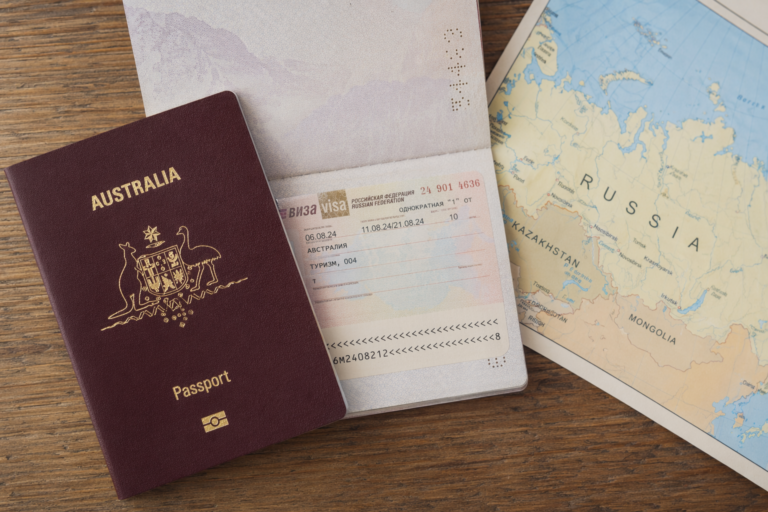
Australians need to get a russian visa before they can go to the russian federation.
-
Your visa application has to be right for why you want to visit, like getting a tourist visa, business visa, or transit visa.
-
You cannot get an entry visa when you arrive, so be sure to apply before you leave.
-
Foreign nationals living in Australia can also put in a visa application using the right ways.
-
Processing might take some time, and security checks could make you wait longer.
-
Always look at your visa dates closely, because the russian federation has strict rules for coming in and leaving.
Introduction
Thinking of heading to Russia from Australia? You will need a russian visa before you leave. It is important you get the timing right, because the period of validity is firm and any mistakes may mess up your plans. You also have to use the right way to apply, which could be at an authorised visa centre, the russian embassy, or by using the consular process. This guide gives you a simple starting point, so you know what you need and what to look at first.
Overview of Russian Visa Requirements for Australians
If you are from Australia and you want to visit the russian federation, you will need to make a visa application before you go. You can see that people need to get their russian visa sorted before they travel. You can’t just do it at the airport or when you get to the border. This is the same for foreign nationals who apply from Australia.
Things can change now and then, so it’s a good idea to look for updates from the foreign affairs office, the ministry of foreign affairs, or the russian visa office before you start booking your trip. People from the U.S. also have to get their visa for the russian federation ahead of time. You are better off planning early to save time and trouble.
Entry and Visa Policy Updates
Rules to enter the russian federation are very strict. The information from russian authorities makes one thing clear. You need to get an entry visa before you go. If you do not have a visa when you arrive, you may not be let in. You could also be sent back to where you came from, and this will be at your own cost. This is why you should make your visa application early.
The ministry of foreign affairs or other russian authorities can change rules or steps at any time. This could be about the visa process, security checks, or what travel documents are accepted. Because of this, always check the most up-to-date advice given by official sites before you give in your papers. Do not just trust old posts or talk you see on social media.
If you are from the united states and want to go to the russian federation, you do need a visa. Your visa will say how long you are allowed to stay, and your permitted period of stay is set on those visa dates. It is not easy to change those dates unless you have a big emergency.
Visa-Exempt Countries and Exceptions
Visa rules in the russian federation are not the same for everyone. This guide is made for Australians, but there are some visa-exempt countries and some exceptions that may be different because of other agreements in the russian federation. Things can change often, so foreign nationals should always check what the rules are right now before they plan a trip.
You should not think that rules for the european union, the commonwealth of independent states, or the united arab emirates will also apply to Australians. Your permitted period of stay, which border crossings you can use, and what papers you need might not be the same every time.
-
Australians should plan to need a visa before they go.
-
U.S. citizens are listed in the information as needing a visa as well.
-
Sometimes, rules for visa-exempt countries can change quickly and with little warning.
-
At border crossings, immigration might check your date very closely to be sure it matches your visa.
-
Foreign nationals who are in Australia now should check directly with Russian processing authorities about current exceptions.
You should always check the latest rules for your trip to the russian federation to make sure you avoid any problems.
Main Types of Russian Visas for Australians
Choosing the right type of visa is a key part of your application. The russian visa you get must match what you plan to do in Russia. If what you say you will do does not line up with your visa, you can have trouble when you leave or when you land.
There are a few main options when you look for a russian visa. These are the tourist visa, business visa, transit visa, private visa, and student visa. In the next part, you will find out how the tourist, business, and transit visa choices usually work if you are from Australia and applying in Australia.
Tourist Visa
A tourist visa is for when you travel for fun or sightseeing. You need to know that the dates on this visa are very important. In most cases, a tourist visa is only given for the same days listed in your invitation letter from the person or group inviting you. So, your travel dates and period of validity must match what is on your documents.
When you fill out your visa application form, take care to check every bit of information before you send it in. If your visa has mistakes, you might not be allowed to travel until it’s fixed. You can’t rely on fixing problems at the airport or your point of embarkation.
-
Complete the application form carefully. Make sure your travel dates are correct.
-
Add your invitation letter or other tourist papers if you need to.
-
Look at the validity period on the tourist visa before you leave.
-
Remember, there will be a consular fee and sometimes extra charges during your visa application.
-
Always go through the official route. Don’t assume a russian embassy will fix your visa issues later.
Business Visa
If you plan to go to Russia for meetings or other work reasons, getting a business visa could be the right choice. What you need for your visa depends on the trip, but it’s clear your visa must match what you will do in Russia.
Most people who travel for work need visa support, and this is usually an invitation letter from the right person or group in Russia. How long you stay, the number of entries you need, and if the russian authorities want more information can also change the process. If you go to Russia without your visa, you may need to pay for your trip home out of your own expense.
-
A full application that shows you are travelling for work
-
An invitation letter or some form of business visa support
-
Your passport details and the number of entries you want
-
Proof you have paid the consular fee through the russian consulate process
Transit Visa
A transit visa is used when Russia is not the last place you are going to, but you still need the okay to pass through. It sits with other types of visa like tourist, business, private, and student options. For Australians, it is important that the visa matches the trip you will make.
Like other visas, you need to fill the application form the right way. The validity period and the period of stay written on your visa matter a lot. People at border crossings can be strict about these times. If the dates are not right, you could get stuck and your trip may get held up.
If a traveller stays longer than allowed or has trouble with paperwork when leaving, there could be an exit visa process. The information says that it can take up to 20 calendar days to get exit permission in some cases. So, set up your russian transit visa carefully to avoid these holds.
Applying for a Russian Visa from Australia
Yes, australian citizens can apply for a russian visa while they are in australia. You can set up an appointment to bring your visa application in person or send it by mail. Just make sure you send it to the official visa centre that works with the consulate general of russia in sydney.
This gives you an easy way nearby to start your visa application. Make sure to fill in the right application form and get the support papers the russian authorities need. They will look at all your papers and give the OK. It’s important to know this step can’t be done by a travel agent or normal booking service. Only the russian authorities and consular staff can make a choice about your visa.
Step-by-Step Application Process
The process starts with choosing the correct visa class and preparing your documents. Australians can lodge through the authorised centre in Australia, either by post or in person by prior appointment. The supplied information also notes that applications may be lodged up to six months before departure, which is helpful if you want more time.
Next, complete the visa application form carefully and gather supporting items such as an invitation letter where needed. Fees apply, including the consular fee, and those charges are non-refundable. Processing can vary, so it is wise not to book flights until the visa is approved and your passport is returned.
|
Step |
What you do |
|---|---|
|
1 |
Choose the correct visa type for your trip |
|
2 |
Complete the application form or visa application form accurately |
|
3 |
Add supporting documents, including an invitation letter if required |
|
4 |
Lodge by post or attend in person by prior appointment |
|
5 |
Pay the consular fee and any service charges |
|
6 |
Check the issued visa dates and period of validity before travel |
Required Documents and Eligibility
The list of documents you need can change based on the visa you want. But the main points are clear from what is given here. You have to fill out an application form the right way, have a passport, and include papers that show why you want to travel. If you want a business visa, you must have an invitation letter or a paper from your work to help your case.
Foreign nationals who live in Australia can use the lodgement service that is there, but they still have to go through the same checks as everyone else. Remember that the people who work in immigration and at passport control will look at all your documents and check that everything lines up with the visa. So, it’s important that your details match.
You should get these things ready:
-
A finished application form
-
A valid passport so the visa can go in it
-
An invitation letter if that visa type needs one
-
Payment for the correct fees
-
Be sure to handle all sensitive information with care in what you give them
-
Proof to show that you need the visa type you are asking for
E-Visa Options for Australians
An electronic visa could be an option in some cases, but the information here does not give you a full list about who can get it, or the online rules for Australians. So, you need to check the latest news about it with the russian foreign ministry or the russian ministry of foreign affairs.
What you need to remember is this: if you get an electronic visa for your trip, you still have to stick to the permitted period of stay and any entry rules set out. Do not think it is the same as a normal paper visa.
How to Apply for a Russian E-Visa Online
The process for getting an electronic visa needs to be checked against the latest rules from the right people, as the material here does not list out every online step. Even so, there is a basic way to follow. First, you should make sure you can get the electronic visa. After that, always use the digital directions from the official site and don’t trust shortcuts from others.
Before you hand in anything, you need to check your reason for travel and both your entry and exit dates, as these have to fit within the permitted period of stay. If you find that you can apply online, you must fill out your visa application form with care. Go over the details on the form again before you send it. Make sure you look into all fees, like if there is a consular fee or another cost that might come up, and do this ahead of time.
A good checklist looks like this:
-
Confirm that an electronic visa is now ready for your nationality and the trip you want to take
-
Go through the official path using the russian ministry of foreign affairs
-
Fill out your visa application form and make sure travel and passport details match
-
Check if there is a consular fee, or any service cost, beforehand
-
Take another look at the permitted period of stay before you go
These steps help make sure your visa application process with the ministry of foreign affairs goes smoothly and fits the rules for your period of stay.
E-Visa Validity and Restrictions
If you use an electronic visa, you need to remember the rules are the same as any other valid visa. The dates and conditions matter a lot. The period of validity shows the time when you can go into the russian federation and when you have to leave. The russian authorities can be strict about this and will check.
That is why you should look over all your visa details as soon as you get them. If any details, dates, your name, or the reason for your visit are wrong, you need to fix it before you set off. You can’t count on the russian authorities to fix mistakes when you get there.
You should keep in mind that your visa permission goes with both the territory of the russian federation and the rules that let you get the visa in the first place. If your electronic visa has any rules about routes or timing, stick to the permitted period of stay exactly. Not following the period of stay can make leaving harder for you.
Practical Tips for the Russian Visa Application
A careful approach can help you save time and make you feel less stressed. Start your visa application as soon as you can. Check every name and date in your form before moving on. Keep copies of your key documents before you send your passport away. The consular fee and other fees are not given back to you, so it’s important to get things right from the start.
It is best to keep your sensitive information safe. Always use official or authorised channels for your visa. When you get to passport control, officers will look at the documents in front of them, not what you say. Before you lock in your plans, look at the current travel advice from the Australian Government.
Processing Times and Fees
Processing times for your visa application change based on the type of visa you need and what checks must be done on your case. Most of the time, regular processing will be about 12 working days. If you use express processing, it could be about 6 working days, but this is not always offered. The Consulate General of Russia has the right to look over a visa application for up to 20 working days.
If security checks are needed, your visa application can be delayed. The usual time for this is around 20 calendar days, but sometimes it can take even longer. So, try to apply early and do not book your flights until your visa is approved.
Keep these things in mind:
-
Ordinary processing is often around 12 working days
-
Express processing may be around 6 working days when available
-
Security checks may add about 20 calendar days or more in some cases
-
The consular fee is different for each visa type, nationality, number of entries, length of stay and how fast you need it
-
Any fees you pay to the russian embassy or through the consular process are normally non-refundable
Checking Your Application Status
Once you have sent your visa application, the best way to check your progress is with the authorised visa centre or the channel you used for your visa. They say you can ask about your visa by email. They also keep you updated while the process goes on. This is often the first thing people do.
If there is a delay with your case, it could mean they are looking at it more closely, or doing some checks. In this case, looking back at your visa application form details can help. You can see if there were any mistakes that might have led them to ask more questions. Even small errors can make things take longer.
If you want to know about bigger visa rules or problems, you should check the official sites from the russian foreign ministry, the russian embassy, or the local authorities connected to your application. Always use real contact details. Do not give your personal information on websites that are not clearly trusted.
Conclusion
Getting a visa for Russia might look hard at first, but with the right steps, it can be easy. When you know about the types of visas and how to apply for them, things get simple. Also, keeping up with any updates will help you make the best choices. You should have all your documents ready and watch the processing times. This will help you stay away from any last-minute problems.
If you are travelling for fun or going for work, being ready will help you enjoy your time there. If you still have questions or need help with your visa, just ask. Safe travels and good luck with your visa adventure!
Frequently Asked Questions
Can Australians get a Russian visa while in Australia?
Yes. People from Australia can send in a visa application for the Russian visa while they are in Australia. They need to do this through the right Russian visa centre, which is part of the Consulate General of the russian federation in Sydney. Foreign nationals who live in Australia can also use this visa application service for the russian federation. But, they have to meet their own rules and give the needed documents.
Is there any new visa policy for Australians travelling to Russia?
Policy settings can change, so it’s best to check the latest visa updates before you go. The safest way is to confirm the current rules with the ministry of foreign affairs, the right russian authorities, or the authorised application spot. Don’t go off old advice, especially if foreign nationals are putting in from Australia.
What safety advice should Australians know when applying for a Russian visa?
You should use only official services or those that are authorised for your visa application. You have to look after your sensitive information at every step. Make sure you keep up to date with the latest travel advice from the Australian Government. It’s a good idea to keep copies of your documents and check that your visa matches your trip. If you are a foreign national, you should check what the Russian government or local authorities say, as their advice can change.