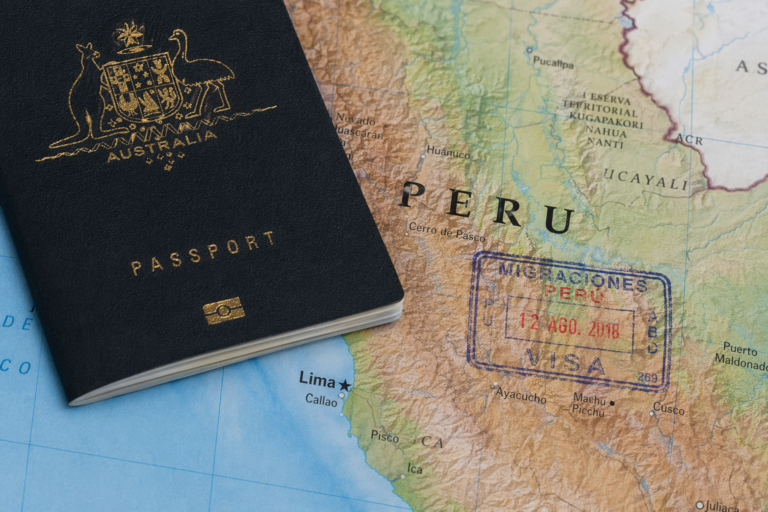
Key Highlights
-
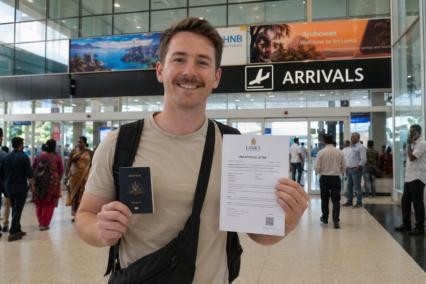
If you have an Australian passport, you usually do not need a visa for short stays in Peru of up to 90 days.
-
If you do need a Peruvian visa, you have to use a digital application form and add the right papers for your tourist visa application in Sydney.
-
Some of the key entry requirements are a valid passport, proof that you will leave Peru, and proof of sufficient funds.
-
The Peruvian Consulate in Sydney says you will need to pay AUD 51 for a tourist visa, and the process takes about 3 weeks.
-
You can apply for a business visa, a tourist visa, or a transit visa through the current visa application options.
-
Visa rules can change, so before you go, check the Peruvian Consulate or the Embassy of Peru.
Introduction
Are you planning a trip to Peru from Australia? It’s good to sort out your visa application before booking everything for your holiday. The good news is, many Australians may not need a tourist visa for short trips. But you should not ignore the entry rules. You still need to have the right paperwork. Airlines and border officers will check, so it matters.
This guide shares what the Peruvian Consulate shows right now. That way, you can travel with more confidence and not get hit with last-minute surprises.
Understanding Peruvian Visas for Australians
If you are one of the many Australian passport holders getting ready to fly to South America, it’s good to know about each Peruvian visa option before you go. Understanding your choices with your visa application can help you save time and avoid stress. Peru takes your reason for the visit seriously, so you have to make sure that your visa application matches what you really plan to do while you are there.
This means you should check the entry requirements early, not just right before your flight. Some people can go as tourists with no visa, but others will need approval through the Peruvian Consulate. The details below explain the basics for each option in a way that is easy to follow.
Importance of Visa Awareness for Australian Travellers
Visa requirements matter for everyone. They are more than just simple paperwork. They can shape how your whole trip will go, from the time you check in for your flight to when you go through immigration. If your travel plans do not fit with the permission or documents given to you, Peruvian authorities may delay you or ask questions. This is why it is important to know your legal status before you leave. It is always good to check early.
If you are Australian, what you need to know first is if you must get a visa or if there are days when you are free from this. Right now, Australian citizens do not need a visa for short tourist trips, as long as the trip is not more than 90 days. But, this does not mean you can get in right away. Airlines may still want to check your papers before you get on the plane.
If you are not sure about the visa requirements, reach out to the Embassy of Peru or the Peruvian Consulate in Australia. A quick call or message can help you keep your legal status clear. It may save you from small mistakes that can turn a fun holiday into a hard time.
Overview of Entry Rules for Peru
Peru’s entry requirements are about who you are, why you want to visit, and how long you will stay. If you hold an Australian passport and are going as a tourist, you do not need a visa for up to 90 days. But the Peruvian government and airline staff might still ask you for proof about your trip at the date of entry.
You need to have some basics with you:
-
a passport that is good for at least six months when you arrive
-
proof that you will be leaving Peru or returning after your trip
-
proof of sufficient funds and what you will do on your trip
There are other visa types too if you are not a tourist. You can have tourist, business, or transit visa types. If you are going for another reason or a longer time, you should check with the official Peruvian government channels before you travel.
Changes in Visa Policies and Recent Updates
Visa categories can change at any time, so old travel tips may not be right now. A page you looked at some time ago might not have the latest visa application process. The steps you need to follow, what papers to bring, and where to apply can all change.
At the moment, the Peruvian Consulate in Sydney has clear rules for a tourist visa. It tells you how to email your documents in one PDF file and says when to send your passport after you are pre-approved. This helps, but it also shows you should always have up-to-date facts and not just go with what you have seen before.
If you want to find what types of visas are open for Peru travel, right now you can see tourist, business, and transit options. For the most up-to-date news on other visa categories, check with the Peruvian Consulate or Embassy of Peru before you book tickets. This way, you know you’re getting the right rules for your visa application process.
Who Needs a Visa to Enter Peru?
This is often the first thing people in Australia want to know, and it makes sense. Visa requirements change based on your country, why you want to travel, and if you plan a short stay or staying longer. A peruvian visa is not the same for every foreign national.
For Australians, things are good at the moment when it comes to tourism. But, passport holders need to know that not every trip, airline, or travel document is covered by an exemption. The next sections show where Australian travellers stand, and when special situations may change your entry.
Visa Requirements for Australian Passport Holders
Australian passport holders do not need a visa application for tourist visits to Peru for up to 90 days. This is the rule for most people going for a holiday. So, if you are planning short stays just to see sights, you do not need to get a tourist visa before you fly.
But, even with this, you still need to go through entry checks. You must have a passport that will be valid for at least six months. You should have proof of onward or return travel, proof of sufficient funds, and papers that show why you are visiting. The airline can ask you for these before you get on your flight.
If you need a Peruvian tourist visa because your case is different, the Sydney consulate will ask for a digital form, some records to prove your details, and later they will need your real passport if you are pre-approved. So, it is best to check what your case is early.
Countries Exempt From Peruvian Visa Requirements
Visa requirements for Peru can change based on your country of origin. The details here state that Australian citizens do not need a visa for tourist visits up to 90 days. It also says Peru makes decisions based on your passport and the reason you travel. It is not decided by booking websites or guesswork.
The information you see does not name all the countries that are exempt. So if you are from the United Kingdom or the United States, you still need to check your own visa requirements. Do this with official sources like the Peruvian consulate. This is especially true for special passport holders, as their rules can be different.
It is good to double-check if:
-
you do not have an Australian passport
-
you have more than one passport
-
you are using an official or special passport
In the end, a visa exemption only fits some people, not all. Make sure to ask the Peruvian consulate or the Embassy before you travel. This is very important if your passport details are not simple.
Special Entry Circumstances (Dual Citizens & Permanent Residents)
Some people have more to think about than a normal holiday booking. This can be those who are dual citizens, live in another country, or hold one passport but have a different legal status. If you fit into one of these groups, you need to be extra careful before you leave Australia. When you go to Peru, what they decide will be based on the passport you use at the border and why you are there.
If you are one of these passport holders, don’t use advice that is just for standard tourist cases. If you don’t need a visa with one passport, you might still get different rules if you have a different passport. The same goes if you have a residence visa or a long-term stay reason. That may not be covered by the normal advice.
The best thing you can do is check with the Peruvian authorities first. Ask the Sydney consulate or another official office. They can tell you which passport or document to show, and which travel plans match your legal status.
Different Types of Peru Visas Available
When people ask about a Peru visa, most of them are talking about tourism. But in fact, there are a few visa categories for different reasons to travel. The information shows that the tourist, business, and transit visas are the main ways to visit for a short time.
The tourist route for a peruvian visa is just for seeing the sights or a quick trip. It is not good if you want to move to Peru, stay for a long time, or do paid work. If you want more than a holiday or quick visit, you will need to look past a standard Peru visa for tourism. Here is how the main visa categories are seen today from what is available.
Short-Stay Visas – Tourist, Business & Transit
For short stays, you can get a tourist visa, business visa, or transit visa. These are the main types of visas for travel to Peru. Each one is for a different reason to visit the country. So, your visa application should match what you plan to do there.
The tourist visa is for people who want to visit for fun or a short holiday. You use it when you are not staying long. There are also business and transit visas you can choose during the application process. If you need a business visa, you should apply for it before you get to Peru. If you just need to pass through Peru, you have to go through the consulate for a transit visa.
To put it simply:
-
tourist visa: for short visits for a holiday or something like that
-
business visa: for work travel that is approved
-
transit visa: for just passing through to another country
Before you start your application process, be sure you know which one is right for your trip. Also, check if you even need one because you may already be visa exempt.
Long-Term and Residence Visa Options
Not every traveller goes to Peru just for a short trip. Some people may be thinking about a residence visa, or they may want another long-term type of visa for family reasons, work, or because they want to move there. The important thing is that a tourist visa does not let you move, live there forever, or take a paid job.
So, you should not try to get in with a tourist visa if you really want to stay longer or settle in Peru. If you do that, you may end up with problems for your visa, and it might slow down the right way to get permission. It is much better to get the right visa before you go.
The gathered information does not go into a lot of details about all the rules for living in Peru. The safest thing to do is talk with the Peruvian government. You can do this by reaching out to the Ministry of Foreign Affairs or a Peruvian Consulate. They will be able to tell you all about current types of visas for long-term stays and which one fits you.
Special Category Visas (Volunteering, Student, Journalist)
Some trips don’t always fall into the usual categories of tourism or business travel. You may be going for volunteering, study, media work, or something else that needs a special type of visa. In these cases, you can’t just assume that a tourist visa will do the job.
The info we have right now does not list what documents you need for a student visa or a journalist visa. But, it does say that a tourist visa is for simple reasons only. It won’t cover things like paid work or moving to live in Peru. So, it’s a good idea to ask questions early so you know what you need.
You should get in touch with the Peruvian Consulate if you want to:
-
do volunteering or formal study
-
do reporting, filming or any type of professional media work
A quick check with them can help you make sure you use the right visa category for your plans. This way, you can avoid problems later on.
The Peruvian Tourist Visa Explained
For many Australians, the tourist visa is about having a holiday, going to Machu Picchu, and walking the Inca Trail. The main rule is easy to follow. If you are going as a real visitor and your trip is not for a long time, you may not need a visa for your short stay. If you do not meet this, you might need a peruvian visa for tourism.
No matter what, you will need to have a valid passport and the right travel records. This tourist permission is only for travel, not for work or moving there. In the next parts, we will talk about how long you can stay, what you can do, and if you can stay longer.
Maximum Stay Periods for Australian Tourists
Australian tourists generally have a clear answer on stay limits. Current travel information says Australian citizens are visa exempt for a stay of up to 90 days in Peru for tourism. That gives many travellers enough time for major tourist destinations without needing a formal visa first.
Still, the final decision sits with the Peruvian authority handling your entry. A valid visa or visa exemption does not guarantee admission, and travellers should carry all supporting records. Your length of stay should also match the purpose of your trip.
|
Travel status |
Number of days / condition |
|---|---|
|
Australian tourist, visa exempt |
Up to 90 days |
|
Passport validity |
At least 6 months on entry |
|
Entry decision |
Subject to approval by Peruvian authority |
If you want to stay beyond that period, check official options before assuming an extension will be available.
Permitted Activities on a Tourist Visa
A Peruvian tourist visa is for people who want to visit for holidays or other simple reasons. In everyday life, this means it’s for sightseeing and travelling to popular tourist areas. This visa is for short stays only. You can’t use it to try and change where you live or your status in Peru.
It’s also important to know what you can’t do with this visa. The Peruvian Consulate is clear. You can’t move to Peru, stay as a resident, or do paid work with a tourist visa. So, even if you start your trip just for fun, don’t use this visa for anything it does not allow.
Common things you can do with this visa are:
-
travel for holidays, sightseeing, and other personal use
-
stay for a short time with hotel bookings, go on tours, or visit with a private invitation
If you want to do more than this, you should talk to the Peruvian Consulate and find out if there is a better visa for your plans.
Extending Your Tourist Stay in Peru
Many people ask if they can stay longer in Peru once they get there. With the information here, there isn’t a clear process given for a tourist visa extension in Peru. This means you shouldn’t think getting more time will be easy or always there when you ask.
If you know your plans might change, it’s better to find out before you travel, or just after you arrive, by talking to the official migration authority. Looking online or in travel groups isn’t enough when you need the right way to stay longer in the country. It’s best to get advice for your travel dates and your own case.
To get the latest help, reach out to the Peruvian government using the official ways, like the Superintendencia Nacional de Migraciones or the Peruvian Consulate. They will let you know if you can get an extension, change, or if another application process will work for you.
Business and Work Visas for Australians
Not every trip that Australians take to Peru is for a holiday. Some people go there for things like meetings, business talks, or other work visits. Right now, you need to know that a business visa is there for you, and you must get it before you arrive if you need one.
A work visa is something else. This is important, especially if you will be paid or take a job there. The tourist visa does not let you get paid for work. If you are talking with a Peruvian company or looking at a job, you should check with the right office to know which visa you need. The next sections will go over the basics and what you should get ready for your journey.
Who Qualifies for a Peruvian Business Visa?
A business visa is meant for people who are heading to Peru for work reasons, not for a holiday. The details given don’t show a full guide to check if you qualify. But it does say that business is its own visa group, and that you need to apply for this visa before you get there.
This is a simple rule to follow. If you are going there for business trips, work plans, or to meet with a Peruvian company, you should not use a tourist visa. Your legal status must fit with what you plan to do in Peru.
People from other countries need to pay extra attention if they will have meetings, work talks, or do any kind of business there. Since this list does not show all the business visa requirements, the best thing to do is to get in touch with the Embassy or Consulate. They will tell you if you need to get approval before you travel for your business.
Essentials for a Work Visa Application
A work visa is different from a tourist visa. The main thing you need to know is that a tourist visa can’t be used for paid work. If you plan to go to Peru and want to work, even just for a short stay, you should not enter as a tourist.
This information doesn’t give a full checklist for a work visa, but it does tell you where you can get up-to-date details. If you need a job, speak with the Peruvian Consulate before you go. It is better to have things sorted in advance rather than trying to sort it out after you are there.
At the very least, you can expect to deal with:
-
an application form or a visa application form
-
required documents from the Peruvian consulate
-
instructions from the Ministry of Foreign Affairs
If you want to work, start the process early. Get in touch with the consulate, explain your job and who you are working for, and ask them what paperwork they need.
Typical Duration and Conditions of Stay
The details here say how long Australian tourists can stay, but there is no set length of stay for a work visa or business visa. You should not use the tourist timeframe if you are travelling for work of any kind. The rules change for each type of visa.
If you are going for business, some people need to apply before they arrive in the country. For a tourist visa from the Sydney consulate, it takes about 3 weeks to process. This is helpful if you need to count business days before you go. But just know, the processing time is not the same as how long you are allowed to stay.
You can see the application fee for a tourist visa, but you can’t find it for work visa or business visa in these details. To find out about how long you can stay, the rules, and the costs for these kinds of visas, it’s best to ask the Peruvian Consulate before you pay for any travel that you can’t get back.
Temporary and Long-Term Residency Options
Some Australians go overseas for more than just a short holiday. If you want to stay for a long time, become a permanent resident, or get a resident visa, you have to follow a very different process. The tourist path is not made for this kind of move.
Most of the info out there is mainly about short trips. So, it’s best to treat any plan to stay longer as something separate. The points below show what can be shared from the current info and where a foreign national should ask for proper advice.
Resident Visas: Family, Retirement, Investment Routes
A resident visa is not the same as a tourist visa. They have different reasons and legal rules. The information shows that if you get a tourist visa, you can’t stay in Peru to live for good. So, if you plan to move with your family, retire, or invest money in Peru, you should not go with the tourism way.
The material doesn’t give details about how to get a retirement visa, investment visa, or family visa. Because of that, it’s best not to guess. Each of these visas probably has its own rules and will need you to talk with the Peruvian government directly.
If this fits your situation, you will need to find clear advice about:
-
which resident visa type suits your plans
-
what papers and when the Peruvian government needs you to give them
It is very important to do this before you buy a house, bring family, or start any plans to stay in Peru for a long time.
Requirements and Paperwork for Residency
Residency cases usually need more paperwork than short trips for holidays. This set of details doesn’t give you everything for a full residency file, but it does show you the bigger idea: things like official forms, identity papers, and extra proof are important. That helps give you a place to start.
You should be ready for visa requirements to be harder than those for a simple holiday stay. A valid passport is one thing you must have for all options. For some types, you might need more records when you go through the application process.
Examples of paperwork that they may ask for include:
-
a valid passport
-
civil records, for example, a birth certificate
-
extra documents based on the category
Since this article only uses the details given here, it’s better to get in touch with the consulate for the full list of paperwork for residency, not just trust basic checklists you find online.
Steps for Renewing or Upgrading Your Visa
If things change for you, you might need to renew your visa or find a way to change your visa status. The details here don’t give a full process for renewal. But they do make it clear that your legal status must always match what you are doing in Peru.
This means that if you first come in as a tourist, you can’t keep that visa if you now want to work, live in Peru, or stay longer for any other reason. When you change your plans, the best move is to talk to someone official. Don’t think you can sort everything out on your own.
The next good step is to:
-
get the right application form
-
have all your current visa papers and ID ready
After that, get in touch with the Peruvian Consulate or the migration authority to learn about the correct process. This is the surest way to keep your legal status safe and avoid trouble with staying under the wrong visa.
The Visa Application Process for Australians
If you need a visa, the visa application process is clear and follows steps. The Peruvian Consulate in Sydney gives out the tourist application form, a list of documents you need, how to send your papers by email, and details about the application fee. This helps Australians start the visa application on the right track.
Still, each visa application is looked at one by one, and there is no promise it will be approved. You might need to send in extra papers if they ask. The next parts tell you how to apply, whether you can do it online or in person, and how to check in with the Embassy of Peru or the same peruvian consulate about your visa application.
Applying Through the Peruvian Consulate in Australia
For Australians who need a tourist visa, the Peruvian consulate in Sydney is where you go for info. You start the application process by filling out the official tourist visa application form DGC-005. You need to do this form online. Don’t print it and fill it out by hand.
Next, you send all the digital documents for the tourist visa to the Peruvian consulate in one PDF file by email. The consulate will look at your case. If they say yes, you will then have to bring in or post your real passport. After that, you also make payment through EFT to the bank they tell you.
This step-by-step application process is important. You should not send all your documents or the passport in hard copy at the start. If you are not sure about anything in these steps, you can ask the Peruvian consulate or the embassy of Peru before you send in the application form.
Submitting Your Application Online or In-Person
The visa application process for a tourist visa starts online. You need to email your completed application form with any needed documents. Put them all in one PDF file. This is the first step. It helps the consulate look at your case before they ask for your passport.
If they say yes to your case, you go to the next step. You will get an instruction to bring or post your passport to the consulate in Sydney. You will also need to arrange payment. So, this visa application process is done partly online and then partly in person or by post. It depends on what the consulate wants.
The steps you follow are:
-
email the digital file first
-
send the physical passport only after you get pre-approval
Peruvian authorities might ask you for more documents. Because of this, make sure your file is complete and organised before you send it. This will make your tourist visa application process go more smoothly.
How to Track the Status of Your Application
Many travellers want to know how long a visa for Peru will take and how they can check progress. The info shows that a tourist visa from the Sydney consulate takes about three weeks. This is a good timeline to go by, but each visa application is checked one by one.
There is not a special tracking portal given in the details on how to follow your visa application. The steps are with email, not a portal. You send your documents to the Peruvian consulate. Then, you wait for them to look at your file. After they check it, they email to say if it’s pre-approved or if you must send other documents.
The best way to keep track of your application form is to check the email account you gave when you filled out the visa application form. If your travel time is close, contact the Embassy of Peru or the Peruvian consulate. Ask them for new info about your application, using the date you sent it in.
This process applies to everyone who has to use the visa application for a tourist visa.
Required Documents for Peruvian Visa Applications
Getting your papers sorted out is a big part of any visa application. The way people in Sydney do the application process now, makes it easy to see what records you need. This means Australians can get ready and not have to guess much. If you miss any papers, it can slow things down or they might ask for more.
A valid passport is at the heart of what you need for the file, but that’s just one part. You might also have to show your trip bookings, money proof, and where you will stay. The next parts will show these important things in a simple and clear way.
Valid Passport and Personal Details
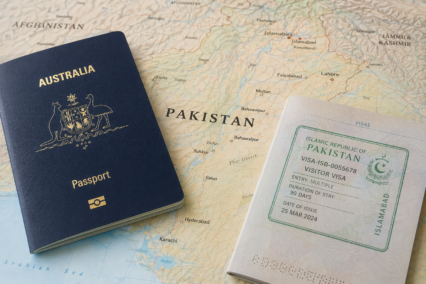
A valid passport is the starting point for any Peru visa application. The Sydney consulate says your passport needs to be good for at least 6 months. Travel advice for people who do not need a visa also says Australians must have a passport that’s good for at least six months when they arrive, with two blank pages for visas.
Make sure your personal information is the same on every record you give. This means your passport details, flight booking, accommodation, and the visa form all need to match. If the names or dates do not line up, the consulate will check your file and it might hold things up.
For passport holders, this is not just a small rule. Having clear identity papers helps show your legal status and makes your Peru visa application move along well. Before you put anything in, check again that your personal information and travel details are the same on all your documents.
Invitation Letters and Proof of Accommodation
Where you stay plays an important role in your Peru visa file. If you apply for a tourist visa, the Sydney consulate will take hotel bookings, tour bookings, or an invitation letter from a Peruvian citizen. The letter must be legalised by the Ministry of Foreign Affairs of Peru. This means you have more than one way to show where you plan to stay.
Giving this information helps make your travel plans clear. It shows you want to visit for a short time. It also proves the reason for your trip, which is important when they look at your visa request. If you want to stay with someone, make sure the invitation letter is made legal by foreign affairs.
You may give these types of proof:
-
hotel booking
-
tour booking
-
invitation letter from a Peruvian citizen, legalised by the Ministry of Foreign Affairs of Peru
If you want a business visa or any other type, you should ask the consulate if they want a different kind of proof for where you’ll be.
Evidence of Sufficient Funds and Travel Plans
Financial proof is an important part of the tourist visa application. The Sydney consulate asks you to show that you have enough money for your travel to Peru. You need to give them a bank statement with your name on it. The latest advice for travellers also says you should have proof of sufficient funds with you when you enter the country.
Your travel plans need to be clear too. You have to give a round-trip ticket to Peru. It can be a normal ticket, an electronic ticket, or a flight reservation. There is also a good tip to book a refundable airfare if you can. This can help you get your money back if your plans need to change.
These things together tell the Peruvian government that your visit to Peru is just for a short time, your plans are well set, and you have the money to support your stay. Before you finish your visa application, look over your bank statement and flight details. Make sure they are new, easy to read, and that the dates match on your visa form.
Fees, Processing Times and Other Costs
Before you apply, it’s a good idea to check the costs and timing first. The Peruvian Consulate in Sydney gives you info like the tourist application fee and how long the process will take. This helps people from Australia pick the best time to send in their forms.
Remember, not every type of visa is listed in those prices. Business or other types can have another fee, or might need more steps. The next parts talk about what the tourist visa costs right now, the normal timing, and what things might change how fast or costly things are.
Up-to-Date Peruvian Visa Fees for Australians
If you are asking what is the cost of a Peruvian visa, the clearest figure in the supplied material is for the tourist category. The Sydney consulate lists the tourist visa application fee as AUD 51. Payment is made after pre-approval, using EFT to the consulate’s bank account.
The compiled information does not provide a confirmed fee for all types of visas. So while tourist costs are clear, travellers seeking business or other permissions should contact the embassy or consulate for the latest figures before lodging anything.
|
Type of visa |
Listed fee |
|---|---|
|
Tourist visa |
AUD 51 |
|
Business visa |
Confirm with Embassy of Peru / consulate |
|
Other visa types |
Confirm with official office |
Since visa fees can change, always recheck the latest amount before making payment or posting your passport.
Usual Processing Times for Each Visa Type
Many travellers wait too long to start the visa application and then ask how much time it will take. If you’re applying for a tourist visa with the Sydney consulate, the best guide is three weeks. This time frame is what you will find in most of the information.
The advice from CIBT says the best time to put in for a Peru visa is one to two months before you want to go. This is helpful for better planning, not just counting business days. It also gives you some time if the Peruvian Consulate asks for extra papers.
If you need a visa for reasons other than tourism, there is no fixed time given. If you want a visa for business travel or another visa category, get in touch with the Peruvian Consulate early. Always ask them about the latest visa application processing times before you finish your application process.
Factors That Affect Cost and Approval Speed
Even when you can see a fee and a set time for the process, how fast you get help can be different for each person. The Sydney consulate says the peruvian government looks at each application one by one. Sending in your forms does not mean you will always get a visa for sure. At times, they might come back and ask you for more things to show what you said is right.
This means the way you put your file together can make a big difference in the application process. When you send a file that is clear, easily checked, and does not miss any pages, it is much better than one that is messy or has dates that do not match. The whole thing can slow down if you apply at short notice and need to fix mistakes when you are stressed.
Common things that change how fast it goes include:
-
if you sent all files the peruvian government needs in one PDF
-
if the consulate or Peruvian officials ask for more things
To keep away from hold-ups, make your file clean and simple, start your application early, and try to keep your travel plans easy to move if you have to.
Health and Safety Requirements at Entry
Health and safety checks matter when you travel, even if they are not part of your visa. The information here does not give you every rule for entering the country, but it does point out some key things you need to think about before you go. Make sure you check on things like your vaccinations, travel insurance, and how to get to medical facilities.
So, you need to get ready with more than your passport and flights. The rules can change, and some parts of Peru might have more health risks. The next sections show what the material tells us and where you should be careful.
Vaccinations and Health Checks for Entry to Peru
Many people ask if there are special entry requirements or health checks for Peru. Based on the information, there is not one set health check for all travellers. But it is still very important to review the latest health needs before you go from Australia.
There are a few main things to check early, including entry requirements like vaccinations and yellow fever. These can change based on where you plan to go in Peru. If you travel to remote areas and not just big tourist places, what you need may be different. Think about what support you would need if you get sick.
Before you leave, look at these things:
-
If any vaccinations, like yellow fever, are needed for your trip
-
If your travel insurance helps with treatment and getting help at medical facilities
Rules can change at any time. It’s a good idea to check the latest health advice from official travel and airline sites before you fly.
COVID-19 Rules and Current Health Protocols
COVID-19 rules change a lot, so it’s best not to rely on old travel advice. The info here doesn’t list what the current COVID-19 entry requirements are for Peru. So, be careful with any old screenshot or forum post you find.
The rules that come from airlines, border control, and Peruvian authorities can update quickly. Sometimes changes happen just before you leave. In these cases, the latest rule will be the one that counts, not the one you saw when you booked your ticket.
Before you travel, make sure you check the latest updates from official sources. Also, ask your airline what they need at check-in. This is the best way to avoid surprises at the airport about COVID-19 or any last-minute entry requirements from Peruvian authorities.
Tips for Handling Emergencies Abroad
Emergencies can turn a good trip into a tough time very fast. This is why planning is about more than just visas and flights. It is important to have travel insurance, especially if you might need treatment, time in hospital, or a medical evacuation from remote areas.
It is also good to know that everyday risks are still there, even when you are on holiday. Make sure you know and follow local law, keep all your documents safe, and always be ready to contact the right office if you need help. If there is trouble with safety or crime, do what local officials say.
You can make things easier by:
-
carrying your travel insurance details along with emergency contact numbers
-
knowing where the nearest medical facilities are
-
contacting Peruvian authorities right away if something serious happens
Being ready will not get rid of every risk, but it will help you manage things better if there is a problem.
Extending, Changing, or Overstaying Your Peruvian Visa
Travel plans can change. You might want a visa extension, or need some help if you want to change your status. Sometimes, you might nearly overstay by accident. These things can affect your legal situation in Peru. It is best to deal with them early and take care.
What you get here is some general information. It does not cover every local step for each case. But it does show where to find the official migration help. If you are in Peru, the Superintendencia Nacional de Migraciones is an important place to ask for advice. Go there before a small problem turns into something big.
How to Apply for a Visa Extension in Peru
If you are thinking, can I get more time for my tourist visa while staying in Peru, the info above does not show a full checklist or say that you will be allowed to stay longer for sure. This means you can’t just think your visa will be extended because your plans are now different.
It’s better to talk to the right migration office as soon as you can and ask what you can do in your situation. If you wait until the last minute, you might have less options. There could also be more stress if you need more records. This is a big thing if you are in Peru on a tourist visa.
A good way to start the application process is to get:
-
your passport and your entry records
-
documents that tell why you want or need extra time
After that, check how to apply with the real migration office. It is better to do this than get help from other people who are also tourists.
Consequences of Overstaying a Visa
Overstaying your visa is not something you should ignore. Australian tourists can stay in Peru for up to 90 days. If you stay longer without approval, it could change your legal status. It can also make travel harder in the future. You may have trouble with your next application process or with border officials.
The information gathered does not talk about exact penalties. The best advice is to know how long you are allowed to stay and act before it expires. Do not wait until the last day to ask for help. If you go past your time, your choices will be less and it will be more stressful.
If you think you might overstay, get in touch with Peruvian authorities or the migration office right away. Ask them about the right application process. It is always better to sort things out early, not after your stay has already finished.
Changing Your Immigration Status in Country
Sometimes you start a trip with tourism in mind, but plans can change. You might get a job offer, have to stay for family, or see a new kind of visa could fit you better. If that happens, you need to handle it the right way and talk to the people in charge, not just guess what to do.
The information given does not show you the whole process of changing your visa while you are in the country. But it is clear that a tourist visa does not let you live in Peru, stay as a permanent resident, or do paid work. So if your reason for being there changes, you should not keep using the same tourist visa.
Any foreign national thinking about changing their visa should talk to immigration officers or go to the right office of the Peruvian government as soon as possible. This is the best way to find out if you can change your status and learn what to do next.
Finding Official Information and Getting Support
When the rules change your passport, flights, and legal stay, the official info from the Peruvian government or the Embassy of Peru means more than travel talk. Websites, social posts, and old blogs can give you ideas, but don’t use them instead of their current advice.
If you need help with forms, papers, health checks, or time, the best thing is to get it straight from the source. The last part shows the best places to contact and tells Australians where to find useful help before or during a trip.
Official Government Sites and Contact Points
If you want to know where to get official info about visa policies for Peru, start with the sources listed in the material. The Consulado General del Perú en Sydney has a tourist visa page, details on how to apply, the contact email, phone numbers, and their office address. It’s one of the best government sites for people in Australia to use.
The material also shows you the Ministry of Foreign Affairs by its consular system, and tells you about migration authorities for anything you need to do once you’re in Peru. These are the places that most often show the latest rules, not old info from other websites.
Here are useful contact points:
-
the Peruvian consulate in Sydney for any questions about visas or documents
-
the official Peruvian authorities, like the ministry of foreign affairs and the migration office
If you have something important to ask, always use official details and check the newest rules with them.
Role of the Australian Embassy in Peru
The Australian Embassy in Peru helps Australian citizens understand entry requirements and apply for visas. If you want to go on business trips or visit places like Machu Picchu, the embassy gives you support about your travel plans. You can get information there on the types of visas for your stay. The embassy also gives tips about local laws and helps with things like proof of sufficient funds or travel insurance. It connects you with Peruvian authorities to make sure you have a valid passport and keep your legal status while in Peru.
Conclusion
Getting your visa sorted for Peru can be easy if you have the right info. You need to know about the different types of visas and which forms to fill, whether you are visiting for fun or work. It helps to talk to the Peruvian consulate. They can explain the entry requirements, so you know what you need. Make sure you have a valid passport and any proof of sufficient funds that they ask for. By following what is in this guide, your trip can be worry-free, whether you go to Machu Picchu or enjoy the tourist areas in Peru.
Frequently Asked Questions
How long can Australians stay in Peru without a visa?
Australians can be in Peru for up to 183 days in a year without a visa. Make sure your passport will work for at least six months past when you plan to leave. Follow the local rules while you are there.
What documents do I need for a Peruvian tourist visa?
Australians wanting a Peruvian tourist visa have to show a valid passport. You also need proof you will leave Peru soon, passport-sized photos taken lately, and proof you can pay for your time in Peru. Requirements can change for different people, so it’s good to check what you need for your own trip.
Can I work in Peru while on a tourist visa?
Working in Peru with a tourist visa is against the law. You can only do things for fun or travel. You need a work visa if you want a job. If you break this rule, you might be sent out or not be allowed back in later. Always follow the local laws.