Key Highlights
-
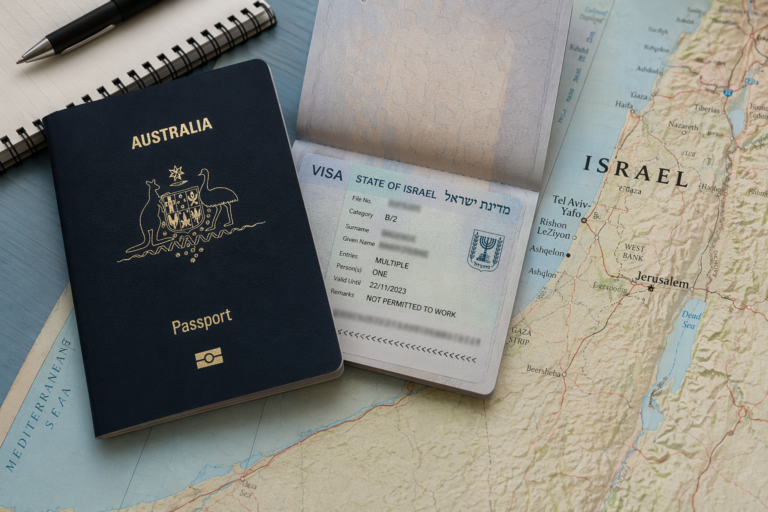
Most Australians do not need a visa for short trips to Israel, often when they travel for tourism purposes.
-
Israel has more than one visa type. This can include a tourist visa, work visa, business visa, and electronic visa.
-
The application process will change depending on why you want to visit and the entry requirements for that trip.
-
ETA-IL is an electronic travel authorization that is linked to your travel documents with checks done online.
-
The processing time is often quick for online approvals, but some complex cases can need more time.
-
If you want to work, study, or do other special things, you may still need an entry visa. This is even if you usually have a visa exemption.
Introduction
If you are thinking of going to Israel from Australia, it is good to know the basics before you lock in your plans. The Israeli government has different rules for people coming in, and it depends on why you are travelling there, how long you want to stay, and what travel documents you have. Some foreign nationals do not need a standard visa if they come for tourism purposes. Others need to get approval before they come. The rules can change when it comes to security, so it is best to check where things stand before you take off. This can help you avoid stress, save time, and not spend extra money.
Overview of Israeli Visas for Australians
Australians going to Israel will find a few ways to get the right visa. Some are for short visits if you want to be there as a tourist. There are some for business trips, too. If you need to work, you can try for a work visa. There is also an online system for some travellers who are able to use it. It is important to know your reason for travel before you choose what to do.
Israeli law says if you can come into the country depends on your nationality, what travel documents you have, and if you hold Israeli citizenship or something like it. These things affect how you are checked at the border. Before you make any plans, you need to see which visa type fits your needs. The next parts tell you why your details matter and help you work out the visa that is right for you.
Why Australians Need to Understand Israel’s Visa System
At first, Israel’s rules might look easy for Australians because the visa exemption is usually for short trips. But the entry requirements are not only about your country. Officers will also check why you want to visit, if your passport is still valid, and if your papers match your travel plans.
This is why the application process needs your attention, even when you think you do not need a visa. A quick tourist trip is not the same as travel for business activities, study, volunteer work, or employment purposes. If why you want to travel changes, your visa pathway could change as well.
Some people will also deal with complex cases. This can come up if you need additional documents, want to cross at a particular location, or if you travel when the country is under more alert. If you know how the system works before you travel, you will be less likely to run into delays, confusion, or entry denial when you get to Israel.
Common Purposes for Visiting Israel from Australia
Australians go to Israel for many different reasons, and this will shape the kind of approval you need. Some trips are easy with not much work to do, but others will need you to have paperwork sorted before you go. This is why it helps a lot to know your plans well before you start any application form.
Common reasons people travel include:
-
tourism purposes, like holidays, sightseeing, and visits to cultural or religious places
-
short business activities, such as meetings or business visits
-
study programmes that might mean you need a student visa
-
volunteer work or time spent in religious study
-
using Israel as a stop on the way to another place
Often, the same trip can include a few of these things, and this is where people get caught out. If you want to do more than just a standard holiday, you have to check if a visa exemption will cover you. You might need a student visa or some other entry visa even if you will not be staying long.
Types of Israeli Visas Available
Israel has a few ways to let people enter the country, based on why you want to go. If you’re from Australia, the main visa types are for a short stay, being a tourist, making business visits, volunteering or studying, and getting a work visa if you want to work there.
The State of Israel also has an electronic visa, called ETA-IL, for people who meet the rules. The different visa type options have their own rules, paperwork, and limits on what you can do in Israel. Next, we will talk about the most important visa types for Australian travellers, including ones for employment purposes.
Israeli Tourist Visa (B-2) Essentials
For lots of Australians, the main thing with a tourist visa is to know if you even need a formal visa before you go. Israel lets some people visit without a visa for short trips, but you will still need a tourist visa if you are not in that group, or if you need a special okay before you travel.
If you have to get a tourist visa, you will need to fill in an application form and gather some travel documents. There are things you will always need, like a passport that is good for at least six months, proof of your tickets, and details for where you will stay, like hotel bookings. A return ticket also helps, as it shows you plan to go home after your trip.
You have to remember this type of visa is for a visit and seeing places, not for work. If you want to earn money while in Israel, you can’t do it on a tourist visa. Make sure your travel documents match what you are really doing. This helps you avoid any hassle at the border.
Business Visas and Short-term Work Permits
A business visa is for people who are in Israel for business meetings, business activities, or short work events. This is not the same as a work permit. It’s important to know the difference because Israel is much more strict with employment purposes compared to ordinary business travel.
The facts show that when you apply for a business visa, you may need to give details about your host and your plans in Israel. Your cover letter should talk about your business, why you are making this trip, where you will go, and when you plan to enter and leave. Make sure all this matches with your other supporting papers.
Key points to remember:
-
a business visa will not let you do paid work
-
a work permit is needed for any employment purposes
-
wrong details about your trip could delay things or lead to refusal
If you are not sure if your visit is for business activities or real work, do not guess. Picking the wrong one can make problems with entry requirements and checks by immigration later on.
Student, Volunteer, and Religious Visas
Not every Australian visiting Israel is there for a holiday or meeting. Some people head to Israel to study, join a volunteer programme, or for religious learning. If you are going for one of these reasons, you might need a student visa or another special entry arrangement instead of getting in without a visa.
This is very important for yeshiva students and others who want to join organised study or faith-based groups. These types of trips usually mean you need to have temporary residence in place, not just come in as a simple visitor. Your papers must show the name of the place where you are going, how long you will stay, and what you will be doing.
You might be asked to provide:
-
an acceptance or invitation letter
-
information that says why you are there and how long you are staying
-
health insurance or other types of insurance coverage
-
additional documents for your programme
If you are on an organised placement, do not stick to tourist guidelines only. The right category helps you stay safe and shows you are following Israeli law.
Visa Exemption for Australians
Australians are usually one of the people who can get a visa exemption for short trips to the State of Israel. Under Israeli law, people from places that have visa exemption do not need a usual visa when they want to stay for a short time. Most of the time, this is for up to three months.
This may seem simple, but a visa exemption does not mean you get unlimited access. It is allowed only for certain short visits like tourism or some types of business trips. It is not for work. To really know who gets this visa exemption, and what you can or can’t do, it’s good to see the real conditions behind getting into the State of Israel without a visa.
Who Qualifies for Visa-Free Entry
Australians often don’t need a visa for a short stay in Israel. People from visa-exempt countries can travel to Israel without a visa if they come for holiday, business, to see family, or if they are just passing through. The most important thing is your visit must match these visa exemption rules.
But, you still need to meet some basic entry requirements. Your passport must be valid for at least six months. Your travel documents should show why you are there. It’s up to the border officers to check your entry on the day you arrive.
You can get in without a visa more easily if you:
-
have a valid passport that lasts long enough
-
hold travel documents like your return or onward tickets
-
plan a short stay that follows the visa exemption rules
-
do not want to work in Israel
This visa exemption helps many, but it is not always automatic. You need to prove you really are just visiting for a short time and fit their entry requirements.
Maximum Length of Stay Without a Visa
For Australians who use visa-free entry, you can stay for up to 90 days. This rule is important as it tells you how long you get to be in the country without a standard entry visa. You just follow the normal visitor rules.
If you want to stay for more time, do not think you can always stay longer. A longer stay can mean you need a different visa type. You may also need extra approval or help from local authorities. When this happens, processing time can be different. Extra checks with your travel documents may be needed before you get a new status.
You should always keep your travel documents ready. Know what day your stay has to end. Even if you came in with the right entry visa, staying past when you should go could lead to problems. If you want to stay longer, see what you need to do well before the 90 days finish.
Situations That Require a Visa Despite Exemption
Visa exemption is not for every trip. Australians might still have to get a visa if they want to work, study for a long time, help as a volunteer, or do something that isn’t standard sightseeing. This is the point where many travellers get caught out.
Even a short stay can need the go-ahead if what you plan to do doesn’t fit with normal tourist guidelines. The info put together also shows that electronic ways and consular ways are not the same. If you can’t use a certain online option, or your reason is not allowed, you will need to get a visa before you leave Australia.
Some examples are:
-
paid work or foreign workers that need a work permit
-
long study plans or going on any kind of religious trip
-
trips for business or transit that need extra or additional documents
-
trips linked to a working holiday visa or some other special type
The main thing to know is the visa exemption helps you with basic travel, but you need to have the right status when your plans get more detailed.
Australia to Israel: Understanding the ETA-IL System
ETA-IL is the electronic travel authorization system used by Israel for the people who are allowed to come without a full visa. It is between a simple visa-free trip and the usual consular visa. This system does a check online before you travel. It links your name and details of your trip to help with your entry into Israel.
For Australians, you may find that the application process includes an online part, even if you don’t need a full visa. ETA-IL does not take away the entry requirements. It works with the rules by getting all the needed information ahead of your trip. The next parts will tell you who needs to apply and how this system is not the same as the older visa systems.
What Is the ETA-IL and Who Should Apply?
ETA-IL is an electronic travel authorization that Israel uses for people allowed to stay for a short time. It is there to make entry easier, as it collects personal information before you leave, not just when you land. For lots of travellers, this is a digital okay that gets linked to their passport.
You fill out an online application form. Give your personal information, your passport info, and when you go, some trip details as well. After you send in your request, the system goes over the information. Most times, approval for your ETA comes in a few business days.
Australians need to be aware that the pilot period was only for a short while, and the new rule will start on 1 January 2025. If you want to go to Israel for tourism purposes, or another short holiday, check that the ETA-IL applies before you get on your flight.
How ETA-IL Application Differs From Traditional Visas
ETA-IL is not the same as a traditional visa sticker or consular approval. It is a digital travel authorisation completed online, while standard visas may involve more paperwork, extra review, and sometimes in-person handling. For travellers, the difference is mainly speed, format, and purpose.
An online visa or electronic visa pathway usually asks for fewer steps when the trip is simple. Traditional visas are more likely to apply when your purpose falls outside normal visitor activity, or when your nationality or case does not fit the digital route.
|
Feature |
ETA-IL / electronic visa style process |
Traditional visa process |
|---|---|---|
|
Format |
Online approval linked to passport |
Consular or embassy-based visa handling |
|
Application method |
Digital application form |
Forms and supporting documents, sometimes appointments |
|
Typical purpose |
Short travel such as tourism or business visits |
Travel needing broader review, such as work or study |
|
Service fee |
Often lower and clearly listed online |
Can vary by visa type and handling needs |
|
Processing style |
Usually faster in standard cases |
May take longer in complex cases |
If you want the simplest route, always choose the category that truly matches your trip, not just the one that looks quickest.
Confirmation and Travel Requirements for ETA-IL Holders
Once ETA-IL gets approved, take it as travel permission. It is not a sure guarantee you will get in. You still have to meet entry requirements when you get to the border. Officers might ask about your stay, your travel plans, or where you will sleep next. Your approval must also match the passport you use for the trip.
The steps below help make travel go smoother. It is good for travellers to carry a printed copy of their electronic approval. Even if border staff can usually find it in their system, having your own copy helps a lot. Having all your documents ready will make things less stressful if something does need to be checked.
Bring or prepare:
-
the same passport you used for the ETA-IL application
-
printed or easy-to-reach travel documents, including your bookings
-
health insurance or medical insurance details, if you need them
ETA-IL helps you get checked before you travel, but you still need to be a well-prepared visitor. Good travel documents like these count right up to the moment you enter.
Applying for an Israeli Tourist Visa
If you need an Israeli tourist visa instead of visa-free entry or ETA-IL, you should follow the right application process for the reason you want to travel. The main steps are simple. You need to fill out the form, put together your papers, and submit them the right way.
How long it takes for your tourist visa depends on the pathway you choose and if your application is complete. If all your papers are there, things usually move faster. If some things are missing or there are any special issues, it might take more time. In the sections coming up, you will see the usual steps, what Australians may have to do for appointments, and what the average processing time looks like.
Step-by-Step Application Process
Applying for a tourist visa starts with picking the right type. If you do not fall under visa exemption or ETA-IL, you must fill out a formal application for an entry visa. Make sure all the details match, as the information in your documents will be checked with what you put in your application.
The application process follows a simple pattern. You do the application form, upload or hand in the necessary documents, pay any fee, then wait for the answer. If the process needs consular handling, you may also be asked to go to an appointment.
Typical steps include:
-
select the right tourist visa or visitor category
-
complete the application form carefully
-
gather necessary documents such as passport copy and travel bookings
-
pay the listed fee using an accepted card method
-
submit the file and wait for processing
Before you apply, go over every date, every name, and every passport number. Even little mistakes can hold up the whole process.
How to Book Appointments and Submit Forms in Australia
Some Israeli visa applications can start online. Others need to go through an embassy, consulate, or a visa service provider. For Australians, the correct way to apply depends on the visa type you need and if your case fits an electronic system or has to use a more traditional path.
If one step needs you to come in person, only book your place after you check the newest official information. Private visa services can help with paperwork, but they are not the same as the immigration authority or an official department of state. Make sure you know exactly who takes your application form.
A good way to do this is to:
-
check if your visa type is done online, is electronic, or must go to a consular office
-
get all your forms ready before you make any bookings
-
keep copies of every document you send
There are some visas you can do online, but others need you to deal with a consular office. The best way is to confirm the steps before you do anything.
Typical Processing Times for Australian Travellers
Processing time depends on the visa type, the route used, and how complete your file is. Based on the compiled information, ETA-style requests and some electronic visa services are often handled in about 2 to 3 business days under normal conditions. Traditional entry visa cases may take longer.
That shorter timeframe usually applies only to straightforward applications. If your case involves extra review, unusual documents, or a purpose outside standard tourism or business, expect more time. Security conditions and workload can also affect the application process.
|
Visa pathway |
Indicative processing time |
Notes |
|---|---|---|
|
ETA-IL or simple electronic approval |
About 2 to 3 business days |
Standard cases only |
|
Tourist electronic route through a service platform |
About 2 to 3 business days |
Service handling is separate from government approval |
|
Traditional entry visa |
Varies |
Depends on documents, purpose, and review needs |
|
Complex cases |
Longer |
Additional checks can apply |
Because timing can change, avoid leaving your application until the last minute.
Required Documents for Israeli Visa Applications
Every Israeli visa application asks for documents to show who you are, why you want to go, and how long you will stay. The necessary documents can change by visa type, but most of the time you will need some basic papers.
For Australians, the best way is to begin the application process with your ID papers. Next, add supporting documents to show your purpose of visit, your money situation, and your travel plans. The next sections explain what core items most people need, and when you may have to bring extra paperwork.
Passport, Photos, and Application Forms
Your passport is the first thing you need when you want to apply for any Israeli visa. The details say that you must have a passport that is valid for at least six months. If your passport will expire soon, this can cause trouble for your application before other documents are even checked.
After your passport, you work on the application form and the documents that show who you are. Some visa paths let you do everything online, while others still want paper documents. Either way, your own details have to match what is in your passport. If there are any differences, it can make things slower for you.
Common basics include:
-
a valid passport
-
a completed application form
-
passport-style photos if requested by the specific pathway
Even when you are using an online system, you should not treat the application form lightly. The entry requirements will still be checked closely, and what you write will follow you through the whole process.
Supporting Documents for Purpose of Visit
Beyond identity papers, Israeli authorities may ask to see extra documents that prove the reason for your trip fits the category you picked. These additional documents help show what you want to do there and can clear up any doubt when they check your case. The kinds they want might change based on if you go for tourism, business, transit, study, or something else.
The gathered info gives simple examples. Travellers could need hotel booking papers, tickets, or details about who will host them. If you go for business, you might need a cover letter that says what you will do, your travel dates, and where you’ll go. The letter should be signed.
What you need will depend on your story:
-
accommodation or booking papers
-
invitation or host info
-
additional documents for business, study, or transit
You should make sure all dates match in your documents. When one item says one thing and a different one says something else, your application gets harder to check.
Proof of Funds and Return Itinerary Requirements
Israeli visa checks are not just about who you are and why you want to go. They may ask that you prove you have enough money for the trip, and that you plan to leave when your stay is done. This is why proof of funds and your return booking matter.
The compiled information points out that ticket bookings and travel plans are part of what you need to show. If you are applying to visit, these details help prove your stay will be short and well set up. They also add strength to all the other papers you give.
Useful proof can include:
-
a return itinerary or onward booking
-
records that show you can cover travel and stay costs
-
related supporting documents tied to accommodation or planned movement
You do not want officers to wonder how your trip will play out. Clear money and travel plans help show you as a real visitor with a fair plan.
Israeli Visa Fees and Other Costs
The amount you pay to get travel approval to Israel can change based on your visa type and how you apply. There are some online options where you pay the government cost. You then pay a separate service fee to the visa platform.
This means your total price can go up or down, even if your travel permission looks like someone else’s. There can also be extra costs if you want a quicker process, need it for more than one entry, or want help getting your papers ready. The next sections show examples of fees and where these extra charges often crop up.
Standard Fees for Common Visa Types
Based on the compiled information, some common Israel travel approvals have clearly listed charges. These examples come from a visa service platform and include both the embassy fee and the service fee. That distinction matters because the total cost is not always the same as the government charge.
The figures below are examples for common travel categories handled online. Processing time in these examples is about 2 to 3 business days in standard cases. Actual official charges can change, so use these amounts as a reference point, not a permanent guarantee.
|
Visa type |
Embassy fee |
Service fee |
Total cost |
Processing time |
|---|---|---|---|---|
|
Tourist ETA |
USD 7 |
USD 59 |
USD 66 |
2 to 3 business days |
|
Business ETA |
USD 7 |
USD 89 |
USD 96 |
2 to 3 business days |
|
Transit electronic option |
USD 0 |
USD 69 |
USD 69 |
2 to 3 business days |
If you use a third-party provider, always check what part of the fee goes to the government and what part covers the provider’s service.
Additional Costs for Express Handling or Multiple Entries
The price you see for a visa might not be what you end up paying. There can be other costs if you want extra help, need a faster process, or apply for something that lets you go in and out of the country over a long time.
The information we have gives some examples, like approvals that let you travel a few times with stays of up to 90 days. Some of these can last up to two years. It also shows that service fees are not the same for everyone. So, your final visa fee might go up or down based on which way you choose to apply.
Possible extra expenses include:
-
higher service fees for getting business processing done
-
getting a visa that lets you enter more than one time, instead of a single visit
-
paying for fast handling or extra document help from a provider
So, what are the visa fees for travel to Israel? The fee will be different based on what visa you want and if you just pay the base cost, or also pay for other helpful services.
Israel Visa Policy for Australians
Israel’s visa policy is set by the Israeli government and carried out by the immigration authority and border staff. If you are Australian, this policy includes visa exemption, electronic approval options, and official visa types for things like work, study, transit, and other trips.
Because local laws and safety rules can change quickly, you need to rely on the current rules instead of old travel tips or what others might say. For the right information, always check official channels first, and only use private visa sites if you need more help. The next parts will show you where to find more details and talk about other things that could impact your entry.
Where to Find Official Policy Updates
If you want to check the current visa policy for Israel, always start with official government sources. The timeliness of this information is key because things can change fast, like digital entry rules or travel bans related to trouble in the area. So, it’s important to use up-to-date advice.
Look for news from the Israeli immigration authority or other government travel agencies. If you are checking this against rules in Australia, you should also use Australian government travel and consular advice. Don’t trust old forum talks or someone’s own short notes.
Good places to get the facts are:
-
official Israeli immigration or border pages
-
Australian government travel and consular channels
-
embassy or consular bulletins instead of other sites selling services
To put it simply, some private providers do help with forms, but make sure you get real policy updates from main sources.
COVID-19, Regional Conflicts and Emergency Guidelines
Travel to Israel can be shaped by more than just visa types. The local laws, health rules, and any fights in the region might change how you get in. Even when your visa or ETA-IL is right, they could add more checks or rules with little warning.
This info shows how conflict can affect how people move, cross borders, and how the government acts. Though much of it is about trips to Australia from troubled places, it still proves a bigger point. When there’s trouble, there can be limits on crossing borders, and travel plans can end up less certain.
Before you go:
-
look at emergency advice from official authorities
-
check for entry changes because of regional conflicts
-
find out about border crossing rules and which paths are open
-
see if there are health rules still in place
So, do you need special visas now with this conflict? Most times, visas might not change, but the way you get in, the papers you show, the local laws, and how you move can for sure change.
Entering Israel During Periods of Conflict or Heightened Alert
Periods of conflict or times when there is more alert can change how you travel to Israel, even if the visa exemption or visa you need is still the same. When there are regional conflicts, the country may set tighter border protection. You might see closer document checks, and there could be sudden changes to the routes you can use or access to airports.
For Australians, being ready is more important at these times. Your visa exemption, ETA-IL, or other visa status is just one thing to think about. Embassy help, advice about current routes, and official warnings that are up-to-date can all play a big part in whether your trip goes well or gets harder.
Temporary Changes to Visa or Entry Requirements
During times of trouble or conflict, how people go into Israel can change for a while. The way in can have more rules, like limits on routes, tougher questions at the border, or more checks on your papers. This does not always mean there will be a new visa type. It means your travel in and out can be watched more than usual.
The collected information says you cannot use routes that are not allowed, or you may get entry denial. It’s also important to stick to the approved routes if you have electronic travel approval, especially when border crossings are busy or some parts are having trouble.
Some of the changes you might see for a bit could be:
-
restrictions on certain border crossings
-
closer checks on why you are travelling and your papers that support this
-
limits that affect your movement or even short-term temporary residence plans
If you plan to travel during a tense or tricky time, do not think things will run as normal. You should check what’s happening just before you travel and again, check right before you go to the airport.
entry denial
temporary residence
border crossings
Safety Tips and Embassy Support for Australians
When things are not steady, being ready is just as important as having the right visa. Australians who plan to go to Israel should have their travel documents tidy and up-to-date. You need to listen to official warnings from local authorities and know how to get help from the embassy if travel plans change.
It is good to know what officials can help with and what they cannot do. The details given from Australia say that consular help can be limited if another authority runs the border or crossing. This means you need to prepare for yourself, know your routes, and plan how and who to contact.
Helpful steps include:
-
carry passport copies and key travel documents
-
keep medical insurance or health insurance details easy to access
-
monitor local authorities and border protection updates
-
know how to contact Australian embassy support or consular services
No one can take away all the risk when there is conflict. Good planning cuts down problems. If things change quick, being in the know helps you fix things with less worry.
Conclusion
Getting a visa for Israel can look hard at first, but when you know the basics, it gets much easier. There are different visas for people, and the ETA-IL system is one you may need. If you have this information early, you can plan your trip in a better way. If you are from Australia and want to travel, it is good to know what documents you need for this, how long things will take, and if something might change because of what is happening in the world now.
Make sure you check the latest updates from official websites. If you do this and get ready early, your time in Israel can be great. If you want help with your trip, just ask.
Frequently Asked Questions
Do Australians need to apply for a visa before travelling to Israel?
Australians do not always get in without doing anything. There is a visa exemption for short visits, but you still have to follow entry requirements. With the new electronic travel authorization called ETA-IL, there may be an application process online that some travellers need to finish before they leave, even if a full visa is not needed.
Can I extend my stay in Israel if I entered visa-free?
It’s possible, but you should not think it will happen for sure. A visa exemption often lets you stay for just a short time. If you want to stay longer, speak with local authorities early. The processing time can go up or down. To have a longer stay, you might need to get approval for temporary residence, or use a different visa path.
Are visas for Israel processed online or do I need to visit a consulate?
The type of visa you need will change how you apply. Some people can use an online visa or an ETA-style application process. They will need to give their personal information online. But, there are others who still have to go through the embassy. It is a good idea to check the right way to apply through official sources and not think that every application process or online visa can be done only online.