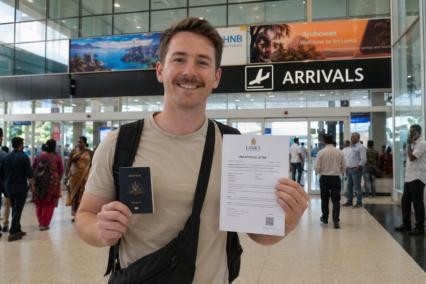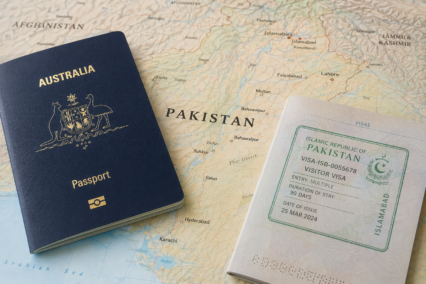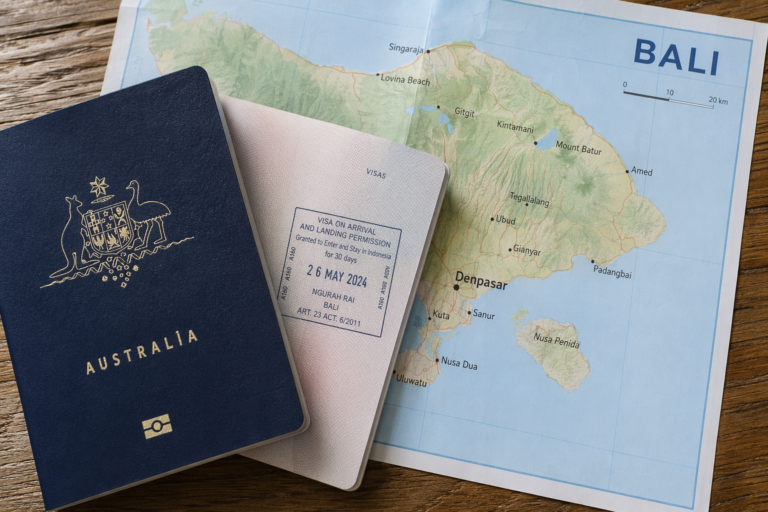
Key Highlights
-
Most people from Australia need to get one of the main Indonesian visas for a short holiday trip.
-
A visa on arrival or an electronic visa is what many Aussies pick for Bali or anywhere in Indonesia.
-
Your visa requirements are that you must have a valid passport, a ticket to leave after, and the new arrival declaration.
-
The tourist visa is what you use for most short trips. It lets you stay for 30 days and you can ask for one more extension if you need it.
-
Make sure to use the official sites linked to the Directorate General of Immigration, so you do not end up on the wrong website.
-
If you go to Bali, do not forget you’ll need to pay an extra tourism levy.
Introduction
Planning a trip to Indonesia can be exciting, but sorting out Indonesian visas may seem harder than booking the holiday. If you are one of the Australian citizens, the right visa type will depend on why you want to go and how long you will stay. There are different rules for family visits, Bali holidays, business trips, and longer stays. The good thing is that if you know the basics, this process is pretty clear. This guide will show you about the main visa options and steps to get in.
Key Points About Indonesia Visas for Australians
If you are heading to Indonesia from Australia, you will need to meet a few visa requirements. Make sure you have a valid passport, and check that it is good for at least six more months. You will also need proof that you are leaving Indonesia, and you need to get the right visa before or when you arrive. If you are going to Bali, Australian travellers must fill out the new All Indonesia Declaration Form before they get there.
Right now, there is no visa exemption for Australians. But, citizens of certain countries may have different entry requirements. To be sure you have the right details, check with the Directorate General of Immigration for the newest updates on entry requirements before you go.
Recent Updates and Visa News for Travellers
Rules for Indonesia can change, so it’s a good idea to check visa updates close to when you’ll go. There’s one big change for foreign travellers. From 1 September 2025, the All Indonesia Declaration Form brings together customs, immigration, and health details in one online form. You need to fill this out in the three days before you arrive in Indonesia.
There is another thing for Bali visitors to know. That’s the Bali tourism levy. All foreign travellers, including Australians, will need to pay IDR 150,000 per person. This is separate from any visa costs. You can pay for this online before you get to Bali or at the payment counters at Bali’s entry points.
For further information, it’s best to check the official immigration website for the Republic of Indonesia and look at Smarttraveller for travel advice. If you want good and trusted updates, only use these official places and check every visa detail through their sites. Don’t trust unofficial sites.
Laws and Regulations Specific to Australians
Australian citizens going to Indonesia should not think that they can get into Bali without a visa. Right now, if you are from Australia and want to go for a holiday, you need a Visa on Arrival or an e-VOA. There is no free way to enter for a normal trip.
There is talk about a visa exemption agreement for citizens of certain countries, but Australians should make sure to look at the latest rules from the Directorate General of Immigration, not older news or old advice. The short-stay tourist option is what most Australians use when going on holiday.
There is one more thing to remember before you fly. If your passport has water damage, tears, marks, missing pages, or looks worn, Indonesian authorities can say no and not let you in. For up-to-date rules or legal setting details, always check what the Directorate General of Immigration and the human rights of the Republic of Indonesia say in their own words.
Types of Visas for Indonesia
There are different types of visas for Indonesia, and the best one for you will depend on what you plan to do there. Some common visa categories include entry visas for tourists, business visas, multiple-entry visas such as D1 and D2, and student visas like the E30 category.
Each of these visas has its own visa requirements. So you have to pick the right one that fits your plans before you apply. The directorate general and the official immigration website are the best places to check the types of visas, entry visas, and any specific visa requirements you need for a holiday, business trip, study, or a longer stay.
Tourist Visa Options and Features
For most people from Australia who visit Bali or another spot in Indonesia for a holiday, getting a tourist visa is easy. The main type of visa you will get is a Visa on Arrival or an e-VOA. These entry visas are for short stays and let you come in only once.
Here’s what you usually need for this tourist visa:
-
Your passport should have at least six months left before it runs out when you arrive.
-
You have to show you will leave the country, so bring proof of a flight or trip back home.
-
If you apply online, you must send in your passport’s main information page and a photo.
-
Sometimes with visa applications, you might also have to show where you will stay and share bank statements or other money papers.
This tourist visa is not called a visa exemption for Australians at this time. If you go to Bali for a holiday, you can usually stay up to 30 days, and you may get one more 30-day extension. If you want to stay for longer, or you have a different reason for your trip, you will need another type of visa.
Business and Work Visa Categories
Indonesia offers visa categories beyond tourism, especially for business travellers. The compiled information mentions a business visa for activities such as attending meetings, conventions, exhibitions, negotiating agreements, and carrying out field observations. It also mentions D2 for business activities and D1 for frequent tourist or family-related travel.
Work and investment pathways are not fully explained in the supplied material, so Australians should be careful not to assume that a business visa permits employment. Terms like Investor KITAS may appear in wider visa discussions, but you should confirm any work-related visa type on the official immigration website before making plans.
Below is a simple guide to the business-related visa categories mentioned:
|
Visa category |
Main purpose from available guidance |
|---|---|
|
Business visa |
Meetings, conventions, exhibitions, signing agreements, field observations |
|
D2 |
Business activities, including buying or selling goods and business meetings |
|
D1 |
Frequent travel mainly for tourism or family visits |
|
Work or Investor KITAS |
Not detailed in the supplied information; check official sources |
Social, Family, and Long-Stay Visas
Not every trip is about being at the beach. Many people go overseas for family visits, to see their family members, to study, or for other specific purposes. In the info given, D1 is mostly for tourism or family visits. Student visas in the E30 group are for study at different levels and can last from one to two years.
If you are heading overseas for family visits, for your family members, or for more personal reasons, you will need to check which long-stay visa matches your plans. The supplied information doesn’t talk about a permanent stay permit. If you want to stay for good instead of taking a short trip, always go to the official immigration site before you apply.
The options talked about in the given info are:
-
D1, which is for travel that is frequent, mostly for tourism or to see family members.
-
E30 student visas, which cover study at different study levels.
-
Visas that last longer and are for people with specific purposes, not just short holidays.
-
Pick a visa category that fits why you want to go and how long you will stay.
Visa on Arrival (VOA) and Electronic Visa (e-VOA) Explained
For many Australians, the simplest way to get into Indonesia for tourism is to use the visa on arrival or the electronic visa, called the e-VOA. These options are good for short stays and many people use them for Bali holidays. Right now, each visa costs IDR 500,000. If you apply online, there is a small extra fee.
The big change is how you get your visa. You get a visa on arrival after you land, but the electronic visa needs to be sorted out before you travel. You do this by using the official eVisa website, which the Indonesian Government has set up. The next parts will show who can use each option and the steps you have to follow.
Who Qualifies for VOA and e-VOA
Australian passport holders who want to go to Indonesia for tourism can get a VOA or e-VOA. This is based on the rules given now. Australians can get a visa on arrival when they fly to Indonesia, even Bali, as long as they meet the standard entry requirements and come in through the right places.
The visa exemption or the way rules work can be different for people from some other countries. Some travellers may hear about a visa exemption agreement or a list of countries that get different treatment. But Australians need to follow the rules made for their own passport, not what is there for citizens of certain countries.
In most cases, the VOA or e-VOA is good for people who:
-
Have an ordinary passport with at least six months left before it runs out.
-
Want to be in Indonesia for tourism and short stays.
-
Can show they will leave or travel out.
-
Meet Indonesia’s entry requirements before they fly.
The current visa rules, like the list of countries with a visa exemption, can change, so make sure to check before your trip.
Application Process Step-by-Step
If you want to apply online, go to the official eVisa website. You should do this at least 48 hours before you leave for Indonesia. This is the best way to apply for an Indonesian visa online, especially if you are going on a holiday to Bali.
Once you have your papers ready, the steps are pretty easy. When you arrive at the airport, you can also choose to get your visa on arrival. Here you can pay at the payment counters before you see the immigration officers.
A basic step-by-step guide looks like this:
-
Pick the right visa and finish the completed visa application on the official eVisa website.
-
Upload your passport and photo details.
-
Pay online for the e-VOA with your credit card. There may be a small fee for processing.
-
If you go for the VOA instead, pay at the payment counters when you arrive, before seeing the immigration officers.
Validity and Duration of Stay
For most Australian holidaymakers who use a VOA or e-VOA, you can stay up to 30 days. This is the usual answer when you ask how long you can be in Indonesia with a tourist visa for short stays. You may be able to extend it one time for another 30 days.
It is important to watch your visa dates and know your exact date of entry. Some advice says this single-entry visa is good for 90 days from when you get it, but your stay in the country is still only 30 days after you come in. That one detail is important when you book flights.
Keep these things in mind:
-
Your stay starts on the date of entry into Indonesia.
-
VOA and e-VOA are good for short stays, not open-ended plans.
-
If you want to stay longer or have other plans, make sure to get the right visa before you go.
Applying for an Indonesian Visa from Australia
Australian citizens can do many visa applications online before they leave home. This helps with planning and keeps things simple. For people going to Bali, the e-VOA is a common choice. It is best to get this through official immigration channels, not from random sites.
Some people like help with this, so they may use a visa agent. This happens more when someone needs to extend their visa or when things are more tricky. Even if you use a visa agent, make sure you check the facts for yourself on the Directorate General of Immigration website. This will help you know about visa terms, when to apply, and any rules for coming into the country.
Online Application Process Overview
Applying online is the easiest way if plans are simple. The electronic visa helps you get things sorted before you travel. This can save you time when you land, making your Bali airport experience better.
First, check your visa type. You need to make sure your reason for travel fits that visa. It’s best to go to the official immigration website, as it warns people to stay clear of any sites that are not official for visas.
Here’s how the basic online process usually works:
-
Pick the visa type that matches tourism or any other allowed reason.
-
Put in your passport details and your travel info.
-
Upload needed documents, like your passport page and your photo.
-
Pay your visa fee and the small online processing fee using the official website.
Essential Documents for Application
Before you apply, take some time to gather your papers. The most important thing you need is a valid passport. It should not run out within six months from the date you plan to arrive. Indonesia is very strict about the condition of your passport. Even a small bit of water damage, missing pages, or extra marks can cause trouble for you at the border.
Other than your passport, you might need to show what dates you will travel and keep records of your application. That depends on which visa you pick. You also have to fill out the new online declaration before you get there, so please don’t leave that until the last minute.
Common things listed in the guidance are:
-
A valid passport that’s in good shape, with no water damage.
-
A completed visa application with your passport details and photo.
-
Proof that you will leave or return, and sometimes details of your hotel.
-
The arrival card or All Indonesia Declaration Form that must be completed before your date of arrival.
Fees, Processing Times, and Payment Methods
The standard fee for both the VOA and e-VOA is IDR 500,000 for each person. If you go online and apply, you will have to pay a small online processing fee as well. This makes the online way a bit more costly, but many people say it is worth it for the added ease.
Timing is key too. You have to get the e-VOA done at least 48 hours before you leave for Indonesia. If you want to sort it out at the airport, you will pay after you arrive. But you still have to bring the right documents and follow the entry rules.
Here are some basics about payment and timing:
-
IDR 500,000 will be the charge for a VOA or e-VOA.
-
There is a small online processing fee if you choose the online way.
-
You can use a credit card or major card on the online system.
-
You can also use payment counters at the airport for a VOA, and further information is available from official sources.
Extending or Changing Your Indonesian Visa
If you want to stay in Bali for more time, you might be able to get a visa extension. It depends on the visa type you now have. For the normal Bali VOA or e-VOA, the rules say you can extend once for 30 more days. This is what a lot of people need to know after they get here.
How you do this will be set by your visa categories. Some visas let you do it online. Others mean you have to go to an immigration office. The info down the page will show you the real difference between just extending your time and jumping into one of the other visa options.
Visa Extension Rules and How to Apply
Yes, you can get a visa extension in Indonesia for some short-stay tourist visas. The easiest example is the VOA or e-VOA. These can usually be extended one time for a further 30 days. It is best to start the process early. Don’t wait until the last week.
Your type of visa will change what you need to do. If you have an e-VOA, you might be able to extend it online using the official immigration system. If you hold a normal VOA, you may have to go to a local immigration office in Bali, or you could ask a visa agent for help.
A few things are important:
-
Start early, before your visa runs out, and keep note of your date of arrival.
-
Check the visa requirements that suit your type of visa.
-
If you are allowed, try the online system for an e-VOA extension.
-
Go to the local immigration office if your visa is not able to be extended online.
Upgrading to Other Visa Types
Sometimes, just an extension is not enough. If your plans change from a short holiday to study, coming back often, or business meetings, you may have to switch to a new visa pathway. This means you need to choose the right visa for your new reason, not just try to keep using your tourist entry past what it lets you do.
The information put together does not give you the full process for changing between all visa categories. So, you cannot just think every visa will be upgraded while you stay inside Indonesia. For these times, you will need to follow the directorate general guidance and get advice from an immigration office.
You may need a different visa for things like:
-
Coming in for business meetings instead of just for fun.
-
Staying longer in the country for study.
-
Coming back often for specific purposes.
-
Any plan that does not match your short-stay tourist approval anymore.
Conclusion
To sum up, getting a visa for Indonesia can be easy if you have the right information. You need to know about the different types of visas, how to apply, and what documents you need. This will help make your trip better. It’s good to stay up to date with new rules and changes. This way, you can have a smooth time, whether you go for a holiday or stay for a longer time. Remember to always follow the local laws. Make sure you extend or upgrade your visa if you have to, so you can enjoy your time in this great country. If you need help, you can get a free chat to make sure your visa needs are looked after. Have a good trip!
Frequently Asked Questions
Can Australians get a visa on arrival for Bali and Indonesia?
Yes, Australians can get a visa on arrival when they go to Bali or Indonesia for tourism. You can also ask for an e-VOA before you travel. You will need to fill out the Indonesia arrival card or do the arrival card step before you travel. Make sure you check the latest rules with the Directorate General of Immigration or other official immigration channels.
How do I contact the Indonesian embassy for visa help from Australia?
If you need help with a visa, reach out to the Indonesian embassy using the contact details they give out. Check that advice with the official immigration website, too. If you want further information while in Australia, these two official sources are the best places to start. You’ll find the latest visa help, forms, and travel updates there.