Key Highlights
-
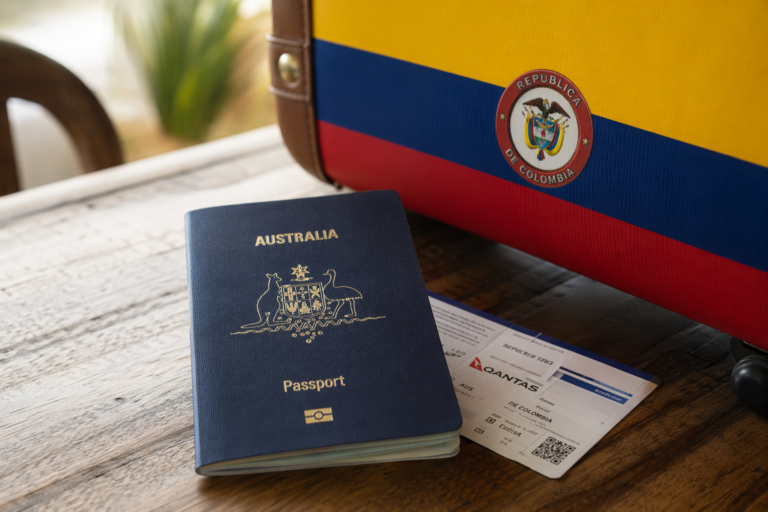
Australians can often go to Colombia without a visa for short trips. But you still need a valid passport and must meet all entry requirements.
-
Your need for a colombian visa will depend on why you want to travel and how long you plan to stay.
-
The visa application is mostly done online. You use channels of the ministry of foreign affairs to do this.
-
You might have to give supporting things like bank statements, bookings, or other required documents.
-
If you want to stay longer, work, study or get permanent residency, you will need a different type of visa.
-
The rules set by foreign affairs can change. So, always look at the latest official updates before you apply.
Introduction
Planning a trip to Colombia from Australia can be easy if you get to know the visa process early. Lots of Australians can head over for a short visit without a visa. Still, not everyone will have the same rules. The reason you travel, how long you stay, and your papers all make a difference. Before you make any bookings, check the most recent foreign affairs advice and look up any news from the Colombian embassy or the official visa channels. This can help you stay away from trouble at the airport.
Who Needs a Visa for Colombia? Understanding Australia’s Status
If you have an Australian passport, you are usually one of the foreign nationals who can visit Colombia without needing a visa for a short trip. Australia is listed with the United Kingdom and some other places where people do not often need a visa for business or tourism that does not last long.
But the Colombian government makes the final decision when you get to the border. If you want to do more than visit for a short time, or if you have specific needs or you may be seen as a high risk, you might need to get a visa before you go.
Visa-Free Entry: What Australians Should Know
For most Australians, going to Colombia for a holiday or a short business trip starts with visa-free entry. This rule is meant for short stays, not for staying long or for a move. You still need to pass border checks and prove that your visit is for the right reason.
Bring a valid passport with you. It should have at least six months left from your days of arrival in Colombia. Be ready to show an exit ticket. If asked, you should also be able to prove you have enough to support yourself while in Colombia. Things like bank statements, cards, and booking details will help with this.
When you arrive, immigration authorities will usually give you permission to stay for up to 90 days. If you want to stay longer, you must take action before those 90 days end. It is a good idea to check the entry requirements at the start of each calendar year, because the rules can change.
When Do Australians Need a Visa to Visit Colombia?
Australians usually need to do a visa application if the trip is not for a short holiday or simple business. If you are going to Colombia to study, work, volunteer, do research, get medical treatment, or stay there for a long time, you will need a visa. You should not expect to travel without it.
You may also need a visa application if colombian authorities ask for extra checks. This can happen because of your personal details, your travel purpose, or other specific needs you have. In the end, the people at border and immigration control will make the final call, not just the airline or your travel agent.
Before you go, check what required documents are needed for your travel. These could be your travel documents, proof that you have enough money, bookings, or any extra forms asked for by colombian authorities or other official places. If your plans are high risk or more tricky, be sure to do your application early. Keep all your required documents well organised for when you need them.
Main Types of Colombian Visas for Australians
Australians who want more than just a short holiday in Colombia will often see different visa categories under the colombian visa system. The main choices are visitor visas for short trips, and other options if you want to work, study, live, or do other approved things there for a longer time as foreign nationals.
You might also find information about a digital nomad visa, migrant options, ways to become a resident, and special entry options. These are sorted by why you want to travel. The next parts talk more about these common visa categories so you can find the one that fits your plans.
Tourist (Visitor) Visa Explained
A tourist visa is what you need if you do not get visa-free entry or if someone tells you to get approval before your trip. For most Australians, you often skip this for short tourism. But there are times you will need the tourist visa, like if your travel plans change.
The visa requirements are easy to follow and based on paperwork. You will have to bring a valid passport, your travel details, and proof you are there just for a short time. Sometimes they may ask you to show proof of money, where you will stay, or your outgoing ticket.
A tourist visa is not the same as a work path or a digital nomad visa. If you want to work, study, or stay for a long time, you will need another type of visa. If you are not sure which one to apply for, ask the nearest colombian consulate before you send anything in.
Overview of Migrant, Resident, and Special Visa Options
When your trip is not just a short stay, you will find that other visa types suit you better. These are made for people who want to be in Colombia for work, study, investing, using monthly income, or looking for permanent residency one day.
The common visa options you may see are:
-
migrant visa for longer stays in Colombia that are not just for a holiday
-
resident visa for those who want to work towards permanent residency
-
special visa used for reasons that aren’t the same as a normal tourist visit
-
rentista visa for people who get steady monthly income or rental income
Each visa works for a different reason, so your choice depends on your needs. If you plan a new life in Colombia, want to buy real estate, or aim to stay for more time, make sure you know the current rules before you pick one.
Colombian Tourist Visa Requirements for Australians
The Colombian tourist visa is about showing who you are, your reason for your trip, and if you plan to stay just for a short time. For Australians, what you need for a visa can change. It depends on if you must apply for a visa or if you can use the visa-free entry for a short visit.
If you do need a visa application, you have to go through the official steps set by the Colombian Ministry of Foreign Affairs. You must show papers that prove the purpose of your travel, your money situation, and plans to leave the country when your trip is over. The next two parts will tell you what to collect for your papers and how you can make your application better.
Essential Documents Needed
Start with the basics. Colombian officials want your visa application to come with all the right documents, in a clear and easy-to-read format. Even if some items are not always needed, it is a good idea to have them. This helps you avoid extra questions or delays when your paperwork is checked or when you arrive.
Common required documents are:
-
a valid passport, best if there are at least six months left before it runs out
-
bank statements or something else that shows your money situation
-
flight details, with information about a trip out of Colombia or a return ticket
-
accommodation bookings and plans for your travel
-
travel insurance or health help records
-
a birth certificate if you need to show a family link or you want to show a dependent
Have both printed and digital copies if you can. If you plan to go somewhere with extra rules, like protected areas or faraway places, you should have those extra permits too. A tidy file can help you every step of the way.
Key Eligibility Criteria and Application Tips
Meeting visa requirements is more than just filling out forms. Colombian authorities want to see that your story makes sense. Your reason for travel, how long you plan to stay, how much money you have, and what you want to do after you arrive all need to fit with the type of visa you are asking for.
Useful things to know before you apply:
-
You need to show a real reason for your trip that suits the visa category.
-
You must show you have enough funds or monthly income for your time in Colombia.
-
You will need health insurance or even international health insurance if they ask for it.
-
Bookings, times, and your passport should all have the same details in every document.
Another bit of advice: apply when all your papers are ready. Not having everything often makes the process much slower. If someone from the department asks questions, give short and clear answers. Keep your forms simple and tidy for the people who check them. Doing all this gives you a better shot at things going well.
Applying for a Colombian Visa from Australia
For Australians, you usually do your visa application using an online application system, not just in person. This makes the application process easier for most people. But you need to be sure that what you upload is right, complete, and simple to check.
If you want any help, you can get in touch with the Colombian consulate. They can tell you where to send your papers and let you know if you need to do anything next. Because things can change, it’s a good idea to always go to the Ministerio de Relaciones Exteriores website and follow the latest details before you begin.
Step-by-Step Online Application Process
The online application process is often the best way to get started. Before you log in, make sure you have your papers ready. Check that your passport details, travel dates, and personal info match up. Even small mistakes can slow things down with the immigration authorities.
A normal application process goes like this:
-
go to the Colombian Ministry of Foreign Affairs website
-
pick the visa type that fits your travel plans
-
fill in the online application form with care
-
upload your valid passport and any needed documents
-
send in your request and follow any payment or follow-up steps
After you send everything, keep an eye on your email and your application account for updates. If someone from the ministry of foreign affairs asks for more, answer as soon as you can and be clear. Hold on to copies of everything you send, along with confirmation messages. These can help if questions come up later in the process.
Where and How to Submit Your Application
In many cases, the first thing you will do is submit your visa application through the official online system. That is where your information gets reviewed. After this, the people handling your case might ask you for more records. You could also be called in for a follow-up step, or have to confirm your identity. This depends on which category you sit in.
If you need any help, get in touch with the Colombian consulate for Australia. You could also speak to the closest service point shown by official foreign affairs channels. The staff at a Colombian embassy or consular office can walk you through the steps, especially if you have questions about family records, staying there long term, or tricky travel plans.
You should always follow instructions and official contact details. Colombian authorities decide where to send your application, and if you must go in person. If you want things to go well, do not depend on informal advice—use the official steps for your travel to go smoothly.
Costs and Fees for Colombian Visas
The price for a Colombian visa is not the same for everyone. The cost and the fee to apply can change. It will depend on what type of visa you pick and the rate the Colombian government is using at the time.
Before you try to get a visa, go and look for the latest price on the right official page. This is important because how you pay, what ways to pay, and how you get money back could be different by the stage in the process. You will see in the next few parts how to think about the price and what you will see when you go to pay.
Visa Fee Structure for Australians
For Australians, visa fees are best understood by category rather than by nationality alone. Holding an Australian passport does not remove the need to check the current schedule. The amount can vary across visa categories and may be updated by the Ministerio de Relaciones Exteriores.
Here is a simple guide to how the fee structure is usually viewed:
|
Fee Item |
What Australians Should Expect |
|---|---|
|
Application fee |
Check whether a review fee applies when you lodge the request |
|
Visa issuance fee |
May apply if the visa is approved |
|
Tourist or visitor cost |
Can differ from longer-stay categories |
|
Migrant or resident cost |
Often reviewed under separate visa categories |
|
Official source |
Confirm current amounts through the Ministerio de Relaciones Exteriores |
Because fees can change, treat any old figure with caution. Always review the official page just before payment so you know the exact cost linked to your application.
Payment Methods and Refunds
Before you pay, make sure you read the instructions well. You might need to pay the application fee online or later on, as the system tells you. If you are not sure, the colombian consulate can help and give you the right advice.
Keep these points in mind:
-
use only the payment ways listed in the official process
-
save all your receipts and confirmations as proof of payment
-
check what the refund policy is before you pay
Do not expect a refund right away. In visa cases, your payment often covers the processing and not the end result. This means if your visa is refused, you withdraw, or your file is not finished, the money may not come back to you. So, always look at the rules before you pay.
Processing Times and Application Tracking
Once you put in your visa application, you might start to worry about how long it will take and how you’ll get updates. The wait can be different each time. This is because how long it takes depends on what kind of visa you ask for, how much of your paperwork is filled out, and if the people looking over your file need more details.
To cut down on stress, try to give yourself more time in your travel plans, and check your account often. The Colombian Ministry of Foreign Affairs takes care of most of the visa process. Still, the immigration authorities might need to step in when you get to the country. Read the next parts to find out what’s likely to happen and where you can look for info on your visa status.
How Long Does a Colombian Visa Take?
There isn’t just one answer for how long it takes, because it is different for every person. The application process depends on the type of visa, how many people have applied, and if the Colombian government has to do more checks before they decide. Simple applications usually go faster, but if your file is missing things or not clear, it can be slower.
Your process can take longer if you do not have all the required documents, if they are not clear, or if they do not match your travel plans. Also, cases tied to family, long-term stays, or ones that need the Colombian government to look extra carefully might need more time than those for short visits.
The best way is to apply early. It’s good not to book flights or hotels that you can’t change until you know your time frame. If you are asked to send more required documents, do it fast. If you get things back quickly to them, it will help there be fewer delays while your application is checked.
Checking Your Colombian Visa Status Online
If you want to see where your file is at, you can check your application through the same official system you used for your online application. This way, you get updates easily and don’t have to wait for someone from an office to get in touch with you.
Go to the Colombian Ministry of Foreign Affairs website and log in with the details you used for your application. On the site, you can read messages, see if they need more documents, and check if your visa process is still going, is approved, or if you need to do something about it.
Don’t just wait around, especially if you need answers soon. Check your email and the portal, and have a look at your spam folder too. If you’re not sure about the status, use the official support option and don’t make guesses. Keeping up with your visa process like this helps you have some control.
https://www.cancilleria.gov.co/
Extending Your Stay or Changing Visa Types in Colombia
If you come to Colombia as a visitor and later decide you want to stay longer, you might be able to get a visa extension. The usual stay for tourists is 90 days, so you need to ask for more time before this runs out.
If you want to stay for a longer time or live here, a change of status could fit your new plan. This could mean moving to a migrant visa or a resident visa. The colombian authorities set the rules for both visa types.
Extension Options for Visitors and Migrants
If you come into Colombia as a tourist, immigration authorities will normally give you 90 days to stay. If you want to stay longer, you need to ask for more time before your first permission runs out. If you wait too long, you could get penalties or have trouble travelling in the future.
A typical extension request might include:
-
applying online or at an immigration office before your time is up
-
giving your passport and your current entry record
-
giving the required documents that show why you want a longer stay
-
checking if your reason is good for a visitor visa, or if you need a migrant visa
Not every extension is given to everyone. Immigration authorities may look at your reasons, check if you have enough money, and see if you followed the rules of your last entry. It’s important to keep all approvals and receipts with you to show your lawful status if someone asks while you are in Colombia.
Pathways to Residency Through Colombian Visas
Yes, getting residency can be part of the visa process if you want to stay for more than a short trip. Most people start with visas for longer stays before they try for permanent residency or a resident visa. Which path you take will depend on what is open to you.
You might hear about residency with things like:
-
a resident visa pathway if you want to live long-term
-
having steady monthly income, such as rental income or money from retirement
-
approved ties like owning real estate or other allowed reasons
-
living in the country for a long time
This is not a fast tourist option. If you want to start a new life in Colombia, look at the current rules closely. Make sure you choose the right category for your situation. Getting long-term residence usually means you need to provide a lot more documents than if you are just visiting for a short time.
Conclusion
Navigating the visa process for Colombia can seem a bit much. But if you know the requirements and what options there are for Australians, it does get easier. Knowing when you need a visa is important. It’s good to look at the different types out there, too. Each step matters for making sure your application goes smoothly. Be ready with your documents. Know what you have to pay, and check how long everything will take. Your choice of visa can really change your time in Colombia, so think it over. If you have more questions, or you want help, it’s a good idea to ask for expert advice. Have a safe trip!
Frequently Asked Questions
Can I work in Colombia with a tourist visa?
No, you can’t work in Colombia on a tourist visa. This visa lets you visit for a short time, but it’s not for working. Under Colombian law, you will need to check the right visa requirements if you want to work. You should also look up the work rules set by the Colombian government before you travel or do any paid job.
What happens if my application is rejected?
If your visa application is not approved, have a close look at the reason. Check if you can fix what is missing or apply again. The Colombian consulate or the right visa site should tell you what steps you need to take next. For your next try, immigration authorities and the application process will still ask for all the correct papers. Make sure your documents are complete and right.
Can family members join my visa application?
Family members might have to give their own records when they do a visa application, based on the type of visa. If you are doing the application with your family, make sure you get proof of your relationship, like a marriage certificate or birth certificate. Have your passports and any other required documents ready too, as asked for in the official process.