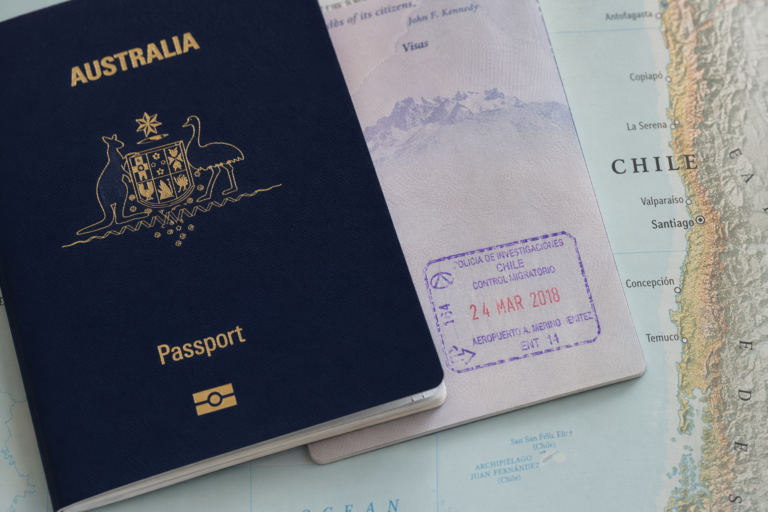
Key Highlights
-
Australians usually do not need a Chilean visa for short trips like tourism, business, or seeing family.
-
To stay for a short time, you just need a valid passport and to meet entry rules when you arrive.
-
If you are staying up to 90 days, a tourist visa is not needed for most Australians.
-
If you want to stay longer for study, work, or to live there, the visa application process will be different.
-
The Ministry of Foreign Affairs in Chile and their migration offices put out the latest rules and updates.
-
It is a good idea to check visa requirements close to your travel time to know what you need before you go.
Introduction
If you are planning a trip to Chile from Australia, it’s good to know your options before you make any plans. Your chile visa needs will depend on why you want to go to Chile, how long you plan to stay, and your country of origin. For most Australians, short visits are usually pretty simple. But if you want to work, study, or live there for a longer time, you will need to go through a more formal visa application. This guide will show the main rules, the common ways to get a chile visa, and what documents you might need before you travel.
Understanding Chilean Visa Policy for Australians
For Australians, Chile’s visa policy is easy to follow if you are planning a short visit. In most cases, you do not need a chile visa or entry visa for things like tourism, business, or other short-term stays. But, your visa requirements are still important. Border officers can ask to see your papers or ask questions about your stay.
If you want official updates, you should check with the Ministry of Foreign Affairs and Chile’s migration authorities. These places tell you who needs a visa, show the list of countries that need to get permission first, and say where you have to apply. The next parts will turn the rules into simple steps for you.
Overview of Entry Requirements
Chile lets some foreign nationals come in for a short visit without asking for a chile visa before they travel. For Australians, this is mostly for things like holidays, business trips, seeing family, sport, health reasons, and other short stays. But visa requirements may still apply in some cases.
At the border, you will need to show a valid passport and meet the entry rules for your visit. If you are coming in on a short stay, you might also need to show you have enough money to support yourself in the country. This can play a role during the application process for some people.
Remember, Chile might ask for advance permission or a visa from people of some nations because of reciprocity or national interest. If you are in a special case, it is best to check the chilean consulate website before you go.
Visa Exemptions for Australian Citizens
Australian citizens enjoy visa-free entry for many short trips to Chile. This makes things easy when you visit for a holiday, to see family, or for short business trips. You usually do not need to get a visa before you leave, which is good if you want a more simple plan.
When you arrive, you get a tourist card from the Chilean Investigative Police. This card is important, so make sure you keep it safe the whole time you are in the country. If you lose it, you can ask for a free copy on the PDI website, but only if you came in through a legal border point.
Here is what Australians need to know based on country of origin:
-
You do not need a visa for tourist stays up to 90 days.
-
Visa exemptions often cover short business and family visits too.
-
You must hold on to your tourist card during your whole trip.
-
Other nationalities may have different rules.
Updates to Chile Immigration Rules
Chile’s immigration rules can change at any time, so it’s best not to trust old forum posts or things you hear from other people. What works for people from the United States, or other places, might not be the same for Australians. This is why it’s important to check current government sources.
If your nationality or visa type needs approval first, the visa application process goes through Chile’s Ministry of Foreign Affairs and their consulates outside Chile. For more about entry and staying in the country, the Servicio Nacional de Migraciones shares up-to-date migration information.
Before you go, have a look at both the Chilean consulate site and the official migration pages. These sites show you the latest on needed documents, what you are allowed to do, and how long things may take. That way, you know what to expect with your chile visa rules and you won’t run into any big surprises at the airport.
Types of Visas Available for Travel to Chile
The kind of chile visa you need will be based on why you are going. If you are only staying a short time, you might not need an entry visa because of the usual rules for transitory stay. But if you want to stay longer or have a special reason for coming, you might need to apply for a formal visa. So, the type of visa you get depends on your main reason for travel.
For Australians, the most common choices include a tourist visa, business visa, temporary resident visa, student visa, and work visa paths. Each type of visa has its own rules about the papers you must show, how long you can stay, and what you are allowed to do. The next parts will show how these chile visa options work one by one.
Tourist Visa
For most people from Australia, you do not need a tourist visa if you are taking a short holiday in Chile. If your travel plans are for a break, to visit family, or to do other unpaid things, you can enter using Chile’s rules for a transitory stay for up to 90 days. This means a chile tourist visa is not needed in many cases.
But, you cannot just expect to get in without any checks. The border staff might ask what your reason is for visiting. They could ask where you will stay and how long you will be there. You should have all your travel documents ready and be able to show you can pay for yourself while in Chile.
This short-stay option is there only for real visitors. Do not try to use it to do paid work in Chile. If your plans are more than simple tourism, it is a good idea to see if you need a different visa before you leave.
Business Visa
A business visa might be what you need if you are not covered by the short-stay entry rules, or if the things you plan to do have to be approved first. Most business travelers come for meetings, to talk things over, or for other short business reasons. What you need to do depends on your nationality and what you want to do while in Chile.
For Australians taking a short trip, what you want to do for business could fit as a transitory stay. Still, you might have to show extra papers, like a letter of invitation. The Chilean consulate could ask for more information about your visit. Having clear paperwork will show why you are going.
If you do need a visa for Chile, you will go through the Chilean consulate using the Ministry of Foreign Affairs online system. It is good to get your business papers ready early. This helps to make everything go well.
Temporary Resident Visa
A temporary residence visa is for Australians who want to stay in Chile for more time than a normal tourist or business trip. You might want this visa if you have family ties in Chile, need to study, or have another approved reason to stay longer. This is a common option for a longer stay in South America.
The visa requirements will change based on why you apply. You need to show proof for the category you choose and you must provide your identity papers and financial information. Since everyone’s case is different, it’s important to read the official instructions for your chosen way to apply.
Having a temporary residence visa means more stability than just visiting. This visa is for people who plan to be in Chile for a clear reason, not just for short travel. Make sure you check the exact length and rules for your visa once you get your official approval.
Student Visa
A student visa is for Australians who want to study in Chile for longer than what a normal short trip lets you. If you will join a course or any school program, you usually have to get formal approval. You cannot just come as a tourist. This keeps your visa in line with why you are there.
Applications are mostly done through the process tied to the Chilean consulate or with the migration office. This depends on what rules are being used in your case. You should have papers that show you were accepted by your school. You will also need some records for your ID.
You also have to show you have money to look after yourself while you stay in Chile. Chile wants proof that you can cover your costs while you finish your studies. The list of what you need to send in can change. So, check the newest info before you start. They might ask for papers that have to be translated or made official.
Work Visa
If you plan to start work in Chile, a work visa is the best choice. If you go on a short visit, that won’t let you do paid work. So, if you are Australian and have a job offer, do not count on getting a tourist entry if you want a regular job. You will need a chile work visa or a work permit for that.
You will start the process by looking at the role you get and what papers your boss will give you. A job offer is key for the process. It tells them why you want to come in, what work you will do, and how long you will stay. This helps the officials to look at your case.
Chile will let people do small bits of work in some special short visits, but this is just for certain tasks. Normal jobs are not the same. If you want to work in Chile, make sure you apply the right way before you start your new job.
Chile Tourist Visa for Australians
For Australians, the chile tourist visa is usually easy to understand. If you are going to Chile for fun, to see family, or for other short trips, you do not have to get a tourist visa before you travel. You can stay in Chile for up to 90 days. This is how it works for most people on holiday.
But there are still visa requirements when you get to the border. You must have a valid passport, talk about your plans, and make sure you do not stay too long. Below, you will see who must get a tourist visa, how long you can be in the country, and the entry rules people need to follow.
Who Needs a Tourist Visa?
Most people with an Australian passport do not need a tourist visa if they stay in Chile for a short time. If you are going for a holiday, visiting family, or for another personal reason, the visa rules often let you stay for up to 90 days without needing to apply first. This makes getting into Chile easier than many people think.
You may need a tourist visa if you have a different nationality, your travel documents are not the usual kind, or if Chile has asked people from your country to get approval before coming. To be sure, you should check the official consular website before you make plans.
In simple terms:
-
Australians often get into Chile on short trips without needing a visa.
-
You still have to meet all visa requirements when you arrive.
-
People from some other countries might have to get a tourist visa ahead of time.
Validity and Duration of Stay
For Australians who come into Chile on a tourist visa, you can usually stay up to 90 days. This fits trips for tourism, business, family visits, health, study, or other short stays. This time limit is the main thing for most visitors to remember.
Just because you have a tourist visa does not mean you can stay as long as you want. Your 90 days start the day you enter, and you need to follow that. If you stay longer than you should, you could have to pay a fine or face legal trouble. Make sure you keep track of your travel date and your days from the start.
If you want to be there for more than 90 days, look for a different visa. It is better to get the visa that matches why you are going. This will help you avoid problems while you are in Chile.
Multiple-Entry and Single-Entry Options
For many Australians, entry as a short visitor is not framed as choosing between a formal single entry or multiple entry tourist visa in advance. Instead, the practical issue is your permission to enter and the documents issued at the border, including your travel card or tourist card.
Because the compiled official guidance focuses on transitory stay rather than a detailed entry-type menu, you should verify any re-entry plans with the relevant authorities before booking side trips. That is especially important if you plan to leave Chile and return during the same holiday.
Here is a simple guide based on the available information:
|
Entry format |
What to know |
|---|---|
|
Single entry |
You enter Chile for an approved short stay and must respect visa requirements and the granted period. |
|
Multiple entry |
Official details should be checked before travel if you plan repeated crossings during one trip. |
|
Tourist card / travel card |
Keep the document issued on entry, as it supports your lawful visitor status in Chile. |
Chile Temporary Resident Visa
If you want to stay in Chile for more than a short trip, you might need a temporary residence visa. This visa is for people who must be in Chile for a reason that is recognised, like family ties or another reason that is approved for staying longer. This is not the same as coming as a visitor.
The visa requirements and the application process will change based on which category you use. In the next parts, you will see who can get this visa, how long you can stay, and what limits you have to keep in mind.
Eligibility Criteria for Australians
You can get a temporary residence visa if you need to stay in Chile for more than a short visit. The chance to get this visa depends on why you need to stay longer. If you are Australian, do not think there is just one way for everyone to apply. The people who check the applications will look at your reason and the proof you give when you apply.
One of the main reasons is strong family ties in Chile. There may be other reasons, but what you need is clear proof and the right documents. The rules show that you have to fit into the official options made by the migration office, and not every little detail is always given. It is key for you to link your life, your reason for a longer stay, and your documents together so you can match up with the options that are given right now.
You may be able to get a temporary residence visa if you have:
-
Genuine family ties in Chile
-
A good reason for staying longer in a way that follows the rules
-
All the right documents for the temporary residence visa you want
Use this to guide you when you put your case to the Chilean authorities.
Length of Stay on a Temporary Resident Visa
The information here chooses a 90-day limit for a short visit. But, it does not give one set time for every temporary residence visa category. So, people from Australia should not think that the same time limit will be for all residence cases.
What you need to know is this. The time you can stay, and how long a temporary residence visa stays valid, will change based on the visa type you get and the rules shown in your letter. This is why your grant notice matters more than just normal travel tips. You should always check the rule sheet in your visa.
When you want to see the real difference between visitor entry and a residence status, it comes down to why you are in the country and for how long. Visitor rights are for short trips. Temporary residence is to stay for more time under one known reason or category.
Rights and Restrictions for Temporary Residents
A temporary residence visa lets you stay in Chile on a stronger legal ground, but you still need to follow all local laws and visa rules. The rights you get are based on the kind of visa the government gave you, and you can’t think that every resident visa gives you the same things.
Work authorization is a big point. There are visa types that make it clearer the ways you can work, plus some that do not. You need to read your approval terms before you try to get a job. The same goes for things like using local services and sorting out medical care while you are there.
Before you go, keep in mind that Chile has rules that everyone has to follow, both visitors and people living there. Stay up to date with the latest safety advice. Know what degree of caution you should use in each part of the country and in public places.
Business Visa Options for Australians
Australians who go overseas for work may not always have to get a business visa. If it is a quick trip and fits the rules for visitors, you could use the visitor visa. But there are some business travelers who will need special approval. This will depend on the country you are from, your travel reason, and what you plan to do while you are there. Because of this, it is best to prepare well.
If you do need a visa, having more documents can help. A letter of invitation is one thing that works well for business travelers. The following parts talk about the core things you need, how getting the business visa usually goes, and which work you can do with a business visa.
Requirements to Apply for a Business Visa
If you need to get a business visa, you must show the right papers. These papers need to clearly tell what the purpose of your visit is and who you will meet in Chile. The people who check your application want strong proof that your trip is real. They want to see it is only for business, and it is backed up with proper records from the host in Chile.
A letter of invitation is often a key paper for your application. It helps show your trip is for business as it connects you with a business friend, group or a business event in Chile. As they go through your application, consular workers may ask for some more papers too. These can help prove your identity, your money for the trip, and when you will be moving around.
You may need to prepare these common items:
-
A valid passport
-
A letter of invitation from the Chile contact or foreign company
-
Proof that you are going for business and your travel dates
-
Any additional documents they ask for during the check
Application Process for Business Travellers
When you need a business visa, Australians mostly start with the official consular system. You may need to fill out an online application through the Ministry of Foreign Affairs. The next steps can include document checks and any other things the authorities ask for.
After you submit everything, your case will go to the Chilean consulate that handles requests from Australia or your area. The consulate could ask you for more details, more papers, or to come in for an appointment. At this stage, it is important to check all names, passport info, and your reason to travel, so nothing is wrong.
Processing time may be different for each visa type and depends on how complete your papers are. Because of this, people getting a business visa should not delay their application. Get ready early so you have more time if the consulate needs more questions answered.
Permitted Activities Under a Business Visa
A business visa is for doing a bit of business, not for staying and working in a full-time local job. Most allowed things are meetings, talks, running a bit of business, and other short trips. The idea is to help out for a short while, not to take the place of real work visa types.
This is important when you are travelling for a foreign company. You might go to talks, share your knowledge, or meet with partners, but that does not mean you can take up long-term paid work in Chile. Both visitor and business visa status are more limited than what many people think.
Chile does have a special way for some people to do paid work for a short time. This is mostly for people like lecturers, advisers, or technical experts. You need a work permit for this. If you think you fit this, get a yes from the people in charge before you travel.
Student and Work Visas in Chile
If you are going to Chile for study or work, a short visitor entry won’t be enough. You will need a student visa or work visa that fits why you are there and helps you follow the local rules. The visa application that’s right for you depends on what you plan to do in Chile.
Australians should get ready early and check the latest advice from the Chile consulate or the official online site. Next, we will talk about planning for students, how to find work, and what papers people are usually asked for both.
Studying in Chile – Student Visa Guide
If you want to study in Chile, getting a student visa is the best way for you to stay if you want to be there longer than a regular visit. This visa makes it clear that your main reason to go is for study. This is very important if your course lasts more than just a short stay.
Before you apply, collect all the papers that talk about who you are and why you want to be there. You’ll need to have things like your ID, proof you are enrolled, and proof that you have money set aside for living costs when you get to Chile. Being ready with your funds is a must, and they check for this with a lot of visas.
Some people might also need to show things like a birth certificate. Because every student’s story can be a bit different, it’s best to use a checklist and look over the latest rules before you send in your forms.
Applying for a Work Visa as an Australian
Australians who want to work in Chile need to make sure they get the right visa before they leave home. The work visa you choose will depend on the kind of job you have, and it is normal to show a job offer as one of the main documents for your application.
Once you know which type you need, you can start the process with the right consular or migration office. The forms you fill out should say who your employer is, what you are asked to do at work, and how long your job will last. If there is any need for a work permit or something similar, you should sort that part out early.
Don’t enter Chile as a tourist if you actually plan to work. The rules say being a short-term visitor does not usually let people take paid work. There are only a few cases where this is allowed, and those are approved one by one.
Documents Needed for Student and Work Visas
A strong visa application starts with clear and steady paperwork. If you are applying to stay in Chile for study or work, people in charge will look closely at your personal information. They also check your other records and the reason you want to stay longer than someone who is just visiting.
You should take a bit of care with every document in your visa application. It is important that your names, dates, and passport details match on all forms. If the forms or papers are missing anything, you might have to give additional documents later. This can make the process take more time.
Your checklist might look like this:
-
Passport and identity pages with correct personal information
-
Proof of your course or job that fits your application
-
Financial records and any civil documents they want from you
-
Additional documents asked for by the people reviewing your paperwork
The Visa Application Process Step-by-Step
The visa application process for Chile changes based on which visa you need and if you need special permission. For most people, if your visa application needs approval, you go through official government systems, not through travel agents or other informal ways. This is the first thing you should know.
For Australians, the usual steps start with checking the visa application rules online. Then, you need to get your documents ready and follow what the Chilean consulate or another official tells you to do. The next steps cover where you send your application, how the online application process works, and what will happen if you have to go to an appointment.
Where to Apply for a Chilean Visa
If you need a visa before you travel, make sure to apply using the official Chilean consular channels. The rules say that you have to ask for prior approval or a visa through the Ministry of Foreign Affairs by going to a Chilean consulate outside of Chile. This is usually the Chilean consulate in charge of your area.
For anything to do with rules or migration advice, you might need help from the Servicio Nacional de Migraciones. If you are after any diplomatic support or other official contact details, the Chilean embassy can help and show you what to do next, based on your needs.
Useful official sources include:
-
The Chilean consulate website under the Ministry of Foreign Affairs
-
The Servicio Nacional de Migraciones website
-
The Chilean embassy for official contact guidance
Online Application Procedures
Chile asks people who want a visa to use the official digital channels for many of their consular steps. So, the online application is often the first thing you have to do if your visa category needs to be looked at first. Start by picking the right pathway for your visa application, then take care to fill in your details.
While you are going through the visa application process, you may have to upload travel documents to show who you are. You might also need to upload more paperwork, like proof of your reasons for travel, money statements or other papers connected to the visa category you say you are using. If the office needs extra, it may ask for additional documents after you send in everything the first time.
This is why it is important to be right from the start of your application process. Use exactly the same spelling, dates, and numbers on every form you fill in. A clear and tidy visa application lets people checking it get through your stuff faster, so they may not need to come back and ask you for it again.
Appointment and Interview Guidelines
Not all people applying for a visa will have an interview. But some cases can need you to go in after your papers are looked at. If you are asked for one, the main reason is simple. They want to check who you are, why you want to travel, and see the papers you sent in with your visa application.
The appointment can be set up by the consulate. Some people also call it an embassy step, but most times, the office that takes care of it is a consular post. No matter which one, be ready and stay true to what you put in your visa application online.
A few easy tips to follow:
-
Take the original papers they asked for.
-
Be ready to talk about why you want to travel.
-
Answer in a way that matches what you put in your application.
Essential Documents for Your Chilean Visa Application
Good documents help the application process go well. If you are trying for a student, work, business, or other visa, Chile will want you to show clear proof of who you are, why you want to go, and that you have money to support yourself. If you forget some records, it can slow things down.
Your valid passport is what you need first, but it is just one part of what you must have. You might also need extra documents. These could be your travel plans, an invitation, or civil records, depending on your visa. The next parts tell you more about what to prepare.
Passport Requirements for Australians
Your passport is one of the most important things you need for any Chile trip or visa task. Australians should have a valid passport before they book flights, fill out applications, or go to the airport. If your passport is damaged or about to run out, you need to fix that first.
Some visa steps may ask you to upload a copy of your passport and later show the original passport in person. The people in charge use it to check your name, country of origin, and to know where you are from. So, all your details should be clear and be the same on all your forms.
Keep these things in mind:
-
Travel with a valid passport that is in good nick.
-
Bring the original passport if your meeting asks for it.
-
Make sure passport details match with all your forms and other papers.
Proof of Funds and Itinerary
Chile’s rules say that people with a transitory stay might have to show they have enough money to live on while they are there. So, you may need to give proof of funds, even for a short time in Chile. This is more important if you are putting in a formal visa application. You should make sure you show you have enough to support yourself.
Your travel plans should also match up with the paperwork. Make a simple itinerary. This should show when you will get to Chile, when you plan to leave, where you will stay, and why you are visiting. It does not need to be complex. It just needs to make sense for the type of visa you are applying for.
You can use bank records or access to credit cards as financial proof. If you want to travel as a tourist, these documents can help show your plans make sense. They also help show you can cover your costs while you are in Chile.
Supporting Documents Checklist
The checklist you need will depend on your visa type. Even so, there are some things that come up over and over again. Chile wants to see documents that show your identity, tell them the reason for your trip, and prove that your stay will be within the rules and that you can pay for it. It is a good idea to get ready for your visa with more care than you think you need.
Be ready to give extra details or additional information when your visa is being processed. This does not have to mean there is a problem. At times, the officers just want more clarification, new scans, or other additional documents before they can say yes or no.
A good list of supporting documents could have:
-
Passport and ID pages
-
Purpose-specific documents such as an enrolment or business letter
-
Financial evidence and travel records
-
Civil records like a birth certificate if the visa office asks for it
Fees, Processing Times & Getting Help
Before you apply, think about visa costs and timing. These can be different for each visa, your nationality, and which office handles your case. There is no one answer that fits everyone. Planning ahead really helps.
If you are not sure what rules are right for you, talk to the official people for advice instead of guessing. The chilean embassy, their consulate, or migration authorities can tell you about fees, processing time, and what to do next for your situation.
Visa Fees and Payment Methods
Visa costs in the material are not the same for every case, so Australians should always check the official fee list before they apply. Chile puts out a visa fee list through its consular channels, and that is the place to see the current charges for your visa.
Fees are not always the same. It is not good to use what another traveller paid as your answer. A business visa, student visa, or work pathway can all have different fees. Your nationality can also change the cost. Check the current fee list before you pay.
When you check how to pay, the main things to look for are:
-
If the payment is made online or during the consular process
-
Which payment ways are accepted, such as credit cards
-
If the cost is for your visa category
Standard and Expedited Processing Times
The compiled information does not give set standard or expedited processing time figures for each Chile visa category. That means Australians should be cautious about any website promising guaranteed turnaround times. Your actual timeframe can depend on visa type, document quality, and consular workload.
In some cases, people ask whether expedited processing is available. The official material provided here does not confirm a universal fast-track option, so you should verify that point directly with the responsible authority. It is safer to apply early than to rely on a rush service.
This quick table sums it up:
|
Processing type |
What you should expect |
|---|---|
|
Standard processing time |
Varies by visa type, office workload, and completeness of the application process. |
|
Expedited processing |
Not confirmed in the compiled official material; check directly with the relevant authority. |
|
Best approach |
Apply well ahead of travel and respond quickly to any document requests. |
Getting Information and Assistance from the Chilean Embassy
If you need the right answers, you should start with the official sources. The Chilean embassy or consulate is the best place to get extra help about visa categories, what documents to bring, and where your case should go. This way works a lot better than using travel groups that are not official.
When you want to know about the rules in Chile, the Servicio Nacional de Migraciones is very important. It can tell you about the latest entry rules, how long you can stay, and what process you need to follow. If your question is about what happens after you arrive, local authorities might be the right people to talk to too, based on your situation.
Always use official places when you need help with visa policy, lost travel papers, or if things change. If you check before you go, it can save you time, money, and trouble later.
Conclusion
Travelling to Chile from Australia doesn’t have to be hard. When you know about the visa options, the application process, and what documents you need, things become a lot easier. This is true whether you want a holiday, plan to study, or go for work. It’s good to know about the entry rules before you go. It’s also smart to check for updates on Chile’s immigration policies, as these can change. If you want to start your trip soon, you can get a free consultation to help you with the application process. This will help make sure you have what you need and can enjoy a stress-free journey. Safe travels!
Frequently Asked Questions
How long can Australians stay in Chile with each visa type?
Australians can often visit Chile and stay for up to 90 days with a tourist visa. You do not need advance approval for short visits like this. If you want a temporary residence visa, how long you can stay will depend on the type you get. So, make sure to check their official visa requirements when you get your approval.
What should I know before travelling to Chile regarding visas?
Before you go, check the visa requirements, even though most Australians do not need a chile visa for short trips. Make sure you take a valid passport with you. Keep your travel plans easy to understand. Also, find out if your visit needs an entry visa or if you just follow normal rules for short stays.
Do Australians need travel insurance when entering Chile?
The compiled material says that all Australians going to Chile should get good travel insurance. This will help with medical costs overseas and can cover medical evacuation too. Because the government says to travel with a degree of caution, and there have been some cases of drink spiking and other risks, insurance is a smart thing to have when you plan your trip.