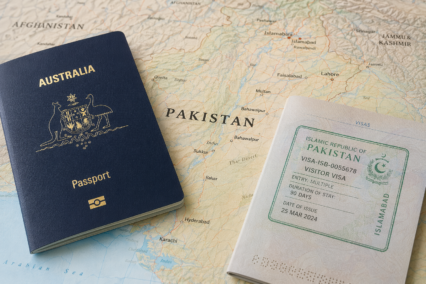


Quick Answer: Australia allows dual citizenship, meaning a person can hold Australian citizenship while retaining citizenship of another country, provided that country also permits dual nationality. This status has been possible since April 4, 2002, when Section 17 of the Australian Citizenship Act 1948 was repealed, ending the previous rule that automatically stripped Australians of their citizenship if they acquired another nationality. Below, we break down who qualifies, which countries are compatible, and what responsibilities come with holding dual citizenship.
Key Highlights
- Dual citizenship in Australia lets people enjoy the benefits of Australian citizenship while keeping a connection to their original nationality.
- Dual nationality is permitted under the Australian Citizenship Act 2007, as long as both countries involved allow it.
- Eligibility can be gained through parents (by descent), by living in Australia (naturalisation), or by being born in Australia.
- The United States, United Kingdom, and Canada all support dual citizenship with Australia. Some other countries, like India and Japan, do not allow it.
- Dual citizens gain access to more job, healthcare, and education options, but must also meet their legal duties in both countries.
What Is Dual Citizenship in Australia?
Dual citizenship means a person is legally recognized as a citizen of two countries at the same time. Australia permits this as long as the other country involved also allows its citizens to hold a second nationality. This arrangement lets people maintain ties with their country of origin while still accessing the full rights of Australian citizenship.
Holding dual citizenship comes with responsibilities in both countries. Depending on the laws involved, dual citizens may need to follow local regulations, pay taxes, or fulfil obligations like voting or military service if either country requires it.
What Are the Basic Principles of Dual Citizenship?
Dual citizenship means a person is officially recognized as a citizen of two countries simultaneously. This legal status allows a person to hold passports from both countries and access services such as healthcare and voting rights, provided both countries permit dual nationality.
Australia allows a person to hold citizenship of another country while retaining full Australian citizenship rights. The Australian Citizenship Act sets out the governing rules, which include eligibility requirements such as a minimum period of Australian residency or having an Australian parent.
Along with these rights come obligations. Dual citizens may need to follow local laws and pay taxes in both countries. Meeting these requirements means securing the correct documentation and complying with the rules of the second country, according to the Department of Home Affairs. Prospective applicants should review all requirements carefully before pursuing dual citizenship under the Australian Citizenship Act.
How Have Australia’s Dual Citizenship Laws Changed Over Time?
Australia’s citizenship laws have evolved significantly. Historically, the Australian Citizenship Act 1948 stripped Australian-born citizens of their citizenship if they acquired citizenship elsewhere, reflecting an era when most nations expected citizens to hold only one nationality.
That changed on April 4, 2002, when the Australian Parliament repealed Section 17 of the Australian Citizenship Act 1948. This amendment allowed Australians to acquire another country’s citizenship without automatically losing their Australian citizenship.
The Australian Citizenship Act 2007 further streamlined the process, making it easier to obtain dual citizenship through descent, naturalisation, or residency in Australia. These changes aligned Australia’s policies with international norms and signalled a broader commitment to inclusivity for its multicultural population. Even so, dual citizens must continue to meet their obligations as Australians under the law. For more information on holding more than two nationalities, see our guide to triple citizenship in Australia, which explores how Australia’s policies accommodate the diverse backgrounds of its population while reinforcing the idea that identity can be multifaceted.
Who Is Eligible for Australian Dual Citizenship?
Eligibility for dual citizenship in Australia depends on your nationality, family background, and length of residency. Most people become eligible through their parents (by descent), through naturalisation, or by birth in Australia. Each pathway carries its own specific requirements.
The Department of Home Affairs assesses whether applicants meet the eligibility criteria, which typically include living in Australia lawfully for at least four years, demonstrating good character, and showing an intention to maintain a long-term connection to Australia. Whether citizenship is obtained by descent or conferral, applicants must submit the correct supporting documents, as set out under Australian law.
What Nationality Laws Affect Australians Seeking Dual Citizenship?
Australia’s nationality laws are governed by the Australian Citizenship Act, which establishes the requirements for obtaining Australian citizenship or dual citizenship. Applicants with one or both parents who are Australian citizens may qualify for citizenship by descent. Those who have lived legally in Australia for four years, including at least one year as a permanent resident, may apply for naturalisation.
Understanding and following these laws is essential for maintaining legal status and ensuring a smooth application process. First-generation immigrants seeking Australian citizenship must meet residency requirements, demonstrate good character, and show basic English proficiency, as required under the Australian Citizenship Act.
It’s also worth noting that obtaining Australian citizenship doesn’t guarantee the right to keep another nationality. Some countries, such as India and Japan, require individuals to renounce their original citizenship before acquiring another. Applicants should contact the relevant embassy or consulate to confirm the nationality rules of their country of origin, in addition to Australia’s requirements, before applying for dual citizenship.
What Are the Steps to Prove Eligibility for Dual Citizenship?
Proving eligibility for dual citizenship in Australia requires following a defined process set by the Department of Home Affairs, which offers online applications and clear guidance. The main steps are:
- Verify Eligibility: Determine your pathway to citizenship, whether by parentage, residency, or naturalisation.
- Collect Required Documents: Gather documents proving your identity, Australian residency, and any relevant legal certificates.
- Apply via ImmiAccount: Submit your application and pay the applicable fees through the Department of Home Affairs’ ImmiAccount portal.
- Attend the Citizenship Test or Interview: Complete the citizenship test or interview, which assesses your knowledge of Australian values and laws.
After submitting your application, you’ll need to wait for a decision. If approved, you must attend a citizenship ceremony to formally become an Australian citizen. Meeting all requirements, including English proficiency, residency rules, and complete documentation, helps avoid unnecessary delays.
Which Countries Allow Dual Citizenship with Australia?
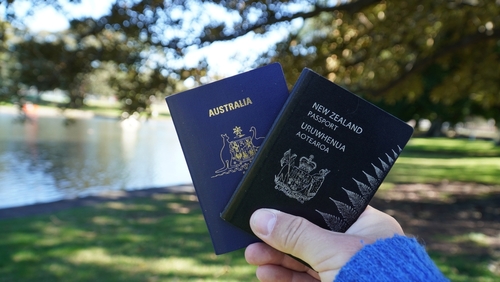
Australia permits dual citizenship with many countries around the world, allowing Australians to retain their original nationality while gaining the benefits of Australian citizenship. Holding dual citizenship can also simplify international travel by reducing visa requirements in a person’s second country. Many individuals also find that dual citizenship benefits in Australia extend to professional opportunities, since dual citizens can often work in both Australia and their country of origin without needing a separate work permit.
Countries such as Canada, the United States, and Italy allow dual nationality with Australia, expanding options for travel and work. However, some countries, like India, do not permit dual citizenship. Understanding these rules in advance is essential for determining where dual nationality is legally recognized.
Which Countries Are Compatible for Dual Citizenship with Australia?
The table below outlines countries that allow dual citizenship with Australia by region:
| Region | Examples of Compatible Countries |
| Europe | United Kingdom, France, Ireland, Italy |
| North America | United States, Canada |
| Asia | Israel, Turkey |
| Oceania | New Zealand, Tonga |
| South America | Brazil, Colombia |
The United States permits dual nationality but requires all citizens, regardless of where they live, to pay US taxes. Ireland, meanwhile, offers a straightforward path to dual citizenship for those with Irish ancestry. It’s best to confirm specific requirements with the relevant embassy or consulate before applying, since each country sets its own rules around nationality and dual citizenship.

What Agreements and Treaties Support Dual Citizenship Arrangements?
Diplomatic ties between Australia and other governments help facilitate dual citizenship. Consular agreements, for example, allow Australian dual nationals to access assistance quickly while abroad.
Bilateral agreements between governments can also create mutual benefits. Australia and the United Kingdom, for instance, cooperate on arrangements that make it easier for citizens to work and relocate between the two countries.
These advantages come with responsibilities. Some countries may still require dual citizens to complete military service or comply with local tax obligations. Understanding these requirements in advance helps dual citizens avoid complications that can arise from holding dual nationality.
What Are the Benefits of Dual Citizenship in Australia?
Dual citizenship provides a wide range of benefits, including greater employment flexibility, freedom to travel between countries, and access to healthcare and education systems in both nations.
Australian dual citizens can access Medicare while also pursuing work and life opportunities abroad, all while maintaining their cultural ties and connections. However, dual citizens should be aware of specific obligations, such as military service or tax requirements, which can vary between countries. Understanding these details in advance makes life easier for dual citizens navigating responsibilities in both places.
What Economic Advantages Come with Dual Citizenship, Including Employment Opportunities?
Dual citizenship removes many employment barriers, such as the need for a work visa, making it significantly easier to pursue job opportunities. Australians who hold a second citizenship can apply for government or private-sector roles in both countries, broadening their career options.
For example, someone with both Australian and British citizenship could work in Australia’s tech industry or the UK’s finance sector without needing additional work authorization. Many employers view dual citizens favorably, since cross-cultural experience is often seen as a valuable professional asset.
Dual citizenship can also provide access to tax treaties or favorable tax arrangements depending on residency. Some countries have tax agreements in place to simplify financial obligations for dual citizens. Altogether, dual citizenship broadens access to employment, income opportunities, and financial planning across borders.

What Educational and Healthcare Benefits Does Dual Citizenship Provide?
Dual citizens can access education systems in both countries, often qualifying for local student rates and scholarship opportunities. For example, an Australian dual citizen living in Ireland can take advantage of strong education systems in both nations.
For healthcare, dual nationality typically grants access to Medicare in Australia as well as health services in the second country. An Australian-Canadian dual citizen, for instance, can access medical care through both countries’ healthcare systems without difficulty.
This expanded access helps reduce costs and increases flexibility, which is especially valuable for families prioritizing education and healthcare. These benefits make long-term planning easier for dual citizens.
What Legal Considerations Should Dual Citizens Be Aware Of?
Navigating dual citizenship requires understanding legal obligations in more than one country. Residency requirements, tax laws, and potential military service obligations can vary significantly between nations, adding complexity for dual citizens. It’s important to review the Australian Citizenship Act carefully and seek legal advice when needed, along with understanding the implications of renouncing citizenship and any relevant agreements between Australia and other governments. Staying informed helps dual citizens protect their rights and meet their responsibilities under Australian law.
What Are the Tax Obligations for Dual Citizens, and How Should They Plan Financially?
Managing tax obligations can be complex for dual citizens. Individuals with Australian citizenship and citizenship of another country need to understand how income tax, capital gains, and inheritance tax may apply in each jurisdiction. Tax liability generally depends on residency status in each country.
Careful financial planning is essential, and dual citizens often benefit from professional legal or tax advice to ensure compliance with both Australian tax law and the laws of their other country of citizenship. This helps avoid double taxation and ensures dual citizens can take advantage of any applicable tax credits or treaties.

What Legal Responsibilities Come with Holding Dual Citizenship?
Dual citizens are legally required to comply with the laws of both Australia and their other country of citizenship. This may include obligations like military service or tax payments in both jurisdictions, depending on each country’s specific laws.
Understanding these requirements is essential for maintaining legal status and avoiding complications under the dual citizenship system. Failing to comply with the laws of either country could lead to legal issues that affect a person’s rights and status as a dual citizen.
Frequently Asked Questions
Does Australia require you to renounce your original citizenship?
No. Australia does not require citizens to renounce their original citizenship to become an Australian citizen. However, some other countries do require renunciation of Australian citizenship before granting their own, so it’s important to check the specific rules of your country of origin.
Can you hold triple citizenship in Australia?
Yes, it is possible to hold three or more citizenships simultaneously as an Australian, provided each country involved permits multiple nationalities. For more detail on this topic, see our guide to triple citizenship in Australia.
What happens if your home country does not recognize dual citizenship?
If your home country does not recognize dual citizenship, you may be required to formally renounce your original citizenship before or after becoming an Australian citizen. Requirements vary by country, so it’s best to consult your home country’s embassy or consulate for specific guidance.