Key Highlights
If you plan to visit the United States, it’s important to know about the electrical outlets there. This helps you keep your things charged and safe. Here is what you should remember about electrical outlets in the United States.
-
The United States mainly uses Type A and Type B electrical outlets.
-
The usual voltage is 120V and the frequency is 60Hz.
-
Type A plugs have two flat parallel prongs, and Type B has those plus a grounding pin.
-
If your plug is a different international plug, you will need a travel adapter.
-
Make sure your device is dual voltage (110-240V) so you won’t need a voltage converter.
Introduction
Welcome to the United States! If you are getting ready for your trip, there is one thing you should not forget. The electrical outlets here may not be the same as the ones where you live. It is good to know about these differences before you travel. This guide will help you understand the plug types in the United States and what the electrical outlets are like. You will learn if you need an adapter for your international plug. This way, you can use your devices in the U.S. with no problems on your journey.
Overview of Electrical Outlets in the United States
In the United States, most electrical outlets are set by the National Electrical Manufacturers Association. The main outlets you see in homes, hotels, and other places are type A and type B. They look almost the same, but type B has a third hole. This third hole is for the grounding pin.
These electrical outlets give the power supply to things like phones and laptops. The type B outlet is used more now for safety. It has a grounding pin that keeps you safe from shock. The grounding pin lets the electrical circuit go through a safe path.
The Role of Electrical Outlets in Daily Life and Travel
Electrical outlets are an important part of daily life. They give us the mains power we need each day. At home, you need them for things like your refrigerator and television. When you travel, you see how important they are even more. How would you charge your phone or your camera to catch new memories without them?
For people traveling, finding outlets that work with your things is very important as soon as you get to your hotel. An electrical outlet connects you to the local power grid. It lets you use every electrical appliance you brought with you. If you do not have a working outlet, your devices are just extra things in your bag.
It does not matter if you are on a work trip and need to use your laptop, or if you are taking a holiday and want to run a hairdryer. You need to know what kind of electrical outlets are used where you are going. This is the best way to use your devices with no problems anywhere in the world. The united states has its own use for electrical outlets and its own rules for power.
Why Understanding US Electrical Outlets Matters for Travelers
Arriving in a new country and not being able to charge your devices can be a bad way to start your trip. It’s good to know about electrical outlets in the United States before you travel there. The power plugs and electrical current in the United States might not be the same as what you use at home.
If you are ready, you will have the right adapters and converters with you. This helps keep your electronics safe and stops anything risky from happening. Doing a little research on united states electrical outlets helps your trip go well and keeps your stress low.
Here’s why it matters if you use an international plug:
-
Device Compatibility: Make sure your plugs go into U.S. sockets.
-
Voltage Safety: Keep your devices safe from wrong voltage.
-
Staying Connected: Always be able to charge your phone or laptop.
Common Types of Electrical Outlets in the United States
When you see a wall in the United States, you will notice the most common electrical outlets are Type A and Type B. The Type B outlet is found in newer places. It has three slots. Two slots are for flat prongs, and the other is a round spot for the grounding pin.
Some old buildings still use Type A outlets. Those have just two slots for flat prongs. Both types follow the rules in the National Electrical Code. This helps keep the outlets safe and working well. When you know about these types, you know what to look for. Now, let’s see how each is made and used.
NEMA 1-15 (Type A): The Classic Two-Prong Outlet
The NEMA 1-15, known as the Type A outlet, was the first ungrounded standard made in the United States. It has two slots for flat parallel prongs, and it is one of the most easy to spot plug types in North America. Most new homes now use the three-prong outlet because it is safer. But you will still find Type A outlets in many older buildings.
This outlet is good for things that do not need a ground connection, like lamps or some small chargers. It has a simple look, but it does not have the extra safety from a grounding pin.
Key features of the Type A outlet include:
-
Two vertical slots for flat prongs.
-
No grounding connection.
-
Typically rated for 15 amps.
NEMA 5-15 (Type B): The Grounded Three-Prong Outlet
The NEMA 5-15, or Type B outlet, is the current standard for electrical outlets in the United States. It’s an updated version of the Type A, featuring the same two flat prongs plus a round or U-shaped grounding pin. This third pin, also known as an earth pin, provides an essential safety feature by connecting the device to the ground, which helps prevent electric shock.
This type of outlet is required in all new construction to meet modern safety standards. The grounding pin ensures that any fault in the electrical current has a safe path to the ground, protecting both you and your appliance. The current rating for these outlets is typically 15 amps. You will encounter these three-prong plugs on most modern appliances.
|
Feature |
Description |
|---|---|
|
Prongs |
Two flat parallel prongs and one round grounding pin |
|
Grounding |
Yes, includes an earth pin for safety |
|
Common Use |
Standard in all modern US homes and buildings |
|
Safety |
Meets current safety standards for grounding |
Electrical Plug Types Used in the United States
There are two main plug types that people use in the United States, just like there are two common outlet styles. These plug types are called Type A and Type B. Both of them have flat pins, a look you will see in most of North America when it comes to power plugs.
Type A plugs come with two flat pins. Type B plugs have the same two flat pins but also add a third one that is round. This round pin is there for grounding. Some plugs, called polarized plugs, have a neutral pin that is a bit wider. This helps people put the plug in the right way.
Let’s take a look at how these plug types are built and how they work with other outlets in your house.
Two-Prong Plugs: Design and Usage
The two-prong plug, called the Type A plug, has two flat prongs. You will see these electrical plugs on small devices and electrical appliances. These are used for things like lamps, clocks, and some phone chargers that are double-insulated. They do not need a ground connection.
The prongs sit next to each other. This lets the plug fit into both Type A and Type B outlets. This makes them easy to use. On most new two-prong plugs, one prong is a bit wider than the other. This is called polarization. It helps the plug go in the right way. This lets the electrical current flow along the safe path.
They do not have a grounding pin. So, these plugs are used only for electrical appliances that have other ways to keep you safe. You can plug a two-prong plug into a three-hole outlet. But do not try to push a three-prong plug into a two-hole outlet.
Three-Prong Plugs: Safety and Compatibility
The three-prong plug, known as Type B plug, is what you see in most homes and businesses in the United States. The third pin, which is rounded, is called the grounding pin. The grounding pin helps keep you safe from electric shock.
The ground connection makes a safe way for electricity to move if there is a problem such as a short circuit. It causes the circuit breaker to go off and stops the power. This keeps the metal parts of things like computers, refrigerators, and power tools from getting too much electricity and becoming unsafe. That is why appliances with metal casings use three-prong plugs.
Key benefits of three-prong plugs include:
-
Enhanced Safety: The grounding pin helps keep people safe from electric shock.
-
Fault Protection: A ground connection keeps the electrical circuit and the appliance from getting hurt.
-
Wide Compatibility: It goes into all newer Type B outlets.
Voltage and Frequency Standards in the United States
In the United States, it’s important to know more than just what the plugs and outlets look like. You should also learn about the power supply and how the rated voltage works. If you get this detail wrong, you could ruin your electronics. So, it is something you need to know.
Homes and hotels in the United States use electrical current at 120 volts (V). The frequency is 60 hertz (Hz). This is the standard here. It might not be the same as what you have in your own country. Many places in Europe or Asia use different numbers. Let’s talk about what this rated voltage and electrical current mean for your devices.
Standard Voltage: What You Need to Know
The normal rated voltage in the United States is 120V. This is the amount of electrical power that comes from the power source. In other places like Europe and Asia, the voltage is often higher, usually from 220V to 240V. If you plug something that needs 220V into a 120V outlet, it may not work well, or it might not turn on at all.
On the other hand, if you put a 120V-only device into a 220V outlet, it can be very risky. The device can overheat and may break for good. Always check your device for the right voltage before you use it. The power supply must match the rated voltage that your device is made for.
Here’s a quick summary:
-
U.S. Standard: 120 volts.
-
Check Your Device: Look for the “INPUT” voltage on the label or power adapter.
-
Dual-Voltage is Best: Devices labeled “110-240V” are safe to use without a converter.
Frequency of U.S. Power Supply
The frequency of the power supply is also important, not just the voltage. In the United States, the usual frequency is 60 Hertz (Hz). This is how many times the power the electrical circuit changes direction each second. In many other places, like Europe, the frequency is 50Hz.
Most modern electronics you use, like laptops and phone chargers, are fine with both 50Hz and 60Hz. They will work in the United States or other countries. But some things with motors, such as clocks or electric razors, may not work the same way on a different frequency.
For example, a clock made for a 50Hz electrical circuit could move faster if you plug it into a 60Hz power supply. Good news is, this should not break it, but it is something you should know. Always look at your device’s information to see what power supply it needs.
Compatibility With International Devices
So, will your devices from home work in the United States? That will depend on two things. One is the shape of the plug. The other is the voltage used. The outlets in the United States are made for plug shapes called Type A and Type B. If your device does not have one of these plug shapes, you will need to get an adapter.
Many new electronics are dual voltage. This means they can work with both 120V and 220-240V. But if your device does not handle both, and works on only one voltage, you will need a converter. Groups like the International Electrotechnical Commission help make these things more clear. But it is always good to check your device before you go. Now, let’s find out how you can get your foreign devices ready for a trip to the United States.
Plug Shapes and Adapters for Foreign Travelers
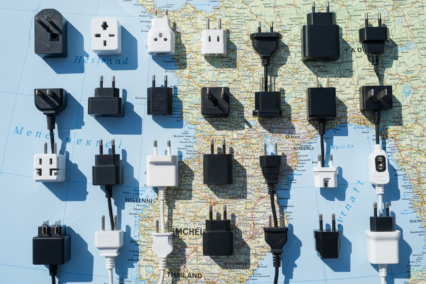
One of the first things international travelers deal with is plug shapes that are not the same. In the U.S., plugs usually have flat prongs. But, in many other places, you will find round pins or rectangular pins. To use your international plug in a U.S. outlet, you need a travel adapter.
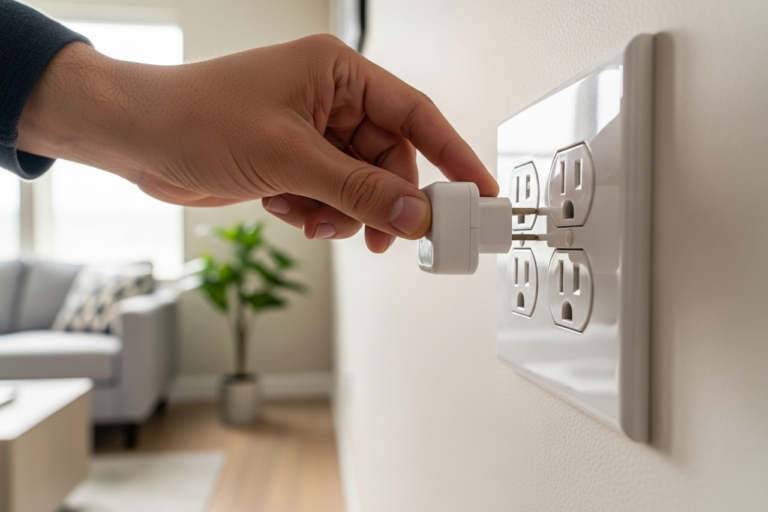
A travel adapter is a device that makes your plug fit the wall socket shape. It does not change the voltage. A universal adapter is a good choice since it often works with plug types from around the world. Be sure the size of pins for your plug matches the adapter you pick.
Before you leave, know your device’s plug type and buy the right adapter:
-
Europe: Most countries use Type C, E, or F plugs with round pins.
-
UK: The UK uses Type G plugs with three rectangular pins.
-
Australia/New Zealand: These places use Type I plugs with flat pins that go at an angle.
-
Asia: Plug types change from place to place, but Type C, Type G, and Type A are used often.
Will European, UK, or Asian Devices Work in the United States?
Whether your devices from Europe, the UK, or Asia will work in the United States depends on the voltage. Many countries in those areas use a 220-240V system. The U.S. has a lower voltage, at 120V. You need to check if your device is single voltage or dual voltage.
A lot of modern electronics, like phone, laptop, and camera chargers, use dual voltage. You will often see this written on the device’s power brick. It may say “INPUT: 100-240V, 50/60Hz”. If you see this, the device is dual voltage. You just need a plug adapter for the right outlet in the United States. Outlets in the U.S. are Type A or B. Common plug types in other countries include type C, type G, and type L.
If your device is single voltage and made only for 220-240V, it may not work in the United States. Examples are some hair dryers and kitchen gadgets. They may not turn on with the 120V found in the U.S. If you want to use these, you will need a step-up voltage converter. This changes the 120V to the higher voltage your device needs.
Safety Features of U.S. Electrical Outlets
U.S. electrical outlets have some important safety standards. One key part is the grounding pin, also known as the earth pin. This helps protect people from getting hurt by electric shock. Another feature is polarization. It makes sure plugs are put in the outlet the right way.
These safety rules help stop people from touching dangerous parts of the outlets or putting foreign objects in them. They help your appliances work safely and keep you protected. Let’s take a closer look at these key features.
Grounding for Added Protection
Grounding is a simple but important part of most U.S. electrical systems. On a type B outlet, you see a third round hole. That is for the grounding pin. This pin connects right to the earth, so sometimes people call it the earth pin. Having this in place can really save lives.
If something goes wrong and a live wire hits the metal part of an appliance, the ground connection lets electricity move safely to the earth. This makes the circuit breaker turn off the power fast. It stops the metal item from becoming charged and keeps people safe from electric shock. If there is no ground connection, touching that item could be very dangerous.
Key points about grounding include:
-
It protects users from electric shock.
-
It prevents damage to appliances during electrical surges.
-
It is a mandatory feature in all new U.S. construction.
Polarization: Ensuring Consistent Power Flow
Have you seen that some two-prong power plugs have one blade that is wider than the other? This is a safety step called polarization. The main point of this is to make sure that the plug only fits into electrical outlets in one way. This keeps the flow between the “hot” and “neutral” wires going the right way.
This is really important for keeping some appliances safe while they work. When the neutral wire stays on the neutral side and the hot wire goes to the hot side, polarization helps lower the risk of electric shock. It also stops some parts of things you touch, like the metal screw shell in a lamp socket, from becoming live.
Polarization may seem simple, but it gives you more safety for type B or other power plugs, whether they are grounded or not. It helps make sure the current rating and power plug design work together with the right safety standards in mind.
Identifying Safe Devices for Use With U.S. Outlets
Before you plug any device into a U.S. outlet, make sure it is safe first. The best way is to look at the label on the device. There, you can find the rated voltage. This label helps you see if your device will work with the U.S. standard, which is 120V.
Some devices use only one voltage and some are dual voltage. Devices with dual voltage can be used in more than one place and are good for travel. You need to know if your device has single or dual voltage so you can keep it safe and make sure you stay safe too. Let’s talk about how you can check these labels.
Checking Voltage and Device Labels
The way to check if your device is safe to use in the U.S. is to look at the information on its label. You will see this as a small sticker or panel on the device or its power adapter. The label lists technical details, including the rated voltage.
Find the line that says “INPUT.” If it shows something like “INPUT: 100-240V,” this means your device is dual voltage. You can use it with the 120V power in the U.S. with no problem. If the plug is a different shape, you just need a plug adapter.
If you see the label list a single voltage, for example “INPUT: 220V,” your device is single voltage. This type will not work in a typical U.S. outlet. Using the device here without a voltage converter can break it.
-
Locate the Label: Look for the information on your device or power cord.
-
Read the “INPUT” Line: Check what voltage (V) is listed.
-
Identify Single Voltage vs. Dual Voltage: If it says “100-240V,” it is safe to use; but if it only shows one higher voltage like “220V,” it will not work.
Understanding Dual-Voltage and Single-Voltage Appliances
It is very important to know the difference between a dual-voltage and single-voltage electrical appliance, especially if you travel to other countries. A dual-voltage electrical appliance works with many voltage levels. You can use it with about 100V to 240V. Most new devices, like laptops, smartphones, and camera chargers, are made to be used all over the world. These gadgets change how they work based on the voltage at the place.
But a single-voltage electrical appliance is made for only one voltage, such as 120V or 220V. You see this most often with things like hair dryers, electric kettles, and curling irons. These types of things are not good for travel. They can break if you use them in a place that has a different voltage.
If you bring a single-voltage appliance with you, you will need to have a voltage converter to use it safely in the U.S. Always look at the label on your things before you pack them. That will help you not bring something you cannot use or might break by accident.
Travel Adapters and Converters for Visiting the United States
If you have devices that are not from North America, you might need some help plugging them in. Travel adapters and voltage converters are both important for this. These two tools do different things. Adapters only change the plug shape. Converters change the voltage.
You could need just one of these, or you might have to use both. It’s good to know which to bring with you so your trip goes smooth. Now let’s make it clear what each of these travel items does for you.
Difference Between Plug Adapters and Voltage Converters
People often think plug adapters and voltage converters do the same job, but they do not. They have different uses. A plug adapter lets your plug fit into a different shape of wall outlet. It is just a simple tool that changes the shape. It does not change the power source. The voltage or the frequency of the electricity stays the same.
On the other hand, a voltage converter is an electrical device. It changes the voltage that comes from the power source. For example, if you bring a 220V device to the U.S., you will see that the power source there is 120V. You need a “step-up” converter to use your device, because it changes the voltage up to 220V. If you have a U.S. device and want to use it in a country where there is 220V, you will use a “step-down” converter to drop the voltage to 120V.
Here is the main difference:
-
Plug Adapters: Change the plug shape only. They do not alter electricity.
-
Voltage Converters: Change the voltage (e.g., from 120V to 220V).
-
Check Your Device: Use an adapter for dual-voltage devices and a converter for single-voltage devices.
How to Choose the Right Adapter for Your Trip
Choosing the right adapter for your trip to the United States is easy when you know what to check. Start by looking at the plug types your devices have. If your plugs are not Type A or Type B, you will need an adapter for the United States.
Next, take a look at the rated voltage on your devices. If your devices can use both 100V and 240V, which means they are dual-voltage, you just need a plug adapter. If your device is single-voltage, you also need to buy a voltage converter that matches the wattage of your device. If you are not sure what to get, a universal adapter is a good choice, since it can be used in many places and with many plug types.
Here are a few tips to help you choose:
-
Identify your home country’s plug type.
-
Ensure your devices are dual-voltage (100-240V).
-
Purchase an adapter that converts your plug shape to the U.S. Type A/B.
-
Consider a universal adapter for future travel to other countries.
Conclusion
If you are going to the United States, you need to know about the electrical outlets there. Learning about the outlet types, voltage, and what keeps you safe can help you avoid problems. It will also make sure that your devices work with no trouble. Always check if your chargers and other things will work and have the right travel adapters or converters. Doing this can make your trip smoother. It will also help you feel safe when you are exploring. If you are getting ready for your trip, you can get a free consultation for tips on what you need to bring. Have a good trip in the United States!
Frequently Asked Questions
Can I use my phone charger from Europe in the United States?
Yes, you can most likely use your charger. Almost all new phone chargers are dual voltage (100-240V). So, they will work with the 120V electrical outlets in the U.S. But, to make your European Type C plug work in the U.S., you will need a simple plug adapter. The adapters help you fit your Type C plug into an American Type A or B outlet.
What happens if I plug a 220V device into a US outlet?
If you plug an electrical appliance that needs 220V into a 120V U.S. power supply, the appliance will not get enough voltage to work right. It will run very weakly, or it may not turn on at all. This is because the rated voltage for the device is higher than what the outlet gives.
Are American outlets compatible with Canadian appliances?
Yes, they are fully compatible. The United States and Canada are both in North America, and the two have the same electrical rules. They use the same plug types, type A and type B. Both countries use 120V power and 60Hz frequency. You can use your Canadian appliance in the United States, or use an American one in Canada, without any adapter or converter.