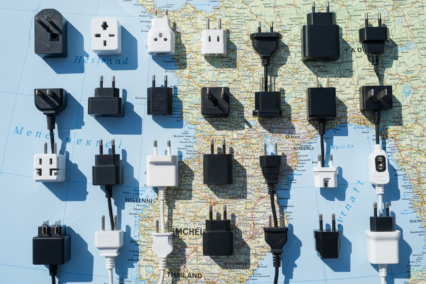
Key Highlights
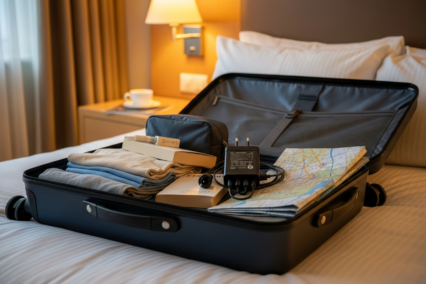
Here are the things you need to know before you travel to the United Kingdom:
-
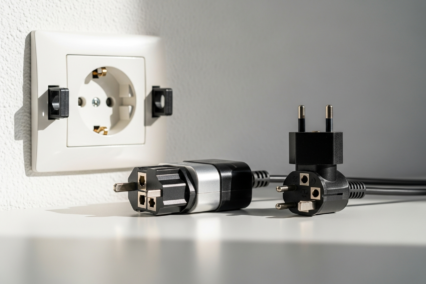
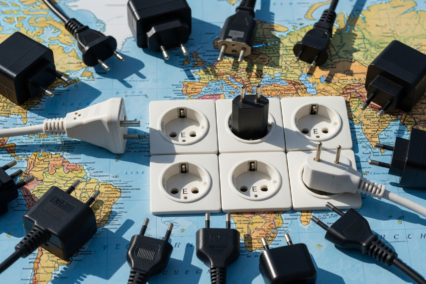
The UK uses Type G plugs and sockets. These are not the same as in the US or Europe.
-
You will need to bring a travel adapter to connect your device to UK outlets.
-
The standard voltage in the United Kingdom is 230V. The frequency is 50Hz.
-
You should check if your device has dual voltage (110-240V). This way, you know if it is good to use.
-
If you have a single voltage device from the US, you will need a voltage converter, not just an adapter.
-
UK sockets have built-in safety features like shutters and fuses for you to use your things more safely.
Introduction
Are you planning a trip to the United Kingdom? That’s great! As you get your list of places to visit ready, make sure you think about the plug type used in the uk. People in the united kingdom use plugs and voltage that are not like the ones used in many other places, like the United States.
There’s no need to stress about this. This guide will help you learn all you need to know. It will tell you about the uk plug type, the voltage, and what kind of adapter or converter you should get. This way, your devices will be charged and ready to go during your trip.
Understanding Electrical Outlets in the United Kingdom
When you get to the United Kingdom, you will right away see that the power outlets are not the same as what you may use at home. The UK has its own way of doing power supply and electrical appliances. This means the plugs you bring from home may not work here.
The main plug type is called Type G. You will find this in the UK and in some other places, but not many. The sockets are just made for this plug. They help all your electrical appliances be safe and steady when you use them. In the next parts, we will talk more about how these plugs and sockets look and work.
Common UK Power Plug Types
The main power plug you will see and use in the United Kingdom is called the Type G plug. This plug type is used across the UK, so you will find it in hotels, homes, and cafes. The official name for this plug in the UK is BS 1363.
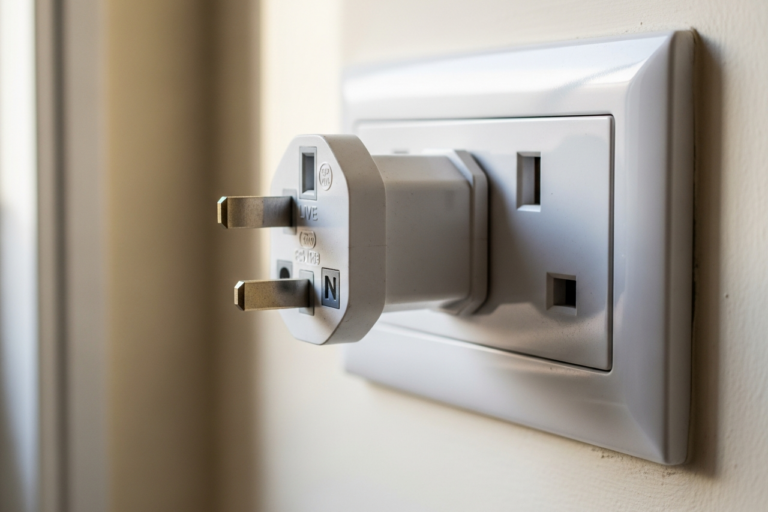
Type G is easy to spot because of its shape. It has three rectangular pins set up in a triangular pattern. One pin points straight up (this is the ground pin) and it is a bit longer than the other two pins. The two shorter pins go sideways (these are the live and neutral pins). This special pattern is what makes Type G a common plug in the UK.
This plug works with standard voltage in the United Kingdom, which is 230V. The strong design and the shape of the pins help make UK plugs safe to use. Keep in mind, you can’t use plugs from the US or Europe in a UK outlet without an adapter.
Visual Features of British Electrical Outlets
British electrical outlets made for the type G plug have some features you can spot right away. The three rectangular holes are lined up in a triangular pattern to match the plug’s pins. This keeps the plug from being put in the wrong way, which is safer for people.
Most sockets in the United Kingdom also have a small switch next to the socket. You can use this switch to turn the power supply on or off for that socket. It helps their people stay safe and keeps control over the power. It’s smart to turn the switch off before you plug in or unplug an appliance.
Here are some key things to look for:
-
Triangular Pattern: Three rectangular slots for the plug’s pins.
-
On/Off Switch: A small switch right next to the socket.
-
Safety Shutters: Plastic shutters cover the main connectors until you put in a plug.
Voltage, Frequency, and Device Compatibility
Besides thinking about the shape of the plug, you have to check the electrical power supply in the united kingdom. The uk uses a different voltage and frequency than the united states. This is very important for the compatibility and safety of any device you use. If you use a device with the wrong voltage, it can get damaged or even pose a safety risk.
So, before you plug anything in while in the united kingdom, make sure your device can handle the uk power supply. Next, we will talk about the voltage and frequency in the united kingdom. We will also cover how to safely use your devices from the united states and europe.
Standard Voltage and Frequency in UK Sockets
In the United Kingdom, the standard voltage supplied through its sockets is 230V, and the frequency is 50Hz. This is significantly higher than the 120V standard used in the United States. This difference means that some American appliances may not work without a special device.
If you plug a single-voltage American appliance (rated for 110V-120V) directly into a UK socket with just a plug adapter, you risk overloading and permanently damaging it. For such devices, a voltage transformer or converter is necessary to step down the voltage from 230V to a safe level for your appliance.
Most modern electronics like laptops and phone chargers are dual voltage, but it’s always best to check the appliance’s rating plate. Here’s a quick comparison:
|
Feature |
United Kingdom |
United States |
|---|---|---|
|
Voltage |
230V |
120V |
|
Frequency |
50Hz |
60Hz |
|
Plug Type |
Type G |
Type A & B |
Using US and European Devices with UK Outlets
If you want to bring your electronics from the US or Europe to the United Kingdom, you need to plan ahead. This is because the plug shape and voltage can be different. Any device you bring will need a plug adapter to fit into the Type G sockets in the UK. This adapter only changes the shape of the plug so it fits, but it does not change the electricity.
If you are coming from most of Europe, you probably use about the same voltage as the United Kingdom (220-240V). In this case, you just need a simple plug adapter. The plug on your device is likely Type C or F, which will not fit into the UK sockets without an adapter.
If you are coming from the US, there is a bit more to think about for compatibility. You will need a plug adapter for the type G sockets in the UK. But you also must check if your device is dual voltage. If it is not and your device is only made for 120V, you have to get a voltage converter to keep your device safe. A plug adapter alone will not be enough in this situation, and not using a converter could break your electronics.
Safety Standards and Features of UK Electrical Outlets
UK electrical outlets are known for being safe. The way the sockets and plugs are made helps keep people from getting shocked. These parts are a big part of the electrical system in the United Kingdom.
The plug in the UK has a fuse. There are also shutters inside the sockets. These things are there to lower the risk when using electrical appliances in your home or office. You can feel good about using plug and sockets in the United Kingdom because of these safety steps. In the next parts, there will be more about these built-in things. You will also find some more tips for staying safe.
Built-in Safety Mechanisms
The BS 1363 rule, which controls plugs and sockets in the UK, sets some big safety steps. One key step is the fuse that goes inside every Type G plug. This fuse will blow if too much power runs through the appliance. It helps stop damage and keeps both people and their stuff safe from things like shocks or fires.
Another big help is the system of shutters in the socket. These plastic shutters sit over both the live and the neutral contacts. This stops kids from trying to put things in the socket. The shutters only open up when the longer earth pin from a Type G plug goes in first. Then, the live and neutral pins can go in and get power.
All these parts come together to make using electricity in the UK much safer.
-
Fused Plugs: Each Type G plug has a fuse set for its use with the appliance.
-
Shuttered Sockets: The live and neutral contacts stay closed until the plug is set in the right way.
-
Polarized Pins: The special look and size of each pin make sure that people can only put the plug in the right way.
-
Insulated Pins: The live and neutral pins get covered at the base, which stops people from touching them by mistake when they plug things in or take them out.
Learn more about UK plug sockets, shutters, Type G, neutral contacts, and BS fuses
Childproofing and Additional Safety Tips
UK sockets have great safety features built in. But, it is still a good idea to take more steps, mainly if you have kids with you. The shutters inside the sockets work well to help keep kids safe. So, you do not need to use the usual “outlet covers” from the US. In fact, using those covers can harm the safety work of the UK socket shutters.
The best thing you can do for childproofing is to stay alert. Teach your kids not to touch or play with sockets or plug cords. When you are not using an electrical appliance, unplug it. Make sure you also turn off the power switch on the socket. That gives your home another layer of safety.
Here are more safety tips for you:
-
Never use a plug or electrical appliance with a broken cord.
-
Do not put too many high-power appliances in one socket.
-
Keep all electrical appliances away from water, like sinks or bathtubs.
-
Always switch the socket off before you pull out a plug.
Travel Adapters and Plug Converters for US Visitors
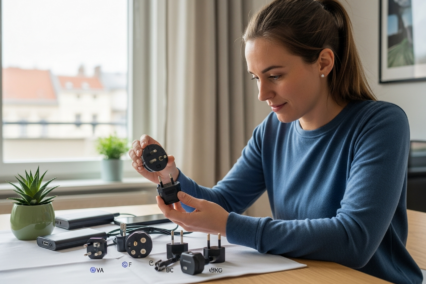
If you come to the United Kingdom from the US, you must bring some things to make your electronics work. The two main items are a travel adapter and a voltage converter. It’s helpful to know the difference between them.
A travel adapter lets your US plug fit in the Type G sockets in the UK. A voltage converter is a device that changes the voltage of electricity. We will show you when to use each one.
When You Need a Travel Adapter
You will need a travel adapter if you want to plug in a device with a plug that is not made for the UK. The adapter helps when your plug does not fit in a UK Type G socket. It changes the shape of your plug’s prongs so they fit in these sockets.
Think of the adapter as a go-between that lets your plug connect to power. It does not change the voltage or how the electricity works. It just lets your device from the US or Europe work in the United Kingdom. If you are traveling and want to use your laptop or phone charger, a travel adapter is one of the first things you need.
Here are the times you must have a travel adapter:
-
Your device has a US plug (Type A or B).
-
Your device has a European plug (Type C, E, or F).
-
You want to connect any non-Type G plug to a UK socket.
-
You are using dual voltage devices like laptops or phone chargers.
-
Even if you need a voltage converter, you will often need a plug adapter to connect the converter to the wall.
Choosing the Right Adapter or Converter
Choosing the right accessory for your trip starts with your device. Look first at the label on your device’s power supply. If it shows ‘INPUT: 100-240V, 50/60Hz’, it means you have a dual voltage device. For these, you only have to get a travel adapter to fit your plug into a Type G socket used in the UK.
If your device is not dual voltage and just says something like ‘INPUT: 120V’, then your device is single voltage. In this case, you need a voltage converter. The converter will take the 230V from the UK and step it down to 120V. This keeps your device from getting damaged. Some converters work for a short time with items that produce heat. Transformers will work if you need to use your electronics for longer.
When you look for what you need, remember:
-
Adapter: Just a simple plug adapter will do for dual voltage devices.
-
Voltage Converter: You will need a transformer or voltage converter if your electronics are single voltage. Things like some game consoles or stereos usually need this.
-
Converter for Heat: For single voltage items like a hair dryer or straightener, get a special converter made for these.
-
All-in-One: There are some travel gadgets that put both a converter and adapter together. Still, always look at the power rating. Make sure the adapter or converter can handle the power your device or appliance needs.
Using Electronics from Abroad in the UK
Using your electronics from home can make life easier when you are in the United Kingdom. Most new gadgets like phones, tablets, and laptops are made to work in many countries. This makes it simple to use them while in the united kingdom. The main thing you need to do is check if each device has the right compatibility.
But, there can be problems with old electronics or some other appliances. It helps to know about single voltage and dual voltage devices. When you understand how voltage works on your gadgets, it gets easy to power them up without any trouble.
Dual Voltage vs. Single Voltage Devices
The fastest way to see if your appliance or electronics will work in the UK is to check if it is dual voltage. You should look for a label on your device or its power cord. If you see ‘INPUT: 100-240V’, the appliance is dual voltage. This means you can use it with any voltage in that range, even the 230V you will find in the UK.
Most new laptops, smartphone chargers, and camera chargers are dual voltage. If you have one of these items, you only need a plug adapter to make it fit the wall socket in the UK.
If you have a single voltage appliance, you will see a label with a fixed number such as ‘INPUT: 110V’ or ‘120V’. These single voltage items do not work with the UK’s higher voltage. Plugging them straight into the UK plug can damage the appliance or make it stop working. You will need to use a voltage converter or transformer with a plug adapter if you want to use a single voltage device in the UK.
-
Dual Voltage: Labeled ‘100-240V’. Only needs a plug adapter.
-
Single Voltage: Labeled ‘110V’ or ‘120V’. Needs a voltage converter/transformer and a plug adapter.
-
Common Dual Voltage Items: Laptops, phone chargers, camera chargers.
-
Common Single Voltage Items: Some hair dryers, curling irons, and electric razors.
What to Do if Your Device Isn’t Compatible
If you find that your device is not made for the UK’s 230V system, do not plug it in. Plugging a single voltage 120V device into a 230V outlet will most likely break the appliance and may even start a fire. There are some things you can do if this happens.
The main fix is to use a voltage converter or a transformer. These devices change the voltage from 230V down to what is safe for your device, usually about 120V. Make sure that the converter you get can handle the wattage your appliance uses. For example, a hair dryer with high wattage will need a more powerful converter than a small electric shaver.
In some cases, the better and safer idea is to buy a cheap version of the appliance in the UK or just use the one at your hotel.
-
Use a Voltage Converter: Buy a voltage converter or transformer that matches the power level (watts) of your device.
-
Buy a Local Version: Think about picking up a cheap hair dryer or other small appliances once you get to the UK.
-
Check Your Hotel: Many hotels in London and the UK have hair dryers and other things you can use, which will fit the local sockets.
Where to Buy UK Travel Adapters and Accessories
Did you forget to pack your travel adapter? Don’t worry. You can find these must-have items before you leave or after you get to the United Kingdom. You are able to buy a travel adapter at airports, on Amazon, or in stores all over the UK.
It is true that buying before you fly is usually less expensive. Still, it’s good to know you can get an adapter easily when you need it. No matter if you’re in London or a smaller place, picking up an adapter is not hard. We’ll tell you about the best spots to buy a uk adapter online or in-person when you visit the united kingdom.
Buying at Airports and Online
One of the easiest places to get a travel adapter is at the airport. You can buy one in electronics stores or travel shops at your departure airport or when you land in the UK. These stores make it easy to get what you need, but just know the prices at the airport are usually higher.
If you want better prices and more options, order your travel adapter online before your trip. Sites like Amazon have a big selection of UK plug adapters. You can find simple one-plug adapters or those that work in many countries. Shopping online also lets you read what other people say to help pick the best one for you.
If you get to London Heathrow or another major UK airport and still don’t have an adapter, you should have no trouble finding one.
-
Buy Online: Sites like Amazon have good prices and lots of plug adapters.
-
Departure Airport: Easy to find but can be more expensive.
-
Arrival Airport: A fine backup if you forget to bring one.
-
Universal Adapters: If you travel often, a universal adapter can be a good pick.
Locating Adapters Locally in the United Kingdom
If you have already reached the United Kingdom and need an adapter, do not worry. You can get one at many regular stores. There is not any need to go to a special electronics shop. Big supermarkets, local stores, and even some pharmacies often have basic travel adapters and other things you may need for your trip.
If you are in a city such as London, look for big name stores like Boots, WHSmith, or large grocery stores such as Tesco or Sainsbury’s. These stores are just about everywhere in the united kingdom. Most of them will have a small spot with travel items. Buying from these places is often cheaper than shopping at the airport.
Finding an adapter near you is quick and easy in the united kingdom.
-
Supermarkets: Big stores like Tesco, Asda, and Sainsbury’s.
-
High Street Shops: Places like Boots (a pharmacy and regular store) or WHSmith (a shop often set in train stations).
-
Electronics Stores: Shops like Currys or Argos will give you more choices for adapters and converters.
Conclusion
To sum up, knowing about electrical outlets in the United Kingdom is important for anyone who plans to visit or move there. The UK has its own plug types and voltage rules. These can be different from what you are used to at home. This guide helps you learn what you need so your devices work and stay charged in the UK.
Use the proper travel adapters and converters to avoid problems with your electronics. Always keep your safety in mind by following the UK’s electrical rules. If you have any questions or want more help, you can ask for advice. Enjoy your trip in the united kingdom and UK!
Frequently Asked Questions
Can I charge my phone or laptop in a UK outlet?
Yes, you can use it. Almost all phone and laptop chargers are dual voltage. This means they will work with the UK’s 230V sockets. To plug your charger in, you just need a Type G plug adapter. Make sure you check the label on your charger to see if it can handle this voltage.
Are UK electrical outlets compatible with European plugs?
No, these are not directly compatible. The voltage in much of Europe is close to the UK, but the plug shapes are not the same. Most European plugs, like Type C or F, will not fit into UK Type G sockets. You will need a travel adapter to use your European devices with a UK plug and sockets.
Is it safe to use travel adapters in the United Kingdom?
Yes, you can use a travel adapter in the UK without worry if you buy it from a good store. UK plug sockets have high safety rules. If you use a good quality adapter, your devices should work well and be safe. Do not use an adapter if it feels loose or does not fit the plug tightly.