Key Highlights
Heading off for a Tanzanian safari? Here’s what you need to know about their power supply.
-
Tanzania mostly uses the Type G plug. This type has three square pins and comes from the UK.
-
You will need a plug adapter for your devices if you are not from the UK.
-
Type G is common, but you might see a Type D plug in some places. Using a universal adapter is a good idea.
-
The standard voltage in Tanzania is 230V. You may have to get a voltage converter if your electronics are single-voltage.
-
Make sure you pack a travel adapter. For some devices, you will also need a converter.
-
A power bank is a great backup to have. It is very useful, mainly if you go to remote areas.
Introduction
Are you getting set for a great trip to Tanzania? When you pack, there is one thing you should think about: the power supply. You need to know about the plug types and voltage in Tanzania. This will help you keep your phone, camera, and other things charged at all times. This guide will show you what kind of plug and adapter you should bring with you. It will also tell you if you will need a converter or not. With this info, you will be ready to plug in and use your gadgets in Tanzania. Stay powered up and enjoy every day of your adventure!
Understanding Tanzanian Electrical Outlets and Plug Types
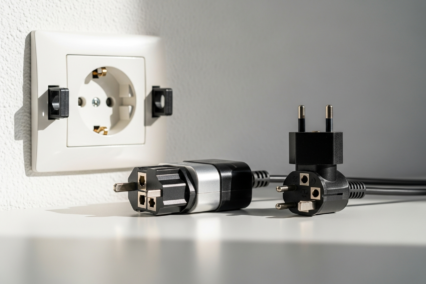
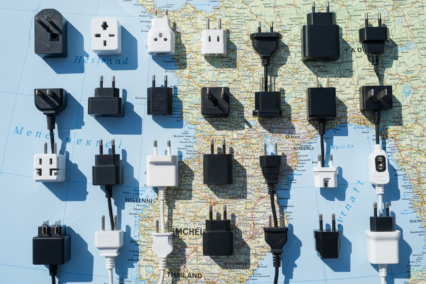
When you visit Tanzania, you may see that the electrical outlets do not look like what you use at home. The main plug types in Tanzania are Type G and, in some cases, Type D. Type G has three rectangle pins. Type D has three large round pins.
It is good to know which plug shape is used the most before you travel. To make sure you can charge your stuff anytime, you should pack a plug adapter. In this guide, we talk about the design of these outlets. We also cover how often each plug type is seen in the country.
Overview of Outlet Design and Compatibility
The most common type of plug you will see in Tanzania is the type G plug. This is the same one found in the United Kingdom. It has three pins set in a rectangular, triangle layout. Most hotels and modern places there have type G outlets. If the plug shape of your device is not the same, you will need a plug adapter to use the power supply.
It is important to know the plug design before you use your electronics. There is a second kind, but you will not find it as often. This type has round pins and looks different from type G.
The power supply in Tanzania can change without warning. Because of this, it is smart to buy an adapter that fits your device and also gives surge protection. This helps keep your things safe from power surges. A universal adapter is good if you want to cover various plug types you might see when you go.
Commonality of Type D and Type G Plugs in Tanzania
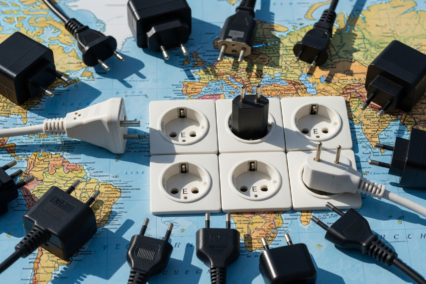
While Type G is the main plug type that you will find in Tanzania, you may still see some Type D sockets. You are more likely to find these in old buildings or places that are further out from the main city. The Type D plug has three round pins set out in a triangle. Because there are more than one plug types, it is important to pack the right adapter when you travel.
Since Type G is used by most people, you should bring an adapter for this plug. If you want to be sure that your electrical appliances will work everywhere, you can bring a universal adapter. This is a good way to be prepared for both plug types. You will not have to worry about what kind of sockets will be where you go.
-
Type G: The most common plug with three rectangular pins.
-
Type D: A less common plug that comes with three round pins.
-
Other types: You may seldom see the European or US two-pin plugs. But these are now much less common in Tanzania.
Power Supply in Tanzania and Voltage Considerations
Besides the shape of the plug, you also have to think about the electrical voltage. The power supply in Tanzania uses a different voltage than the power supply in the United States or Canada. So, just having an adapter might not be enough for your things.
Some of your devices may have single voltage, and some may be dual voltage. You need to know which type you have. Be sure to check before you go. If you use a single voltage device with the wrong voltage, the power supply in Tanzania can damage it. You may need a voltage converter for some of your electronics.
Standard Voltage and Frequency in Tanzania
The electrical system in Tanzania operates at a standard voltage of 230 volts and a frequency of 50 Hz. This is a key piece of information for any traveler bringing electronics. The voltage is the force of the electrical current, and using a device with an incompatible voltage can cause serious damage.
If you are traveling from a country that uses a similar voltage, like most of Europe or the UK, your devices should be compatible in terms of power. However, travelers from North America or Japan, where the voltage is much lower (around 110-120V), will need to pay close attention to their device specifications.
Here is a quick summary of Tanzania’s power supply:
|
Attribute |
Value |
|---|---|
|
Voltage |
230V |
|
Frequency |
50 Hz |
Always check the socket and your device’s label before plugging anything in.
Device Compatibility for Travelers from the US, UK, and Europe
Your home country affects if you need more than a plug adapter. If you are from the United Kingdom, things will be easy for you. Their plugs are already Type G, which is the same as the one used in Tanzania.
If you are coming from other places in Europe, you will need a plug adapter. The voltage will match, so you don’t need to worry about that.
Travelers from the United States or Canada deal with something else. The normal voltage in North America is 110-120V. Tanzania uses a much higher voltage of 230V. Many new things like laptops and smartphones are dual voltage devices. This means they work with both high and low voltage. Check on your device if it says “INPUT: 100-240V.” If it does not say this and your device is not a dual voltage device, you will need to use a voltage converter or a power converter. If you do not use it, your device can be ruined.
-
United Kingdom: Your Type G plugs go right in. You do not need an adapter.
-
Europe: You need a plug adapter for Tanzania. The voltage works fine.
-
United States/Canada: You will use a plug adapter and maybe a voltage converter for anything that is not dual voltage.
-
Dual Voltage Devices: You only need a plug adapter. These are ready to use.
Essential Travel Gear: Adapters and Converters
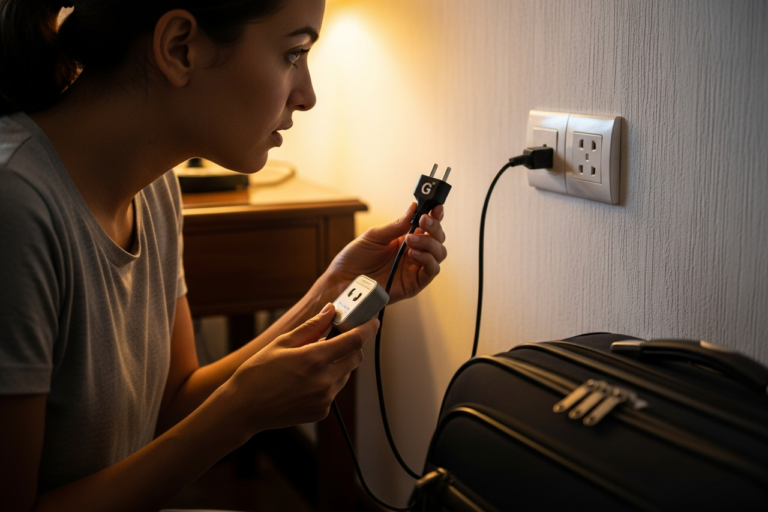
Now that you know about plug adapters and voltage, let’s talk about what gear you will need. The most important things are plug adapters and voltage converters. A plug adapter is simple. It helps your plug fit into a socket with a different shape. But, it does not change the voltage that is in the socket.
A voltage converter is different. This device changes the voltage from the wall outlet so your appliance can use it safely. It’s important to know which one will work best for you, so your gadgets don’t get damaged. If you want an easy fix, you can use a universal travel adapter. This way, you will be ready to fit most plugs you find when you travel.
Choosing the Right Travel Adapter for Tanzania
Because Tanzania uses the Type G plug, the first thing you need is a power plug adapter for type G. If you are sure you will only stay in modern hotels, a simple Type G adapter will do the job for you. But it is a good idea to have a little extra with you, so you do not have any trouble during your trip.
Many people find a universal travel adapter to be the better choice. These work for a lot of different plug types, so you can use them in most places. This can be really helpful in Tanzania, since you may come across a Type D socket now and then. Go for an adapter from a trusted company, so you know it will work well and be safe.
Here’s what you should watch out for when picking your plug adapter:
-
Compatibility: Check if it will work for plug type G.
-
Versatility: A universal travel adapter is good if you need more than one plug type.
-
Safety Features: Try to pick an adapter that has surge protection too, so your devices are safe if power goes up and down.
When to Use a Converter vs. Plug Adapter
It’s easy to mix up a plug adapter with a voltage converter, but they are not the same thing. A plug adapter is only for making your plug fit into a socket that is different. It does not change the voltage or the electric current at all.
You will need a voltage converter or power converter only if your device is a single voltage appliance. This means it cannot work with tanzania’s 230V supply. For example, a product from the US that says “110V” will need a converter. People sometimes call these devices a voltage transformer.
Most modern items like chargers and laptops are a dual voltage appliance. They can work with many different voltages, like 100-240V. With these, you just need a plug adapter. Always take a look at the label on your appliance before you use it. If you use a voltage converter or transformer when you do not need it, you could harm your device.
Charging Electronics Safely in Tanzania
Keeping your devices charged is important, but doing it safely is just as big. The power supply in Tanzania can go on and off. There can also be power surges from time to time. Taking some steps to protect your things can save you from damage.
You need more than just an adapter for your devices. It is smart to bring a surge protector with you. This will help you feel better about your gear being safe. Using a backup, like a power bank, is one of the best and most practical charging tips. It lets you have power for your things even when the power is out.
Safety Tips for Phones, Laptops, and Other Devices
To keep your phones, laptops, and other things working well on your trip to Tanzania, it is good to follow some easy safety steps. The power in Tanzania can go out or change often, so you want to protect your stuff.
First, always check the voltage on your charger or device before you plug it in. When you use an adapter, make sure it is tight and fits well in the plug and socket. This can stop sparks. If you want to be more safe, you should unplug your devices during storms or when you leave the room.
Here are some quick tips for safe charging:
-
Use a surge protector to keep your devices safe from big jumps in voltage.
-
Carry a power bank so you have a backup when you need it.
-
Do not leave your devices plugged in overnight if you can help it.
-
You can use the USB ports on laptops to charge smaller things if there are not enough wall sockets.
Avoiding Electrical Mishaps and Common Risks
Electrical troubles can ruin your vacation. In Tanzania, you need to watch out for power surges and outages. These problems happen more in Tanzania than what you may have back at home. These changes in power can hurt your electronics.
The power supply is not steady in some places, like remote areas or safari camps. In a safari camp, there may be a generator. It may run for just a few hours each day. So, you have to be ready for this kind of power. Having a backup is very helpful when you face problems.
To lower the risks, here are a few things you can do:
-
Invest in an adapter that has surge protection.
-
Do not leave your electronics plugged in without watching them for a long time.
-
Always keep a power bank fully charged as a backup. This way, you can keep your phone and other things powered, even during an outage.
Unique Electrical Conditions: Urban vs. Rural Tanzania
The power supply in Tanzania can be different from place to place. In big cities like Dar es Salaam and Arusha, the electricity is usually steady. You will see the regular outlets at most hotels and homes there.
But when you go to remote areas or head off on a safari, the power situation often changes. There are more power outages, and many lodges use generators. It is a good idea to have a backup to charge your devices when you are away from the city and exploring remote areas.
Access to Power in Cities and Smaller Towns
In big cities in Tanzania like Dar es Salaam and Arusha, you will see that the electricity supply is often steady. The hotels, guest houses, and new buildings in these places have type G outlets. Travelers can count on a good power supply there.
The power grid in these cities works better than in small towns or villages, but it is not perfect. Sometimes, there are power cuts. These outages do not happen as often and do not last as long as they do in the countryside. Most places like hotels and businesses are ready for this and can deal with it.
Key points about power in urban areas:
-
The power supply is more stable in cities like Dar es Salaam and Arusha.
-
Type G outlets are standard in most modern buildings.
-
While better, the supply can still experience occasional outages.
Backup Solutions and Power Outages
Power outages happen often in Tanzania, more so when you are not in the main cities. The power supply is not always dependable, and it’s common for both planned and surprise cuts to take place. This means having a backup for charging is not just nice to have—it is needed.
Many safari lodges and camps in remote areas use generators. These may only work at certain times, like the morning and evening. That gives you only a few chances to charge your things. So, you need a good plan to keep your devices powered. A portable power bank helps with this the most, as it lets you charge your devices wherever you are.
To help make your trip easy and keep the power going, here are some extra backup plans:
-
Bring a power bank with a lot of capacity. You will want this to charge your phone and camera while you are in Tanzania.
-
Use a surge protector when you plug in to charge. It can keep your electronics safe, as power surges are common when the power supply comes back on in remote areas.
-
Charge all the devices you have to full every time you get a reliable power supply.
Having these things means you can focus on the safari and not worry about your devices cutting out.
Where to Buy Tanzania-Compatible Adapters
Forgot to pack a power plug adapter? Don’t worry. It’s always good to get a plug adapter before you go on your trip, but you can still buy one for Tanzania when you get there. You can find travel adapters in your home country, at the airport, or at shops once you arrive.
However, the quality and number of choices can be different each place you look. If you buy a power plug adapter before you leave, you have more options. You can also spend some time looking for a reliable and good plug adapter. If you wait to get one in Tanzania, it helps to know where you can find one. This will save you some time and stress.
Purchasing Before You Travel
The easiest and most reliable way to get the right power plug adapter is to buy one while you are still in your home country. When you do this, you have time to look for what you need and find a good choice. This could be a Type G adapter or a universal travel adapter.
If you shop at home, you can look for trusted brands and read what other people say in reviews. You can also make sure the plug adapter has things like surge protection. This is also a good time to see if your devices are dual voltage. If they are not, you will know to buy a converter or another adapter that can help with voltage.
Here are the good things about buying a universal travel adapter or a plug adapter before you leave:
-
There is a wider selection of high-quality adapters.
-
You have time to check out options for a good universal travel adapter.
-
You will feel ready knowing you have the right plug and adapter for your trip.
Local Options in Tanzanian Stores and Airports
If you get to Tanzania and do not have a power plug adapter, you can often find one there. At big airports like Julius Nyerere International Airport (DAR) in Dar es Salaam, there are some shops that sell them. The number of choices might be small and prices will be higher.
When you get in the city, look for a plug adapter in the local markets or in electronics shops. In Arusha, there are stores like Bensons that may have an adapter you want. But, the quality of these items at local places can be hard to trust. It is also not easy to get ones with USB ports or added features like surge protection.
Here are a few things to remember if you buy a plug adapter after you get to Tanzania:
-
Check at electronics stores in big places like Dar es Salaam or Arusha.
-
You can look at local markets, but the quality is not always good at these spots.
-
Try to get your main power plug adapter before your trip, and use any plug you buy in Tanzania as a backup.
Conclusion
To sum up, getting to know the electrical system in Tanzania might look hard at first. But with the right info and some planning, you can make things easy. It is good to learn about the type of outlets and the voltage you will find in Tanzania. You also need to use the right travel adapters to keep your stuff charged and safe.
If you go to big cities or far-off remote areas, make sure to have the right gear. This will help you avoid trouble with your devices. When planning your trip, think about getting good travel adapters and converters. That will help your whole journey in Tanzania go well.
If you want help, you can ask for a free talk to be sure you are ready for your time in Tanzania!
Frequently Asked Questions
Can I use my UK or European devices in Tanzania?
Yes, you can use your device. The United Kingdom uses type G plugs, so you do not need an adapter. If your device is from Europe, you will need a simple plug adapter. The voltage is the same, so it will work. Most new electronics are a dual voltage appliance. Still, be sure to check your device first before you plug it into the power supply.
Are power surges or outages common in Tanzania?
Yes, power surges and power outages can happen a lot, especially if you live in a rural place. The power supply may not always be steady. It is a good idea to use a surge protector to keep your electronics safe. You should also have a backup, like a power bank, to help you when the power goes out.
What should I check before plugging in electronics?
Before you plug your device in, look at the charger or its label. First, check the voltage. See if it says your device is one of the dual voltage devices, like “100-240V.” If it does not, you need a power converter. Next, see if your plug will fit in the socket. If it does not fit, you will need the right plug adapter. This makes sure you connect your charger safely, with the right voltage, adapter, plug, or converter every time.