Key Highlights
-
In Peru, the electrical outlets are Type A, Type B, or Type C. These might not be the same as the ones in your home country.
-
The standard voltage in Peru is 220V. This is higher than the 110V found in the United States.
-
You will need a power adapter if your plug does not fit the socket, especially for Type C sockets.
-
A voltage converter is needed for devices that can’t handle 220V if your device is not dual voltage.
-
Most new electronics are dual voltage, so you usually only need an adapter instead of a converter.
-
It is smart to pack a universal travel adapter. That will help you use your devices anywhere in Peru.
Introduction
Planning a trip to Peru can be fun and full of many exciting things to do. You may think about places like Machu Picchu and the busy city life. When you make your packing list, do not forget to think about the electrical outlets in Peru. You need to know about the power system there so you can charge your phone, camera, or other things. This is important to have all your devices ready for use. In this guide, you will find what you need to know about electrical outlets, adapters, converters, and voltage in Peru. This will help you stay ready and connected, so you do not face any problems with charging while you are there.
Overview of Electrical Outlets in Peru
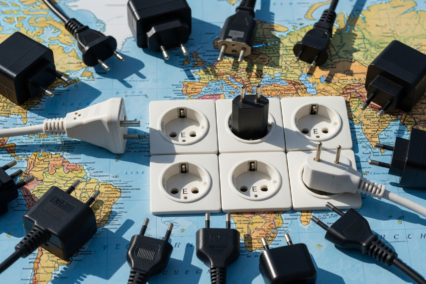
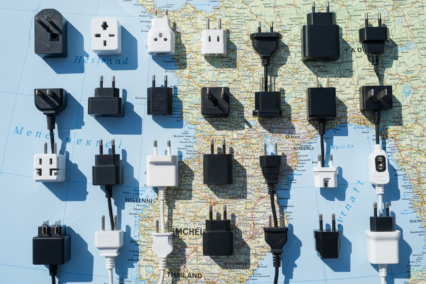
When you travel to Peru, you will find a few types of electrical outlets. Peru uses a mix of outlet styles. You may see more than one type in the same hotel room. This mix is normal in South America, and it shows how the region has a blend of standards.
It is important to know the plug type you need. This helps you make sure your devices will connect to the local power supply. The outlets you will see most often are Type A, Type B, and Type C. If you get ready for these types of electrical outlets, your trip will be easier. The next parts will talk about these common plug types so you can learn more.
Common Outlet Types: Type A and Type C
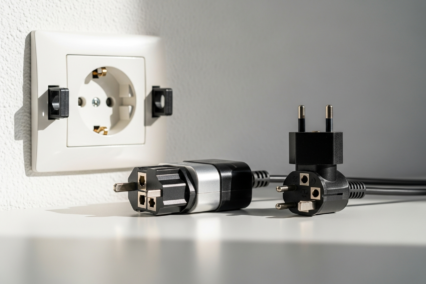
Peru mainly has two types of electrical outlets you need to know about. These are Type A and Type C. Type A has two flat parallel pins. If you are from the United States or Canada, this will be the plug you often see. This type is good for many travelers from these countries.
You will also find Type C outlets in Peru. This type has two round pins. People in Europe and many other places in the world use these sockets. So, if you have Type A plugs and you go to Peru, you might need a plug adapter for Type C sockets. People coming from Europe with Type C plugs will need an adapter for Type A outlets.
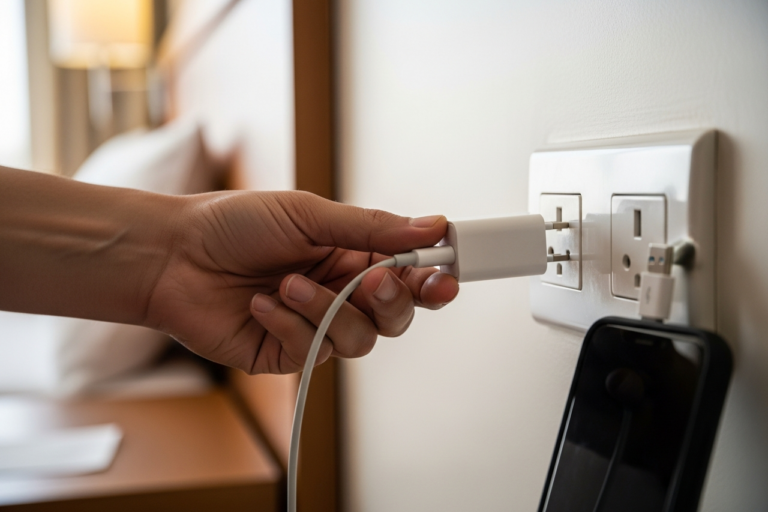
In some parts of Peru, there are sockets that can take both Type A and Type C plugs. These are called hybrid outlets. But, you may not find the same type of electrical outlets in every place. It is a good idea to carry a universal adapter. That way, you will be ready for all the different types of outlets during your time in Peru.
Comparison to US Outlets: What Travelers Should Know
For travelers from the United States, Peruvian outlets can be both familiar and different. Peru uses Type A and Type B outlets, which are the same shapes as those in the US. Type B includes a third, round grounding pin. If your device has a two-pronged Type A plug, it will fit into all Type A and B outlets in Peru without a plug adapter.
However, the major difference is the voltage. The standard voltage in Peru is 220V, while the United States operates on 110-120V. This distinction is critical for the safety of your electronics. While your plug might fit, the higher voltage can damage devices that aren’t designed to handle it. You may also encounter Type C outlets, which will require a plug adapter for your US plugs.
Here’s a quick comparison to help you understand the key differences:
|
Feature |
Peru |
United States |
|---|---|---|
|
Common Plugs |
Type A, Type C (and Type B) |
Type A, Type B |
|
Voltage |
220V |
110-120V |
|
Frequency |
60Hz |
60Hz |
Understanding Voltage and Frequency in Peru
It is important to know more than just the shape of the plug when you want to use your devices in Peru. You need to think about the electrical current too. In Peru, the standard voltage is 220 volts (V) and the frequency is 60 Hertz (Hz). The united states and Canada use a standard voltage of 110-120V. The frequency is the same, but the voltage is not.
Because the voltage in Peru is higher, some of your electronics may not work right. Plugging a device made for 110V into a 220V outlet could break your device for good. We will talk more about what this means for your things in the next sections.
Voltage Standards in Peruvian Sockets
The power supply in Peru gives you 220 volts. This is the usual voltage all across the country. It is like the electricity supplies used in Europe and other places in South America. This 220 volts is about twice that of what you get in North America. People who want to bring their electronics should know about this.
When you plug in your phone charger or other things, be sure that they work with 220 volts. If your device is only meant for 110 volts and you connect it to a 220 volt socket, it can go wrong. Your device may heat up, smell bad, or smoke. Sometimes, there will be sparks or even fire, and your device could stop working for good.
Always look at the label on your device or power cord before you plug in anything. The label will tell you the voltage it needs. You will find out if it is ok to use it with Peru’s power supply, or if you need another way to plug it in. This little step helps keep you and your stuff safe.
Plug Compatibility for US Devices
Good news for people who use a lot of tech. Most things like smartphones, laptops, tablets, and camera chargers are made for travel. These are usually dual voltage. This means they know how to use any voltage, from 100V up to 240V, without you having to do anything. To be sure, you can look on the charger for words like “INPUT: 100-240V.” If you see this, your device is dual voltage, and you will not have to use a voltage converter.
But, some things are different. Items like hair dryers, curling irons, and electric shavers are usually single voltage. They are made to run on just one voltage—like 110V. If you take a single voltage 110V appliance and plug it straight into a 220V wall outlet in Peru, you could break it if you do not use a converter.
So, if you have a dual voltage device, you will only need a travel adapter. This will help your plug fit in the outlet. If you have a single voltage item, you must use a voltage converter. This gadget makes sure the electricity goes from 220V down to 110V so it will not hurt your things. Always check the voltage for your electronics before you pack. This way, you know if you need an adapter, voltage converter, or both for your trip.
Power Adapters and Converters for Travelers
Dealing with power supplies in other countries can be hard, but you really just need to think about two things: a power adapter and a power converter. It’s good to know that these two are not the same. An adapter lets your plug fit into different types of outlets. A converter changes the voltage of electricity.
If you are going to Peru, you may need an adapter, a converter, or maybe both. Sometimes, you will not need either. Peru has a few different sockets, so it’s smart to bring a universal adapter if you travel a lot. With this one tool, you can use it on many outlets, and you don’t have to pack many adapters. Next, we will go over when you need to use an adapter or when you need to use a converter.
When You Need a Power Adapter in Peru
A power adapter, or a travel adapter, is an easy tool that helps the plug from your home fit into an outlet in another country. It will not change the voltage of the electricity. This adapter only changes the shape of the prongs on the plug. The travel adapter is needed for people who go to different countries in South America or other places in the world.
You should use a power adapter in Peru if your device’s plug is not the same as the outlet. For example, an American plug may not fit in your hotel room if you find a Type C outlet. You need the adapter to connect your American Type A plug to that Type C outlet.
Here are some main times when you will need a travel adapter:
-
Your thing has a Type A or Type B plug and there is just a Type C outlet in the wall.
-
You come from Europe or another place that uses a Type C plug, but you see a Type A outlet.
-
Your power thing has three prongs (Type B), but the outlet has only two holes.
It’s a good idea to pack an adapter when you go to South America or anywhere with different countries, plugs, and voltage.
Using Voltage Converters vs. Dual-Voltage Devices
To keep your electronics safe, you need to know the difference between a voltage converter and a dual-voltage device. Many new gadgets now are dual voltage. This means they will work with both 110V and 220V. If your charger or laptop is dual voltage, you will not need a voltage converter. Phones, cameras, and laptops often can work on both voltages.
A voltage converter is sometimes called a power converter or transformer. You need it for devices that use only one voltage, such as 110V. If you try to use a single voltage device in a 220V outlet, like the ones in Peru, it might break your device. Things like hair dryers are usually single voltage appliances.
Here is how you know what to use:
-
Dual-Voltage Device: If your appliance label shows “100-240V,” you will just need a plug adapter if the wall socket is not the same shape.
-
Single-Voltage Device: If you see “110V” or “120V” on your label, you need a voltage converter to lower the 220V power.
-
You can get an adapter and converter in one, which is easy to use. But, always check how many watts it can handle to be sure it will work with your appliances.
Practical Packing Tips for Electronics
When you pack for Peru, you should take a little time to plan for your electronics. Don’t just put your chargers in your luggage and forget about them. Think about how you will keep them powered up and safe. The right travel adapter is needed, but you have to think about more than that. Power surges and power outages can happen, mostly if you go to remote places.
Big hotels in Lima usually have backup generators. This helps if the power goes out. But, in the country or small towns, you might not have this. When you have the right gear, you make sure your devices stay safe and charged. It does not matter where you go in Peru. Here are some items and tips that are important for your packing list.
Essential Items for Charging Devices Safely
To make sure your electronics like laptops, tablets, and cell phones stay charged, there are some things you need to have in your bag. The main thing is a good universal travel adapter. This one tool can work with Type A, B, and C outlets. You will be ready no matter what socket you find in Peru.
Most power outlets in Peru are okay to use, as long as you use the right voltage. A lot of laptops and cell phones come with dual-voltage chargers, so you do not need a converter for them. Power surges can sometimes happen, mostly after an outage. It is smart to choose a travel adapter that has surge protection. This will keep your electronics safe from sudden electrical spikes.
Here are the key items to take with you:
-
A universal travel adapter, even better with surge protection.
-
A portable power bank so you can charge your stuff when you are out, or when outlets are not easy to find.
-
All the chargers you need for your devices.
-
A voltage converter if you will use any single-voltage appliances.
Finding and Buying Travel Adapters in Peru
It is a good idea to buy a travel adapter before you leave home. But if you forget, you can still get one in Peru. Your best chance is to look for one when you get there. You may not get the same kinds of adapters or the same quality as on Amazon or what you find at home.
In big cities like Lima and Cusco, you will have more stores to choose from. There are travel adapters for sale in hardware stores called ferreterías. You can also look in big supermarkets and stores that sell electronics. If you are in an area with a lot of tourists, you are more likely to find an adapter, but the price might be higher.
Here are some places to look for a travel adapter in Peru:
-
Ferreterías (hardware stores) in most towns and cities.
-
Electronics stores in major urban centers like Lima or Cusco.
-
Sometimes at the Lima airport, though options may be limited and expensive.
Conclusion
Traveling to Peru can be a great adventure. But it is important to know about electrical outlets and voltage to have a smooth trip. You need to find out what type of electrical outlets you will use in Peru. Learn about the voltage there and know if you need adapters or converters for your chargers. Packing the right chargers and adapters will help you avoid problems with power.
If you are ready with all this, you can enjoy your time in Peru more. You will not have to worry about your devices. If you want more advice or have questions, you can always ask for help. Have a good trip to Peru!
Frequently Asked Questions
Can I use my phone, laptop, or camera charger in Peru?
Yes, most likely. The chargers you use for things like phones, laptops, and cameras will be dual voltage. That means they can work with the 220V electricity that you get in Peru, so you will not need a voltage converter. You might still need a simple adapter if your plug shape is not the same as the one in Peru.
Do hotels in Peru offer power adapters for guests?
Some nice or tourist hotels in Peru may let you borrow adapters, but this is not common. It’s better to bring your own adapters. That way, you know you can charge your stuff anywhere you go. Don’t count on your hotel to have one.
What should I do if my plug does not fit the outlet in Peru?
If you go to Peru and your plug does not work in the outlets, you will need a plug adapter. The adapter helps your plug type match the wall socket. You can get a universal travel adapter before you leave. You may also find an adapter at a hardware store in Peru.