Key Highlights
-
In Nigeria, you will find two main types of electrical outlets: Type D and Type G. Type G is used more than Type D.
-
If you are coming from the United States, you will need a plug adapter for your devices to fit into the sockets in Nigeria.
-
The standard voltage in Nigeria is 230V. If you have electrical appliances from the United States that are not dual voltage, you may need a voltage converter.
-
Most modern electronics, like laptops or phones, can handle both voltages. You only need a power adapter, not a converter, for them.
-
It is a good idea to get the right adapter or converter before you travel to make sure you can plug in and charge all your devices.
Introduction
Getting ready for a trip to Nigeria can be very exciting. You may want to visit the busy streets of Abuja or travel to other places in this great country. While you pack, you might ask yourself a good question: Will my plugs and other electronics work in Nigeria? Many countries have their own types of electrical outlets, and Nigeria is one of them. You need to know about the plug types you will see there so you can keep your laptop, phone, and all your devices working. This guide will help you learn what to expect with electrical outlets and other plugs in Nigeria.
Types of Electrical Outlets Used in Nigeria
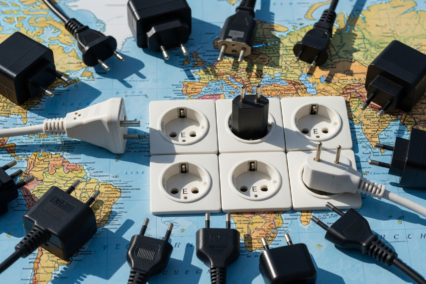
In Nigeria, you will see two main plug types: type d and type g. Both are used in the country, but one is more common than the other.
Most of the power outlets in Nigeria are type g. So, if you plan to go there, it is best to make sure your plug works with type g outlets. This will help you stay powered up on your trip. We will take a closer look at what these plug types mean for your devices.
Overview of Plug Types (Type D & Type G)
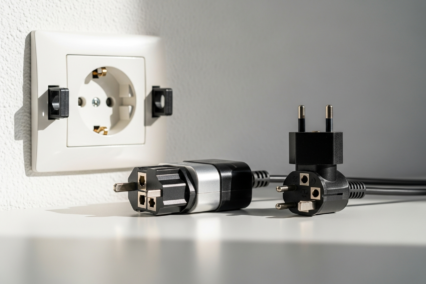
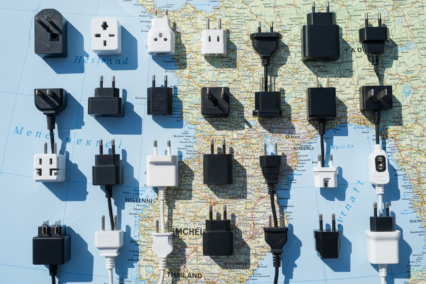
Let’s talk about plug types in Nigeria. The Type D plug has three round pins in a triangle shape. This kind is not used often, but you can still find it in some places.
The more common plug is the Type G. It has three rectangle-shaped pins. This is the same type used in the United Kingdom. Most electrical outlets in Nigeria use Type G. So, it is a good idea to get a plug adapter for this plug type if you go to Nigeria.
For people who travel, one adapter may not work everywhere, but the Type G adapter will help you most of the time. Using the right adapter means you can use the electrical outlets without any trouble.
Keywords used: type d, type g, plug adapter, plug types, electrical outlets, united kingdom, plug, nigeria, adapter
Compatibility of Common Devices with Nigerian Sockets
Are your devices set up for sockets in Nigeria? The good news is that most new personal gadgets are made for travel. Things like smartphones, laptops, and tablets are usually made with dual voltage. That means they can work with different types of power in many countries. To find out, look at the tag on your charger. If you see “INPUT: 100-240V,” it is dual voltage.
If your electrical device is dual voltage, you only need a simple power plug adapter. This will help your plug fit in the power plug sockets you find in Nigeria. But some items use a lot more power and are not dual voltage:
-
Hair dryers
-
Hair straighteners
-
Curling irons
-
Electric shavers
For these kinds of items that are not dual voltage, you will need a voltage converter and a power plug adapter. This is the safe way to use these appliances in Nigeria. Always look at your device’s label or package to know what adapter or converter you need before plugging it in.
Voltage and Frequency in Nigerian Power Outlets
Besides the shape of the plug, you need to think about the electrical current. The power supply in Nigeria uses a standard voltage and frequency. This may not be the same as what you have at home. It is important for the safety and the way your appliance works.
If you use an appliance with a different voltage than the outlet, it can be risky. It might harm your device or cause a fire. Now, let’s see what voltage and frequency you will get from different outlet types in Nigeria.
Standard Voltage Output in Nigeria
The standard voltage from power outlets in Nigeria is 230V. This is significantly higher than the 120V standard in the United States and other parts of North America. This difference is why you must check your devices before plugging them into Nigerian power outlets.
For American travelers, this means most single-voltage appliances designed for the US market are not compatible with Nigeria’s power supply without a step-down voltage converter. A converter reduces the 230 volts from the outlet to a level that your appliance can safely handle.
Here’s a simple comparison to keep in mind:
|
Country |
Standard Voltage |
|---|---|
|
Nigeria |
230V |
|
USA |
120V |
Always check the label on your device. If it’s not marked to accept 230V, do not plug it in without the proper converter.
Frequency Specifications: What Travelers Should Know
Another part of the power supply is its frequency. Frequency is measured in Hertz (Hz). In Nigeria, the common frequency is 50 Hz. The United States uses a 60 Hz frequency instead.
For most new electrical appliances, this change in frequency is not a big deal. Many gadgets that people use while traveling, like phones and laptops, can work with both 50 Hz and 60 Hz. You can look at your device’s label to check for “50/60 Hz” to be sure.
But things with motors, such as some clocks or hair dryers, may run a bit slower in Nigeria’s 50 Hz system than in the United States with 60 Hz. Usually, this won’t hurt the equipment, but you should keep it in mind, especially if the device is sensitive or costs a lot.
Keywords: power supply, united states, electrical appliances, nigeria
Travel Adapters and Converters for Nigeria
Now that you know about outlets, voltage, and how often power comes in Nigeria, it’s time to look at what tools you need. You will need travel adapters and sometimes a voltage converter.
A plug adapter is a small device. It lets the plug from your appliance fit in a socket from another country. The adapter does not change the voltage. It just helps your plug fit.
A voltage converter is a different electrical device. This tool changes the voltage so your appliance can work with Nigeria’s 230V supply. You need a converter if the voltage of your plug or appliance is not the same as what they use in Nigeria.
We will talk more about how to pick the right plug adapter or converter for your trip.
Choosing the Right Adapter for US Devices
If you are coming from the United States, you need to take a Type G plug adapter. The Type G is the main plug used in Nigeria, so this adapter lets you plug your devices in at most airports, hotels, or homes.
But also keep in mind the voltage. The United States uses a different voltage than Nigeria. If you bring single-voltage devices from the United States, you will need a voltage converter or transformer. These help change the voltage from 230V to 120V and save your appliances from breaking.
When you look for travel adapters, you will see many choices:
-
Simple plug adapters for one region
-
Multi-plug adapters to charge many things at one time
-
Universal travel adapters for many countries
-
Adapters with a voltage converter built into them
Pick your power adapter based on how many devices you take with you. A universal adapter is smart if you travel a lot. It makes sure you are ready for your next trip, too.
Using Laptops, Phones, and Small Appliances Safely
The good thing for people who travel now is that the gadgets you need most are simple to set up. Your laptop, cell phones, and tablets are almost always made to be dual voltage. This means the chargers for these devices are built to use voltage from 100V to 240V.
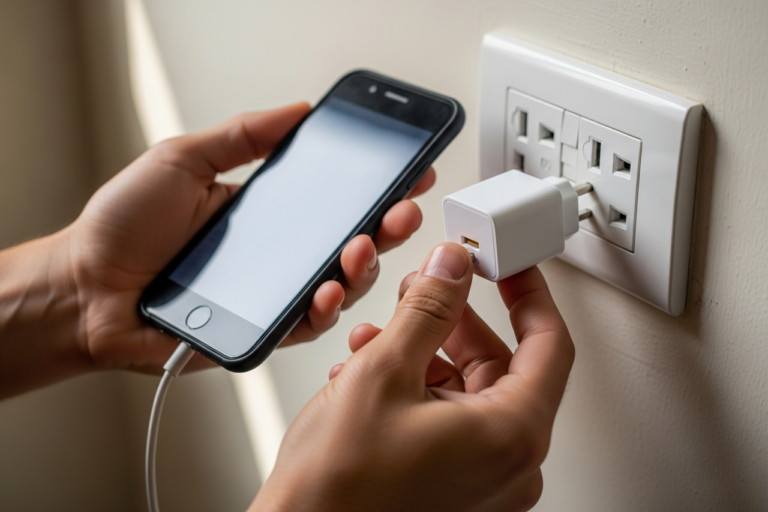
Since these are dual voltage, you do not need a voltage converter for them. You just need the right power adapter. In Nigeria, you should use a Type G adapter to plug your charger into the wall. A lot of adapters come with USB ports now, and this is very useful. It lets you charge your phone or tablet without needing the charging block that came with them.
For other small things that you use, you should always look at the label. If the label does not show “100-240V,” then you need a converter. You should never try to plug a device made for only 120V into a 230V outlet. That is very unsafe.
Conclusion
In the end, it is important to know about plug types, travel adapters, and electrical outlets in Nigeria. This will help you use your electronic devices like your laptop or appliance without any trouble. Make sure you learn about the voltage and plug you need. With the right travel adapters, your phone, laptop, or other device will work and stay safe.
Before you leave, get ready. Pack travel adapters and converters that fit Nigeria’s standards. If you are not sure what to use or need help, you can ask someone for expert advice. Your safety and making things easy for you are the most important.
Frequently Asked Questions
Is it safe to use universal adapters in Nigerian electrical outlets?
Yes, you can use a good universal travel adapter in power outlets in Nigeria. These adapters are made to work with many types of plugs. For more safety, use a universal travel adapter that has a surge protector. This will help keep your devices safe from sudden changes in power.
Do hotels in Nigeria provide power adapters for travelers?
Some hotels in Nigeria, mostly the big international ones, might have a few power adapters you can borrow. But you cannot always count on it. That’s why it’s a good idea to bring your own adapter. This will help you charge your things whenever you need to.
Where can I buy a reliable travel adapter for Nigeria?
You can buy a power plug adapter for Nigeria online from stores like Amazon. You can read what other people say and check out different models there. You might also find the right plug adapter at big airports or large electronics shops. It is good to get your adapter before you travel, so you know you have the right plug for your trip.