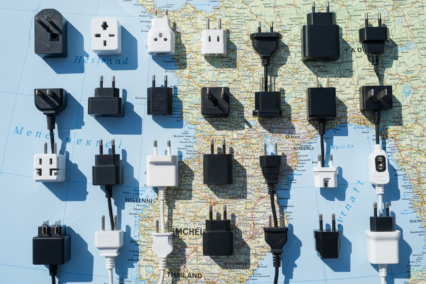
Key Highlights
Here’s a quick look at what you need to know about electrical outlets in New Zealand:
-
New Zealand uses Type I electrical outlets. These come with three flat pins.
-
The standard voltage in New Zealand is 230/240 volts. This is higher than what you get in the US.
-
You will need a travel adapter to fit these plug types with your own devices.
-
Some of your devices may need a voltage converter to work safely on this voltage.
-
Using a universal adapter is a good idea when you want to plug in more than one device.
-
Make sure you check if your devices are dual voltage before you travel to New Zealand.
Introduction
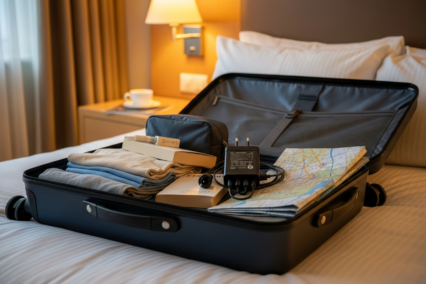
Planning a trip to New Zealand is exciting. You may not think much about how you will keep your phone and other devices charged, but it is important. Knowing about the electrical outlets in New Zealand is a small thing, but it can make a big difference to your travel. You must know which power plug you need and what voltage is used. This will help you keep your phone, camera, and all devices on and working. This guide will help you with the power plug, voltage, and electrical outlets in New Zealand. It will be easy for you to stay connected during your New Zealand travel.
Understanding New Zealand’s Electrical Outlets and Plug Types
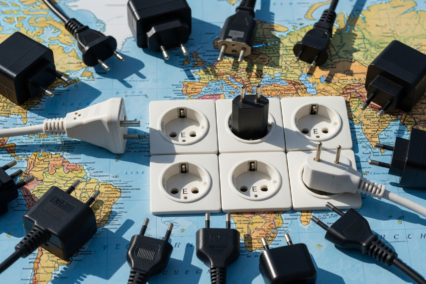
When you travel to New Zealand, you will see that their electrical outlets are not the same as the ones in a lot of other places. New Zealand has its own kind of plug and outlet. The International Electrotechnical Commission says there are many different plug types used around the world. In New Zealand, they use one kind that is part of this group.
The electrical outlets you find in New Zealand are called Type I. This type has three slots for flat blades. Two of them sit at an angle, making a small ‘V’ shape upside down. The third pin sits straight down under those two. Let’s take a closer look at this usual plug type. We can also see how this one is not like other plug types.
Common Plug Type Used in New Zealand
The standard plug in New Zealand is called the Type I plug. It has three flat pins. The top two pins angle in toward each other, making a “V” shape. The third pin is straight and goes down under the other two. This one is for grounding.
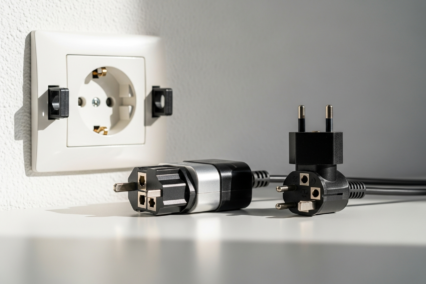
Because this plug design is different, you will need a special adapter plug if your devices are not from New Zealand. For example, plugs from the US, UK, or Europe will not work in a New Zealand outlet without an adapter plug.
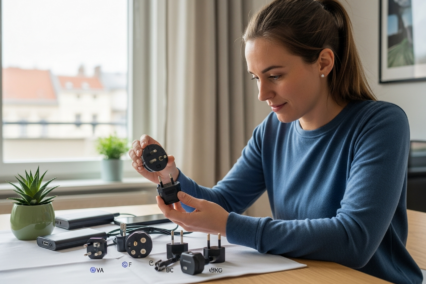
If you want to keep your electronics working on your new zealand travel, you should get a new zealand travel adapter. A travel adapter lets you use your native plugs in the local sockets. You can buy a new zealand travel adapter before you go, or you can find one when you get to New Zealand.
Compatibility of New Zealand Outlets with Other Countries’ Plugs
The Type I plug used in New Zealand is not the only one you find there. It is the main plug in Australia and many Pacific Islands too. If you come from these places, your plugs will work, and you will not need an adapter.
But, if you come from most other countries, you will have to use an adapter. Plug types from places like North America, Europe, and Asia are not made for New Zealand’s outlets. For example:
-
Hong Kong uses the Type G plug.
-
Papua New Guinea has the same Type I plug.
-
Solomon Islands also have the Type I plug that fits.
If your country uses different plug types, you need to take a power adapter. Without it, you can’t charge your stuff, so it is important to add this to your packing list.
Voltage and Frequency Specifications in New Zealand
When you look at the plug shape, you also need to know about new zealand’s standard voltage and electric current. The standard voltage in new zealand is 230 or 240 volts. The electric current works at 50 Hertz (Hz). This is not the same as in the united states. The united states uses a lower voltage.
These voltage requirements can impact if your devices will work right and stay safe. If you don’t pay attention to the voltage, it can break your electronics. We will talk about what this means for all your appliances, and how electric current and frequency could change things for your devices.
Standard Voltage and What It Means for Travelers
New Zealand uses a standard voltage of 230/240V. The United States and Canada use less, about 110-120V. This is important for the safety of your electronics. If you plug a device made for lower voltage into a higher power supply, it can overheat. It can also get damaged for good.
Many modern electronics are made to be dual voltage. You want to check the label on the charger or power cord for your device. If it says “INPUT: 100-240V,” your device can be used in New Zealand with no trouble. Most chargers for laptops, phones, and cameras are built this way.
But, if your item is single-voltage and only for 110-120V, you will need a voltage converter. The voltage converter will lower the electricity in New Zealand’s power supply so your appliance does not get damaged. Without this extra device, US electronics could get ruined.
How Frequency Differences Affect International Devices
The frequency of an electrical system, measured in Hertz (Hz), refers to how many times the electric current alternates per second. New Zealand operates at 50 Hz, while North America uses 60 Hz. For most modern electronics, this difference in frequency isn’t a problem.
Devices like laptops, phones, and digital cameras are designed to handle both 50 Hz and 60 Hz. You can check the label on your device; if it says “50/60Hz,” it will work fine. However, some appliances, particularly those with motors or clocks like electric razors or older alarm clocks, can be affected. They might run slightly slower or not keep time accurately.
For most travelers, the frequency difference is a minor issue compared to voltage conversion. It’s always best to check your device’s specifications.
|
Attribute |
New Zealand |
United States |
|---|---|---|
|
Voltage |
230/240 V |
110/120 V |
|
Frequency |
50 Hz |
60 Hz |
Power Adapters and Converters for US and International Travelers
Most people who travel to New Zealand from other countries need a travel adapter. The travel adapter helps your plug connect to the outlets in New Zealand, but it does not change the voltage. If you bring something that does not work with both voltages, you will need a voltage converter or a power converter, too.
It is very important to know the difference between an adapter plug and a voltage converter. This will help keep your electronics safe in New Zealand. Using the wrong item can break your devices. Let’s go over when to use a travel adapter plug and when you need a voltage converter to help you stay safe and make sure your things will work during your trip.
When You Need a Plug Adapter vs. a Voltage Converter
Knowing the difference between an adapter plug and a voltage converter is important. An adapter plug lets your device fit into outlets in New Zealand. A voltage converter, also known as a power converter, changes the electrical voltage.
You need an adapter plug if your device’s plug shape is not like New Zealand’s Type I outlets. For example, if you are coming from the US, UK, or most places in Europe, you will need an adapter. But when do you need a voltage converter?
-
Dual-voltage devices: If your device says “100-240V,” you only need an adapter plug. You do not need a voltage converter.
-
Single-voltage devices: If your device is rated for 110-120V (like many from the US), you will need a voltage converter, plus an adapter plug.
-
UK devices: The UK and New Zealand both use about 230V. You do not need a power converter for most UK items, just an adapter plug.
Always check your device’s label. If you use a single-voltage device without a converter in New Zealand, it will break.
Tips for Choosing the Right Travel Adapter for New Zealand
Picking the right New Zealand travel adapter helps make your trip easier. You want to get an adapter that is made for Type I outlets since that’s the type used in New Zealand.
If you travel to different places often, it can be a good idea to buy a universal adapter. This type of travel adapter fits many plug types in one device. Some adapters today also have USB ports built in. USB ports are helpful because you can charge phones and tablets without needing the original charger.
Here are some things to keep in mind when you are choosing your New Zealand travel adapter:
-
Check for USB ports: This will let you charge more devices with your adapter.
-
Consider a universal adapter: It’s handy for new trips to other countries.
-
Bring a power strip: You can connect all your devices to one power strip, then use your travel adapter for charging.
-
Buy before you go: It is often cheaper to get a travel adapter at home. You do not want to hunt for one once you land in New Zealand.
If you follow these ideas, you will have a smoother new zealand travel experience. That way your devices will stay charged all the time, and you will get the most out of your new zealand trip.
Using US and UK Appliances in New Zealand
Travelers from the United States and the United Kingdom need to think about their electrical appliances before they go to New Zealand. UK devices use a voltage close to what you find in New Zealand, but US appliances use a much lower voltage. US devices will need a voltage converter to work.
It is a good idea to check all your electrical appliances before you pack them. You should know the voltage requirements for each one. This will help you keep your things safe and also make sure you can use them all through your trip. Knowing about electrical appliances, the voltage converter, and rules for the United States and the United Kingdom is important when you travel to New Zealand. Let’s talk about how to use your things there and what problems you might face.
Appliance Compatibility and Safe Usage
Checking your appliance’s voltage requirements is an easy but important step. You should look for this info on the label or the power brick. If you see “dual voltage” written there (like “100-240V”), you are good to go. You will only need a plug adapter for it to work safely.
But if the device has only one voltage and says it works on 110-120V, then you have to use a voltage converter. A lower voltage appliance like this will break if you plug it straight into a 240V outlet. Hair dryers and curling irons are often made just for one voltage, so be careful.
Many hotels have hair dryers ready for you, so it can be easier to leave yours at home. If you want to bring one, think about getting a travel type that is dual voltage. Always check the voltage requirements every time before using your electronics. This helps keep you and your stuff safe from trouble.
Risks and Considerations for Sensitive Electronics
When you have sensitive electronic devices, you have to be careful with them. Most new gadgets, like laptops and phones, can usually handle different power sources. But things like electric razors or some medical tools need the right kind of power supply. If the power keeps changing or is not steady, it can hurt these things.
Picking the wrong power converter is also not good. There are two main kinds. Transformers are made for electronic devices. Simple converters work best for heating things that use more power. If you use the wrong one, you can break your electronics. For special electronics, it is best to use a good-quality transformer-style voltage converter.
Here are some risks to know about:
-
Power surges can hurt your sensitive electronics.
-
Using the wrong kind of voltage converter might burn out your device.
-
If you use a low-quality adapter, your connection might not be steady.
-
Always use a transformer power converter for things like delicate electronics. Do not use a simple converter for heating appliances.
Where to Buy Power Adapters and Accessories in New Zealand
If you forgot to bring a power adapter, there is no need to worry. You can get a New Zealand travel adapter once you land in New Zealand. They are for sale in many places. You can find them at airports, even at most major international and some regional airports.
It is easy to see these travel adapters at visitor information centres, supermarkets, service stations, or electronics stores in cities and small towns all over the country. You can decide to buy your travel adapter before you go or wait until you arrive. That choice depends on what feels best for you and how much you want to spend.
Purchasing Before Departure vs. On Arrival
It is a good idea to buy your travel adapter before you leave your home. This lets you find the right travel adapter for your trip to New Zealand. You can also compare prices to get a good deal. You will have it with you as soon as you land, so you do not have to look for one right away. Most times, buying your travel adapter ahead of your trip is cheaper and saves you stress.
But if you forget, you will find many places to buy a travel adapter when you get to New Zealand. There are many stores that sell them in most places. You can pick the most convenient location to buy one, depending on your travel plans and where you go first.
Here’s a short comparison:
-
Buying before you go: You get more choice, pay less, and have no stress.
-
Buying on arrival: Good if you forget your adapter, but you might need to pay more money.
-
Where to find them: Look in airports, supermarkets, or stores that sell electronics.
-
It is just like with phone services. Planning ahead is the best way to go.
Outlet Accessibility in Accommodations and Public Spaces
Outlet accessibility in New Zealand is usually good, especially when you stay in a hotel, motel, or hostel. Most of these places have enough power points in each room. Still, if you are at an older place or somewhere that costs less, there could be fewer outlets. In this case, it is a good idea to bring a power strip with you if you get a lot of devices and need them to charge.
In public places, it can be harder to find an outlet. The big airports and some cafes have charging spots, but these are not all over the place like they are in some other countries. For example, you will not see outlets next to public phones. But you might be able to charge something at some public libraries since they offer free Wi-Fi and charging spots.
When you use a public power point, think about the people around you. Do not leave your things at the outlet with no one to watch them. If you need to work or charge things for a long time, it is best to use the outlets in your hotel or other place you are staying.
Safety Tips for Using Electrical Outlets in New Zealand
Using electrical outlets in a new place like New Zealand needs some care. You should follow a few easy safety tips to keep yourself and your things safe. Make sure you use the right adapter and watch out for the higher voltage. This helps stop any accidents or damage.
When you use a New Zealand adapter or a universal adapter, you need to check it fits well. Don’t let one outlet get overloaded, especially if you plug in many devices at the same time. Let’s go over some important safety tips to help you stay safe.
Advice for Using Universal Adapters
A universal adapter is a very helpful thing for people who travel. It lets you use many plug types in one device. In New Zealand, it is usually safe to use, but you need to pick a good one. Cheap ones can have loose parts, and this can be a danger.
Check that your universal adapter is set the right way for Type I plugs before you use it. If you use the wrong setting, it may not fit or stay in place while in the socket. The universal adapter will not change the voltage. It just lets the plug fit.
Here are some safety tips for using your universal adapter with power supply:
-
Buy from a good brand so you know it meets safety rules.
-
Do not use a small universal adapter for big things like hair dryers.
-
Make sure the adapter fits well in the outlet.
-
Do not push the adapter into the socket if it does not go in easy.
-
Be sure the adapter does not block the on/off switch on the outlet.
Preventing Overload and Keeping Devices Protected
Preventing you from putting too much load on an electrical outlet is very important for safety, especially if you travel with lots of electronic devices. When you plug too many things that use a lot of power into a single socket, even if you use a power strip, it can make the circuit stop working. It could also start a fire if things go very wrong.
An easy way to handle charging for your electronic devices is to use a power strip with surge protection built in. This helps you charge more than one device at the same time from one outlet and keeps them safe from sudden changes in the power supply. In places where power can change or is not steady, this can be even more helpful.
Here are some tips to keep the electronic devices you have safe:
-
Try not to charge all your devices at the same time from one outlet.
-
Unplug your chargers when things are fully charged.
-
Do not plug one power strip into another—this is called “daisy-chaining.”
-
Use a power strip that comes with surge protection for more safety.
-
Look at the wattage of your items before plugging in to be sure you do not overload the circuit.
Comparing New Zealand Outlets to Those in Australia
If you are traveling to both New Zealand and Australia, things will be easy when it comes to using your electronics. The two places use the same type of plug. Both countries have plug types with three flat pins.
Also, the standard voltage in New Zealand and Australia is 230V. This means that an adapter or converter you get for one place will also work in the other without any trouble. It is nice because you do not have to buy new adapters with different flat pins or worry about problems with plug types and voltage. Let’s look at the things they have in common and any small differences that matter.
Plug and Voltage Similarities
The most significant similarity between New Zealand and Australia is the standard plug and socket system. Both countries use the Type I plug, which features two angled flat blades and a vertical grounding pin. If you have an adapter for one country, it will work in the other.
Furthermore, the voltage and frequency are identical. Both Australia and New Zealand operate on a 230V / 50Hz system. This means that your dual-voltage devices will work seamlessly in both places, and any single-voltage appliances will require the same type of voltage converter.
Some hotels in both countries may offer 110 volt AC sockets in bathrooms, but these are typically low-wattage and intended only for electric razors.
|
Feature |
New Zealand |
Australia |
|---|---|---|
|
Plug Type |
Type I |
Type I |
|
Voltage |
230 V |
230 V |
|
Frequency |
50 Hz |
50 Hz |
Key Differences to Be Aware Of
When you talk about electricity, New Zealand and Australia are pretty much the same. The systems in both places are set up to be used in either country. This is good for travelers and for the people who make products for these places. You do not have to worry about different voltage or different plug types between them.
If you have a travel adapter, power strip, or voltage converter for Australia, you can use it in New Zealand, too. The same thing works the other way around. This makes it much easier to pack for your trip. You do not need to bring a lot of extra things with you.
So, the two electric systems are almost the same.
-
Both use Type I plugs.
-
Both have a standard voltage of 230V.
-
Both operate at a frequency of 50Hz.
-
There are no major electrical differences when you travel between New Zealand and Australia.
Conclusion
To sum up, you need to know about the electrical outlet system in New Zealand before you go there. This will help you stay connected and keep your devices charged. There are different plug types and voltage levels in New Zealand, so be sure to use the right adapters or converters. If you know this information before your trip, you can avoid problems. Always check if your devices will work with the plugs and outlets there.
Make sure to follow safety tips. This can help you keep your devices safe and prevent any overload. If you are not sure about something or want help before you travel, reach out for advice. Have a good and safe trip!
Frequently Asked Questions
Can I safely use my phone or laptop charger in New Zealand?
Yes, most phone and laptop chargers you get today are dual voltage. This means these electronic devices will work fine with the power supply in New Zealand, which is 230V. You will need a plug adapter so your charger can fit into the outlets there. There is no need for a voltage converter, just the adapter for the wall.
Are power outlets readily available in hotels and public areas?
In New Zealand, hotels and motels often have plenty of outlets. You will find many power points in each room. When you are in public places, like cafes or airports, you may not find as many. So, it is a good idea to charge your devices at your hotel or motel before you go out for the day. This tip can help your New Zealand travel be much smoother.
Is it safe to use universal travel adapters for all my devices?
You can use a good universal adapter for your electronic devices, and it should be safe. But keep in mind, a universal adapter does not change the voltage. If you have an appliance that uses a lot of power, or it only works with one voltage, you might need a voltage converter or power converter to use it the right way. Always make sure to follow basic safety tips.