Key Highlights
-
In Indonesia, you will find Type C and Type F electrical outlets. These both have two round pins.
-
The standard voltage there is 230V, and the frequency is 50 Hz. This is the same as in both Europe and Australia.
-
If you are coming from North America, the UK, or Australia, you will need a travel adapter because the plugs are different in Indonesia.
-
Check the gadgets you want to use and see if they are dual voltage. If your devices are not, you will also need a voltage converter so you do not break them.
-
A universal travel adapter is a good item to have. It lets you plug your things in almost anywhere in the country.
-
You can find an adapter for sale easily at airports, stores that sell electronics, and even at supermarkets in Indonesia.
Introduction
Are you going to Indonesia soon? This group of islands is a great place to visit. Before you go, you need to think about one key thing. Will your devices stay charged every day? It is important to know about plug types, voltage, and adapter options in Indonesia. This guide will help you know the plug types there and if you will need a travel adapter. You will also find out if your devices have voltage compatibility with plugs in Indonesia. Let’s make sure you have power all the time on your trip!
Understanding Electrical Outlets in Indonesia
When you go to Indonesia, you will see that people use two main plug types for the power supply. These are type C and type F sockets. If you have seen European outlets before, the plug and socket will look the same to you.
It is good to know about these main plug types before you travel, so you can make sure your devices will work. No matter if you are staying at a hotel in Jakarta or a villa in Bali, there will be these two-pin, round plug sockets. Let’s take a closer look at these plug types and see what to expect.
Common Plug Types Found Across the Country
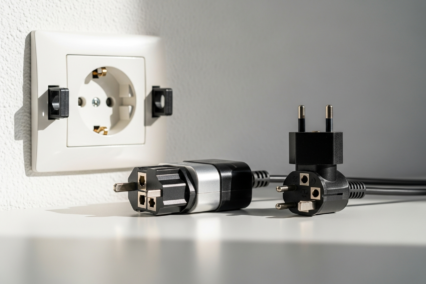
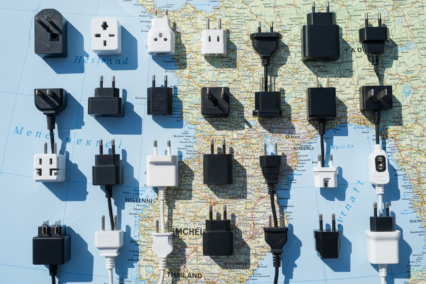
The most common types of power plugs you will find in Indonesia are Type C and Type F. Both of these plugs have two round pins and are largely interchangeable. Type C is the standard “Europlug,” while Type F, also known as a “Schuko plug,” includes two earth clips on the side for grounding, making it suitable for higher-power appliances.
Many modern devices from Europe will fit directly into these sockets without an issue. However, if your plugs have a different shape, like the flat-pronged plugs from North America or the three-pronged plugs from the UK, you will definitely need an adapter. The sockets in Indonesia are often recessed into the wall, so ensure any adapter you bring has a shape that can fit into a circular socket space.
Here’s a quick breakdown of the plug types:
|
Plug Type |
Description |
Compatibility |
|---|---|---|
|
Type C |
Two round pins, ungrounded. |
Fits into both Type C and Type F sockets. |
|
Type F |
Two round pins with two earth clips on the side for grounding. |
Fits into Type F sockets; the plug itself fits Type C sockets but without grounding. |
Voltage and Frequency Standards in Indonesia
Beyond just the shape of the plug, you need to think about the electrical current. The standard voltage in Indonesia is 230V, and the frequency is 50 Hz. This setup is the same in much of Europe, Australia, most parts of Asia, and in Africa too. If you are from one of these places, there is a good chance that your devices will work with the standard voltage in Indonesia.
But if you come from the United States, Canada, or another country where the standard voltage is 110-120V, you need to check the specifications of your devices. Most new chargers for things like laptops and phones say “dual voltage.” This means they can be used at any voltage from 100V to 240V. You will see this information on the label or on the charger brick.
If your device is not dual voltage and can only run on 110-120V, you should not plug it into a 230V outlet in Indonesia. Doing so can damage it badly. When this is the case, you will need both a plug adapter and a voltage converter.
Adapter Requirements for Visitors
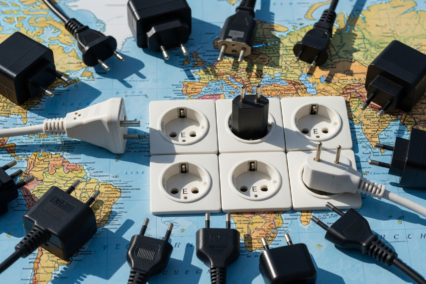
So, do you need to add an extra thing in your luggage? For many people, the answer is yes. If your devices use plug types that are not the two-pin Type C or Type F, you will need a travel adapter. This is true for people who come from the UK, Australia, the US, Canada, Japan, Singapore, and other places.
An adapter will let your plug work with the socket in Indonesia. It does not change the voltage. If you get a universal adapter, it can be useful. This one device can work with different plug types. Next, we will talk about how people from each place use their devices and explain the difference between an adapter and a converter.
Compatibility with European and American Devices
For people coming to Indonesia from Europe, power plug compatibility is usually easy. Most countries in mainland Europe use type c and type f plug types. These plugs will fit right into the sockets found in Indonesia, so you will not need an adapter. The standard voltage is much the same too, so your devices should work with no problems. The one group that is different is travelers from the UK. They use type g plugs, so you will need an adapter for them.
Things are not the same for visitors from north america. People from the US and Canada use type a and type b plugs. These will not work in Indonesia, so you have to bring a travel adapter. The standard voltage in north america is only 110-120V, but in Indonesia, it is 230V. You should check to make sure your electronics are dual voltage.
Here’s a quick summary:
-
European Devices (most): No adapter needed as type c/f plugs are compatible.
-
UK Devices: A type g to type c/f adapter is required.
-
American/Canadian Devices: A type a/b to type c/f adapter is required.
-
Dual Voltage Electronics: Devices marked ‘100-240V’ are safe to use with just a plug adapter.
-
Single Voltage North American Devices: A voltage converter is needed to keep your devices from getting damaged.
When You Need a Converter vs. an Adapter
It is important to understand the difference between a converter and an adapter. If you use the wrong one, you can ruin your electronics. An adapter is a simple device. It lets your plug fit into a socket with a different shape, but it does not change the voltage. You need an adapter when your device works with the voltage in the place you are going, but your plug does not fit the socket.
A converter, or sometimes called a transformer, is a device that changes the voltage. You use a voltage converter if your device has a single voltage (like 110V only). So, if you go to a country like Indonesia where the voltage is 230V, and your device is made for 110V, you will need the converter. Devices like some hair dryers and electric shavers are often made for a single voltage, so they need a converter to work with another voltage.
Many new gadgets such as smartphones, laptops, and chargers are dual voltage. This means they can use both 110V and 230V. Look at the label on your device. If you see “INPUT: 100-240V,” you only need an adapter for your plug and socket. If it shows only one voltage, and it is not 230V like in Indonesia, you must get a converter.
Where to Buy Power Adapters in Indonesia
If you forgot to pack a power adapter, don’t worry about it. When you get to Indonesia and see you need one, you can find one fast. You do not need to search for a long time. You can get one as soon as you land or at a supermarket near you.
There are lots of places to get an adapter in Indonesia, especially in tourist spots and big cities. You can buy one at the airport, at a local electronics store, or even at a big supermarket. Let’s talk about where you can find an adapter and some easy tips to help you pick the right one.
Buying at Airports, Local Electronics Stores, and Online
When you get to Indonesia, one of the easiest spots to buy an adapter is at the airport. The big airports in Jakarta and Bali have many stores that help travelers. You can find shops that sell electronics and travel items, including adapters. But, just know that prices at the airport can be a bit higher.
If you want the adapter at a lower price, try checking out local electronics stores. Stores like Best Denki and Electronic City usually carry adapters. There are also smaller, local shops where you might find what you need. Big supermarkets like Carrefour or Hypermart often sell adapters, too. You can look for them in the electronic or travel sections. Sometimes, you can also get a simple adapter at a Circle K store.
If you want to plan ahead and have more choices, you can buy an adapter online. Places like Amazon or eBay let you look at reviews and pick a good one before your trip to Indonesia. This way, you can know that the adapter fits what you need when you get to Jakarta or Bali.
Tips for Selecting the Right Travel Adapter
Picking the right travel adapter can help make your trip go better. You can use a simple single-plug adapter. But, getting a universal travel adapter is a good idea. These adapters come with sliders or parts you can switch, so they fit many plug types in many places. This means you can use them not just now, but also for your coming trips.
Before you buy, look at the specifications of your devices again. Be sure the adapter you pick can handle the amount of power your things need. This is even more important if you want to plug in more than one thing with a power strip. Quality also matters. A travel adapter that is not made well can be risky and may not last as long.
Here are a few tips to help make your pick:
-
Opt for a Universal Adapter: One universal adapter can work in many countries. This is a smart way to go.
-
Check for USB Ports: Some universal travel adapters now have USB ports built in. With these, you can charge your phone and tablet without also packing the big power brick.
-
Ensure Compatibility: Make sure the adapter you get works with both Type C and Type F plug types.
-
Buy from a Reputable Source: Always buy from a store you trust, so you know the adapter meets safety standards.
Safety Considerations for Using Electrical Outlets
It is usually safe to use electronics in Indonesia. But you should always stay aware and think about electrical safety. The voltage and frequency work well in most hotels and modern buildings. Still, problems can show up, mainly when you are out in rural places. You can stop mistakes and keep your gadgets safe by taking a few easy steps.
If you learn about safe ways to charge your gadgets, you will keep safe, and your devices will last longer. It is also smart to know what steps to take if your plug will not go into the socket, even after you use an adapter. Here are some key safety tips you should remember when you travel in Indonesia to avoid mishaps with your gadgets, plugs, voltage, and sockets.
Safe Charging Practices and What to Do If Your Device Doesn’t Fit
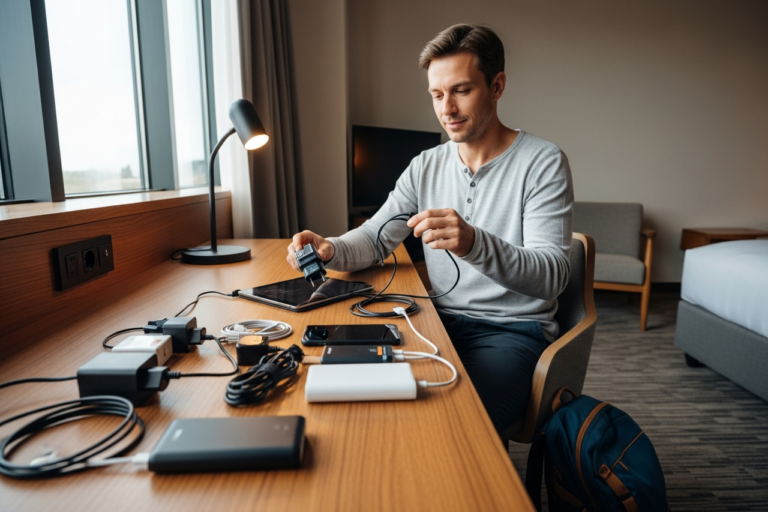
Practicing safe charging is easy, but you need to pay attention. First, always make sure your hands are dry when you plug in or unplug devices. Keep your plug, chargers, and cords away from water. So, do not charge your phone or use any device in the bathroom where there will be moisture. It’s better not to use your phone when it’s plugged in and charging because this makes it heat up.
If the charger or adapter doesn’t fit in the socket, do not force it in. Doing this can hurt both the plug and the socket. It might also start a fire. The socket might be a different shape or you may have the wrong adapter. In some places, like Indonesia, the socket can be deeper and it makes bulky or square-shaped universal adapters hard to fit.
Here’s what you can do to keep away from mishaps and charge safe:
-
Never push a plug into a socket by force.
-
If your adapter does not go in, you can ask your hotel if they have one you can use.
-
Think about getting a surge protector for your good electronics because it helps control voltage and will keep your things safe.
-
Unplug your chargers when you are not using them. This will help you save energy and lowers fire risk.
-
Check that your adapter is certified and that you got it from a trusted place.
Conclusion
To sum it up, it’s important to know about plugs and voltage when you visit Indonesia. There are different plug types you may see there. The voltage may also be different from what you have at home. You might need an adapter or a converter for your plug to work. If you plan in advance, you can avoid problems with your devices.
Always try to use good adapters. Before you plug anything in, double check that the outlet and your device work well together. Safety should come first. This will help you stay connected, whether you are on vacation or a business trip in Indonesia.
If you want to know more about plug types or voltage in Indonesia, or if you have questions, just ask. Have a good trip!