Key Highlights
-
Ethiopia uses Type C and Type F electrical outlets.
-
You need a travel adapter to plug your US devices into Ethiopian sockets.
-
The standard voltage in Ethiopia is 220V and its frequency is 50Hz. This is not the same as in the US.
-
You need a voltage converter for single-voltage devices from the US.
-
Most newer electronics like laptops and smartphones are dual-voltage. They only need plug adapters.
-
Always look at your device’s label to check for voltage compatibility before you plug it in.
Introduction
Planning a trip to Ethiopia is an exciting time. When you get ready for your journey, you also need to think about your electronics. The electrical outlets in Ethiopia are not the same as the ones in the United States. This guide will show you what you need to know. It will cover the types of sockets you see there, if you will need a travel adapter or a voltage converter, and how voltage works. If you know these things, you will be able to use your devices in Ethiopia easily and safely. So, get ready to keep your electronics working and enjoy the trip without any trouble.
Understanding Electrical Outlets in Ethiopia
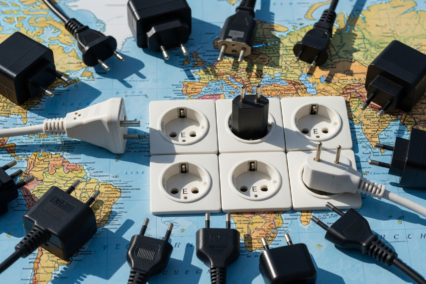
When you go to Ethiopia, you will see the sockets are not the same as the ones you use in the US. The country has its own plug types, so you cannot plug in your American plugs without help.
Knowing about the changes in plug types and sockets is key to keeping your things charged. You must get the plug adapters if you want to use your devices there. Let’s go over the plug adapters and plug types you’ll come across in Ethiopia and talk about how they are different from what you use back home.
Common Outlet Types and Plug Styles
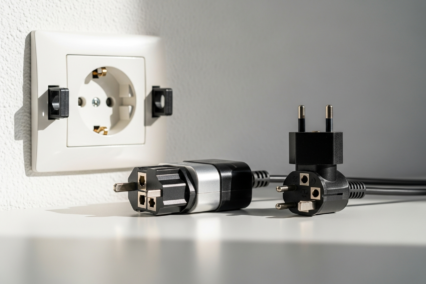
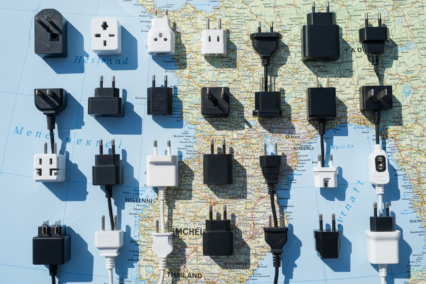
Ethiopia mostly uses Type C and Type F power sockets. If you have been to Europe, these are the plug types you might know. You should learn what these plug types look like before your visit, so you can get the right adapter.
Type F is the plug you will see most in Ethiopia. Type C sockets are found, too. Some new hotels and homes in Ethiopia may use sockets that can take many kinds of plugs, thanks to imported stuff. Still, the standard plug types are what you will need most.
Here is a look at the main plug types in Ethiopia:
-
Type C: This plug has two round pins. It does not have a ground. You will find it used in Europe, Asia, and Africa.
-
Type F: This plug also has two round pins, with two earth clips on the sides. It is made for grounding. Type F sockets also work with Type C plugs.
-
Type G: This one is not standard in Ethiopia. You might see it on some appliances that come from Britain.
If you are coming to Ethiopia, make sure you know the plug types and power sockets you will find there. That way, you will have what you need and be ready to use your devices.
How Ethiopian Sockets Compare to US Outlets
The primary difference between Ethiopian and US outlets lies in their physical shape and electrical specifications. US outlets (Type A and B) have flat prongs, whereas Ethiopian outlets (Type C and F) use round pins. This fundamental design difference means your US plugs will not fit into Ethiopian sockets without plug adapters.
Beyond the shape, the voltage level is also a critical distinction. Ethiopia operates on a higher voltage than the United States, which affects the compatibility of your electronic devices. Using a US appliance without checking its voltage rating can be dangerous.
Here is a simple comparison to help you understand the differences in compatibility:
|
Feature |
Ethiopia |
United States |
|---|---|---|
|
Plug Types |
Type C, Type F |
Type A, Type B |
|
Voltage |
220V |
120V |
|
Frequency |
50Hz |
60Hz |
Voltage and Frequency Specifications
The outlets in Ethiopia do not just look different from those in the US. The electricity coming from them is not the same, too. The standard voltage and its frequency are what make your appliance work right or not. If you use your device on a different voltage level, it can damage it for good.
You need to know about these electrical specs so you do not run into problems. We will talk about the standard voltage in Ethiopia. We will also look at how the different voltage there can affect the compatibility of your American appliance.
Standard Voltage and Frequency in Ethiopia
The power supply in Ethiopia uses a standard voltage of 220 volts and has a frequency of 50 Hertz (Hz). This electrical standard is the same in Addis Ababa and in other places in the country. In the United States, the standard voltage is only 120 volts, so Ethiopia’s voltage is much higher.
This difference in voltage and frequency matters a lot. If you plug something made for 120 volts into a 220 volt outlet, it could get damaged or stop working. The 50Hz in Ethiopia and the 60Hz in the United States can make some things, like motors or clocks, run at the wrong speed.
Always look for the voltage details on your device or power supply before using it. This will help keep your electronics safe while you are in Ethiopia.
Compatibility with US Electronic Devices
If you need a voltage converter depends on if your device works with different voltages. Many new electronics come with dual voltage. This means you can use them in different countries. To check, look at the small words on the power adapter or the device. If you see words like ‘INPUT: 100-240V’, the device is dual voltage. You will not need a power converter for this device.
But if you have a single voltage device, it will say ‘INPUT: 110V’ or ‘INPUT: 120V’. In this case, you need a voltage converter to change Ethiopia’s 220V to the 120V your device uses. If you use a single voltage item with the wrong voltage and no converter, your device can get damaged.
Here are some examples of what these devices need:
-
Dual Voltage: Laptops, smartphone chargers, and camera battery chargers. These usually need only a plug for the outlet.
-
Single Voltage: Old hair dryers, curling irons, and electric razors. These will need a voltage converter.
-
Make sure to always check the label on your device to know what you need.
Choosing the Right Travel Adapter for Ethiopia
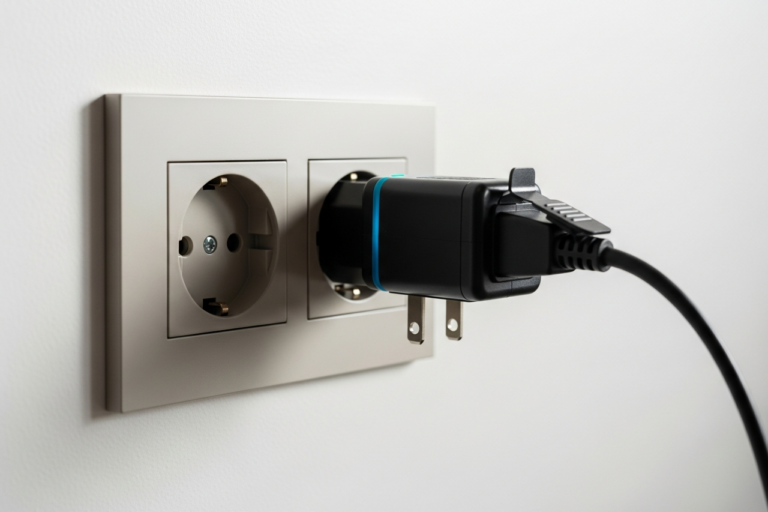
Yes, you will need a travel adapter for your trip to Ethiopia. US plugs do not fit Ethiopian outlets. A travel adapter is what you need to connect your devices. This small tool helps your plug fit the sockets you find in the country.
Keep in mind your travel adapter will not change the voltage. It just lets your plug match the shape of the power plug in Ethiopia. There is a great selection of travel adapters to choose from. You can find one that works well for your power plug once you know what to look for. Let’s see how you can choose the right plug adapters and power plug adapters for your trip.
Identifying Suitable Plug Adapters
To find the right plug adapters for Ethiopia, you will need ones that work with type c and type f sockets. These adapters let your flat-pronged American plug connect to the round-pin plug types you see in Ethiopian outlets. A power plug travel adapter is small. It does not cost much. And it is one thing you should not forget to take with you.
When you buy, look for adapters made for these plug types. Type f sockets also work for type c plugs, so an adapter for either type will often be fine. Still, a type f adapter is usually better. It gives you a safer, grounded link when you need it.
Here’s what to check when picking an adapter:
-
An adapter that fits a US type a or b plug.
-
An adapter with output pins for plug type c (two round pins).
-
An adapter with output pins for plug type f (two round pins with grounding clips).
-
A universal adapter that covers many places, including Europe.
Where to Buy Travel Adapters for Ethiopia
Finding a travel adapter for your trip is simple. There are many places where you can buy it. You can get a great selection of travel adapters online, like at Amazon. Some adapters are made for just one country. Others are world travel adapter kits that work in many places.
If you want to shop in person, you can look in electronics stores. Travel stores also sell adapters. Big department stores often have them in the travel section. It is a good idea to buy your adapter before you leave. Adapters might be harder to get or cost more once you are in Ethiopia, mainly if you stay away from tourist spots.
Think about these ways to get your adapter:
-
Online: Amazon and other e-commerce stores have many world travel adapter choices and reviews.
-
Retail Stores: You can check places like Best Buy, Target, or Walmart in the travel or electronics area.
-
Airports: Shops at the airport sell travel adapters, but the price is usually higher.
Using Your Electronics Safely in Ethiopia
To keep your electronics safe in Ethiopia, you need more than just a travel adapter or power adapter. Power can go up and down, so it’s smart to use a surge protector. A universal travel adapter is handy, but you should still know what it can and can’t do before you plug in your devices.
If you pay attention to the plugs you use and make sure you have the right adapters, you can help your gadgets last longer. Let’s go over some safety tips for using a universal travel adapter and talk about some limits on using some appliances.
Universal Adapters – Safety Considerations
A universal adapter is a good item to have if you travel the world. It brings together many plug types in one device. Most of the time, it is safe to use in Ethiopian outlets. But you should keep a few safety things in mind with adapters. Some cheaper adapters that are not made well can have plugs that fit loosely, and this can make them unsafe. Always choose a good brand.
You should also know that a universal adapter does not change the voltage or work as a power converter. It only changes the plug shape so your device can fit. If your device is not made for dual voltage, you will still need a voltage transformer to use it, even if you have a universal adapter.
To stay safe with your adapter, do these things:
-
Get a high-quality universal adapter that is strong and solid.
-
Look to see if your adapter has a fuse built in or if it has a surge protector for more safety.
-
Do not plug in high-power machines like hair dryers to a simple universal adapter. For these, use a heavy-duty power converter or transformer.
Restrictions on Devices and Appliances
There are no official rules on what kind of device you can plug into Ethiopian sockets. But you do need to think about voltage before you plug anything in. One big thing to remember is not to plug in a single-voltage US appliance, like one for 120V, without using a voltage converter. If you do, the appliance will probably get ruined. It could even start a fire.
Appliances that use a lot of power, like a hair dryer or curling iron, can be even more risky. These items often use only one kind of voltage. They take a lot of electricity. Even if you use a converter, these appliances can be too much for old building wiring. It’s often best to leave the hair dryer and curling iron at home or buy a travel version that can work on two kinds of voltages.
To keep things simple and safe, you should do these steps:
-
Check every appliance to see if it says ‘100-240V’ on the label. This means it works with both kinds of voltage.
-
Don’t bring high-power items like your home hair dryer if they are single-voltage.
-
If you need to use an appliance like this, bring a strong voltage converter that is made for high-wattage items, not just a small transformer meant for smaller electronics.
FAQs (Frequently Asked Questions)
When you travel, it can be hard to figure out electrical outlets. In Ethiopia, the plug types you find most are C and F. The standard voltage is 220V. If you have a dual voltage device, like a phone charger or laptop, you can usually use it here without a converter. But if you use single voltage items, such as some hair dryers, you may need a voltage transformer so your device does not get damaged. It is a good idea to get a universal travel adapter. This way, you will have better compatibility with your plugs and electrical devices.
Can I use US chargers and smartphones in Ethiopia?
Yes, you can. Most new chargers for smartphones, tablets, and laptops are made to work with different voltages. They have built-in compatibility with Ethiopia’s 220V system. You do not need a voltage converter for these devices. But you will need a travel adapter, such as type C or F, to make the plug fit in the outlet.
Which plug types are compatible with Ethiopian sockets?
The sockets found in Ethiopia are mostly Type C and Type F. This means your American plug will not work there. You need plug adapters made for these power sockets. A Type F adapter works well because it fits both Type F and Type C outlets.
Do I need a voltage converter for traveling from the US to Ethiopia?
You might need a voltage converter. It depends on the device you have. If your electronic item is dual voltage and says ‘100-240V’, you do not need a power converter. But, if your device is single voltage and says ‘120V’, like some hair dryers or shavers, then you will need a voltage converter for compatibility.
Conclusion
To sum up, if you are going to Ethiopia, it’s important to know about the electrical outlets there. You need to understand the type of outlet used, how much voltage there is, and what safety steps to take. This can help you use all your electronics well and not face any problems. You should learn which travel adapter to get and check the compatibility of your devices with the outlets. When you know these things, your trip will go smoother, and you will not have trouble with your electronics. So as you get ready to go, think about these points to make sure your things will work in Ethiopia. Have a safe trip!