Key Highlights
Here are the key takeaways for using electronics in Denmark:
-
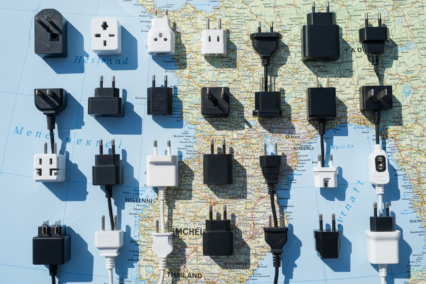
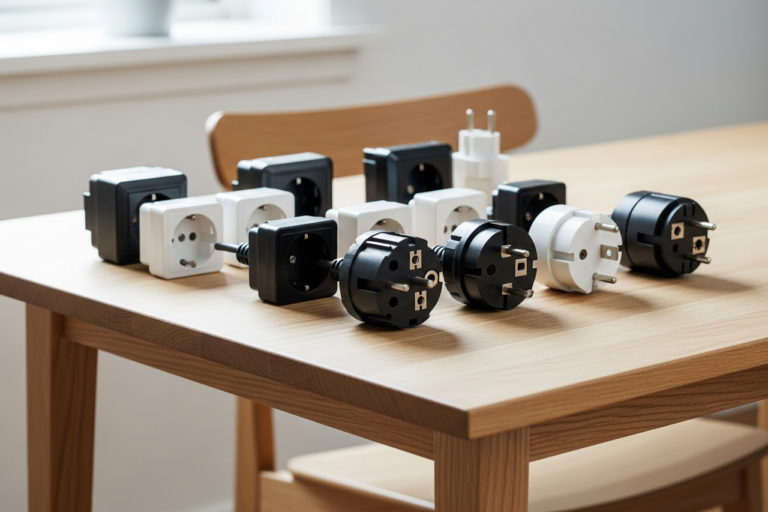
Denmark mostly uses Type K outlets. You may also see Type C and Type E outlets in some places.
-
You will need a travel adapter because Denmark uses plug types with two round pins that may not match your plug.
-
The standard voltage in Denmark is 230V. You might need a voltage converter if your device from North America uses only one voltage.
-
Most modern devices like laptops and phones are dual voltage. They just need basic adapters to plug in.
-
Type K sockets are not the same as in many other European countries. So, the right adapter is important.
Introduction
Are you planning a trip to Denmark? The country has wonderful cities and pretty views. If you want to use your electronic devices there, you need to know how to charge them. The plugs and voltage in Denmark are not the same as in some other places, even in Europe. You have to use the right plug for Denmark, and check the voltage. This will help you keep your phone, camera, or anything else ready to use. Here is what you should know about plugging in when you go to Denmark.
Types of Electrical Outlets in Denmark
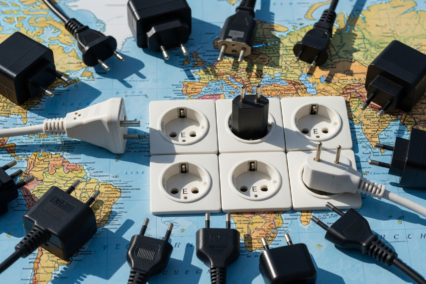
When you go to Denmark, you will see different plug types. Most places have the Type K socket, which is special to Denmark. Still, there are some spots where you will find Type C and Type E sockets too.
Because the sockets are not all the same, it is best to be ready. Type K is the main one, but it helps to know about Type C and Type E. That way, you will pick the right power plug adapter for any socket you find. It makes sure you can plug in your devices without a problem in Denmark.
Common Danish Plug Types (Type C, E, and K)
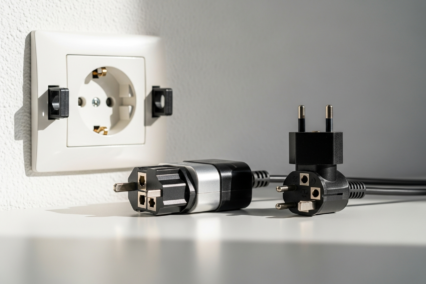
Let’s go over the main plug types you will find. Type K is the plug and socket most used in Denmark. It has two round parallel pins and another pin for grounding. The socket has a hole for the ground pin, which is placed on the plug.
You also might see Type C and Type E plugs in Denmark. A Type C plug has two round pins and is called a Europlug. It works in many Danish sockets. Type E sockets originally came from France and have two round holes. These sockets also have a pin for grounding that sticks out.
Here’s a quick summary:
-
Type K: This is the Danish socket. It has two round holes and a third hole for the ground pin.
-
Type C: This is the normal European plug. It has two round pins and works in both K and E sockets.
-
Type E: This socket has two round openings and a ground pin that points out from the socket.
How Danish Outlets Differ from Other European Countries
While Denmark is part of Europe, its electrical outlets have a key difference that can catch travelers off guard. The standard Type K socket is deeper than the Type F “Schuko” socket common in countries like Germany and Sweden. This depth can prevent some universal European adapters from making a proper connection.
Even though a standard European Type C plug will fit, grounded plugs like Type F may not work unless they have an extra hole to accommodate the socket’s design. This is an important distinction to remember when packing your power supply adapters. You can use some European devices, but compatibility isn’t guaranteed for all plug types.
Here is a simple comparison:
|
Country |
Common Plug/Socket Types |
|---|---|
|
Denmark |
Type K, Type E, Type C |
|
Germany |
Type F, Type C |
|
Sweden |
Type F, Type C |
|
France |
Type E, Type C |
Power Specifications in Denmark
Besides the shape of the plug, you should know about the electrical current in Denmark. The power specs there are not the same as North America or some other places. Danish outlets use a standard voltage that can be too much for some electronics if those are not a good match.
It helps to get to know the voltage and how often the current changes (frequency). This way, you can tell if you only need a simple plug adapter or if you will have to use a voltage converter for your things. Let’s take a closer look at these voltage specs in Denmark.
Voltage and Frequency Standards You Need to Know
In Denmark, the standard voltage is 230 volts, and the power frequency is 50 Hz. This is the same in most of Europe. For many people who travel there, you will need a travel adapter to get your plug to fit into the Danish socket.
If you need more than just a travel adapter depends on your electronics. Many new gadgets like laptops, phone chargers, and camera batteries are dual voltage. You can check the label on the plug or power brick. If it says “INPUT: 100-240V, 50-60Hz,” you only need a travel adapter for Denmark.
But, if your appliance is not dual voltage and shows only 110V or 120V, you must use a voltage converter. Plugging these kinds of devices into a socket with 230 volts in Denmark without a converter can break them.
Safety Guidelines for Using Electronics in Denmark
Using your electronics in Denmark needs you to think about safety. If you plug in UK or US chargers, it is safe if you use the right adapter. Your device must work with the 230V power supply. If you use the wrong gear, you do so at your own risk.
To stay safe, always check if your device can handle the voltage in Denmark before you plug it in. It is best to buy adapters from good brands so you don’t run into trouble.
Follow these easy safety tips:
-
Never push a plug into a socket.
-
Stay away from using big-power things, like hair dryers. These often need a strong converter. It is better to use the one your hotel gives you or to buy one nearby.
-
Look at your adapters and chargers to see if there is any damage before you use them.
-
Pull your chargers out of the socket when you are not using them.
Conclusion
To sum up, it is important to know about the electrical outlets in Denmark if you plan to travel or live there. Denmark has its own plug types and power settings. If you are ready for these, you can avoid trouble when you use your electronics. Learn about Denmark’s plug types, adapters, and safety rules. This will help you have a better time in the country. Remember to bring the right travel adapters or plug converters for your devices. That way, you can charge them and keep up with all your fun times. If you want to know more or need help picking the right adapter, just reach out!
Frequently Asked Questions
Do I need a travel adapter or power converter for Denmark?
Yes, you will need a travel adapter for your plug in Denmark. Denmark uses Type K outlets. If your device is not dual voltage, and does not support 230V, then you will also need a converter. Most new electronics do not need a converter. So, a travel adapter is usually all you need for Denmark.
Can I use UK or US chargers in Danish outlets?
You can use UK and US chargers, but you will need a power plug adapter. Check if your charger is dual voltage, which means it works for 100-240V. If your charger is dual voltage, you only need the adapter for the plug. If it’s a single-voltage US charger (110/120V), you will also need a voltage converter. This keeps your charger safe from damage.
Where can I buy a Denmark-compatible plug adapter?
You can find a plug that works in Denmark before you travel. Amazon and other online stores have a great selection of travel adapters made for Type K outlets. If you buy your adapters early, you will be ready when you get there. You can also get them at the airport or in a local electronics store.