Key Highlights
-
Canada uses Type A and Type B electrical outlets. These are the same ones you will find in the United States.
-
The standard voltage in Canada is 120V, and the frequency is 60 Hz.
-
People traveling from the United States often do not need an adapter or a voltage converter.
-
If you are coming from Europe or the UK, you will need a plug adapter. You may also need a voltage converter for your things.
-
Most new electronics, like laptops and phone chargers, are dual voltage. It is good to check your device’s label before using it.
-
A plug adapter only changes the shape of the plug. A voltage converter changes the type of electrical power going into your device.
Introduction
Are you planning a trip to Canada? The country has many beautiful views and fun cities to visit. But before you go, you should think about some simple things. You need to know how to keep your phone and other devices charged. You have to learn about the electrical outlets and voltage in Canada. This will help you avoid problems while you are there. This guide will show you what you have to know about using electrical outlets and voltage in Canada. It will help you plug in your devices the right way. That means you can stay connected and enjoy your time in Canada.
Overview of Electrical Outlets in Canada
Canada’s electrical system works like the one you find in the United States. It has the same standard voltage and the same frequency. This means it is easy for a lot of North American visitors to use their devices there. In Canada, people use Type A and Type B outlet types. These types both have two flat parallel pins. The Type B outlet also has a grounding pin.
These outlet configurations help give a steady power supply for all your everyday devices. The canadian outlet system is pretty easy to use. Still, you need to know about voltage and outlet types, especially if you visit from another country. By knowing about the type b outlet, standard voltage, and flat parallel pins, you can keep your electronics safe. This will also help you make sure you have what you need for your electrical work or travel.
Common Outlet Types and Plug Shapes Used
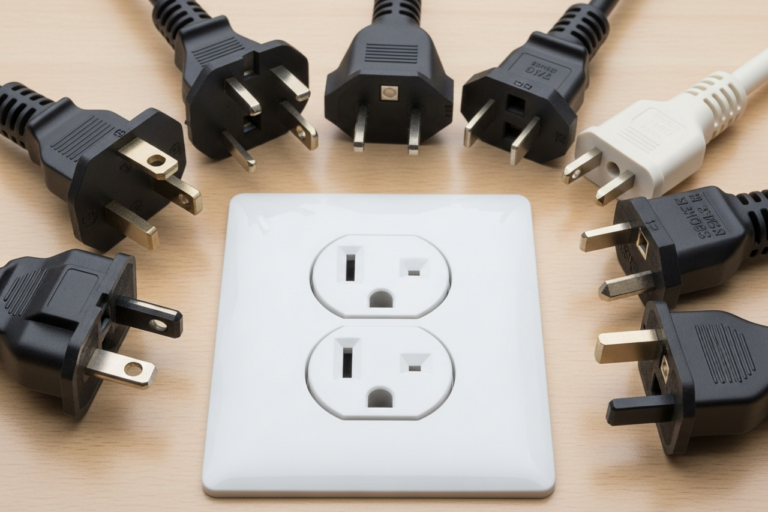
In Canada, the outlet types you will see most are type B sockets. These electrical outlets are the regular ones used in all of North America. They can take both type A and type B plugs. Type A plugs have two flat, straight pins. Type B plugs have two flat parallel pins and also a round grounding pin.
If you have a plug with two prongs, you can use it in the type B sockets in any of the Canadian provinces. These sockets, sometimes called receptacles, are the normal outlets in new buildings and wiring. Because of this, your devices will have good compatibility with them.
The grounding pin on the b plugs helps protect you from electric shock. This makes type B electrical outlets safer. No matter if you want to charge your phone or plug in your lamp, these b sockets are often used across Canada. You can count on them for a steady flow of power for your electronics.
Key Differences Between Canadian and US Outlets
Are Canadian and US electrical outlets the same? For the most part, yes. If you travel between the United States and Canada, you will not have any trouble with your plugs. Both countries use the same outlet types, like Type A and Type B. They also have almost the same standard voltage, so your devices and chargers will work in either country. This makes it easy for people to use their electronics when moving from one to the other.
The main differences come from rules about electrical work. Canada’s rules are made by the Canadian Standards Association, and the United States uses the National Electrical Code. They have some different requirements for things like grounding, how outlet types should be set up (especially in bathrooms or kitchens), and using outlets that stop tampering.
So, you can plug your things with Type B plugs into B sockets in both countries with no problem. The electrical work behind the wall may be a bit different, because of rules about amps and volts. These changes matter for electricians but do not matter for most people who travel between Canada and other different countries. You will still be able to use your B plugs in type B outlet connections, no matter which side you are on.
Voltage and Frequency Standards Across Canada
Across all of its provinces, Canada maintains a consistent electrical standard. The standard voltage for residential electrical outlets is 120 volts (V), and the standard frequency is 60 hertz (Hz). You might sometimes hear people refer to the voltage as 110V, but this is an old designation; the modern standard is 120V.
This uniformity means that no matter where you travel in Canada, from Quebec to Vancouver, the power from the outlets will be the same. This is identical to the standard in the United States, which is why devices from the US work seamlessly in Canada without needing to handle a different voltage.
For international visitors, especially those from countries with a 220-240V standard, this difference is critical. Plugging a single-voltage device designed for a higher voltage into a Canadian outlet won’t damage it, but it may not work correctly. Conversely, plugging a 120V device into a 240V outlet abroad without a converter can cause serious electrical damage.
|
Feature |
Standard in Canada |
|---|---|
|
Voltage |
120 Volts (V) |
|
Frequency |
60 Hertz (Hz) |
|
Plug Types |
Type A & Type B |
Plug Compatibility for International Travelers
If you come to Canada from a place outside North America, you need to check if your plug type will work. Your plug might not fit Canadian outlets. For this, you need a plug adapter to help your device connect to the power supply. Travel adapters are usually small, cheap, and easy to fit in your bag.
For most new devices, you will only need an adapter. But for some things, you also need a voltage converter if these are not made for Canada’s 120V power supply. You should always look at your device’s label. This helps you know if you only need a plug adapter, a converter, or a universal adapter that does both. That way, your stuff will work well in Canada.
American Devices and Canadian Outlets
If you are going to Canada from the United States, you will find the electrical outlets, voltage, and plug types to be the same in both countries. This means that you can use all your American devices in Canada without needing anything extra. Just plug your electronics into the wall like you do at home.
Will my American phone chargers work in Canada? Yes, they will. Your phone chargers, laptops, and other things from the US are made for the same 120V/60Hz electrical system that is used in North America. You do not need a plug adapter or voltage converter for these things.
This easy compatibility makes getting ready for a Canadian vacation simple for people from the United States. You can leave plug adapters or converters out of your bags. So, all your important gadgets will be ready to use, and you can just enjoy your time in Canada.
Using European or UK Electronics in Canada
If you are coming from Europe or the UK, you will see that your electronics do not work with the sockets in Canada. In Europe, the power supply is 220-240V, but in Canada, it is only 120V. The plug type in these places is different as well, so you cannot just plug your device into a Canadian socket. Because of this, will you need travel adapters in Canada? Yes, you will need a plug adapter for sure.
A lot of newer electronics like laptops and phone chargers are “dual voltage.” This means they can work with either voltage. You can look at the label on your charger or device. If you see “INPUT: 100-240V,” then you only need to use a simple plug adapter for Canada.
But if you have things like hair dryers or electric razors that are single voltage, you will also need a voltage converter. A converter or transformer will make Canada’s 120V go up to 220-240V, which your appliance needs. If you try to use a European device that needs more voltage with just an adapter, it might not work right or may not work at all.
Plug Types Compatible With Canadian Sockets
Canadian sockets are made to work with a few main plug types. The most common is the Type B socket, and you will see it in almost every part of Canada. This type of socket is used because it is safe and works well. If you know which plugs you can use, it will make it easy for you to keep your things charged.
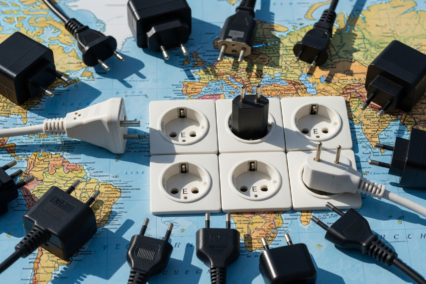
So, what plug types can you use in Canada? In most cases, you can use Type A and Type B plugs. These are the common standard in North America, and you can find them in the US and Mexico too. If you bring plugs from Europe, the UK, or Australia, you will need an adapter because they do not fit on their own.
Here are the plug types that work with Canadian outlets:
-
Type B plug: This plug uses two flat parallel pins and one round grounding pin. It fits just right in Canadian Type B sockets.
-
Type A plug: This plug only has two flat parallel pins and does not have the grounding pin. You can use it in the top slots of a Type B socket with no trouble.
-
Plugs from other countries, like Europe, the UK, and Australia, will not go into Canadian sockets. You have to use a plug adapter to make them work.
Power Adapters and Voltage Converters
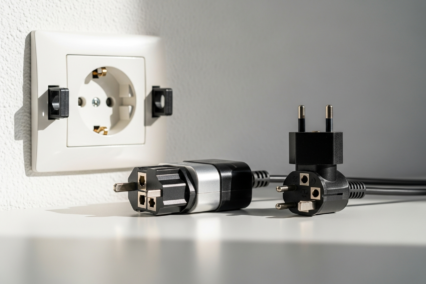
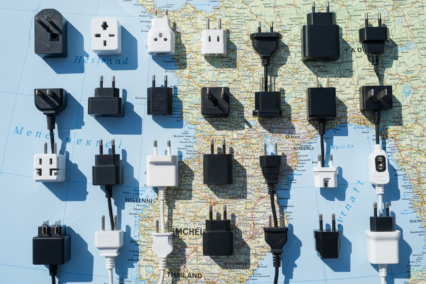
Getting the right travel electronics can be hard. But knowing the difference between a plug adapter and a voltage converter helps a lot. A plug adapter is a small item you use to make your plug from home fit into outlets in Canada. It just changes the shape of the plug. It does not change the power supply or voltage.
A voltage converter does more work. This device actually changes the electrical power. You need a converter if your device is not dual voltage and cannot use a different voltage in another place. It is important to know if you need an adapter or a converter. This way, you can keep all your electronics safe and working.
When to Use a Power Adapter in Canada
If you want to use your electronics in Canada, you may need a power adapter. It depends on where you are coming from. The outlets in Canada are Type A or Type B. If the plug on your device does not fit these outlets, you have to use a plug adapter. This is needed for people who come from Europe, the UK, Australia, and Asia.
A plug adapter helps your plug fit into the wall socket. It does not change the voltage. Many things like phone chargers and laptops are dual voltage. Most times, you only need a plug adapter for these devices. You can check the device’s power brick. If you see the label “INPUT: 100-240V,” the device will work in Canada.
If you want to make travel easier, you can buy a universal adapter. These travel adapters have different plug options. They work in many different countries. This helps with compatibility, even if you go to a new place in the future.
Choosing the Right Voltage Converter
A voltage converter, or transformer, is needed when you have a “single voltage” device that does not work with the 120V electrical system in Canada. This is common for things with motors, like hair dryers or electric razors, if they come from countries that use a 220-240V electrical system. Can you plug UK devices into a Canadian outlet safely? You should always check the voltage first before you do.
To see if you need a voltage converter, look at the power label on your device. If the label just shows “220V” or “220-240V” and not “100-240V,” it is a single-voltage appliance. If you use a plug adapter by itself to plug this in the Canadian outlet, the device may not work, or it could work badly.
When you pick a voltage converter, remember these things:
-
Wattage: The converter must be strong enough for your appliance. Things that use a lot of power, like hair dryers, need a much stronger converter than something small, like an electric razor.
-
Appliance Type: Some converters are made for items like laptops, while others work for heating or motorized appliances. Choose the voltage converter that matches your kind of appliance.
Do Hotels Provide Universal Power Adapters?
Do hotels in Canada offer a universal power adapter? Some nice hotels that see lots of international guests may lend or rent you a plug adapter. But most hotels in Canada do not give this as a standard plug adapter. You can’t be sure that the hotel will have one ready for you. Relying on the hotel for an adapter can be risky.
If your hotel does have an adapter, someone else may already be using it. You might waste your precious holiday time looking for a plug adapter. That is never good on your canadian vacation. It is better to bring your own adapter.
Buying a universal adapter before you come to Canada is smart. You will have power for your devices as soon as you arrive. A universal adapter also works when you travel again to other places. For something to keep your trip smooth, an adapter is small, not costly, and gives peace of mind.
Safety Considerations for Foreign Devices
When you use a foreign appliance in Canada, safety is very important. If you plug in something that does not match the voltage in Canada, it can break or cause a fire. You need to know about the grounding and safety standards. These rules keep you and your electronics safe.
The Canadian Standards Association (CSA) makes sure there are strict rules for electrical products and how they are put in. This includes things like protection for the outlets. If you use certified adapters and converters, they work well with the Canadian outlet system. It also lowers any risks and helps all your devices be safe.
Keywords used: canadian outlet, safety standards, canadian standards association, voltage, canada, appliance
Risks of Electrical Damage When Plugging In
Yes, there is a risk of electrical damage when using devices from other countries in Canada. This happens if you do not use the right equipment that matches the electrical system. The main problem comes from the voltage difference. In Canada, outlets use 120V. If you plug a device made for 240V into a canadian outlet, it might not work right. It could run weak, or its parts could get damaged over time.
A bigger problem occurs if your appliance is made for only 120V and you use it in another country with 240V power, such as by plugging it in without a voltage converter. This can make your device break right away. So, when you come to Canada, check if your device is dual voltage or use a good converter to make sure it works well and keeps safe.
Another issue is using an adapter or plug that is not certified or is made cheaply. This may not connect to the electrical system right, and could get too hot or even cause a fire. It is always smart to use certified products for your foreign devices so you stay safe.
Safety Certifications and Standards in Canada
Canada has high safety standards for all electrical products and installations. The Canadian Standards Association (CSA) is the main group that creates and checks these rules. If you see a CSA mark on something like an electrical product, that means it has been tested. It also means it meets Canadian safety standards.
These safety standards cover things like outlet types, wiring, and the rules for grounding and outlet protection. For example, electricians who work in Canada have to follow certain codes when they put in outlets in your home. This makes sure that the outlets are safe, even in areas near water such as bathrooms and kitchens.
When you buy electrical accessories, like adapters or converters, look for a CSA certification or a mark like UL, which is used in the United States. This shows the product was tested for safety. If you use certified products, you will follow Canadian standards and stay safe from electrical dangers. Certified items also help you keep your equipment safe.
Grounding and Outlet Protection Features
Grounding helps keep modern electrical systems safe. In Canada, the standard outlets called Type B sockets have a third, round hole. That is for the grounding pin. The grounding pin offers a safe way for extra electricity to exit during a fault. That stops electrical shock and keeps your appliances safe. Grounding is an important part when setting up new outlet configurations during electrical work.
Besides grounding, Canadian codes ask for some special protection at outlets in certain spots. One important feature is the Ground Fault Circuit Interrupter (GFCI). A GFCI checks the flow of power. It shuts off the power right away if it sees a problem, which can mean someone is getting a shock.
Key outlet protection features you will see in a Canadian outlet system include:
-
Type B Sockets: The grounding connection gives an important safety boost.
-
GFCI Protection: Needed in places like bathrooms, kitchens, and outside where moisture can be found.
-
Tamper-Resistant Receptacles: These sockets have shutter parts inside and stop things from being pushed in the holes. This keeps children safe from shocks.
-
Arc-Fault Circuit Interrupters (AFCIs): Often found in bedrooms to stop fires caused by wires sparking.
Where to Buy Electrical Accessories in Canada
If you come to Canada and see that you forgot your plug adapter or need a voltage converter, do not worry. You can get these things all over the country. They are in many places, including big hardware stores, electronics stores, and even in some pharmacies and airport shops.
You also have the option to shop online at Amazon if you still have a few days before you need your new adapter. It does not matter if you want a simple plug adapter or a strong power supply or converter. There will be good choices there to fit Canada outlet types.
Reliable Stores for Travel Adapters and Accessories
It is easy to find travel adapters and other electrical things in Canada. There are many stores across the country where you can get what you need. If you want, you can buy an adapter after you get to Canada. This is a good backup plan. But if you get one before your trip, you can save your precious holiday time instead of spending it on shopping.
Large hardware stores are some of the best places to look. They sell many electrical products. These can include different types of adapters and converters. It does not matter what your need is, you will likely find something for you in these stores. You can also visit big electronics stores if you want something more for travel or tech.
Here are some good stores where you can buy travel adapters in Canada:
-
Hardware Stores: Chains like Canadian Tire, Rona, and Home Depot all have big electrical sections and many adapters.
-
Online Retailers: Amazon.ca has so many choices and fast delivery.
-
Electronics Stores: Shops like Best Buy or The Source also carry travel adapters and other helpful accessories.
Tips for Selecting Safe and Approved Products
When you buy an adapter or voltage converter, make sure you pick products that are safe and approved. The top thing to check is a safety certification mark. In Canada, look for the Canadian Standards Association (CSA) mark. A UL mark is good too. It shows the product was tested for safety and is trusted in North America.
Do not buy cheap, non-branded accessories from unknown sellers. They may not be tested for safety. The materials might be bad, which can put your appliance at risk for fire or damage. It’s better to pay a bit more for something you know is safe.
Before you buy anything, check that the adapter or voltage converter fits what you need. Make sure to match the plug type for your appliance. The converter’s wattage rating should be enough for your device. If you follow these simple steps, they help get a product that will be safe and useful for your electrical work.
Conclusion
To sum up, knowing about electrical outlets in Canada is important if you plan to travel or move there. You need to know the common types of outlets in the country, and how they are not the same as those in the US. This can help you avoid problems. It’s also good to have the right power adapters and voltage converters with you. Taking safety steps will help your devices work well and stay safe. By doing this, you will have an easy time using your electronics as you enjoy Canada. If you are getting ready for a trip or want to know more about voltage in Canada, you can ask for a free chat about the best electrical solutions for you.
Frequently Asked Questions
Will my US phone charger work in Canadian outlets?
Yes, you can use your US phone charger in Canada. The united states and Canada have the same plug type. The voltage is also the same at 120V. You do not need to get an adapter to charge your phone or other electronics.
Are travel adapters required for European visitors in Canada?
Yes, people coming from Europe will need a plug adapter to use their plug in Canada. You should also make sure if your device is dual voltage. If it is not, you will need a voltage converter. This is important to safely use it with the electrical system in Canada, since the voltage there is 120V.
Can I plug UK devices into Canadian outlets safely?
You can use UK devices in Canada safely, but you need the right items. You have to use a plug adapter for the UK plug to fit into a Canadian outlet. If your device only uses one voltage, you will also need a voltage converter because the voltage in Canada is 120V, and most UK devices need 240V. A converter will make the power match your device’s needs.
This way, your UK device, plug, and adapter work well in Canada.