

English (US) – Page 71

Winter Solstice Traditions Around the Globe

English (US)

Winter solstice: a woman holding a string of lights

Winter solstice, the longest night of the year, has been celebrated globally as the Sun’s “return” since ancient times. Its calendar date, December 21st or 22nd in the northern hemisphere and June 20th or 21st in the southern hemisphere, influenced the holidays we celebrate today, such as Christmas and Hanukkah. Our team here at Remitly created this guide about celebrating the year’s longest night and the shortest day and some worldwide winter solstice celebrations.

In many traditions, the winter solstice date commemorates the exact moment when half of Earth is tilted farthest away from the sun, promising longer daylight. Many cultures celebrate big festivals around this time since it’s a time of renewal and celebration. Let’s take a peek at what different winter solstice festivities look like around the world.

Scandinavia: Yule

In Scandinavia, Yuletide (Yule) is the pagan name for Christmas. This significant winter day originated as a pagan holiday held after the midwinter solstice (typically December 21) to celebrate the sun’s return and longer days. The 12-day Christmas celebrations included drinking and eating slain animals.

Speaking of animals, the Yule goat (The Jul Bok) is usually made from straw or is sometimes ​a man dressed up as a goat. He would appear before Yule to ensure proper holiday preparations and became a gift-giver with Jultomten (Santa Claus).

The Feast of Juul involved lighting fires to symbolize the heat and light of the returning sun. It involved the Yule log—lighting a fire before medieval times. A giant log was decorated, hoisted into the room, and fed a fire over the 12 days of Christmas’ longest nights, bringing luck for the year.

Today, Church services are often part of Christmas celebrations, followed by a traditional family supper with a buffet (smörgåsbord) of ham, pork, or fish and sweets. After Christmas Eve supper, someone dresses as Tomte, a mythological creature from Nordic folklore. Bonfires are lit as a representation of the Yule log and Feast of Juul celebration.

Making gingerbread houses, walking through towns adorned in lights, and creating a feeling of Hygge, which is a sense of “winter cozy,” are all ways a Scandinavian winter solstice Yule is observed.

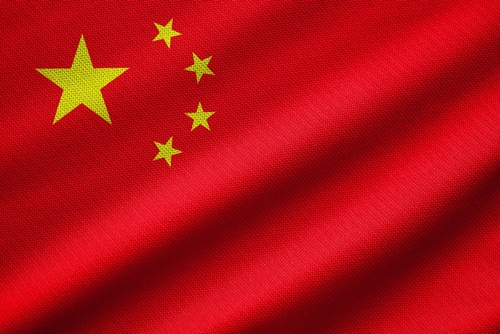
China: Dongzhi Festival

The Dongzhi Festival is an important winter solstice celebration in China, translated to “winter’s extreme,” and recognizing the incoming positive energy following the solstice. Inspired by the yin and yang philosophy of balance and harmony—the longer days following the solstice mean an increase in positive energy.

Among many traditional Asian foods, Tangyuan is a popular Chinese holiday dessert. Family gatherings and Dongzhi Festival celebrations must include this glutinous rice flour-filled delicacy with a sweet, semi-runny filling that is believed to warm your insides.

Imperial Chinese families would sweep and maintain their ancestors’ graves to remember their roots. The Dongzhi Festival is still a time to bond with family, reestablish harmony, and eat a big dinner, even though it looks different today.

United Kingdom: Stonehenge and Druid Celebrations

Stonehenge was carefully designed to align with the sun’s movements on the solstices. On the summer solstice, the sun rises behind the Heel Stone in the northeast and illuminates Stonehenge. The winter solstice sun sets southwest of the stone circle, both serving as breathtaking views.

Druids, modern spiritualists affiliated with the old Celtic religious order, will perform morning rites at Stonehenge in white robes to commemorate the solstice. Its focal point is the cycle of life, death, and rebirth.
Druidry is a spiritual or religious movement that conserves the environment by honoring nature. Diverse nature lovers, Druids respect rites and ceremonies and believe in many gods and goddesses. Today’s Druid celebration involves prayer, food, and wine.
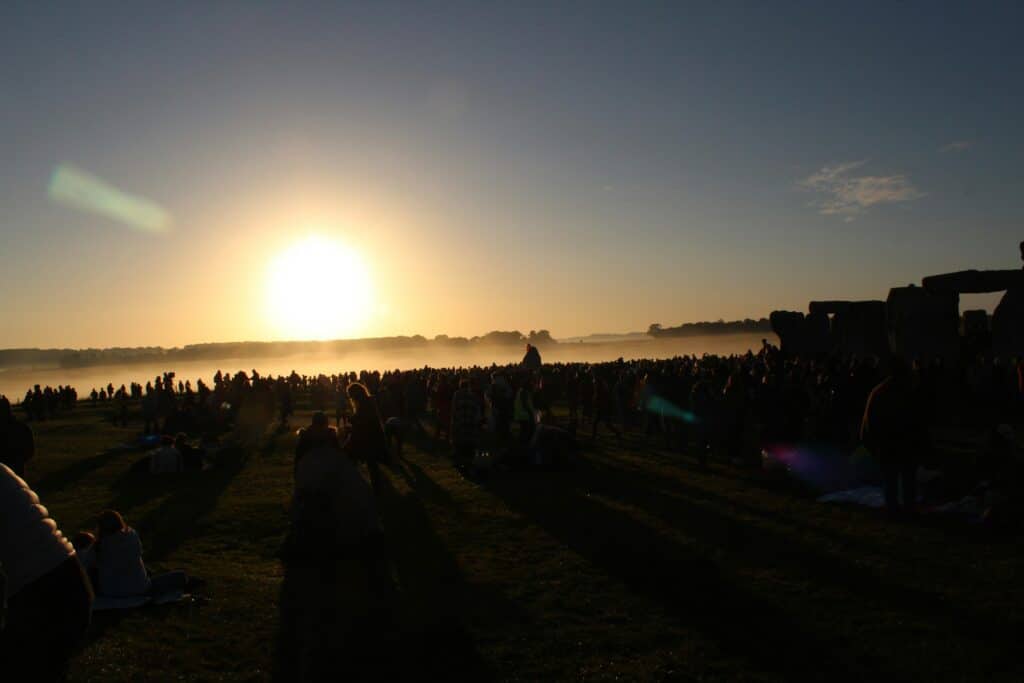
Winter Solstice: Stonehenge in UK.

Native American Traditions

Native American cultures often hold religious or community events around the winter solstice. Indigenous peoples have given the winter solstice spiritual significance by honoring ancient sun gods and passing on elaborate tales and rituals to the next generations. They used architecture to understand how the solar system works and passed that knowledge down through generations.

Native American winter solstice celebrations vary by tribe. For example, the Zuni people of the American Southwest have a tradition called Shalako. During this ceremony, six Shalako messengers, depicted as giant, beaked spirit deities, carry out prayers. These messengers accompany the portrayed Council of the Gods and participate in dances, prayers, and ritual blessings for health and fertility that last all night.

Peru: Inti Raymi

The Inca Pachacutec founded the Inti Raymi in 1430 AD and celebrated it every winter solstice in the southern hemisphere when the Sun was farthest from the Earth.

In Qorikancha, the Inca capital’s ancient holy center, dancing and chanting honor Inti, which starts the festival. The night before the festival, the Incas’ elite gathered in Huacaypata, the main square, to await Apu Inti. Peasants waited for dawn in silence and reverence, thanking God for a successful harvest as the star rose between the mountains.

Since the Incas were a sun-worshiping culture, solar horizon events were very important to them. Their calendar marked the seasons for planting, harvesting, and religious festivals. Their society revolved around the Sun.

The tradition continues today to recreate Inca rights in a musical, spiritual, ritualistic, and magical theatrical performance. The festival always takes place in Cusco, Peru, and the main celebrations are held in the fortress of Sacsayhuamán just outside of the city. It’s a major tourist attraction today, and visitors are asked to respect the cultural significance of the event.

Japan: Toji and To-ji Temple

In Japan, Tōji, the winter solstice, signifies the transition from autumn to winter and offers a chance to prepare physically and mentally. It is believed that the ‘yin’ of cold and darkness dominate most on the shortest day of the year.

On the solstice, a bath with fresh yuzu, a tiny, bright yellow citrus with a sweet, tart flavor and aromatic oils, is traditional.

And what is winter solstice without some comfort food? Kabocha, a Japanese pumpkin, is a winter solstice favorite. Winter is hard on crops, but kabocha is hardy, and the vitamins are good during the winter for protecting your body from sickness.

It is customary to visit the To-ji Temple in Kyoto, where visitors walk down a path in the middle of a bonfire to a shrine where they pray for soul cleansing and family health for the following year.

Winter Solstice

Eastern Europe: Koleda and Koliada

Pre-Christian Slavics celebrated the winter solstice with Koleda or Koliada. The spiritual-mortal divide was weakest in winter, according to ancient Slavs.

Koleda blessed local households and fended off evil spirits to brighten this dark season and prepare for next year. Candles and bonfires before Koleda inspired the ancient Slavs during the cold winter to welcome spring.

Koledari, a group of young people in homemade costumes and alien masks, sang carols for each residence. This clothing symbolized their ancestors and kept devils out of mortal existence. Carols washed and blessed the house, and the owner offered Koledari sweets and money.

After the Slavs converted to Christianity, Koleda became part of the Christmas celebration. Typical Slavic traditions are still ways to celebrate today, such as burning an oak branch on Christmas Eve, singing carols, and transforming the Polaznik (the first guest to come to a house at Christmas) into St. Nicholas.

United States: Pueblo Bonito and the Sun Dagger

The largest and most famous great house in Chaco Culture National Historical Park, northern New Mexico, is Pueblo Bonito. Pueblo Bonito is Chaco Canyon’s most studied and famous cultural monument.

On the solstices and equinoxes, a ‘sun dagger’ shaft of sunlight illuminates a pictograph at Chaco Canyon, New Mexico. Two light daggers frame the huge spiral during the winter solstice, making winter solstice art.

The Sun Dagger was sacred to the people of Chaco Canyon, who would make regular pilgrimages to the site. It also shows the significant role that astronomy played in the ancient Chacoan religion and society.

Unfortunately, you can no longer see the Sun Dagger today. In 1989, the rock slabs shifted, presumably owing to overtourism, ruining the image. The site is closed today.

The universal message of winter solstice

Worldwide, tribes have celebrated the winter solstice for ages. Some use this as a countdown to Christmas, while some illuminate the night with torches, candles, and music. Others celebrate the end of darkness and the start of the new year, when days will get longer.

Regardless of how or where the winter solstice is recognized, the common theme of rebirth, light, and celebration is the universal thread that weaves through all cultural observances. No matter how you honor the season, use Remitly’s app to send money to friends and family and stay connected.

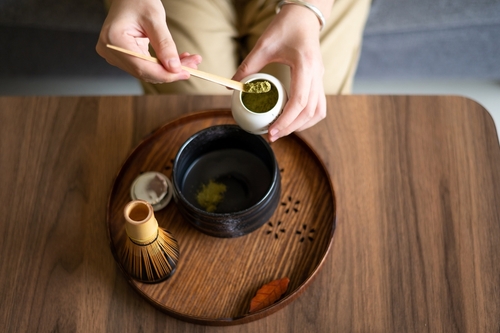
If you think tea is just throwing a teabag into hot water, think again. Around the globe, tea is a daily ritual that can be calming, energizing, or downright theatrical. It’s the second most-consumed drink after water, which means billions of people are steeping, sipping, and sharing it every single day.

For many immigrants, tea is more than a drink. It’s the taste of home, the comfort of routine, or a way to keep cultural traditions alive in a new place. One cup of chai can transport you back to a noisy train station in Delhi. A glass of mint tea might remind you of warm hospitality in Casablanca. At Remitly, we know these little rituals matter. They’re how you carry your culture with you, even while building a new life in the US.

The origins of tea culture

Before diving into specific countries, it helps to know where tea started and how it ended up with tonnes of tea being consumed daily. Tea’s journey is one of trade, migration, and cultural exchange.

A brief history of tea

The true origin of tea is actually a mystery. But the most famous tea theories take us to China. Legend has it that Emperor Shen Nong discovered it around 2737 BCE when leaves accidentally drifted into his boiling water. It may sound like a myth, but archaeological evidence shows people in China were drinking tea thousands of years ago.

Over centuries, tea became part of religious practice, medicine, and daily routines. Monks drank it to stay awake during meditation, while traders spread it along the Silk Road. 

Tea’s journey to the West

By the 1600s, Portuguese and Dutch traders introduced tea to Europe. At first, it was a luxury for the wealthy, served in porcelain cups and stored in ornate caddies. Only the elite could afford it.

That didn’t last long. By the 18th century, tea had moved from royal courts to everyday kitchens. Britain, Russia, and beyond embraced it, blending their own cultural traditions into the way it was prepared and shared.

The art of serenity: Japanese tea ceremony (Chadō)

Japan takes tea to another level. Here, the practice is slow, deliberate, and deeply meaningful.

The philosophy behind Chadō

Known as the “Way of Tea,” Chadō is about much more than sipping a drink. Rooted in Zen Buddhism, the ceremony is a practice in mindfulness, simplicity, and respect. The idea is to leave everyday worries behind and focus on the present.

Every detail, from the utensils to the host’s movements, reflects this philosophy. Even the act of bowing or turning the tea bowl has symbolic meaning. Together, these rituals create a shared experience of calm and gratitude.

Matcha and the chashitsu

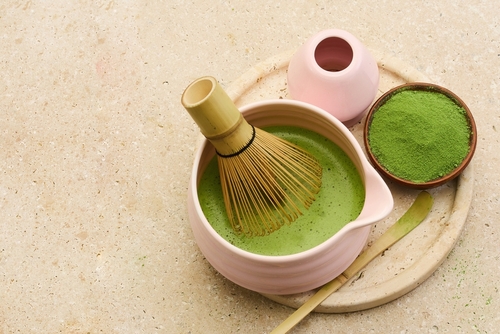
The tea of choice is matcha, a powdered green tea whisked into a frothy bowl. Its vibrant green color and earthy flavor make it unique among teas. Unlike loose-leaf teas, matcha is consumed in full, meaning you drink the ground leaves themselves, not just an infusion.

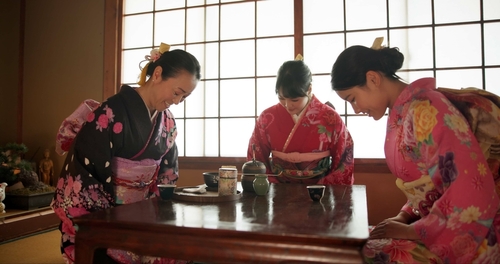
The ceremony usually takes place in a chashitsu, or tea house. These small, minimalist spaces are designed to foster peace and simplicity. From the garden path that leads you inside to the tatami mats underfoot, every detail encourages mindfulness.

The ritual experience

A host prepares the tea using precise, graceful movements. Guests are expected to follow certain etiquette, like bowing or admiring the bowl before sipping. The ceremony is quiet, but not silent; it’s about harmony, not stiffness.

A social staple: British afternoon tea

Britain gave the world one of the most recognizable tea traditions: afternoon tea. While it began as an aristocratic habit, it’s now enjoyed globally.

Origins of afternoon tea

The custom started in the 1840s, thanks to Anna, the Duchess of Bedford. She needed a snack between lunch and dinner and started pairing tea with bread and butter. Soon, her friends joined in, and the ritual spread among high society.

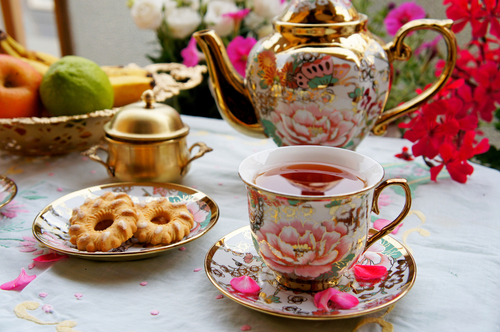
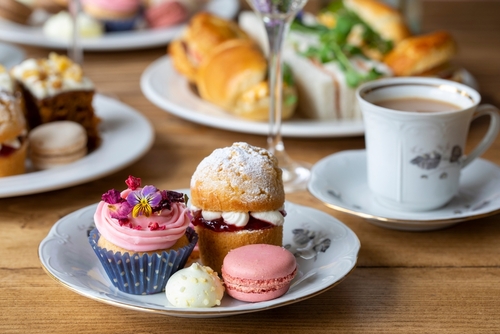
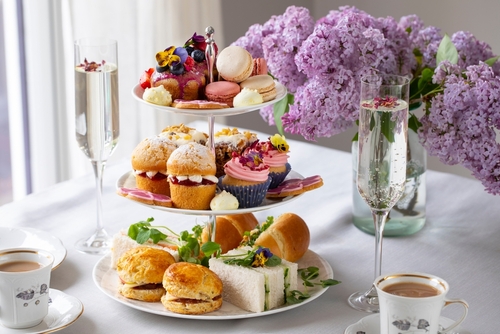
Afternoon tea quickly became more than food; it was a performance of elegance. Delicate cups, tiered stands, and fancy finger foods turned a simple drink into a cultural event.

What’s on the table

A proper afternoon tea usually includes black teas like Earl Grey or English Breakfast. These strong teas are often served with milk and sugar, though lemon is another option.

Food is just as important as tea. The iconic three-tiered stand holds finger sandwiches on the bottom, scones with clotted cream and jam in the middle, and pastries or cakes on top. It’s as much about presentation as flavor.

Afternoon tea today

Today, afternoon tea isn’t just for duchesses. Tearooms and hotels around the world offer it, and modern versions may include champagne, themed menus, or vegan options. It’s become a social event for birthdays, celebrations, or just catching up.

A symbol of hospitality: Moroccan mint tea

In Morocco, tea is the heartbeat of social life. It’s impossible to visit without being offered a glass.

Ingredients and preparation

Moroccan mint tea, or Touareg tea, blends gunpowder green tea with fresh mint leaves and plenty of sugar. The flavor is bold yet refreshing, and the sugar makes it addictively sweet.

Preparation is key. The tea is boiled, poured, and mixed multiple times until it reaches the right balance. Every household seems to have its own perfect recipe.

The theatrical pour

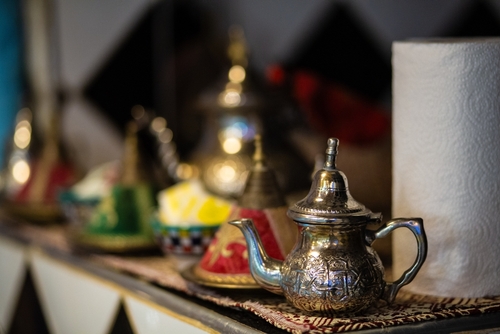
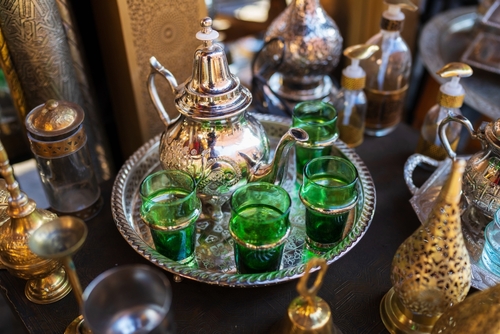
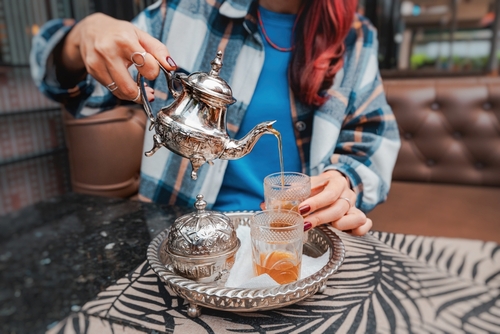
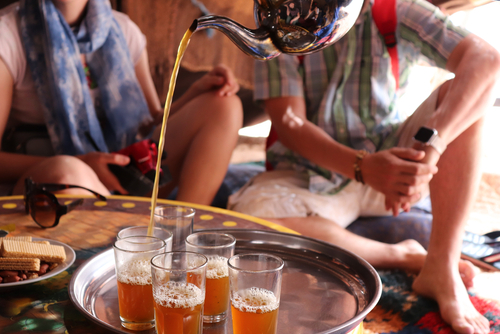
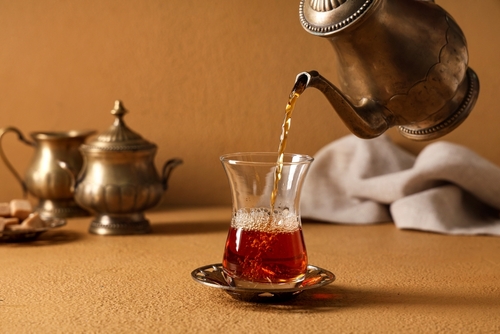
The iconic high pour is what makes Moroccan mint tea so special. Holding the silver teapot high above the glass, the host pours in a steady stream, creating a frothy head. It’s dramatic, but also practical; it aerates the tea and enhances the flavor.

Cultural significance

In Morocco, tea is a gesture of friendship and welcome. Saying no is like turning down an invitation to connect. Guests are usually served three rounds, each with slightly different flavors as the leaves steep longer.

For Moroccan immigrants, offering mint tea in a new country is a way of sharing culture and making others feel at home. It’s hospitality you can taste.

The spice of life: Indian chai

India’s contribution to global tea culture is bold, spiced, and beloved: chai.

What makes masala chai special

Unlike plain black tea, masala chai is made by simmering tea with milk, sugar, and spices like cardamom, ginger, cinnamon, and cloves. The result is sweet, spicy, and comforting all at once.

Each household has its own recipe, and each cup feels personal. Some versions are heavy on ginger, while others emphasize cinnamon or pepper. That flexibility is part of what makes chai so universal.

Chai in everyday life

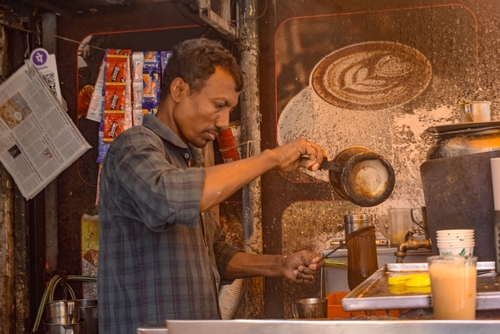
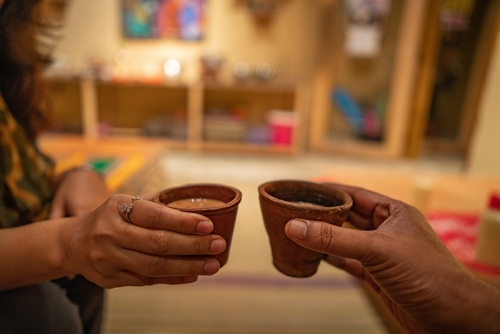
In India, chai isn’t confined to the home. It’s everywhere, at railway stations, busy markets, and office canteens. Chaiwallas (street vendors) serve it in small glasses or clay cups called kulhars.

The sight of a steaming kettle and the sound of cups clinking are part of the rhythm of daily life. For many, it’s impossible to imagine a day without chai.

A ritual of connection

Chai is more than a pick-me-up. It’s the drink of choice for conversations, negotiations, and family time. Sharing a cup is an invitation to connect, whether it’s with neighbors, coworkers, or strangers. For immigrants, finding chai in a US café can be a lifeline, a reminder of home in the middle of a busy day.

Beyond the classics: Other fascinating tea cultures

Tea has countless personalities. Beyond the most famous traditions, other countries have their own unique spins.

China: The birthplace of tea

China is the origin of tea culture, with varieties like green, white, oolong, and pu-erh. Each type has distinct flavors and brewing styles.

The gongfu tea ceremony is especially renowned. It uses small clay teapots and short, repeated infusions. The focus is on appreciating the changing flavors of the tea over multiple pours.

Turkey: Black tea (çay) and community

Turkey actually tops the global charts for tea consumption per capita, with the average person drinking several cups a day, specifically, çay. Served in tulip-shaped glasses, it’s strong, dark, and usually sweetened with sugar. Milk is never added.

Tea is part of daily hospitality. Visitors are almost always offered a glass, and tea gardens are central gathering places. It’s common to drink several cups during long conversations. 

Sri Lanka: Ceylon tea and island pride

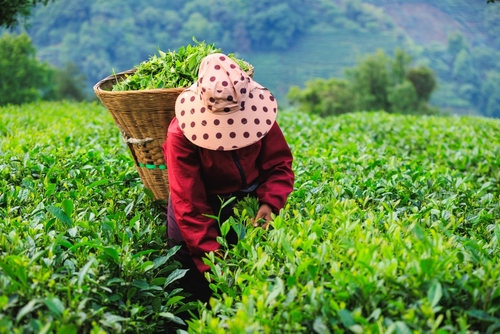
Sri Lanka, once called Ceylon, is famous for its lush tea plantations in the central highlands. The island’s humid climate and fertile soil create some of the world’s most distinctive teas, known for their bright, brisk flavors.

Ceylon tea is often enjoyed strong and plain, but locals also mix it with milk and sugar. For Sri Lankan immigrants, a cup of Ceylon tea is more than refreshment; it’s a direct connection to the island’s green hills and family traditions.

Argentina: Yerba mate as a ritual of friendship

In Argentina, tea takes the form of yerba mate, a caffeinated herbal drink. It’s steeped in a hollowed-out gourd and sipped through a metal straw called a bombilla.

What makes it special is the sharing. One person prepares it, drinks, then passes it along. Everyone sips from the same straw, creating a ritual of trust and connection. 

Ireland: Strong brews and comfort

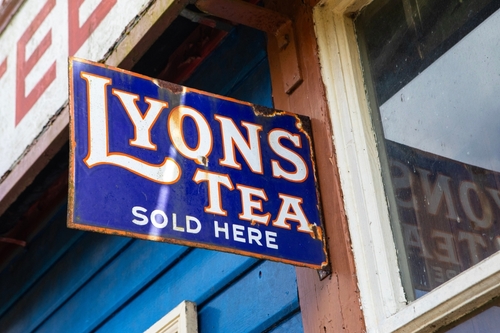
Ireland ranks among the world’s top tea drinkers per capita. Here, tea is strong, usually black, and almost always served with milk and sometimes sugar. Popular brands like Barry’s or Lyons are household staples.

Irish tea culture is about comfort and connection, sharing a “cuppa” with friends, offering it to guests, or making it the first thing you do in the morning. 

Tea culture as a global connector

So what ties all these traditions together? It’s simple: Tea is about people, not just leaves in hot water.

Shared values across tea traditions

Whether it’s Japan’s quiet ceremonies or India’s bustling chai stalls, tea represents hospitality, connection, and pause. Every culture has shaped it differently, but the essence remains universal.

It’s also a reminder that no matter where you’re from, there’s always a way to share a cup. Tea is a language everyone understands.

Tea and the immigrant experience

For immigrants, tea can be both grounding and expansive. It’s grounding because it brings back the tastes and routines of home. It’s expansive because it introduces you to new traditions and neighbors.

In the US, you can find global tea traditions in specialty cafés, from bubble tea shops to Moroccan mint tea bars, in cultural festivals, where tea ceremonies are performed, and in international grocery stores, which stock authentic blends and spices. Tea is a bridge between cultures, making it a cozy companion for anyone navigating life in a new country.

How Does Tea Culture Influence Social Connections Among Migrants?

Tea culture plays a significant role in fostering social connections among international migrants. During gatherings, shared teas become moments of connection and storytelling, bridging cultural gaps. As communities come together for international migrants day celebrations 2025, the warmth of tea enhances a sense of belonging, promoting unity and shared identity.

FAQ

What is the most popular tea in the world?

Black tea is the most widely consumed type globally. In East Asia, though, green tea is more common.

How did tea become so important in British culture?

Tea became popular in Britain in the 1600s, and by the 19th century, it was a daily habit thanks to trade with India and China. Afternoon tea cemented its role as a social ritual.

Is it true that you shouldn’t add milk to all types of tea?

Yes. Milk pairs well with strong black teas like English Breakfast or chai. But with green or delicate teas, milk can overwhelm the flavor.

What is Moroccan tea culture like?

It centers on mint tea, poured from a height and served as a sign of hospitality. Refusing it is considered impolite.

What is yerba mate, and how is it different from tea?

Yerba mate is an herbal infusion from South America. It isn’t technically tea, but it’s enjoyed similarly, with social rituals built around sharing.

Where can I experience global tea traditions in the US?

Look for Japanese cultural centers, Indian cafés, Turkish tea gardens, or Latin American markets. Many cities also host cultural festivals that feature tea.

The Muslim holiday of Eid al-Adha is known as the “Festival of Sacrifice” in English. The timing of Eid al-Adha is based on the Islamic lunar calendar and falls on different dates from year to year, so the answer to the question “when is Eid al-Adha?” is not always simple.

The festival reminds Muslims of the importance of sacrifice and is often honored with donations to charity, family, or the community. Read this guide created by our team at Remitly to learn more about Eid al-Adha, and how we can help if you want to send money back home to your community this year.

With some of the largest celebrations taking place in Saudi Arabia, Eid al-Adha is celebrated by Muslims all over the world. It’s not the same as Eid al-Fitr, which marks the end of the month of Ramadan.

This year, the predicted date for Eid al-Adha to begin is Tuesday, May 26, 2026.

Eid al-Adha: The Basics

What is Eid al-Adha?

Eid al-Adha, also known as the “Greater Eid,” is one of the most important festivals in the Islamic calendar. It commemorates the willingness of Prophet Ibrahim (Abraham) to sacrifice his son in obedience to God.

When is Eid al-Adha?

The dates for Eid al-Adha are determined by moon sightings and typically begin on the 10th day of Dhu al-Hijjah, the last month of the Islamic calendar, following the conclusion of Hajj.

Key Observances

  • Special Prayer: Muslims perform a special prayer in congregation.
  • Qurbani (Sacrifice): An animal is sacrificed, and the meat is divided into three parts:
    • One-third for the poor and needy
    • One-third for friends and family
    • One-third for the household
  • Charity and Community Service: Acts of generosity and support for the less fortunate are emphasized.

The Story of Gabriel

The story central to Eid al-Adha involves the Archangel Gabriel (Jibreel) who provided Prophet Ibrahim with a ram to sacrifice instead of his son, highlighting themes of faith and obedience shared across Jewish, Christian, and Muslim traditions.

When is Eid al-Adha?

The Feast of Sacrifice falls on the 10th day of Dhu al-Hijjah, which is the 12th and final month of the Islamic calendar. In the Gregorian calendar, the festival day takes place in June, July, or August.

As the moon’s phases determine the festival, the exact timing is not known until the sighting of a waxing crescent moon in the evening sky. Until this point, the date is considered a prediction.

The festival follows the Day of Arafah, which is a day of fasting and is considered the holiest day in the Islamic year.

The festival is the second Islamic holiday in the year, coming about two months after Eid al-Fitr. Eid al-Adha follows the month of Shawwal.

Eid al-Adha, also written as Eid ul-Adha, is predicted to fall between May 26-May 27. Some communities mark the event from sundown to sundown on the following day, while others celebrate for the next three to four days.

The festival is marked in many majority Muslim countries, like Saudi Arabia, as a public holiday.

Why do Muslims celebrate Eid al-Adha?

Eid al-Adha was introduced by the Prophet Muhammad, and it celebrates the biblical story of the Prophet Ibrahim’s testing by God. The festival originates in holy figures recognized in Christianity, Judaism, and Islam: the prophet Abraham (or Ibrahim) and his sons.

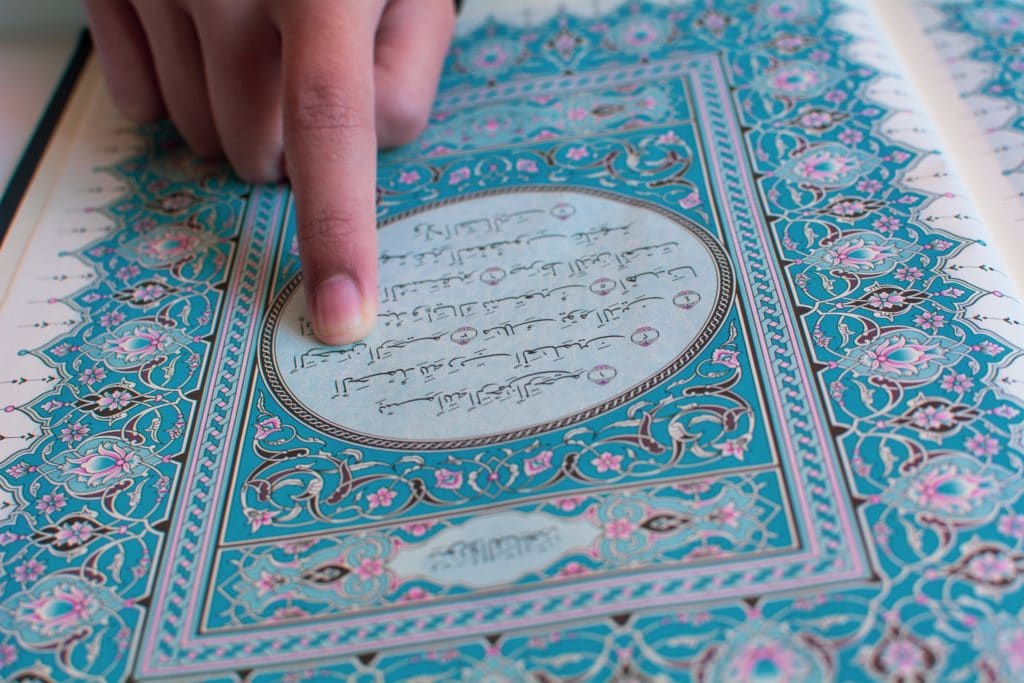
According to the Qu’ran, Allah commanded the prophet Ibrahim to sacrifice his first-born son, Ismail (or Ishmael), who was the brother of Isaac.

Ibrahim consented with immense grief, but Allah intervened at the last moment to save the boy. Then, Allah required Ibrahim to sacrifice an animal to show his faith.

For this reason, Muslims commemorate the story by sacrificing goats, sheep, cows, or camels.

The Qu’ran also says that as Ibrahim struggled to carry out Allah’s orders, Satan visited him and attempted to thwart the prophet’s faith in God.

Ibrahim remained faithful, however, and threw stones at Satan to drive him away.

Muslims symbolically reenact the incident during the annual Hajj pilgrimage when they reach the town of Mina, just outside the city of Mecca. There, they stop and throw stones at the pillars marking the spot Satan stood during his encounter with Ibrahim.

What are the rituals of Eid al-Adha?

On the first day of the festival, participants say special Eid prayers known as “Salat al-Eid.” These are followed by a “khutbah,” a special sermon.

When the prayers and sermon have finished, it is time for the animal sacrifice, called Qurbani. Special livestock markets appear in some regions for the festival to cater to the high demand.

Once an animal has been sacrificed, its meat is distributed among three groups: the immediate family of the person who made the sacrifice, their extended family and friends, and people in need.

Generosity is so important in Islam that every Muslim family member must share a portion of meat from the sacrifice.

Different animals represent different numbers of portions. For example, a goat is one portion of meat. A cow or camel counts as seven portions.

While an individual might choose to sacrifice a goat and share that portion of food, a large family may prefer to sacrifice a cow and give away seven portions, one for each member.

It’s important that animals sacrificed during the Islamic festival face Mecca when they die. It’s also important that they feel as little pain as possible and not suffer. The head of the household or a person of authority in the community makes the sacrifice.

Charitable donations, known as Zakat, are another pillar of the Islamic faith. Instead of sacrificing an animal, some Muslims will donate the equivalent monetary value of an animal to charity.

The charities that receive such donations will use the funds to purchase and sacrifice animals whose meat they distribute to people experiencing poverty. During Eid al-Adha, organizations like Muslim Aid help distribute Qurbani meat to those in need, reinforcing the festival’s spirit of sacrifice and charity.

How is Eid al-Adha celebrated?

Once the animals are butchered, they are prepared into a number of dishes. The sacrifice is meant to be the first meal anyone eats on the day of Eid al-Adha, which means that mealtimes vary from household to household.

Like during the month of Ramadan, food is an important part of the celebrations. It is often customary to dress up in new clothes for the occasion and visit friends and family during this time to share the food.

People greet each other with the words “Eid Mubarak,” which translates to “Have a blessed Eid” in Arabic.

Many people throughout the Middle East enjoy haleem, which is a mutton and grain stew. Kebabs and various kinds of curry are also a staple of the festival. Due to the menu, people sometimes call the festival salty Eid, distinguishing it from sweet Eid, the nickname for another of the important Islamic holidays, Eid-ul-Fitr.

Elderly family members will usually have gifts for the children of their household to mark the occasion. It is traditional to give money; however, other items, such as books or toys, are exchanged as well.

Eid al Adha marks the end of Hajj, the annual pilgrimage to Mecca. Undertaking this journey is one of the five pillars of Islam, and Muslims who can afford to go and are physically able to are expected to make the trip at least once in their lives.

Over 2 million Muslims make this pilgrimage annually, although the pandemic has recently limited numbers.

Eid al-Adha celebrations around the world

Eid al-Adha

Significant celebrations take place in many countries. Let’s look at how Muslims observe the holiday in various locations around the globe.

Turkey

In Turkey, one might prepare kelle paça soup, a traditional spicy dish made with the head and bones of the sacrificed animal. Sometimes, Turkish people paint the sacrificial animal with henna and ribbons. It is customary for younger Turks to greet their elders with kisses during the celebrations.

India

In India, the cow is a sacred animal, and sacrificing one is illegal in most places. As a result, Indian Muslims often prepare a sheep and rice dish called “mutton biryani.”

Many Muslims wear brand-new clothes and attend an open-air communal prayer outside the local mosque to honor the day.

Egypt

Muslims in Egypt refer to the festival as Eid-el-Kibr. In the country, they focus heavily on the commandments of the fifth pillar of Islam with an emphasis on performing acts of charity in honor of Abraham’s intention to sacrifice his beloved son.

Pakistan

Eid-al Adha is a four-day holiday in Pakistan rather than a three-day one, as it is in many other countries. After prayers, friends and family gather, wish one another good health and happiness, and exchange gifts. Then, they prepare and share a communal meal from the slaughtered animal.

Indonesia

Indonesians refer to the festival as Idul Adha. During the days leading up to the holiday, vendors begin selling animals in open-air markets in Jakarta and other major cities.

One of the most popular meals served in honor of Eid-al Adha is mutton satay, which consists of mutton cut into pieces, skewered, and then grilled. Another favorite dish is mutton gulai, a spicy mutton stew.

United States

Muslims in the U.S. often gather in large groups to celebrate Eid al-Adha.

One of the biggest gatherings is the Super Eid, which takes place in Minneapolis, Minnesota. In 2022, more than 35,000 Muslims joined in the U.S. Bank Stadium for prayers and a festival.

Canada

Many Canadian Muslims travel to Mississauga, Ontario, each year to attend the Eid al-Adha Carnival. The event includes games, live entertainment, and a host of other activities that are open to the entire community.

United Kingdom

In the UK, Muslims often begin Eid al-Adha with a full-body purification that they complete before morning prayers. Many local mosques organize fun fairs and carnivals in celebration of the festival.

Key Highlights

  • The Middle East offers many business opportunities. The economy is growing fast, and there are over 500 million people in the area.
  • To do well in Middle Eastern markets, it is important to understand and respect their social norms and how they handle work meetings.
  • In the Middle East, good personal relationships and trust can be more important than just making a business deal.
  • You will find that some business meetings can feel unstructured. People in the Middle East often take their time before making decisions.
  • Things like daily prayer and the month of Ramadan are important and can change business schedules.
  • The workweek is not the same across this region, so it is important to know what the local schedule is.

Introduction

Do you want your business to grow in a region full of new chances? You should think about the Middle East. There are more than 508 million people in this area and some of the world’s big economies. So, the Middle East stands out for giving great business opportunities for people from other countries.

If you want your small business to do well, you need to know how life and work are different in this region. Companies in the Middle East work in a special way and use their own customs. This guide will help you learn the key differences that can make or break your success in the middle east. You will get simple steps on what to do and how to act, so you can use these middle eastern business opportunities in 2026.

Key Cultural Factors for Doing Business in the Middle East

When you do business in the Middle East, you will see that culture, religion, and work go hand in hand. In middle eastern countries, there is not always a clear line between work life and personal beliefs. These things are different from what you may get in other places. If you want to do well, you have to first understand the social norms people follow in the Middle East.

Your chances to do good work here will go up if you can get used to a new pace and way people talk to each other. You need to know about the local business etiquette before you meet anyone. That means knowing how people talk in business meetings and how religion can be a big part of daily life and work. This will help you get along with others and fit in when you go to middle eastern countries.

Navigating Communication Styles and Professional Etiquette

The way you handle professional matters often begins with a proper verbal greeting. Most people say “Asalamu alaykum” (peace be with you). The right thing to say back is “wa alaykum salam” (and upon you be peace). When you are at business meetings, men should wait for a woman to put out her hand first before going in for a handshake. Your body language also matters a lot. Always use your right hand for eating, passing things, or shaking hands, because people see the left hand as not clean.

Business attire in this area shows their conservative values. Men should wear a conservative suit. It is good to keep your jacket on during the meeting unless your host takes theirs off. As for women, the rules about business attire can change a lot depending on the country. You should look up what is okay in the country you will be in, but as a rule, keep your arms and legs covered.

Some customs may look relaxed when compared to others. For example, a male host may hold another man’s hand to guide him somewhere. This is a friendly gesture. During conversations, people may use your first name as part of your title, such as “Mr. John.” This is just a personal touch and is part of the business etiquette here.

Understanding Religious Customs and Their Business Impact

Religion, and more clearly Islam, has an enormous role in how people in the Middle East work. One important thing to know is people’s prayer habits. Muslims pray five times every day. Employers need to give them time for this. Many workplaces in middle eastern countries now have a prayer room to help with this, so there are often flexible break times.

You should also keep in mind the major religious holidays. These holidays follow the Islamic calendar, which is based on the moon. During the month of ramadan, most business in the middle east slows down. People work fewer hours at this time. It is a good idea not to plan any big meetings or important work while everyone is busy with ramadan, or with the big holidays Eid al-Fitr and Eid al-Adha, which are after the annual pilgrimage.

Also, all muslim males go to the mosque for congregational prayers every Friday. This is one reason why the weekend in many middle eastern countries includes Friday. It is important to respect all the customs and religious holidays. If you do, you can work better with people there.

Differences Between Business in the Middle East and the USA

If you are used to the fast business world in the Western world, you may find things in the Middle Eastern countries feel very different. In Arab countries, including places like North Africa and Saudi Arabia, work moves at a slower pace. People take more time. The focus is on building trust and relationships, and the contract or meeting plans come after that. Here, personal life and work life are not as separate as in the Western world.

This idea of putting relationships first shapes how people talk each day and even how they make big business choices. If you want to do well, it is a good idea to know the ways things are different. For example, the workweek pattern is not the same, and the leadership style can also be new for you. These practical things will come up as you get to know middle eastern business practices.

Workweek Patterns and National Holidays

One of the most common challenges for international businesses is adjusting to different workweek patterns. While the Monday-to-Friday schedule is common in the West, most Gulf countries, including Saudi Arabia and Kuwait, have a Friday-Saturday weekend to accommodate Friday prayers. The UAE, however, has adopted a hybrid model to better align with global markets. Understanding these variations is crucial for scheduling meetings and managing project timelines.

Here is a quick look at common workweek patterns in the region:

Region/Country Weekend Pattern
Most GCC (Saudi Arabia, Kuwait, Oman) Friday/Saturday
United Arab Emirates (UAE) Friday (half day), Saturday/Sunday
Turkey, Morocco, Tunisia Saturday/Sunday

Beyond the workweek, you must account for national holidays. Many of these are religious holidays based on the Islamic calendar, so their dates change annually. For example, in 2025, Eid al-Fitr begins around March 30th and Eid al-Adha around June 6th. Some countries, like Saudi Arabia, also offer special paid leave for employees making their first Hajj pilgrimage.

Decision-Making Approaches and Leadership Styles

In the Middle East, people often take their time to make decisions. They do this through lots of talking and working together. It’s not like a strict top-down style. Here, choices come after many talks, and what people think can depend a lot on personal relationships. So, if meetings do not always have a clear plan or stop often, you don’t need to worry. This is just how they do things.

Family ties and personal connections are very strong and important in both professional lives and personal lives. These often mix together, so there isn’t always a clear border between work and family. The best tip is to be patient in your talks with others. If you try to rush people or push too hard, things may not go well. You should work to build trust with them because that is what helps them decide.

Gender roles can have an effect on business talks, too. Sometimes there are different rules for people from other countries, but you should still keep local customs in mind, especially when men and women are talking in the work world. It’s best to show respect and pay attention. This will help you manage these changes in culture and have a good experience working in the middle east.

Building Strong Business Relationships in Middle Eastern Markets

In the Middle East, who you know matters as much as what you know. Business is not only about deals. It is also about personal relationships, trust, and honor. Before you sign a deal, your potential partners will likely want to know you better as a person. To build strong connections should be your top investment.

Because people care about deep ties, you may need to change how you handle professional manners and networking. The next parts will look at ways you can build trust and personal connections for long-term success in the Middle East.

The Role of Trust and Personal Connections

Trust works as the main currency for business in this region. Here, personal and work lives come together, not like in the West where they are separate. The people often base business choices on family ties and strong connections built over time. So, your first goal should be to build real personal relationships.

This focus on relationships gives rise to a special way of negotiating. The talks are not quick and involve a lot of time and deep discussion. People here will value your character and trust. They will look at how much faith they can put in you, not if you push hard to sell. The goal is to find an answer that works for both sides, with someone you know will stand by their word.

You may see that business topics come up in informal places. Also, personal matters can come out in meetings too. That is normal and helps make the deep ties and strong connections you need for a good partnership. With these close ties and family bonds, you might notice that some rules start to feel less strict, and that’s when the real business can move forward.

Effective Networking Strategies for Foreign Entrepreneurs

Effective networking in the Middle East is not just about handing out business cards. It is about being patient and showing real interest in people. Many people here have a strong attachment to culture and religion, so making a genuine connection is very important. You need to be seen at the right places, but building true relationships is what matters most.

Business meetings are only one part of this. Be sure to say yes to invites for social events, because this is often where real connections start. The aim is to go from just knowing someone to being their trusted friend. Always use good business etiquette. Be respectful and try to listen more than you talk.

Here are a few top tips for effective networking:

  • Don’t try to go straight into business talk. Let things move in a natural way and take time to know the person.
  • Always show respect for their culture, their family, and what matters to them.
  • Be patient, as it can take a lot of time to build the strong connections you want.
  • Get in touch again after your meetings in a personal way, so you grow the relationship.

Conclusion

To sum up, doing business in the Middle East means you need to know a lot about the local culture and how things work there. The way you talk with people and the trust you build between each other is very important in middle eastern countries. These parts can make or break your success as someone new to the area. When you see these differences and change your approach, your small business can grow in this busy and mixed region. Take in all the chances you’ll get, and take action if you want your middle eastern business to do well. If you want to know more, you can get help made just for your needs.

Frequently Asked Questions

What legal requirements should foreigners know before starting a business in the Middle East?

Legal rules in the Middle East can be different depending on the country and the type of business. Some countries, like the UAE, now let foreign people own a business fully in many areas. Others still want you to have a local partner. When you hire people, the job contract often needs to be in Arabic, or you must have an official Arabic copy. In case of a problem, the Arabic one is what they use.

Which Middle Eastern countries are most business-friendly for U.S. small businesses?

The United Arab Emirates (UAE) is known as one of the best places for business in the arab world. Dubai is a top city for people from many countries. The city has rules that help owners of businesses. Other gulf countries, like saudi arabia, are also working hard to get more foreign money and business. Now, people are finding it easier to enter and do business in the region.

What negotiation practices are unique to Middle Eastern business culture?

Negotiation in Middle Eastern culture is all about building strong personal relationships. People will take their time and talk things through before they make any decisions. High-pressure tactics usually do not work here. To get good results, you need to make trust and the relationship your top goals. The middle eastern way to do business shows a conservative attitude because they will often judge your character just as much as the deal itself.

Timing is everything when it comes to making international money transfers. And having to work out how time zones affect international money transfers can be a bit of a curveball.

While you can hop online and make a digital transfer at any time of the day or night, the banking system that enables you to send—or your recipient to receive—money might not be operational. That can slow your remittance down and leave you guessing when the funds will clear in the destination account.

To help you navigate these time zones and avoid unnecessary money transfer delays, this Remitly guide will give you all the information you need to be prepared to make money transfers happen fast and securely.

How international money transfers work

To understand how long money transfers take and why time zones might affect those speeds, it helps to have a bit of background on how international money transfers work. When you send money across borders, several things need to happen for it to be successful:

  • Transfer initiation
    You provide the recipient’s details and payment information through your bank, money transfer service, or digital wallet.
  • Verification and compliance
    The sending institution verifies your identity, checks the transaction for potential fraud, and ensures the transfer complies with regulations.
  • Currency conversion
    If you’re sending money in a different currency, the exchange rate is locked in and the funds are converted.
  • International payment processing
    The money moves via international payment networks like SWIFT, sometimes passing through intermediary banks.
  • Funds received
    The receiving bank or remittance service processes the incoming transfer and makes the funds available to your recipient.

International money transfers typically take one to five business days when they’re sent through traditional banking channels. Using a digital-first money transfer service like Remitly can speed that up dramatically, cutting delivery times down to hours or even minutes.

How do time zones affect money transfers?

The concept is simple: just because it’s 2 p.m. where you are doesn’t mean it’s 2 p.m. where your recipient is. In fact, it might be 2 a.m., which means that their local banks will be closed.

While the internet never sleeps, traditional banking infrastructure still does. And when you’re making an online transfer, time zones will affect whether you’ll catch banking hours in the recipient’s country. 

Banks operate on local business hours, typically Monday through Friday, and many don’t process international transfers outside of these windows. This means a transfer initiated outside banking hours will have to wait to be processed until the next business day begins.

For example, if you send money on a Friday afternoon in the US, it might already be Saturday morning in countries like the Philippines or India. As banks don’t usually push international money transfers through on weekends, it’s likely that things won’t get going until Monday morning local time.

Transfer times and costs

If you missed the Friday cutoff and you’re sending money on a Saturday to give it the best chance of reaching the recipient by the next weekend, you’ll also want to factor costs into your thinking.

Some providers apply weekend markups to exchange rates because foreign exchange markets operate differently on weekends. That means you might pay more, and may get a less favorable exchange rate, when the live foreign exchange market is closed.

Why do bank cutoff times matter when you’re transferring money?

A cutoff time is a bank’s daily transfer deadline: a specific time of day by which a transfer must be submitted to be processed on the same day. It’s usually early in the afternoon, a couple of hours before the official end of banking hours.

If you miss the cutoff, your transfer won’t start processing until the next business day. Many US banks set their international wire transfer cutoff times between 2 p.m. and 5 p.m. local time, but this varies by institution, and remember that the US itself has more than one time zone.

Let’s say you’re sending money from California to the UK. You initiate your transfer at 4 p.m. on a weekday in California, one hour before your bank’s cutoff time. While your bank will start processing the transaction, the bank you’re sending to in the UK can’t do the same until they open the following morning because time zones mean it’s midnight there.

Here, the time zone difference means that you’ll likely add around eight hours to your transfer delivery time.

Do banks process transfers on weekends and public holidays?

Most banks don’t process international foreign exchange transfers on weekends or public holidays. But here’s what can make timing even more tricky: different countries observe different holidays. That means that a working day in the US might be a national holiday in the recipient’s country, which could affect processing times.

Weekends aren’t all the same, either. In most Western countries, the weekend falls on a Saturday and Sunday. However, in many Middle Eastern countries like Egypt and Saudi Arabia, the weekend falls on a Friday and Saturday. In Iran, it’s Thursday and Friday.

This means that if you send money to Egypt from the US on a Thursday afternoon, the transaction won’t be processed until Sunday, Egypt’s next business day.

Keeping these differences in mind and a calendar on hand when you’re planning to make an international transfer can help you to avoid any potential processing delays because of weekends and public holidays.

How to avoid time zones slowing down your money transfer

Understanding how time zones affect international money transfers is one thing. Avoiding delays is another. Here are some practical strategies you can use to ensure the funds you send get where they’re meant to go in good time:

Finalize the details in advance

Before you send any money, make sure you have all the information you need. Get your recipient’s payment details (e.g. bank account information, mobile wallet number, or cash pickup location). Be sure to verify your own account information and check that you have sufficient funds available, too.

This is important: if there’s an error in the recipient’s details, your transfer might be rejected and returned to you. This process can take several business days and the delay may be compounded by time zone differences. A simple mistake could mean that your money takes days extra to reach its destination.

Double-check your recipient’s account number, full name, and address, as well as your own information before hitting send. Having everything on hand from the start gives you the best chance of success for a timely transfer.

Send during business hours

Timing your transfer to fall within overlapping business hours at both your bank and the recipient’s can speed up delivery. Take into account your time zone and the recipient’s to find a window when banks in both locations are open.

For example, if you’re sending money from Los Angeles in the US to Manila in the Philippines, the best time will be early in the afternoon: around 2 p.m. your time. Los Angeles is 15 or 16 hours behind Manila depending on Daylight Saving Time, so the transfer can begin processing promptly and potentially land at the receiving bank the next business day.

Always check your bank’s cutoff times when making international transfers. Sending money earlier in the business day, well before the cutoff, ensures that processing can start immediately. This gives it the most time to clear through all the necessary channels before banks close.

Avoid weekend or public holiday transfers

As far as possible, it’s wise to plan your transfers to avoid weekends and holidays in both countries. We mentioned that most banks don’t process international transfers on weekends, so if you send money on your Friday and it’s the weekend at the destination, they won’t process the payment until their next working day.

Think about sending a payment to Mumbai, India, from Los Angeles, US, on a Friday afternoon. As it’s already Saturday morning in India and banks are closed for the weekend. And if Monday happens to be a holiday in the US, the transfer would be delayed again. What you thought would be a quick turnaround ends up taking four or five days just to be sent between the two banks.

Consider checking holiday calendars, both for the US and the recipient country, before you set up a transfer. Transferring within banking hours and well ahead of any non-banking days will give you a decent buffer against delays.

Use instant or real-time payment services

Real-time payment systems have changed the game when it comes to international money transfers. These services process transactions instantly, settling funds within minutes rather than days.

Unlike traditional banking systems that manage transactions in batches at set times during business hours, real-time payments work 24/7, 365 days of the year.

There are some restrictions, though. Real-time payments may not be available in all countries or for all payment methods. They usually work best when you’re sending money to mobile wallets or bank accounts in countries with modern payment infrastructure. The transfer amounts might also be limited compared to traditional wire transfers.

While these services can eliminate time-zone related delays entirely, it’s best to check whether your money transfer provider offers instant or real-time payment options to your recipient’s country.

Use a digital-first provider

Sending money using mobile wallets or digital pick-ups can help to minimize transfer delays caused by time zone differences. These services can bypass traditional banking systems and are therefore less affected by traditional bank processing times.

Digital-first providers are able to process transfers more quickly because they’ve built infrastructure that doesn’t use banking systems to route money to a destination. That means they can move money during off-hours and weekends.

When you’re choosing a provider, look for one that provides a promised delivery time up front, so you aren’t left guessing how long a transaction will take. Remitly, for example, gives you transparent delivery estimates and multiple payment options, including bank deposits, mobile wallets, and cash pick-up.

These services do cut the time it takes to execute a transfer, but sending money does still take some time. Be sure to send money early in the day, if you can, to give the transaction the best chance of being processed as quickly as possible.

Important time zones to know

China’s Single Time Zone Experiment

China spans five geographical time zones, yet the entire country operates on a single time zone: China Standard Time (CST). This political decision means the sun rises as late as 10 AM in western regions like Xinjiang, while eastern cities like Shanghai experience more conventional daylight hours.

The practical implications affect daily life significantly. In Kashgar, located in far western China, noon feels more like mid-morning based on the sun’s position. Local residents often operate on unofficial “local time” that differs from official Beijing time by up to three hours.

For international money transfers to China, this unified system actually simplifies timing. You only need to remember one time zone regardless of where your recipient lives in the country.

India’s Half-Hour Difference

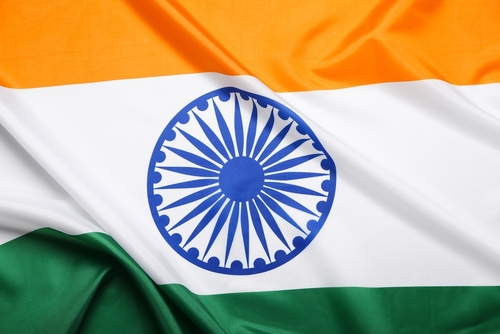
India Standard Time (IST) sits at UTC+5:30, placing it 30 minutes ahead of its western neighbors and 30 minutes behind its eastern ones. This half-hour offset creates unique coordination challenges for international business and personal communications.

Nepal adds another layer of complexity by operating 15 minutes ahead of India at UTC+5:45. These fractional time zones mean standard world clocks often don’t display the correct local times for these regions.

When sending money to India or Nepal, double-check your timing calculations. Banking hours and transfer processing times require careful attention to these non-standard offsets.

Australia’s Time Zone Maze

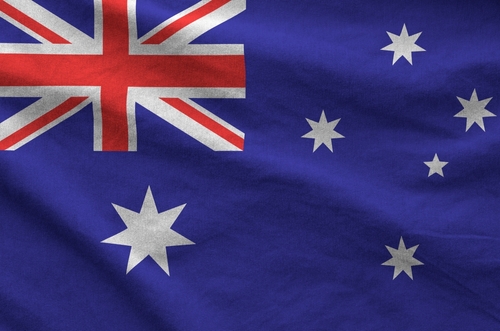
Australia manages to pack multiple time zone complications into one continent. The country uses three main time zones, but several states and territories add their own variations through daylight saving time adoption.

Western Australia operates on Australian Western Standard Time (AWST) at UTC+8. Central states use Australian Central Standard Time (ACST) at UTC+9:30. Eastern states follow Australian Eastern Standard Time (AEST) at UTC+10.

The complexity multiplies during daylight saving periods. Not all states observe daylight saving time, and those that do don’t always start and end on the same dates. South Australia and the Northern Territory create additional confusion with their half-hour offsets from the eastern and western zones.

Pacific Island Peculiarities

Several Pacific island nations have created unique time zone situations based on economic and political relationships rather than geographical logic.

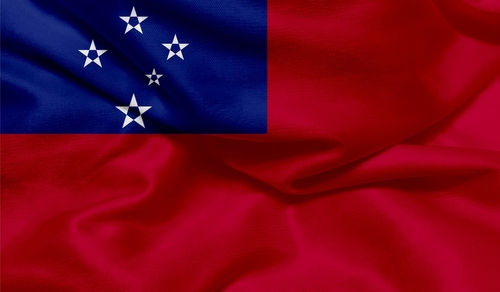
Samoa made headlines by jumping across the international date line in 2011, moving from UTC-11 to UTC+13. This change placed Samoa 24 hours ahead of American Samoa, despite the islands being only 120 miles apart.

Kiribati stretches across three time zones but officially operates on a single time for administrative convenience. The Line Islands, part of Kiribati, use UTC+14, making them among the first places on Earth to experience each new day.

Cross time zones with confidence

Time zones can interfere with your international money transfers, but they don’t have to be a blocker when you’re sending money abroad. Understanding how banking hours, cutoff times, and weekends can affect transfer times empowers you to plan ahead and avoid unnecessary waiting.

Investigating alternative payment methods can help, too. Choosing a service that operates 24/7, instead of during business hours Monday through Friday, allows you to overcome hurdles like cutoff times and closed branches.

FAQs

Why is my money transfer delayed?

Your money transfer could be delayed due to time zone mismatches between the sending and receiving countries. If you initiated the transfer when the recipient’s bank was closed, or if you sent the money after your bank’s cutoff time, it won’t be processed until the following business day.

Do exchange rates change based on time zones? 

Currency markets fluctuate constantly throughout the day across different time zones. That said, when you initiate a transfer, the exchange rate is typically locked in at the moment you hit “send.” This at least helps to ensure that you know exactly how much your account will be debited and your recipient will receive, regardless of market changes.

Can I send money instantly at night?

Your chosen transfer method will decide whether you can send money instantly at night or not. Mobile wallets and digital remittance services often operate 24/7 and let you transfer money in real time, and at any time. Interbank transfers usually need to be made during business hours.

Does the weekend affect all transfer types?

Not all types of transfers are affected by the weekend. Although banks only process transfers during business hours, mobile wallet transfers and other types of non-bank remittances will often be processed on weekends.

How can I avoid delays when sending money abroad?

Plan ahead by checking the banking business hours in the sending and receiving destinations, being sure to account for time zone differences that might affect processing times. You can also choose faster, always-on methods like mobile wallet transfers, to quickly get your money where it needs to be.

April Fools’ Day falls on Wednesday, April 1, 2026. This annual celebration of pranks and humor has been a tradition for centuries, bringing people together through lighthearted jokes and playful tricks.

Whether you’re planning to participate in the fun or simply want to avoid falling for pranks yourself, understanding the history and traditions of April Fools’ Day can help you navigate the day with confidence. This guide covers everything from the origins of the holiday to tips for celebrating safely and respectfully.

The History of April Fools’ Day

The exact origins of April Fools’ Day remain unclear, but historians have identified several possible explanations. One popular theory links the tradition to the calendar change in France during the 1580s. When the country switched from the Julian calendar to the Gregorian calendar, New Year’s Day moved from late March to January 1. People who continued celebrating the new year in spring became known as “April fools.”

Another theory connects the holiday to ancient spring festivals. Many cultures celebrated the spring equinox with festivities that included role reversals and playful deception. The Roman festival of Hilaria and the medieval Feast of Fools both featured similar traditions of temporary social disorder and humor.

Regardless of its true origins, April Fools’ Day has evolved into a widely recognized celebration. Countries around the world observe the day with their own unique customs and traditions.

How Different Countries Celebrate

April Fools’ Day traditions vary significantly across cultures. Understanding these differences can help you appreciate the global nature of this playful holiday.

United States and United Kingdom

In English-speaking countries, pranks typically last only until noon on April 1. Playing a joke after midday is considered bad luck or poor form. Common pranks include harmless tricks on friends, family members, and coworkers.

France

The French call April Fools’ Day “Poisson d’Avril” or “April Fish.” Children traditionally tape paper fish to the backs of unsuspecting victims. The term may originate from the易ness of catching fish during their breeding season in early April.

Scotland

Scotland celebrates with a two-day tradition. The first day, called “Hunt the Gowk Day,” involves sending people on foolish errands. The second day, “Taily Day,” focuses on pranks involving the backside, such as pinning fake tails to people.

Planning Your April Fools’ Day 2026

If you’re planning to participate in April Fools’ Day festivities, consider these guidelines to ensure your pranks remain fun and harmless.

Safe and Respectful Pranks

The best April Fools’ pranks create laughter without causing harm or distress. Here are some characteristics of good pranks:

  • Harmless: The prank should not damage property, hurt feelings, or create safety concerns.
  • Reversible: You should be able to quickly undo the prank and reveal the joke.
  • Age-appropriate: Consider your audience and choose pranks that suit their age and sense of humor.
  • Timely: Remember that pranks should end by noon in many traditions.

Prank Ideas for 2026

Looking for inspiration? Here are some classic pranks that remain popular:

  • Office pranks: Switch keyboard keys, cover a colleague’s desk items in aluminum foil, or set their computer display upside down.
  • Home pranks: Replace sugar with salt, put googly eyes on items in the refrigerator, or switch the contents of cereal boxes.
  • Technology pranks: Change autocorrect settings to replace common words with silly alternatives, or set a humorous photo as someone’s phone wallpaper.
  • Food pranks: Serve “spaghetti” made from pound cake and frosting, create donuts from vegetables, or offer “brownies” that are actually brown letter Es.

What to Avoid

Not all pranks are appropriate for April Fools’ Day. Some jokes can cause genuine harm or distress. Avoid these types of pranks:

  • Health scares: Never joke about serious illnesses, injuries, or medical emergencies.
  • Relationship pranks: Avoid fake breakups, engagements, or pregnancies that could damage trust.
  • Financial pranks: Don’t create false concerns about money, jobs, or major purchases.
  • Safety risks: Never create situations that could lead to accidents or genuine danger.
  • Public panic: Avoid pranks that could cause widespread fear or confusion.

Media and Brand Participation

Many companies and media outlets participate in April Fools’ Day with elaborate hoaxes and fake announcements. These corporate pranks have become a tradition in themselves.

Past examples include Google’s various fake products, fast food chains announcing unusual menu items, and technology companies revealing impossible features. These pranks often blur the line between marketing and entertainment.

When April 1, 2026 arrives, expect to see similar announcements from major brands. Approach all surprising news with healthy skepticism on this day.

Protecting Yourself from Pranks

If you prefer to avoid being pranked, or simply want to stay vigilant, these strategies can help:

  • Question unexpected news: Verify surprising information through multiple reliable sources before believing or sharing it.
  • Check dates: Remember that April 1 is a day when even trustworthy sources may participate in pranks.
  • Stay calm: If you suspect a prank, take a moment to think before reacting.
  • Set boundaries: Let friends and family know if you don’t want to participate in pranks.
  • Be gracious: If someone does prank you successfully, respond with good humor when appropriate.

Teaching Children About April Fools’ Day

Parents and educators can use April Fools’ Day as an opportunity to teach important lessons about humor, consent, and respect.

Age-Appropriate Guidelines

Help children understand the difference between fun pranks and hurtful actions. Explain that good pranks make everyone laugh, including the person being pranked.

Teach children to:

  • Ask permission before touching someone else’s belongings
  • Consider how their prank might make others feel
  • Apologize sincerely if a prank goes wrong
  • Accept a “no” if someone doesn’t want to participate

Creative Activities

Engage children in April Fools’ Day through positive activities. Try creating silly art projects, telling joke stories, or planning harmless family pranks together. These activities build creativity and critical thinking skills while maintaining a spirit of fun.

Making April 1, 2026 Memorable

April Fools’ Day 2026 offers an opportunity to share laughter with friends, family, and coworkers. The key to a successful celebration lies in balancing humor with kindness and respect.

Plan your pranks carefully, considering the feelings and boundaries of others. Keep safety at the forefront of any joke. Remember that the goal is to create joy and laughter, not confusion or distress.

If you choose not to participate in pranks, that’s perfectly acceptable. You can still enjoy the creative and humorous aspects of the day by observing others’ efforts and appreciating clever jokes.

Mark your calendar for Wednesday, April 1, 2026, and prepare for a day filled with laughter and surprises. Whether you’re planning the perfect harmless prank or staying alert to avoid being fooled, April Fools’ Day remains a unique tradition that brings levity to our lives.

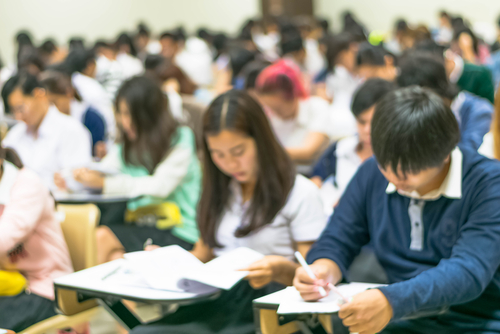
Every June, millions of high school students across China sit down for a single exam that will determine their future. The National College Entrance Examination, commonly known as the Gaokao, is a massive, high-stakes test. It is a defining moment for Chinese youth, carrying the weight of family expectations and years of relentless studying.

For global readers, understanding the Gaokao offers a window into Chinese culture and education. It highlights the immense pressure students face and the extreme dedication required to succeed. While standardized tests exist worldwide, the scale and intensity of the Gaokao are truly unmatched.

In this straightforward guide, we will explain exactly how the Gaokao works and why it matters so much. You will learn about its unique structure, the intense preparation culture surrounding it, and how it compares to other exams you might already know.

What Is the Gaokao?

The Gaokao is China’s national college entrance exam. The word “Gaokao” directly translates to “Higher Education Exam.”

Typically, final-year high school students take this test. It happens just once a year, usually over two or three days in early June. The core purpose of the Gaokao is simple but critical: it determines a student’s university admission. A high score can open doors to elite universities, while a low score severely limits higher education options.

How the Gaokao Works

The exam system is highly structured. It tests years of knowledge in just a few days.

Exam Structure

Students are tested on core subjects: Chinese literature, Mathematics, and a foreign language, which is almost always English. In addition to these core subjects, students choose elective streams. They usually pick either the sciences (physics, chemistry, biology) or the humanities (history, politics, geography). The exact testing format and subject weighting can vary slightly depending on the province, but the multi-day testing format remains consistent nationwide.

Scoring System

The total score range varies by province, but a maximum score of 750 is standard in many regions. Universities set strict cutoff scores for admission. These cutoffs are divided into tiers. The most prestigious universities require scores in the highest tier. Furthermore, your exact score matters less than your relative ranking compared to other students in your province.

Application Process

After receiving their scores, students list their preferred universities and specific majors. The admissions system then matches student scores to the available university spots. Compared to Western systems, this process offers limited flexibility. A student’s Gaokao score is the ultimate deciding factor, leaving little room for personal essays or extracurricular achievements.

Why the Gaokao Matters So Much

The Gaokao is the primary, and often sole, factor for college admission in China. Because of this, it has a massive impact on a student’s future career and social mobility.

Graduating from a top university often guarantees a stable, well-paying job. This makes the exam a critical tool for upward mobility. However, rural students often face a disadvantage compared to urban students who have access to better schools and tutors. The exam is also a family affair. Parents invest heavily in their children’s education, creating intense societal and family pressure to perform well.

What Makes the Gaokao Unique

While many countries use standardized testing, the Gaokao stands out for several reasons.

Scale and Competition

The sheer scale is staggering. Well over 10 million students take the exam annually. Competition is fierce because spots at top-tier universities are strictly limited.

Once-a-Year, High-Stakes Nature

This single exam largely determines a student’s educational outcome. If a student is sick or performs poorly on test day, there are no immediate make-up dates. Retaking the exam means waiting a full year to try again.

Cultural Significance

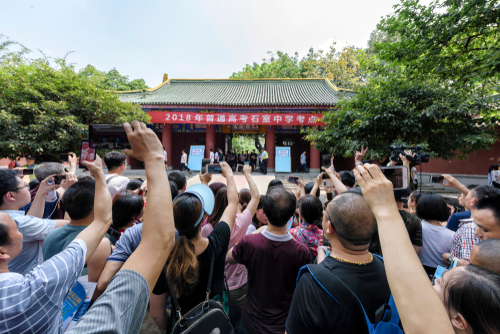
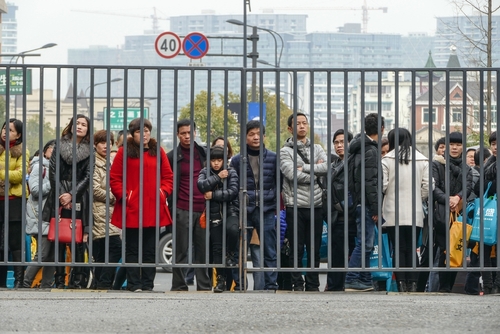
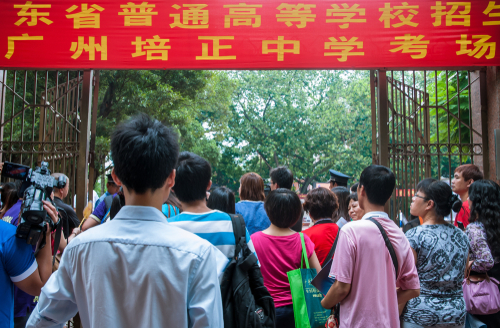
The Gaokao is deeply rooted in China’s history, often compared to the ancient imperial exams used to select government officials. Today, it is a massive national event. During exam days, traffic stops near testing centers, construction work is paused to reduce noise, and communities rally to support the test-takers.

Intense Preparation Culture

Preparation begins years in advance. Some high schools act as “exam factories,” enforcing rigorous schedules that start early in the morning and end late at night. Students endure long study hours and highly structured routines, leaving little time for leisure.

Regional Differences

Access to top universities is not strictly equal. Different provinces use different versions of the test. Universities also allocate admission quotas by province, which can make it harder for students from heavily populated regions to get into top schools.

Criticisms and Controversies

The Gaokao system is not without its critics. The extreme pressure causes significant mental health concerns among students.

Equity issues are also a major concern. Regional disparities and the “hukou” (household registration) system mean that rural students often have a harder time accessing quality education. Educators also debate the exam’s focus on rote memorization, arguing that it stifles creativity and critical thinking. Because of these issues, there are frequent calls for reform.

Reforms and Changes Over Time

The Chinese government recognizes these challenges and has attempted to reform the system. Recent policy shifts have introduced more subject flexibility, allowing students to mix and match science and humanities subjects in some pilot regions.

There are also ongoing efforts to reduce academic pressure on younger students and broaden the evaluation criteria for university admissions. However, changing a deeply entrenched system is an ongoing challenge.

How the Gaokao Compares to Other Exams

If you are familiar with Western education systems, comparing the Gaokao to other tests provides helpful context.

In the United States, students take the SAT or ACT. In the UK, students take A-Levels. The key difference is the stakes. US and UK exams are usually just one part of a holistic admissions process that includes grades, essays, and extracurriculars. Students can also take the SAT multiple times a year. The Gaokao, on the other hand, is an exam-only admissions process held just once annually.

What It’s Like to Take the Gaokao

Taking the Gaokao is a grueling experience. A typical student’s daily routine involves waking up before 6:00 AM and studying past midnight.

The emotional experience is intense. Students report immense anxiety leading up to the test and a profound sense of relief once it is over. Families are heavily involved, often renting apartments near the school to cook meals and ensure a quiet study environment. Teachers act as coaches, pushing students to their absolute limits.

Key Takeaways

Here is a quick summary of what you need to know about the Gaokao:

  • What it is: China’s mandatory, high-stakes national college entrance exam.
  • Why it matters: It is the primary factor for university admission, heavily influencing a student’s future career and social mobility.
  • What makes it unique: Its massive scale, intense preparation culture, and the fact that a single score dictates a student’s educational path.

Frequently Asked Questions (FAQ)

Can foreigners take the Gaokao?

Yes, foreigners can technically take the Gaokao, but it requires fluency in Chinese and a deep understanding of the Chinese curriculum. Most international students apply to Chinese universities through separate admissions pathways.

What happens if a student fails the Gaokao?

If a student does not achieve a high enough score, they can choose to attend a vocational school, enter the workforce, or spend another full year studying to retake the exam the following June.

Is the Gaokao the hardest exam in the world?

Many experts consider it one of the toughest exams globally due to the intense competition, the sheer volume of material covered, and the life-altering stakes attached to a single test score.

Looking Forward: Navigating Education Systems

Understanding the Gaokao reveals the incredible dedication of Chinese students and the intense structure of the country’s educational system. While the pressure is immense, the exam remains a vital pathway to success for millions. If you found this guide helpful, consider exploring our other resources on international education systems and global cultural practices to broaden your perspective.

Traveling to the United States brings exciting new experiences, and exploring the local food is a major part of that journey. Many international visitors sit down for their first American meal, order a standard dish, and receive a plate large enough to feed two people. This initial culture shock is incredibly common for first-time tourists.

Understanding American dining habits matters for a few simple reasons. It helps you manage your travel budget effectively. It prevents unnecessary food waste. Knowing what to expect also stops you from feeling completely overwhelmed when your food arrives.

This guide explains why portions are larger in the US. You will learn exactly what to expect in different restaurant settings and how to handle it. We also provide clear, practical strategies to help you order confidently without overdoing it.

This advice comes from real, on-the-ground dining experiences across various US cities. It covers casual cafes, fast food chains, and sit-down restaurants. If you are unfamiliar with American dining culture, these simple tips will help you enjoy your meals with confidence and ease.

Are Portions Really Bigger in the US?

The short answer is yes. Food portions in the United States are often significantly larger than what you might find in Europe, Asia, or South America.

However, there is some nuance to this rule. Portion sizes vary heavily depending on the type of restaurant and the location. High-end, fine-dining restaurants often serve smaller, more refined plates. Conversely, casual diners, fast food locations, and family-style restaurants serve highly generous amounts of food.

The main takeaway is to expect portions to be larger than you are used to. Keep this in mind when you view a menu, and plan your orders accordingly.

Why Portions Are Larger in the US

The generous size of American meals comes down to a mix of cultural expectations and industry standards. In the US, there is a strong cultural expectation of value. Customers want to feel they are getting a large amount of food for their money.

The competitive nature of the restaurant industry also plays a role. Restaurants use large plates of food to attract and keep loyal customers. Furthermore, the US has a high level of agricultural abundance, which keeps the wholesale cost of certain foods relatively low.

Finally, American dining habits fully embrace the concept of leftovers. Taking food home to eat the next day is a standard part of the dining experience, which encourages restaurants to serve extra-large meals.

What Normal Looks Like in the US

Portion sizes can look very different depending on where you decide to eat. Here is a breakdown of what to expect across common dining environments.

Restaurants

At a traditional sit-down restaurant, main courses often include heavy side dishes automatically. A single steak might come with a large baked potato, a side salad, and bread. Starter dishes, or appetizers, are frequently large enough for a whole table to share. Additionally, soft drinks and iced teas generally come in very large glasses with free, unlimited refills.

Fast Food

Fast food chains offer multiple size tiers, such as small, medium, and large. Be aware that a US “medium” often equals a “large” in other countries. Ordering a combo meal adds a substantial serving of fries and a massive drink to your main item, creating a very heavy meal.

Cafes and Casual Spots

Cafes serve coffee in sizes that can surprise international visitors. A standard large coffee in the US can easily exceed 20 ounces (about 600 ml). Pastries, muffins, and bagels are also baked much larger than traditional European sizes.

Portion Sizes by Food Type

Breaking down typical portions by the type of food can help you navigate American menus safely and efficiently.

Meals

A single main course, often called an entrée in the US, is usually enough food to satisfy one very hungry person. If you are a lighter eater, one main course can easily feed two people.

Sides

Side dishes are rarely small garnishes. A side of fries, a side salad, or a serving of macaroni and cheese is often a generous bowl designed to fill you up.

Drinks

Drink sizes are notably large. Free refills are standard practice for sodas and iced teas in casual restaurants. Tap water is usually completely free, safe to drink, and served generously with ice.

Desserts

American desserts are famously rich and large. A single slice of cake or a serving of ice cream is typically designed with sharing in mind.

How to Order Without Overdoing It

You do not have to eat massive meals just because they are on the menu. Here are a few simple strategies to keep your dining experience enjoyable.

First, share your dishes. Sharing a main course or an appetizer is very common and perfectly acceptable in American restaurants. Second, consider ordering a starter instead of a main course if you want a lighter meal. Third, skip ordering extra side dishes unless you feel very hungry.

You can also use smart language when ordering. Ask your server direct questions like, “Is this enough food for one person?” or “Can this dish be easily shared?” Servers are usually very helpful and will give you honest advice about plate sizes.

The Takeaway Culture

Taking leftover food home is a key part of American dining culture. If you cannot finish your meal, it is completely normal to ask for a takeaway box.

Restaurant staff will often offer you a container automatically when they see food left on your plate. These containers are provided at no extra cost. You can easily store your leftovers in your hotel fridge and enjoy them for lunch the next day.

While restaurant meals may seem expensive at first glance, the portion sizes offer great value. Managing your leftovers effectively means you often get two full meals out of a single order.

Common Mistakes Visitors Make

Many tourists make the same ordering mistakes during their first few days in the US. Knowing these pitfalls will save you money and physical discomfort.

A frequent mistake is ordering a starter, a main course, and a dessert individually for one person. This usually results in a massive excess of food. Another mistake is assuming that American portions match the serving sizes in your home country.

Visitors also hesitate to share food when a dish is clearly built for two. Finally, many travelers feel politely obligated to finish everything on their plate. It is completely fine to leave food uneaten or take it to go.

Practical Tips From Experience

Start with a smaller order. You can always ask the server for more food if you are still hungry after your first dish arrives.

Look around the restaurant before you sit down or order. Watching what other diners are eating gives you a clear visual idea of the actual plate sizes.

Stay hydrated with water. Large, heavy meals can feel much more filling than expected, and skipping the massive sugary sodas will help you feel more comfortable.

Frequently Asked Questions (FAQs)

Can I share meals in US restaurants?

Yes. Sharing meals is highly acceptable. Many people share appetizers, split a large main course, or share a single dessert. Some higher-end restaurants may charge a small “split plate” fee, but this is rare in casual dining.

Is it rude not to finish your food?

Not at all. Because portions are incredibly generous, servers do not expect you to clear your plate. It is not considered an insult to the chef if you leave food behind.

Are portion sizes the same everywhere?

No. Portion sizes vary by region and restaurant style. Fast food and casual dining chains tend to have the largest portions. Fine dining establishments offer much smaller, traditional serving sizes.

Can I order half portions?

Some restaurants offer half portions for specific items like salads or pasta dishes. It is always worth asking your server if a smaller size is available.

Do all restaurants offer takeaway containers?

Almost all casual and family-style restaurants provide free takeaway containers. The only exceptions are buffet-style “all-you-can-eat” restaurants, where taking food home is generally not allowed.

Final Thoughts on Navigating American Dining

US portion sizes are definitely larger, but they are very easy to manage once you know exactly what to expect. Sharing plates, ordering fewer items, and taking leftover food to go are completely normal practices.

A little bit of planning goes a long way. By understanding the dining culture and communicating with your servers, you can avoid unnecessary waste, save money, and enjoy the diverse flavors of American food comfortably.

Key Highlights

  • JFK Airport offers a variety of lounges, including airline-owned and credit card lounges, providing travelers with exceptional comfort and amenities.
  • Accessing JFK lounges can be achieved through boarding passes, frequent flyer status, credit cards, or day passes, making it convenient for a range of travelers.
  • Amenities in JFK lounges often include complimentary food and beverages, Wi-Fi, shower facilities, and comfortable seating areas.
  • Family-friendly features are available in many lounges, making them suitable for travelers with children.
  • Priority Pass members can also enjoy access to select lounges, enhancing their travel experience at JFK Airport.
  • The lounges at JFK cater to different needs, from relaxation to business facilities, ensuring every traveler finds the comfort they seek.

Introduction

Traveling through JFK can be an exciting yet hectic experience, but accessing a lounge can significantly enhance your time at the airport. With the right lounge access, passengers can enjoy a peaceful escape from the bustling terminal environment. JFK lounges provide a range of amenities designed for relaxation and comfort, making them a perfect spot to unwind before your flight. Whether you’re a frequent traveler or someone looking for a more pleasurable airport experience, understanding your options can elevate your journey and leave you feeling refreshed.

Overview of JFK Airport Lounges

At JFK Airport, travelers are greeted with an impressive array of lounges designed to enhance their travel experience. These premium lounges offer a serene escape from the bustling airport environment, featuring comfortable seating, complimentary food and beverages, and various amenities tailored for relaxation or productivity. Whether you’re a first-class passenger or a priority pass member, options abound that cater to every need. With airline-owned lounges alongside credit card lounges, JFK ensures every traveler can find a suitable spot to unwind before their flight.

Types of Lounges Available

Various lounge options cater to different traveler needs at JFK. Premium lounges like the Delta Sky Club and Admirals Club provide exclusive access to first and business class passengers, offering comfortable seating and complimentary snacks. Additionally, airline-specific lounges, such as the Air France Lounge and British Airways Executive Club, enhance the travel experience for their loyal customers. For those seeking affordable alternatives, credit card lounges, including the Capital One Lounge and Centurion Lounge by American Express, offer enjoyable amenities for members. Priority Pass lounges also allow travelers to relax between flights, creating a cozy atmosphere to unwind.

Access Options for Different Travelers

Several avenues exist for travelers to gain access to the lounges at JFK. First, frequent flyers with elite status or business class tickets often enjoy complimentary lounge access, enhancing the travel experience. Then, travelers holding premium credit cards, such as the American Express Platinum or Chase Sapphire Reserve, can enter many lounges, including the famed Centurion Lounge. Additionally, Priority Pass members benefit from a selection of participating lounges, providing flexibility for those who prefer a more casual visit or are flying economy but want to indulge in a serene atmosphere before their flight.

JFK Airport Lounge Locations by Terminal

Within Kennedy International Airport, each terminal hosts a selection of lounges tailored to different travelers’ needs. Terminal 1 houses the Air France Lounge, perfect for first class passengers seeking a taste of exquisite French cuisine and a comfortable ambiance. Travelers at Terminal 4 can unwind at the Delta Sky Club, featuring scenic views and premium amenities. Terminal 5, known for JetBlue flights, also offers a chic lounge for travelers to relax. Meanwhile, Terminal 7 boasts the British Airways Galleries Lounge, ensuring a luxurious experience before your flight. Terminal 8 caters to American Airlines passengers with its Admirals Club, providing a warm and welcoming atmosphere.

Terminal 1 Lounges

At Terminal 1, travelers can explore a variety of lounges designed to enhance their airport experience. The Air France Lounge offers a serene atmosphere with gourmet dining options, while the Primeclass Lounge provides comfortable seating and complimentary beverages for guests seeking relaxation. Priority Pass members can access these lounges, making it a great choice for those looking to unwind before their flight. With an array of amenities, including Wi-Fi and lounging spaces, Terminal 1 lounges make waiting for a departure flight much more enjoyable.

Terminal 4 Lounges

Terminal 4 at JFK is bustling with options for travelers looking to unwind before their flights. American Airlines’ Admirals Club and the Delta Sky Club cater to a range of needs, ensuring comfortable seating and a welcoming atmosphere. Priority Pass members also have access to several lounges, enhancing the travel experience with amenities like la carte dining and refreshing alcoholic beverages. Whether you’re in transit or awaiting departure, these premium lounges offer a serene environment to relax and recharge. Enjoy your time at Terminal 4!

Terminal 5 Lounges

Within Terminal 5 at JFK Airport, travelers will find some premier lounges that cater to various needs. The Delta Sky Club serves as an inviting space, offering comfortable seating and a relaxed atmosphere. For those flying internationally, the Air France Lounge presents a touch of elegance with its à la carte dining and delicious selection of alcoholic beverages. Access to these lounges may depend on your airline, frequent flyer status, or lounge membership, so it’s always a good idea to check eligibility before your trip.

Terminal 7 Lounges

A variety of welcoming lounges can be found in Terminal 7 at JFK, primarily catering to travelers flying with British Airways and its partners within the Oneworld alliance. These include the luxurious British Airways Executive Club Lounge and the tranquil Plaza Premium Lounge, ensuring travelers can unwind before their flight. Amenities typically feature comfortable seating, complimentary snacks, and a selection of alcoholic beverages. For those with eligible boarding passes or lounge access via a membership, Terminal 7 lounges offer a perfect escape from the bustling airport atmosphere.

Terminal 8 Lounges

Terminal 8 at JFK Airport is home to a variety of premium lounges, providing a comfortable retreat for travelers. American Airlines operates its Admirals Club here, which offers a relaxing atmosphere, complimentary snacks, and beverages. Additionally, the British Airways Lounge welcomes passengers flying in from Europe, boasting delightful dining choices and an array of amenities. For those looking for a convenient place to unwind, these terminal 8 lounges create the perfect environment before your flight departs. Enjoy your time and make the most of your travel experience!

Entry Requirements for JFK Lounges

Accessing JFK lounges is determined by several factors, including your frequent flyer status, the type of airline ticket you hold, and the specific lounge policies. For those flying business class or holding elite status with airlines like American Airlines or Delta, entry is often guaranteed, while others may need to show a boarding pass for a same-day flight. Credit cards like the American Express Platinum or the Chase Sapphire Reserve can also provide valuable lounge access perks. Furthermore, day passes may be available for travelers wishing to experience the comforts of the lounges without a membership.

Frequent Flyer Status and Airline Tickets

Gaining lounge access often hinges on your frequent flyer status and the type of airline ticket you hold. Many airlines provide complimentary access to their lounges for premium passengers, like those flying business or first class, as well as elite members. For instance, holding a status with an airline alliance, such as Star Alliance or Oneworld, can unlock doors to various lounges, making waiting for your flight more comfortable. It’s always wise to check your boarding pass or membership card to see what benefits you can enjoy at JFK lounges.

Credit Card and Membership Access

Various credit cards and memberships offer fantastic opportunities for lounge access. For instance, the American Express Platinum Card boasts entry to multiple lounges, including the exclusive Centurion Lounge. Similarly, the Chase Sapphire Reserve card opens doors to select premium lounges around the world, providing travelers with comfortable seating and top-notch amenities. Additionally, priority pass memberships afford access to a broader lounge network, perfect for frequent flyers. Whether it’s enjoying cocktails or snacks, these options elevate the travel experience, ensuring a relaxing start to your journey.

Day Pass and Single-Entry Options

Day passes and single-entry options provide a convenient way for travelers to enjoy the amenities of JFK lounges without needing a membership or frequent flyer status. Many lounges offer these passes for a fee, allowing access to comfortable seating, complimentary snacks, and beverages, including alcoholic options. Whether you’re waiting for a flight or looking to relax during a layover, these passes cater to occasional travelers. Remember to check the specific lounge policies, as availability can vary, especially during peak travel times.

Amenities Offered in JFK Lounges

Relaxation is a top priority at JFK lounges, where travelers can enjoy a variety of amenities designed to enhance their airport experience. Offering comfortable seating, these lounges provide a serene escape from the bustling terminal. Guests are treated to complimentary food and beverages, including alcoholic options and à la carte dining choices. For those needing to stay connected, high-speed Wi-Fi and business services are readily available. Amenities like shower facilities refresh travelers, while family-friendly features ensure that kids have a delightful time too. This blend of comfort and convenience creates an inviting atmosphere for all.

Food and Beverage Choices

Variety and quality are at the heart of dining options in JFK lounges. Guests can savor a range of culinary delights, from fresh salads to hearty entrees, with some lounges offering à la carte dining for a more personalized experience. Alcoholic beverages, including signature cocktails, craft beers, and premium wines, are typically available to elevate your relaxation. Additionally, complimentary snacks and light bites make it easy to grab a quick treat before boarding, ensuring that lounge access perfectly complements your travel enjoyment.

Wi-Fi, Business Services, and Entertainment

Wi-fi connectivity is typically robust within JFK lounges, ensuring travelers can easily stay in touch or catch up on work. Most lounges offer essential business services like printing and faxing, which can be invaluable before a flight. For relaxation, a range of entertainment options, including televisions and reading materials, are often available. This blend of amenities caters to both leisure and business class passengers, providing a comfortable and productive environment. Enjoying these services can enhance your travel experience at Kennedy International Airport.

Shower Facilities and Relaxation Areas

An oasis of tranquility awaits in JFK lounges, where shower facilities and relaxation areas provide a welcome escape from the travel hustle. Each lounge typically features clean, private showers equipped with complimentary toiletries, allowing travelers to refresh before their flights. Comfortable seating areas are strategically placed for maximum relaxation, letting you unwind with a good book or enjoy a bit of peace and quiet. Whether you’re returning from a long trip or waiting for your next leg, these amenities ensure you’re revitalized and ready to continue your journey.

Family-Friendly Features and Kids’ Areas

Traveling with children can be challenging, but JFK lounges offer family-friendly features to make the experience smoother. Many lounges provide dedicated kids’ areas equipped with engaging activities, such as toys and games, designed to keep children entertained while waiting for their flight. Comfortable seating arrangements are also available for parents, allowing for a relaxing atmosphere. Additionally, some lounges have food options tailored for younger travelers, ensuring that even the pickiest eaters find something to enjoy. These thoughtful amenities cater to families, creating a more pleasant travel environment before jetting off to your next destination.

Airline-Owned Lounges at JFK

A variety of airline-owned lounges at JFK Airport offer passengers a comfortable retreat before their flights. The American Airlines Admirals Club welcomes travelers with ample amenities, including complimentary snacks and beverages. Delta’s Sky Club and Delta One Lounge provide business-class passengers with an upscale experience, featuring a relaxed atmosphere and premium refreshments. International travelers can enjoy the Air France Lounge or the Lufthansa Lounges, each offering unique touches such as la carte dining and comfortable seating. These lounges enhance the travel experience, making waiting times more enjoyable.

American Airlines Admirals Club

American Airlines’ Admirals Club offers a welcoming retreat for travelers at JFK. With amenities designed for relaxation and productivity, members enjoy comfortable seating, complimentary snacks, and a selection of alcoholic beverages. Access is available to eligible passengers holding business class tickets or those with AAdvantage miles. The club provides a calm environment, perfect for unwinding before a flight or catching up on work. With locations in multiple terminals, the Admirals Club is a convenient oasis at Kennedy International Airport, ensuring a pleasant travel experience for its guests.

Delta Sky Club and Delta One Lounge

Delta Sky Club offers a serene escape for travelers seeking comfort and convenience. With amenities such as complimentary snacks, alcoholic beverages, and comfortable seating, it’s a perfect spot to unwind before your flight. For those traveling in Delta One, the Delta One Lounge elevates the experience further, featuring à la carte dining, premium beverages, and a more luxurious atmosphere. Both lounges are designed to enhance your travel experience, ensuring you feel rejuvenated and ready for your next adventure. Enjoy the welcoming ambiance that makes flying with Delta truly special.

Air France, Lufthansa, Emirates, and Others

A variety of premium lounges await travelers at JFK, catering to various airlines like Air France, Lufthansa, and Emirates. These inviting spaces offer a tranquil escape from the bustling airport atmosphere. Amenities such as comfortable seating, complimentary food and beverages, and even private shower facilities create a pleasant pre-flight experience for guests. Access to these lounges is primarily granted through airline status or ticket class, ensuring first-class passengers enjoy the ultimate comfort. Remember, if you’re a member of a lounge network, you might also find additional perks waiting for you!

Credit Card Lounges at JFK

Several credit card lounges at JFK provide a relaxing escape for travelers. The Capital One Lounge offers comfortable seating and refreshing amenities, while the exclusive Centurion Lounge by American Express is a favorite for those holding a Platinum Card. Chase Sapphire cardholders can enjoy the Chase Sapphire Lounge, which features delicious dining options and a chic atmosphere. Each lounge caters to specific membership needs and ensures a premium experience for cardholders and their guests, making your airport journey as enjoyable as possible.

Capital One Lounge Features

A welcoming escape awaits at the Capital One Lounge, designed for comfort and relaxation. Guests can enjoy complimentary snacks and a delicious selection of alcoholic beverages, creating a delightful atmosphere. Ample comfortable seating provides a perfect spot to unwind and recharge before your flight. High-speed Wi-Fi and business services cater to travelers needing to stay connected. The lounge also features shower facilities, allowing you to freshen up and feel revitalized. Whether you’re traveling for business or pleasure, the Capital One Lounge enhances your journey with its thoughtful amenities.
Chase Sapphire Lounge by The Club

Nestled within JFK Airport, the Chase Sapphire Lounge provides a luxurious space for travelers seeking comfort and elegance. Priority Pass members can enjoy upscale amenities, including gourmet dining options and a selection of fine alcoholic beverages. Comfortable seating arrangements create an inviting atmosphere, perfect for relaxation before your flight. This lounge is designed for both leisure and productivity, featuring workstations and complimentary Wi-Fi to help you stay connected. Whether you’re preparing for a business meeting or simply unwinding, the Chase Sapphire Lounge is a delightful retreat.
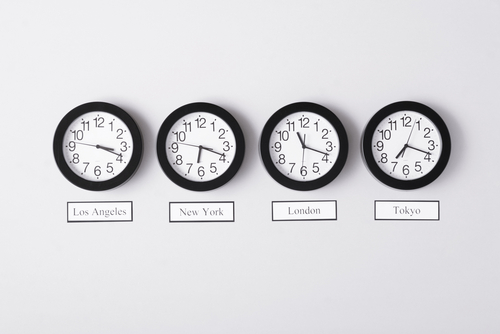
Centurion Lounge by American Express

The Centurion Lounge by American Express offers an exceptional experience for eligible members traveling through JFK. With comfortable seating and a serene ambiance, it is the perfect place to unwind before your flight. Guests can enjoy a delectable spread of food options, including à la carte dining and a selection of premium alcoholic beverages. Business travelers will appreciate the well-equipped workstations and high-speedWi-Fi. Access is typically granted to American Express Platinum and Centurion cardholders, making it a premium haven for those who value exclusivity and luxury in travel.

Priority Pass and Third-Party Lounge Access

Priority Pass and third-party lounge access offer travelers a wonderful way to experience the comforts of airport lounges without needing elite status. With a Priority Pass membership, you can enjoy entry to various lounges, often including amenities like complimentary snacks and wi-fi. Simply present your membership card and boarding pass at participating lounges, allowing relaxed pre-flight enjoyment. Many third-party options, like the Capital One Lounge or Chase Sapphire Lounge, further enhance your airport experience, ensuring leisure and efficiency while waiting for your flight.

Priority Pass Lounges

Priority Pass lounges provide an excellent way for travelers to relax before their flights. With a Priority Pass membership, you gain access to a variety of lounges at JFK airport, offering comfortable seating, complimentary snacks, and Wi-Fi. Many lounges, such as the Air France lounge and others, include options for alcoholic beverages and la carte dining, enhancing your pre-flight experience. Whether you’re waiting for a flight or enjoying a layover, these premium lounges cater to your comfort and convenience, making them a popular choice among frequent flyers.

How to Use Your Membership

Utilizing your lounge membership is a breeze! First, check your eligibility through your membership card, whether it’s from Priority Pass or a credit card like the Chase Sapphire Reserve. Once you arrive at JFK, simply present your boarding pass and membership details at the designated lounge entry. Remember, guests may often be allowed, so bring along immediate family if your membership permits. Enjoy all the benefits—comfortable seating, complimentary food and drink, and a relaxing environment—before your flight. Your journey just got so much better!

Conclusion

Accessing JFK lounges can significantly enhance your travel experience, providing comfort and convenience amidst the hustle and bustle of the airport. With a variety of both airline-owned and credit card lounges available, choosing the right option based on your travel class or membership can lead to a more enjoyable pre-flight experience. Whether enjoying complimentary beverages, cozy seating, or exclusive amenities, you’ll find that these havens offer a reprieve from the airport chaos. Planning in advance ensures you make the most of your lounge access and turn your journey into a more pleasurable adventure.

Frequently Asked Questions

Can I use JFK lounges if I’m flying economy?

Yes, you can access JFK lounges while flying economy, but availability depends on specific access options. Many lounges offer day passes or allow entry through credit cards and loyalty memberships, ensuring that even economy travelers can enjoy amenities at the airport.

Do JFK lounges allow children?

Many JFK lounges are family-friendly and welcome children. However, specific policies can vary by lounge. It’s advisable to check individual lounge access rules or speak with staff for guidance on age restrictions and amenities tailored for younger travelers.

Which JFK lounge is best for comfort and amenities?

When seeking comfort and amenities at JFK, the Delta Sky Club and Centurion Lounge stand out. They offer spacious seating, gourmet dining options, and relaxing environments that cater to travelers desiring a premium experience before their flights. Choose based on your access preferences.

Currency is more than just a symbol or something we use to buy things. It shows us the story of a nation. A country put their history, culture, and dreams on it. The money from different places has bright colors and special designs. A lot of these notes become art, showing what makes that country different from others. In this new guide, we will go through 19 of the most beautiful currencies from all over the world. Each one lets us see some part of the country and what makes its people special.
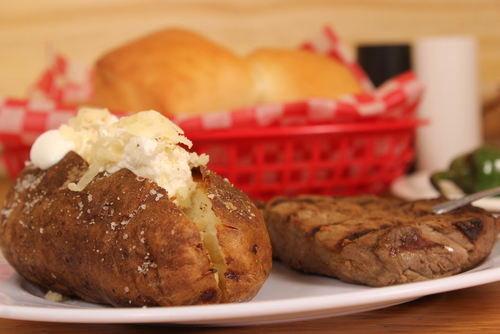

20 Most Beautiful World Currencies [2026 Edition]

1. Brazilian Real (BRL)

brazilian money brazil currency photo
(Image credit: Pixabay / Pexels)

The Brazilian real shows the Efígie da República on one side. This image is a person who stands for the nation. On the other side, you can find pictures of native animals like the jaguar and the golden lion tamarin. The most recent set of notes also has the maned wolf. This highlights the rich mix of animals in Brazil.

2. Ugandan Shilling (UGX)

ugandan shilling is the currency of uganda on a list of most beautiful world currency

Uganda’s banknotes show the country’s culture and well-known places. You can see pictures like the Nile River and the Independence Monument
on them. These pictures tell the story of Uganda and how the people feel proud of their nation.

3. Malaysian Ringgit (MYR)

Malaysian currency in a pile

Malaysia’s ringgit notes show the country’s goals for the future. The themes on these notes are things like new energy sources, farming, and
better technology. These ideas show what Malaysia wants to be and how it wants to grow in the coming years.

4. Mexican Peso (MXN)

the Mexican peso displayed as beautiful currency

The new Mexican peso series shows respect for the nation’s history and nature. It features people like Benito Juárez. It also shows views from places such as the Biosphere Reserve of El Vizcaíno.

5. South African Rand (ZAR)

South African rands

South Africa’s rand notes show the Big Five animals. These are the lion, leopard, elephant, rhinoceros, and buffalo. The notes celebrate the country’s wildlife and its effort to help keep animals safe.

6. Argentina Peso (ARS)

beautiful world currency argentina money peso
(Image credit: Maxi Gagliano / Pexels)

Argentina’s banknotes show local animals and scenes from nature. The notes use up-and-down designs that catch the eye. They help show the rich nature and art style of the country.

7. Indian Rupee (INR)

India’s bright rupee notes show pictures of Mahatma Gandhi. They also have images like the Sun Temple. This shows the country’s long history and deep culture.

8. Nigerian Naira (NGN)

nigeria money beautiful world banknotes

The Nigerian naira shows pictures of important people in Nigeria and symbols of the country’s farming strength. You can see things like peanuts and palm trees on it. These images show what Nigeria has, and what people there have done.

9. Canadian Dollar (CAD)

Canada’s plastic banknotes are known to last a long time. They have bright and colorful designs. On them, you can see people like Viola Desmond. They also show places like the Canadian Museum for Human Rights.

10. Swiss Franc (CHF)

(Image credit: Claudio Schwarz / Unsplash)

Switzerland’s franc notes are seen as some of the most artistic in the world. They show themes such as time and light. There are many small details in the design. The notes also have strong security features.

11. Honduran Lempira (HNL)

honduran currency

The Honduran lempira is a way to honor national heroes and important places, like the Mayan ruins at Copán. These symbols help people remember Honduras’s long past and the history of its native people.

12. Australian Dollar (AUD)

Australian currency the Australian dollar displayed in a hand in a list of most beautiful currencies

Australia’s polymer banknotes show some of the country’s famous people and local plants and animals. They have bright colors and use the latest security features.

13. New Zealand Dollar (NZD)

New Zealand dollar notes held in two hands in a list of most beautiful currency in the world

New Zealand’s banknotes show important people like Sir Edmund Hillary and its unique animals. These banknotes highlight the country’s great nature and big things that people here have done.

14. Euro (EUR)

Euro currency bills in a pile among most beautiful currency in the world

The Euro, symbolizing unity across Europe, is more than just a currency—it’s a reflection of the continent’s shared heritage. Each banknote represents a different era of European architecture, from classical columns to modern bridges, embodying Europe’s rich cultural diversity.

The Euro also incorporates advanced security features like holograms and watermarks, ensuring its place as a secure and widely respected currency. The design of the Euro is both functional and a testament to the beauty of European collaboration.

15. Maldivian Rufiyaa (MVR)

Maldives currency rufiyya bills in a pile featuring beautiful currency images of boats

The rufiyaa shows sea life and old customs, showing what makes the Maldives’ islands and way of life special.

16. Icelandic Króna (ISK)

Iceland currency kronur bills with beautiful currency note designs

Iceland’s banknotes show pictures of important people from the past and beautiful views of the land. These notes tell us a lot about the nation’s past and the amazing places found there.

17. Cook Islands Dollar (CKD)

Cook Islands money featuring traditional statues in beautiful world currency design

The banknotes from the Cook Islands show the culture and stories of Polynesia. People who collect banknotes find them special and enjoy having them.

18. Hong Kong Dollar (HKD)

Hong Kong dollar featured in a list of most beautiful currencies in the world

Hong Kong’s notes come from several banks. They show both modern and old-style images. This mix shows the city’s lively character.

19. Costa Rica Colón (CRC)

Costa Rica currency the colon featuring beautiful world currency design of hummingbird

Costa Rica’s bright banknotes show off the country’s plants and animals. You can see native animals and their homes on them. This shows the country’s strong promise to help the environment.

20.  Curaçao and Sint Maarten Gulden (ANG)

The Curaçao and Sint Maarten guilder banknotes feature vibrant, modern designs that highlight the islands’ natural beauty and marine life, often incorporating colorful fish, coral, and ocean themes. They also include advanced security features such as holographic strips, watermarks, and intricate patterns to prevent counterfeiting. The notes reflect both the cultural identity and environmental richness of the Dutch Caribbean nations.

How Are Banknotes Ranked?

The International Bank Note Society (IBNS) annually honors an outstanding banknote among the world’s paper money offerings. Known as the “Banknote of the Year” award, it goes to a banknote that demonstrates exceptional design, artistic merit, and advanced security features. The selection process involves nominations from IBNS members, who propose notes that are in general circulation and not merely specimen or collector items.

IBNS members vote on the nominated banknotes, evaluating them based on criteria such as color, design balance, thematic execution, and the integration of security features. The winning banknote is then recognized for setting a benchmark in currency design. The IBNS award showcases the global evolution of currency design, where artistic expression meets technological innovation to produce secure, functional, and aesthetically pleasing banknotes.

Frequently Asked Questions (FAQs)

What makes a banknote “beautiful”?

A beautiful banknote mixes nice design, culture, and top security features. It tells us about the nation’s identity
and what people there value.

Why are polymer banknotes popular?

Polymer banknotes last a long time. They do not get damaged by water and dirt. The notes have special security
features. This makes them good to use and keeps them safe.

How are Banknote of the Year winners chosen?

The International Bank Note Society looks at new banknotes to see how they look, how they are designed, and the
security features they use. It picks the one banknote that best shows all these good qualities.

Need to send money home to Vietnam? You are similar to millions of Vietnamese citizens living abroad looking to send remittances home. In 2019 alone, Vietnamese workers abroad sent 16.7 billion U.S. dollars to friends and families waiting to receive money in Vietnam. Remittances are so significant that they take up 6.4% of Vietnam’s GDP.

But as you probably already know, it’s not easy to send money home. High fees and unfavorable exchange rates mean that sending money is often expensive. In fact, the average cost of transferring $200 to Vietnam from the US was over $14 in 2011. And not much has changed since.

Remitly is changing that.

There are many ways you can send money to Vietnam, but many of our customers use Vietcombank. You can send money as a bank deposit or as a cash pickup in USD or VND, and your loved ones can receive money in Vietnam quickly and securely. You can track it every step of the way on Remitly’s app. Additionally, if you have friends or family in Thailand, you might also want to explore options that allow you to send money to Thailand safely. With various services available, ensuring security and ease of transaction is paramount. It’s essential to compare rates and choose a reliable provider to make your money transfers seamless.

Send Money to Vietcombank in Vietnam in 5 Easy Steps

First, download the Remitly app and create an account. Then you can start sending money to Vietcombank. Starting your transfer is a quick and easy 5-step process:

  1. Decide how much you want to send in USD or VND.
  2. Select “Bank Deposit” or “Cash Pickup”.
  3. Choose “Vietcombank”.
  4. Enter your recipient’s name, address, and bank account number. 
  5. Add your payment method.

We may ask for additional documentation depending on the amount sent or if we are unable to verify your identity.

If you add your recipient’s phone number, they can get an SMS/text message with real-time updates. Or you can also track the status of your transfer in the app.

Why Should I Use Remitly to Send Money to Vietcombank?

Remitly isn’t just easy to use. We also offer bank-level security and encryption, competitive exchange rates for the Vietnamese dong (VND), and fast delivery. 

We also have a simple pricing structure. That way, you never need to worry about hidden fees or wasted funds. 

How Much Money Can I Send to Vietcombank with Remitly?

If you need to send a larger sum of money to Vietnam, it’s not usually difficult to increase your sending limit. We will ask for a few extra documents to verify your identity and transfer. This is to ensure that all transfers are verified and this process keeps your information secure. 

Is it Safe to Send Money to Vietcombank with Remitly?

Remitly is safe and is trusted by millions of users around the world. We use standard protections like two-factor verification (such as signing in with a password and mobile number) and personal data encryption. Our platform uses bank-grade security for transactions.

In addition, we have a 24/7 customer support chat line and a team of data security pros who focus on keeping you safe.

More about Vietcombank   

One of the oldest banks in Vietnam, Vietcombank has served individuals and businesses since 1955. It played a monumental part in post-war reconstruction and economic revival in Vietnam and continues to offer various financial services today, including loans, investment opportunities, and e-banking. 

According to the International Labour Organization, over 560,000 Vietnamese work and live abroad in over 43 countries and territories. Data shows that Vietnamese living abroad sent US$17.2 billion worth of remittances in 2020, making Vietnam one of the top remittance recipients in the world — and for the families back home waiting to receive money in Vietnam, every transfer matters. If you’re looking for a way to send money to Vietnam safely, you have several options. Wire transfers are a common choice, but the transfer fees can be high, chewing into your hard-earned money. Remitly is changing that.

Remitly is an online money transfer service that makes it easy and safe to transfer British pounds (GBP), U.S. dollars (USD), and Euros (EUR) into Vietnamese đồng (VND) — so your loved ones in Vietnam get more of what you send. Say goodbye to hidden fees and hello to a pricing structure that is transparent and secure.

Here are the FAQs and how you can safely and successfully send money transfers to Vietnam.

Why Should I Use Remitly To Send Money to Vietnam?

Sending money to Vietnam could be overwhelming, but with Remitly, it’s easy. We offer low fees, competitive exchange rates for VND, bank-level security, and quick delivery.

At Remitly, we also have a simple pricing structure. This pricing model brings you peace of mind because you don’t need to worry about wasted funds.

Send Money to Vietnam in 5 Easy Steps

Sending money to Vietnam is as easy as the following five steps.

  1. As a first-time user, download the Remitly app, create an account, and set Vietnam as your destination country.
  2. Enter the transfer amount you would like to send.
  3. Choose a preferred delivery method and location: bank deposit, cash pickup, mobile money, or via home delivery.
  4. Enter all required recipient information, including their phone number and bank details. This process will differ for mobile wallets and bank accounts when sending money to Vietnam.
  5. Add your payment details, such as your credit card or debit card info.

And you’re all set to transfer funds! Additional documentation may be required depending on the amount sent or if you need to verify your identity. You can easily get started here.

With Remitly, Which Banks/Providers Can I Send To?

As of this writing, you can use Remitly to send money to these banks and providers in Vietnam.

  • Vietcombank
  • Techcombank
  • Sacombank
  • Agribank
  • Vietinbank
  • BIDV
  • Shinhan Bank
  • ACB
  • BAC A Bank
  • Baoviet
  • Citi
  • DongA Bank
  • EXIM Bank
  • GPBank
  • HDBank

These are just some places in Vietnam where you can send money with Remitly. For the complete list, check the app or the website.

How Much Money Can I Send to Vietnam with Remitly?

Remitly is working hard to provide customer service and follow security and international regulations. So, when you first open an account, you will have a sending limit.

If you need to send more than that, Remitly will ask for more information. Additional sending limits may apply depending upon your choice of payout partner or receiving location.

Safely Send Money to Vietnam in 5 Easy Steps - river

How Much Does it Cost to Send Money to Vietnam with Remitly?

To get the most up-to-date pricing on money transfers to Vietnam, including the latest exchange rates, please check the Remitly website or app. The below fees are as of this writing when your recipient receives in VND.

Is it Safe to Send Money to Vietnam with Remitly?

Remitly ensures your information and your money are safe. Our commitment to security is one of the reasons millions of people use Remitly to send money home.

  • Remitly is licensed to do business in the 17 sending countries and more than 100 receiving countries that we serve. Our licensors have high standards and require us to follow strict security and customer protection guidelines.
  • Remitly uses multiple levels of security so you can send money home with peace of mind. Your personal data is protected 24 hours a day through fraud monitoring and encryption.
  • All accounts are verified with proper documentation;
  • Remitly is dedicated to protecting your money and personal data; and
  • You can track your transfer every step of the way.

Read more about how Remitly keeps you safe.

Safely Send Money to Vietnam in 5 Easy Steps - street view

More About Vietnam

As of 2020, approximately 97.34 million people call Vietnam home. This beautiful country is known for its beaches, bustling cities, stunning pagodas, fantastic food, and unique culture.

The Vietnamese đồng was first introduced in 1946, replacing the French Indochinese piastre. By 1978, the State Bank of Vietnam issued notes in denominations of 5 hao, 1 dong, 5 đồng, 10 đồng, 20 đồng, and 50 đồng notes. Since then, various denominations entered circulation, made with cotton and a plastic polymer more recently.

Vietnam has a long history. Many people think of the Vietnam War, which lasted from 1955 to 1975. This led to one of the most dramatic evacuations undertaken by the United States government, with 125,000 Vietnamese refugees arriving in 1975.

Today, the United States is the most popular place for Vietnamese living abroad, followed by Japan, China, Australia, and Canada. In 2019, nearly 1.4 million Vietnamese immigrants were living in the United States, compared to 336,000 in Japan. Of those living in the U.S., 52% live in Texas or California. Compared to other immigrant groups, Vietnamese are more likely to have higher incomes.