Every June, millions of high school students across China sit down for a single exam that will determine their future. The National College Entrance Examination, commonly known as the Gaokao, is a massive, high-stakes test. It is a defining moment for Chinese youth, carrying the weight of family expectations and years of relentless studying.
For global readers, understanding the Gaokao offers a window into Chinese culture and education. It highlights the immense pressure students face and the extreme dedication required to succeed. While standardized tests exist worldwide, the scale and intensity of the Gaokao are truly unmatched.
In this straightforward guide, we will explain exactly how the Gaokao works and why it matters so much. You will learn about its unique structure, the intense preparation culture surrounding it, and how it compares to other exams you might already know.
What Is the Gaokao?
The Gaokao is China’s national college entrance exam. The word “Gaokao” directly translates to “Higher Education Exam.”
Typically, final-year high school students take this test. It happens just once a year, usually over two or three days in early June. The core purpose of the Gaokao is simple but critical: it determines a student’s university admission. A high score can open doors to elite universities, while a low score severely limits higher education options.
How the Gaokao Works
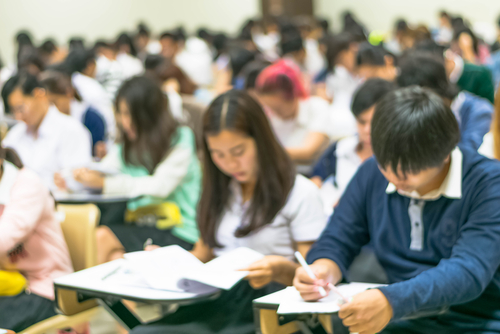
The exam system is highly structured. It tests years of knowledge in just a few days.
Exam Structure
Students are tested on core subjects: Chinese literature, Mathematics, and a foreign language, which is almost always English. In addition to these core subjects, students choose elective streams. They usually pick either the sciences (physics, chemistry, biology) or the humanities (history, politics, geography). The exact testing format and subject weighting can vary slightly depending on the province, but the multi-day testing format remains consistent nationwide.
Scoring System
The total score range varies by province, but a maximum score of 750 is standard in many regions. Universities set strict cutoff scores for admission. These cutoffs are divided into tiers. The most prestigious universities require scores in the highest tier. Furthermore, your exact score matters less than your relative ranking compared to other students in your province.
Application Process
After receiving their scores, students list their preferred universities and specific majors. The admissions system then matches student scores to the available university spots. Compared to Western systems, this process offers limited flexibility. A student’s Gaokao score is the ultimate deciding factor, leaving little room for personal essays or extracurricular achievements.
Why the Gaokao Matters So Much
The Gaokao is the primary, and often sole, factor for college admission in China. Because of this, it has a massive impact on a student’s future career and social mobility.
Graduating from a top university often guarantees a stable, well-paying job. This makes the exam a critical tool for upward mobility. However, rural students often face a disadvantage compared to urban students who have access to better schools and tutors. The exam is also a family affair. Parents invest heavily in their children’s education, creating intense societal and family pressure to perform well.
What Makes the Gaokao Unique
While many countries use standardized testing, the Gaokao stands out for several reasons.
Scale and Competition
The sheer scale is staggering. Well over 10 million students take the exam annually. Competition is fierce because spots at top-tier universities are strictly limited.
Once-a-Year, High-Stakes Nature
This single exam largely determines a student’s educational outcome. If a student is sick or performs poorly on test day, there are no immediate make-up dates. Retaking the exam means waiting a full year to try again.
Cultural Significance
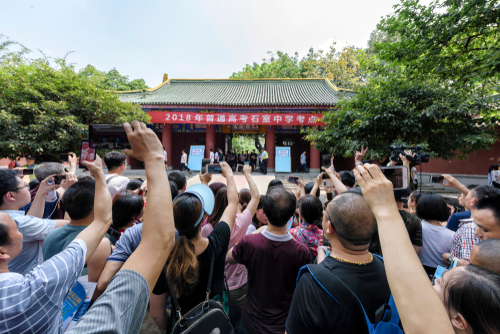
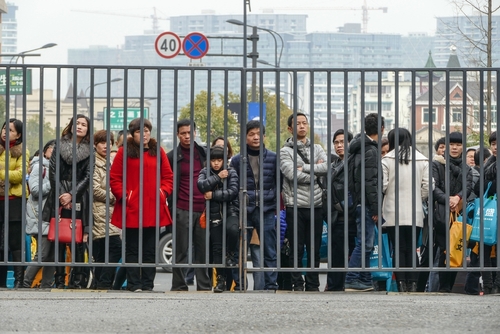
The Gaokao is deeply rooted in China’s history, often compared to the ancient imperial exams used to select government officials. Today, it is a massive national event. During exam days, traffic stops near testing centers, construction work is paused to reduce noise, and communities rally to support the test-takers.
Intense Preparation Culture
Preparation begins years in advance. Some high schools act as “exam factories,” enforcing rigorous schedules that start early in the morning and end late at night. Students endure long study hours and highly structured routines, leaving little time for leisure.
Regional Differences
Access to top universities is not strictly equal. Different provinces use different versions of the test. Universities also allocate admission quotas by province, which can make it harder for students from heavily populated regions to get into top schools.
Criticisms and Controversies
The Gaokao system is not without its critics. The extreme pressure causes significant mental health concerns among students.
Equity issues are also a major concern. Regional disparities and the “hukou” (household registration) system mean that rural students often have a harder time accessing quality education. Educators also debate the exam’s focus on rote memorization, arguing that it stifles creativity and critical thinking. Because of these issues, there are frequent calls for reform.
Reforms and Changes Over Time
The Chinese government recognizes these challenges and has attempted to reform the system. Recent policy shifts have introduced more subject flexibility, allowing students to mix and match science and humanities subjects in some pilot regions.
There are also ongoing efforts to reduce academic pressure on younger students and broaden the evaluation criteria for university admissions. However, changing a deeply entrenched system is an ongoing challenge.
How the Gaokao Compares to Other Exams
If you are familiar with Western education systems, comparing the Gaokao to other tests provides helpful context.
In the United States, students take the SAT or ACT. In the UK, students take A-Levels. The key difference is the stakes. US and UK exams are usually just one part of a holistic admissions process that includes grades, essays, and extracurriculars. Students can also take the SAT multiple times a year. The Gaokao, on the other hand, is an exam-only admissions process held just once annually.
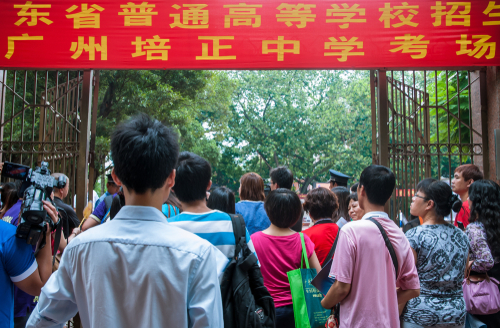
What It’s Like to Take the Gaokao
Taking the Gaokao is a grueling experience. A typical student’s daily routine involves waking up before 6:00 AM and studying past midnight.
The emotional experience is intense. Students report immense anxiety leading up to the test and a profound sense of relief once it is over. Families are heavily involved, often renting apartments near the school to cook meals and ensure a quiet study environment. Teachers act as coaches, pushing students to their absolute limits.
Key Takeaways
Here is a quick summary of what you need to know about the Gaokao:
- What it is: China’s mandatory, high-stakes national college entrance exam.
- Why it matters: It is the primary factor for university admission, heavily influencing a student’s future career and social mobility.
- What makes it unique: Its massive scale, intense preparation culture, and the fact that a single score dictates a student’s educational path.
Frequently Asked Questions (FAQ)
Can foreigners take the Gaokao?
Yes, foreigners can technically take the Gaokao, but it requires fluency in Chinese and a deep understanding of the Chinese curriculum. Most international students apply to Chinese universities through separate admissions pathways.
What happens if a student fails the Gaokao?
If a student does not achieve a high enough score, they can choose to attend a vocational school, enter the workforce, or spend another full year studying to retake the exam the following June.
Is the Gaokao the hardest exam in the world?
Many experts consider it one of the toughest exams globally due to the intense competition, the sheer volume of material covered, and the life-altering stakes attached to a single test score.
Looking Forward: Navigating Education Systems
Understanding the Gaokao reveals the incredible dedication of Chinese students and the intense structure of the country’s educational system. While the pressure is immense, the exam remains a vital pathway to success for millions. If you found this guide helpful, consider exploring our other resources on international education systems and global cultural practices to broaden your perspective.