English (US) – Page 54

A Closer Look at Wedding Traditions in the Netherlands

Discover unique wedding traditions in Netherlands that make Dutch weddings special. Join us as we explore customs and rituals that celebrate love.

English (US)

Key Highlights

  • Dutch wedding traditions usually have two parts. There is a civil ceremony to be legal, and later, a church wedding that is more for show.

  • In Dutch culture, the master of ceremonies, known as the ‘ceremoniemeester,’ makes sure the wedding day goes well for everyone.

  • Dutch weddings have a special custom. On the wedding day, the groom gives the bridal bouquet to his bride.

  • Many couples do not use the usual guest book. They pick a wish tree so guests can hang good wishes on its branches.

  • At the wedding ceremony and reception, you will get to try Dutch treats like bitterballen with the classic wedding cake.

  • These Dutch wedding traditions mix what is needed by law with personal choices from the happy couple. This helps make the wedding day special and one to remember.

Introduction

Are you interested in knowing how people in the Netherlands get married? Dutch culture has many special wedding traditions that make every wedding feel unique. When it comes to a dutch wedding, there are both serious parts and some fun moments too. The dutch wedding ceremony mixes these things well. If you get invited to a wedding in the Netherlands, or just want to learn about wedding traditions from different places, you may wonder what the dutch wedding ceremony is like. Here are some charming things that make a Dutch wedding stand out and turn it into a day to remember.

Exploring Wedding Traditions in the Netherlands

Dutch wedding traditions show a lot about Dutch culture. They mix old ways with how people live now. The wedding day is planned out from the start of the morning to the last part at night. There are set roles and customs, and these guide people through the wedding.

A lot of these wedding traditions are still common today. They make up a big part of the Dutch wedding. Here, we will look at some of the Dutch wedding traditions that people in the Netherlands value the most. We will see how the Dutch wedding day is set up, from having two ceremonies to the treats that are served at the wedding reception.

1. The Civil and Church Ceremony: Dual Celebrations

One big difference in a Dutch wedding is the way the legal part is done. In the Netherlands, you must have a civil ceremony before you can be married by law. This civil ceremony has to be done by an official at the civil registry. It usually takes place at city hall or at a wedding venue picked by the couple.

After the civil ceremony, many couples go on to have a church wedding or a deeper, personal ceremony. This second part is not official in a legal way, but it lets the couple say their vows and enjoy the day with more family and friends in their own way.

This two-part style helps couples do what is needed for the law and also lets them make the wedding day special to them. It shows how a Dutch wedding can mix important rules with warm traditions, making the wedding ceremony both meaningful and unique.

2. The Role of the Ceremoniemeester (Master of Ceremonies)

In a Dutch wedding, the ceremoniemeester, or master of ceremonies, has a big job that is different from what the best man or maid of honor does at other weddings. This person is the main person in charge on the wedding day. They help make sure everything goes well from beginning to end. It is a great honor to be picked for this role.

The ceremoniemeester acts as the day-of coordinator. They take care of many things, so the wedding party and the couple do not have to worry. This helps everybody enjoy the wedding day without stress about the little things.

Their main jobs often include:

  • Guiding guests to their seats before the ceremony.

  • Coordinating with vendors and suppliers on the wedding day.

  • Announcing speeches, activities, or performances.

  • Making sure the timeline of the day is followed.

3. The Bridal Bouquet and Flower Customs

Flowers have a big and beautiful part in Dutch weddings. The day often begins with the groom going to pick up his bride from her home. At this time, he gives her the bridal bouquet. This is a sweet and romantic move that starts the wedding day for both of them.

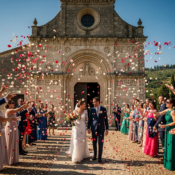
After the wedding ceremony is over, there is another nice flower tradition. The guests stand in two lines as the couple comes out of the venue. This makes a special path for the couple to walk through. While the couple walks, the guests throw little things over them.

Popular options for this include:

  • Colorful flower petals

  • Rice, which is a sign that wishes the couple fertility and good luck

This wedding ceremony tradition gives the couple a lovely photo and a happy start to their new life. By tossing the flower petals, guests wish the Dutch bride and groom a bright future together.

4. Unique Dutch Wedding Attire and Dress Codes

When you talk about wedding attire, Dutch weddings are a mix of being fancy and useful. This shows the national style. You will not see only one type of look for a Dutch bride today, but the look is often classic and has a simple kind of beauty. The groom will often wear a good suit or a tux.

For people coming as guests, what to wear is usually told on the invite. You should watch for this. In Dutch wedding traditions, being right in how you dress matters a lot. There are not many odd rules, but wearing what you are told shows you care about the couple and their day.

There is one thing that is good to know if you are a guest. These weddings can be on the move. People can go from one place to the next for things like the civil ceremony, the party, and more. This means that it is smart to wear shoes that look good but are nice on your feet. This is helpful for you and others in the wedding party too.

5. The Wedding Procession and ‘Bruidsstoet’

The wedding procession, or ‘Bruidsstoet,’ in Dutch tradition is a bit more relaxed compared to the formal processions in other cultures. There isn’t a strict order for how guests enter the ceremony venue. Typically, guests arrive and find their seats, with the front rows reserved for close family members and the wedding party.

The couple’s entrance can vary. They might walk in together, enter one by one, or be accompanied by a parent. This flexibility allows the couple to choose an entrance that feels right for them. The witnesses, who play a key role in the civil ceremony, are seated near the table where the marriage certificate will be signed.

Here’s a simple breakdown of the seating arrangement and procession:

Group

Role/Position

Wedding Guests

Arrive first and seat themselves; front rows for family.

Witnesses

Sit near the signing table for the official part.

The Couple

Enter together, separately, or with parents.

6. Traditional Dutch Wedding Bread and Its Meaning

An old but lovely tradition in some Dutch areas is about ‘bruidssuikers’, which means “bridal sugar”. These are sweet gift items, often sugar-coated almonds, that people give to guests at a dutch wedding. Even though this custom has changed over time, it still shows good feelings and warm wishes.

Long ago, there were also special bread or cakes used in the wedding ceremony. People would share the bread to show unity, hope for children, and wish for a good life with much success. Breaking bread together showed the start of a new life and home for the couple.

Today, you will not often see a special Dutch wedding bread at most dutch weddings. Still, people like to share food to wish good luck and celebrate. Now, this idea is seen more in the wedding cake or treats everyone has during the reception.

7. Bitterballen and Other Dutch Reception Treats

After the ceremony, it’s time to have fun. And if you are at a Dutch wedding, you can be sure there will be some classic Dutch snacks. At the wedding reception, apart from the special wedding cake, you will almost always see ‘bitterballen’ too. These are small, deep-fried meatballs that people eat with mustard. They are a big part of any Dutch party or get-together.

The wedding reception is when guests say congratulations to the couple. People also talk, eat, and have drinks. While the wedding cake stands out as the main sweet treat, these salty snacks help make the party feel fun and chilled.

Other good food you might see at a Dutch wedding reception includes:

  • Cubes of cheese

  • Small spring rolls (‘mini-loempia’s’)

  • Different fried snacks, which people call ‘bittergarnituur.’

8. Wish Tree and Special Gift-Giving Practices

A “wish tree” is a nice change from the usual guest book. It is a big hit at many modern Dutch weddings. Instead of signing a book, people write wishes, tips, or nice stories on small cards or tags. Then, they hang these on a small tree. This makes a lovely and special decoration for the couple to keep.

The wish tree lets every guest be part of a group gift. It is like a piece of art to remind the couple of who was there for them. It stands for all the love and backing from their family and friends.

When it comes to gifts for guests, Dutch culture has some sweet ideas:

  • ‘Bruidssuikers’ (bridal sugars): These are five sugar-coated nuts that stand for health, money, happiness, kids, and a long life.

  • Little gifts that show the couple’s style.

  • A simple gift that links to the theme or place of the wedding.

Conclusion

To sum up, looking at wedding traditions in the Netherlands shows just how special and full of life these customs can be. People use dual ceremonies and often share sweet treats with guests. Each part can have its own meaning and can add to the happy feeling of the whole event. With things like the unique clothes people wear or touching moments such as the Wish Tree, a Dutch wedding tells a story of history and togetherness. When couples use these ideas, they can make their big day feel more close and meaningful for themselves and for their guests. If you want to bring Dutch wedding traditions into your day, reach out for help so you can include all these wonderful details, like the Wish Tree, and make memories that last.

Frequently Asked Questions

Is it common for Dutch weddings to include specific family or community traditions?

Yes, this is very common. There are a lot of Dutch traditions that people use in a wedding ceremony. But many couples also add their own ideas. They might use songs or skits from close family and friends. The wedding party usually gets these moments ready. This makes the wedding ceremony and what happens after a true show of the couple’s friends and close family.

How do Dutch wedding ceremonies differ from those in other countries?

In a Dutch wedding, the big thing that makes it different is the rule that says you have to have a civil ceremony to make the marriage legal. This part must take place before there is any church wedding or a personal celebration. It is almost always done in two steps. Most other places do not have this rule for the wedding ceremony. This is a special thing in the Dutch wedding ceremony.

Are there popular Dutch wedding favors or gifts for guests?

A well-known Dutch wedding favor is called ‘bruidssuikers.’ These are sugar-coated almonds. They stand for good wishes. Some couples today like to give personal gifts instead. These small gifts show something about who they are or match the wedding theme. It is a nice way to say thank you to wedding guests for being there and sharing the day.

Keywords used: dutch wedding, wedding guests

Key Highlights

  • Portuguese weddings are all about family. The godparents, called Padrinhos and Madrinhas, have an important part in the big day.

  • The wedding party is loud and full of life. It usually starts late and keeps going until early morning.

  • Food means a lot to the Portuguese people. There are local dishes, tasty treats, and a huge dessert table for everyone to enjoy.

  • Wedding traditions like the money dance make the party even more fun and get people involved.

  • Today’s portuguese weddings bring together old customs and new styles. Cultural identity is still strong, but there are some fresh ideas too.

  • The wedding cake is a highlight. It is often a Bolo de Noiva. This cake is special to Portuguese weddings and looks and tastes great on the dessert table.

Introduction

Have you ever thought about what makes Portuguese weddings stand out? The weddings in Portugal are known for being warm, full of life, and for how close family means to everyone there. These events really show the heart of Portuguese culture.

Weddings can happen by the sunny beaches of the Algarve or along the pretty streets of Porto. No matter where, the wedding traditions in Portugal mix sweet moments with great food. The parties are lively and sometimes go on all night.

This guide will help you discover the charm of these fun and special events that are a big part of Portuguese weddings and culture.

Wedding Traditions in Portugal: A Comprehensive List

The many Portuguese wedding traditions show how much the people value their community, family, and coming together for a big event. These wedding traditions have been shared for a long time. You will find them in every part of the wedding, starting from the engagement and going all the way to late-night fun. They add a lot of meaning and joy to the whole day. This is a good way to see what is close to the heart of Portuguese life.

In most Portuguese weddings, the wedding ceremony and the usual customs bring together strong promises and a lot of happiness. No matter if it is a religious service at an old church or a civil wedding at a nice spot, there will always be a big party after. At that party, you will see good food, lively music, and dance are very important. Now, let’s look more at these great wedding traditions and see what makes them so special.

1. Engagement and Proposal Customs

In Portugal, starting the wedding journey often happens with a proposal that is both personal and includes the family. Many Portuguese couples still like a quiet moment for the proposal, sometimes with close friends and family there to share the big news. While some people choose to have a big, public proposal, the simple and small setting is what most use.

After the answer is “yes,” planning for the big day begins. The couple tells close friends and family about the happy news. Setting the wedding date is one of the first things that must be done. Everyone comes together to have a small party, showing that the couple’s life as partners has now started, and wedding traditions start to play their part.

The first moments in this time are full of joy. The engagement helps Portuguese couples and their loved ones feel close to each other. There is a lot of talk about the future and how it will be with everyone together. Early on, the focus is not about luxury but about being happy to start life as a couple. This begins a new story for families and friends is one reason why the wedding traditions in Portugal feel so special.

2. The Role of Padrinhos and Madrinhas (Godparents)

In Portuguese weddings, the Padrinhos (godfathers) and Madrinhas (godmothers) have a very important part. These people are not just there as witnesses, but they help and guide the couple. They are chosen from family members or good friends, and their role keeps going even after the wedding day is done.

These godparents are key in the wedding party. The couple gets both emotional and practical help from them during the planning and also all through their new life together. Many people see them as strong supporters who give advice and share wisdom. Choosing these people shows there is real trust and love.

On the wedding day, and at the party after, the Padrinhos and Madrinhas stand with the couple. They are part of special moments and sometimes give good speeches that come from the heart. This shows that in Portuguese culture, marriage is seen as something where family members and close loved ones all help the couple start their new life together.

3. Pre-Wedding Family Gatherings

Before the main event, Portuguese traditions start with pre-wedding family gatherings. The families come together at these events. It is the start of the wedding festivities and helps get everyone excited for the big day. There is often laughter, people share stories, and there is always lots of food.

These gatherings are not just parties. They are a key part of the process. Families get to connect, show their support for the couple, and help plan the details together. You might see a casual barbecue in the yard or a big dinner at the house. The most important thing is being together and looking forward to the wedding celebration.

Family is always important in these moments. The parents, grandparents, aunts, uncles, and cousins all join in from the start. For Portuguese traditions, getting married is more than two people coming together. It is two full families joining, and these get-togethers start that feeling. Every part of the wedding celebration feels warmer and closer because of it.

4. The Bridal Shower and Gift-Giving

In Portugal, the bridal shower is a special event, just like in other places. Close friends organize it, and it is all about celebrating the bride-to-be. There is a lot of joy, games, and warm wishes as the bride gets ready for her new life.

Giving gifts is a big part of the shower. Guests usually bring presents that will help the couple set up their home. People often choose household items, things to put on display, or sometimes give money or help pay for something big the couple needs. This way, friends show they care and want to support the couple.

A wedding planner might take care of the main wedding plans. But events like the bridal shower are different. These are still put together by close friends and people who know the bride well. These kinds of portuguese customs let the bride feel the love from friends and community. This strong circle helps her as the wedding day gets close.

5. Choosing the Wedding Dress and Attire

For Portuguese brides, picking the wedding dress is a big and often emotional step before getting married. While many women now like all sorts of styles from around the world, there is still a little touch of tradition in what they wear. The bride often goes shopping with close family members, like her mother and sisters. She cares a lot about what they think.

The “first look” is not something you see much in Portugal. Couples tend to want things done the classic way. Usually, the groom will first see the bride when she is walking down the aisle. Many people say this moment is filled with excitement and makes the ceremony feel very special for everyone.

In the end, the dress is all about show­ing the bride’s own style. Some like a modern style, while others pick a romantic or more classic look. Portuguese brides pick what makes them feel good and confident for the day. The groom and the wedding party dress in a way that goes well with the bride and matches the theme of the wedding.

6. Blessing of the Bride by Family Members

On the wedding day, before she goes to the ceremony, the bride takes time with her closest family members. They share a private moment together. This is usually a special blessing. The family gives her lots of love, support, and good wishes for her new life. It is an important and emotional part of Portuguese customs.

At this time, parents, grandparents, or brothers and sisters may talk to her. They give advice, say a prayer, or let her know how proud and happy they are for her. This tradition shows how important family is in Portuguese culture. It gives the bride peace and helps her feel strong before she starts this big new chapter.

This blessing is not just for tradition. It is a real and private time to mark change in her life. It stands for the family’s support and the special connection they always have. And on the wedding day, it is one of the most close and loving things that happen.

7. Symbolic Rituals During the Ceremony

Portuguese wedding ceremonies usually have special rituals that show the couple’s union and what they hope for in their new life together. These wedding traditions, seen in both church and civil ceremonies, bring history and meaning to this big event. One wedding tradition many people enjoy is lighting a unity candle. In this moment, the bride and groom each take a flame from their family candles and use them to light one main candle together.

This shows the two people and their families coming together as one. Another well-known part of portuguese wedding traditions is the lasso ritual. During this, a flower rope or big rosary is placed on the couple’s shoulders. It means the couple is joined and the community will protect them.

These wedding traditions are something everyone can see and feel during the ceremony. They help remind everyone about the promises being made and the start of the couple’s new life. Because of portuguese wedding traditions like these, the ceremony becomes a very special time for the couple and all their guests.

8. Religious Wedding Ceremony in Portuguese Churches

For many couples in Portugal, a religious wedding ceremony is the main way to get married. The country has deep Catholic roots, so a Catholic ceremony in a church is very popular. These church ceremonies are legal if one or both people are Catholic and if neither person has been divorced.

A church ceremony is both serious and beautiful. It often happens in old and stunning churches. These places make a great wedding venue. The service includes usual Catholic rites like mass, special readings, and the vows and rings that couples say with a priest. The beauty of the church adds a lot to the wedding ceremony.

Portuguese weddings are full of faith and long-held customs. Family and friends come together and watch the couple join in marriage, and the day is filled with prayers and wishes for their life ahead. It is a powerful and caring way for the couple to start their life, based in faith and coming together as a group.

9. Civil Wedding Ceremony Practices

For people who want a non-religious celebration or do not meet the needs for a Catholic ceremony, you can choose a civil ceremony in Portugal. This is a common choice and it is also legally accepted by the country. Same-sex couples have had the right to these ceremonies since 2010. People love the idea that these ceremonies let them choose almost any place to get married.

A civil ceremony is led by a registrar who comes from the local office that handles these things. It can be at that office, but many people want the wedding at a special wedding venue instead. The registrar can go to the location you pick, like a pretty villa, a beach with a great view, or even a big green garden. This helps you make your day feel special and your own.

When you follow these rules, you meet all you need for your marriage to be real by law. A lot of couples are happy that a civil ceremony lets them shape the wedding day in a way that shows who they are. They still get to celebrate their love in a beautiful place in Portugal, even if it is not a Catholic ceremony.

10. Superstitions and Beliefs for Luck

Like many other groups, Portuguese customs have a lot of beliefs about what brings good luck for a happy wedding. People follow these traditions with both real meaning and a bit of fun. The idea is to help the couple have a good life together.

One common belief is all about the wedding day weather. A light rain on the wedding day is seen as a sign that there will be wealth and kids in the future. The bride may sew a small blue ribbon into her dress or carry things that are old, new, borrowed, and blue. This is meant to keep bad luck away and to bring good luck.

Other superstitions include:

  • The groom should not see the bride in her wedding dress before the wedding. If he does, it may bring bad luck.

  • People say it is good luck if the bride steps into the church with her right foot first.

  • Picking a wedding date during a waxing moon is said to help the couple have a good and growing marriage.

These Portuguese customs and superstitions are a big part of how couples try to make their wedding day safe from bad luck and full of good luck.

11. Signature Portuguese Wedding Foods

A Portuguese wedding party is full of colors, smells, and flavors. The food is one of the best parts. At the reception venue, there will be a big selection of Portuguese food. You get to see the top dishes of the country’s style. People will have a lot to eat, as the meal goes on for hours. Plate after plate comes out, filled with nice food.

The party usually starts with a cocktail hour. There are many appetizers. Then comes a full dinner, served in courses. The menu often has seafood, meats, and loads of tasty sides. This is how Portugal’s great flavors are shared with everyone.

Some famous items you might find are:

  • A seafood buffet with shrimp, clams, and freshly grilled fish.

  • A carving station with roasted piglet (leitão) or lamb.

  • A lot of local wine, with red wines from Alentejo and the known port wine.

No one leaves the wedding party hungry.

12. Traditional Portuguese Wedding Cakes

The wedding cake is a showstopper at any Portuguese wedding. While modern, multi-tiered cakes are popular, the traditional Bolo de Noiva holds a special place. This rich, dense fruitcake, often soaked in alcohol and covered in marzipan or fondant, symbolizes fertility and a sweet new life for the couple.

Beyond the main cake, the dessert table is a spectacle in itself. It’s loaded with an astonishing variety of sweets. You’ll find everything from the famous pastel de nata (custard tarts) to Bola de Berlim (donuts filled with sweet cream) and Leite Crème (a Portuguese version of crème brûlée).

This lavish spread ensures there’s something to satisfy every sweet tooth. Here’s a look at some common dessert table treats:

Dessert Name

Description

Bolo de Noiva

Traditional rich fruitcake, often alcohol-infused.

Pastel de Nata

Iconic creamy egg custard tart with a flaky crust.

Bola de Berlim

A soft donut filled with sweet egg-yolk cream.

Leite Crème

A creamy custard with a caramelized sugar top.

13. Music and Dance: Fado, Vira, and Corridinho

Music and dance are a big part of a Portuguese wedding reception. They help keep the energy up and get everyone out on the dance floor all night. There is often a mix of traditional music and new songs, so people of all ages will want to get up and dance.

At these events, you may hear a DJ or a live band playing songs most people know. Folk dances are also a part of the celebration, and they bring a special touch of Portugal’s culture. These dances let guests take part in the fun while enjoying something from the country’s past. Two well-known folk dances are the Vira and the Corridinho. These both come from different parts of Portugal.

  • Vira: This is a lively dance from northern Portugal. It has fast steps and a lot of spinning.

  • Corridinho: This is a well-liked dance from the Algarve region. Couples move in a circle and use quick, running steps.

Sometimes, the event may feature the emotional sounds of Fado. This kind of music has been around since the early 19th century and often brings a quiet and thoughtful part to the night.

14. Wedding Day Parade and Noisy Celebrations

A big part of Portuguese traditions is making some noise! When the groom is on his way to the ceremony, his friends and family often make a loud parade. They honk car horns and cheer to let the whole neighborhood know about the wedding day. This fun event helps everyone get excited for what is coming.

But it is not just for the groom. After the ceremony, when the couple comes out of the church or the venue, things get even more lively. The guests often throw rice or flower petals, and the car horns start up again. The whole wedding party stays together as they go to the reception venue, with lots of noise and smiles. It is a good and happy wedding celebration for everyone.

The noisy wedding festivities let the community share in the couple’s big moment. It shows off the wedding to everyone nearby and invites all to join in the fun and joy. These moments make the wedding a big event for everyone and bring happiness to all who take part.

15. Money Dance and Shoe Dance Traditions

Portuguese weddings are known for having fun and interactive traditions. These help the couple start their new life with some extra money. One unique tradition is the money dance. The guests pay to have a dance with the bride or groom at the wedding party. It’s a lively moment where everyone can spend some special time with the couple.

There is also another popular custom called the shoe dance. At the reception, wedding guests pass the bride’s shoe around and fill it with money. This playful act is a way for everyone to work together and help the couple as they start their life together.

These traditions add a good dose of fun to the special day and are also helpful:

  • The Money Dance: Guests pin money on the bride or groom’s clothing. They do this to get a dance.

  • The Shoe Dance: The bride’s shoe goes around among wedding guests to collect money gifts.

Both customs are traditional in portuguese weddings. They help make the wedding party feel even more festive and make the couple feel supported.

16. Toasts and Speeches by Family and Friends

Toasts and speeches are a special part of any Portuguese wedding celebration. They give family members and close friends a chance to share their memories, love, and good wishes with the couple. These moments can have both laughter and tears.

Usually, the best man, parents, and godparents (Padrinhos and Madrinhas) lead these speeches. They might tell a funny story about the groom growing up, give some simple advice for a happy marriage, or just share how happy they are for the couple.

These heartfelt talks are one of the best parts of the wedding reception. They help show how close the couple is to their friends and family. The speeches bring everyone together and make the day even more special for the couple.

17. Exchange of Wedding Gifts

In Portuguese culture, people show thanks and good wishes by exchanging wedding gifts. Guests usually bring gifts to help the couple start their new life. The couple gives favors to thank everyone for being there with them on their special day.

Many wedding gifts from guests are practical. Couples may have a gift list, but money is very common and is liked, as it gives the couple more freedom.

  • Gifts from Guests: Money is a top choice. Guests often give it quietly using an envelope. Household things or money for the honeymoon are also popular.

  • Favors for Guests: The couple gives a small gift called a “lembrancinha” to each guest. This might be a little bag of sugared almonds, something with the guest’s name on it, or a craft from the area.

This exchange is a big part of wedding customs. It shows the give-and-take between the couple and the people close to them.

18. Modern Adaptations and Blended Customs

Tradition means a lot in Portugal, but weddings there are not stuck in old ways. Young couples want their big day to show both their history and their style. They mix wedding traditions that are important to them with new ideas. This lets them keep their culture, but also make the wedding personal.

At a destination wedding in Portugal, you see these blended customs all the time. Couples may mix food from their own country with the local taste. They might use different music styles in the reception to keep it lively and fresh.

In the end, portuguese weddings are about making your own choices. Young couples have the freedom to plan their day however they want. You may see a humanist ceremony on the beach instead of in a church. Some people want a simple reception, not a huge meal. This new way to celebrate keeps wedding traditions strong for everyone. It also makes them fit for today’s world and for the young couples getting married now.

19. The After-Party and Late-Night Festivities

If you think a Portuguese wedding stops after the cake is sliced, you might be wrong. The wedding festivities keep going for hours and often last until morning. Receptions are known to start late, about 8 p.m., so guests always get ready to be at the party for a long time.

As the night goes on, the wedding party turns into a full after-party. There is a late-night buffet with things like caldo verde, which is a green soup, or a seafood bar. This helps guests keep up their energy. The music comes up louder, and people keep dancing. Everyone stays excited and happy.

This party until sunrise is a big part of Portuguese weddings. It shows how the culture loves to celebrate and enjoy life. The reception venue stays busy for hours, and everyone joins in to make sure the couple starts their new life with a night that is joyful and full of togetherness.

Unique Roles of Family and Friends in Portuguese Weddings

In Portuguese weddings, family members and close friends do much more than just watch the ceremony. They help and be active in the event. These wedding customs make the day feel warm and full of support, showing how important communities and tight bonds are in Portuguese weddings. The godparents and the entire family all have jobs to do.

The help from loved ones is not just being there. They give support in many ways. That includes emotional, money, and hands-on help from before the wedding starts to the actual day. There are many ways family members and close friends play a role to make portuguese weddings so unique and special for everyone.

Involvement of Extended Family

In Portuguese culture, family is much more than the immediate family. Grandparents, aunts, uncles, and cousins are seen as close family members. They have a big part in wedding traditions. Everyone expects and values their help and presence.

The extended family gets involved early when planning starts. They give advice, help set up, and join pre-wedding parties. Their support and ideas matter to the couple. It shows how strong the family bonds are in Portuguese social life.

On the wedding day, the whole family comes together. It gives a happy and group feeling. They do not just watch. They share hosting and play a big role in the event. This wedding tradition is important in Portuguese culture. It shows marriage brings two families together, not just two people.

Responsibilities of the Godparents

The Padrinhos and Madrinhas, called godparents, play a very important part in a Portuguese wedding party. The couple picks them because they are close and trusted. These godparents help the couple, show support, and are official witnesses for the marriage. Godparents start to have jobs even before the wedding ceremony. They keep helping the couple for years to come.

When the couple is getting ready for the big day, the godparents give advice and help out with many things. They stand next to the couple at the wedding ceremony to show support. Their part is seriously valued in Portuguese customs because people think it’s good to have someone wise in marriage.

Some main things they do are:

  • Guidance and Support: They give wisdom and advice to the couple before and after the wedding.

  • Official Witness: They sign the marriage license to show they witnessed the wedding for real.
    Being so involved shows how people in Portugal see marriage as something for the whole community, not just two people.

Participation of Friends in Rituals

In Portuguese weddings, close friends do more than just show up. They help with many of the main wedding customs. Their part gives the day a personal feel and can add some humor. You see how strong their friendships are during these moments.

Close friends plan things like the bridal shower and bachelor party. At the reception, they lead many of the fun and loud traditions, making sure everyone has a good time. Their actions help keep the dance floor busy and bring energy to the celebration.

Here are a couple of ways friends get involved:

  • Organizing the Money Dance: Friends help make this custom happen. They ask guests to join in. They make sure the dance floor is always full.

  • Leading the Noisy Parade: The groom’s friends set up the honking car parade. With their help, the wedding gets announced to everyone.

With their excitement and hard work, Portuguese weddings feel joyful and full of life.

Conclusion

Portuguese wedding traditions come from a long history and deep meaning. They include engagement customs, music, and dance. All of these help make the day one couples and their families will never forget. Knowing about these rituals can help you enjoy the wedding celebrations. It also lets you see how weddings bring people together.

If you are planning your own special day or want to know more about Portuguese wedding traditions, remember that each tradition brings love and happiness. For more help with your wedding plans or questions about adding these customs, you can ask for a free consultation.

Frequently Asked Questions

What are the most important wedding traditions in Portugal?

Some of the most important Portuguese wedding traditions are about the godparents, or Padrinhos, who play a big role. There is often a lively wedding party and the celebration goes on all night. There is always a lot of food at these events. The wedding party is a big part of the day. It shows the cultural identity of the people, who value family, being together, and having a good time. This starts at the wedding ceremony and keeps going with the wedding celebration.

Are there traditional Portuguese wedding foods or cakes served at the reception?

Portuguese wedding festivities are well known for their food. At the dessert table, you will find sweets like pastel de nata. The wedding cake, called Bolo de Noiva, is a fruitcake. There will be a lot of savory Portuguese food served during the reception. This keeps the party lively and fun.

What symbolic rituals are commonly included in Portuguese weddings?

In Portuguese weddings, there are some common symbolic rituals. The money dance and passing the bride’s shoe to collect funds for the couple are popular wedding traditions. These Portuguese customs are fun and let everyone join in. People say they bring good luck and help support the couple with money on their wedding day. It makes the celebration more special and something all will remember.
Key Highlights

Here are the key things to know about Spanish wedding traditions:

  • Spanish weddings are full of life and are a big part of Spanish culture. There are many customs that hold special meaning.

  • During the wedding, the married couple will exchange 13 coins. This is called “las arras,” and it shows that they will share what they have in life.

  • At these weddings, the bride’s father and the groom’s mother, known as padrinos and madrinas, are important. They are a lot like the best man and maid of honor at other weddings.

  • Family members are a big part of the wedding day. The focus is on bringing both families together.

  • People at Spanish weddings often stay late to party. They enjoy big meals with many courses and get special gifts from the couple.

Introduction

Are you dreaming about a wedding that is full of love, meaning, and moments you will always remember? Spanish weddings can give you all of that. They mix the deep beauty of Spanish culture with new ideas about love. The many rituals in Spanish weddings each have a story behind them.

Spanish brides will often wear beautiful and intricate lace veils. This connects them to their family from long ago. These customs add something special and amazing to the wedding. Because of this, a Spanish wedding really is a one-of-a-kind memory for everyone there.

Essential Spanish Wedding Traditions

Spanish weddings are known for their sweet and special traditions. These have been shared with others in families for a long time. It is not just about putting on a show. At the heart of the wedding day are these customs that make it all feel close and real.

A lot of spanish wedding traditions highlight the bond with family members and with the whole community. It brings people together to cheer for the couple. Most of the time, you will not see a big wedding party. The wedding day gives main roles to close relatives. Here, let’s get into some of these key customs and see what they mean.

The Exchange of 13 Coins (Las Arras)

One special part of Spanish Catholic weddings is the giving of “las arras,” which are 13 unity coins. In the wedding ceremony, this moment shows how much the couple means to each other and to their future. The coins are often in a pretty box. Usually, the godparents, called padrinos, give this as a gift.

The meaning of the coins is about sharing and being there for each other. When the groom gives the coins to his bride, he is saying he will help and give to their new family. These days, many couples in catholic weddings each take a turn giving the unity coins. This means they both trust each other and will share things in life. It shows that they want to work toward financial prosperity together.

This simple and lovely custom is like when couples use the wedding ring. It is a real way to show support and stick together. For many people, this is a loved part of the wedding ceremony. It helps make spanish catholic weddings feel full of meaning.

Role of Padrinos and Madrinas (Godparents)

In Spanish weddings, you will not usually see bridesmaids or groomsmen. Instead, the “padrinos” and “madrinas,” who are godparents, step in for these important jobs. These roles are often given to close family members. Most times, the bride’s father is the padrino and the groom’s mother is the madrina. Their being there means the two families will join together.

The padrinos and madrinas act as official witnesses in the marriage. Their job is like that of the best man or maid of honor in other places. The father of the bride walks his daughter down the aisle. The groom’s mother goes with her son. They stand next to the couple for the whole ceremony and show their love and support.

This tradition shows how much Spanish culture values family. The couple chooses their parents for these parts to honor them and highlight their new bond. This custom is very touching and makes the day even nicer.

Bridal Attire and the Traditional Mantilla Veil

Spanish brides are known for mixing the old and the new when it comes to their wedding day style. One classic piece of their look is the mantilla veil. It shows off beautiful, intricate lace and stands out as a must-have for a bride. In the past, people wore these veils in black, but now, most brides like to wear white or ivory so it goes with their dress.

The mantilla veil is usually worn over a high comb called a “peineta.” This gives a tall and fancy look to the bride. Today, some spanish brides put the veil right on their hair to get a more fresh and updated style. Often, the mantilla is a special thing that comes from their family. It might be passed down from the mother to her daughter, which makes it even more special for the wedding day.

In history, spanish brides wore black silk dresses for their wedding. Now, a white wedding dress is what most brides want. These white wedding dresses often have:

  • Beautiful intricate lace on the sleeves, around the neck, or at the bottom.

  • Simple but nice designs that go well with the pretty mantilla veil.

  • A mix of classic looks with their own style.

Unique Wedding Ceremony Customs in Spain

The wedding ceremony is the main part of spanish weddings. It has customs that look nice and also mean a lot to the people taking part. This is true whether you go to big catholic weddings in an old church or you have a small civil ceremony. These rituals help make the special day one to remember.

Each part of the wedding ceremony means something. When the walk down the aisle starts, right up to the final blessing, there is a lot of meaning. You will see traditions with flowers, family members, and things that stand for love and promise. All of these add to a romantic and serious mood. Now, let’s see what makes these traditions in spanish weddings so unique.

The Wedding Procession and Church Entrance

The wedding procession in Spain is a very special part when it comes to spanish weddings. Family means a lot, and you can see that during the wedding ceremony. The groom does not stand at the altar by himself. He comes in with his mother, who is called the madrina. This shows how close they are.

After the groom and his mother, the page boys and flower girls walk in. They bring so much joy to the moment with their sweet ways. Then comes the big moment—the bride arrives. She walks with her father, the padrino. He is proud to take her up the aisle and give her away to the groom. This whole scene is about both families coming together.

Having both sets of parents in the wedding makes everyone feel like a team from the start. It is a warm and touching part that shows how important family is at spanish weddings.

Use of Orange Blossoms and Classic Florals

Flowers are an important part of spanish weddings. The orange blossom is the most special flower used for this day. People call it “azahar.” It is a traditional spanish wedding flower. The sweet smell of orange trees can be found in the air. That smell makes the day full of love and sends out magic. The smell of orange blossoms is a big part of what makes this day stand out.

This flower means something beautiful. Orange trees can have flowers and fruit at the same time. That is why the orange blossom stands for happiness, clean hearts, and a life that is filled with joy and good fortune. Many brides like to use orange blossoms in bouquets or place them in their hair.

There are also other popular flowers besides the orange blossom in these weddings. After the ceremony, the guests often throw dried rice or rose petals to the couple. Doing this means they are hoping for good fortune and for the couple to have children if they want them. This act is a happy and important part of the story for the new pair.

Other flower ideas at the wedding include:

  • Bouquets that have classic flowers like roses.

  • Flower decorations that help make the place feel dreamy and fun.

Symbolic Rituals Performed During the Ceremony

Spanish wedding ceremonies are rich with symbolic rituals that add a touch of old-world charm and deep meaning. These traditions go beyond the exchange of vows, creating a memorable and heartfelt experience. For instance, the use of a special flower like the orange blossom carries wishes for happiness and prosperity.

Another key ritual revolves around the wedding rings. In many parts of Spain, couples wear their engagement ring on the ring finger of their left hand but move it to the right hand after the wedding, placing the wedding band on the left hand’s ring finger. This practice can vary by region, but it’s a significant gesture symbolizing their new marital status.

These rituals are all designed to bring the couple good fortune and to celebrate their union in a way that is deeply rooted in Spanish culture.

Ritual

Description

Symbolism

Las Arras

Exchange of 13 coins.

Represents the couple’s promise to share their financial future and prosperity.

Orange Blossoms

Used in bouquets and decor.

Symbolizes purity, happiness, and a fruitful marriage.

Ring Placement

Wedding band worn on the left ring finger, engagement ring moved to the right.

Signifies the transition from engaged to married status.

Spanish Wedding Reception Traditions

Get ready for a big party because a Spanish wedding reception is known to go all night, sometimes until morning! People call it the “banquete de bodas,” and this is when the real excitement starts. The night is full of amazing food, good songs, and hours of dancing. All the wedding guests, no matter their age, come together to have fun and cheer for the happy couple.

During the evening, you and the other wedding guests will enjoy a wedding feast served in many courses with favorite foods. After that, there will be a lot of dancing on the dance floor. But it’s not only about great food and music. There are special traditions that make the night even more special. We will talk more about the tasty dishes and lively music that help make these Spanish wedding receptions so good for everyone.

Multi-Course Feasts and Signature Dishes

Get ready for lots of food, because a Spanish wedding feast is long and full of fun. Food is very important in Spanish culture. On a wedding day, it becomes even bigger. Things usually start with a busy cocktail hour. There are many tapas and snacks, like jamón (cured ham) and seafood.

After this, everyone sits down for a big meal. There can be many courses and it can take hours to finish. On these special occasions, there are often at least four courses. People eat appetizers, then fish, then meat dishes. Sometimes, there is a sorbet to refresh your taste. All the food shows how people wish the couple a full and happy life.

The meal is more than eating. It is a time for people to talk, toast, and shout “¡Vivan los novios!” (Long live the newlyweds!). Some dishes you can see at the wedding feast are:

  • Seafood paella or fideuà.

  • Roasted meats like lamb or suckling pig.

  • Many rich desserts.

Spanish culture makes any wedding day a big event with good food and happiness for all.

Traditional Dances and Music at the Reception

Music and dancing are at the heart of a Spanish wedding reception. There is a lot of passionate energy at these parties, and people keep dancing and having fun all night. The first wedding dance with the new couple is always a big moment. Still, you will see and enjoy more than one traditional wedding dance, which brings everyone in.

One well-known traditional wedding dance is the “Seguidillas Manchegas.” This dance is full of energy and comes from La Mancha. It does not just include the couple but their parents and guests, too, and everyone gets to join in. Another popular wedding custom is the money dance. Many guests line up to pay for a turn to dance with the bride or groom. It is one way to help out the couple as they begin their new life.

After some time, the music changes from classic songs to more modern tunes. There is also a DJ who keeps playing in a “disco” area as the night goes on. The night can go late, and people remember these parties for a long time.

  • The first dance usually does not start until late, often around midnight.

  • Some weddings have live bands or flamenco shows for added local style and passionate energy.

  • Later on, the DJ keeps the party going with more music, and it is normal to have extra snacks as it gets later.

You will see that a wedding dance, the money dance, and much passionate energy are all big parts of a Spanish wedding. Everyone has a good time

Conclusion

To sum up, spanish wedding traditions are a mix of old ways, culture, and special moments that make each wedding stand out. The giving of 13 coins is just one part that shows the importance of their customs. There are also fun parties at the reception, and everything you see at these weddings comes from things that have been important to people in Spain for many years. These spanish weddings bring the couple close and make them feel part of something bigger with their families and where they come from. If you are getting ready for a wedding or want to know about these traditions, you can ask for a free talk with us. Take in the joy of spanish wedding traditions and start your own story.

Frequently Asked Questions

How do Spanish wedding celebrations differ from American weddings?

Spanish weddings usually last much longer than weddings in the United States. Often, the wedding party goes on until early in the morning. There are fewer guests. Most of the time, it is just close friends and family who get invited. The way they wear the wedding ring is also different. People in Spain have long meals with many courses at weddings, and these meals go on for hours. These things make spanish weddings unique.

What should a guest expect when attending a traditional Spanish wedding?

As a guest, you can expect the wedding day to be long and full of life. The wedding ceremony might include a full Catholic Mass. At the reception, there will be lots of food and dancing that could last until dawn. The day is all about being with family members. So get ready for a fun, warm, and family-focused time.

Are there regional differences in wedding traditions across Spain?

Yes, that’s right! Spain is full of different regions, and each one has its own special style. You can see this at Spanish weddings too. In Andalusia, there are different dances. Places like Catalonia or the Basque Country also keep their old customs. Every part of Spain makes the day special, and they all hold on to their cultural heritage. Wedding planners know all about these things. They can guide you through each tradition, so your wedding fits what you want.

Key Highlights

Here are the key highlights of Italian wedding traditions:

  • Italian weddings have a rich cultural heritage. Many of their customs come from long ago and are shared from one generation to the next.

  • Before the wedding, there is a special event called “La Serenata.” It brings romance and gives people in the community a reason to celebrate together.

  • Some people follow superstitions for good luck. For example, in the wedding ceremony, the groom will sometimes carry a piece of iron.

  • Italian wedding receptions have big meals, lively music, and people love to do old dances like the Tarantella.

  • Couples give symbolic gifts called “bomboniere.” These often have sugared almonds, which are there to wish the couple a sweet life.

  • There are regional differences. Weddings in northern Italy and southern Italy each have their own styles that make these wedding traditions special.

Introduction

Imagine your wedding day surrounded by big green vineyards and old villas. Italian weddings are not just about a simple ceremony. The day mixes romance, family, and old traditions that have lasted for many years. This rich cultural heritage makes each wedding day in Italy something you will always remember. You see big and loving moments that come before the wedding. Then, you have fun during the celebrations that go late into the night. Each Italian tradition comes with its own story and meaning. Now is the time to see what makes Italian weddings so special. Get into the world of these wonderful customs.

Essential Wedding Traditions in Italy: Culture and Customs

Italian weddings have many customs that go back a long way. The wedding ceremony is full of symbols and has deep meaning. If you are thinking about a destination wedding in Italy, or you want to add some Italian style to your own big day, knowing more about these traditions is a good first step.

There are little surprises before the big day and also some things people do at the party after the ceremony. Every tradition has its own story. Now, let’s go over some of the best-loved customs that make Italian weddings so special. We will start with what happens during the engagement time.

1. The Engagement and La Serenata (The Serenade)

One of the most charming wedding traditions in Italy is called “La Serenata.” In this sweet and romantic gesture, the groom goes under his bride-to-be’s window the night before the big day to sing to her. It is a lovely way for him to show his love and make a promise of marriage. His friends and family often help with the surprise and keep it a secret from the bride.

Usually, the serenade soon turns into a big neighborhood gathering. While music plays, the bride comes to her window. Many people from the area might join in to celebrate. This beautiful tradition brings everyone together and starts the wedding celebrations with joy and excitement.

A diamond ring is what makes the engagement official, but La Serenata is about showing true devotion in a way that money cannot. This is a tradition that focuses more on open love than on things, and it is one of the most special ways to kick off the big day.

2. Pre-Wedding Superstitions and Symbolic Rituals

Superstitions have a big part in Italian weddings. People follow these because they want good luck for the couple. Many of these ideas have been around for years and years, and people still use them to stop bad luck. For example, it is thought that if the bride wears green at the rehearsal dinner, it will bring good luck.

Long ago, grooms would keep a small piece of iron in their suit pocket. This was to keep away bad spirits and give the marriage good luck. Some people also believed that if the bride’s veil had a small rip, it meant good fortune in the future.

There are other small things that are important and have their own meaning:

  • No Gold: Brides often did not wear any gold jewelry except the wedding ring on the wedding day. People believed wearing gold could bring bad luck.

  • Odd Numbers: Wedding favors, like sugared almonds, are given out in odd numbers such as three or five. Odd numbers stand for never breaking apart and are said to bring health, wealth, and happiness.

3. Traditional Italian Wedding Attire and Dress Codes

An Italian wedding is a time when people like to dress their best and show off. The clothes are usually nice cocktail outfits. Brides may pick new looks, but many still wear a white wedding dress. This dress stands for purity and innocence. There’s also a fun wedding tradition where the bride wears a garter. The groom takes it off and tears it into small pieces, giving them out to guests as a good luck charm.

The groom often wears a classic suit. Some grooms will put a small piece of iron in their pocket to bring good luck and keep away bad spirits. People who attend the wedding are expected to dress well too. But wearing a black dress is not common, unless the wedding is a formal event at night.

In italian weddings, people do not usually dress casual. Most want to look sharp and put together to show respect for the couple and the day. At this event, there is a focus on being stylish but also making room for your own look. Giving the wedding band is still a key part of what people wear for the ceremony.

4. The Italian Wedding Ceremony: Customs and Order

The Italian wedding ceremony can take place in a church for religious couples or at the local town hall for a civil service. The first step for foreigners getting married in Italy is to handle all legal requirements and documentation, which must be done at least six months in advance. A notice is often posted at the town hall announcing the upcoming wedding.

A civil ceremony is conducted by a town consulate and is legally binding. The vows are more of an agreement, where the couple consents to have children, raise them together, and affirm their marital status. After the vows, the couple and their two witnesses sign the official marriage certificate. The exchange of rings is a pivotal moment in both religious and civil ceremonies.

At the end of the ceremony, as the newlyweds exit, they are showered with rice. This tradition dates back to Ancient Rome and symbolizes wishes for fertility, wealth, and prosperity.

Ceremony Step

Description

Legal Declarations

The couple agrees to key marital responsibilities, such as raising children together.

Exchange of Vows & Rings

The couple makes their promises to each other and exchanges their wedding bands.

Signing the Ledger

The newlyweds and their two official witnesses sign the marriage certificate.

The Exit

Guests throw rice at the couple to wish them prosperity and good fortune.

5. Southern vs. Northern Italian Wedding Customs

Many wedding traditions are seen all across Italy, but there are different local customs in each region. In Northern Italy and Southern Italy, things can look very different. Every area has its own traditions that come from its background and history. This helps make each wedding special.

In Southern Italy, and in places like Sicily, weddings are full of local flair. People often tie these customs to the land and farming, plus the amazing scenery. For example, it is common in Sicily for people to throw wheat, not rice, at weddings. Wheat stands for having many children and a rich life with plenty from the land.

Here are a few wedding traditions from Southern Italy:

  • Wheat Throwing: The guests throw wheat kernels instead of rice at the couple.

  • Orange Flowers: In the past, brides in Sicily would carry orange flowers in their bouquets. This was to wish them many children.

  • Blue Dresses: Some Sicilian brides wore blue dresses long ago. This was to honor the blue sea and the sky around the island.

Iconic Italian Wedding Reception Traditions

After the main event, the fun moves on to the wedding reception. In italian culture, this is a big and special part of the day. italian wedding receptions are known for the lively mood, tasty food, and happy customs that keep everyone dancing and smiling for hours. The happy couple is right in the middle of it all, getting cheers and warm greetings from everyone there.

The wedding reception is where some of the best memories are made. You get to see the couple make a big entrance, watch old folk dances, and enjoy big meals with new friends and old ones. All these events help people celebrate in a big, happy way and show how much everyone cares for the happy couple. Now let’s look at some of the most famous things that happen during the wedding reception.

6. The Grand Entrance and Festive Celebrations

The big day really takes off when the couple enters the wedding reception. Wedding guests clap, cheer, and shout “Evviva gli sposi,” which means “Hooray for the newlyweds!” This starts the party and brings a happy, joyful feeling to the night.

When the couple moves through town after the ceremony and heads to the reception, many people yell “Auguri!” to give their best wishes. Some people may take photos with the bride because it is good luck for women who are not married. These cheers and happy moments from everyone make the couple feel special.

The feeling from this grand entrance brings the fun into all parts of the wedding reception. People enjoy the good food, music, and dancing. All the good luck and energy make it a big day that everyone will remember.

7. The Italian Wedding Feast and Signature Dishes

The wedding feast is at the heart of every great Italian wedding. Food plays a big role in the culture, and a wedding is a great reason to have an amazing meal. Most people see dinner as the most important part of the event. It’s usually all about sharing a big, multi-course dinner at the table. A wedding planner can help you pick a menu that brings in those local tastes people love.

Now, most wedding feasts start with an “aperitivo” and different “antipasti” or appetizers. This comes before a seated meal with at least a few first courses, main dishes, and sweets. The newly married couple and their guests take a trip through the best Italian food.

Dishes will change from place to place, but guests often get to try:

  • Local treats like grilled focaccia and caprese salad.

  • Classic main foods like roast suckling pig.

  • Top wines from the region, served with the different courses.

  • A small snack later at night to help keep the party fun.

A wedding planner can really help the newly married couple make the most of this special part of the day.

8. Millefoglie Cake and Cutting Rituals

The traditional Italian wedding cake is called “Millefoglie.” This tasty treat is made with layers of light puff pastry. It has sweet pastry cream inside. Fresh berries are usually placed on top. Unlike cakes from other places, the Millefoglie did not use to be stacked high. People in Italy would serve it as a dessert at the end of the meal. It was not always set in the middle of the table.

As more people have their weddings in Italy, many couples started asking for fancier wedding cake designs. Because of this, Italian wedding planners and caterers now often serve the Millefoglie as the main wedding cake. Today, there are many talented chefs who can make beautiful modern cakes. Even so, the traditional Italian wedding cake is still a favorite.

Some couples pick a different type of cake, like the Charlotte Cake. This cake has a soft, sponge base with a creamy mousse filling. No matter what cake people choose, cutting the wedding cake is still a sweet and meaningful moment. It shows the first thing the happy couple does together as they start their new life.

9. Music, Dancing, and the Tarantella

Music and dancing play a big part at an Italian wedding reception. They help set a lively and fun mood. After the meal, people head to the dance floor to keep the party going. The couple will have their first dance, which is always special and romantic. One moment that people love is the “La Tarantella.”

This traditional Italian dance is full of energy. In la tarantella, all the guests, along with the new couple, hold hands. They dance in a fast circle together. The music is upbeat, and it makes everyone want to join in the fun. This is a great and fun way to bring both sides of the family together. There is a lot of movement and happiness in this part of the celebration.

Many years ago, people thought this dance could cure a spider bite. Now, it is just a fun way to make any event unforgettable. Adding la tarantella at your wedding reception is an easy way to add a real Italian touch. It gets everyone up, dancing, and smiling together.

10. Bomboniere (Wedding Favors) and Sugared Almonds

A classic Italian tradition for weddings is to give “bomboniere” to guests. These are wedding favors that thank the people who come. The most common gift is “confetti,” which are sugared almonds. These are not the pieces of paper you see in the air at parties. The confetti are sweet treats that show the mix of good and bad in life. The sugar on them stands for the hope that life will be more sweet than bitter.

The sugared almonds are most often given in odd numbers, like five, to show wishes for health, wealth, happiness, fertility, and long life. The almonds are usually put in a small satin bag or a nice box for guests to take home.

Now, many modern couples like to pick favors that say something about who they are or about the place of the wedding. Some choose mini bottles of olive oil from the place they get married, local limoncello, or handmade leather gifts. The idea is to give people a sweet and thoughtful memory of your special day.

Conclusion

In the end, Italian wedding traditions bring a lot of culture and rich customs to any wedding. They help make the day full of love and joy. The music, the singing, and the fun Tarantella dance show the deep roots and history behind each tradition. Weddings in Italy stand out for these reasons. If you use these wedding traditions, your special day will feel real and true. It will help you honor where you come from and give guests good memories they will not forget. You can choose to follow the ways of a certain place in Italy, or you can go with classic wedding rituals. Knowing what these traditions are may make your wedding even better. If you want your wedding to have an Italian touch, get in contact with us. We will give you advice and tips to help make your celebration one to remember!

Frequently Asked Questions

What are the most meaningful Italian wedding traditions and their significance?

Some of the most meaningful Italian wedding traditions are very special to people. “La Serenata” is a time when a groom sings for his love. This is a sweet and romantic way to show his feelings. People also give sugared almonds for good luck. After the wedding ceremony, guests throw rice over the couple. This is done on the wedding day to wish them fertility, happiness, and success. These wedding traditions help to make the day feel even more memorable.

Are there unique customs specific to regions like Sicily or Tuscany?

Yes, Italy’s regions each have their own traditions. For example, in Southern Italy, especially in Sicily, people throw wheat instead of rice to wish for children. Tuscany is famous for its scenic locations and vineyards. There, it is common to have wine rituals at the ceremony because local customs and wine-making run deep in the area.

Which Italian wedding traditions are easy to include in modern celebrations?

Modern couples can give their wedding an Italian touch in easy ways. You can serve a Millefoglie cake to your guests. Giving sugared almonds as favors is another good idea. Play “La Tarantella” to help get people up and dancing. A wedding planner can help you add local customs that work with your style. You might even want to have a grand walk with all after the ceremony.

Key Highlights

  • French wedding traditions usually start with a civil ceremony at the town hall, called la mairie.

  • One custom has people cut white ribbons tied across the road. It stands for beating challenges in life.

  • For the reception, there is a vin d’honneur, or cocktail hour, and famous wedding cakes like the tall, stacked le croquembouche.

  • Unlike american weddings, french couples have official witnesses at their ceremony. They do not have big bridal parties with bridesmaids and groomsmen.

  • Family is at the center of these weddings. Close relatives and friends take part and help with the celebration.

  • The parties are full of energy. People dance all night and enjoy local food specialties.

Introduction

Have you ever thought about what makes a French wedding so special? These events come from old and loved traditions in French culture. A French wedding is not just about the legal part. It is a mix of rules, what people want, and happiness. These wedding traditions show us how much the French care about family and love. People also enjoy spending this good day with friends and family. This is what makes every French wedding stand out and stay in the heart.

The Essential Order of a French Wedding

One major difference in a french wedding is how things happen during the wedding day. In many places, the events happen at the same time. But in France, the wedding day often has two main parts. First, there is a legal ceremony. After that, there is a more personal time to celebrate together. This helps the couple make sure all the rules are followed before they start the big party.

Things on the wedding day usually start with a short civil service. After this, there is a religious ceremony or one that means a lot to the couple. The day ends with a big reception for everyone. This way, the couple gets to have close, smaller moments first, and then spend time with all their family and friends later.

La Mairie: The Legal Civil Ceremony

In France, every couple has to start their married life with a legal civil ceremony at the local town hall, called la mairie. This is a legal requirement, and it’s the only ceremony that counts in the eyes of the law. The event is usually quick, formal, and handled by the mayor or by another official at the town hall.

This civil ceremony is a small event. Only close family members and the couple’s official witnesses are there for it. It is much simpler and smaller compared to a church wedding or any of the bigger symbolic ceremonies people might choose to have after. Those other ceremonies are more about celebration and spirit, not the law.

When the ceremony ends, the couple is given a livret de famille. This is the family record book. The book is an official place where all the big moments in the new family’s life will be written down, such as when children are born. The family record book has a strong symbolic role as the couple starts their new life together.

Symbolic and Religious Ceremonies

After they have taken care of the legal part at la mairie, many French couples choose to have a second ceremony. This next step is often more personal. It might be a religious ceremony at a church, or a symbolic ceremony made to fit the couple in a spot they like, such as a château or a garden.

When it comes to picking between a church wedding and a symbolic ceremony, it usually comes down to the couple’s background and what they believe in. International couples often like symbolic ceremony because it gives them the freedom to mix many family traditions. This helps make the day special and right for them.

These ceremonies are a time for the couple to be themselves. There can be personal vows, special readings from family members, music that means something to them, and even the tossing of flower petals. The main point is to make a day full of family unity that puts their love story front and center.

Traditional Processions and Entrances

The trip to the ceremony is often a party on its own. There is a car procession that is full of energy, with horns sounding and ribbons flying from the cars. This car procession lets the whole town know about the happy day. It is a way for people to show their excitement and be part of the fun. All of this helps to set a joyful feeling for the day.

The bridal procession is also built around family. The groom often walks in with his mother, and then come the flower girls and ring bearers. The flower girls and ring bearers sometimes drop flower petals as they walk. After them, the bride comes in with her father. This is a special part, and everyone looks forward to this moment.

This kind of bridal procession is not the same as ones in most British or American weddings. There is a lot of joie de vivre that you can feel in the air. Also, the way kids are a part of everything and the respect shown to parents show that family is at the heart of this celebration.

Distinctive French Wedding Ceremony Customs

French wedding culture is full of lovely ways to celebrate. Each tradition has a deep meaning. In every wedding ceremony, you feel the family pride and the real art of celebration. As you take part in or watch each ritual, like the walk down the aisle or the exchange of vows, you get a true taste of French life.

These special habits are what make a french wedding ceremony stand out. Let’s go over some well-loved customs. This will include how witnesses are important, the fun white ribbon cutting, and the warm and true exchange of vows.

The Role of Witnesses Instead of Bridesmaids and Groomsmen

One big thing that stands out at a French wedding is that there usually is not a big wedding party. You will not see many bridesmaids or groomsmen. In France, it is common for the couple to have témoins, or official witnesses, instead. Every person who is getting married picks one or two witnesses. So together, there are usually up to four people.

These official witnesses are very important in the civil ceremony. They must come to the event, show their ID, and sign the marriage register. They also offer support to the couple on this special day. These people, often close family members or friends, stand with the couple as they say “I do.”

This french preference shows how much family unity matters at a French wedding. It reminds everyone that the golden rule for this day is that the couple and their closest bonds are what matter most. The day is about the couple, their close family, and their special friends—not about having a big, formal group of people standing by them.

White Ribbon Cutting Rituals

One charming French wedding tradition is the cutting of white ribbons. This is often seen in small villages. As the bride heads to the ceremony, children, who can be the flower girls, hold up long white ribbons to block her way.

This fun act means a lot. The bride needs to cut the white ribbons to move forward. This shows that she can face any problems in her married life. The wedding party and guests cheer for her, making it a lively part of the day. It is always a centre of attention and brings everyone together.

This ritual, with regional variations, adds something special to a french wedding. It is a great way to show the start of a new journey. It lets the couple begin married life with good wishes and shows they can get through anything together.

The Exchange of Vows and Rings

The exchange of vows and wedding rings is a big moment in every wedding. In France, this part can happen during the civil ceremony at the town hall, or later at a symbolic ceremony. The mayor can do the ring exchange at the town hall if the couple wants. But a lot of couples save this special time for their church service or a more personal symbolic ceremony.

This part of the day is full of personal touches. When close family and family members are there, it gets more emotional and means even more. The couple gets to talk about their love and promise to each other in front of the people who care about them the most.

Today, many people add their own style to this tradition. Some couples choose to write their own vows. International couples may bring ideas from their cultures into the symbolic ceremony. This way, every couple can make the exchange of vows really show their story and who they are together.

Family and Friends: Their Unique Roles in French Weddings

In a french wedding, family members and close friends do not just watch the event. They are an important part of the celebration. The whole day comes together because of family unity. The close family and even friends have bigger jobs than most wedding guests would have at other weddings.

This means there is a warm feeling on the day. Everyone takes part and helps make memories. Some of them join in the ceremony. Some lead the fun at the party after the vows. The roles filled by the people closest to the couple are so important. They help people see what is special about wedding traditions in France.

Participation in the Ceremony and Reception

At a French wedding, the wedding guests are not just there to watch. They are asked to join in and be active. The involvement of close friends and family members starts when the ceremony begins. It lasts until the end of the big day, during the lively wedding reception. This makes the whole event feel like something that brings everyone together.

During the ceremony, many close friends or family members may help out. They might give readings, play music, or join in processions. This way, the big day is not only about the couple. It is about family unity. It is about their two families and all their friends coming together.

On this special day, the visible support of wedding guests, close friends, and family members shows the strong and heartwarming bond they share. The way everyone takes part highlights the symbolic role of joining two families at a French wedding.

Toasts, Speeches, and Entertainment

The wedding meal is full of touching and often funny speeches and toasts. The father of the bride, close family, and friends use this time to share real feelings, funny stories, and good wishes for the couple. These moments bring something warm and personal to the day.

For fun and music, there is a big french preference for live bands. The idea is to get everyone dancing and having a good time, sometimes all the way into the early morning hours. Friends often put together games or surprise shows, too. This makes sure everyone has fun and feels part of the action.

This kind of lively fun shows the well-known french wedding joie de vivre. Mixing sweet, caring speeches with exciting dancing really shows how french wedding culture can put together strong feelings and pure fun.

Organizing Invitations and the Guest List

Curating the guest list and sending invitations for a French wedding takes planning. The day is often split into different parts, and not everyone gets to go to each part. The invitations, called faire-part, show in a clear way which parts of the special day each guest is invited to.

Most of the time, people are invited to different parts because a French wedding has stages. Here are the main parts:

  • Civil Ceremony: Only close family and official witnesses go to the legal event at the town hall.

  • Vin d’Honneur: More people come to this cocktail hour, such as friends, some colleagues, and extended family.

  • Wedding Reception: Some people from the vin d’honneur group are also asked to stay for the full dinner and wedding party.

This tiered plan lets the couple invite a lot of people, but they keep the big wedding meal and wedding reception more private. It’s a good way that shows a tone of family pride. The couple can share their special day with everyone who matters to them, but each part has its own group.

The Vin d’Honneur: Welcoming Guests in Style

The vin d’honneur is a key part of French wedding culture. It is like a nice cocktail hour that happens right after the ceremony. The idea is for the couple to have time to greet and thank more guests, not just the ones coming for the full wedding reception. This includes people like coworkers or neighbors. At this time, people hold glasses of champagne as they talk and feel happy in an easy and classy way.

This part of a french wedding really helps connect the ceremony to the party at night. It is a way for everyone, even those who won’t stay for dinner, to share in the joy of the special day. Hosting a vin d’honneur means no one is left out, and all guests can be part of the celebration, even if only for a little while.

Purpose and Timeline of the Cocktail Reception

The vin d’honneur serves as a relaxed cocktail hour, typically lasting two to three hours. It immediately follows the wedding ceremony and acts as a prelude to the main French wedding reception dinner. During this time, guests enjoy drinks and appetizers while mingling with the newlyweds and each other.

To give you a clearer picture of how the day flows, here is a typical timeline for a French wedding:

Event

Typical Time

Civil/Symbolic Ceremony

Mid-afternoon (e.g., 3:00 PM)

Vin d’Honneur

Late afternoon (e.g., 5:00 PM)

Seated Dinner

Evening (e.g., 8:00 PM)

Dancing & Party

Late night (e.g., 11:00 PM)

Late-Night Traditions

Early morning (e.g., 4:00 AM)

This sequence is a unique feature of French wedding culture. The extended timeline allows for a leisurely pace, encouraging guests to savor each part of the celebration without feeling rushed, making the entire day a memorable and enjoyable experience.

French Traditions with Champagne and Wine

Champagne and wine are a big part of any French celebration, and this is true for weddings too. The vin d’honneur usually starts with a Champagne toast. Fine wines are served during the whole wedding reception dinner. You can see the French preference for good, local drinks in the way they choose their beverages.

People often pick wine that comes from the region where the wedding is happening. This shows local pride and shares the area’s food and drink history. Here are some well-known local wines and traditions:

  • Sparkling wines from Champagne for raising glasses of Champagne and celebrating.

  • Rich red wines from Bordeaux or Burgundy to go with the main meal.

  • Crisp white wines from the Loire Valley. These are great for fish or starters.

Pouring glasses of Champagne is special and marks the start of the couple’s married life. Many people like to make a Champagne tower with a bottle of Champagne. They pour it over a stack of glasses. This looks great in photos. It also stands for plenty and lots of joy at the wedding reception.

French Wedding Reception: Dining and Celebrations

The French wedding reception is all about great food, lots of dancing, and big, joyful moments. After the vin d’honneur, everyone sits down for a dinner with many courses. This dinner often goes on for hours. There are talks from the wedding party, a lot of laughs, and fun surprises to make the night special.

This is the time when the art of celebration comes out. There is the show when wedding cakes are brought to the table in style. The party does not stop and can go all night until the sun comes up. The wedding reception is set up so people have the best time. People enjoy good food, amazing desserts, and a night full of fun that the guests will not forget. This is why a french wedding is known for being so special.

Signature Dishes and Regional Specialties

The wedding meal, or repas de noces, is like a food marathon. A french wedding is known for the way it has a long, fancy dinner with many different dishes. People will often see plates of duck, beef, or fresh fish. Each plate is made with care, using very good ingredients and showing the chef’s skill and attention to detail.

The food at a french wedding often highlights flavors from the couple’s home area. This lets guests taste something special. Here are some traditions you might see at these weddings:

  • Guests may get hearty onion soup in the early morning hours to help them recover after all the eating and fun.

  • There can be big seafood platters, which are especially common if the wedding is by the sea.

  • Before dessert, a wide cheese course may come out, with cheeses from around the area and from all over France.

For a french wedding, food is not just something people eat. It is one of the most important parts of the day. The love of good food shows the french joie de vivre and the art of celebration.

French Wedding Cakes and Le Croquembouche

When you talk about wedding cakes in France, you see they love to make things big. People now like tall cakes with many layers, but the most loved and well-known dessert is the croquembouche. This tall, cone-shaped tower is made from small cream-filled puff pastries called choux. They stick together with sweet, golden caramel.

Bringing out the wedding dessert is an important moment at the party. The waiter often brings in the croquembouche with sparklers on top and lots of excitement. Many times, there is the popping open of a bottle of champagne. This dessert is there as a centerpiece and is a big part of the symbolic ceremony at the reception. The croquembouche tastes as amazing as it looks and is a moment people remember.

While many still want the classic croquembouche, some couples add a new touch. They mix French sweets with others from around the world. There are sometimes dessert tables with macarons, fruit tarts, and more pastries to go with the main wedding cake. This way, every guest can find the sweets they want.

All-Night Dancing and Festivities

Get ready to have a good time, because one thing people always enjoy at a french wedding is dancing all night. After a long dinner, the party often starts around midnight. It is normal for the fun to last until the early morning hours. You can feel the energy on the dance floor, and it keeps going for a long time.

The night usually starts with the couple’s first dance. After that, the wedding party and the guests all get on the dance floor soon. Many people like to have live bands at their french wedding, because they can play all kinds of music. This helps get people from every age group up and moving. The idea is to make the night bright, full of life, and to keep the celebration going.

People have this big celebration because they love a good party in France. It is a time when both family and friends come together to have fun without holding back. It’s a great way for everyone to celebrate the new couple and take part in a special french wedding tradition.

Conclusion

Exploring french wedding traditions gives you a look at unique customs that make weddings special. The legal ceremony at la mairie comes first. After that, symbolic moments help show the love and unity between the couple. Family and friends play a big part at every step. They join in and give warm toasts that add so much to the day.

The vin d’honneur starts things with a warm welcome. The reception follows and is filled with great food and fun times. Learning about wedding traditions like these not only makes the event better, but also shows how much we value culture and history. If you want to plan a french wedding or just know more about these customs, you can reach out for insights or help.

Frequently Asked Questions

What are the most popular wedding traditions in France?

Some of the things people like most at a french wedding are the legal ceremony at la mairie and the vin d’honneur cocktail hour. People also have fun cutting white ribbons. At the end, they serve le croquembouche, which is a well-known wedding cake. These customs help make the event special for everyone there.

What do French couples typically wear at their weddings?

French brides often pick elegant gowns that look good for many years. French grooms wear classic suits or tuxedos. Wedding clothes for both the bride and groom are smart and look stylish. Guest attire is also formal. Men usually wear suits that fit well, while women pick nice dresses and sometimes hats. This is common at church weddings and shows how French people like to look chic and show respect for the event.

What is the meaning behind common French wedding favors?

French wedding favors often have a symbolic role. A common favor is a small bag with five sugared almonds, called dragées. These almonds stand for health, wealth, happiness, fertility, and long life in the couple’s married life. This special tradition is a good way to show what French wedding culture and wishes for the new couple are all about.

Key Highlights

  • German wedding traditions mix old ways and new ideas, giving people a good way to see the country’s culture.

  • One of the best-known customs is the Polterabend. At this event, guests break porcelain to bring good luck and to keep away evil spirits.

  • At the wedding ceremony, people may do some unique wedding customs. For example, the couple might saw a log together. This shows how they will work as a team.

  • Native German wedding customs can be different in each part of Germany. Some places, like Bavaria, have their own special wedding traditions.

  • Nowadays, many German couples add their own style to the wedding. They keep some wedding customs and mix them with new ideas to make the day memorable.

Introduction

Germany has a long history and a lively culture. You can see both in the way people celebrate wedding customs. A wedding day in Germany is not just about saying vows. It is a time when old rituals come together in new and interesting ways. These special customs have been handed down from parents to their children for many years.

There are many parts to a wedding in Germany. You will find fun times before the wedding and exciting games after the vows. All of these wedding customs help make the day feel close and full of meaning for everyone. If you want to know what makes a German wedding so good, take some time to look at these interesting german tradition and their wedding day ways. They really show what makes the wedding special.

Essential Wedding Traditions in Germany to Know

German wedding traditions are full of fun and meaning. Many people in Germany still follow these customs during the wedding ceremony and the party. Some of these are quite old, but they are still loved by all. Knowing about these wedding customs is a great way to see what german wedding culture is all about.

At weddings, you might see people break dishes to bring the couple good luck. You could also see the bride and groom saw a log together. These german wedding rituals show how well the couple can work as a team and have fun together. Now, let’s talk about some of the most interesting german wedding traditions that make the big day special.

1. Polterabend – The Pre-Wedding Porcelain Breaking Ritual

One of the most well-known German wedding traditions is called the Polterabend. It usually happens on the night before the wedding. Friends and family come together to break porcelain dishes and other crockery. There is a lot of noise, and this is not just for fun. People believe that the loud sounds help keep away evil spirits and bring good luck to the couple.

The idea behind this wedding tradition is that the noise drives away bad luck before the wedding day. It is a fun and relaxed event. Guests bring old plates with them to break. Smashing the plates is a way to wish the soon-to-be-married couple some extra good luck.

Once everyone is done breaking porcelain dishes, the couple has to clean up the mess together. This is the first small job they have as a team. It shows they can work with each other and handle small challenges. It also sets a good mood for life as husband and wife.

2. Brautstraußwerfen – The German Bouquet Toss

At many German weddings, there is a bouquet toss. This custom is also common in other places. The Germans call it “Brautstraußwerfen.” It happens during the reception. The bride gets all the unmarried women to come together on the dance floor. This moment is fun for everyone and brings some happy energy to the party.

The bride turns her back to the group and tosses her bouquet over her shoulder. People cheer as the bouquet flies through the air. Whoever catches it is thought to be the next in line to get married. It makes the event feel more playful and gives hope to those watching.

There is also another german tradition to bring good luck. Some brides put a penny inside their bridal shoes. This is a way to wish for wealth. Along with the bouquet toss and the wedding ring, these small things make german weddings feel even more special. They help people feel connected and enjoy the big day even more.

3. Hochzeitstorte – Cutting the Wedding Cake Together

The wedding cake, or Hochzeitstorte, is the big show at most German weddings. Many couples today go for fancy and custom wedding cakes. But, one thing that often stays the same is almond marzipan. Almonds stand for good luck. That is why they make a good choice for weddings.

One of the most fun wedding customs is the cake cutting. This is more than just handing out dessert. The two each put their hands on the knife, and the one who has their hand over the other may get to “wear the pants” in the marriage. It’s a playful test the couple does in front of their guests.

After this little moment, the groom gives the first piece of cake to his bride. This is about his promise to take care of her. It feels sweet, and he does it in front of all their friends and family. These are some of the ways that wedding cake, good luck, and the groom all play a part in German weddings. These little traditions help make the day together special.

4. Baumstamm Sägen – Sawing the Log for Good Luck

A special German tradition you might see is Baumstamm Sägen, which means “sawing a tree trunk.” Right after the wedding, the married couple gets a log of wood and a big saw with two handles. This will be their first challenge to face together.

This is part of a fun challenge. The point is to show the first big thing the couple must get past as husband and wife. They need to use teamwork and go at the log in turn, pushing and pulling to cut through it. It shows how well they can work together and if they make a strong team.

The guests stand around and cheer for them, so it’s fun for all. If the couple gets through the tree trunk, it means good luck for their life together. It tells people they can take on problems, as long as they tackle them together.

5. Bridal Shoe Penny – Symbolizing Wealth and Prosperity

One thing to know about German wedding rituals is the small but special custom with bridal shoes. On her wedding day, the bride hides a penny in one of her shoes. People believe this will give the couple money and happiness for their future.

The penny is a perfect token of love and also a wish for a good life with enough money. It is an easy way for the bride to carry luck all day. Some women even keep a penny from when they were little, which adds a personal touch.

This little tradition helps the bride start her life in a good way. It is not a big thing, but it has a sweet and deep meaning for her wedding day. The penny stands for hope that the couple will have both love and good times ahead.

6. Veil Dance – Celebratory Customs for Bride and Guests

The veil dance is one of the most lively wedding customs in Germany. It gives guests a chance to take part in the fun. The dance usually happens at midnight. At this time, the bride’s veil is taken off. The bride and the groom start dancing while the guests hold the veil above them.

The excitement grows as the guests try to “steal” a piece of the veil. Today, people use a big cloth instead of the wedding dress and veil to keep them safe. The guests then throw money onto the cloth. After that, a group of single women is asked to tear a piece from the cloth on the dance floor.

This interactive dance shows the change the bride goes through now that she is married. If any women from this group get a piece of the veil or cloth, it is thought that they will get married next. The veil dance is a good and symbolic way to end the night on the dance floor.

Unique Regional and Modern German Wedding Customs

Many German wedding customs are celebrated all over the country. But each region in Germany has its own ways to mark the wedding day, too. These native German wedding customs show the area’s own history and culture. They help make the day feel special and full of local meaning.

Today, many modern couples like to put their own ideas into their wedding. They often use wedding customs from their region and add new elements. By doing this, the couple makes the celebration personal and in line with German culture. This mix of old ways and new ones makes every wedding show the couple’s story.

7. Bavarian Wedding Traditions – Lederhosen, Dirndl, and Folk Music

Bavarian wedding traditions give you a fun and bright look at the local culture. The bride and the groom often wear traditional clothes. The bride can be seen in a pretty Dirndl, and the groom will wear classic Lederhosen. Their friends and family also like to dress up in these outfits. This makes for a real and lively setting.

Music is a big part of the day. People love to dance, and you will often watch a lively Schuhplattler dance. This crowd dance has lots of stomping and clapping. Folk songs help set the mood and there is plenty of beer for everyone.

These wedding traditions are a big part of people in Bavaria, and they give the day its own style. It is a time to show off where they come from and to have fun with family and friends. Everyone comes together to enjoy these old customs.

8. Blending Old and New – Modern German Wedding Practices

Modern couples in Germany know how to make their wedding day special. One popular trend is mixing old traditions with new ideas. This way, their big day can feel timeless and personal at the same time. For example, they might still do the log-sawing tradition but pick a more casual wedding place, like a vineyard, instead of a fancy hall.

People often add new elements to german weddings. You might see a DIY seating chart, and maybe the couple uses shots of homemade vodka to help guests find their seats. This is a fun, modern touch for the wedding day. It also lets the couple show who they are while keeping their roots.

So, german weddings are a mix of old and new. Modern couples are choosing what traditions mean the most to them. They also like to add their own new elements. This makes sure the wedding day is personal, real, and full of love.

Conclusion

To sum up, knowing and enjoying German wedding traditions can make your big day more special and full of meaning. Things like the lively Polterabend and the sweet veil dance do more than show your love. They also tie you to a world of history and culture. You might want to use all of the old customs, mix them with new ideas, or just pick your favorites. Every part brings something good and important to your wedding. As you plan, think about how these german wedding traditions can add something special to your party. These moments will help you and your guests make great memories. If you want help with wedding traditions or need advice to plan your dream day, you can ask for a free consultation!

Frequently Asked Questions

9. What foods are traditionally served at German wedding receptions?

German wedding menus usually have big buffets with many local foods. There is not just one menu for everyone, but you can find filling dishes at these events. After people finish eating the main meal, they like to have wedding cake. Many times, the wedding cake has almond marzipan to bring good luck. No matter if it is a formal occasion or a big party, you will notice there is always plenty of beer for everyone.

10. How do guests participate in German wedding celebrations?

Guests play a big part in German wedding customs. They take part in the Polterabend and cheer on the couple when they saw a log. They also play games to make the day more fun. The veil dance is a special part of the day. During this time, the group of single women go out on the dance floor and join in a happy tradition.

11. How are German wedding traditions different from other European countries?

Some wedding traditions, like the bouquet toss, are common in many European countries. But german wedding traditions have some things that are special, like Polterabend and Baumstamm Sägen. The wedding ceremony can be different in each area of Germany, and popular german wedding ring styles usually have classic designs. This makes them stand out from other wedding rings.

Key Highlights

  • Jamaican wedding traditions bring island style, good times, and love into your special day.

  • One thing you see at most is the Jamaican black rum cake. This is a sweet treat made with fruits soaked in rum for months.

  • The “Tun T’anks Sunday” is a time after the wedding when you thank family and friends and just enjoy being with them.

  • At any Jamaican wedding ceremony, you will hear the famous beat of reggae music. It helps get people in the mood.

  • There is always good food. The food includes curried goat and jerk chicken, two favorites at the wedding.

  • The bright colors people wear and the feeling that everyone is a big family make a Jamaican wedding really stand out and give you moments to always remember.

Introduction

Are you thinking about having a wedding that’s more than nice to look at? A Jamaican wedding gives you the chance to enjoy a rich and fun culture. When you add true Jamaican wedding traditions to your big day, you make something your guests will never forget. There will be warmth, energy, and many special customs.

With the right food, music, and the touch of Jamaican culture, your celebration will really stand out. You and your guests will have good memories of your special day on this beautiful island.

Key Elements of Jamaican Wedding Traditions

What are the most common wedding traditions in Jamaica? These big celebrations are all about people coming together, eating good food, and playing great music. There is the well-known Jamaican black rum cake, which sits in the middle of the party. You will also see favorite dishes like curried goat and jerk chicken served to everyone.

Often, the wedding party and guests dress in bright, tropical colors. This helps make the day even more lively. Before the wedding, there are special customs, and after, people enjoy the “Tun T’anks Sunday” celebration. All these wedding traditions help everyone feel close with their family and friends, making the wedding experience stand out. The next parts will talk about how important family and community are and also share some interesting superstitions.

The Importance of Family and Community

In Jamaican culture, a wedding is much more than two people coming together. It is a big event where the whole community takes part. The importance of family is at the heart of every step of the wedding experience. This creates a strong feeling of support and love for the couple. The community’s spirit is one of the most beautiful parts of a traditional Jamaican marriage.

One beautiful way this is shown is when the bride walks down the aisle. Often, she goes with both her parents. This shows support from both sides of the family as she starts her new life. This special moment of honoring family helps set a warm and loving mood for the day.

This feeling of togetherness is also seen with the wedding party and guests. They are all important to the wedding. Their joy and help make the day even better. It truly shows the values and heart of Jamaican culture.

Pre-Wedding Superstitions and Customs

Many people in Jamaica follow special pre-wedding customs and superstitions. These help make sure the marriage is happy and brings good things. Many families pass these traditions down from one group to the next. It is a way for people to honor their history, and it adds some extra meaning to the wedding ceremony.

There is one belief that is very common. People say it is bad luck for the bride and groom to see each other before the wedding ceremony. This idea shows up in other Western places too. But in Jamaica, this thought is taken in a very serious way. People think it can keep away any bad things from the couple.

Another tradition about the wedding cake stands out. Sometimes, people carry the wedding cake to the wedding venue in a line, or a small parade. The cake is softly covered under a white lace veil. This does not only keep the wedding cake safe but also lets people feel excited about seeing it at the party. When the cake gets shown after, it makes the event even more special for everyone.

Planning a Jamaican Wedding Ceremony

Planning a Jamaican wedding ceremony is more than picking a pretty beach. It’s a time to bring in the island’s own wedding traditions and make your destination wedding one you and your guests will always remember. So, what happens during a typical Jamaican wedding ceremony? These events are full of heartfelt feelings, people coming together, and real joy. The spirit of the island shines the whole time.

You can have your wedding ceremony at a fancy resort or even in the backyard at home. The most important thing is to include some cultural meaning and symbols that matter to you and your partner. This is how you make your Jamaican wedding not just beautiful, but truly special. Now, let’s see how you can pick a good wedding location and add these traditions for a true Jamaican wedding experience.

Selecting Meaningful Venues

Picking the right wedding venue is an important part of your big day. The place you choose can set the whole mood for your celebration. Jamaica is known for its stunning scenery, world-class beaches, and all-inclusive resorts, especially in Montego Bay. But you can also find a wedding venue that means a lot to you in other, more personal spots. No matter where you have your ceremony, the beauty of the island will give you a breathtaking background when you say “I do.”

In the past, couples in Jamaican culture would often celebrate their weddings in the groom’s backyard. People from the area would help by setting up a lovely marquee. They turned a well-known spot into an amazing locale for everyone. This shows how community and working together are very important in Jamaica.

If you want a destination wedding, you can keep this feeling by picking a place that matters to you and your guests. Think about these choices:

  • A secluded garden at an all-inclusive resort.

  • A seaside chapel where you get both tradition and tropical beauty.

  • A private villa that feels like home, giving you and your guests a cozy and warm space for your celebration.

Incorporating Heritage and Symbolism

Adding heritage and meaning to your jamaican wedding is a great way to honor jamaican culture and have more heartfelt moments. These ideas are about more than just how things look. They make your wedding experience deep and full for everyone. There are many ways you can show love for the island’s traditions, from the ceremony all the way to the party.

The jamaican black rum cake has a big role in a jamaican wedding. It’s not just any cake—it’s a symbol of hope for good things in the marriage. It also stands for new beginnings. People soak the dried fruit for months before the wedding. This shows there has been a lot of work and love to make something good, just like in marriage.

You can bring in more meaning with your choice of music, things people read aloud, and even your vows. For example, if you walk in to a reggae love song or add a tradition like a Jamaican blessing, it really makes the day yours. By adding these parts, you show love for jamaican culture and make sure your wedding stands out in a good way.

Unique Rituals and Customs in Jamaican Weddings

Are there special things that happen at a Jamaican wedding? Yes, there sure are. Besides the lovely beaches and reggae music, a Jamaican wedding has many unique wedding traditions that you will not find anywhere else. These authentic Jamaican wedding customs bring a special touch and extra fun to the big day.

Jamaican weddings have a post-wedding thanksgiving party called “Tun T’anks Sunday.” The wedding party and other guests take part in this. Other traditions show the importance of family, friends, and being thankful for everything. Next, we will talk about the “Tun T’anks Sunday” celebration and also some special customs for how the wedding party walks in.

The “Tun T’anks Sunday” Celebration

Tun T’anks Sunday” is a unique and kind tradition. This event often happens on the Sunday right after the wedding. The day is a way for the couple to thank family and friends for all the love and support. It is like having a second celebration but with a relaxed feel that lets the wedding fun last longer.

Guests usually meet at the bride’s house once church is over. There are happy faces, lots of food, music, and dancing. The house fills with laughter. There is cake and rum, too. This is a time to come together, enjoy, and say thank you to everyone in a fun, simple way.

If you are having a destination wedding, you can still have this tradition. You might do a post-wedding brunch, an easy-going beach party, or take your guests out on a catamaran cruise. There are many ways to enjoy your wedding celebration and make your special day last a bit longer. It is a great way to slow things down after your big day and let everyone know how much you care.

The Role of the Wedding Processional

The wedding processional in a Jamaican ceremony is always special. There are some customs you may not see in other places. This time is full of feeling, and every part means something. It also leads up to the vows from the bride and groom. People may notice a few things like those in Western weddings, but the differences show how deep jamaican culture can go.

One nice custom is that both of the bride’s parents often walk her down the aisle. The parents do this to show their love and support. They are there with her as she starts a new time in her life. It gives everyone a look at how family is a big part of jamaican culture.

Parts of the wedding party have key jobs, too. For example, the best man has to protect the ring until the groom puts it on the bride’s wedding finger. Each person in the wedding party helps keep the day going well. This is good, because the whole group gets a role, just like their community does in their lives.

Traditional Jamaican Wedding Cuisine

No Jamaican celebration feels complete without a great meal, and this is true for weddings too. At a jamaican wedding, friends and family love the big, tasty meals that show off the best of traditional jamaican wedding dishes. The wedding cake is always a main attraction, but people also look forward to the savory dishes at the reception.

You might wonder what kind of foods people eat at jamaican weddings. The menu is usually full of color and packed with flavor. These dishes help bring everyone together as one group. For example, the black rum cake is a big part of this day, and people can also enjoy delicious meals like curried goat and jerk chicken. These foods make the whole day more special for everyone.

Jamaican Black Rum Cake and Its Significance

The Jamaican black rum cake is the main wedding cake in a jamaican wedding. People do not see this just as a treat, but as a tradition with deep meaning and history. The dark color and bold taste come from dried fruits. These fruits stay soaked in rum and red wine for months, or sometime even a year.

This wedding cake means a lot in jamaican weddings. It stands for things like having kids, having a good life, and strong money for the new couple. Making it takes a lot of time and care, just like what you need for a marriage to work well. The black rum cake also has thick white royal icing on top. This makes a pretty picture with the dark cake inside.

At many weddings, people bring the cake in with a small ceremony. They slowly show it off to family and friends, making the moment feel special. Sharing and eating this jamaican black rum cake is a way to honor where people come from. Many couples also make small wedding favors out of the cake. Guests get to take these mini pieces with them to keep and remember the day.

Celebratory Dishes: Curried Goat, Jerk Chicken, and More

Beyond the cake, the main food at a Jamaican wedding is also about coming together and enjoying big flavors. Dishes like curried goat and jerk chicken mean more than just something to eat. They are the stars of any celebration and show how much food is part of Jamaican culture. At these events, people feel welcome as they sit around the table, sharing these favorites.

Curried goat is a meal people in Jamaica save for big days. The meat is cooked slow with curry powder, thyme, and hot peppers until it is very tender and full of flavor. In the past, the couple sometimes picked out the goat together before their wedding. Jerk chicken is also a hit at these gatherings. It tastes smoky and spicy because of a special mix that is put on the chicken first. You will get the real feel of the island when you eat it.

If you want your guests to have an authentic culinary experience, you can set up a buffet station or serve these meals as plates. Some other foods often served at a jamaican wedding are:

  • Mannish water, a goat soup some people believe can spark romance.

  • Rice and peas, a well-loved side that uses coconut milk for a rich taste.

  • Fried plantains, sweet, and a little savory, to make any plate better.

  • Lots of rum punch to help everyone enjoy the day and celebrate together.

This mix of meals will show your friends and family how important good food is in jamaican culture. That is what makes the

Music, Dance, and Reception Festivities

Music is very important in a traditional Jamaican wedding. It brings the whole island feeling into the wedding reception. The right songs can change the mood and really make the party special. You will see everyone, old and young, come together and dance on the floor. Reggae music takes the top spot, and artists like Bob Marley help bring out that real Jamaican vibe.

The day is filled with happiness, energy, and people coming together. As soon as the wedding reception begins, music gives a fun and lively start, and this energy keeps going all night. People love the mix of reggae music and other songs that play a big part in every jamaican wedding. There are also some playful and group traditions with music that help make the event extra special and something you will always remember.

Reggae, Ska, and Dancehall Influences at Weddings

At a Jamaican wedding, music is not just background noise. It is a big part of what makes the day special. The island is known for many types of music, like ska, reggae music, and dancehall. These sounds help set the mood for every part of your wedding. They bring joy, and they get people to celebrate, too.

Picture yourself walking down the aisle while a soft and sweet love song plays on acoustic reggae music. As time goes by and it gets dark, the music picks up speed. At the reception, bob marley classics play. These songs are loved by all, and many people sing along. Upbeat dancehall tracks come next, and before you know it, everyone gets up to dance. If you want, you can make things even more special by hiring a live reggae band. They bring so much energy, and they help everyone get into the party mood.

If you want the music at your jamaican wedding to be just right, try adding a few types of music into your mix:

  • Ska: This give your cocktail hour a fun and vintage feel.

  • Reggae music: Play this for the romantic moments or when people want to sing classic songs together.

  • Dancehall: Save this for late at night when everyone wants to dance the most.

The Symbolic Money Dance and Other Reception Highlights

One of the most fun and meaningful traditions is the money dance. This is not just about the first dance. It happens when guests come to the dance floor and pin money onto the bride and groom while they dance. The money dance shows that people want to help the new couple have a good and happy life together.

The money dance brings a lot of joy and lets people feel close. Guests laugh, cheer, and give advice as they take part in it. This gets everyone moving together on the dance floor, and it becomes a memory from the special day. This good, fun, and lively moment gives a different feel to the whole party.

There is more on this special day than just the money dance. Family and friends say heartfelt toasts that bring out love and warm feelings. People give out wedding favors like mini rum bottles or things made by local hands, so guests can take something home and remember the day. Every part comes together to make sure the couple and their guests have an unforgettable celebration.

Wedding Attire and Cultural Style

Jamaican wedding attire is all about dressing for warm weather and showing off the fun, lively style of the island. You do not need to wear heavy or tight clothing here. Think light, airy, and full of bright colors. Grooms like to wear linen suits, because they are cool and comfy. Brides often go with dresses that are soft, loose, and easy to wear, especially for a beach wedding. People love to show off bright colors and bold colors at a jamaican wedding.

This easy and stylish way to dress helps everyone feel good and have fun. You will see different types of colorful clothes and accessories there. Today, more people mix new looks with these old styles, making every jamaican wedding unique and special.

Vibrant Clothing and Traditional Accessories

The clothes people wear at a Jamaican wedding show the lively and bright feeling of the island. Guests and everyone in the wedding party should wear clothes with bold colors. This is different from the soft colors that are often seen at many Western weddings. Most people pick clothes with flower prints, tropical colors, and soft fabrics.

Bright colors are not just for the guests. The wedding party also joins in. Bridesmaids wear dresses with big colors, and groomsmen pick clothes with an island style that feels relaxed. When you use these looks for your dress code, it is a great way to help all people feel like they are really part of your wedding celebration.

Here are some ideas to help your guests fit the jamaican wedding style:

  • Suggest bold color choices on your invitations, like coral, turquoise, and yellow.

  • Ask guests to wear light fabrics such as linen, cotton, and chiffon.

  • Let people know that handmade jewelry or woven hats are good things to wear.

This makes the day more special for the wedding party and helps everyone feel like they belong.

Contemporary Trends Merging with Tradition

Jamaican weddings are full of tradition, but they can change with the times too. Many couples mix new ideas with the old ways. This helps make the wedding experience feel both modern and true to Jamaican culture. You get the chance to make your day your own, but you still show love for the island’s past.

For example, a bride could pick a simple dress for the beach, then swap it for a colorful, old-style outfit for the party. A couple might set up a fun photo booth. They could also use props that show off Jamaican culture, like reggae hats or signs in Patois.

This mix is a hit with weddings on the island, when people want their own style but also want to show what is good about Jamaica. When you think about how to mix the old and new, you can make your wedding feel new, fun, and true to who you both are. That way, your wedding will feel special and share the best of Jamaican culture with everyone.

Wedding Gifts, Favors, and Guest Customs

Jamaican hospitality is known all over the world, and you can really feel it at weddings. People in Jamaica treat their guests with warmth and kindness. They bring that same spirit when they follow guest customs, share wedding favors, and give gifts. Whether you are a guest or the host, learning about these traditions can help you enjoy the experience even more.

The wedding favors you see, the way people give gifts, and how guests are welcomed all show the friendly nature of Jamaica. Every little thing at the party shows how much people care about each other. Let’s look at what makes Jamaican hospitality special and find out about some of the toasts you might hear during these happy times.

Jamaican Hospitality and Gift-Giving Etiquette

Jamaican hospitality is known for being warm and friendly. At a jamaican wedding, you will see that every guest feels welcome. People do their best to make everyone feel loved and happy at this special event. Right when guests get to the party, they may be given a cool welcome drink like rum punch. The good feeling carries all the way through to when it’s time to say goodbye. The mood is happy and everyone is included.

Gift-giving is all about caring about others. You might see a gift registry, but many like to pick out gifts that show they know the couple or want to share something from the island. Couples often pick a special thank-you gift for their guests as well.

If you want a true jamaican wedding gift, think about sharing something made in Jamaica with your friends and family. Here are some ideas:

  • Mini bottles of jamaican rum.

  • Little bags of Blue Mountain coffee, known around the world.

  • Crafts or spices from a nearby shop.

Toasting Customs and Welcoming Uninvited Guests

Toasting at a Jamaican wedding is full of laughter, love, and true feelings. Family and friends get a special time during the reception to say warm wishes and tell happy or funny stories. These speeches mean a lot, and they help make the wedding celebration feel close and special for everyone.

One thing that makes Jamaican warm hospitality stand out is how uninvited guests are treated. In a lot of small towns, a wedding is open to many. Neighbors and even strangers can come by and give their best wishes.

No one gets turned away. People often get a piece of cake and a drink. This tradition shows the big-hearted and open way people live on the island. The joy of a wedding celebration is not just for the family but for everyone around. It reminds us that a Jamaican wedding is about bringing people together and sharing good times in a warm way.

Changing and Endangered Wedding Traditions in Jamaica

Like any culture that is alive, jamaican wedding traditions are also changing. Some ways of doing things are still a big part of life, but others are fading or have gone away as new ideas come in from modern times. This change happens on its own and it helps keep the culture moving forward. While some old ways may go, new ones can start and become part of the story.

Are there jamaican wedding traditions that you do not see much today? The answer is yes. There are quite a few old ways that you do not see as often now. Here, we will see some of those wedding traditions that are going away. We will also talk about how new things are starting to shape the modern jamaican wedding, even as some people try to hold on to parts of the past.

Customs That Are Disappearing Today

As times change, some of the older, more superstitious customs are becoming less prevalent in modern Jamaican weddings. These disappearing traditions often relate to omens and signs of bad luck, which may not resonate as strongly with contemporary couples. For instance, the intricate rules around avoiding bad luck are sometimes simplified or overlooked.

One such custom involved the wedding ring. It was once believed that if the wedding ring was dropped during the ceremony, it was a terrible sign of bad luck for the marriage. The person who picked it up would supposedly be the next to die. This intense superstition is rarely mentioned today.

Here are a few other traditions that are becoming less common:

Disappearing Tradition

Original Meaning or Practice

Groom Building the Marquee

The groom and his community would traditionally build the reception tent in his backyard, a sign of community effort and readiness.

Bride Crying Before the Wedding

It was once thought that a bride crying on her wedding day was a sign of bad luck, and she should save all her tears for before.

Choosing the Goat

The couple personally selecting the goat for the curried goat dish was a common practice, symbolizing their involvement in the feast.

New Influences and Preserving Cultural Heritage

As some old ways start to fade, new ideas are now shaping the modern Jamaican wedding. One big trend is the rise of destination weddings, which have brought styles from around the world to the island. Couples from different places now come to Jamaica with their own customs. These sometimes mix with local ways, making a lovely blend of cultures.

Even as things change, there are still people who want to keep their roots strong. Many couples, whether they live here or come from another country, try hard to add a bit of tradition to their weddings. They know that these customs are what make jamaican wedding traditions so special.

This wish to remember the past helps the real heart of a Jamaican wedding to stay the same. Whether people show this by giving black rum cake, playing reggae music, or including a money dance, they find new ways to celebrate the island’s story. Adding this bit of tradition to their day helps keep the wedding culture bold and full of life, so future generations can enjoy it, too.

Conclusion

To sum up, Jamaican wedding traditions are full of life and color. They bring together the history, the people, and the customs that help make every celebration stand out. When there is music and dance, you feel the energy. When you taste the food, you know it is part of the heart of Jamaica. All of these parts of a Jamaican wedding show important values and the real joy of love.

If you are planning your special day or you just want to feel more of Jamaican culture, using these wedding traditions can give you a great time and memories you will keep. If you want to know how to add jamaican wedding traditions to your wedding, you can get a free meeting to talk more about it.

Frequently Asked Questions

What makes Jamaican wedding traditions unique compared to other Caribbean cultures?

Jamaican wedding traditions stand out because of their special mix of food, music, and the way people come together. People in other Caribbean islands have wedding customs too. But a Jamaican wedding brings together black rum cake, reggae music, the money dance, and “Tun T’anks Sunday.” These things make Jamaican wedding traditions full of life. The style of Jamaican culture helps set it apart as one of the most loved wedding destinations.

Are there any specific rituals performed before or after the ceremony?

Yes, there are a few. Many pre-wedding customs use superstitions so the couple will not get bad luck before the wedding ceremony. After the wedding, couples often hold something called “Tun T’anks Sunday.” This is like a second reception where they thank family and friends. It is a way to keep the joy of the wedding going even after the first day.

How do Jamaican weddings honor both modern and traditional elements?

Jamaican weddings mix the old and the new. The couple can pick modern clothes for the wedding. But they may still serve black rum cake for their guests. They use a bit of tradition, like having a reggae band or a money dance. This can make their wedding experience feel modern, but also truly Jamaican.

Key Highlights

  • Cuban wedding traditions mix Spanish and African roots, making for a bright and fun event.

  • The wedding ceremony sometimes has the “arras.” These are unity coins that show the couple will share a life together.

  • At the party, there is the “money dance.” In this dance, guests pin money on the bride’s wedding dress to help the new couple.

  • The usual Cuban wedding dress is white, fancy, and shows off pretty ruffles and lace.

  • There is a big feast. Everyone enjoys roast suckling pig and a yummy Cuban wedding cake.

  • Music and dance, like salsa and rumba, are part of the fun. These keep the special day exciting for all.

Introduction

Have you ever thought about what makes a Cuban wedding so lively and bright? These events are not just about the ceremony. They are a real show of Cuban culture and deep Cuban tradition. Every part, from the music to the food, comes with a story and meaning. All of it shows the joy and warmth of the island. A Cuban wedding is a special mix of old Cuban tradition and new, modern touches. This mix creates a day that the couple and their guests will always remember.

Historical Roots of Cuban Wedding Traditions

Cuban wedding traditions are a big part of the island’s story. These customs have been shared across many years by the Cuban people. They show the beginning of a marriage in a happy and meaningful way. Many Cuban wedding traditions come from strong ideas about family and being together in the community, which are part of what makes Cuban life special.

This Cuban tradition brings together parts from many cultures that came to the island over the years. You can see the way Spanish history and African roots helped build these one-of-a-kind Cuban wedding traditions. Now, let’s look at the ways these customs have changed and the different parts of Cuban culture that make them stand out.

Evolution of Customs Through Generations

Cuban wedding traditions have changed over time but still keep what matters most. In the past, old rules were often followed. Now, many Cuban couples mix their favorite traditions with new ideas they like. This helps make every wedding about both the history and the story of the new couple.

The main parts of the ceremony are still there, but how things look and feel is different now. Cuban women can keep some old ways if they want, but also show their own personal style in what they wear and how they plan the special day. With this freedom, each part of the wedding feels real and close to the heart for every group.

The end result is a party that seems both classic and fresh. The new couple can respect their roots with old customs, but also choose what fits them best. This mix is what makes today’s Cuban weddings stand out and be easy to remember.

Influence of Spanish and African Heritage

The strong colors of Cuban culture show best in cuban wedding traditions. They come from both Spanish and African roots. You will see the Spanish side in the church part of a cuban wedding, most of all when the couple goes through a Catholic ceremony. They often have rituals, like giving and getting coins called “arras.” This comes right from Spain. It means good luck and shows the man and woman will share all things.

At the same time, there is a lot from the African side in the party. You can feel this in the lively music and see it when people dance the rumba or the conga. There is also a big feast for everyone. These parts of the night are strong in the cuban wedding and come from African ways. It turns the wedding into more than just a serious day. Cuban people make it into an all-out party for everyone.

When you put all these things together, you get cuban wedding traditions that are like no other. The Spanish customs join with the african fun, so the wedding can be both deep and wild. That is why a cuban wedding stands out, and gives people its own special feeling and style, filled with both tradition and joy.

Pre-Wedding Traditions in Cuban Culture

Before the big day, there are some key moments that happen before a Cuban wedding. For Cuban couples, this time is not just about making a plan. It’s a chance for family to come around and give support for the beginning of a marriage. These Cuban traditions help both families feel close to each other. It also makes everyone excited for what is going to happen at the wedding.

During this part of the Cuban tradition, families say what they think and give their blessing. There are also engagement customs that people join in. One is a formal way to ask someone to get married. There are also special gifts that show meaning and joy. Each one of these steps shows how much family and others matter. Family involvement and engagement customs hold the big wedding together. They use a lot of symbolism to show what is important.

Family Involvement and Blessings

In Cuban culture, a wedding is all about family from the start. Family does not just watch from the side. They are a big part of all you do. The couple needs to get blessings from parents and elders first, before they tell anyone about their big news. This shows respect, and helps get both families ready to help the couple with their new life together.

Family helps with much more than just giving blessings. They play a big part in planning, and they help pay for things as well. Your family also gives advice as you and your partner get ready for your new home. Everyone works together, which makes it clear that a marriage joins two families, not just two people.

Because of this, when the wedding guests walk in, they feel close to this circle of love and help. The spirit of us coming together stands out. This makes the wedding a special time for all, as the couple starts their new life.

Engagement Rituals and Gift Giving

After the family gives their blessings, there are special engagement rituals to show the couple wants to marry. These rituals are a big part of the cuban tradition. They let everyone know the two will get married soon. Some couples may change things to fit their lives now, but having family celebrate the engagement stays important on the way to a cuban wedding.

Giving gifts at this time means a lot. These presents do not only help start the new couple’s life but show all love and support. People sometimes give things the pair will use in their new home. Or, they give items that have meaning and memories.

Common engagement gifts include:

  • Jewelry: A ring is usual, but there can be other family jewelry for the couple.

  • Household Items: Useful things for the couple’s new home.

  • Financial Support: Money given by family, mainly to help with the wedding.

These parts of a cuban wedding help the new couple feel they are cared for. All these customs show how much the family values love, new home, and the cuban tradition.

Wedding Attire and Symbolism

The wedding dress at a Cuban wedding is more than what you wear. It shows both tradition and your own style. For Cuban women, a white wedding dress means a lot. It stands for purity and shows the start of a new part of life. These gowns can be fancy and are made to help the bride feel special on her big day.

Tradition matters, but today, many brides also make their own fashion choices. What people wear in the bridal party or as guests follows some rules, too. This helps keep the day both fun and classy. Let’s look at what goes into a traditional bridal gown and what guests should wear at a Cuban wedding.

The Traditional Cuban Wedding Dress

A traditional Cuban wedding dress is amazing to see. It is known for being grand and so pretty. The most common choice is a white wedding dress. The color white shows the purity and innocence of the bride. These dresses are usually long and flow down, made to make the bride look her best and help her make a great entrance.

One thing that makes these dresses stand out is all the lace and ruffles on them. These details give the dress style and a little bit of drama. This matches the happy and lively feel of a Cuban wedding. You often see wedding dresses with big skirts and fancy tops. These touches help Cuban brides look and feel special on their big day.

To finish the outfit, most brides wear a long veil for modesty. They also may put on a tiara or a flower crown to show beauty and feminine style. All these things together make a look that is both classic and full of love, perfect for the celebration of a Cuban wedding.

Attire for Guests and Bridal Party

When you go to a Cuban wedding, what you wear as wedding guests and as part of the bridal party helps make the day feel even more festive and bright. The bride is in white, but guests are asked to wear vibrant colors. This adds to the fun and excitement of the celebration and goes well with all the colorful decorations.

Men should choose a formal suit, especially if they are in the bridal party. The groom and his groomsmen may wear classic suits, or pick something cooler for the weather, like a light-colored guayabera. This is the traditional Cuban shirt. The most important thing is to look sharp and feel ready to celebrate.

For the guests and the rest of the bridal party, the dress code is meant to be both festive and elegant. Here are a few guidelines:

  • Women: It is common to see brightly colored dresses or nice outfits. Many also like to wear floral patterns.

  • Men: A formal suit or a smart shirt with trousers is a good choice.

  • Coordination: The bridal party often matches their clothes to the wedding’s theme and main colors, but everyone can still show some of their own personal style.

Cuban Wedding Ceremony Customs

The Cuban wedding ceremony is a warm and touching event. It is full of old customs that people have kept in the family for many years. In many cases, the wedding ceremony, especially if it is Catholic, will have special events like the “Misa de Fianza” (betrothal mass). This wedding mass is meant to show just how important and serious the couple’s promise is. The Cuban wedding has both happy and serious moments that come together in a nice way.

This wedding ceremony gives people a unique experience that is rich with meaning. There are special traditions, and each ritul has its own reason in the culture. When people exchange their vows and rings, the moment can be very moving. Things like these are at the heart of the Cuban wedding ceremony. Now, let’s take a closer look at these Cuban wedding customs and what they mean when couples give their vows.

Unique Rituals and Symbolic Ceremonies

Cuban wedding traditions are filled with special rituals, especially within a Roman Catholic Church setting. These symbolic ceremonies add layers of meaning to the union, representing the couple’s promises to each other. One of the most significant of these is the presentation of the “arras,” or unity coins.

During the ceremony, the groom gives the bride 13 gold coins. This act is rich in symbolism; it represents his vow to provide for the family and his trust in her to manage their shared wealth. The bride’s acceptance of the coins signifies her commitment to their shared future. This ritual is a cornerstone of many Hispanic wedding traditions.

These symbolic ceremonies are integral to the Cuban wedding experience, highlighting the values of trust, support, and faith.

Ritual

Symbolism

Las Arras (The Unity Coins)

Represents the groom’s promise to provide and the couple’s shared responsibility for their future prosperity. The 13 coins represent Christ and the 12 apostles.

The Wedding Veil

Traditionally symbolizes the bride’s modesty and purity.

The First Dance

Marks the couple’s first moments as a married pair and the official start of the celebration.

Exchanging Vows and Rings

The moment when vows and rings are exchanged is the most touching part of the Cuban wedding ceremony. Couples sometimes write their own vows, but often, they say words about love, respect, and faithfulness. This act shows all their family and friends that they are making a lasting promise to each other on their special day.

In Cuban culture, the wedding ring has deep meaning. Most couples pick a plain yellow gold band. Gold is chosen because it stands for purity and strength. It lasts a long time, just like the marriage vows. This style is simple and classic, showing true commitment instead of just following new trends.

The padrinos, or godparents, have an important role at this moment in the ceremony. They may buy the rings or give them to the couple at the altar. This tradition highlights how family and friends support the couple. The exchange of rings is a quiet but beautiful event that marks the start of their life together.

Music, Dance, and Festivities at Cuban Weddings

No Cuban wedding feels right without music and dance. After the wedding ceremony, the party gets loud and upbeat. The music makes everyone go to the dance floor. Live bands or DJs play salsa, rumba, and other Cuban wedding songs that keep things going all night.

The event shows how happy and in love people feel. The couple has their first dance. Later, the conga line moves around the reception, and everyone joins in to dance together. People like to talk about popular Cuban songs and also about special dances, such as the famous money dance.

Popular Wedding Songs and Performances

The soundtrack at a Cuban wedding mixes romantic songs and fast dance tunes. The lively music starts right after the wedding ceremony and helps set a fun mood. Cuban wedding songs be picked with care. They show how the couple feels. They also get all the guests to dance.

Many people like to have a live band play. A band brings a special energy to the party. Bands play both old Cuban music and new hits. The couple’s first dance is a big moment. It is set to a romantic song. The melody is sweet, and the song often means a lot to them.

  • Son Cubano: This style is used a lot in Cuban music. It is great for dancing.

  • Salsa and Timba: These high-energy genres get the dance floor full in no time.

  • Romantic Boleros: These slow songs are good for quiet, romantic moments.

The Money Dance and Dance Traditions

A big moment in many Cuban weddings is the “money dance.” This is a fun and smart tradition. In this special dance, male guests give money to dance with the bride. They pin their gift to her wedding dress. Female guests can put money on the groom to have their own turn on the dance floor.

This tradition helps the new couple. The money they get is a gift that can be used for their honeymoon or for their new home. It’s a joyful and lively way for people to support the newlyweds.

Cuban weddings also have other dance customs.

  • The First Dance: This is a sweet moment just for the new couple.

  • Conga Line: Everyone joins this high-energy dance, moving around the party together.

  • Salsa and Rumba: These dances are big at the event, keeping the crowd excited the whole night.

Traditional Cuban Wedding Food

On the wedding day, the feast is just as big as the ceremony at a cuban wedding. The food brings everyone together. It is served in a family style so all wedding guests can join in and share the meal. The menu gives plenty of energy for a long night of dancing and celebrating.

Each meal, from the tasty main favorites to the sweet end with the cuban wedding cake, is picked with care. The wedding cake is often the centerpiece at the party. Let’s look at the main dishes and special desserts that make this feast easy to remember.

Signature Main Dishes

The stand-out dish at any cuban wedding is Lechón Asado, or roast suckling pig. This meal is much more than food. It’s something that brings people together. The pig gets soaked in garlic and citrus sauce called mojo for a long time. Then it is slow-roasted. The skin gets very crispy. The meat turns out soft and easy to eat.

You can’t have this main dish without the right sides. These side dishes are a big part of cuban meals. They are also great comfort food for wedding guests. Everyone at the wedding will eat well and feel happy with these on the table.

The must-have sides include:

  • Arroz y Frijoles Negros: This is black beans and rice cooked in the same pot. It makes a tasty base for the meal.

  • Yuca con Mojo: This is boiled yuca smothered in garlic and citrus sauce.

  • Platanos: You may see sweet, fried plantains (maduros) and others that are fried twice (tostones).

Desserts and Drinks at Receptions

The end of a Cuban wedding feast is full of taste and fun, just like the rest of the meal. The main wedding cake can be a modern tiered cake, but many couples pick a sponge cake filled with sweet syrup. This Cuban wedding cake uses flavors like guava or pineapple. These fruits give you a fresh and different cake than most weddings.

Cuban wedding guests also get a big dessert bar. It is full of favorites such as creamy flan. There are crispy pastries known as pastelitos with guava and cream cheese. You may see arroz con leche, a sweet rice pudding with cinnamon on top. Some wedding cake choices will also have dulce de leche.

For every Cuban celebration, there are drinks that must be on the menu. These keep people happy and lively at the reception.

  • Rum: This Cuban spirit is the heart of many drinks. It is served by itself or mixed in cocktails.

  • Mojito and Piña Colada: These cool tropical drinks make people smile.

  • Cuba Libre: This classic drink mixes rum and Coke in a simple, quick way.

It would not be a cuban wedding without all this food and fun.

Reception and Celebration Customs

After the wedding ceremony, the Cuban tradition comes to life with a big celebration. Wedding guests gather for a party filled with food, music, and dance. The feast is huge, and people fill the dance floor. You can see a strong sense of togetherness.

The focus here is to share joy with everyone. Wedding guests are welcomed warmly, and fun games are played. Every custom is made to bring people together as they celebrate the new couple. Let’s talk about how being part of a group is important and how cultural games make the reception fun for all.

Welcoming Guests and Community Participation

A Cuban wedding is known for its warm feeling and welcoming vibe. From the time wedding guests arrive, the new couple and their parents greet everyone. Each person gets a smile and feels like part of the family. This focus on hospitality shows the best parts of Cuban culture.

The whole community takes part in a Cuban wedding. It is not just the close family who comes. Friends, neighbors, and extended family all join the fun. People share in the big feast, and the dance floor fills up with Cuban people of every age. Everyone dances, making great memories together.

This strong sense of support helps the new couple in their new life. It is a happy time not only for the couple, but for all who know them. These moments make the bonds between everyone even stronger, so the couple and their loved ones feel closer than ever.

Cultural Games and Gifts for Guests

To keep things lively after the wedding ceremony, Cuban receptions usually have cultural games and fun activities for everyone. These games help guests enjoy themselves and talk to each other, making the day even more joyful. One Cuban tradition liked by many is the groom’s garter.

The bride tosses her bouquet, as in other places, but in Cuba, the groom takes off the bride’s garter and throws it to the single men. It is a light moment that brings a lot of laughs and cheers. Another tradition is the conga line. This is not so much a game, but more like a group dance that gets everyone moving.

As a thank you, the couple gives gifts to their guests. These are small tokens to show their happiness and thank everyone for joining their unique experience.

  • Cigars: Hand-rolled Cuban cigars are a classic and well-liked gift.

  • Personalized Items: Little keepsakes with the couple’s names and the wedding date.

  • Sweets: Boxes with traditional Cuban candies or sweets.

Conclusion

Cuban wedding traditions bring together history, culture, and community. You can see the rich heritage of Cuba in these customs. From the start, Cuban weddings make sure family is part of everything. The celebrations are full of music, dance, and great food. Every piece of a Cuban wedding has a story that is all its own.

Knowing about cuban wedding traditions helps make the ceremony more beautiful. It also lets couples feel closer to their roots. When you embrace these traditions, your special day becomes more special and one to remember. If you want to plan a cuban wedding or just learn about cuban culture, we hope this has given you a good look at the true spirit of Cuba’s celebrations.

Frequently Asked Questions

How do Cuban wedding customs differ from American traditions?

Cuban wedding traditions are all about people coming together. The party energy is big and strong, more than what you often see in the United States. Both places celebrate the new couple. But in Cuban culture, the wedding ceremony brings in Spanish and African customs. There is lively music and foods that are special for the day.

Are there special rituals or symbolic ceremonies in Cuban weddings?

A Cuban wedding, especially if it is in the Roman Catholic Church, has some important symbolic moments. One big ritual is called the “arras.” The groom gives the bride 13 coins in this ceremony. It is to show his promise to take care of the family. This makes the Cuban wedding ceremony rich in tradition and meaning.

Who usually participates in Cuban wedding celebrations?

Cuban wedding celebrations bring the whole community together. Along with the wedding guests and close relatives, neighbors and many Cuban people often join in. There be a lot of community support and family involvement. This shows just how happy people are for the new couple as they start their life together.

Key Highlights

  • A Peruvian wedding is a bright mix of old Andean ways and Spanish ideas.

  • One wedding tradition is the despacho ceremony. Here, people give blessings to Mother Earth.

  • The wedding reception usually has “La Hora Loca” (The Crazy Hour). This is a fun time with props and lots of dancing.

  • Peruvian wedding ceremonies can look very different in each part of the country. The coast, highlands, and Amazon regions all do it their own way.

  • People often wear bright, hand-woven clothes. This is seen a lot in Andean communities.

  • The food and drink at a Peruvian wedding reception show off the country’s great cooking history.

Introduction

Have you ever thought about what makes a Peruvian wedding stand out? These weddings bring together old history, different regions, and a strong love for family and community. In Peru, you can see spiritual rituals in the mountains and big parties on the coast. Every Peruvian tradition has a story to tell. Are you getting ready for your own wedding day, or do you just want to know more about other places? Let’s look at weddings in Peru, where love, family, and heritage meet for a celebration you will always remember.

The Historical Roots of Peruvian Wedding Traditions

The wedding traditions you see in Peru today are a mix of old ways and new ones. They have deep roots in the country’s history. They show parts of Indigenous Andean heritage and also the influence of Spanish people from long ago. This mix makes each wedding ceremony special in its own way. It tells a story about Peruvian culture.

To really understand what a Peruvian wedding means, you need to know this history. The wedding ceremony in Peru can have rituals from the Sacred Valley and customs that came from Europe. Each one is important and has a meaning. In this text, we will look at how these two big influences have shaped Peruvian wedding traditions and the way people celebrate.

Ancient Andean Customs and Their Legacy

Many Peruvian wedding traditions come from old Andean customs. People use these traditions to honor nature and the spiritual world. One important practice is the despacho ceremony. This is an offering given to Pachamama, who many call Mother Earth. This act is a way to ask for help, show thanks, and it is the heart of many wedding celebrations.

In an Andean wedding ceremony, people put a variety of symbolic items like food, flowers, and coca leaves on a cloth. Each thing is blessed with wishes for the couple’s happiness and a good future. At many Peruvian weddings, guests take part by adding their thoughts for the couple with coca leaves. This makes the blessing something everyone helps with.

When the items are all in place, people wrap up the despacho. There is another blessing before people either burn it or bury it. Doing this sends all the happy wishes and good energy out to the spiritual world. It helps the couple start their life together with luck and care from Mother Earth. These Peruvian wedding traditions keep the couple linked to their family past and show respect for Mother Earth at the start of their marriage.

Spanish Colonial Influence on Marriage Rituals

The Spanish arrived in the 16th century. When they came, they brought new customs with them. These mixed with local Indigenous ways. One big change was the start of the Catholic wedding ceremony. Today, in Peru, many couples have two weddings: a civil wedding that is needed by law, and then a church wedding. This shows how Peruvian weddings come from both the past and the new.

A tradition that came from Spain is the engagement party, called la pedida. This used to be a formal meeting where the groom would talk to the bride’s parents and ask if he could marry her. This was done as a sign of respect. People do not do this tradition as much now, but it is still important for many families to make a family announcement like this.

You can see that this mix of ways is what helps a Peruvian wedding stand out from western weddings. The way people put a church service together with old Andean customs makes every wedding ceremony special. It honors faith and family history at the same time, making the day a good and beautiful celebration.

Regional Variations in Peruvian Weddings

Peru is a country with many different places and ways of life. You can see this in the way people celebrate weddings. A peruvian wedding in Lima, which is on the coast, is not the same as a wedding held high in the Andes or far inside the Amazon jungle. The wedding traditions in each area give every ceremony something special.

The food served, the music, and the way people dance can all change from one region to the next. These things show how proud people are of their peruvian culture. Each place keeps its own customs. Here are some of the unique wedding traditions you might see across Peru.

Unique Practices in Coastal, Highland, and Amazon Regions

The Peruvian wedding customs you’ll see depend heavily on where you are. Coastal weddings often take place on the beach and may have a more modern, party-like atmosphere. In contrast, highland weddings, particularly around the Sacred Valley, are deeply spiritual and incorporate a variety of symbolic items from Andean cosmology.

In the Amazon region, wedding rituals might involve elements from the jungle, such as specific plants or animal symbolism, connecting the couple to the surrounding environment. These kinds of events celebrate the unique local culture.

Here’s a quick look at some regional differences:

Region

Key Wedding Characteristics

Coastal

Often features beach ceremonies, modern attire, and a focus on lively music and dance like cumbia.

Highland (Andes)

Emphasizes spiritual rituals like the despacho ceremony, traditional woven attire, and offerings to Pachamama (Mother Earth).

Amazonian

Incorporates elements from the jungle, with themes that may include local flora and fauna, and unique shamanic blessings.

Indigenous Wedding Ceremonies and Symbolism

Indigenous wedding ceremonies in Peru have a lot of meaning. They link the couple with their friends, family, people from the past, and the spiritual world. These wedding ceremonies are more than just saying simple vows. They use old rituals that have been part of Peruvian culture for many years. One important part is the despacho. This is an offering that is made to help make the union blessed.

This Peruvian tradition shows the heart of what Peru is all about. The wedding ceremony is never just about two people. It is about bringing together two families, and their close tie to the world, nature, and more. The rituals help create peace and a good life. They get the couple ready for their time ahead together.

Some common parts you’ll see in an Indigenous wedding ceremony are:

  • Coca Leaves: People use these leaves for blessings and to set hopes or wishes for the couple.

  • Offerings to Pachamama: This is a way to give thanks to Mother Earth. It also asks for her to watch over and protect the couple.

  • Sandalwood Cleansing: This is a ritual used to clean the couple as they start out together.

These traditions tie the couple to each other, their families, mother earth, and the spiritual world, making every wedding ceremony in Peru full of life and meaning.

Traditional Peruvian Wedding Attire

The wedding attire at a Peruvian wedding shows how different the country can be. Many couples who live in cities choose the usual white dress and tuxedo. But in the Andes, people still wear the traditional clothes they take great pride in. These outfits are often handmade. They are full of color and have detailed designs.

These Peruvian wedding traditions with clothing let people see and feel the history. The colors, patterns, and items people wear all mean something special. They show a lot about where the couple comes from. It is also a way for the couple to show who they are and who their people are. Now, let’s learn more about these unique styles and the story behind each one.

Bride and Groom Clothing Styles Across Peru

While a white dress is often seen at many modern Peruvian weddings, the type of wedding attire people wear can look very different in different parts of the country. In the Andes, you will see brides wear bright, layered skirts called polleras and jackets with a lot of detail. Grooms may wear a colorful poncho and a hat, showing the amazing work people in the area do with textiles.

This way of dressing is a sign of respect for family roots. The clothes are usually made by hand and are special to each place. So, the wedding attire stands out as a strong show of who people are and where they come from. Even if the wedding is modern, the couple might wear a piece of traditional cloth somewhere in their outfits.

But in the coastal cities like Lima, couples are more likely to pick styles from the West. Still, you will often notice a mix, like one person wearing a white dress with a shawl made the old way, or other small things that bring the new and old together during their Peruvian wedding.

Meaning Behind Accessories and Jewelry

In a Peruvian wedding, the accessories and jewelry are not just for style. They have deep meaning. In the Andes, people wear wedding attire that can have unique hats. These hats can show where a person is from or if they are married. The detailed designs on their jackets and shawls often show things from nature or stories from their home villages.

One sweet tradition with jewelry is called cintas de la torta, or cake pull. In this tradition, charms are tied to ribbons and one of the ribbons has an inexpensive ring. Before the wedding cake is cut, single female guests each pull a ribbon. The lucky lady who gets the ribbon with the ring might be the next to get married.

The jewelry worn by the couple means a lot. Some key accessories are:

  • Woven Belts: These often have designs that stand for fertility and care.

  • Hats: These are an important part of wedding attire, and the look can change from one region to another.

  • The Cake Pull Ring: This brings fun and more hope for good luck at the wedding party.

These traditions make a Peruvian wedding feel special for all the people and their loved ones.

Key Rituals of the Peruvian Wedding Ceremony

The Peruvian wedding ceremony is a mix of legal steps, faith traditions, and old customs. In Peru, couples do not always have just one wedding event like in many Western countries. They often have more than one event for their wedding ceremony. Couples in Peru have big moments like the exchange of rings and also add special local traditions.

Doing many events helps make sure that both the government and the spiritual world know that the marriage is real. Every step matters, from the papers to the blessings that touch the heart. Now, let’s look at some important parts that make a Peruvian wedding so special.

Civil and Religious Weddings: The Dual Celebration

In Peru, the only type of wedding that is legal is the civil wedding. A city official does this ceremony at the town hall or in a place that has the right permission. This step is needed so the marriage will be legal. For many couples, the civil ceremony is just the start of their day.

After the civil wedding, a lot of couples have a religious wedding ceremony too. Peru has many Catholic people, so this will usually be a church ceremony. There are two parts so couples can meet the law and still show respect for their faith and family traditions in a special way.

Some couples want even more from the day. They may add a third type of wedding ceremony as well. One example is having an Andean wedding in the Sacred Valley. Others might want a shamanic blessing in the jungle. When you put together all three weddings—the civil, the religious, and the ritual—you get a full wedding day that covers every part of marriage: legal, spiritual, and family customs.

The Coin Exchange and Other Meaningful Rituals

One of the many special Peruvian wedding traditions is the coin exchange, known as arras matrimoniales. This tradition comes from Spain. During this part of the wedding ceremony, the groom gives the bride 13 coins. He does this as a sign of respect. It is also a promise that he will take care of her and their family in the future. When the bride takes the coins, it means she trusts him.

This ritual is a very touching and meaningful moment in the wedding ceremony. The 13 coins stand for Christ and the 12 apostles, so it also is about faith. The coins show the groom’s vow to commit and take care of his new family. It is a strong promise for a good life together.

Peruvian weddings have other traditions too:

  • La Pedida: This is a traditional engagement party. Here, the groom asks for the bride’s hand in a way that is filled with respect.

  • Despacho Ceremony: In this ritual, the couple and their loved ones give an offering to Mother Earth. They ask for good things to come to their marriage.

  • Sandalwood Cleansing: This is a cleaning ritual. It helps get the couple ready for their new life as husband and wife.

Many of these wedding traditions speak to the value of love, respect, family, and faith in a Peruvian wedding.

Festivities at Peruvian Wedding Receptions

After the main event, the real fun starts at the wedding reception. A Peruvian wedding is about life, love, and being with others. The reception is where you see people enjoy every moment. There will be lots of tasty food and plenty to drink. The dance floor stays full and active all night.

The Peruvian wedding experience is everything about having a good time without holding back. The guests dance well and do not feel shy. This gives the party a feeling of pure joy. Now, let’s look at the music, the dancing, and the special things people do at these wedding receptions that make them so special.

Signature Music and Dance Performances

Music is at the heart of a Peruvian wedding. The dance floor is full of life, thanks to a colorful mix of folk music and fun Latin beats. At most wedding parties, the couple will hire a live band. This is so they can play many types of songs, which means people of all ages can have a good time. The music works well for older people, but it is great for younger ones too.

There is usually a special moment where people watch traditional dances. This will change depending on where they are in the country. Some might see the Marinera, which is smooth and playful, coming from the coast. Others could get the Huayno, which is lively and from the Andes. The dances that people show off at Peruvian weddings bring a nice touch of local culture.

The music really keeps everyone excited at these wedding parties. Some of the most common styles are:

  • Cumbia: This is heard in a lot of places in Peru. The beat makes everyone want to move.

  • Salsa and Merengue: These Latin beats are popular and make people get up and dance.

  • Traditional Andean Music: It uses panpipes and charangos, and gives the party a true Peruvian feel.

How Guests Celebrate: Games and Customs

One of the most fun parts of a Peruvian wedding is called la hora loca, or “the crazy hour.” When people think the party is slowing down, the lights go low, the music gets louder, and props are passed out. Suddenly, wedding guests grab glow sticks, long balloons, and shiny masks. The dance floor turns into something bright and full of life, almost like a rave.

There is also a cake pull tradition known as cintas de la torta that many enjoy. Right before cutting the cake, single female guests walk to the base of the cake. They pull ribbons that hide charms. One ribbon holds a ring, and the guest who pulls it is thought to be the next one to get married.

These customs keep the party exciting. Here are some main activities for guests:

  • **La Hora Loca: ** This is an hour of dancing with glow sticks and other fun things.

  • The Cake Pull (Cintas de la Torta): This is a playful moment for single female guests.

  • Non-stop Dancing: People of all ages get up and join the fun on the dance floor.

Peruvian Wedding Foods, Drinks, and Desserts

No Peruvian wedding is complete without a great meal. Food is a big part of Peruvian culture. The wedding menu is a special way to show their famous food. You will see big buffets and a lovely wedding cake at these events. The food is often the best part and is also something people remember.

Part of Peruvian culture is to share and to give plenty. That is why, as part of Peruvian wedding traditions, guests get to enjoy many kinds of food, drinks, and sweets. All of them taste good and also mean something important. You can look out for these wedding traditions and many different flavors when you go to a Peruvian wedding.

Traditional Dishes Served at Celebrations

The food at a Peruvian wedding is usually served as a big buffet with many traditional dishes. This lets the guests try the best food from Peru. The menu is picked to give everyone a great taste and look, making the Peruvian wedding experience special and easy to remember.

What you eat on the wedding day can change with the place and what the family likes. At some weddings, you can see a whole roasted pig. It is cooked slowly for many hours and brought out later at night, so people have something good to eat as the party keeps going. After a lot of dancing, everyone looks forward to this big meal.

Here are some well-known dishes people get to eat on the wedding day:

  • Ceviche: This is the dish Peru is famous for. It has fresh raw fish mixed with citrus juices.

  • Lomo Saltado: This dish is a stir-fry with beef, onions, tomatoes, and french fries.

  • Aji de Gallina: It is a warm chicken stew that is creamy with a little bit of spice.

The peruvian wedding and wedding day will make you and your guests happy with good food, great company, and a rich mix of flavors.

Popular Peruvian Cocktails and Sweets

At a Peruvian wedding, the bar is always full with the most loved Peruvian cocktails. You will find the famous Pisco Sour, which is Peru’s national drink. It is always served at these parties. There is also champagne for the toast, and with the open bar, people can have as many types of drinks as they want all night.

When you talk about desserts, the wedding cake takes the spotlight. Usually, there are a few layers, which makes it look really nice. This cake also has a special event, called cintas de la torta. Single women step up to pull ribbons that come out from the cake’s base. One of them will get a ring hidden inside.

Along with the wedding cake, guests also find many sweet treats like:

  • Alfajores: These are soft shortbread cookies with a sweet milk caramel inside, known as manjar blanco.

  • Suspiro a la Limeña: This is a creamy dessert—like caramel pudding—topped with fluffy meringue.

  • Picarones: These are doughnuts made with squash and sweet potato. They get covered with a sweet syrup.

A Peruvian wedding will always have these fun dishes and drinks for everyone to enjoy.

Blending Tradition with Modern Trends

Today’s Peruvian wedding brings together old wedding traditions and fresh, new styles. Many couples want to keep their roots but still follow modern trends. They find new ways to mix the two, which makes their wedding feel personal and connected to Peruvian culture. This mix helps these special customs last, while still giving them a new look.

People now add old rituals into their wedding day. They also give classic outfits a new twist. Such changes show the couple’s respect for the past, but also excitement for what is ahead. This is how the Peruvian wedding keeps growing, using pieces from the past and ideas from today.

Let’s take a look at how these things are changing and what they mean for everyone.

Contemporary Changes Seen in Peruvian Weddings

Modern weddings in Peru are starting to look different from the past. For instance, the formal engagement party, called la pedida, is not as common as it used to be. More couples now choose to get married without having the old ritual where parents give their OK. This shows that people today like to make their own choices.

Some wedding traditions are changing, too. The cintas de la torta, or cake pull, is still a favorite with single female guests. But now, it is more about having fun together than really finding out who will get married next. It is just a way to share some good luck and a happy time with friends.

Here are some changes you might see in wedding traditions now:

  • Personalized Vows: Couples now like to write vows in their own words. It lets them tell their love story in their own way.

  • Destination Weddings: Many people from Peru want their wedding somewhere special. They might pick places like the sacred valley for a wonderful day, even if it is not where they grew up.

  • Smaller Guest Lists: Instead of huge weddings with lots of family, some couples invite only close friends and family. These weddings feel more cozy and private.

Preserving Heritage Amid Modernization

Many people still want to keep Peruvian wedding traditions alive, even as new styles and trends change the way people celebrate. Couples often try to include something from their vibrant culture on their wedding day. That might be a despacho ceremony, clothes made with traditional textiles, or classic Peruvian food served at the wedding.

They do this so that Peruvian tradition does not fade away. When people mix old wedding traditions with new ideas, the wedding feels real and true. They get to remember their ancestors and honor the customs that came before, while making sure their big day has meaning for them now.

This mix is what makes a modern Peruvian wedding stand out. It shows how a culture can be proud of its history and still change with the times. The wedding becomes a rich, lively, and very personal event that brings together the best of both old and new worlds.

Conclusion

In the end, looking at the lively and bright wedding traditions in Peru shows us how history and different regions shape the way people celebrate. There are ancient Andean customs and touches from the time of Spanish rule. These ways of celebrating show love and help keep Peruvian culture alive. From the clothing people wear, to the things they do during the ceremony and the big parties after, it all shows the happiness and meaning of weddings all over the country. Today, new ideas are mixing with old ways, but it is still important to know what each custom means. If you want to get married or just want to know more about wedding traditions and Peruvian culture, learning about these special ways can make your experience even better. If you want more information, you can ask for a consultation!

Frequently Asked Questions

What are the most significant customs in Andean weddings?

The most important part of an Andean wedding ceremony is the despacho. In this act, people give an offering to Mother Earth (Pachamama). During the wedding ceremony, they use things like coca leaves as symbols. These are given so blessings can go to the spiritual world. People ask for a good and peaceful life for the couple. This shows a very important part of Peruvian culture.

How are wedding receptions celebrated differently in Peru?

A Peruvian wedding reception is known for La Hora Loca or “The Crazy Hour.” This is one of the most loved Peruvian wedding traditions. It adds a strong burst of energy to the wedding party. People dance non-stop during this time. There are fun props on the dance floor. Everyone celebrates late into the night because of this part of the wedding reception. This is what makes a Peruvian wedding stand out.

Are there special foods or drinks unique to Peruvian weddings?

A Peruvian wedding has a lot of classic dishes. You will see food like ceviche and lomo saltado, and the food is often set out as a buffet. The Pisco Sour is the main drink people have. The wedding cake is part of the cintas de la torta tradition. Food and drink are a big part of the celebration at a Peruvian wedding.

Key Highlights

  • Chilean wedding traditions bring together customs from many places. These include the native people, Spanish times, and new ways from the West.

  • Many chilean couples have a civil wedding ceremony some weeks before the big day.

  • One thing you will see in a chilean wedding is the Cuerda (rope) ceremony. This be a sign of unity.

  • Couples in Chile give each other rings when they get engaged. They wear them on their right hands until the wedding ceremony.

  • When it is time to celebrate, chilean wedding receptions are loud and full of life. There is a lot of food, drinks, and dancing, often until morning.

  • Family is a big part of chilean wedding traditions. Families help and take up important roles on the wedding day.

Introduction

Are you wondering what makes a Chilean wedding stand out? In Chile, you will see beautiful mountains and coastlines. The land itself is a big part of the day. The culture is bright and full of energy. This helps make every big day special. Chilean wedding traditions mix old customs and strong family ties with fun parties. These wedding traditions help make the wedding day about more than just a quick yes. It becomes a good memory that is full of joy, love, and meaning. Everyone there will feel that warmth. Let’s take a look at why a Chilean wedding is a day you will never forget.

Historical Background and Significance of Chilean Wedding Traditions

The wedding traditions in Chile come from a mix of different backgrounds. Long ago, the Spanish came in the 16th century and brought Catholic customs with them. You can still see these customs in many weddings inside the country. Along with the Spanish influence, there are also local touches from the first people who lived in Chile. This mix gives Chile a style of its own when it comes to wedding day celebrations.

All these parts—Spanish, Catholic, and local roots—come together to create the wedding customs people in Chile follow now. Whether you are in the city or out in the countryside, you can see how history shapes every wedding day. Because of this, weddings here are truly special and full of meaning. Now, let’s see how wedding customs have changed and how much family means in a Chilean wedding.

Evolution of Marriage Customs in Chile

Chilean wedding traditions have changed over the years as the country has grown and gone through many events. At first, a mix of Native customs and the Spanish Catholic church helped shape how people would get married. You can still see the use of natural materials in the wedding ceremony. This is an old custom that many families in Chile care about.

The history and tough times—like years with strict leaders—have changed the country, too. Now, as Chile has opened up to Western ideas, many Chilean couples have started to wear the white wedding dress and bring in new styles. But, they also keep their own special wedding customs and memories alive.

Most Chilean weddings today start with a legal civil service. After this, there will be a religious or symbolic ceremony. This mix of new and old is what makes a modern wedding in Chile different. You will see how people keep their old ways, but they also welcome new ones in their chilean wedding.

Importance of Family and Community in Chilean Weddings

In Chile, a wedding is more than just the joining of two people. It is about bringing the whole community together. Family members play a big part in Chilean wedding traditions. They help with the planning and are there until the last dance at night. Their presence is very important, and it turns the wedding into a big, happy party.

The parents of the bride and groom are especially involved in chilean wedding celebrations. Unlike some weddings in other countries, a Chilean wedding may not have bridesmaids and groomsmen. Instead, it often has padrinos, or godparents. The couple chooses these special people to help and support them in their married life. This shows how much community support matters in a chilean wedding.

This strong focus on family and the community is what makes chilean wedding traditions different. The wedding feels a lot like a big family party. Friends, family members, and coworkers all come together to share joy with the couple. All this makes the event a warm and shared experience for everyone.

Pre-Wedding Traditions Unique to Chile

Before the big wedding day, people in Chile take part in some special pre-wedding customs. These moments before the wedding are full of the couple’s own meaning. These Chilean wedding traditions be an important part for couples who are getting ready to get married.

The way the couple gives rings to each other is one tradition. The fun bachelor and bachelorette parties are part of it too. These wedding customs show the joy and build up before the wedding day. Let’s look at what makes these Chilean wedding traditions so special for Chileans.

Engagement Rituals and Proposals

When you talk about wedding traditions in Chile, there are many that stand out as special and different. One that a lot of people notice is about the wedding rings. Chilean couples usually exchange their wedding rings when they get engaged, not just on the wedding day.

The couple starts wearing their rings right after the proposal. They do this in a way that shows they are starting their life together. This unique wedding tradition is a nice way for them to show their promise to each other early on.

  • Right Hand First: Couples put their engagement rings on the ring finger of their right hands.

  • The Switch: When the wedding ceremony is over, they move the rings to their left hands.

  • Symbol of Good Luck: This change shows they are now married, and people say it brings good luck for what comes next.

In Chile, these wedding rings and these customs make wedding traditions extra special for chilean couples.

Bachelor, Bachelorette, and Family Celebrations

While some people in America have many events before they get married, a Chilean wedding is often a bit more simple. But the bachelor and bachelorette parties before a Chilean wedding are really important. People join in with a lot of excitement.

The bride and groom sometimes have more than one party. They may each celebrate with friends and with family members in different groups. The bride’s party is sometimes called a hen party. The groom has his own bachelor party. These parties are some of the main pre-wedding events.

These get-togethers show how the groom, the hen party for the bride, and all the family members and friends become a big part of Chilean wedding traditions. The focus is not so much on bringing gifts. It is a time to make good memories and to have fun before the big wedding day. This shows the happy spirit of a Chilean wedding.

Wedding Ceremony Customs in Chile

In Chile, the wedding ceremony can be done in a few ways, and each way has its own special customs. Most couples get married in a civil ceremony first, so their marriage is legal. This civil ceremony often takes place before the main celebration. After that, there is usually a religious wedding or sometimes a symbolic ceremony.

No matter if people choose a church service or a nice outdoor event, some traditions are always part of the wedding. One of the most moving traditions is the cuerda ceremony. In this ritual, the couple has a rope tied, and it stands for their connection. Now, let’s look at these types of ceremonies in Chile and what makes each of them unique.

Civil and Religious Wedding Ceremonies

In Chile, getting married typically involves two key steps. The first is a mandatory civil ceremony. This legal marriage takes place at a city hall equivalent and usually occurs one to six weeks before the main wedding day celebration.

Following the civil union, many couples opt for a religious wedding, reflecting the country’s strong Catholic heritage. A traditional Catholic ceremony is a full mass, complete with readings and communion. Interestingly, unlike in many other cultures, Chilean couples almost never have a wedding rehearsal or rehearsal dinner before their big day.

For those who are not religious, a symbolic ceremony at a chosen venue is also a popular option. Here is a quick comparison:

Ceremony Type

Key Features

Civil Ceremony

Legally required, takes place 1-6 weeks before the wedding, held at a city hall.

Religious Wedding

Often a full Catholic mass, takes place in a church, guests may stand for the service.

The Cuerda (Wedding Rope) Ceremony and Its Meaning

One of the most beautiful and unique wedding traditions in Chile is the Cuerda ceremony. In Spanish, “Cuerda” means rope or cord. In this ceremony, the couple’s wrists are tied together with a special rope. The ceremony is a clear and powerful way to show that they are now together.

The real meaning of the wedding rope ceremony is deep. By tying their hands, it shows the couple’s strong spiritual connection. It shows they are ready to go through life together as a team. As the rope is wrapped around their hands, it shows how two people become one pair.

This is a key part of Chilean wedding customs. The wedding rope is often made of natural materials that the couple picks out. Later, this rope is something the couple keeps as a memory of their vows. For Chileans, the Cuerda ceremony makes their wedding feel more honest and special. It leaves them with a lasting memory of their pledge and love for each other.

Keywords: chilean wedding, wedding traditions, wedding customs, natural materials, cuerda ceremony, unique wedding traditions, chile, chileans

Traditional Chilean Wedding Attire

In Chile, the clothes people wear to weddings are a mix of new trends and old charm. Many Chilean brides love to wear pretty white dresses, which look much like bridal dresses in the West. The men can pick between a basic suit or something with more tradition.

Guests also dress to look their best for the big day. It is the normal thing to wear formal clothing. Now, let’s look at what chilean brides wear, what grooms put on for the day, and what other people at the wedding in Chile are expected to have on.

Bridal Outfits, Groomswear, and Accessories

Today, most wedding day outfits in Chile look a lot like those in the West. Brides usually pick a white dress for their big day. Many times, the dress comes with a long train and a veil. Brides also carry a flower bouquet and add their own special touches.

For the wedding day, grooms can pick from a classic or a more traditional style. Some go for a sharp suit or tuxedo. Others might choose the huaso look, which is a big part of Chilean culture. This style looks almost like what you’d see on a cowboy in the U.S. It gives the celebration a clear Chilean feel.

The huaso outfit is bright and well-known. It often includes:

  • A bright poncho

  • A straw hat called a chupalla

  • Cowboy boots

Typical Dress Code for Guests

If you get invited to a wedding in Chile, you should know people there like to dress up. The dress code for guests is pretty formal. You show respect to the couple when you wear your best clothes to this special day.

For men, it is best to wear a suit. A suit that fits well, and a tie, is normal to see at weddings. You will feel like you belong at the event when you dress this way.

Women mostly wear dresses. You can pick a cocktail dress or a long dress, based on how formal the wedding is. By following these wedding customs in Chile, you will feel good and be sure that you are dressed the right way for the wedding.

Reception Traditions and Festivities

A Chilean wedding reception is a big day that people remember. These parties are lively and last a long time. There is so much energy in the air. From when the party starts, you will find a lot of good food, drinks that keep coming, and dancing that doesn’t stop.

Family members and friends all join the fun. This makes the big day a real special event for everyone. Now, let’s talk about the music, the dancing, and the family members who play a key part at these Chilean wedding parties.

Typical Chilean Wedding Dances and Music

Dancing is one of the best parts of any Chilean wedding. The dance floor is never empty. There is always music playing, and this keeps the party fun and the people dancing all night. It is an important part of the celebration that helps bring people together.

At many Chilean weddings, couples want the wedding dances to feel extra special. So, they invite professional dancers to perform. These dancers wear clothes from traditional wedding traditions. They show classic Chilean dances to the guests. Often, they help guide people on how to do the steps. That way, everyone gets to join in, have fun, and try something new. This makes Chilean weddings feel more lively and is one of the unique wedding traditions that people remember.

There is also plenty of free dancing, too. The DJ or the band will play lots of songs to keep guests happy and keep the vibe strong. If you are a guest at a Chilean wedding, you can expect these things:

  • A party that lasts until 4 or 5 in the morning.

  • A lively atmosphere driven by music and dance.

  • Opportunities for all Chileans and guests to join in the fun.

Family Roles and Participation During the Celebration

Family is at the heart of a Chilean wedding. Their part in the wedding goes far beyond the wedding ceremony. At the reception, family members help make the celebration feel warm and special. They play a big role, which shows just how close people are in Chilean culture.

The parents of the bride and the groom often act as hosts. They talk with the guests and take part in the happy moments of the wedding day. Instead of having a large bridal party, the focus stays on the couple and their families. This makes the day feel close, even when lots of people are there.

At a Chilean wedding, the wedding party is usually made up of padrinos. These are godparents picked by the couple. They are seen as guides who help the newlyweds, and they are honored through the day. This focus on family members and close friends gives the wedding day a special meaning for everyone.

Signature Chilean Wedding Foods and Drinks

No chilean wedding feels right without good food and drinks. The food is a big part of the day, and guests look forward to this. People want a great meal, so the menu will show off the best things from chile, including its famous wines and fresh seafood.

There will be gourmet treats, large servings of beef, and an open bar. The drinks keep coming all night. Now, let’s check out some of the favorite wedding foods, desserts, and drinks you will find at a chilean wedding.

Traditional Dishes and Desserts Served

A Chilean wedding dinner is a real treat, starting with a cocktail hour where people get small bites to eat. Then, everyone enjoys a seated dinner that has main dishes made to stand out. The wedding foods often have high-quality meats and local things from Chile.

The main dishes at a Chilean wedding often have large servings of beef or chicken, cooked just right. Because Chile is close to the coast, seafood like fish is very popular too. These meats and fish are usually served with tasty sides such as pastelera, a sweet corn paste, or potatoes with cheese.

In Chile, there is no hard rule about wedding cake. But big dessert tables are a must. Chileans love sweets, so you will see many kinds of cakes, pies, and fruit. Late-night snacks are also common at Chilean weddings so people can keep up and keep dancing all night.

  • Main dishes: Large servings of beef, chicken, or seafood.

  • Desserts: Big tables with many sweet treats.

  • Late-night snacks: Served to give guests more energy.

Chilean weddings are special for the great food, seafood, desserts, and for keeping guests happy.

Popular Beverages at Wedding Receptions

At a Chilean wedding, the drinks keep coming all night. You will see people talking, having fun, and dancing to music. Most wedding parties have an open bar that serves many types of drinks. This is a big part of how people show their kindness in Chile.

You can almost always find Pisco at these weddings. It is a liquor made from grapes and is very important to Chile. Pisco Sours are a favorite here. This drink is made with lemon juice, simple syrup, and egg white. It’s a classic for any Chilean wedding or special event.

Chile is also known for its great wines. At a wedding in Chile, you will get to try some of their best wines like Carménère and Cabernet Sauvignon. These drinks go perfect with the food and make the day even better. All these things together help make a Chilean wedding a great memory for everyone.

Modern Influences on Chilean Wedding Traditions

Chileans feel deep pride in their traditional wedding customs, but they are also open to new ideas. Today, a Chilean wedding will often mix both old and new ways. This mix shows how the country can be a part of the world and stay true to itself. Many couples want their big day to have their own special touch.

With this mix, they can show what their families care about, and celebrate love in a way that is true to them. Let’s see how they use different customs and new trends to update classic rituals.

Blending Old and New Customs

Modern Chilean couples know how to mix old wedding traditions with new styles. They respect what has been done for years but like to add special touches that show their own stories. For example, on their big day, a bride may wear a modern white dress but still join in the Cuerda ceremony, which is a long-time wedding custom in Chile.

You can also see this mix in where couples get married. Many still have their wedding in a Catholic church, but now, a lot of people are choosing symbolic weddings at beautiful spots. Chile has many places to choose from. Some go for old colonial estates, some pick vineyards, and others choose the mountains as the backdrop for that big day.

Because of this, chilean couples make a wedding that feels both classic and new. They keep the heart of wedding customs, but also make them fit better into the world as it is today. This is why each couple gets a wedding day that matches who they are.

Contemporary Takes on Traditional Rituals

Modern couples in Chile do not just stick to what was done before. They find the best parts of classic wedding customs and add their own modern style. This helps keep Chilean wedding traditions strong and fun for a new group of people.

For example, the old idea of padrinos (godparents) now sometimes lets close friends take part in a big way, just like how it is done in a Western wedding party. There is also something new with wedding day plans. More Chileans now travel inside or outside Chile for a special setting on their wedding day.

When same-sex marriage became legal in 2022, more modern ideas became part of Chilean wedding customs. Now, even more couples can use these rich cultures to show their love. These new ways prove wedding traditions in Chile are open and fit for everyone. All Chileans have a way to share their love their own way at these weddings.

Conclusion

To sum it up, Chilean wedding traditions bring together the history, the culture, and the community in a special way. Family plays a big part in each part of the day. You will see many unique customs, starting from the time people get engaged and going all the way to the party. These wedding traditions are full of love and happiness. There is the heartfelt Cuerda ceremony, and there is also the tasty food people enjoy at the reception. All these things make the couple and their families feel close and happy.

These chilean weddings take on some new things as well as the old ways from the past. This helps them change with time but still lets them hold on to their roots. If you are thinking about planning a wedding in Chile, or want to know more about chilean wedding traditions, feel free to get in touch. You can get a free consultation to make sure your big day will be a great memory for you and everyone you love.

Frequently Asked Questions

How do Chilean weddings differ from weddings in other countries?

A Chilean wedding is special in many ways. People have big parties that go on all night until the sun comes up. Before the wedding day, many in Chile wear the engagement ring on the right hand. On the wedding day, they move it to the left. Instead of having a large bridal party, the couple is joined by their padrinos, who help guide them. A Chilean wedding mixes the Catholic faith, local traditions, and some new ideas, which gives it its own style.

What foods and drinks are typically served at a Chilean wedding?

At a Chilean wedding, you will get to enjoy large servings of beef and seafood. These wedding foods are fresh and very good. The drinks at a chilean wedding are also special. There is often an open bar with cocktails like the Pisco Sour. You can also try local wines from chile, such as Carménère and Cabernet Sauvignon.

Are there any unique rituals or ceremonies exclusive to Chilean weddings?

Yes, the Cuerda ceremony is special and plays a big part in Chilean wedding traditions. In this ceremony, someone ties a rope around the couple’s wrists to show their bond will last forever. There is also another custom that many Chilean wedding traditions include. Chileans exchange rings when they get engaged and wear them on the right hand. People say this brings good luck to the couple.

Key Highlights

  • A traditional Colombian wedding often begins with “La Serenata.” The groom gives a romantic serenade to his future bride.

  • “Padrinos” and “Madrinas,” known as godparents, are important. They help and guide the couple in their married life.

  • The “Las Arras” ritual is when the couple exchanges 13 gold coins. This shows the groom’s promise to his bride and her trust in him.

  • Receptions at a colombian wedding are full of energy. They have “La Hora Loca,” which is the crazy hour, and the “El Baile Del Billete,” the money dance, to bring good luck.

  • Colombian culture adds a special touch to wedding traditions that makes the celebration of love feel special and joyful.

Introduction

Are you about to get married to your Colombian partner? A colombian wedding is special for many reasons. There are a lot of wedding traditions based on faith, family, and fun moments. For most colombian couples, the wedding day means more than just saying “I do.” It is a real celebration of love where two families join as one. If you learn about these wedding traditions, you can honor your partner’s background. This will also help you get ready for an event no one will forget. It is all about family, faith, and the joy that comes when people celebrate together.

Discovering Wedding Traditions in Colombia

Colombian wedding traditions show the rich and beautiful side of Colombian culture. These traditions come from the Catholic faith and the larger latin american culture. They make each wedding ceremony stand out as a special celebration of love. From the things people do before the wedding to the fun at the party, there is meaning and joy in every part.

Do you want to know what makes a colombian wedding so different? Here are some of the most well-known and meaningful wedding traditions that make this step into marriage bright and full of life.

1. The Serenata: Romantic Musical Pre-Wedding Celebration

One of the most romantic things to do before a colombian wedding is “La Serenata.” On the night before the wedding day, the groom goes to the bride’s home. He brings musicians with him and sings love songs. He does this in front of her family and friends, making this night one to remember.

People look at this tradition as the real start of the wedding festivities. The lively music and deep feelings make everyone ready to celebrate. It’s a nice way to show the groom’s love. It also shows he can’t wait to be part of a new family. Many people in Colombia see this as a special part of a colombian wedding.

After the serenade, the families usually have a small party. This lets everyone come together, have fun, and get to know each other. The party is often at a special place, most times at the bride’s home. It marks the beginning of the couple’s new life together.

2. Pedida de Mano: Asking for the Bride’s Hand

Before anyone can start planning the wedding, the “Pedida de Mano” needs to happen first. This is when the groom-to-be asks the bride’s father for his blessing, so he can marry his daughter. It is an event that shows respect and means a lot to the bride and her family.

This meeting is not just a tradition. It lets both families spend time together and enjoy the news about the couple’s engagement. The room is full of feeling and joy. The couple tells everyone about their engagement, and the bride’s father’s blessing becomes one of the most important parts.

When the blessing is given, the couple can keep moving forward with their wedding plans. They know her family stands with them. The pedida de mano shows that two families are coming together. It opens the way for good things as the couple gets ready for their marriage certificate and new life as one.

3. Role of Madrinas and Padrinos in Colombian Weddings

In Colombian wedding traditions, godparents are called “Padrinos” and “Madrinas.” They play a big and important role. The couple does not pick them just for show. These godparents are mentors who give advice and emotional support for the couple’s whole married life. The couple will often choose close family like aunts, uncles, or even their best friends for this role.

The godparents have an important role during the wedding ceremony, too. They often act as official sponsors. They might give the “Las Arras” coins or take part in other big moments on the wedding day. Having them there shows they will be there with wisdom and support for the new couple as they start this new life together.

After the wedding day is done, the Padrinos and Madrinas do not go away. They will keep being there for advice and support as the couple starts their new life. You get to choose these special people, so make sure you pick ones you really trust to guide and help you as you go through all your wedding traditions and married life.

4. Traditional Wedding Attire for Brides and Grooms

On the wedding day, what you wear mixes old ways and what works best. Grooms usually pick the Guayabera. It is a nice suit made from cotton or linen. It goes with a classic white shirt. This outfit is good for the warm and humid climate.

Colombian brides often wear a long white dress. Many dresses have intricate Spanish lace. This adds a look that never goes out of style. In the past, church weddings needed people to dress more modestly. Now, many brides can show more of their own style. Some wear sleeveless gowns that are pretty and easy to move in.

The dress a bride wears says a lot about her culture. By picking a dress with lace or other classic details, she can show respect for her family’s past. At the same time, she can show her own taste. With this, she shines on her wedding day.

5. Las Arras: The Exchange of Coins Ritual

A very special part of a traditional Colombian wedding is the Las Arras ritual. In this, there are 13 gold coins. These coins are often given by the Padrinos and Madrinas. While the ceremony is going on, the priest will bless the coins.

First, the groom gets the coins. He then gives them to the bride. This act means that the groom wants to take care of their new family. When the bride takes the coins, it shows that she trusts him. She also promises to be smart in using their money and other things they have.

This old custom is not just about giving and getting coins. It is about the two people helping each other as they start their life together. Las Arras is a wish for good luck and a clear sign of the couple’s vow to share what they have and build a good life as one.

6. Catholic Mass and Wedding Blessings

Many people in Colombia have a wedding ceremony that takes place during a Catholic Mass. This kind of religious ceremony is important for the new couple. It ties their life together with faith. The event is quiet and full of meaning. The couple says their vows before God.

The wedding ceremony has prayers, readings, and words from the priest. The focus is on the deep meaning of marriage. The new couple stands with their family and friends. They exchange vows and rings. This makes everything public and shows the church they are married.

When the priest gives wedding blessings, it is a key part of the ceremony. The blessings are there to help and watch over the new couple as they start their life. The Mass helps strengthen their bond and builds a faith-based start for their future together.

7. Unity Candle Ceremony and Symbolic Gestures

The unity candle ceremony is a big part of a Colombian wedding. At the wedding ceremony, there are three candles. One stands for the bride, one stands for the groom, and the bigger candle in the middle is for their union.

After they put rings on each other, the bride and groom pick up their own candles. Together, they use them to light the center candle. Next, they blow out their own candles. This shows that they become one in their new life.

This candle ceremony is there to show that the couple starts a new life side by side. The one flame is about their shared future, their strength, and their new family. It shows their bond. It is also a way to wish them good luck in their marriage.

8. Festive Reception Customs: Music, Dancing, and El Baile Del Billete

Colombian wedding receptions are full of energy and lively music. Just when you think the night is quieting down, “La Hora Loca,” or the crazy hour, starts. Entertainers, dancers, and drummers come in. They bring new life to the dance floor and surprise guests with a burst of fun.

There is also another loved custom called “El Baile Del Billete,” or the money dance. It is a fun way for people to dance with the bride or groom. If you want a dance, you pin money onto their clothing. This playful tradition does two things:

  • It helps the couple as they start their new life with some extra money.

  • It is a way for family and friends to wish the couple good things in life.

These colombian wedding traditions keep the party full of joy and fun. The mix of lively music, dancing, and special customs make sure the dance floor stays busy and everyone leaves with great memories.

9. Signature Colombian Food and Drinks at Wedding Celebrations

A celebration of love in Colombia is incomplete without indulging in traditional Colombian cuisine. Wedding feasts are lavish, featuring a variety of flavorful dishes that represent the country’s diverse culinary heritage. From savory appetizers to hearty main courses, the food is one of the good things guests look forward to.

Colombian wedding cakes are also a highlight, often multi-tiered and beautifully decorated. Following the main reception, some couples host a “Tornaboda,” an after-party for close friends and family that may happen late at night or the next day, often featuring more delicious food and drinks. Providing excellent customer service to guests through food is a point of pride.

Here are some popular dishes you might find at a Colombian wedding:

Dish Type

Examples

Appetizers

Arepas, Empanadas, Patacones

Main Courses

Bandeja Paisa, Ajiaco (soup), Lechona (roast pig)

Drinks

Aguardiente, Refajo, fresh fruit juices

10. Bouquet and Garter Toss with a Twist

The bouquet toss for single women is something you often see at weddings, but in Colombia, single men get their own fun way to join in. One well-known tradition has all the single male guests put one of their shoes under the bride’s dress.

The bride then either closes her eyes or looks somewhere else before she grabs one shoe from under her dress. The man whose shoe she picks is said to be the next in line for marriage. It’s a fun game that lets the male guests enjoy the moment, and everyone laughs together.

This custom, along with the garter toss, shows how modern weddings in Colombia mix new ideas and local traditions. Some other games are:

  • A “belt contest” where men show and compare the length of their belts.

  • The groom tossing the garter to the single men.

Conclusion

Colombian wedding traditions are full of life, romance, and joy. They make every ceremony stand out and stay in your mind. You will see customs like the serenata and lively parties with music and dance. Each tradition shares a story and gives more meaning to the event. When you know about these wedding traditions, you will enjoy Colombian weddings even more. You can join in and feel part of all the fun. It does not matter if you are a guest or planning your own colombian wedding. Taking part in these rituals will make special memories. If you want help with planning or learning more about colombian wedding traditions, you can ask for a free consultation.

Frequently Asked Questions

What customs should a foreign guest expect at a Colombian wedding?

At a Colombian wedding, you can look forward to a long and fun party. The dress code is usually formal, but you should check the invitation to be sure. There will be lively music, lots of dancing, and good food and drinks for everyone. Some parties may also have loud fireworks. So, get ready for a big celebration that can go on late into the night.

How do Colombian weddings differ from other Latin American traditions?

A traditional Colombian wedding is different and special, even though it shares some things with Latin American culture. In Colombia, the “Hora Loca” is very popular and well-known. There is also a special moment during the religious ceremony when 13 gold coins, called “Las Arras,” are given. This part is important, and it makes a Colombian wedding stand out from weddings in other nearby countries.

Which Colombian wedding traditions are most commonly included in modern ceremonies?

Modern Colombian weddings often bring together old customs and new trends. One popular tradition is the “arras,” where the couple exchanges 13 coins for good luck and wealth. There is also “la hora loca,” or the crazy hour, which means everyone joins in for wild and fun party time. Weddings include blessings from family as well. All these things come together to make the day special, and help everyone celebrate love and unity.

Key Highlights

  • Argentinian wedding celebrations are lively. Most of the time, they start late. The real party often begins around midnight.

  • In Argentina, couples swap silver rings when they get engaged. At the wedding, they use gold rings.

  • Instead of one wedding cake, there is a “mesa dulce.” It is a sweet table full of all kinds of pastries and treats.

  • There are special customs. “La Cinta de la Torta,” or ribbon pull, is a fun thing for single ladies. It is about predicting who will be the next bride.

  • Family is at the center of the celebration. “Los padrinos,” or godparents, guide and sponsor the couple.

  • The first dance is usually a tango. It shows a big piece of Argentine culture.

Introduction

Welcome to the lively world of Argentinian weddings! Argentina is known for its bold tango and strong culture. The wedding traditions in this country mix parts of Europe with things that are special to Argentina. These customs make the events both full of color and meaning. The parties go late into the night and have one-of-a-kind practices. Argentinian weddings show the deep love people have for life, family, and each other. Come with us to look into the culture and customs that make these wedding traditions so amazing.

Popular Wedding Traditions in Argentina: Culture and Customs

Argentinian wedding traditions mix the old and the new. These show a lot about the country and its history. The wedding ceremony usually starts late at night. The party goes on until the early morning. This timing is part of the Argentine way of living. People like to make the wedding day last as long as possible and enjoy every moment.

Weddings across Latin America are big events. But a argentinian wedding stands out in its own way. On the wedding day, family members play many key roles. There are different types of dances on the dance floor. Every detail in the argentinian wedding traditions has a special meaning. Let’s find out what makes wedding traditions in argentina so loved.

1. The Engagement and Proposal Rituals

The path to the altar in Argentina starts with special engagement and proposal customs. In South America, proposals can be different, but Argentina has its own way of doing things. Couples in Argentina exchange silver rings well before they say their wedding vows. This is the first big step in showing they want to be together.

In many Western places, only the bride-to-be gets a ring. In Argentina, both people give each other a ring when they get engaged. These rings are simple and made of silver. The act shows their promise to each other and marks the beginning of their shared plans.

The silver rings go on the right hand. This lets everyone know the couple plans to marry. Later, on their wedding day, the rings may be replaced with new ones. This shows the start of a new part of their story.

2. Traditional Argentinian Wedding Attire for Brides and Grooms

When you talk about an Argentinian wedding, style and tradition go hand in hand. Many brides wear a white wedding dress, but often add personal touches from their roots. They mix today’s looks with old customs for their christian wedding attire.

Some brides may pick a white dress that has Latin-style features. Here are a few examples:

  • Ruffles at the bottom for a flamenco feel.

  • A slim-fit white dress with a bolero jacket for extra style.

  • If it is a Catholic wedding, a long mantilla veil with lace edges is a nice and serious choice.

In some country areas, old “gaucho” (Argentinian cowboy) ways are still strong. Here, it is normal for the bride to give the groom “bombachas de campo” (special gaucho pants) as a gift. This shows off Argentina’s farm history and is a sign to wish for a calm home. It also brings a special Argentine touch to how the groom will dress for the argentinian wedding.

3. La Cinta de la Torta (Ribbon Pull Cake Ceremony)

One of the most fun and charming Argentinian wedding customs is called “La Cinta de la Torta.” You may not see a classic tiered wedding cake at this wedding. Instead, this ceremony gives a sweet option that gets people excited about the wedding cake. It’s a nice moment set up for the single ladies at the party.

This is not a normal bouquet toss. This tradition uses a cake with many ribbons coming out of the sides. All the single ladies go to the cake and each person pulls on a ribbon. Everyone waits to see what comes out.

On each ribbon, there is a small charm or treat. But only one ribbon has a ring on it. The woman who chooses the ribbon with the ring will be the next bride! This playful custom spreads good luck and makes a memory for all people at the wedding.

4. The Religious Ceremony and Civil Wedding Requirements

In Argentina, getting married often involves two distinct events: a civil ceremony and a religious ceremony. Because the government does not always recognize a religious ceremony as a legal marriage, the civil ceremony is a required step for a couple to be legally wed. This is typically an intimate affair attended by close family and friends.

The main event for many couples, however, is the church wedding, especially since much of the population is Catholic. This is where the couple exchanges their sacred vows at the altar in a Catholic church. These ceremonies are deeply meaningful and often serve as the spiritual heart of the wedding celebration.

While many couples follow this two-part process, modern trends show some flexibility. Here’s a quick comparison:

Aspect

Civil Ceremony

Religious Ceremony

Legality

Legally binding marriage

Not legally recognized on its own

Attendees

Close friends and family

Larger group of guests

Venue

Government office or other location

Typically a Catholic church

Focus

Legal requirements and paperwork

Spiritual union and exchange of vows

5. Exchanging Wedding Rings and Las Arras (Marriage Coins)

The exchange of wedding rings in Argentina is very special and has its own timeline. Many couples who get engaged start by wearing silver rings on their right hand. On the wedding day, these rings are changed to gold rings. This shows the new and special level of their relationship. After the ceremony, the wedding rings are put on the left hand.

At many Argentinian weddings, there is also the tradition of “Las Arras” or marriage coins. During the ceremony, the priest blesses 13 gold coins. The groom gives the coins to the bride.

This act means a lot. The coins show the groom’s promise to care for the bride. They also stand for the couple’s promise to handle their money and their lives together. The history comes from religion, with Jesus and his 12 apostles, but modern couples see it as a sign of fairness and respect for each other.

6. Family Roles and Their Importance in the Celebration

Family is at the heart of Argentinian life, and you can really see this in wedding celebrations. It is not like American wedding traditions where there are many bridesmaids and groomsmen. Instead, Argentinian weddings center around important family members. The parents of the bride and groom be a big part of the special day.

One main tradition is the role of “los padrinos,” who are the godparents. In these weddings, the padrinos are usually a married couple. The bride and groom pick them to help and guide them as they start life together. They are key in the ceremony. Many times, they pay for important things like the “las arras” (coins).

Family members play big parts in the ceremony. Some important roles are:

  • The father of the bride walking her down the aisle.

  • The parents of the bride and groom standing with the couple at the altar.

  • The mother of the groom playing a major role, just like the mother of the bride.

Argentinian wedding traditions show how close families are. The involvement of key family members makes wedding celebrations more meaningful for the bride, the groom, and everyone there.

7. Unique Wedding Reception Customs: Music, Dancing, and the First Dance

Get ready to dance, because an Argentinian wedding reception is known for being an all-night party. The real party often starts at midnight. The dance floor stays full until sunrise. Music and dancing are at the heart of the big day. This is what makes the wedding unforgettable for the newlyweds and their guests.

The main moment for many is the couple’s first dance. While a waltz is common in an argentinian wedding, the most popular dance is often a tango, which is full of passion. Many couples take lessons for months so they can be ready for this special moment. The tango is a classic argentine dance that shows love and brings the couple together.

But the big day has lots more dancing. The playlist is packed with songs to make everyone move. You should get ready to hear different music, like:

  • Latin pop and reggaeton

  • Traditional cumbia and salsa

  • English party classics

8. Signature Argentinian Food and Drinks at Weddings

An Argentinian wedding is something that will excite your senses. The food and drinks here stand out. Instead of the wedding cake you often see, there is a “mesa dulce.” At this sweet table, you will find many tasty treats. The table is full of pastries that show off the country’s mix of Italian and Spanish roots. It’s a fun way to share Argentina’s food story and history.

When you talk about drinks, wine is a big part of the party. Argentina’s wines are well known, with the Mendoza area at the top for great wine. At an Argentinian wedding, you will see people having a good time and sipping local wine through the day or night.

The menu is made for you to enjoy amazing, real Argentinian flavors. For a wedding meal, you might have:

  • Main courses with rice and beans made just the Argentinian way.

  • A mix of local wines like merlot and sauvignon blanc.

  • Sweets such as creamy flan with rich cafe con leche.

You will get to taste the food, drinks, and sweets that make an argentinian wedding special. It’s a good time full of flavor, wine, and sweet moments!

Modern Twists and Trends in Argentinian Weddings

While people still value old ways, modern couples in Argentina now add their own style to these lively celebrations. Today’s weddings mix long-held traditions with new ideas. They show off each couple’s story and who they are. Because of this, the big day can feel both classic and new.

Lately, more people are choosing a destination wedding in Argentina. Some couples from different cultures pick Argentina’s beautiful spots for their special day. They want to add some local traditions so guests have an event that is both real and something they will remember forever. In the next parts, you will see how these modern trends are shaping Argentinian weddings.

Embracing Contemporary Customs and Destination Weddings

Many couples from different cultures come to Argentina for their destination wedding. They find ways to mix modern customs with traditional Argentinian habits. Instead of always following Catholic church rules, they might have their wedding in old haciendas, pretty gardens, or museums that have special meaning for them.

These modern couples want to give guests a real taste of Argentina. It could be a tango show, a local band playing folk songs, or a menu with Argentinian foods. They share the soul of Argentina with their friends and family, making the wedding day feel like a big cultural event, not just a normal wedding.

By bringing together their own culture and Argentinian style, couples make a wedding day that feels personal and one-of-a-kind. Many still keep fun traditions like long parties late at night or the “mesa dulce,” but add some parts from their life back home. In the end, the day is a mix that shows love from different cultures and celebrates the best of both worlds.

Which Traditional Elements Are Still Practiced Today?

Many core Argentinian wedding traditions are still part of the wedding ceremony and reception. These wedding traditions link couples to their roots. Families in Argentina hold on to them. These traditions are what make every wedding look and feel Argentinian.

In Latin America, family and having fun are at the heart of every celebration. This is true in Argentina too. Argentinian weddings often last deep into the night. People dance, eat good food, and keep celebrating until the sun comes up. These Argentinian wedding traditions are loved by couples and their friends.

Argentinian weddings also keep other old traditions that people enjoy:

  • The couple exchanges “las arras” or marriage coins. This shows they will share things and stand by each other.

  • “Los padrinos,” or godparents, play an important role as mentors.

  • The first dance is full of feeling. Many choose to dance the tango, which is famous in Argentina.

Family, the party, and the unique Argentinian wedding traditions make each wedding special in Argentina.

Conclusion

In the end, wedding traditions in Argentina show the country’s rich culture and strong family values. The special customs for getting engaged and the lively celebrations with music, dancing, and good food all help make the day one to remember. As new ideas mix with old ways, couples find ways to keep their roots and try new styles. This makes every wedding in Argentina a fresh and real show of love and culture. If you are planning a wedding or want to know more about these wedding traditions, you can reach out for a talk about how to use them in your own lively celebration.

Frequently Asked Questions

What makes Argentinian wedding traditions unique compared to other countries?

Argentinian wedding traditions have some things that make them special. The parties go on late into the night and sometimes last until the sun comes up. The couple will usually do the tango as their first dance. There is also a unique event where people pull ribbons from a cake. The feeling at an Argentinian wedding comes from mixing bits of European and South American culture. Because of this, the day is about being with family and having fun, and it feels different from other wedding traditions you find in Latin America.

Is there a dress code for guests attending Argentinian weddings?

At an Argentinian wedding, guests are expected to dress in a formal way. Men usually put on suits, while women wear nice dresses or gowns. There is not often a big wedding party or a group of bridesmaids in the same kind of dress. Because of this, you have more choice in what to wear. Still, it’s important to look well-dressed at these wedding celebrations.

How do Argentinian wedding celebrations typically unfold from start to finish?

An Argentinian wedding day will often start with a civil ceremony. After this, there is usually a religious wedding ceremony where the vows are said. The reception does not start early. People often begin to arrive around 9 p.m. The big party and lots of dancing start after midnight and often go on until the sun comes up. The whole time, people are there to celebrate the wedding day and the newlyweds in a big way at this Argentinian wedding.