Quick answer: Americans say “soccer” to avoid confusion with American football, which became the country’s dominant football code. Surprisingly, the word “soccer” wasn’t invented in the United States at all—it originated in England in the late 1800s as slang for “association football.” Britain later dropped the term, but America kept it.

If you’ve ever debated a friend from overseas about the “correct” name for the world’s most popular sport, you’ve probably heard the argument: the rest of the planet calls it football, so why do Americans insist on “soccer”? It feels like a uniquely American quirk.

But the real story might surprise you. The word “soccer” didn’t come from the United States. It was born in England—the same country that now treats the term as a bit of an outsider’s mistake.

In this post, you’ll learn where the word “soccer” actually came from, why America held onto it while Britain let it go, and which countries still use it today. Along the way, we’ll clear up a few common myths about one of sport’s most enduring naming debates.

The Short Answer: Why Americans Say “Soccer”

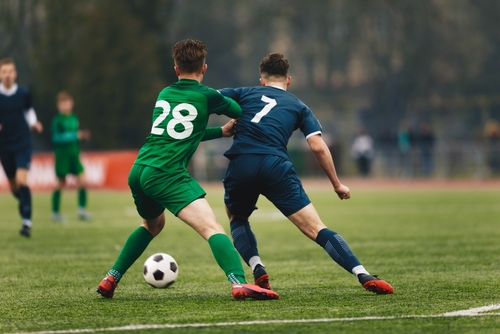
By the time association football arrived in the United States, America already had a popular sport it called football—what we now know as American football. Two different games couldn’t comfortably share one name.

To keep things clear, Americans used “soccer” for the kicking game and “football” for the gridiron version. The label stuck. Meanwhile, many other countries gradually settled on “football” as their sport grew in popularity. America simply kept the word that solved its naming problem.

Where Did the Word “Soccer” Come From?

Association Football vs. Rugby Football

In 19th-century Britain, “football” didn’t describe a single sport. Schools and clubs played several versions, each with its own rules. Some allowed handling the ball, others didn’t.

To bring order to the chaos, a group of clubs formed the Football Association in 1863 and standardized one set of rules. This version became known as “association football,” distinguishing it from rugby football and other codes.

How “Association” Became “Soccer”

The leap from “association” to “soccer” comes down to British university slang. Students at the time loved shortening words and tacking on an “-er” ending.

Here’s how it happened:

  • “Association” was shortened to “assoc”
  • “Assoc” was reworked into “soccer”
  • The same trend gave us “rugger” for rugby

So “soccer” was simply a playful nickname coined by British students—not an American invention.

Key takeaway: The word “soccer” was created in Britain, not the United States.
Why Didn’t America Switch to Calling It Football?

The Rise of American Football

American football grew out of rugby-style games in the late 1800s. As it gained fans, “football” in the United States increasingly meant this hard-hitting, gridiron sport.

By the early 1900s, the name “football” was firmly attached to the American game. There was little room left for another sport to claim the same word.

Avoiding Confusion

Calling the kicking game “soccer” kept the two sports clearly separate. Newspapers, schools, and broadcasters all adopted the term because it removed any guesswork.

The United States Soccer Federation, the sport’s national governing body, reinforced the name further. With official backing, “soccer” became the standard American term.

Did Britain Used to Call It Soccer Too?

Yes—For Many Decades

Here’s the twist most people miss. “Soccer” was a common, everyday word in Britain for much of the 20th century. British newspapers used it, broadcasters said it, and fans had no problem with it.

For decades, “soccer” and “football” lived side by side in Britain without much fuss.

Why Britain Eventually Preferred “Football”

So what changed? As the sport’s popularity soared, the British increasingly wanted to claim “football” as the name for their national game. “Soccer” began to feel like an unnecessary nickname.

Over time, “soccer” faded from everyday British speech. Today, many British fans view the word as distinctly American—unaware that their own country coined it.

Which Countries Still Call It Soccer?

The term remains common in places where another sport already holds the “football” title. Here are the main examples:

  • United States: Used to distinguish the sport from American football.
  • Canada: Separates it from Canadian football.
  • Australia: Helps differentiate it from Australian Rules Football and rugby codes.
  • New Zealand: Widely understood and used alongside “football.”
  • South Africa: Both terms may be heard, depending on the region and audience.
Why Different Countries Use Different Names

The pattern is clear: countries that already have a popular local football code tend to use “soccer” to avoid confusion. Where association football is the only major game in town, “football” usually wins.

This table shows how local sporting culture shapes the language:

Country Common Term for Soccer Competing Football Code
USA Soccer American Football
Canada Soccer Canadian Football
Australia Soccer/Football Australian Rules Football
Ireland Soccer Gaelic Football
England Football Association Football

Language adapts to the world around it. When a single word would create confusion, people naturally reach for a clearer alternative.

Common Myths About the Word “Soccer”

Myth #1: Americans Invented the Word

False. As we’ve seen, “soccer” originated in England as student slang for association football.

Myth #2: “Soccer” Is the Incorrect Name

Also false. Both “soccer” and “football” are historically legitimate names for the sport. Neither is a mistake.

Myth #3: Everyone Outside America Calls It Football

Not quite. Canada, Australia, New Zealand, and others regularly use “soccer” too. America is far from alone.

Soccer vs. Football: Which Term Is Correct?

Both terms are correct. The “right” word simply depends on where you are and the local sporting culture.

FIFA, the sport’s global governing body, uses “football” in its name. Yet national organizations like the United States Soccer Federation officially use “soccer.” Two legitimate words, shaped by geography rather than rules.

What This Naming Debate Really Tells Us

The next time someone teases Americans for saying “soccer,” you’ll know the full story. The word started in England, traveled across the Atlantic, and found a permanent home in countries that needed to separate it from their own football games.

Here’s the irony worth remembering: Americans are using a British nickname that Britain itself largely abandoned. Both names carry real historical weight, so there’s no single “correct” answer—just different choices shaped by local culture.

Want to settle the debate at your next watch party? Share this article and let the facts do the talking.
Key takeaways

  • The word “soccer” originated in England in the late 1800s, not the United States.
  • It came from “association football,” shortened to “assoc” and reworked into “soccer” using British student slang.
  • America kept “soccer” to avoid confusion with American football, its dominant football code.
  • Britain used “soccer” widely throughout the 20th century before shifting to “football.”
  • Canada, Australia, New Zealand, and others still use “soccer” because they have competing football codes.

Frequently Asked Questions (FAQ’s)

Why do Americans call football soccer?

Americans use “soccer” to distinguish the sport from American football, which became the dominant football code in the United States. With “football” already taken by the gridiron game, “soccer” provided a clear, separate name that newspapers, schools, and governing bodies adopted.

Did Americans invent the word soccer?

No. The word “soccer” originated in England as a nickname for association football. British university students created it by shortening “association” to “assoc” and adding an “-er” ending, the same way “rugby” became “rugger.”

When did the word soccer originate?

The term emerged in the late 19th century among British students and sports enthusiasts. It appeared after the Football Association standardized the rules of association football in 1863, giving the new sport a snappy nickname.

Do people in England ever say soccer?

Yes. While “football” is far more common today, “soccer” was widely used across England for much of the 20th century. The word still appears and is fully understood, even though many now see it as an Americanism.

Which countries call it soccer?

The United States, Canada, Australia, and New Zealand commonly use “soccer,” and the term is heard in parts of South Africa too. These countries typically have another popular football code, so “soccer” helps avoid confusion.

Is soccer the official name of the sport?

It depends on the country. Internationally, the sport is usually called football, as reflected in FIFA’s name. However, some national governing bodies, including the United States Soccer Federation, use “soccer” in their official titles.

Why is football called football if American football players mostly use their hands?

The term “football” historically referred to games played on foot rather than on horseback. It described a category of folk games long before modern rules existed, so the name predates today’s distinctions between codes.

What was soccer originally called?

The sport’s formal name was association football. This title distinguished it from rugby football and other football codes played in 19th-century Britain, and it’s the source of the nickname “soccer.”


Quick Answer: Benkei’s Spear (Benkei no Naginata) is a 90–95 kg (195–211 lb) iron staff displayed at Kiyomizu-dera Temple in Kyoto, Japan. Rooted in the legend of warrior monk Musashibō Benkei, the staff has become a viral attraction where visitors test their strength and, according to folklore, invite good fortune by lifting it.

If you’ve recently scrolled through TikTok or Instagram, chances are you’ve seen someone red-faced and straining to hoist what looks like an enormous metal pole at a Japanese temple. The reactions are priceless—shock, laughter, and the occasional triumphant roar. But the object in those videos is far more interesting than it might first appear.

The staff is known as Benkei no Naginata, or the Spear of Benkei. It sits at Kiyomizu-dera Temple, one of Japan’s most visited and celebrated landmarks in Kyoto. And while the internet loves it for the spectacle, there’s a rich layer of folklore and cultural meaning beneath the challenge.

This post covers everything you need to know: what the staff is, where it came from, who Benkei was, and why millions of visitors line up to test their strength against a lump of iron that almost certainly wins.

What Is the Viral 200-Pound Pole in Japan?

It’s Actually Benkei’s Spear.

The object going viral is officially called Benkei no Naginata—translated loosely as the Spear (or Halberd) of Benkei. It’s a large, solid iron staff on display at Kiyomizu-dera Temple in Kyoto. Despite the name “naginata” (which traditionally refers to a pole weapon with a curved blade), the version displayed at the temple is more of a blunt iron staff—a weapon fit for a warrior of legendary proportions.

The staff is one of several oversized artifacts at the temple, but it’s by far the most famous. Visitors encounter it as part of the broader temple experience, and the tradition of attempting to lift it has been passed down through generations of tourists and pilgrims alike.

How Heavy Is Benkei’s Spear?

Benkei’s Spear weighs approximately 90–95 kilograms, or roughly 195–211 pounds. That’s roughly the weight of an average adult human being, concentrated into a single iron object with an awkward shape and very little to grip onto.

Most visitors—even those who consider themselves reasonably fit—are genuinely surprised by how immovable it feels. The combination of sheer mass and poor leverage makes it far more challenging than lifting the equivalent weight at a gym. Deadlifting 200 pounds on a barbell is a very different proposition from wrenching an iron staff off the ground one-handed.

Where Is Benkei’s Spear Located?

Kiyomizu-dera Temple in Kyoto, Japan

Kiyomizu-dera is one of the most iconic temples in Japan. Founded in 778 CE and rebuilt in its current form in 1633, the temple sits on the wooded slopes of Mount Otowa in eastern Kyoto. It was designated a UNESCO World Heritage Site in 1994 as part of the Historic Monuments of Ancient Kyoto collection.

The temple draws over 10 million visitors annually. Its famous wooden stage—built without a single nail, extending 13 meters over the hillside—offers sweeping views of Kyoto and remains one of the most photographed spots in the country. Visitors come for the scenery, the waterfalls of Otowa-no-taki below, and the spiritual significance of the site, which is dedicated to Kannon, the Buddhist goddess of mercy.

Where Do Visitors Find the Spear?

Benkei’s Spear is displayed within the temple grounds alongside other oversized iron artifacts, including a large iron sandal (Benkei’s Waraji). These objects are presented as relics associated with the legendary warrior monk, and together they form a small but highly engaging attraction.

The staff’s location makes it easy to encounter on a standard walk through the temple. There are no special tickets required—it’s simply there, waiting, as if daring you to try.

Who Was Benkei?

The Legendary Warrior Monk.

Musashibō Benkei was a real historical figure—a sōhei, or warrior monk, who lived during Japan’s late Heian period (around 1155–1189 CE). He is one of the most celebrated figures in Japanese folklore, remembered as much for his extraordinary loyalty as for his fearsome strength.

According to legend, Benkei stood over two meters tall and possessed physical strength far beyond any ordinary man. Stories describe him collecting 999 swords from warriors he defeated in combat, waiting at Gojō Bridge in Kyoto to challenge anyone who crossed. He was only ever defeated by one man: the samurai Minamoto no Yoshitsune, who outmaneuvered him with speed and agility. Humbled by the loss, Benkei pledged his life to Yoshitsune and became his most devoted retainer.

Their relationship became one of the most beloved stories in Japanese culture—a bond between a gentle but brilliant commander and his immovable, fiercely loyal protector.

Kunisada (Toyokuni III), Public domain, via Wikimedia Commons

Why Is the Spear Associated With Benkei?

The iron staff at Kiyomizu-dera is attributed to Benkei as a symbol of his legendary physical power. The logic is straightforward: if Benkei could wield a 200-pound iron staff with ease, trying to lift it yourself is an instant, humbling way to appreciate just how extraordinary that strength would have been.

The object functions as a tangible link between temple visitors and a figure from Japanese history and mythology. It transforms a story into an experience—which is precisely why it resonates so strongly.

The Challenge: Can You Lift Benkei’s Spear?

The challenge is simple. You approach the staff, grip it—usually with one or both hands—and attempt to lift it off the ground. No rules, no official competition, no score. Just you and 200 pounds of iron.

First-time visitors frequently underestimate it. Many approach casually, give it a tug, and immediately reassess their opinion of their own strength. The more determined ones plant their feet, bend their knees, and commit to a genuine attempt. Even then, fully lifting the staff is rare. Most people manage a slight shift or raise one end—enough to claim a partial victory.

Why Is the Spear Harder to Lift Than Expected?

Several factors make Benkei’s Spear significantly harder than lifting the equivalent weight in a conventional gym setting:

  • Weight distribution: The iron is unevenly distributed, making balance difficult.
  • Grip: There’s no convenient handle or bar. The smooth, cylindrical shaft offers minimal traction.
  • Length: A longer object creates more leverage resistance, demanding far more force to raise even one end.
  • Functional vs. trained strength: Gym exercises train specific movement patterns. Wrenching an unfamiliar object off the ground engages different muscles and coordination, often exposing gaps in functional strength.

The combination makes the challenge feel almost physics-defying—which is exactly what makes the videos so watchable.

What Is the Folklore Surrounding Benkei’s Spear?

According to Japanese folklore connected to the Kiyomizu-dera artifacts, successfully lifting Benkei’s Spear is said to bring prosperity and good fortune to the person who achieves it. The belief ties into a broader Japanese tradition of physical challenges at temples and shrines serving as acts of devotion or spiritual merit.

This folk belief transforms the challenge from pure spectacle into something more meaningful. Visitors aren’t just testing their muscles—they’re participating in a centuries-old tradition where strength is equated with perseverance, will, and the favor of fortune.

What Does the Challenge Symbolize?

On a symbolic level, the challenge connects visitors to Benkei’s defining qualities: strength, determination, and loyalty. Even those who fail—and most do—leave with an appreciation for what the legend represents.

There’s something quietly powerful about that dynamic. Failing to lift a piece of iron at a Buddhist temple in Kyoto is, in its own way, a meaningful experience. It places you in a long line of humans who tried and fell short, humbled by the same object that supposedly posed no challenge at all to a warrior monk from 12th-century Japan.

Why Did Benkei’s Spear Go Viral?

Several elements combine to make this attraction irresistible for social media:

  • Unexpected difficulty: The gap between expectation and reality is immediate and visceral.
  • Genuine reactions: You can’t fake the surprise of discovering you can’t budge something that looked manageable.
  • Friendly competition: Groups of friends and families challenge each other, creating natural, shareable moments.
  • Visual simplicity: No explanation needed—the struggle is self-evident on camera.

TikTok and Instagram have amplified the challenge dramatically in recent years, introducing Kiyomizu-dera to audiences who might never have sought out a Kyoto temple on their own.

Is Benkei’s Spear Challenge More Than Just a Social Media Trend?

The viral attention has actually deepened interest in the cultural story behind the challenge. Many visitors who discover the staff through social media go on to research Benkei, explore the temple, and engage with Japanese history in ways they hadn’t anticipated.

That’s the real value of the attraction: it uses a physical challenge to open a door into Japanese folklore, Buddhist tradition, and the history of Kyoto. It’s participatory, inclusive, and genuinely educational—even when it looks like nothing more than a group of tourists straining over a lump of iron.

Visiting Kiyomizu-dera Temple

What Are the Best Times to Visit Kiyomizu-dera?

Kiyomizu-dera is beautiful year-round, but certain seasons are particularly spectacular:

  • Spring (late March–April): Cherry blossoms frame the temple and surrounding hillside. This is peak season, so expect large crowds.
  • Autumn (November): Vivid red and orange foliage transforms the landscape. Another busy but rewarding time to visit.
  • Summer: Lush and green, with evening illumination events on select nights.
  • Winter: Quiet, atmospheric, and occasionally dusted with snow—one of the least crowded times to visit.

For a calmer experience, arrive early in the morning (the temple opens at 6:00 AM) or visit on weekdays. Weekends and public holidays bring significantly larger crowds.

What Else Should You See at Kiyomizu-dera?

Benkei’s Spear is just one reason to visit. The temple offers plenty more:

  • The Main Hall and wooden stage: The architectural centerpiece of the temple, offering panoramic views of Kyoto.
  • Otowa-no-taki waterfall: Three streams below the main hall, each said to grant a different wish—longevity, success in studies, and fortunate love.
  • Jishu Shrine: A small shrine on the temple grounds dedicated to the deity of love and matchmaking.
  • Sannenzaka and Ninenzaka: The stone-paved historic streets leading up to the temple are lined with traditional shops, teahouses, and restaurants—well worth the walk.

Kiyomizu-dera is accessible by bus from central Kyoto, and the surrounding Higashiyama district makes for a full day of exploration.

Benkei’s Spear Is Worth the Trip

The Spear of Benkei is one of those rare travel experiences that delivers on multiple levels. It’s a genuine test of strength, an entry point into Japanese folklore, and a window into the history of one of Japan’s most beautiful temples. The viral videos capture the effort—but they can’t fully capture the context.

Benkei was loyal unto death. His legend has endured for nearly a thousand years. And the iron staff bearing his name has turned a quiet corner of a UNESCO World Heritage site into one of the most unexpectedly compelling stops on any Kyoto itinerary.

Next time you see someone straining over that staff in a TikTok video, you’ll know exactly who they’re competing against—and why they almost certainly lost.

Think you’d be the one to lift it?

Frequently Asked Questions (FAQs)

What is the viral 200-pound pole in Japan?

The viral 200-pound pole is Benkei’s Spear (Benkei no Naginata), a solid iron staff displayed at Kiyomizu-dera Temple in Kyoto, Japan. It is associated with the legendary warrior monk Musashibō Benkei and has become a popular challenge for visitors, who attempt to lift it for good fortune and social media content.

How much does Benkei’s Spear weigh?

Benkei’s Spear weighs approximately 90–95 kilograms, or between 195 and 211 pounds. Its weight, combined with an awkward shape and limited grip, makes it significantly harder to lift than the equivalent weight on a gym barbell.

Where is Benkei’s Spear located?

Benkei’s Spear is located at Kiyomizu-dera Temple on the slopes of Mount Otowa in the Higashiyama district of Kyoto, Japan. It is displayed within the temple grounds alongside other oversized artifacts associated with Benkei, including a large iron sandal.

Who was Benkei?

Musashibō Benkei was a real warrior monk who lived in 12th-century Japan, during the late Heian period. He is celebrated in Japanese folklore for his immense strength and absolute loyalty to the samurai Minamoto no Yoshitsune. Benkei is one of the most iconic figures in Japanese cultural history.

What happens if you successfully lift Benkei’s Spear?

According to Japanese folklore connected to the Kiyomizu-dera artifacts, successfully lifting Benkei’s Spear is said to bring prosperity and good fortune. The belief is rooted in a broader tradition of physical challenges at Japanese temples serving as acts of devotion or spiritual merit.

Can anyone try lifting Benkei’s Spear?

Yes. The spear is openly accessible to visitors within the temple grounds and requires no special ticket or registration. Anyone visiting Kiyomizu-dera can attempt the challenge as part of a standard visit to the temple.

Quick answer: The week of June 8–14, 2026 includes World Oceans Day,  the Feast of St. Anthony Padua, Flag Day, World Blood Donor Day, and more.

June’s second full week is packed. Environmental campaigns, cultural commemorations, and religious celebrations all fall within a single seven-day span. Some of these dates are recognized by the United Nations. Others are specific to countries, states, or faith communities.

This guide covers every key observance from June 8 through June 14, 2026—why each one matters, how people typically participate, and what themes connect them. Whether you’re planning social media content, organizing a community event, or simply want to stay informed, here’s what to know.

Monday June 8, 2026

World Oceans Day

World Oceans Day raises awareness about ocean conservation, marine ecosystems, pollution, overfishing, and climate change.

  • Join a beach or shoreline cleanup
  • Reduce single-use plastics
  • Support ocean conservation groups
  • Share educational content about marine life

Monday June 8, 2026

National Best Friends Day

National Best Friends Day is an informal U.S. observance celebrating friendship and meaningful relationships.

Tuesday June 9, 2026

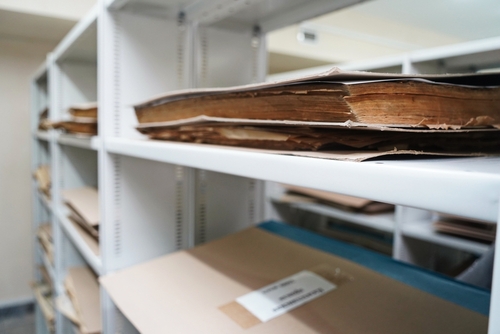
International Archives Day

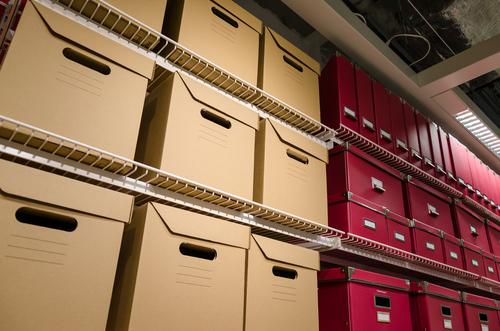
International Archives Day honors archivists and highlights the importance of preserving historical records, documents, photographs, and cultural memory.

Thursday June 11, 2026

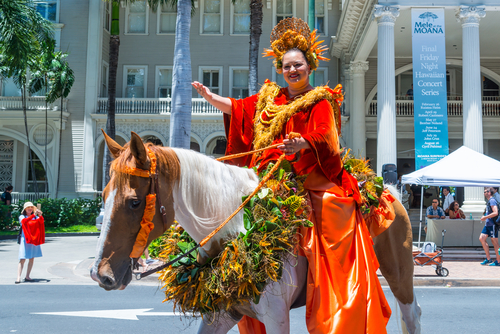
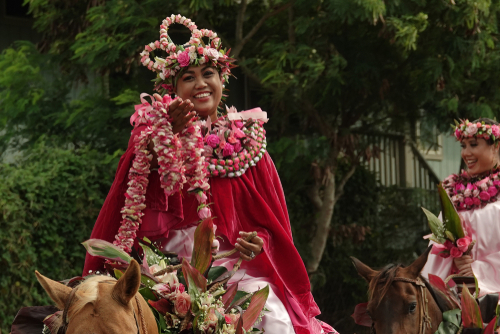
Kamehameha Day

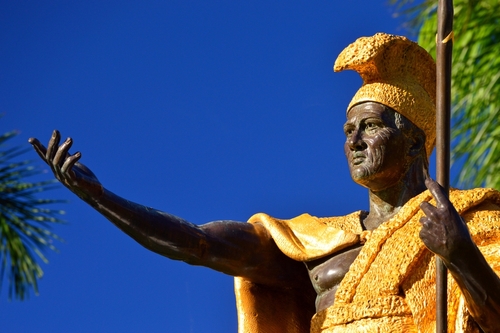
Kamehameha Day is a Hawaii state holiday honoring King Kamehameha I and celebrating Hawaiian culture, history, and heritage.

  • Floral ceremonies
  • Lei draping rituals
  • Cultural performances
  • Community gatherings

Saturday June 13, 2026

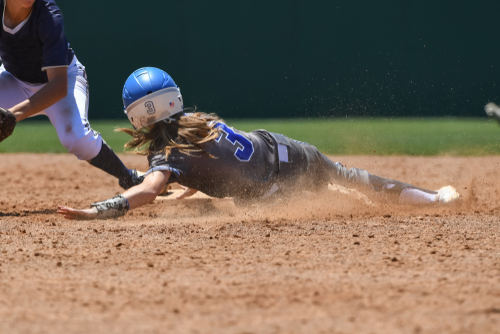
World Softball Day

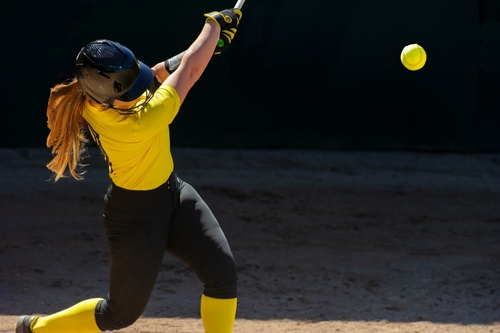
World Softball Day celebrates softball’s global reach, youth participation, recreational leagues, and community impact.

Sunday June 14, 2026

Flag Day

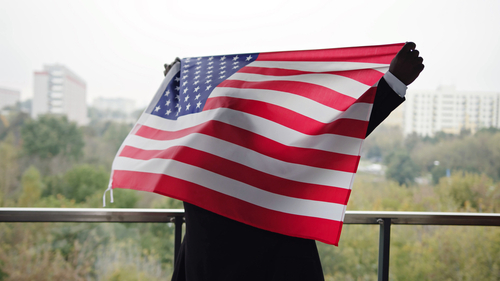
Flag Day is observed in the United States every year on June 14. It commemorates the adoption of the American flag on June 14, 1777.

  • Flag ceremonies
  • Patriotic events
  • Educational programs

Sunday June 14, 2026

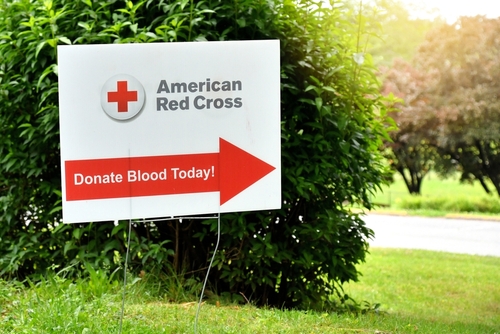
World Blood Donor Day

World Blood Donor Day recognizes voluntary blood donors and encourages more people to donate blood.

  • Donate blood
  • Promote a local blood drive
  • Share donation eligibility information
  • Thank blood donors in your community

Religious Observances This Week

Saturday June 13, 2026

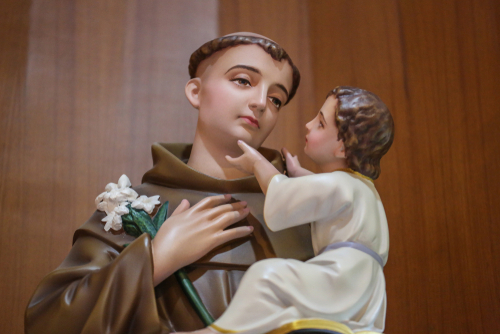
Feast of St. Anthony of Padua

The Feast of St. Anthony of Padua on June 13 honors one of the Catholic Church’s most beloved saints. He is known as the patron saint of lost items and the poor.

  • The day is observed with church services, processions, and acts of charity.
  • A common tradition is the blessing of bread, which symbolizes St. Anthony’s commitment to feeding the hungry.

Independence and National Days This Week

Wednesday June 10, 2026

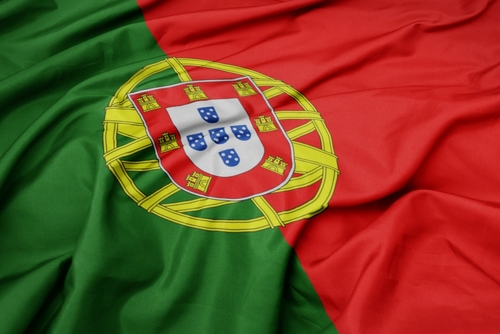
Portugal National Day

Portugal National Day, or Dia de Portugal, is celebrated annually on June 10. This day honors the death of national poet Luís de Camões and reflects on Portuguese heritage and culture.

  • It is a national holiday celebrating Portuguese history and achievements.
  • Festivities include parades, cultural performances, and community gatherings.
  • Portuguese communities worldwide also mark the occasion, creating a unifying event for the nation and its diaspora.

Friday June 12, 2026

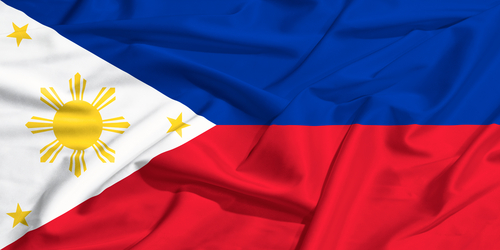
Philippines Independence Day

Philippines Independence Day is celebrated on June 12 each year to mark the country’s independence from Spanish rule in 1898.

  • It is a day of patriotism, reflecting on the sacrifices made for freedom.
  • Celebrations include flag-raising ceremonies, parades, and cultural performances.
  • Filipinos worldwide observe the day, fostering a sense of unity and heritage.

Themes for the Week

  • Environmental stewardship: World Oceans Day
  • Heritage and identity: Kamehameha Day and Flag Day
  • Community and service: World Blood Donor Day and National Best Friends Day

Frequently Asked Questions

What is the most widely recognized international observance during June 8–14, 2026?

World Oceans Day on June 8 and World Blood Donor Day on June 14 are among the most widely recognized global observances this week.

What U.S. holidays or observances fall during June 8–14, 2026?

Flag Day is observed nationwide on June 14. Kamehameha Day is a Hawaii state holiday on June 11. National Best Friends Day are also observed during this week.

Are there religious observances during this week?

Yes. The Feast of St. Anthony Padua occurs this week.

Conclusion

The week of June 8–14, 2026 offers opportunities to learn, reflect, volunteer, and celebrate. From World Oceans Day to Flag Day and World Blood Donor Day, these observances highlight the importance of caring for people, communities, culture, and the planet.

Key Highlights

  • Brazilian Portuguese has vowel and consonant sounds that are not the same as European Portuguese.
  • It is important to learn nasal vowels if you want to get good at Brazilian Portuguese pronunciation.
  • How you say letters like ‘r’, ‘d’, and ‘t’ can be very different, based on where they appear in a word.
  • Regional accents in Brazil give the language many ways to sound.
  • To sound more like a local while language learning, you need to get stress and intonation right.
  • This guide shows you the main parts of brazilian portuguese pronunciation, so you can feel sure when you speak.

Introduction

Welcome to the colorful world of Brazilian Portuguese sounds! This guide will help you understand how to say words in the Portuguese language. Whether you are new or want to get better at speaking, knowing how sounds work is a big part of learning. Saying words the right way can make you feel more sure of yourself. It also helps you talk with native speakers. Let’s look at the sound and special things that make the Portuguese language in Brazil unique and musical.

Overview of Brazilian Portuguese Phonology

The way Brazilian Portuguese sounds makes the language feel lively and smooth. The sounds of the language help people use words and share ideas. This includes the ways vowels and consonants are used and mixed together.

The dialects of Brazilian Portuguese have things about them that make each one different, but there is a main sound system. Knowing the basics helps with the whole language. We will see what the word “phonology” means here. We will talk about how it is not the same as the European kind, and find out why the way you say words is important for anyone learning it.

Defining Phonology in the Context of Brazilian Portuguese

Phonology is the study of sound patterns in a language. In Brazilian Portuguese, it looks at the sounds used in the language and the rules for how they fit together. It covers not only each sound on its own but also how sounds mix, shift, and shape the flow of spoken Brazilian Portuguese.

Phonology studies everything from the basic vowel and consonant sounds to more detailed things such as stress, pitch, and nasal sounds. For example, when kids start to speak, there is a set way they learn these sounds. They often get easy sounds like /p/, /b/, and /m/ before they learn harder ones like /r/ and consonant clusters.

In the end, phonology helps us understand the way people speak and hear the Portuguese language in Brazil. It shows why we say words the way we do and how small sound changes can give words a new meaning.

Main Differences from European Portuguese Phonology

Brazilian Portuguese and European Portuguese both come from the same root, but they sound very different. This is mainly because of the way people in each country speak the vowels. In Brazilian Portuguese, the vowels are more open, and people say them more clearly. In European Portuguese, people often make the unstressed vowels softer or even leave them out.

These changes in sound give each type a different beat and feel when you listen to them. Portuguese speakers can tell right away if someone is from Brazil or Portugal, even if most of the words are the same. The way a word sounds tells them where people come from.

Here are some main ways they differ:

  • Vowel Pronunciation: Brazilian Portuguese uses open vowels, while European Portuguese softens or drops vowels that are not stressed.
  • Consonant Sounds: In Brazil, if a ‘d’ or ‘t’ comes before ‘i’, or before an unstressed ‘e’ that sounds like ‘i’, it changes. The ‘d’ can sound like the ‘j’ in “judge,” and the ‘t’ like the ‘ch’ in “cheese.” This does not happen in Portugal.
  • Rhythm: Spoken Brazilian Portuguese has a beat that is more like a song, with each part sounding even. European Portuguese uses stress to set the beat, so it does not sound as smooth.

Portuguese speakers pay close attention to these details. They notice things like open vowels, unstressed vowels,

Importance of Pronunciation for Learners

Why is it important to focus so much on pronunciation? When you start language learning, saying the sounds the right way matters just as much as knowing grammar and new words. Good pronunciation helps native speakers understand you. It keeps you from having problems in talk with them that can happen when you miss one sound.

If you work on your pronunciation from day one, you give yourself a strong base in the portuguese language. Your mouth gets used to saying the new sounds. Your ear learns to pick up these sounds too. This is a good way to get better at talking and listening, which can make all your talks feel easy and real.

In the end, speaking with clear pronunciation shows you respect the portuguese language and the people who use it. It proves you try to do more than just learn words — you also try to get the right beat and way it should sound. Taking steps to say things right can help you feel close to others and make your year of learning richer.

Historical and Linguistic Development

The sounds of brazilian portuguese did not come out of nowhere. It changed because of its long history and many different cultures touching it. It started with old portuguese, then grew and changed a lot in brazil.

Indigenous languages in brazil and african languages from enslaved people played a big part in this change. They brought new sounds and rhythms. This made brazilian portuguese different from how portuguese sounds in europe. We will look at these big changes and see how they made the way the language sounds now.

Influence of Indigenous Languages and Other Sources

When the Portuguese came to Brazil, they found a place full of different cultures and languages. Their meetings with people living along coastal Brazil started to change the language. The languages spoken by native people added new words, mostly for plants and animals found there, and even changed how Brazilian Portuguese sounds when spoken.

Later, many Africans were brought to Brazil because of the transatlantic slave trade. This brought another big change. African languages brought new ways of speaking, sounds, and added more words to the language. This made the way people in Brazil speak sound a bit like music.

Over time, people took sounds and speaking styles from each other and mixed them into one new way of talking. The mix of Portuguese, Indigenous, and African languages is what makes brazilian portuguese so unique today.

Evolution from European Portuguese

The story of brazilian portuguese and european portuguese starts with old portuguese. They both came from the same roots. After the 16th century, the languages started to sound different. Spoken brazilian portuguese changed in its own way because of how people and culture grew in Brazil. Brazil kept some old features from portuguese that were lost in Europe.

For example, people in Brazil say unstressed vowels in a way that sounds clearer and more open. This is seen as an older style, left over from the past. On the other hand, european portuguese changed more, and many unstressed vowels were cut or dropped. This made european portuguese sound quicker with a stress-timed rhythm.

Because of these changes, brazilian portuguese and european portuguese now sound very different when spoken. The written language stayed close. But spoken brazilian portuguese built its own style. It keeps some old ways and adds new sounds and rhythms because of life in Brazil.

Borrowed Sounds and Loanwords

Brazilian Portuguese, like any other living language, has many words and sounds borrowed from other places. These come from different cultures and show how Brazil connects with the rest of the world. In the beginning, there were words from Indigenous and African languages. Now, English adds many new words to Brazilian Portuguese.

You can spot this everywhere. It shows up in technology, business, and pop culture. Most of the time, words get changed to sound right in Brazilian Portuguese, but sometimes, they bring in new ways to say things and new spellings. This mixing of languages is easy to see in Brazilian media and modern Portuguese literature.

Here are some examples of loanwords:

  • From English: futebol (football/soccer), shampoo, deletar (to delete)
  • From French: abajur (lampshade), sutiã (bra)
  • From Indigenous Tupi: abacaxi (pineapple), pipoca (popcorn)

Sound Inventory of Brazilian Portuguese

To really know how brazilian portuguese sounds work, we have to look at all its different sounds. This means thinking about every vowel and consonant that people use to shape words. The language has many oral vowels and nasal vowels, along with lots of different consonants.

Some sounds will be close to what english speakers know, but some are not like anything in english. We will go over the vowels, consonants, and semi-vowels in spoken brazilian portuguese. This will help you see what the sound system looks like.

Complete Inventory of Vowel Sounds

Brazilian Portuguese has a rich system of vowel sounds, divided into two main categories: oral vowels and nasal vowels. There are seven basic oral vowels, which are produced with air passing only through the mouth. These range from high vowels like [i] and [u] to open vowels like [a]. The pronunciation is generally more open and clear compared to European Portuguese.

In addition, the language features five nasal vowels, which are a key characteristic of its sound. These are produced by allowing air to pass through both the mouth and the nose, giving them a distinct resonant quality. Mastering these nasal sounds is essential for authentic pronunciation.

Here is a table of the basic oral vowel sounds:

Phonetic Symbol Spelling Example English Approximation
[a] casa (house) father
[ɛ] pé (foot) bet
[e] mês (month) résumé
[i] si (yes) machine
[ɔ] só (only) law
[o] pôr (to put) open
[u] tu (you) too

Complete Inventory of Consonant Sounds

The consonant sounds in Brazilian Portuguese have both the sounds you will know and some that will be new if you speak English. Sounds like [p], [b], [m], [f], and [v] are said in the same way as in English. But there are a few parts that are different, and you need to know them.

One of the big differences in brazilian portuguese is the use of affricates. In many places in Brazil, when you see the letters ‘t’ and ‘d’ before the vowel [i], they are said as [tʃ] (like the ‘ch’ in ‘cheese’) and [dʒ] (like the ‘j’ in ‘judge’). Another sound you will hear is the palatal nasal [ɲ]. People spell it ‘nh’, and it sounds close to the ‘ni’ in the word ‘onion’.

There are other sounds you might hear a lot. One is the voiceless fricative [ʃ], which sounds like the ‘sh’ in ‘shoe’, and you will often see it written as ‘ch’ or ‘x’. The voiced consonant sound [ʒ] is also important—it is like the ‘s’ in ‘treasure’, and you will see it as ‘j’ or ‘g’. If you want to say words well in brazilian portuguese, it helps a lot to know these sounds and how to use them.

Semi-vowels and Glides

In spoken Brazilian Portuguese, semi-vowels are important for making diphthongs and triphthongs. These sounds are a lot like vowels, but the way they work in a word is more like a consonant. There are two main semi-vowels in Brazilian Portuguese. They are [j], which sounds like ‘y’ in ‘yes’, and [w], which sounds like ‘w’ in ‘we’.

Semi-vowels do not stand alone as the main sound in a syllable. They always show up with a vowel. For example, in the word pai (father), the ‘i’ is a glide [j] after the vowel ‘a’. In mau (bad), the ‘u’ is a glide [w].

Spoken Brazilian Portuguese also has a special way to say the letter ‘l’ at the end of a syllable. In this spot, it is spoken as the semi-vowel [w]. The word Brasil comes out as “Bra-ziw,” and sol (sun) sounds like “sow.” This sound is one big thing that makes the Brazilian accent stand out.

brazilian portuguese
spoken brazilian portuguese

Vowel System in Brazilian Portuguese

The sound of Brazilian Portuguese comes from its vowel system. This system is strong and has more features than in many other languages. What makes it special are the oral and nasal vowels. Understanding these vowels is key if you want your accent to sound real.

We will talk about oral vowels first. These are made when air moves through the mouth. Then, we will talk about nasal vowels, which have their own way of being made. We will also check how vowels join together to make diphthongs and triphthongs. This helps make the brazilian portuguese language sound smooth and flowing.

Oral Vowels – Characteristics and Pronunciation

The oral vowels in Brazilian Portuguese are the base of its vowel system. There are seven main sounds: [a], [ɛ], [e], [i], [ɔ], [o], and [u]. How you say these sounds often depends on if the syllable is stressed or not. When a syllable is stressed, you say the vowel clearly and in full.

Telling the difference between open vowels like [ɛ], [ɔ], [a] and closed vowels like [e], [o] is very important. For example, the ‘e’ sound in (foot) is an open [ɛ], but the ‘e’ in mês (month) is a closed [e]. This small change can shift the meaning of a word, so you need to pay attention to it.

Unlike in European Portuguese, the vowels in Brazilian Portuguese stay clear, even if they are not stressed. This helps give Brazilian Portuguese its special and clear sound. Because of this, it is a bit easier for people to learn the right vowel sounds, compared to other types of Portuguese where vowels often get less clear.

brazilian portuguese, european portuguese, open vowels, stressed syllable

Nasal Vowels – Formation and Usage

Nasal vowels can be heard a lot in spoken Brazilian Portuguese. For many people learning the language, these sounds can be hard to get right. You make them by lowering your soft palate. This lets air move through both your nose and your mouth at the same time. That is how you get the “nasal” sound. There are five nasal vowels in Brazilian Portuguese: [ɐ̃], [ẽ], [ĩ], [õ], and [ũ].

In writing, people show nasalization in two ways. One way is putting a tilde (~) above the vowel, like in mãe or pão. Another way is adding an ‘m’ or an ‘n’ after the vowel, like in canto or tempo. You should know that when you see ‘m’ or ‘n’ after the vowel, you don’t say them fully as you would in English. The letter is only there to show that the vowel before it should be nasal. This is sometimes called a nasal archiphoneme.

You need to not add a nasal consonant sound the way you do in English. For example, in the word bem (well), you do not close your lips to say the ‘m’ like you do in English. The ‘m’ is just telling you to pronounce the ‘e’ in a nasal way. When you learn and use this idea in your speech, your brazilian portuguese pronunciation will start to sound more real

Diphthongs and Triphthongs

The Brazilian Portuguese vowel system has more than just single vowels. It also has diphthongs and triphthongs. A diphthong mixes two vowel sounds in the same syllable. This means there is a main vowel and a glide, which is like a semi-vowel. For example, in pai (father), ‘a’ is the vowel and ‘i’ is the glide. In céu (sky), ‘é’ is the vowel and ‘u’ is the glide.

These combinations can be oral or nasal. Nasal diphthongs are a big part of brazilian portuguese. In words like mãe (mother) or pão (bread), the nasal sound is on the whole diphthong. This gives brazilian portuguese some of its special sound.

Triphthongs are not as common. They happen when you have three sounds in one syllable. Most times, you have a glide, then a vowel, then another glide. For example, in Uruguai, the ‘u-a-i’ make a triphthong. These vowel mixes help give brazilian portuguese its smooth, flowing rhythm.

Vowel Variation and Reduction

While Brazilian Portuguese has clear vowels, unstressed vowels can still get shorter or less clear. This is more common in fast or everyday speech. It happens because the Portuguese language changes vowel sounds when they are not stressed. But this does not always happen the same way everywhere.

Vowel reduction in Brazilian Portuguese is softer than in European Portuguese. Still, you need to know how and when it takes place. This helps you understand fast speech and also makes your words sound natural. In this text, we will talk about how unstressed vowels change, compare these changes to other types of Portuguese, and see how regional variations affect the way people speak.

Vowel Reduction in Unstressed Syllables

In Brazilian Portuguese, vowel reduction mainly happens with vowels that are not stressed, especially at the end of a word. When a vowel is stressed, it is always said clearly. But when a vowel is not stressed, its sound can change, and it may sound “weaker” or more in the middle. This is a big part of how people really speak when talking fast or smooth.

The letters ‘e’ and ‘o’ at the end of a word are the most common to show this. At the end, if ‘e’ is not stressed, it usually sounds like [i], as in “machine.” If ‘o’ is not stressed and comes at the very end, it sounds like [u], like in “too.” For example, the word gente (people) is said as “gen-chi,” and gato (cat) is said as “ga-tu” in Brazilian Portuguese.

This type of vowel change happens in a way you can count on, and it is an important part of how Brazilian Portuguese sounds. It is not the same as in European Portuguese. In European Portuguese, unstressed vowels at the end of a word often drop out completely. Also, sometimes in Brazil, an extra vowel, called an epenthetic vowel, is put between consonants to make it easier to say, which is the opposite of dropping a vowel.

brazilian portuguese, european portuguese, end of a word, unstressed vowels,

Comparison to Other Portuguese Variants

When you look at vowel reduction, you will really notice a big difference between spoken Brazilian Portuguese and the other types, mainly European Portuguese. How each one handles unstressed vowels is one of the key differences between the two main dialects.

In European Portuguese, the reduction of vowels is much stronger. When people talk fast, they often make unstressed vowels very soft or even leave them out. This gives European Portuguese its unique rhythm and is one reason people who are learning it can have a hard time picking out words.

Here’s a quick comparison:

  • Brazilian Portuguese: Unstressed final ‘e’ and ‘o’ get pronounced closer to [i] and [u]. The vowels are usually clear so you can hear them well.
  • European Portuguese: Unstressed vowels often turn into a flat sound, kind of like “uh” (schwa), or may not be said at all, especially if they are between consonants.
  • The word felicidade (happiness) in Brazilian Portuguese ends with a clear [i] sound. In European Portuguese, that final ‘e’ might barely be heard, or it can be missing. This shows that Brazilian Portuguese is more musical and has more clear vowels.

brazilian portuguese, european portuguese, unstressed vowels, spoken brazilian portuguese

Regional Variations in Vowel Pronunciation

Brazil is a big country, and there are many regional variations in the way people say their vowels. The rules about vowel reduction can be found in most places, but the exact vowel sound can change from one area to another. This change is part of what makes brazilian dialects so different.

For example, in the Northeast of Brazil, open vowels like [ɛ] and [ɔ] are often heard, even when other dialects in Brazil use a more closed vowel. In the South, some dialects have a more “singsong” tone, and this changes how long and how sharp the vowels sound.

These regional variations make each accent stand out. The way people talk in rio de janeiro is not the same as how people speak in São Paulo. Bahia also has its own special accent. Regional variations in vowel pronunciation let you hear many unique voices in brazilian dialects. It makes listening to brazilians speak a good and interesting experience.

Consonant System in Brazilian Portuguese

The consonant system in Brazilian Portuguese is close to English in some ways. Still, there are sounds in it that stand out. To speak well, people learning the language should understand these special sounds. The way some consonants are said can change a lot. It depends on where they are in the word, or what sounds are near them.

When you speak Brazilian Portuguese, you will notice that ‘t’ and ‘d’ can turn into different sounds called affricates. The letter ‘r’ can also sound many ways. The consonants help give Brazilian Portuguese its style. We will look at the most often used consonant sounds, the hard-to-catch rhotic sounds, and the sibilant sounds that are important to learn for Brazilian Portuguese.

Common Consonant Sounds for Learners

If you are just starting to learn a new language, it’s a good idea to work on a few key consonant sounds. Some consonants in this language, like /p/, /b/, /f/, and /v/, are said in almost the same way as in English. Because of this, they are not hard to get used to. But there are also a few that you have to listen to with more care.

One main thing to think about is that. Sometimes the letters change how they sound depending on where they appear in the word. For example, the letter ‘s’ can sound like a voiced consonant, or it can be voiceless. If you want to speak in a clear way, you really need to learn these rules.

There are some important consonants you should practice:

  • The affricates [tʃ] and [dʒ]: These sounds show up when you see ‘t’ and ‘d’ before ‘i’ or at the end when there is a silent ‘e’. They will sound like ‘ch’ in “cheese” or ‘j’ in “judge.” So, in the word dia (day), you say “jee-ah.”
  • The palatal nasal [ɲ]: This sound is made when you see ‘nh’. It is like saying ‘ni’ in “onion.” The word minha means “my.”
  • **The palatal fricatives [

The Role of Rhotics: Pronouncing /r/ and /ɾ/

The way you say the letter ‘r’ in Brazilian Portuguese is not the same everywhere. How you say it can change a lot from place to place. The sound also depends on where the ‘r’ is in a word and the way the speaker talks. There is no one right way to say the ‘r’.

If you see a single ‘r’ between two vowels, you should say it as a quick tap. This is called a flap, or /ɾ/. It is like the ‘t’ in the word “water” when spoken in American English. For example, the ‘r’ in caro (expensive) sounds like this quick tap.

But, if the ‘r’ is at the start of a word, is doubled as ‘rr’, or comes at the end of a part of a word, it sounds much stronger. In many parts of Brazil, like Rio de Janeiro, this is a sort of voiceless fricative, which is a sound like the ‘h’ in “hat.” In other areas, it might be an alveolar trill, which is when you roll your ‘r’. If the ‘r’ comes at the very end of a word (final position), how it sounds can change too. It might sound like a voiceless fricative, a rolled ‘r’, or sometimes you will not hear it at all in easy going speech. This depends on which dialect people use.

brazilian portuguese

Sibilants and Affricates

Sibilants are sounds like ‘s’ and ‘z,’ and they play an important role in Brazilian Portuguese. The letter ‘s’ at the start of a word, or when you see it doubled as ‘ss,’ is a voiceless fricative [s]. This is just like the ‘s’ sound in the English word “snake.” But if ‘s’ comes between two vowels, it changes and becomes a voiced consonant [z], like in the word “zoo.” For example, in casa (house), the ‘s’ sounds like “z.”

The letter ‘z’ in Brazilian Portuguese is always read as the voiced [z] sound. There is another sibilant sound, which is [ʃ]—it sounds like ‘sh’ in “shoe.” You will find this sound with the letters ‘ch’ and sometimes ‘x.’ For instance, chuva (rain) and roxo (purple) both have this ‘sh’ sound.

Affricates are another group of sounds in the language. They start with a quick block of air and let it out in a hiss. In Brazilian Portuguese, the main affricates are [tʃ] and [dʒ]. You often hear them when a ‘t’ or ‘d’ comes right before the vowel /i/. For example, leite (milk) is pronounced “ley-chee.” Also, cidade (

Nasalization in Brazilian Portuguese

Nasalization is a big part of the Portuguese language. You will see it more in the Brazilian version. This is what makes the language sound special and can be hard for new learners. In this process, you, as the speaker, push air out through both your nose and mouth.

This changes the way both vowels and consonants sound. You get nasal vowels and nasal consonants, which are key parts of the way the Portuguese language works. We are going to see how the sounds are made, how nasal vowels and nasal consonants are not the same, and how you can spot them in the words when you read.

How Nasal Sounds Are Produced

Getting nasal sounds right is all about the way air moves. In your mouth, you have a soft part called the velum. Most of the time, the velum is up. It stops air from going into your nose, so the air comes out through your mouth. To make nasal sounds, you need to lower the velum.

When you do this, air goes through both your nose and mouth. This gives nasal sounds their usual tone. For nasal consonants like /m/, /n/, and /ɲ/ (nh), your mouth is shut somewhere. For example, you close your lips for /m/. All the air then comes out through your nose.

For nasal vowels, your mouth stays a bit open. Air passes through both the mouth and nose. That is why words like pão (bread) or cem (one hundred) sound special. The air flow is not the same as it is for oral vowels. It is a small change, but it makes a big difference.

Nasal vowels are easy to spot when you listen for air coming out of the nose as well as the mouth.

Nasal Vowels vs. Nasal Consonants

It is important to know the difference between nasal vowels and nasal consonants in spoken Brazilian Portuguese. Both use airflow through the nose, but the way they are used is not the same.

Nasal consonants like /m/, /n/, and /ɲ/ (nh) are clear consonant sounds. They start a syllable. For example, you can hear the ‘m’ in mãe (mother) or the ‘n’ in nada (nothing). The way you say them is almost the same as in English.

Nasal vowels are different. These are made when a vowel gets a nasal sound. You often see this with an ‘m’ or ‘n’ after a vowel. Here, the ‘m’ or ‘n’ is not used as a full consonant. It works as a marker that lets you know the vowel is nasal. The consonant sound is not as strong as before.

  • Nasal Consonant: In nada’, the ‘n’ is a whole consonant sound at the start of the syllable.
  • Nasal Vowel: In ‘canto’ (I sing), the ‘n’ only makes the ‘a’ sound come through the nose. You do not hear a strong ‘n’ sound.
  • Many people learning Brazilian Portuguese get confused here, but learning this will help you speak with a better accent and sound more like

Spelling and Symbols of Nasalization

Recognizing nasal sounds in the written language is easy once you know the rules. There are two main ways spelling shows a nasal vowel in Brazilian Portuguese.

The first way is by using a tilde (~). This mark is put over the vowels ‘a’ and ‘o’ to make ã and õ. You find this in words like mãe (mother), pão (bread), and põe (puts). This mark shows only one thing—the vowel should be nasal.

The second and more common way uses the letters ‘m’ or ‘n’ after a vowel in the same part of a word. If the vowel comes before ‘m’ or ‘n’ (and not before another vowel), the vowel will be nasal. You use ‘m’ before ‘p’ and ‘b’ and at the end of a word, for example, tempo and cem. ‘N’ comes before other letters, like in canto. This ‘m’ or ‘n’ is just a sign you see in Brazilian Portuguese. You do not say it as a full letter; it shows that the vowel before it is nasal.

Brazilian Portuguese Diphthongs and Triphthongs

The vowel system in Brazilian Portuguese has more to it with diphthongs and triphthongs. These are sounds where two or three vowels come together in one part of the word. These make the language sound smooth and flowing. They are a big part of how people speak this language every day.

Let’s talk about the most common diphthongs you will hear in regular talking. These are sounds you find a lot. There are also special nasal diphthongs, and they make Brazilian Portuguese sound different from other languages. We will also talk a little bit about triphthongs, which use three vowel sounds together. You do not hear these very much, but we will say where you might find them.

Common Oral Diphthongs

Oral diphthongs are very common in spoken Brazilian Portuguese. They consist of a main vowel followed by a glide ([j] or [w]) within the same syllable, with the air passing only through the mouth. These combinations create a seamless glide from one vowel sound to another.

For example, the sound ‘ei’ in leite (milk) is a diphthong where the sound moves from ‘e’ to ‘i’. Similarly, the ‘au’ in pau (stick) moves from ‘a’ to ‘u’. These are not two separate syllables but a single, fluid sound.

Understanding these combinations is key to both pronunciation and syllable division. Here are some of the most common oral diphthongs in Brazilian Portuguese:

Diphthong Example Word Meaning
ai pai father
ei lei law
oi boi ox
ui fui I went
au mau bad
eu meu my
iu viu he/she saw

Common Nasal Diphthongs

Nasal diphthongs are a big part of spoken Brazilian Portuguese. Like other diphthongs, they mix a vowel and a glide in one syllable. The main difference is that the sound goes out through both the nose and the mouth.

The ‘ão’ sound is probably the best known. You will hear it in many words, like pão (bread), não (no), and coração (heart). This sound is one of the things that make spoken Brazilian Portuguese stand out. Another sound you might know is ‘ãe’, like you hear in mãe (mother).

These are the most common nasal diphthongs you will see:

  • ão/am: This is used the most. You find it in words such as pão (bread) and at the end of verbs like falam (they speak).
  • ãe: You get this sound in words like mãe (mother) and cães (dogs).
  • õe: You hear this in the plural form of words ending with ‘-ão’, like leões (lions).
  • em/ens: This comes at the end of words like bem (well) and também (also).

Triphthongs and Their Occurrence

Triphthongs are the hardest vowel mix to hear in the Brazilian Portuguese language. They are not as common as diphthongs. A triphthong has three vowel sounds in one syllable. You will hear a glide, a vowel, and another glide together (glide + vowel + glide).

The usual way you will hear this is with a ‘w’-like sound, then a vowel, and then an ‘i’-like sound. A good example is the word Paraguai. The last part, ‘-guai’, is said as one smooth sound [gwaj]. You can hear the move from ‘u’ to ‘a’ and then to ‘i’ in it.

Most of the time, triphthongs show up in words that end in ‘-guai’, ‘-guou’, or ‘-guem’. In brazilian portuguese verb conjugation like enxaguou (he/she rinsed), the ‘-guou’ is a triphthong. Triphthongs do not happen all the time, but knowing about them helps people get the feel for the syllables and the sound of the language.

Accent and Stress Patterns

Every language has its own rhythm. In the Portuguese language, stress patterns play a big part in this. Word stress is when you put more force on one syllable in a word. Getting this right is important for how you say words and for understanding what people mean. If you put the stress on the wrong syllable, the word can be hard to understand or even sound like something else.

The good news is that in Brazilian Portuguese, there are clear rules for word stress. Once you learn where to put the strong part, your speech will sound more natural. In this guide, you will learn the basic rules to find the stressed syllable. You will see how stress can change the sound of a vowel. We will also talk about some common times when the stress parts do not follow the main rules.

Rules for Word Stress

In Brazilian Portuguese, word stress usually goes on one of the last three parts of a word. The rules are easy to follow. When you get used to them, you can guess where the stress will be for most words. If you see a word with an accent mark (´, `, ^, ~), the stress will always be on that part of the word.

For the words that do not use accent marks, the place where the stress falls depends on how the word ends. Most words in Brazilian Portuguese use this easy-to-see pattern. This makes learning how to speak and read much easier.

Here are the main rules for words without accent marks:

  • Words that end in -a, -e, -o, -am, -em, -ens get stressed on the second-last part. This fits a lot of words (for example, CA-sa, FA-la, li-VRO).
  • Words that end in -i, -u, -l, -r, -z, -im are stressed on the last part (for example, Bra-SIL, fa-LAR, a-QUI).
  • These patterns are very important for speaking and also show up in verbal conjugation, making it easier to tell the difference between tenses and people.

How Stress Affects Vowel QualityStress to a word in Brazilian Portuguese can do more than just change how it sounds. It also plays a big part in how the vowels are said. If the syllable is stressed, the vowel will sound full and clear. But if it is not stressed, the vowel may change or sound softer.This is easy to notice with the open vowels ‘e’ and ‘o’. When they are in a stressed syllable, they can sound either open like [ɛ] and [ɔ] or closed like [e] and [o]. The type of sound you use can give the word a whole new meaning. For example, avó with [ɔ] means ‘grandmother’, but avô with [o] means ‘grandfather’. When you see an accent mark on the word, it often tells you what sound to use.If these vowels are not stressed, they usually sound closed. For example, if you look at the first ‘o’ in avô, it’s not stressed, so you hear it as a closed [o]. Also, if ‘e’ and ‘o’ are at the end of a word and not stressed, they usually sound like [i] and [u]. In Brazilian Portuguese, knowing where the stress goes is the best way to get vowel sounds right and to tell the open vowels apart from the closed ones in a stressed syllable.Exceptions and Irregular Stress PatternsThe rules for stress in Brazilian Portuguese words are clear most of the time. But, like in every language, there are exceptions. Some words do not follow the main rules for where the stress should be. Many times, these are words taken from other languages or words that still have old stress rules.Most of these words with different stress will show a written accent. This accent lets you know that you should not follow the normal rules, and you should stress the part with the accent. For example, in the word lâmpada (which means lamp), the last letter is “-a.” Normally, you would say lam-PA-da, putting the stress on the next-to-last part. But here, the accent on the first part shows that the stress is not regular: LÂM-pa-da.You can find these special cases in daily life and in Portuguese literature. At first, they may look random. But they are a normal part of the language. The nice thing is the written accent system in Brazilian Portuguese helps you spot most of these words. So, it is easy to say them right when you see the accent.Intonation and RhythmThe intonation and rhythm you hear in spoken Brazilian Portuguese help give the language its well-known musical sound. These prosodic features, like the melody, speed, and timing when people talk, are a big part of how you share meaning and feeling.If you can get the rhythm right when you speak Brazilian Portuguese, your speech will sound smoother and more natural. In this text, you will see important prosodic features in brazilian portuguese. There will be a look at how the intonation is different from european portuguese. You will also learn how these things help with talking, fluency, and being understood.Prosodic Features of Brazilian PortugueseThe way people speak Brazilian Portuguese is known for a clear, steady beat. The language is what many call syllable-timed. This means each syllable gets about the same amount of time. The sound is even, almost like a metronome, and it’s a big reason people say Brazilian Portuguese is musical or sounds like song.How your voice goes up and down, called intonation, is also very important. In Brazilian Portuguese, the rise or fall of your voice can show if you are saying something, asking a question, or even making an exclamation. A statement often ends with your voice going lower. If you ask a yes or no question, your voice usually goes up at the end.But, the way people speak changes in the different dialects of Brazilian Portuguese. For example, the way someone from Rio de Janeiro talks will not be the same as a person from São Paulo or Bahia. These changes in intonation give each place its own sound and feel.Comparing Intonation with European PortugueseThe way people speak in Brazilian Portuguese and European Portuguese is very different. One big thing that sets them apart is how they use sound and rhythm. They both use a lot of the same grammar and many words, but how they say them can sound very different. Brazilian Portuguese is a type of language where each syllable gets the same amount of time. On the other hand, European Portuguese is stress-timed. This means the important or stressed syllables stand out, and the rest are said quicker or even rushed to fit the time. This also makes the unstressed vowels sound softer or get dropped, which gives European Portuguese a faster and more choppy way of speaking.Here are some ways the sound, or prosody, is different in brazilian portuguese and european portuguese:Rhythm: Brazilian Portuguese sounds smoother and more steady because all the syllables get about the same time. In european portuguese, the strong parts of the word stand out, and the quiet parts sound quicker and not as clear.Vowel Pronunciation: In brazilian portuguese, you hear the clear, open vowels, and that gives the language a singing feel. European Portuguese uses less of these open vowels, so it makes a different kind of sound.Intonation Contours: How the pitch goes up and down also changes a lot. Brazilian Portuguese is known for a more “singsong” way, especially with questions. European Portuguese does not have thisFeatures That Affect Fluency and UnderstandingGetting good at Brazilian Portuguese means more than learning words and grammar rules. You have to get a feel for the sound and flow of how people talk. The music and stress in the language help a lot when you need to talk with and understand people, especially during quick, natural talks.The way you use your voice matters in Brazilian Portuguese. If you use a flat or even tone, people might think you are not interested. It can also be hard for others to understand you. But, when you learn to move your voice up and down in a natural way, you show more feeling and make it easier for others to get what you want to say. These small changes can help you get better at talking with other people.When you listen to the rhythm and tone of how people speak, you get better at listening and understanding. This helps you pick out important things people say. It can also help you spot different brazilian portuguese regional variations in accents. Paying attention to the sound and flow of the language is a big part of reaching true fluency.Regional Variations in PronunciationBrazil is a very large country. It makes sense that the language would show many regional variations in how people speak. In the huge national territory, you can find many Brazilian dialects. Each one has its own special way of saying things.People are proud of their regional accents. These accents help show who they are. Even though a standard way of speaking is used in schools and on TV, people use all kinds of different spoken Portuguese in real life. This shows how rich and colorful the culture is in this country. Now, let’s look at some of the main regional accents and what makes each of them stand out.Major Regional Accents in BrazilAll across Brazil’s large national territory, you can hear many types of regional accents. These Brazilian dialects grew this way over many years. They changed because of how people moved and settled, the other languages they met, and how some places were more cut off.People from different regions can always talk to each other, but you can notice the differences in how they speak right away.The accent from Rio de Janeiro, called Carioca, is well-known for its “chiado” sound, which is an ‘s’ that sounds a bit like “sh.” The Paulistano way of talking, from São Paulo, is often thought to sound “standard.” The Mineiro accent from Minas Gerais stands out because it sounds soft and has its own rhythm.Some of the most well-known regional accents are:Fluminense (Carioca): Used in Rio de Janeiro. People know it for the way an ‘s’ at the end of a part of a word sounds like ‘sh’ in “shoe.”Paulistano: This is spoken in São Paulo. It is known for its ‘r’ sound, which is a lot like the ‘r’ you hear in American English words.Nordestino: This is not just one way of speaking. It covers many dialects from the Northeast and is easy to pick out because of its open vowels and a sound that is a bit more sing-song.TheseDistinctive Features of Popular DialectsWhen you look closer at how people speak in different places in Brazil, you find some interesting things about how words sound. The Carioca accent from Rio de Janeiro is one of the most well-known. That is because you hear it a lot in soap operas and on TV. The main thing people notice with this accent is that the letter ‘s’ at the end of a syllable is said like “sh.” So, when someone says ‘festas,’ it will sound like “fesh-tash.”Over in the regions of Minas Gerais, people use what’s called the Mineiro accent. Here, it’s common to link words together. People also cut down final syllables, and that makes their talk sound fast. Still, there is a soft melody to the way they speak, making it easy to recognize.In the northeast, the northeastern dialects stand out because people open up the pre-tonic vowels a lot. In other words, they say those vowels clearly, while other parts of Brazil might not. Take the word ‘menino,’ which means “boy.” There, you hear the first ‘e’ sound clearly, not as a soft ‘i’ like in other places. Each way of speaking shows the special style of the people.Phonological Differences across RegionsThere are many phonological differences you can find across Brazil. Some sounds show the greatest variation. One clear example is how people say the ‘r’ sound. The exact realization of the ‘r’ can change a lot. At the start of a word or when you see it doubled (‘rr’), it can be a throaty ‘h’ sound, like in Rio de Janeiro. In some southern areas, it becomes a rolled ‘r’. In other parts, it has a raspy sound from the back of the throat.Another thing that stands out is how people say ‘t’ and ‘d’ before ‘i’. In places like Rio de Janeiro and the regions of Minas Gerais, you often hear sounds like [tʃ] and [dʒ]. But in some areas, especially in the Northeast or South, you hear the sounds as harder ‘t’ and ‘d’. This is closer to how people in Europe say them.How people say ‘l’ at the end of a syllable also changes. In many places, it sounds like [w]. But there are a few places in the south, influenced by other languages, where it is still a clear ‘l’. All these differences show how the language in Brazil can change from area to area and how it keeps growing and changing.Common Pronunciation Challenges for LearnersEvery language comes with things that can be hard to learn. In brazilian portuguese, many people find that some sounds and ways of speaking are different from what they know in their own language. But you can learn these changes. With the right steps and some time to practice, you can get better at saying words right.Facing these hard spots when learning a language is very important. We will talk about the errors people make the most and give advice on how to fix them. So, with helpful ideas, you will be on your way to better, more natural brazilian portuguese.Typical Errors and How to Overcome ThemOne mistake that many people who speak English make is with nasal vowels. People often say the ‘m’ or ‘n’ at the end of a word as a strong sound. Instead, you should let air go through your nose as you say the vowel before it. For example, you may say ‘bem’ with your lips closed on the ‘m,’ but that is not how it should sound.Vowels are another area that can be hard. People used to English might add extra sounds to vowels. For example, they may say ‘o’ as “ow,” but in Portuguese, every vowel sounds short and clear. You need to say a plain ‘o’ without adding anything at the end.Here are some common problems and how to fix them:Nasal Vowels: Don’t say ‘n’ or ‘m’ out loud. Hold the vowel and let air pass through your nose. Practice humming the vowel sound.The ‘lh’ and ‘nh’ sounds: These sounds do not happen in English. To make these sounds, press the middle of your tongue to the top of your mouth when you say ‘l’ or ‘n’. Listen to native speakers and try to do what you hear.The flap ‘r’: If you see an ‘r’ between vowels, touch your tongue quickly to the roof of your mouth. It sounds a bit like the ‘dd’ in “ladder.”**Final ‘Tips for Practicing Authentic PronunciationGetting a true Brazilian Portuguese accent needs time and regular practice. The most important thing is to learn how to hear small sounds in the language. You also need to train your mouth to make these sounds. It is just as important to listen as it is to speak.Start by breaking each word into smaller parts called syllables. Then focus on making each sound right. Try recording yourself and listen later to see how you sound compared to a native speaker. This is a good way to spot what needs to get better. Don’t worry about making sounds too strong while you practice. It will help your mouth remember what to do.Here are some tips for your language learning:Listen and Imitate: Spend time with brazilian media. You can listen to brazilian music, watch brazilian soap operas (novelas), or follow brazilian YouTubers. Try to copy how they talk, the way words go up and down, and how sentences move.Use Phonetic Resources: Learn the symbols for brazilian portuguese sounds. This can help you know what each word really should sound like, not just how it looks when you read it.Practice with Native Speakers: The best way to learn is by speaking with native speakers. You will get feedback on your accent which helps you learn fast.Focus on Rhythm and Intonation: Try not to focus just on single sounds. Practice saying full sentences with the right flow toConclusionTo sum up, learning the sounds of Brazilian Portuguese is important if you want to speak it well and understand others. When you get to know the vowel system, learn about nasal sounds, and know how to use stress, your speech will sound much better. You will also find it easier to talk and listen. It will help to notice the regional variations and common mistakes, too. This will make learning smoother and help you enjoy the language more.No matter where you are as a learner, try to use these tips in what you do. It will make you see the language in a new way and help you build good speaking habits. Regular practice is important, so don’t give up. Keep going, and you will see your skills grow as you listen and speak more. Enjoy how Brazilian Portuguese sounds and have fun with your learning.Frequently Asked QuestionsHow is Brazilian Portuguese pronunciation different from European Portuguese?The biggest differences between Brazilian Portuguese and European Portuguese are in how they sound. Brazilian Portuguese uses a rhythm that is like music and has clear vowels. Each part of the word is strong, and the vowels are open and easy to hear. European Portuguese has a different rhythm and often skips unstressed vowels, so it sounds quicker and more choppy. Also, in European Portuguese, the sounds for ‘t’ and ‘d’ before ‘i’ are not the same as in Brazilian Portuguese.Which consonant sounds are most challenging for English speakers?English speakers often find some Brazilian Portuguese sounds hard. The guttural “r” (/ʁ/), the palatal “lh” (/ʎ/), and the nasal “nh” (/ɲ/) are not in English. These sounds are very different from English. That is why many learners have trouble saying them the right way.Are there tips for mastering nasal vowels in Brazilian Portuguese?To get better at nasal vowels in Brazilian Portuguese, you can listen to native speakers. Try to use minimal pairs so you can tell the difference between sounds. Shadowing exercises can also help, where you repeat right after hearing someone speak. It helps to record yourself. This way, you know what to work on and get better. If you practice these things often, you will see that your pronunciation and understanding of nasal vowels improve.

June is a month marked by graduations, family celebrations, seasonal travel, and the beginning of hurricane season in parts of the world. These events can influence how people manage their finances and support loved ones across borders.

For some families, June may include helping a student prepare for university, celebrating Father’s Day with relatives abroad, or assisting family members as they prepare for seasonal weather events. Understanding the factors that may affect international money movement during this time can help people plan ahead.

Summer Travel and Cross-Border Financial Activity

In many regions, June marks the start of summer travel season. Families may be coordinating trips, preparing for visits from relatives, or managing travel-related expenses. When planning financial activities that involve multiple countries, it can be helpful to consider timing requirements, local banking schedules, and any deadlines associated with travel arrangements.

University Enrollment and Tuition Deadlines

Graduation and enrollment periods often occur around June in many countries. Students beginning a new academic program may need to complete administrative steps such as confirming enrollment, securing housing, or arranging tuition payments. Requirements and deadlines vary by institution. Students and families should consult their school directly for the most current information regarding payment methods and due dates.

Father’s Day Celebrations Across Borders

Father’s Day is observed in June in many countries, including the United States, Canada, and the United Kingdom. Families separated by distance often find different ways to celebrate together, whether through phone calls, video chats, gifts, or financial support. The timing and traditions associated with Father’s Day can vary by country and family.

Hurricane Season Preparedness

Atlantic hurricane season begins on June 1 each year. Communities in hurricane-prone regions may spend time preparing emergency supplies and reviewing preparedness plans. Government emergency-management agencies and local authorities are the best sources for guidance regarding storm preparation and evacuation procedures.

Mid-Year Financial Check-Ins

For many households, June represents the midpoint of the calendar year. Some people use this time to review budgets, reassess financial goals, or plan for upcoming expenses later in the year. Future financial needs may include educational expenses, seasonal travel, family celebrations, or holiday-related costs.

Public Holidays and Banking Schedules

Public holidays observed during June can vary from country to country. Banking hours and processing schedules may also differ across regions. In the United States, Juneteenth (June 19) is a federal holiday commemorating the end of slavery in the country. Because many banks and government offices may be closed on federal holidays, processing schedules can differ from regular business days. Anyone managing time-sensitive financial activities may wish to confirm operating schedules with relevant institutions and service providers.

Exchange Rates and Economic Activity

Exchange rates can change over time in response to a variety of economic factors, including market conditions, government policy decisions, and broader economic developments. Individuals involved in cross-border financial transactions may benefit from understanding how exchange rates can influence the value of currency conversions.

Staying Alert to Fraud and Scams

Scammers often take advantage of situations involving urgency, travel, family events, or emergency circumstances. Some general precautions include:

  • Verifying recipient information before completing transactions
  • Confirming unexpected requests through trusted communication channels
  • Being cautious when sharing personal information online
  • Reviewing communications carefully before responding

Looking Ahead

June brings together a variety of personal, financial, and seasonal milestones. Whether focused on education, family celebrations, travel, or emergency preparedness, planning ahead can help households stay organized during a busy time of year.

Frequently Asked Questions (FAQs)

Why do some people send money internationally in June?

Individual circumstances vary. Common reasons may include educational expenses, family celebrations, travel-related needs, or support for relatives.

Can public holidays affect financial transactions?

Banking schedules and processing times may vary depending on local holidays and operating hours.

Why do exchange rates change?

Exchange rates are influenced by many factors, including economic conditions, financial markets, and government policies.

What are some ways to protect yourself from scams?

Verifying information, using trusted service providers, and confirming unexpected requests through independent channels can help reduce fraud risks.

Quick answer: World Blood Donor Day is observed annually on June 14. The 2026 theme continues the global push to raise awareness about the need for safe blood supplies and to thank voluntary, unpaid donors. Every donation can save up to three lives—and millions of people around the world depend on donated blood each year.

Every two seconds, someone in the world needs blood. That’s not a figure designed to alarm you—it’s just a fact. Blood is needed for surgeries, cancer treatments, childbirth complications, and trauma care. And in most cases, there’s no substitute for it.

World Blood Donor Day, observed every June 14, is one of the most important global health observances of the year. It’s a day to recognize the millions of people who donate blood voluntarily and without payment—and to remind the rest of us that we can do the same.

This guide covers everything you need to know about World Blood Donor Day 2026: what it is, why it matters, who needs blood and why, and how you can take part—whether you’re a first-time donor or someone looking to spread the word.

What Is World Blood Donor Day and When Is It?

World Blood Donor Day falls on June 14 every year. The date was chosen to honor Karl Landsteiner, the Nobel Prize-winning scientist born on June 14, 1868, who discovered the ABO blood group system—a discovery that made safe blood transfusions possible.

The day was established in 2004 by the World Health Organization (WHO), the International Federation of Red Cross and Red Crescent Societies (IFRC), and other global health partners. Since then, it has grown into a worldwide campaign, with governments, health organizations, and community groups hosting events and donation drives across more than 190 countries.

The goal is twofold: to thank existing donors and to encourage new ones to step forward.

What Is the Theme for World Blood Donor Day 2026?

Each year, World Blood Donor Day is built around a central theme that focuses global attention on a specific aspect of blood donation. The 2026 theme—”Give blood, give hope”—emphasizes the life-changing impact of voluntary donation and highlights the urgent need to maintain stable blood supplies, particularly in low- and middle-income countries where shortages are most acute.

The theme is also a call to action. Giving blood is one of the simplest things a person can do to help someone they’ll never meet. And that act of generosity can mean everything to the person on the receiving end.

Why Is Blood Donation So Important?

Who needs donated blood and why?

Blood donations support a wide range of medical needs. According to the World Health Organization, the most common recipients of donated blood include:

  • Women with complications during pregnancy and childbirth, including hemorrhage—a leading cause of maternal death globally
  • Children with severe anemia, often caused by malaria or malnutrition in low-income countries
  • People with blood disorders such as sickle cell disease or thalassemia, who may need regular transfusions throughout their lives
  • Cancer patients undergoing chemotherapy, which can damage blood cells and require transfusions for recovery
  • Trauma and accident victims, who may need large volumes of blood quickly to survive

There is no artificial replacement for human blood. Plasma substitutes and synthetic oxygen carriers exist, but none can replicate the full function of whole blood or its components. This is why voluntary donation is not just useful—it’s essential.

How much blood does the world actually need?

The WHO estimates that around 118.5 million blood donations are collected globally each year. That sounds like a lot. But demand consistently outpaces supply, especially in lower-income regions.

High-income countries collect about 34 donations per 1,000 people. Low-income countries collect just 4 per 1,000. This gap is stark—and it has real consequences for patient survival.

In sub-Saharan Africa and parts of South and Southeast Asia, hospitals frequently run out of blood. Surgeries get postponed. Children with severe anemia don’t receive the transfusions they need. Mothers die from postpartum hemorrhage that would have been survivable with access to blood products.

Closing that gap requires more donors—and more awareness.

How Can You Participate in World Blood Donor Day 2026?

Donating blood for the first time: what to expect

If you’ve never donated before, the process is simpler than most people expect. Here’s a general overview:

  1. Check eligibility: Most donors must be at least 17 years old, weigh a minimum of 110 pounds (50 kg), and be in general good health. Specific requirements vary by country and blood center.
  2. Find a donation site: Visit your national blood service’s website to locate the nearest donation center or scheduled blood drive.
  3. Prepare: Drink plenty of water and eat a healthy meal before your appointment. Avoid fatty foods the day of your donation.
  4. The donation itself: The process typically takes 45 to 60 minutes in total. The actual blood draw takes about 8 to 10 minutes.
  5. Recovery: Rest briefly afterward, enjoy the provided snacks and fluids, and avoid strenuous activity for the rest of the day.

One whole blood donation—roughly 450–500 ml—can be separated into red cells, platelets, and plasma, potentially helping up to three different patients.

How to get involved even if you can’t donate blood

Not everyone is eligible to donate. Medical conditions, medications, recent travel, or age restrictions can disqualify some people. That doesn’t mean you can’t contribute to the cause.

  • Spread the word: Share information about World Blood Donor Day on social media. Use the official hashtags: #GiveBlood and #WorldBloodDonorDay. Awareness genuinely drives action.
  • Organize a blood drive: Workplaces, schools, places of worship, and community organizations can partner with local blood centers to host drives and make donation more accessible.
  • Recognize a donor: The day is also about appreciation. If someone in your life donates blood regularly, acknowledge it. That recognition encourages them—and inspires others.
  • Volunteer: Blood donation centers often need help with logistics, administration, and outreach, especially during large-scale events.

The Global Impact of Voluntary Blood Donation

Voluntary, unpaid donors are the backbone of safe blood supply systems. The WHO recommends that countries rely entirely on voluntary non-remunerated donors, as paid or family replacement donations carry higher risks of transfusion-transmissible infections.

Progress has been made. As of the most recent WHO data, 79 countries collect more than 90% of their blood supply from voluntary donors. But 54 countries still rely significantly on family or paid donors—a figure that World Blood Donor Day campaigns actively work to reduce.

Countries like Australia, Canada, Denmark, and the United Kingdom serve as strong models of voluntary donor systems. Their programs demonstrate that when communities are educated and engaged, safe blood supply becomes achievable and sustainable.

Supporting World Blood Donor Day From Anywhere in the World

For people living abroad—whether studying, working, or supporting family back home—World Blood Donor Day carries a particular resonance. Many immigrants and diaspora communities maintain close ties to countries where blood shortages are severe.

Donating blood locally, wherever you are, contributes to global supply chains and international blood product sharing programs. It also builds stronger health infrastructure in your host country. Beyond donation, sending financial support to organizations that run blood drives and transfusion medicine programs in lower-income countries is another meaningful way to help.

Remitly makes it simple and affordable to send money to loved ones in 170+ countries, including those with the greatest need for blood supply investment. Every act of care—whether it’s a blood donation or a transfer to support a family member’s medical costs—makes a difference.

Start with One Step: Give Blood on June 14

Blood donation doesn’t require special skills, significant time, or any cost. It requires only the willingness to show up. One appointment. One hour. Up to three lives saved.

World Blood Donor Day 2026 is an opportunity to take that step—whether for the first time or the hundredth. Find your nearest blood donation center, book your appointment, and show up on June 14. Or share this article with someone who can.

The need is real. The solution is simple.

Frequently Asked Questions About World Blood Donor Day 2026

When is World Blood Donor Day 2026?

World Blood Donor Day is observed on June 14 every year. In 2026, it falls on a Sunday.

What is the theme for World Blood Donor Day 2026?

The 2026 theme is “Give blood, give hope,” reflecting the life-saving impact of voluntary donation and the ongoing global need for safe blood supplies.

Who is eligible to donate blood?

Eligibility requirements vary by country, but general criteria include being at least 17 years old, weighing at least 110 pounds (50 kg), and being in good health. Certain medications, medical conditions, and recent travel may affect eligibility. Check with your local blood center for specific guidelines.

How often can you donate blood?

Most people can donate whole blood every 56 days (8 weeks). Platelet donations can be given more frequently—up to 24 times per year in some countries.

Why is June 14 chosen for World Blood Donor Day?

June 14 marks the birthday of Karl Landsteiner (1868), the scientist who discovered the ABO blood group system. His work laid the foundation for safe blood transfusions worldwide.

What happens to donated blood after it’s collected?

Donated blood is tested, processed, and separated into components—red blood cells, platelets, and plasma—each of which can be used to treat different patients and conditions.

TL;DR: World Softball Day is celebrated annually on June 13 to honor the sport and grow its global community. In 2026, the day falls on a Saturday—making it a prime opportunity for players, fans, and organizations to celebrate through events, clinics, and community games around the world.

Every June 13, millions of softball players, coaches, and fans across more than 130 countries pause to celebrate a sport that has quietly become one of the world’s most widely played team games. World Softball Day isn’t just a date on a calendar. It’s a moment for the global softball community to come together, introduce new players to the game, and recognize how far the sport has come.

In 2026, that celebration lands on a Saturday—giving clubs, schools, and recreation centers a natural opening to organize events, run free clinics, and bring the community to the diamond. Whether you’re a seasoned pitcher, a weekend recreational player, or someone who has never picked up a bat, World Softball Day has something for you.

This guide covers everything you need to know about World Softball Day 2026: its origins, how the date is recognized globally, and practical ways to get involved.

What Is World Softball Day and When Did It Start?

World Softball Day was established by the World Baseball Softball Confederation (WBSC), the international governing body that oversees both baseball and softball worldwide. The WBSC designated June 13 as the official date to commemorate the sport’s enduring global reach and to encourage participation at every level—from youth leagues to elite competition.

The date has grown in significance year over year, with national federations, clubs, and schools using it as a platform to run open days, fundraisers, and promotional campaigns. The goal is straightforward: make softball more visible and more accessible.

Why Is Softball Worth Celebrating?

Softball is played by an estimated 65 million people across more than 130 countries, according to the WBSC. It’s one of the few team sports that maintains strong participation rates across gender lines, age groups, and skill levels. From fast-pitch competition at the international level to slow-pitch recreational leagues, the sport adapts to fit almost any community.

Softball also returned to the Olympic program at the Tokyo 2020 Games after a 12-year absence—a milestone that reignited global interest and investment in the sport. With continued advocacy from the WBSC, softball remains a strong candidate for inclusion at future Olympic Games, which adds even more weight to annual celebrations like World Softball Day.

What Happens on World Softball Day 2026?

World Softball Day 2026 falls on Saturday, June 13, 2026. Because it lands on a weekend, clubs and organizations have more flexibility to host full-day events without the constraints of a school or work day.

Types of events typically held on World Softball Day

  • Free try-it clinics for beginners and youth players
  • Recreational games and tournaments open to all skill levels
  • School and community outreach programs introducing the sport to new audiences
  • Social media campaigns using the official WBSC hashtag to share photos, videos, and stories from around the world
  • Coaching workshops and umpire development sessions
  • Fundraisers supporting local softball infrastructure and equipment access

The WBSC typically promotes an official global campaign in the lead-up to June 13, encouraging national federations to register their events and participate in coordinated social media activity. Check the WBSC website and your national softball federation for confirmed 2026 programming as the date approaches.

How Can You Participate in World Softball Day 2026?

You don’t need to be a competitive player to get involved. World Softball Day is designed to be inclusive and accessible.

If you’re a player or coach

Organize a pickup game at your local diamond and invite friends or neighbors who have never played before. Many clubs use the day to hold open practices—a low-pressure way to introduce the sport without any commitment.

If you coach a youth team, consider running a free clinic. Even a 90-minute session covering basic fielding, throwing, and hitting fundamentals can spark a lifelong interest in the game.

If you’re a club or federation

Register your event with the WBSC or your national governing body so it can be promoted as part of the official World Softball Day calendar. Use the day to recruit new members, engage local sponsors, and connect with your broader community.

Social media is a powerful tool on June 13. Share photos, short videos, and player stories using the official World Softball Day hashtags to reach audiences beyond your immediate network.

If you’re a fan or supporter

Attend a local event, share content from your favorite teams or players, or simply spread the word. Even small acts of visibility—a post, a retweet, an invite to a friend—contribute to the sport’s growth.

The Global Impact of World Softball Day

One of the most meaningful aspects of World Softball Day is what it represents beyond the game itself. Softball has historically been a vehicle for community building, gender equity in sport, and youth development. Programs in underserved communities around the world have used the sport to teach teamwork, discipline, and resilience.

Organizations like Softball Australia, Softball New Zealand, Softball Canada, and the European Softball Federation each run their own World Softball Day initiatives, often tailored to local needs and participation gaps. In some regions, the day is used to launch season-long campaigns aimed at retaining junior players or increasing female participation at the senior level.

The WBSC’s broader strategy connects World Softball Day to its long-term development goals—growing the total number of registered players globally and strengthening the case for Olympic inclusion beyond 2028.

What Makes Softball Different From Baseball?

This is a common question, especially from newer fans. Here’s a quick breakdown:

  • Field size: Softball uses a smaller diamond with 60-foot base paths; baseball uses 90-foot base paths.
  • Ball size: A softball is larger (12 inches in circumference for fast-pitch) than a baseball (9 inches).
  • Pitching style: Softball uses underhand pitching; baseball uses overhand.
  • Game length: Softball games are typically seven innings; baseball games are nine.
  • Speed of play: Fast-pitch softball games tend to move quickly, often completed in under two hours.

Both sports share core fundamentals—hitting, fielding, baserunning—but the differences in field dimensions and pitching mechanics create a distinct playing experience.

Start Planning for June 13

World Softball Day 2026 is a clear opportunity—for players, clubs, coaches, and communities—to celebrate a sport that connects people across cultures and continents. With the day landing on a Saturday, the conditions are set for some of the most well-attended celebrations the sport has seen.

If you’re involved in softball at any level, start thinking now about how you’ll mark June 13. Reach out to your local club or national federation for event details, or take the initiative to organize something in your own community. The sport grows one new player, one new fan, and one open diamond at a time.

For official World Softball Day 2026 events and resources, visit the WBSC website and your national softball federation’s page.

Frequently Asked Questions About World Softball Day 2026

When is World Softball Day 2026?

World Softball Day 2026 is on Saturday, June 13, 2026. The date is fixed annually on June 13 by the World Baseball Softball Confederation (WBSC).

Who created World Softball Day?

World Softball Day was established by the WBSC, the international governing body for softball and baseball. The WBSC coordinates global celebrations and encourages national federations to organize local events each year.

How many countries participate in World Softball Day?

Softball is played in more than 130 countries, and events on World Softball Day are held across many of these nations, organized by national federations, clubs, schools, and community groups.

Do I need to be an experienced player to join a World Softball Day event?

No. Most World Softball Day events are designed to welcome beginners and first-time players. Free clinics, open practices, and community games are common formats specifically intended to introduce new participants to the sport.

How can I find a World Softball Day event near me in 2026?

Check the WBSC’s official website and your national softball federation’s event calendar as June 13 approaches. Events are typically registered in the weeks leading up to the day.

Is softball in the 2028 Olympics?

Softball was included in the Tokyo 2020 Olympic Games. Its inclusion in the 2028 Los Angeles Olympics has been a subject of ongoing advocacy by the WBSC, but official confirmation should be verified through current Olympic program announcements.

TL;DR: Kamehameha Day is a Hawaiian state holiday celebrated every June 11 to honor King Kamehameha I, the ruler who unified the Hawaiian Islands. In 2026, the official holiday falls on Thursday, June 11. Events include floral parades, lei draping ceremonies, and cultural performances across the islands.

Every June 11, Hawaii pauses to remember one of the most consequential figures in its history: King Kamehameha I. He unified the Hawaiian Islands under a single rule, laying the foundation for the kingdom that would shape Hawaiian identity for generations. Kamehameha Day is the official state holiday dedicated to his legacy—and it’s one of the few holidays in the United States honoring a monarch.

For residents, it’s a day off work and school. For visitors, it’s a rare window into living Hawaiian culture. For the Hawaiian community, it carries something deeper—a shared sense of pride, continuity, and remembrance.

Whether you’re planning to attend in 2026 or simply want to understand what the day means, here’s everything you need to know.

Who Was King Kamehameha I?

King Kamehameha I, also known as Kamehameha the Great, was born around 1758 on the Big Island of Hawaii. Through a combination of military strategy, political alliances, and the use of Western weapons acquired through trade, he conquered and unified the Hawaiian Islands between 1795 and 1810.

Before Kamehameha, each island was governed separately by competing chiefs. His unification created the Kingdom of Hawaii—a sovereign nation that maintained independence for nearly a century. He established a legal code, promoted trade with foreign nations, and is widely credited with preserving Hawaiian culture during a period of intense outside contact.

Kamehameha I died in 1819. His legacy, however, endures across Hawaii in street names, statues, schools, and the annual holiday that bears his name.

When Is Kamehameha Day 2026?

Kamehameha Day 2026 falls on Thursday, June 11, 2026. It is a state holiday in Hawaii, meaning government offices, many schools, and a number of businesses will be closed.

June 11 has been the official date since 1872, when King Kamehameha V signed legislation establishing it as a public holiday—making it one of the oldest state holidays in the United States.

What Happens on Kamehameha Day? A Look at the Main Events

The Lei Draping Ceremony

The most iconic tradition of Kamehameha Day is the draping of leis on statues of King Kamehameha I. The most prominent ceremony takes place at the King Kamehameha statue on Aliʻiōlani Hale in downtown Honolulu. Flowers are carefully arranged and draped over the statue’s outstretched arms, often stretching several feet in length.

This act is both ceremonial and deeply personal. Members of the community, hālau hula (hula schools), and cultural organizations participate, treating the statue as a living connection to the king himself.

The Floral Parade

The Kamehameha Day Floral Parade is held in Honolulu and is one of the largest annual parades in Hawaii. Pāʻū riders—women on horseback dressed in flowing skirts representing each Hawaiian island—are a central feature. Each rider and her horse are adorned with fresh flowers specific to their island’s colors and blooms.

The parade also includes floats, marching bands, and community groups. It typically begins in the morning and winds through downtown Honolulu toward Kapiolani Park.

Island-Wide Cultural Events

Beyond Honolulu, celebrations take place across the islands. Hilo on the Big Island—close to where Kamehameha was born—holds its own ceremonies and events. The island of Molokai, known for its strong connection to traditional Hawaiian culture, also observes the day with community gatherings.

Hula performances, chant recitations, and educational programs are common across all islands, offering residents and visitors a chance to engage with Hawaiian history and traditions directly.

How to Respectfully Participate in Kamehameha Day

Kamehameha Day is a cultural and historical observance, not a commercial holiday. If you’re visiting Hawaii in June 2026 and want to participate, here are a few practical ways to do so respectfully:

  • Attend the floral parade in Honolulu. Arrive early and find a spot along the route. The parade is family-friendly and free to watch.
  • Visit a lei draping ceremony. These are open to the public, but approach them with quiet respect—they carry genuine cultural significance.
  • Visit a museum or cultural center. The Bishop Museum in Honolulu has extensive collections on Hawaiian history and is a worthwhile stop around the holiday.
  • Support Hawaiian-owned businesses. Many local artisans, food vendors, and cultural organizations are active during the holiday period.
  • Avoid treating the holiday purely as a tourism opportunity. The most meaningful participation comes from listening, observing, and learning.

Why Kamehameha Day Matters Today

Hawaii is the only U.S. state to honor a monarch with a public holiday. That distinction says something important about Hawaiian identity and the ongoing effort to preserve and celebrate indigenous culture within a broader American context.

For many Native Hawaiians, Kamehameha Day is also a moment to reflect on sovereignty, cultural continuity, and the relationship between Hawaii’s past and present. The conversations around Hawaiian history are active and evolving—attending events and engaging with local voices is one of the most direct ways to understand them.

Planning Your Visit to Hawaii for Kamehameha Day 2026

If you’re traveling to Hawaii for Kamehameha Day 2026, a few practical notes:

  • Book accommodations early. June is part of Hawaii’s busy travel season. Hotels and vacation rentals in Honolulu fill up quickly around the holiday.
  • Expect closures on June 11. Government offices, some shops, and services will be closed. Plan grocery runs or errands the day before.
  • Check event schedules closer to the date. Specific parade routes, ceremony times, and community events are typically confirmed a few weeks before June 11.
  • Dress for the weather. June in Hawaii is warm and can be humid, especially in Honolulu. Light, breathable clothing is ideal for outdoor events.

Frequently Asked Questions About Kamehameha Day 2026

What date is Kamehameha Day 2026?

Kamehameha Day 2026 is on Thursday, June 11, 2026.

Is Kamehameha Day a public holiday in Hawaii?

Yes. Kamehameha Day is an official state holiday in Hawaii. Government offices, many schools, and some businesses are closed.

Is Kamehameha Day celebrated outside of Hawaii?

Kamehameha Day is specific to Hawaii and is not a federal holiday. Some Hawaiian communities on the mainland may hold small observances, but the main celebrations take place on the Hawaiian Islands.

Can tourists attend Kamehameha Day events?

Yes. The Floral Parade and lei draping ceremonies are open to the public. Visitors are welcome to attend, provided they do so respectfully.

Which statue has the most well-known lei draping ceremony?

The King Kamehameha statue at Aliʻiōlani Hale in downtown Honolulu is the most prominent site for the lei draping ceremony.

Why is June 11 the date for Kamehameha Day?

June 11 was established as the official date in 1872 by King Kamehameha V. The exact birth date of King Kamehameha I is not known, so June 11 was chosen as a symbolic day of commemoration.

A Day Worth Remembering

Kamehameha Day is not a spectator holiday. It’s an invitation to engage with Hawaiian history, to understand how a unified kingdom was built, and to see that legacy reflected in the communities that celebrate it every year. Whether you’re in Honolulu for the parade or on the Big Island for quieter local gatherings, June 11, 2026 is a day that offers something genuinely meaningful.

Show up, pay attention, and let the day speak for itself.

TL;DR: International Archives Day is observed annually on June 9th, established by the International Council on Archives (ICA) in 2008. It celebrates the role of archives in preserving history, protecting human rights, and ensuring government accountability. In 2026, the day falls on a Tuesday and continues to grow in global recognition.

Every document tells a story. A birth certificate. A treaty. A handwritten letter from a soldier overseas. Archives are where those stories are kept safe—not just for historians, but for all of us.

June 9th is International Archives Day, a global observance dedicated to the professionals and institutions that preserve the records of human experience. It’s a day to recognize that without archives, we lose our collective memory. Legal rights go unprotected. History gets rewritten. Governments go unaccountable.

This post explains what International Archives Day is, where it came from, why it matters in 2026, and how anyone—not just archivists—can get involved.

What Is International Archives Day?

International Archives Day is an annual celebration held on June 9th each year. It was established by the International Council on Archives (ICA) at its annual meeting in Quebec City on June 9, 2007, and officially launched on June 9, 2008.

The date was chosen deliberately. June 9th marks the anniversary of the founding of the ICA itself in 1948—making it a meaningful anchor for the global archiving community.

The ICA represents archivists and records managers across more than 190 countries. Each year, the organization sets a theme for the day, encouraging archives institutions around the world to hold public events, exhibitions, and educational activities aligned with that theme.

Why Do Archives Matter?

Archives are easy to overlook until you need them. Then, suddenly, they matter enormously.

Consider what archives actually do:

  • Protect legal rights. Land ownership, citizenship, court judgments, and employment records are all archived. Lose the archive, and those rights become difficult or impossible to prove.
  • Hold governments accountable. Public records document decisions made by officials on behalf of citizens. Without them, scrutiny becomes impossible.
  • Preserve cultural identity. Indigenous oral histories, religious manuscripts, community photographs—archives keep cultural knowledge alive across generations.
  • Support scientific progress. Research data, clinical trial records, and environmental measurements need to be stored reliably for future use and verification.

The United Nations recognizes archives as integral to good governance and human rights. UNESCO‘s Memory of the World Programme, launched in 1992, specifically works to preserve documentary heritage at risk of deterioration or loss.

A Brief History of International Archives Day

The ICA was founded on June 9, 1948, in Paris, under the auspices of UNESCO. For decades, it worked quietly to support archival standards and professional networks across the world.

By the early 2000s, the digital revolution was transforming how records were created and stored. The ICA recognized a need to raise public awareness—not just among professionals, but among everyday citizens who rely on archived records without realizing it.

At the ICA’s annual meeting in Quebec City in 2007, members voted to establish June 9th as International Archives Day. The first official celebration took place on June 9, 2008.

Since then, the day has grown steadily. National archives institutions, universities, libraries, and local history societies across the globe now mark the occasion with open days, online exhibitions, school programs, and social media campaigns.

What Happens on International Archives Day?

Participation varies widely by country and institution. Common activities include:

  • Open house events at national or local archives, where members of the public can view original documents and learn about preservation techniques
  • Guided tours of archive facilities, including climate-controlled storage rooms and digitization labs
  • Educational workshops for schools, covering how records are created, stored, and accessed
  • Social media campaigns using hashtags like #IArchivesD to share highlights from collections
  • Online exhibitions making historical records accessible to global audiences
  • Panel discussions on topics like digital preservation, freedom of information, and archival ethics

In 2026, many institutions are expected to expand their digital programming, following a trend accelerated by the global shift toward online access during and after the COVID-19 pandemic.

What Are the Key Challenges Facing Archives in 2026?

How are archives keeping up with the digital records explosion?

The volume of digital records created today dwarfs anything produced in the analog era. Emails, social media posts, government databases, scientific datasets—all of it requires careful management to remain accessible over time.

Digital preservation is not simply a matter of copying files. File formats become obsolete. Storage media degrades. Without active management, digital records can disappear faster than paper ones. Archivists use strategies like format migration, redundant storage systems, and metadata standards to protect digital records for the long term.

What is the risk of archival loss in conflict zones and climate-affected regions?

Conflict remains one of the greatest threats to archives globally. The destruction of the Iraq National Library and Archive in 2003, and attacks on cultural heritage sites in Mali and Syria in the 2010s, demonstrated how quickly irreplaceable records can be lost.

Climate change adds another layer of risk. Flooding, wildfires, and extreme heat can destroy physical archives. Institutions in vulnerable regions increasingly work with international partners to create digital backups and develop emergency response plans.

How does freedom of information intersect with archival access?

Archives are only useful if people can access them. Many countries have freedom of information laws that give citizens the right to request government records. However, access is often restricted by classification rules, privacy protections, or simple bureaucratic delays.

The tension between transparency and security is one of the central debates in archival policy today. International Archives Day often provides a platform for these conversations, bringing together policymakers, archivists, and civil society groups.

How to Participate in International Archives Day 2026

You don’t need to be an archivist to take part. Here are some practical ways to engage:

  • Visit your local archive. Many national and regional archives hold special open days on or around June 9th. Check the website of your country’s national archive for scheduled events.
  • Explore digitized collections online. Platforms like the Internet Archive, Europeana, the U.S. National Archives catalog, and the UK National Archives offer free access to millions of historical documents, photographs, and recordings.
  • Share on social media. Follow the ICA’s official channels and use the hashtag #IArchivesD to join the global conversation and amplify the work of archivists worldwide.
  • Support local history initiatives. Community archives, family history societies, and local libraries often rely on volunteers and donations. International Archives Day is a good moment to find out how to help.
  • Teach children about primary sources. Introducing young people to original documents—letters, photographs, maps—builds critical thinking skills and a genuine appreciation for historical evidence.

The Bigger Picture: Why Archivists Deserve Recognition

Archivists rarely make headlines. They work behind the scenes, processing collections, maintaining databases, and responding to research requests. Their labor is the reason historians can reconstruct the past, lawyers can verify claims, and journalists can hold power to account.

International Archives Day exists, in part, to change that dynamic—to make the invisible visible, and to help the public understand what would be lost without dedicated preservation work.

The ICA estimates that archives exist in virtually every country in the world, ranging from large national institutions with millions of records to small community organizations protecting local heritage. Each one is part of a global infrastructure that most people never think about, but everyone benefits from.

Archives Are for Everyone

Archives are not dusty relics. They are living resources—constantly consulted, continuously updated, and increasingly accessible through digital platforms.

International Archives Day 2026 is an opportunity to explore that resource for yourself. Find a collection that connects to your own history or interests. Read a document written a century ago. Search for a record of an ancestor. You might be surprised how much is out there, carefully preserved and waiting to be discovered.

Frequently Asked Questions

When is International Archives Day 2026?

International Archives Day 2026 falls on Tuesday, June 9, 2026. It is observed annually on June 9th each year.

Who established International Archives Day?

The International Council on Archives (ICA) established International Archives Day at its annual meeting in Quebec City on June 9, 2007. The first official celebration took place on June 9, 2008.

What is the purpose of International Archives Day?

International Archives Day raises public awareness about the importance of archives in preserving history, protecting legal rights, and supporting government accountability. It also recognizes the professional work of archivists worldwide.

How can I participate in International Archives Day if I’m not an archivist?

You can visit a local archive, explore digitized collections online through platforms like the Internet Archive or your national archive’s website, share on social media using #IArchivesD, or volunteer with a local history or community archive organization.

What does the ICA do?

The International Council on Archives (ICA) is a global professional organization representing archivists and records managers in more than 190 countries. It sets professional standards, advocates for archival access and preservation, and coordinates international initiatives like International Archives Day.

Why is digital preservation a growing concern for archives?

Digital records—emails, databases, social media content—can become inaccessible as file formats and storage technology change. Unlike paper, digital records require active management to remain readable over time. This makes digital preservation one of the central challenges for archives institutions today.

TL;DR: National Best Friends Day falls on June 8, 2026. It’s a day dedicated to honoring the friendships that matter most. From heartfelt gestures to long-distance surprises, there are plenty of meaningful ways to celebrate your best friend.

Some friendships survive time zones, life changes, and years of silence. Others are built on daily texts and shared playlists. Whatever kind of friendship you have, National Best Friends Day gives you a reason to pause and say, “I’m glad you’re in my life.”

Observed every year on June 8, National Best Friends Day is an unofficial holiday celebrated widely across the United States and increasingly around the world. It’s a day to go beyond a simple social media post and show genuine appreciation for the people who matter most.

What Is National Best Friends Day and When Is It in 2026?

National Best Friends Day is celebrated every year on June 8. In 2026, it falls on a Monday, making the preceding weekend an ideal time to plan a special activity.

The observance has no official government designation. Instead, it gained popularity through greeting card culture and social media, where hashtags such as #NationalBestFriendsDay and #BestFriendsDay trend each year.

At its heart, the day is a reminder to appreciate the people who consistently support and encourage us.

Best Ways to Celebrate National Best Friends Day 2026

You don’t need an expensive gift or elaborate plans. The most meaningful celebrations are often the most personal.

Plan a Day Out Together

If your best friend lives nearby, consider spending quality time together.

  • Try a new restaurant
  • Visit a local beach, park, or hiking trail
  • Explore a nearby town or neighborhood
  • Attend a concert, comedy show, or sporting event

The activity itself is less important than making time for one another.

Celebrate What Makes Your Friendship Unique

Think about shared experiences and inside jokes that define your relationship.

  • Recreate a favorite road trip playlist
  • Watch a movie you both love
  • Cook a favorite meal together
  • Revisit a meaningful location

Personal touches often create the most memorable experiences.

Send a Thoughtful Gift

If distance separates you, a meaningful gift can help bridge the gap.

  • Personalized photo books
  • Printed photographs
  • Care packages with favorite snacks
  • Subscription boxes
  • Handwritten letters

Thoughtful gifts show that you’ve been paying attention to what matters to your friend.

Best Gift Ideas for National Best Friends Day

For the Friend Who Loves Experiences

  • Cooking, pottery, or art classes
  • Concert tickets
  • Weekend getaways
  • Local events and activities

For the Sentimental Friend

  • Custom portraits or illustrations
  • Personalized scrapbooks
  • Memory collections
  • Custom playlists

For the Practical Friend

  • A wishlist item they’ve mentioned
  • Gift cards
  • Useful subscriptions
  • Everyday essentials they’ll appreciate

For Long-Distance Friends

  • Care packages
  • Virtual experiences
  • Surprise deliveries
  • Handwritten cards or letters

How to Celebrate with a Long-Distance Best Friend

Long-distance friendships often require extra effort, but that effort can make them even more meaningful.

Schedule a Video Call

Set aside time for a dedicated conversation. Treat it as an event rather than a quick catch-up.

Share a Virtual Experience

  • Watch a movie together online
  • Cook the same recipe
  • Play an online game
  • Attend a virtual class

Send Something Tangible

A card, care package, or thoughtful surprise delivery can make your friend feel remembered and appreciated.

Why Best Friendships Matter

Close friendships contribute significantly to happiness, emotional well-being, and a sense of belonging. Best friends often become the people we trust most during important moments in life.

They know our history, understand our personality, and provide support during both successes and challenges. National Best Friends Day simply creates an opportunity to acknowledge those relationships.

National Best Friends Day Social Media Ideas

If you’d like to celebrate publicly, consider these ideas:

  • Share a favorite photo together
  • Post a meaningful memory
  • Write about a quality you admire in your friend
  • Use hashtags like #NationalBestFriendsDay and #BestFriendsDay
  • Tag your friend and express your appreciation

While social media can be fun, the most meaningful celebrations often happen offline.

Make June 8 Count

National Best Friends Day is ultimately about showing up for someone who matters. The gesture doesn’t need to be extravagant. A thoughtful message, shared experience, or small act of kindness can mean more than an expensive gift.

Take a moment to reach out, make plans, or express gratitude. Strong friendships grow through consistent care and attention.

Frequently Asked Questions

When is National Best Friends Day in 2026?

National Best Friends Day is celebrated on Monday, June 8, 2026.

Is National Best Friends Day a public holiday?

No. It is an unofficial observance and not a federal or public holiday.

What is the difference between National Best Friends Day and International Friendship Day?

National Best Friends Day is observed on June 8, primarily in the United States. International Friendship Day is recognized on July 30 by the United Nations.

What are simple ways to celebrate National Best Friends Day?

Simple ideas include sending a heartfelt message, planning a meal together, sharing a favorite memory, or giving a thoughtful gift.

How can I celebrate with a friend in another country?

Consider scheduling a video call, sending a care package, mailing a handwritten card, or organizing a shared virtual activity.

Quick answer: Yes, Seattle is genuinely hilly. The city was built on a series of steep hills between Puget Sound and Lake Washington. While popular areas like Downtown and Queen Anne feature sharp elevation changes, you can easily navigate the city using public transit and strategic route planning to minimize climbing.

Seattle has a reputation for steep streets and challenging walks. When planning a trip to the Emerald City, many travelers worry about the physical toll of exploring. You want to enjoy the sights, but you also want to know exactly what you are walking into.

The short answer is yes, Seattle is one of the hilliest cities in America. However, the terrain is not uniformly difficult. Elevation changes happen quickly, but they are concentrated in specific areas. Understanding the geography will provide reassurance and help you plan a comfortable itinerary.

Knowing what to expect is the best way to travel with confidence. This guide will break down the city’s landscape, highlight the steepest areas, and provide simple strategies to navigate Seattle’s unique geography safely and efficiently.

How Does Seattle’s Elevation Compare to Other Cities?

Why Does Seattle Have So Many Steep Streets?

Seattle sits on a narrow strip of land between Puget Sound and Lake Washington. The city was literally built on a series of hills. Elevation changes happen very quickly within short distances. This geographic reality creates the dramatic slopes that catch many first-time visitors off guard.

Is Seattle Hillier Than Portland or Chicago?

Seattle feels significantly hillier than many major US cities. Walking routes often involve sudden, significant elevation changes. Compared to the flat grids of Chicago or New York, Seattle requires more physical exertion. Even Portland, which has its own hills, features a more level downtown core. The steep grades in Seattle are heavily concentrated right where tourists spend the most time.

Which Seattle Neighborhoods Have the Steepest Hills?

While there are many neighborhoods across the Seattle metro area that feature hills, the steepest hills are often referred to as the “seven hills of Seattle

Queen Anne Hill

Queen Anne Hill, one of Seattle’s most iconic neighborhoods, stands at a height of approximately 456 feet above sea level, making it the highest named hill in the city. This elevated terrain provides breathtaking views of the surrounding areas, including downtown Seattle, the Space Needle, and Puget Sound. Key streets such as Queen Anne Avenue North and West Galer Street wind through the hill, connecting various parts of the neighborhood while showcasing its charming residential areas and vibrant local businesses. The hill’s steep slopes, particularly along streets like Highland Drive, have become a defining characteristic, offering scenic vistas and a rich historical backdrop. Today, Queen Anne Hill remains a blend of urban convenience and natural beauty, cherished by residents and visitors alike.

Capitol Hill

Capitol Hill is one of Seattle’s most popular and vibrant neighborhoods. While it is technically a hill, the walking experience is generally manageable for most visitors. The incline from downtown is noticeable, but once you reach the main commercial streets like Broadway or Pike/Pine, the terrain levels out significantly.

Beacon Hill

Beacon Hill features a mix of gently sloping and steeper areas, making it moderately challenging for some visitors to walk. The neighborhood is known for its residential charm, expansive green spaces, and stunning views of the city skyline and surrounding mountains. While the climb to the top of the hill may require some effort, the peaceful atmosphere and attractions like Jefferson Park often make the walk worthwhile. With plenty of sidewalks and slower traffic on most streets, it remains an accessible option for those looking to explore at their own pace.

Magnolia Hill

Magnolia Hill offers a unique blend of natural beauty and urban appeal, making it a favorite destination for locals and visitors alike. The hill is adorned with lush greenery, well-maintained trails, and pockets of serene parkland, providing ample opportunities for relaxation and recreation. Its elevated position grants breathtaking panoramic views, perfect for photographers and nature enthusiasts seeking to capture the essence of the city and its surrounding landscape. Despite its tranquility, Magnolia Hill remains conveniently close to shops, cafes, and other amenities, ensuring a comfortable and enjoyable experience for anyone exploring the area.

West Seattle

West Seattle Hill is known for its unique character, including its steep incline and distinct charm. One of the most notable streets on the hill is SW Charlestown Street, which is particularly well-known for its steep gradient. This street, along with others in the area, can be quite daunting for pedestrians and drivers alike, especially during rainy or icy weather. However, the steep streets contribute to the hill’s dramatic views, offering unobstructed vantage points that stretch across the city skyline and beyond. Despite the hill’s challenging slopes, well-maintained sidewalks and roadways ensure accessibility, making it a remarkable destination for those seeking a blend of natural beauty and urban convenience.

First Hill

First Hill is one of Seattle’s oldest and most storied neighborhoods. Situated just east of downtown, it rises to an elevation of approximately 300 feet, making it a prominent part of the city’s topography. Madison Street serves as one of the main thoroughfares, connecting the neighborhood to both Capitol Hill and the waterfront area. James Street, with its steep grade, provides a direct but challenging path up the hill, highlighting the area’s dramatic incline. First Hill is home to landmarks such as Harborview Medical Center and the historic St. James Cathedral, further underscoring its importance as both a medical hub and a cultural site. The diverse streets and varied elevation contribute to its dynamic character, offering both bustling urban energy and quiet residential pockets.

Denny Hill

Denny Hill was once one of Seattle’s most prominent geographic landmarks, boasting an elevation that surpassed its current height by over 100 feet. Streets like 5th Avenue, 4th Avenue, and Virginia Street were once steeper and more challenging to traverse before the dramatic regrading projects of the early 20th century significantly reduced the hill’s elevation. At its peak, Denny Hill reached around 240 feet above sea level, creating a towering presence in the city’s landscape. These regrading efforts, aimed at promoting urban development, ultimately transformed the area, leveling the ground and paving the way for the modern-day streets and buildings we see today. Despite its reduced height, the legacy of Denny Hill’s prominent slopes remains a fascinating chapter in Seattle’s history.

How Hilly is Downtown Seattle?

When visiting Downtown Seattle, many tourists are surprised by how exhausting it can be to walk around. Walking east from the waterfront up to the city center involves climbing incredibly steep avenues. A walk of just three or four blocks can feel like a serious workout.

Flatter Areas for Walking in Seattle

If you want to avoid steep inclines, stick to Belltown and South Lake Union. These areas offer more moderate terrain. Visitors will find a much easier walking experience here, making it simple to visit local restaurants and tech campuses without breaking a sweat. Fremont and Ballard are less dramatic than Seattle’s overall reputation suggests. These northern neighborhoods sit closer to the water level of the ship canal. These are areas where hills are much less likely to affect your daily walking plans. Alternatively walking from the Seattle Center, home of the Space Needle, to nearby neighborhoods like Belltown is mostly flat.

What Are the Steepest Tourist Areas in Seattle?

Pike Place Market and theWaterfront

The route from Pike Place Market down to the Seattle Waterfront covers a short distance, but it features a surprisingly steep elevation change. Walking down involves many stairs. Walking back up requires significant effort. According to city accessibility guides, utilizing the public elevators located near the market can save you the climb.

Climbing to Kerry Park in Upper Queen Anne

Kerry Park sits halfway up Queen Anne hill. The amazing views absolutely come with a climb. The effort is worth it for the iconic photo of the Space Needle against Mount Rainier. Choose a ride-share service to reach the park if steep walking is a concern.

Are There Hills in Pioneer Square?

Pioneer Square, one of Seattle’s historic neighborhoods, has some noticeable hills, especially on foot. While the main historic district is relatively flat, streets like James Street and Cherry Street leading east toward First Hill involve a steep incline. Within Pioneer Square itself, the changes in elevation are generally manageable. However, if mobility is a concern, consider using public transportation like buses or the light rail to avoid these steeper routes. The neighborhood’s iconic architecture and rich history make it worth the effort.

How To Explore Seattle Without Climbing Hills

You can absolutely explore Seattle without climbing hills if you plan strategically. The Link light rail provides flat, accessible transportation from the airport through downtown and up to Capitol Hill. Taking standard city buses between different elevations is a highly effective way to save your legs.

The Seattle Streetcar connects South Lake Union to the downtown core, and another line runs through the First Hill neighborhood. Public transportation is highly reliable in Seattle. Use the streetcar when you need to bridge the gap between flat neighborhoods without navigating the slopes in between.

The Perks of Walking Seattle’s Hilly Landscape

Incredible Skyline and Water Views?

Seattle’s skyline and water views are highly memorable specifically because of the elevation. High vantage points provide unobstructed sightlines over Puget Sound and the Olympic Mountains.

Unique Neighborhood Vibes?

Hills naturally separate Seattle into distinct districts. Because of the changing terrain, each neighborhood has its own unique character, micro-culture, and perspective of the city below.

Myths vs. Reality About Seattle’s Geography

Myth 1: Is Every Street in Seattle Incredibly Steep?

Reality: Terrain varies significantly. While the streets running east-to-west in downtown are very steep, the streets running north-to-south are generally flat.

Myth 2: Do You Need to Be Extremely Fit to Visit Seattle?

Reality: Most attractions are fully accessible with smart planning. You do not need to be an athlete to enjoy the city. Using transit and ride-shares makes the city open to everyone.

Myth 3: Will Walking Around Seattle Make You Miserable?

Reality: Many visitors deeply enjoy the city’s walkable neighborhoods. The key is simply knowing which streets to avoid and when to catch a bus.

What Practical Tips Should First-Time Visitors Follow?

To make your trip to Seattle comfortable and stress-free, follow these straightforward tips:

  • Wear comfortable, supportive walking shoes. Leave the formal footwear at the hotel.
  • Check elevation on Google Maps before committing to long walks. The walking directions will show you the exact incline you will face.
  • Use transit strategically to go up hills, even for distances of just a few blocks.
  • Allow extra time when walking between attractions.
  • Never underestimate the downtown elevation changes between 1st Avenue and 6th Avenue.

Planning Your Seattle Adventure

Yes, Seattle is genuinely hilly. But the city’s reputation is slightly exaggerated because the steepest areas happen to be the most visited. With a little planning, transparency regarding the terrain, and simple transit strategies, the hills become part of the experience. They often lead to Seattle’s best views and most charming neighborhoods. Take your time, use public transportation, and enjoy everything the Emerald City has to offer.

Frequently Asked Questions (FAQs)

What is the steepest street in Seattle?

The steepest paved street in Seattle is East Roy Street between 25th and 26th Avenues East in the Madison Valley neighborhood, featuring a grade of roughly 26%. However, tourists rarely visit this specific residential area.

How much does it cost to use public transit to avoid hills?

The adult fare for King County Metro buses and the Link light rail is a flat rate of $2.75 per ride. Purchasing an ORCA transit card allows for seamless transfers between buses, light rail, and streetcars within a two-hour window, making it highly affordable to skip steep walks.

Can I walk from the Space Needle to Pike Place Market?

Yes, you can walk between these two iconic landmarks. The walk takes about 20 to 25 minutes. The route is mostly flat as you travel through Belltown, making it one of the easiest tourist walks in the city.

Are Seattle sidewalks safe to walk on when it rains?

Seattle sidewalks can become slick during the city’s frequent rain showers, especially on steep grades. Wear shoes with highly textured rubber soles to maintain traction, and use handrails where available on public staircases.

Key Highlights

Ready to work on french pronunciation? Here’s what you should know about french vowels.

  • The french alphabet includes six vowels. These are A, E, I, O, U, and Y. Still, they make more sounds than you may expect.
  • It’s important to practice your pronunciation lessons for french sounds. Often, these sounds are stronger than in english.
  • The french language has its own nasal vowels. You make these by letting air move out your nose.
  • You can spell one vowel sound in different ways. For example, the sound can be written as ‘o’, ‘au’, or ‘eau’.
  • In english, vowel sounds change and stretch out. But french vowel sounds are more fixed and do not change.
  • If you say a vowel sound wrong, it can turn the word into something else.

Introduction

Welcome to the world of French vowel sounds! If you are learning the French language, you might see that French pronunciation is not always easy. The French alphabet has many letters that we use in English, but the vowel sounds in French are very different. If you get these sounds right, you will sound much more like you have grown up speaking French. This guide is here to help you. You will learn about every French vowel, starting from the simple ones and going to the ones that are a bit harder. This will help you master all the most important sounds in the French language.

Understanding French Vowels

Learning about French vowels is a big step when you start to learn the French language. In French, vowel sounds are short and clear. This is not like what you find in English, where the vowel sound can go on for a while. These short and sharp vowel sounds are at the heart of French pronunciation. When you say words in French, you will see that many end with a strong vowel sound.

In French, you get two types of vowel sounds. There are oral vowels, which come out only through your mouth, and nasal vowels, which have their own special sound. When you learn the basics of how these french pronunciation sounds work, you will find it easier to get your words right. We will talk about what is different with these vowels, why they are special, see how they tie in with English, and how they can change the meaning of words.

What Makes French Vowels Unique

One of the first things you will notice about the French language is how strong the vowels are. In French, vowels really stand out. Consonants just help start the vowel sound that comes after them. You can see this in the word papa. In French, the ‘a’ sound is louder than the ‘p’.

There is also another big difference when you listen to french pronunciation. French vowels do not move. When you make a vowel sound, your mouth stays in the same shape from the start to the end. It does not move or glide like the English ‘o’ in “cow.” This is why french sounds are clear and exact.

The main vowels in French are A, E, I, O, U, and Y. The ‘A’ is said with your mouth wide open, like in papa. The ‘I’ is a high sound, like ‘ee’ in “fee,” and you need to smile a bit. ‘O’ is round and deep. You make it by rounding your lips. The French ‘U’ is a special sound. To make it, say ‘ee’ while your lips are in a whistling shape. These are called oral vowels and they are the base for many french sounds.

Comparing French Vowel Sounds with English

When you start to learn French vowel sounds, you may try to find their English counterparts. Some sounds are close, but they are not always the same. For example, the French ‘i’ is like the ‘ee’ in the word “fee.” But the French version is usually shorter and more clipped.

The biggest difference is in the way the mouth moves. English speakers often change the mouth shape as they say vowels. For example, when you say “go,” your lips change shape during the ‘o’ sound. In French pronunciation, a vowel sound like ‘o’ stays steady. The lips do not move, like in bateau (boat).

This steady way of making vowel sounds is important in French. The French ‘u’ sound does not have a matching sound in English. This is why people find it hard. To say the French ‘u,’ you start with an ‘ee’ sound and at the same time round your lips tightly. The difference is important for clear French pronunciation.

The Role of Vowel Pronunciation in French Meaning

Getting the pronunciation of French vowels right is very important. Even a small change in a vowel sound can quickly change what a French word means. This is not just about sounding good; it also helps people understand you. For example, there is a big difference in meaning between poisson (fish) and poison (poison). The pronunciation of French vowels is what sets them apart.

This matter is even more important with sounds that are close to each other, like ‘u’ and ‘ou’. The word dessus (above) uses the French ‘u’, which can be hard to make. Dessous (below) uses the ‘ou’ sound, which is like the ‘oo’ in “food.” Mixing these two sounds when speaking French can make people confused about what you mean.

In French, a lot of words end with a vowel sound, so how you say the final vowel really helps show what the word is. In English, the letter ‘e’ at the end of a word is often not said at all, but in French, there are clear rules that tell you when you should or should not say it. If you know these small rules, your french pronunciation, as well as your french words, will be much more clear. This is why learning the end of a word, vowels, and every vowel sound is so important for good pronunciation in both french and english.

The Main French Vowel Letters and Their Sounds

The French alphabet has six vowels. These are A, E, I, O, U, and Y. But, you hear many more sounds than just these six. One vowel can sound different because of the letters next to it or if it has an accent mark.

It is important to know how the letters work with each other to help you with French pronunciation. For example, ‘au’ and ‘eau’ make the same ‘o’ vowel sound. In the next parts, we will look at the main french vowels, talk about some common ways the vowels change, and show how french pronunciation can be different from what you see written.

Recognizing the Six Core French Vowels

Let’s begin with the foundation of the French alphabet. The six core vowels—A, E, I, O, U, and Y—are your starting point. While ‘Y’ often functions like an ‘I’, each of these letters has a primary sound that you need to know. The pronunciation of French vowels is generally more consistent than in English once you learn the rules.

The key is to remember that these letters represent fixed, pure sounds. The sound ‘A’ is open and wide, while ‘I’ is high and tight. The challenge for many is the French ‘U’, which has no English equivalent and requires a very specific mouth shape.

Here’s a simple breakdown of the main vowels and a word to help you practice. Grasping these is the first step toward clear pronunciation.

French Vowel Example Word English Sound Comparison
A papa Like the ‘a’ in “father”
E le Like the ‘u’ in “uh” or “the”
I / Y si / style Like the ‘ee’ in “see”
O vélo A short ‘o’ like in “go” but without moving lips
U tu No English equivalent; say ‘ee’ with rounded lips

Common Variations and Exceptions

French vowel sounds can change a lot. You would see that one vowel sound can be spelled in different ways. For example, the ‘o’ sound shows up as ‘o’, ‘au’, or ‘eau’. It is important to learn these spelling patterns to get better at French pronunciation.

In modern French, you will notice people may skip some sounds or glide over them when talking. The unstressed ‘e’ in short words like je or le is not said loudly, or gets dropped. This makes French sound fast to anyone learning it.

There are some French sounds that are hard for English speakers to get right.

  • The French ‘u’: This sound is tough. English does not have the same sound, so it is easy to mix up with the ‘ou’ sound.
  • The nasal vowels: The different nasal vowels like ‘an’, ‘in’, and ‘on’ are not found in English. You need to practice these. Do not say the ‘n’ or ‘m’ with them.
  • The ‘eu’ sound: You hear this in words such as bleu (blue) and cœur (heart). It also has no matching English sound.

If you focus on these french vowel sounds and their different ways to spell and say them, you will improve your pronunciation in French.

Differences Between Written and Pronounced Vowels

One of the biggest things to get used to in French is that what you read is not always what you say. The connection between the written vowels and the way you pronounce them in French is not the same as in English. A single letter can be said in different ways. Also, more than one letter can make the same vowel sound.

Take the letter ‘e’. In some words like le, the ‘e’ is a soft sound. If you see it with an accent, like ‘é’ in café or ‘è’ in mère, the way you say it changes a lot. If ‘e’ is next to other letters, like ‘eau’ in bateau, you will get a new sound. That is the ‘o’ vowel sound. In English, spelling can sometimes tell you how something will sound, but not in French.

Because there is this difference between spelling and the pronunciation of French vowels, you can’t always guess how a new word will sound by looking at it. You need to know the patterns. That is why it is important to listen to the way native speakers say the words. You should also practice with audio so you can get a good accent and get better at pronunciation in French.

How to Pronounce Each French Vowel

Now let’s get into how you do it. Learning about how it works is good, but making the sounds in french vowel pronunciation is what you want from pronunciation lessons. You need to work on getting your mouth in the right shape and controlling your breath for good pronunciation.

We help you with the right mouth positions so you can say each sound well. If you focus on how your mouth moves and how the air flows, you can make the right french phonetic sounds. You will also get audio examples to listen to, and we’ll talk about how accent marks can change the sounds in french vowel pronunciation a lot.

Mouth Positions for Accurate Articulation

Your mouth is used for French pronunciation. Learning how to move your mouth right is a lot like learning finger placements if you play piano. Each French vowel sound needs you to put your lips and tongue in its own shape. For example, to get the French ‘i’ sound, you have to pull your lips wide, almost like when you smile.

To make the hard ‘u’ vowel sound in French, you should start by making the ‘ee’ sound you find in the word “see.” Keep your tongue where it is. Now, push your lips forward until they are round and tight, almost as if you want to whistle. The way you use your tongue and lips here gives you the special French sound.

Getting these phonetic details right helps a lot with French pronunciation. Here are a few main positions you want to try:

  • For the ‘a’ sound: Open your mouth wide and let your chin drop down.
  • For the ‘o’ sound: Push your lips forward and round them tightly like you’re about to kiss.
  • For the ‘i’ sound: Make your lips pull back into a big smile, and close your mouth almost all the way.

If you keep these tips in mind, you can make the French vowel sound and sound good when you say French words.

Audio Examples and Phonetic Tips

Reading about french sounds can be helpful, but nothing beats hearing them. Using audio recordings is one of the best things in your pronunciation lessons. When you listen to a native speaker, you hear the little changes in each vowel sound that can be hard to show in writing.

Pay close attention to the rhythm and flow. You’ll see that french vowels are sharp. They do not have the sliding sound that you hear in english. Try to copy the sounds exactly as you hear them. You can record yourself and play it back to compare to the original audio. This step of listening and repeating is very good.

Here are some tips for using audio recordings well:

  • Find clear audio from native speakers for each vowel sound. You can get this from many online dictionaries and language apps.
  • Try minimal pairs—words that change with just one sound, like tu (you) and tout (all)—to start training your ear.
  • At first, say the vowel sound by itself. Next, try using it in a word.

Accent Marks and Their Effect on Pronunciation

Accent marks in French are not just there for looks. They help you say french words the right way, especially with the letter ‘e’. Understanding each accent can really help you with french vowel pronunciation. Without them, you would not know how to say many french words.

The acute accent (é), like in café, makes a sound that is not found in english. The grave accent (è) and circumflex (ê), like in frère or être, both give an open ‘e’ sound. This is close to the ‘e’ in the english word “egg.” These marks make it easier to say the letter ‘e’ in french.

When accents are used on other vowels, they sometimes have a different job. The circumflex on ‘â’, ‘î’, ‘ô’, or ‘û’ does not usually change the pronunciation in modern french. But sometimes it helps show which word you mean, like sur (on) and sûr (sure). Accent marks in french can help people with both sound and meaning.

Nasal Vowels in French

Get ready to learn about one of the most special things about French pronunciation. It is called nasal vowels. These French vowel sounds are not like those in English. They are made by letting air go through your mouth and nose at the same time. This gives French vowels a “nasal” sound most people do not hear in English.

Often, when a vowel comes before an ‘n’ or ‘m’ in the same syllable, that vowel turns into a nasal vowel. The ‘n’ or ‘m’ is usually not said out loud. We will show you how to spot these sounds, walk you through how to say them, and talk about the problems you may have when learning nasal vowels in French.

Identifying Nasal Vowel Sounds

So, what are these nasal vowels? These are French sounds. They show up when a vowel is followed by an ‘n’ or ‘m’ at the end of a syllable. The thing to remember is that you do not say the ‘n’ or ‘m’ as a consonant. These letters tell you to make the vowel sound go up into your nose.

You will see them when a vowel and an n or m are together. Some examples are ‘an’, ‘en’, ‘in’, ‘on’, and ‘un’. Take the word bon (good). Here, the ‘o’ turns into a nasal sound, and you do not hear the ‘n’ by itself. The same thing happens with train. In that word, ‘ain’ makes just one nasal vowel.

The main nasal sounds in French look like this in phonetic writing: [ɑ̃], [ɛ̃], [ɔ̃], and [œ̃]. For example, in maman (mom), you use the [ɑ̃] sound. In vin (wine), you use [ɛ̃]. The big first step is to listen for these nasal vowels. Once you can hear and know these french sounds, you will get much better with French pronunciation.

Step-by-Step Guide to Nasal Pronunciation

Producing the right nasal pronunciation can seem odd at first. The key is to send some airflow through your nose. A simple way to notice this is to start with a regular vowel sound, like ‘ah’. Then, keep the sound going as you gently pinch your nose. You will notice the vibration and a change in how it sounds.

To practice, start with the oral vowel. Then, go to the nasal one. For the ‘on’ sound, begin by making the French ‘o’ shape with your lips. Then, let the air go through your nose as you speak. Do not close your lips or say an ‘n’ sound.

Here’s a quick guide for your pronunciation lessons:

  • For ‘an’/’en’: Start with an open ‘ah’ sound. Keep your tongue low. Let air move through your nose.
  • For ‘in’/’ain’: Start with the vowel sound in the English word “ran.” Next, use your nose for part of the sound.
  • For ‘on’: Make your mouth look like you are saying ‘o’ and let the sound flow in your mouth and nose.

Typical Challenges for English Speakers

For beginners, nasal vowels can be the toughest part of French pronunciation. These sounds are not found in English, so our mouths and ears don’t know how to make or hear them clearly. People often make mistakes by saying the ‘n’ or ‘m’ as a separate consonant.

A big problem is to tell the nasal sounds apart. For example, there is ‘in’ (like in vin) and ‘un’ (like in brun). In Paris and some other places, these sounds are the same now. This can be confusing, but it also makes things easier for learners. Another thing that makes it hard is learning when a vowel is nasal and when it is not. If the ‘n’ or ‘m’ comes before another vowel, you lose the nasal sound.

Common problems include:

  • Saying the ‘n’ or ‘m’ out loud in words like bon or temps.
  • Not knowing the difference between words like bon (good) and bonne (good, feminine), where adding another ‘n’ takes away the nasal vowel.
  • Getting confused with the different nasal vowels, such as ‘an’ and ‘on’.

Conclusion

Mastering french vowel sounds is key to speaking french clearly and well. If you learn the different sounds and work on correct french pronunciation, you will improve how you speak the language. It helps to notice mouth positions and accent marks, since they matter a lot for meaning. With practice and time, you can get good at handling french vowels and their pronunciation. If you want to get better at your french skills, you can ask for a free consultation to help you with french vowel sounds and french pronunciation.

Frequently Asked Questions

What are some tricks and tips for mastering French vowels?

One good way to work on your vowel sound is to use a mirror. Watch your mouth shape while you practice. You can also record yourself. Then, listen and compare it to how a native person says it. Try to pick a “tuning fork” word. This is a word you feel the most sure you can say right. Use that word to help find the right vowel sound in other words when you need it.

How do I tell the difference between ‘ou’ and ‘u’ sounds in French?

The ‘ou’ vowel sound in French is like the ‘oo’ you hear in the English word “food.” You need to round your lips when you make this sound. For the French ‘u’ vowel sound, first put your tongue where it would be for the ‘ee’ sound in “see.” Then round your lips tightly, like you do when you whistle. This tongue position is what makes the difference between the sounds.

What are the most common mistakes when pronouncing French vowels?

For beginners, some common mistakes are saying the ‘n’ or ‘m’ in nasal vowels, not rounding the lips enough for sounds like ‘u’ and ‘ou’, and making vowels change too much like in English. Many people also forget that accent marks can change the way a letter is said in French words.