English (US) – Page 14

Hawaiian Vowels: A Complete Guide to Every Sound

Dive into our complete guide on Hawaiian vowels and discover every sound in the Hawaiian language. Enhance your pronunciation skills today!

English (US)

Key Highlights

Here are the key takeaways from our guide to Hawaiian vowels:

  • The Hawaiian language has five main vowels: A, E, I, O, and U. Each one sounds different and stays the same when you say it.

  • If you want to say Hawaiian words the right way, you must learn how to say the vowels the proper way.

  • A word’s meaning can change just from the length of a vowel. The longer sound is often shown with a line called a kahakō (macron).

  • Sometimes two vowels join to make a new sound. These vowel pairs, or diphthongs, are needed for the way the Hawaiian language sounds and flows.

  • If you know these vowel sounds, you will understand Hawaiian culture better and you will get along with native speakers in a good way.

  • There are marks in Hawaiian, like the ʻokina (glottal stop), that help you say the words right and know what the words mean.

Introduction

Aloha! Welcome to the world of the Hawaiian language. The sound of Hawaiian words is beautiful and full of music. If you have been drawn to the way Hawaiian words sound, then you already know some of the magic of its vowels. The Hawaiian alphabet is simple. There are only 13 letters, with five of these being vowels. These give the Hawaiian language its lovely sound. In this guide, you will learn about each vowel in the Hawaiian alphabet. You will get to know how to say them right. This will help you enjoy and understand this amazing language even more.

Understanding the Role of Vowels in the Hawaiian Language

Vowels are at the heart of the Hawaiian language. In Hawaiian, words focus on vowel sounds, not like English where consonants often take the lead. The Hawaiian syllable structure is simple. You will see a consonant followed by a vowel, or sometimes the syllable is just a vowel.

This style makes the language sound smooth and easy to follow. Native Hawaiians value this flowing rhythm. In Hawaiian, every syllable ends with a vowel. This makes it pleasant to say and hear. Let’s find out why vowels are so important in the language, how they affect Hawaiian words, and why Hawaiian relies so much on them.

The Importance of Vowels in Hawaiian Phonology

In the Hawaiian language, vowels are very important. The whole system is based on just a few vowel and consonant sounds, but vowels are what make Hawaiian words stand out. Each syllable in a Hawaiian word has to end with a vowel, and there are no consonant clusters in the language. This helps make Hawaiian sound smooth and like music.

Because of this, words in the Hawaiian language are just groups of syllables, and each syllable has a vowel in it. Native Hawaiians know that getting these vowel sounds right is not just about clear pronunciation. It’s also about keeping the rhythm and feel of Hawaiian as people have always spoken it.

Hawaiian has changed over the years too. Some consonants dropped out between vowels. This made long vowels and diphthongs form. Because of this, vowels became even more important and now carry almost all the sound and meaning in Hawaiian words.

How Vowels Shape Word Meaning

The effect of vowels on the meaning of Hawaiian words is huge. If you change a vowel sound, or make it longer or shorter, you can end up with a whole new meaning. For someone learning, this part can be tough. But for fluent speakers, it feels easy and normal. Saying each word the right way is the only way people will really know what you mean.

Listen to how a word with a long vowel and a short vowel can sound a lot alike but mean different things. For example, pau means finished. Pāʻū, said with the longer ‘a,’ is a type of skirt. You can see that just one small change adds a new meaning. The special mark on the vowel shows how long you need to make the sound, and that detail really matters in Hawaiian.

Most of the time, the vowel is what tells you the meaning. The Hawaiian alphabet doesn’t have many consonants, so the five vowels—and little changes to them—have to do a lot of work. Learning how each vowel sounds helps you get the most from Hawaiian words and really understand the Hawaiian language.

Why Hawaiian Relies on Vowel Sounds

The hawaiian language uses many vowel sounds because of how its alphabet is set up. It only has eight consonants. To make more words, vowels help add variety and depth.

In hawaiian language, you will not find consonant clusters, like you do in english words such as “street” or “splash.” Here, each consonant is always followed by a vowel. Because of this, every syllable ends with a vowel. This puts focus on the vowel sounds.

This way of structuring words is common in many polynesian languages, not just in hawaii. Over time, hawaiian has grown into the smooth and gentle language people know today. The need for more vowels in hawaiian is not a weakness. It is a feature that gives the language its unique charm and makes it sound so rich and expressive.

The Five Hawaiian Vowels Explained

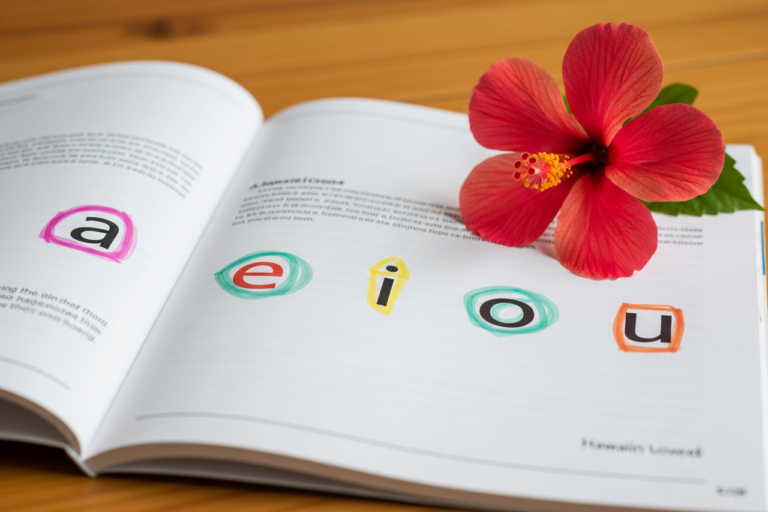
The Hawaiian alphabet has just five vowels: A, E, I, O, and U. It is simple. The key thing to know is that their pronunciation in Hawaiian stays the same and is easy to remember. This is not like English, where each vowel can sound many different ways. In Hawaiian, every vowel has its own set sound. This does not change. When you learn the sound, you can always get it right.

Linguists and people who study language use something called the International Phonetic Association chart, or IPA, to show exactly how new sounds work. But to make things easy, we can use examples from English to help us see how the Hawaiian vowels sound. Below, we will look at all five important vowels in the Hawaiian alphabet. We will talk about how they sound, compare them with sounds in English, and see some things that make them stand out.

Overview of ‘A’, ‘E’, ‘I’, ‘O’, and ‘U’

The five Hawaiian vowels are the building blocks of the language’s sound system. Each vowel has a short and a long version. The short vowels are crisp and quick, while the long vowels are held for a slightly longer duration, a distinction that can change a word’s meaning.

Let’s break down the basic sounds. The pronunciation of these short vowels is generally consistent across all Hawaiian words. They are pure sounds, meaning your mouth position stays the same from beginning to end, without gliding into another sound as often happens in English.

Here is a simple guide to their pronunciation. Long vowels, indicated with a kahakō (e.g., ā), are simply an elongated version of the same sound.

Hawaiian Vowel

Pronunciation Guide

Example Sound in English

A

ah

as in “father”

E

eh

as in “bet”

I

ee

as in “see”

O

oh

as in “go”

U

oo

as in “moon”

Vowel Pronunciation Versus English

For many English speakers, the biggest challenge with saying Hawaiian words comes from trying to stop old habits. A lot of people know that English vowel sounds change a lot. Think about the letter ‘a’ in “cat,” “father,” and “late.” In Hawaiian, each vowel has one main sound. This makes how you say the be Hawaiian words easier after you learn the simple rule.

What makes the Hawaiian vowel sound stand out is that it does not change. In English, vowels can join together. So, when we say “go,” we end up making an “oh-oo” sound. That slides from one vowel to the next. In Hawaiian, the ‘O’ sound is always just a pure “oh” with no change.

Here are some big things to remember:

  • Consistency: Every Hawaiian vowel uses the same, core sound. ‘A’ is always “ah.” You do not say “ay” or “uh.”

  • Purity: Hawaiian vowels use one steady sound, or monophthong. You should not “glide” between vowel sounds like in English pronunciation.

  • No “Schwa”: Hawaiian does not use that weak “uh” sound (known as schwa in IPA) which you often hear in English words such as “about” or “sofa.”

Unique Characteristics of Hawaiian Vowels

One interesting thing about the Hawaiian language is how it uses vowel sequences. When the language has two vowels together, they are spoken as two different syllables. These syllables move softly into each other, and this forms diphthongs. This way of saying words helps the Hawaiian language sound smooth and musical.

The lengthening of vowels is another important feature. If you say a short ‘a’ or a long ‘ā’, you can make two different words. This is not just about stress or saying it louder. The sound change is needed to tell one word from another. This use of vowels makes Hawaiian very accurate and that is something people in Hawaiian culture value a lot.

All these things—the clear pronunciation, the diphthongs, and the meaning tied to the length of the vowels—work together to make Hawaiian stand out. If you learn these details about the vowel, you will not only learn to speak, but also come to like and understand the deep structure that makes the Hawaiian language so beautiful.

Mastering Pronunciation: Each Vowel Sound

Now, it’s time to get hands-on and really learn the pronunciation of each vowel. The main thing is to listen and repeat. Watch the shape of your mouth, and focus on how clear each sound is. These Hawaiian vowel sounds are short and sharp, not long or sliding like the ones we often say in English.

It is best to copy how native speakers pronounce these words. As we talk about each Hawaiian vowel, try to say them out loud. We will begin with the most used vowel, ‘A’, and move on to each one. There will be examples so you can practice and get better at saying Hawaiian words.

How to Pronounce the Vowel ‘A’ in Hawaiian

The vowel ‘A’ is the vowel used most in Hawaiian. It is the easiest vowel to learn. You say it “ah,” like when you sit in the doctor’s office and he tells you to say “ahh.” It is like the ‘a’ in “father.”

Linguists who use the International Phonetic Alphabet, also called IPA, say this sound is [ɐ] or [a]. The sound stays the same and is always a clear “ah” when it is stressed. If it’s not stressed, it sounds a little softer, but it never becomes the “ay” in “say” or “ae” in “cat.”

You can practice the pronunciation of this sound with the word aloha. You do not say “uh-lo-ha.” You say “ah-lo-ha.” The ‘a’ at the start and at the end both sound like the open “ah.” If you get the first vowel right, you make a good foundation for learning more Hawaiian words.

Keywords: hawaiian, vowel, pronunciation, english, alphabet, ipa, linguists

Distinct Sounds of ‘E’, ‘I’, ‘O’, and ‘U’

With ‘A’ done, now let’s talk about the other four vowels in the Hawaiian language. The letter ‘E’ is said like “eh,” like you say in “pet” or “bed.” For example, the word hele (which means “to go”) is said “heh-leh.” When ‘e’ is not stressed, it can sometimes sound closer to an ‘i’ if you talk fast.

The next vowel is ‘I.’ It sounds bright, like “ee” in “machine” or “bee.” Think about the word wikiwiki (fast), which you say as “wee-kee-wee-kee.” The vowel ‘O’ has a simple “oh” sound, just like in “boat” or “note.” You hear this sound in pono (which means “righteousness”), said as “poh-noh.”

Last, we have ‘U.’ It is said as “oo,” like the ‘u’ in “flute” or the “oo” in “moon.” You can hear this in hula (a type of dance), spoken as “hoo-lah.” These vowel sounds in Hawaiian are always clear and do not change. They make up the main melody of the Hawaiian language.

Examples of Vowel Pronunciation in Common Words

Hearing these vowels while saying common Hawaiian words is the best way to help you learn the right pronunciation. It makes these rules feel less hard and connects them to sounds that native Hawaiians use all the time. We can look at some examples to see how these vowels work in real Hawaiian words.

You will notice that each vowel keeps its real sound, even when it is next to another vowel or a consonant. For example, in the name of the state fish, humuhumunukunukuāpuaʻa, you can hear the “oo” sound from ‘u’ and the “ah” sound from ‘a’ over and over in this word.

Here are some common Hawaiian words to try:

  • Mahalo (thank you): say it like “mah-hah-loh.” The “ah” stays the same and the “oh” is clear every time.

  • Kane (man): say it like “kah-neh.” The ‘a’ is an “ah” sound, and the ‘e’ is “eh.”

  • Wahine (woman): say it like “wah-hee-neh.” This word mixes three vowel sounds, and you can hear each one.

Learning these Hawaiian words and paying attention to the vowels will make your pronunciation so much better.

Special Features: Vowel Length and Diacritics

Beyond the five main sounds, the Hawaiian language uses two big things to change how we say vowels. One is vowel length, and the other is the glottal stop. The language shows these with special marks—the kahakō (macron) and the ʻokina. These marks are small, but they make a huge difference in pronunciation and meaning.

Knowing these marks is not just nice to have. It is needed for reading and speaking Hawaiian the right way. If you leave them out, a word can mean something else. We can look at the kahakō and the ʻokina to see how these marks work in the hawaiian language.

The Role of Kahakō (Macron) in Vowel Length

The kahakō is a mark you see in Hawaiian words. It is a straight line over a vowel (ā, ē, ī, ō, ū). It shows you that this vowel sounds longer. The sound lasts for about two times as long as a short vowel. This is not just for stress or to make the word stronger. It makes the word totally different.

Think of it like holding a note in music. The sound does not change, but it is held longer. For example, ‘ā’ is still “ah,” but now you keep it going. This change in length helps with the sound and meaning of Hawaiian words.

As an example, mana means “supernatural power.” But māna means “a flock of birds.” Adding this mark changes the meaning. If you don’t use the kahakō with Hawaiian words, it’s like missing a letter in English. You could end up saying something else or wrong.

The ʻOkina and Its Impact on Vowel Sounds

The ʻokina looks like a backward apostrophe and stands for a glottal stop. This is a sound you make when you close and then let go of your vocal cords for a short time. You can hear this glottal stop in English in the middle of “uh-oh!” The break you get between “uh” and “oh” is where this sound happens.

In the Hawaiian alphabet, the ʻokina is a real consonant. Where you put it in a word is very important for good pronunciation. The ʻokina lets you have a clear break between two vowels. For example, pau (finished) is said smooth and quick, almost like one beat. But paʻu (soot) has two beats, with a clear pause in the middle you can hear, like “pah-oo.”

If you add or remove an ʻokina from a word, it can change what the word means. Long ago, a glottal stop showed where another letter in the Hawaiian alphabet used to be, but got dropped. The glottal stop is a big part of how people say words in Hawaiian now, and knowing how to use it is important.

Words Differentiated by Vowel Length in Hawaiian

The value of vowel length in Hawaiian is easy to see. It separates words that look the same but sound different. The lengthening of vowels, shown by the kahakō, is a big part of hawaiian vocabulary. It is used a lot in hawaiian culture and in how people talk.

This difference is not just something that interests linguists. It is needed for speaking daily. If you say a vowel wrong, it can cause mix-ups. At times, people may feel hurt or confused. Think of the way “ship” and “sheep” can mean two things in english. The smallest change in sound can make all the difference.

Here are some examples of how the lengthening of vowels changes the meaning:

  • kane (male) vs. kāne (husband)

  • pua (flower) vs. puā (to come forth)

  • ia (he/she/it) vs. (a type of fish)

Mastering Vowel Combinations in Hawaiian Words

After you learn how to say each vowel in Hawaiian, you need to work on saying groups of vowels. In many Hawaiian words, you will see two or three vowels next to each other. These groups, called diphthongs or vowel clusters, help give Hawaiian its smooth sound.

When you find more than one vowel next to each other, they join to make a single sound in the same syllable. It is important to learn how to say these together the right way. This will help your pronunciation of Hawaiian words sound more real and natural. Here, we will talk about the basic rules, some common diphthongs, and a few tips to help you practice vowel sequences in Hawaiian.

Basic Rules for Combining Vowels

When you mix vowels in the Hawaiian language, the first one in the pair is usually stronger. It gets most of the stress. The sound slides into the next vowel. These pairs are called diphthongs. They are said as one syllable. For example, ‘ai’ is not “ah-ee.” It is more like the quick “eye” sound.

You can hear both vowels, but they move smoothly into each other. This is different from how English does it. In English, some vowel pairs make a new sound, like ‘ea’ in “read.” In Hawaiian, you just blend the two sounds you know from the vowels.

Here are some basic rules to remember in the Hawaiian language:

  • The first vowel is usually louder or gets more stress than the second one.

  • The two vowels glide together in a single, smooth sound.

  • Diphthongs like ‘ai’, ‘ae’, ‘ao’, ‘au’, ‘ei’, ‘eu’, ‘oi’, and ‘ou’ will sound as you blend their vowels.

Knowing these things will help you say Hawaiian words well.

Common Diphthongs and Their Pronunciation

Learning the most common diphthongs in the Hawaiian alphabet can really help to make your pronunciation better. These vowel groups come up a lot in Hawaiian, and they are key to having a natural way of speaking. When saying them, remember to mix the sounds together in one beat or syllable.

Let’s talk about the most used mixes of vowels. For example, ‘au’ is said like the “ow” in “cow.” You can hear this sound in the word māua (we two). Another usual diphthong is ‘ai’, and it sounds like the ‘y’ in “sky,” as found in the word kai (sea).

Here are some of the most common diphthongs in the Hawaiian alphabet and how they sound:

  • ai: sounds like “eye” (for example, haʻi, means to speak)

  • ae: sounds like “eye,” but ends with more of an “eh” sound (for example, kae, means edge)

  • au: sounds like “ow,” as in “cow” (for example, au, means I)

  • ei: sounds like “ay” in “say” (for example, lei, means garland)

Tips for Practicing Hawaiian Vowel Clusters

Practicing vowel clusters in Hawaiian words is about listening a lot and repeating. You get better at pronunciation by hearing how native or fluent speakers say these words. Try to copy their sounds as close as you can.

Break long words in Hawaiian into each syllable. Say every syllable slow. Focus on the vowel sounds. Once you feel more sure, start to speak faster. This lets your mouth learn how to make the right shapes for those sounds.

Here are some good tips to help us practice:

  • Listen to Hawaiian music: The words in the songs help you hear Hawaiian words and their vowel clusters naturally.

  • Watch videos of Hawaiian speakers: Look at how their mouths move when they talk.

  • Practice with place names: Saying names like Hawaiʻi, Oʻahu, and Maui helps you with common vowel clusters.

Try to use these steps every day to make your pronunciation of Hawaiian and its syllables better. You will get good over time.

Conclusion

To sum it up, knowing Hawaiian vowels is key if you want to get to know the language better. These sounds help shape words and give them meaning. Learning the five main vowels and what makes them special, like how long they are and the use of special marks, will help you with your Hawaiian pronunciation and help you understand more. As you keep working with vowel pairs and diphthongs, also remember that practice is what brings better results. Stick with it, and soon, you’ll feel more sure about speaking Hawaiian. If you have any questions or want some help, just ask!

Frequently Asked Questions

Are There Tricks for Remembering Hawaiian Vowel Sounds?

Yes! There is a good trick to help with this. You just need to remember this short phrase: “Ah, hey! See? Oh! Ooh!” Each part of this says how you say a Hawaiian vowel, in order: A, E, I, O, U. When you repeat this phrase, it helps you remember the basic rules of Hawaiian vowel pronunciation.

What Are Common Mistakes Made with Hawaiian Vowels?

The most common mistake for English speakers with the Hawaiian language is using English pronunciation rules. They often turn simple vowels into double sounds, like saying “oh-w” instead of just “o.” Another mistake is missing the ʻokina, which is the glottal stop, and the kahakō, which is the macron. These are very important in Hawaiian to get the right meaning and pronunciation.

Can You Share Examples of Hawaiian Words That Only Use Vowels?

Yes, that’s true! In the Hawaiian language, every word ends with a vowel. Because of this, you will find some words that use all vowels. For example, ‘ae means yes. It has a glottal stop and a diphthong. There is also ‘eaea, which means to be dusty or musty. The Hawaiian language has many words like this that use more vowels.

Key Highlights

  • This guide talks about the five main Latin vowels: A, E, I, O, and U. It shows you each vowel sound and how they are different from one other.

  • You will see why it is important to know the difference between a long vowel and a short vowel. You will also learn why vowel length matters in Latin.

  • We talk about how the Latin alphabet is linked to latin pronunciation and how the consonants you find around vowels change how you say words.

  • You can find out how latin pronunciation of vowels changed over time. It started in Classical Latin and became a bit different in Ecclesiastical Latin.

  • The guide shares real tips to spot if a vowel is long or short by using let­ters called macrons.

  • There are easy examples and charts in this guide. You can use them to master Latin vowel sounds. This will help your pronunciation be right.

Introduction

Welcome to your full guide to Latin vowels. Learning how to say vowels the right way is one of the first steps to master the latin language. It is not only about sounding true to the latin language. It helps you get the basics of latin grammar, latin poetry, and meaning. This guide will show you all you need to know. You will learn about vowel sounds, vowel length, and changes in pronunciation that happened through history. Get ready to make a good start for your latin studies.

Understanding the Latin Vowel System

The Latin vowel system is key to how people speak and write the language. Latin is different from English. In English, vowel sounds can be messy and do not follow many rules. But Latin brings more order with five main vowels. Each vowel is found in two ways, either long or short.

It is important to understand this system if you want to say words the right way and get latin grammar right. The length of the vowel may change what a word means or how it is used. The latin alphabet may look like English, but it has clear rules for the vowels and the consonants next to them. Let’s look at the basic vowels and how they sound.

The Five Classic Latin Vowels and Their Sounds

Latin uses the same five vowels as English. These are A, E, I, O, and U. But in the Latin language, their sound does not change much. Every vowel in a word has a sound. There are no silent letters like the “e” you see at the end of so many English words.

In the latin language, each vowel has two main ways to sound: one long and one short. Some books will put a line over the long vowels to mark them. This line is called a macron. But many do not show it, so it is good to know the difference when you say or read latin. The sound for every vowel is crisp and clear. There is not the same kind of glide you have in English.

Here are the main latin vowels with how you say them:

  • A is “ah” like in “father” for long; or “uh” like in “alphabet” for short.

  • E sounds like “ey” in “they” for long; or “eh” like in “bet” for short.

  • I says “ee” like in “tangerine” for long; or “ih” as in “mid” for short.

  • O goes “oh,” like in “dough,” for long; or like the “o” in “off” for short.

  • U is up as “oo” like in “rude

The Latin Alphabet and Its Impact on Vowel Pronunciation

The latin alphabet is used to figure out how to say vowels, but it is also important to look at the other letters near the vowel. Vowels and consonants in latin have a clearer link than in english. You can often know if a vowel is long or short based on what comes after it.

If a vowel comes before another vowel, it is usually short. When a vowel comes before two or more consonants, it is often long by position. But there are times the rule does not work, like with a single consonant combination such as ‘ch’ or ‘ph.’ These are counted as one sound, not two. The letter ‘x’ is special because in latin it acts as two consonants (k+s), so it makes the vowel before it longer.

It is important to know these patterns for correct vowel pronunciation and when checking the rhythm in latin poetry, since the meter is about how long the syllable is, not how strong it is spoken. The rules for the latin alphabet are steady, so people can guess how to say a new word, even if they have never seen it before.

Long and Short Vowels in Latin

In Latin, each vowel has both a long vowel and a short vowel. People call this vowel length or vowel quantity. It is a key part of latin grammar. When you say a long vowel, you hold it a bit longer than a short vowel. This small change in how you say the vowel can be important. It affects both latin grammar and vocabulary.

If the vowel length changes in a word, the meaning can change too. So, if you use the wrong vowel length, you might say a totally different word. Even when the spelling is the same, the vowel length shows if it is one word or another. In many starting books or latin dictionaries, you will see a small mark over long vowels. This mark is called a macron. It looks like a line over the vowel, such as ā. This helps you see which vowel is long. Up next, we will talk about how you can spot these vowel length differences.

How to Identify Vowel Length in Latin Words

It can be hard to know if a Latin vowel is long or short, because many books do not show any marks. The best way to check vowel length is to use a good Latin dictionary. A dictionary will show if a vowel is long, usually with a line called a macron (¯) over the long vowel.

Besides using dictionaries, you can use a few easy rules to figure out vowel length. These rules depend on where the vowel is in the word and what letters come after it. If you learn these simple patterns, your Latin reading and pronunciation will get better.

Here are some simple tips for telling if a vowel is long or short:

  • Diphthongs: Two vowels together, like ‘ae’, ‘au’, and ‘oe’, always make a long vowel sound.

  • Position: The vowel is “long by position” if two or more consonants (or the letter ‘x’) come after it.

  • Macrons: When you read learning books or poetry, check for a macron (¯) over a vowel. This mark tells you it is a long vowel.

Why Vowel Quantity Matters in Latin Language

Vowel length is not a small part of how you pronounce words in the Latin language; it is a big deal and affects a lot of things. How long you say a vowel can change what a word means. For example, malum with a short ‘a’ means “evil.” If you use a long ‘a,’ written as mālum with a macron, the word means “apple.”

This difference matters a lot for latin grammar. The length of vowels can help show a word’s case, number, or tense. When speaking latin, the right vowel length is needed to make the meaning clear. If you do not pay attention to long and short vowels, you could end up saying something else and not what you want.

The latin language uses vowel length as the base of its poetry too. English poetry is mostly about stress or rhyme, but latin poetry is built off patterns of long and short syllables. To enjoy and understand latin poets like Virgil or Ovid, you must know about vowel length. It makes the rhythm and style in their work stand out.

Latin Vowel Pronunciation Across Time

The latin pronunciation you learn today may not match how a roman spoke about 2,000 years ago. The sounds in latin changed over time. The latin spoken during Julius Caesar’s time is called classical latin. It is not the same as the vulgar latin used by most people then.

The changes kept happening in the middle ages. That gave us medieval latin, which later became ecclesiastical latin or church latin. Each type of latin has its own vowel sounds and pronunciation rules. Knowing these differences helps us understand the language and its history. Next, we will look at how the vowel sounds in classical latin and vulgar latin compare. Then, we will share a chart to help you.

Classical vs. Vulgar Latin Vowel Sounds

The main difference between Classical and Vulgar Latin vowel pronunciation is in how the vowel system got simpler. In Classical Latin, which is the literary standard, the latin language kept a clear line between long and short vowel sounds. This was important for understanding the latin language and for how people wrote poetry.

When the Roman Empire got bigger, Vulgar Latin started to be used by most people in daily life. In this type of latin, being able to tell the vowel length mattered less. Instead, the way the vowel sounded became more important. This was a big change for the latin language, and it helped lead to the languages we know now as Romance languages.

Some of the main ways Classical Latin changed when people spoke Vulgar Latin are:

  • The diphthong ‘ae’ in Classical Latin, which sounded like “eye,” started to sound like “eh.” This new sound merged with the short ‘e’ vowel.

  • The diphthong ‘oe’ started to merge with the ‘e’ sound, too.

  • In Vulgar Latin, people did not always make a strong difference between long ‘i’ (like “ee”) and short ‘i’ (like “ih”), or long ‘u’ (like “oo”) and short ‘u’ (like “uh”). The sounds began to come together and sound more alike.

All these changes in vowel length and pronunciation helped turn classical latin into the different romance languages we use today.

Examples and IPA Chart for Latin Vowel Sounds

To help solidify your understanding, seeing examples of Latin words with their corresponding vowel sounds can be very useful. The International Phonetic Alphabet (IPA) provides a precise way to represent these sounds, removing the ambiguity that can come from comparing them to English words.

Below is a chart summarizing the Classical Latin vowels, their long and short forms, their IPA symbols, and example words. This table will serve as a handy reference as you practice your pronunciation and get more familiar with vowel length. Notice how the same letter can produce two different sounds depending on its length.

This clear-cut system is one of the reasons many find Latin pronunciation straightforward once the rules are learned.

Vowel

Type

IPA

Example Word

A

Short

[a]

pater (father)

Ā

Long

[aː]

māter (mother)

E

Short

[ɛ]

bene (well)

Ē

Long

[eː]

fēmina (woman)

I

Short

[ɪ]

in (in)

Ī

Long

[iː]

vīnum (wine)

O

Short

[ɔ]

bonus (good)

Ō

Long

[oː]

Rōma (Rome)

U

Short

[ʊ]

cum (with)

Ū

Long

[uː]

lūna (moon)

Conclusion

To sum up, it is important to know about Latin vowels if you want to be good at the language. The way vowel sounds change, their lengths, and how they were said long ago, can help a lot with your latin pronunciation. When you learn about both long and short vowels, you make your own pronunciations sound better. You will also start to enjoy the latin language’s long history even more. It does not matter if you are a student, a scholar, or someone who likes languages. Going deeper into the latin vowels will make your learning fun and rewarding. If you want to know more about this subject, you can ask for a free consultation.

Key Highlights

  • The tamil language has 12 main vowels. These are called uyir ezhuthukkal.

  • The vowels are split into five short vowels (kuril) and seven long vowels (nedil). The type of vowel used can change the meaning of a word.

  • The tamil script works as an abugida. In this script, vowels are often shown as marks on consonants.

  • It is important to learn the correct pronunciation of all vowels. Doing this will help you speak tamil clearly.

  • The tamil vowel system also has diphthongs. These are sounds made by joining two vowel sounds together.

  • There is a special character, ஃ (ak), that is included in the set of vowels. This one is used for special pronunciation.

Introduction

Welcome to the world of the tamil language! If you want to start learning, the best place to begin is with tamil vowels. These sounds are very important. They are at the heart of the language and help form all the tamil words and sentences you will say and write. Knowing the vowels is your first step to reading the tamil script well and saying tamil words the right way. Let’s start this exciting journey together!

Understanding the Basics of Tamil Vowels

Before you learn the full alphabet, it is good to know what makes Tamil vowels so important. They are the main sounds that give the tamil language its unique style. In english, vowels can change a lot, but tamil grammar has a simple system for its vowels.

You will see that these vowels are more than just letters. They bring words to life. If you learn them, you can open the whole tamil alphabet. It will help you build your skills in the tamil language. Next, we will talk about what these vowels mean, why they matter, and the special name for them.

Definition and Importance in the Tamil Language

Tamil vowels are the main sounds that you need to learn first in the Tamil language. There are 12 main vowels. Each one has its own sound and is written in a different way. These vowels are: அ (a), ஆ (aa), இ (i), ஈ (ii), உ (u), ஊ (uu), எ (e), ஏ (ee), ஐ (ai), ஒ (o), ஓ (oo), and ஔ (au). There is also a special character called ஃ (ak). It works as a sound changer to make new sounds.

These vowels are basic building blocks in Tamil. You need to know them well to make and understand words correctly. The meaning of words can change if you mix up the short and long vowels. Getting the pronunciation right is important so people will understand you when you talk in Tamil.

Learning these different sounds and how to write them is one of the first big steps when you start with the Tamil language. These vowels help you grow your vocabulary and to see how words are put together in this logical and beautiful language.

The Term “Uyir Ezhuthukkal” Explained

In the tamil language, vowels are called uyir ezhuthukkal (உயிர் எழுத்துக்கள்). This phrase is simple but beautiful. “Uyir” means “life,” and “ezhuthukkal” means “letters.” So, people see vowels in tamil as “life letters.”

This name is just right for them. In tamil grammar, consonants need to join with a vowel sound to make a full and clear syllable. On their own, consonants are just “bodies” without life. They need a vowel to be complete. If they don’t have a vowel sound, the word will not be whole. This shows how much vowels matter in tamil words.

When you look at the word uyir ezhuthukkal, you get why vowels are so important. This idea comes from the deep roots of tamil, especially in places like tamil nadu. It shows that vowels really bring tamil to life. They are not just common letters—they are the breath and soul of the language.

The Structure of Tamil Script and Vowel Placement

The tamil script works in a different way compared to the english alphabet. It is an abugida. This means each consonant in tamil comes with a built-in vowel sound, usually the short “a” sound. If you want to change this sound, you add vowel marks to the consonants. This way, it is easy and looks different from english.

To read tamil, it is important to know where to put the vowel marks. Vowels in tamil can go before, after, above, or below a consonant. The place of the vowel mark helps make a certain syllable. In this guide, you will see how vowels and consonants in tamil are not the same as english letters. We will also show a simple view of the vowels in tamil.

Components of Tamil Alphabet: Vowels vs Consonants

The Tamil alphabet has two main parts: vowels (uyir) and consonants (mei). There are 12 vowels. These vowels can start a word by themselves. They are important because they give sound and life to Tamil words.

There are also 18 pure Tamil consonants. These consonants, in their simple form, have a dot on top called a pulli. With this dot, they do not have a vowel sound—and the letter sound stops there. These consonants are like the “body” of the language. They are not finished on their own. They only become whole when they join with a vowel to make a new sound. For example, the tamil consonant க் (k) changes to ka (க) when the vowel ‘a’ is added.

This is very important to how the Tamil writing system works. Vowels bring in the sound, and consonants bring the shape, or body. When they come together, they make many tamil compound letters called uyirmei ezhuthukkal. These make up most of what you see when you read or write Tamil.

Visual Chart of Tamil Vowels and Their Forms

Seeing the Tamil vowels laid out visually can be incredibly helpful for learning. Each character has a distinct shape that you’ll soon come to recognize. This chart shows the 12 primary vowels and the special character ஃ (ak), along with their approximate pronunciation, which is essential for anyone starting to learn the script.

The chart below provides a clear guide to the Tamil vowel alphabet. Notice the distinction between short and long vowels, as this is a key feature of the language spoken widely in Tamil Nadu and other parts of the world.

Here is a simple chart to get you started:

Tamil Vowel

Pronunciation

Type

a (as in ‘about’)

Short

aa (as in ‘father’)

Long

i (as in ‘in’)

Short

ii (as in ‘see’)

Long

u (as in ‘put’)

Short

uu (as in ‘moon’)

Long

e (as in ‘egg’)

Short

ee (as in ‘say’)

Long

ai (as in ‘ice’)

Long (Diphthong)

o (as in ‘on’)

Short

oo (as in ‘go’)

Long

au (as in ‘ouch’)

Long (Diphthong)

ak (a hard ‘k’ sound)

Special Character

How Many Tamil Vowel Letters Exist?

The tamil vowel system is simple and covers all you need. At the heart of it, the tamil alphabet has 12 main vowel letters. This set never changes and is an important part of tamil grammar. People have been using these same 12 vowels for many years.

These 12 vowels are the only pure vowel sounds you need to know to make words in the tamil language. But, what makes the system special is how these vowels are grouped and how you can join them with consonants. That shows the real depth of the tamil alphabet. Now, let’s see how these 12 vowels fit into the tamil vowel system.

Categorizing Short and Long Tamil Vowels

The 12 vowels in the tamil language are split into two main sets. There are short vowels (kuril) and long vowels (nedil). The reason for this is not just for grammar. It helps you have the right pronunciation and word meaning. If you learn this well, you can sound more like a native speaker.

There are five short vowels. You say these sounds quickly and clearly. The short vowels are:

  • (a)

  • (i)

  • (u)

  • (e)

  • (o)

The other seven are long vowels. You hold long vowels for a little more time when you speak. In this set, there are two special vowels called diphthongs. These are sounds made from a mix. The long vowels in tamil are: ஆ (aa), ஈ (ii), ஊ (uu), ஏ (ee), ஐ (ai), ஓ (oo), and ஔ (au). Knowing the look and sound of short vowels and long vowels is a good skill to have when you get started with tamil pronunciation.

Overview of Diphthongs and Unique Sounds

Within the group of long vowels in the Tamil script, there are two special sounds. These are known as diphthongs. A diphthong is when two vowels come together as one sound in a word. The sound starts as one vowel and then moves to another. In Tamil, the diphthongs are ஐ (ai) and ஔ (au).

The vowel ஐ (ai) starts with an ‘a’ and moves to an ‘i’. It sounds like the word ‘eye’ in English. The vowel ஔ (au) starts with an ‘a’ and moves to a ‘u’. It sounds like the ‘ow’ in ‘cow’. These special vowel sounds make the Tamil language sound rich and special. They are important for clear pronunciation.

At first, these sounds might look hard. But with a bit of practice, you will get used to them. You can hear them in many common words. If you learn these vowel sounds early, your Tamil speaking will be much better. Listen to how they are said and try to copy how you use your mouth to make the sound. This will help your pronunciation of Tamil and let you speak better with Tamil speakers.

Tamil Vowel Pronunciation Guide

Now that you know the Tamil vowels, let’s talk about how to say them. Good pronunciation helps you be understood by others. For English speakers, you will find some Tamil sounds to be close to what you know. The others may take more time and practice to get right.

We will go over each vowel sound in Tamil step by step. This will make it easy for you. We will show you the usual mistakes that people make. So, you can avoid them and build the right habits when you learn basic words.

Step-by-Step Instructions for Each Vowel Sound

Getting the right pronunciation for each vowel sound in the Tamil language takes some care with how your mouth moves and where your tongue tip is. Let’s look at some of the key vowels to help you start off well with Tamil. Do these steps slowly while looking in a mirror.

For the basic vowels, try to do the following:

  • அ (a): Make a quick, easy sound like the ‘a’ in ‘about’. Your mouth should be just a bit open and your tongue will be at rest.

  • ஆ (aa): Open your mouth more and hold the sound longer, like the ‘a’ in ‘father’.

  • இ (i): Give a little smile and say a short sound like the ‘i’ in ‘pin’. The tip of your tongue should be near the front of your mouth.

  • ஈ (ii): Stay in the same mouth position and stretch out the sound, like the ‘ee’ in ‘feet’.

  • உ (u): Round your lips and make a fast sound like the ‘u’ in ‘put’.

  • ஊ (uu): Keep your lips in the same rounded shape and hold the sound longer, like the ‘oo’ in ‘moon’.

If you repeat these vowel sounds, you will make good muscle memory. Try to listen to other people who speak Tamil and copy how they say each word. It is key to practice often to get better at every vowel sound.

Common Pronunciation Mistakes to Avoid

When you learn the Tamil language, there are some common pronunciation mistakes that english speakers make with vowels. If you know about these from the start, it will help you get good tamil pronunciation.

One mistake people often make is not telling the difference between short and long vowels. In english, how long you hold a vowel sound does not change the meaning. But in tamil, the length of the vowel sound is important. For example, the vowel sound ‘a’ is not the same as ‘aa.’ It can change the word you want to say. Always listen for how long the vowel sound should be.

Here are some more mistakes to be careful about:

  • Confusing எ (e) and ஏ (ee): Make sure to say எ (e) as a quick sound like the ‘e’ in ‘bet’. And say ஏ (ee) long, like the ‘a’ in ‘bait’.

  • Mispronouncing ழ (zha): This sound is not a vowel, but is seen with vowels often. It does not sound like any english sound. Do not say it like ‘l’ or ‘z’.

  • Not rounding lips for உ (u) and ஊ (uu): For the right tamil sound, you need to round your lips.

Practice by listening again and again. Try to repeat the sound every time so you can get the correct tamil pronunciation. This will help your ear and mouth learn the real way to say tamil words

Learning Tamil Vowels: Beginner Tools & Techniques

If you are a beginner, having the right tools and simple ways to learn the tamil script and vowels will help you a lot. The tamil script may look hard at the start, but with a good plan, you can learn to read and write it fast.

There are some good ways to help you remember the tamil vowels and their sounds. You can use things like flashcards or take online classes. You can find many options to match how you like to learn, and these can help you quickly get better at tamil vowels.

Let’s look at the best tools that you can use to practice and master those vowels.

Using Flashcards and Visual Aids for Practice

Flashcards and pictures are great for learning Tamil vowels, especially when starting with a new script. These tools help you connect the look of the letter, its vowel sound, and a word that uses it. Using more than one sense at a time makes it easier to remember.

You can make your own flashcards or use sets you find online. For each vowel, include the letter, how to say it, and a simple picture showing a word that starts with that vowel. Doing this lets you learn new vocabulary right away. Some sites like Twinkl give you printable flashcards made for people learning Tamil.

Try these ways to make your practice better:

  • Matching Games: Print two decks and play a memory game to match each vowel.

  • Letter Tracing: Use papers with big letters so you can write each vowel. This helps build your muscle memory.

  • Sound Association: Say the vowel sound out loud every time you look at a card.

  • Daily Review: Take five minutes each day to go through your flashcards.

Using these visual aids often will help the Tamil vowels become easy to remember.

Online Classes and Tutorials for Mastering Tamil Vowels

Yes, there are many online resources to help you master tamil vowels. Online classes and tutorials give you a plan and expert help. This is very good for anyone who is new to the tamil language. You can learn from any place and at any time that works for you.

A lot of websites and YouTube channels share free videos for tamil vowels. These lessons show how each vowel should sound and how to write it. You get to watch and listen to native speakers say the right pronunciation. This helps you train your ear to pick up the sounds in tamil.

Some places, like iLearnTamil, have one-on-one or group lessons for the tamil language. You get tips just for you, and you learn by doing with others.

When you pick where to learn, choose a place that uses many ways to teach. Look for videos, audio clips, and things to do, like worksheets and quizzes. Good sites or channels let you hear the sounds, see the writing, and practice what you learn. Using these online tamil classes or tutorials can help you get better faster, and you will find joy in mastering the pronunciation and vowels of tamil.

Teaching Tamil Vowels to Children and Adults

Teaching Tamil vowels needs a different plan for kids and adults. Kids get the most out of learning with games, songs, and bright pictures. Adults do better when there is order, grammar help, and real-life practice. The aim is to help both kids and adults enjoy the learning.

No matter if you are a parent helping your child or you are an adult starting out on your own, you can use good ways to teach vowels in Tamil. Let’s talk about some ideas to show the vowels and make practice fun for all.

Effective Strategies for Introducing Vowel Letters

When you teach Tamil vowels to a beginner, it is best to keep it simple and grow from there. Start with just two or three vowels. If you try to teach too many at once, it can be hard for the learner. Begin with the first short vowel, அ (a), and the long vowel, ஆ (aa). This helps the learner understand the key idea of vowel length.

Use a mix of senses to help. Show the shape of the letter. Say the sound out loud. Give a clear and easy word that uses the sound. For example, for அ (a), you can use the word “Amma,” which means mother. It ties the letter to something real and easy to think of. Tools like letter blocks or tracing sheets also work well.

After your learner can use a few vowels on their own, you can talk about the vowel mark. Show how the vowel sticks to a consonant to make a new sound. These simple steps make a strong base and give the beginner the chance to feel good as they get better.

Fun Activities and Practice Exercises

Making practice fun is the secret to staying motivated when you learn Tamil vowels. Turning drills into games can help a lot for both kids and adults. These activities let you go over what you have learned without making it feel like hard work.

You can try many exercises to keep things interesting. The main goal is to get you to use the vowels in different ways so you remember them better. These fun things to do are great building blocks for reading and writing well.

Here are a few fun ideas to get you started:

  • Vowel Hunt: Look for specific Tamil vowels in a newspaper, book, or online article. This is a good way to practice finding the letters in things you use every day.

  • Sing-Alongs: Find Tamil nursery rhymes or songs that focus on the alphabet. Singing helps you remember what you learn.

  • Letter Tracing in Sand or Rice: This hands-on activity is especially good for kids. It helps build muscle memory for writing the characters.

  • Bingo: Make bingo cards with the Tamil vowels. Call out the sounds and have players mark the correct letter.

Conclusion

To sum up, learning Tamil vowels is very important for anyone who wants to know the tamil language better. These sounds are the base of the tamil script. They also help you get the right pronunciation and talk with others. You can use many ways to learn, such as seeing pictures or doing fun things with others. This will help you understand tamil vowels well, even if you are a beginner or teaching the language. Learning tamil vowels is exciting and will help you talk better in tamil for years to come. If you want to learn more or need help, don’t wait to ask for more resources and support!

Frequently Asked Questions

How do Tamil vowels differ from consonants?

In the tamil alphabet, vowels, called uyir, are stand-alone sounds. They can be used on their own, and bring life to words in the tamil language. Consonants, called mei, are different. You can’t say them by themselves. Each consonant needs to have one of the tamil vowels with it. That is how they turn into a full, clear sound. This is a basic rule of how the tamil language works with its vowels and consonants.

What are the best resources for learning Tamil vowels?

The top tools to learn Tamil vowels are flashcards, letter tracing worksheets, and mobile apps you can use. If you want to learn in a set way, try online classes or tutorials from platforms like iLearnTamil. They offer expert support and feedback to help you get better at the Tamil language.

Can I learn Tamil vowel pronunciation online?

You can learn how to say Tamil vowels the right way online. There are websites, YouTube channels, and language apps that play audio and videos of people who speak Tamil. These tools help someone new hear and copy the correct tamil pronunciation. It is easy to use them no matter where you are.

Key Highlights

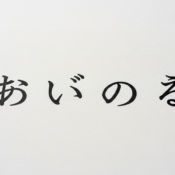
  • The Japanese language has a phonetic system known as hiragana. It uses five main vowel characters.

  • The first step in learning the Japanese writing system is to get the pronunciation and stroke order right for these vowels.

  • The five core hiragana vowels are あ (a), い (i), う (u), え (e), and お (o).

  • Saying each vowel sound correctly is key to talking well with native speakers.

  • Knowing how double vowel forms work is helpful when you want to grow your vocabulary.

  • To make memorization easier, try using apps or practicing writing. This can help you learn hiragana faster.

Introduction

Are you ready to take your first step into the beautiful world of the Japanese language? One of the best places to start is with hiragana. This script is an important part of the Japanese writing system. Hiragana is a phonetic system, so every character stands for a sound.

This guide will show you the five basic hiragana vowel characters. If you learn these vowels well, you will have a strong base for using the Japanese language. It will help you read, write, and speak in a better way.

The Basics of Hiragana Vowels in the Japanese Writing System

The Japanese writing system uses three main scripts: hiragana, katakana, and kanji. In hiragana, each character stands for a sound. Usually, this is a mix of a consonant sound with a vowel sound. But there are also characters for a pure vowel sound.

There are five basic vowel sounds in hiragana. These are very important because they are at the base of the whole hiragana chart. Every character in hiragana, except for ん (n), is made by putting a consonant and one of these vowels together. Let’s look at these main hiragana characters and see why they matter so much when you want to learn the Japanese writing system.

Overview of the Five Core Hiragana Vowel Characters

The five core hiragana vowel characters form the very first row of the hiragana chart. They are あ (a), い (i), う (u), え (e), and お (o). Each of these characters has a distinct, pure vowel sound that doesn’t change, unlike some vowels in English. Their pronunciation is crisp and clear.

Think of these five characters as the foundation of the entire phonetic system. For example, the “k” consonant row consists of か (ka), き (ki), く (ku), け (ke), and こ (ko), each combining a consonant with one of the core vowel sounds. This pattern repeats for all other consonant rows in the hiragana chart.

Understanding these five vowels first makes learning the rest of the hiragana much more systematic and less intimidating. Here is a simple table showing the basic vowels:

Hiragana Character

Romanization

Pronunciation Guide

a

“ah” as in “father”

i

“ee” as in “see”

u

“oo” as in “moon”

e

“eh” as in “get”

o

“oh” as in “go”

The Importance of Learning Hiragana Vowels First

Starting your Japanese language journey with the hiragana vowels is a smart way to begin. When you learn these five basic characters, you build a strong base for everything else in the japanese language. Every other hiragana syllable is made with these vowel sounds. So when you know them well, you will pick up new things in the japanese writing system faster.

This idea helps you see how the whole hiragana chart works. After you know the vowel sounds, it becomes easy to match the consonant sounds with them. You just link them together. This is better than trying to remember all 46 hiragana charts at one time.

Building this base helps you to:

  • Recognize patterns in the japanese writing system more easily.

  • Pronounce new words with greater accuracy.

  • Gain confidence as you see how the system connects.

  • Communicate more clearly with native speakers from the very beginning.

Pronunciation Guide to Hiragana Vowels

Correct pronunciation helps you be understood in Japanese. The five hiragana vowels have simple and clear sounds. These do not change much, unlike the vowels you see in the english alphabet. If you get these vowel sounds right early on, you will not build bad habits that are hard to fix later.

This part gives a close look at how to say each vowel. We will compare the sounds to ones in english and show you mistakes that happen often. This will help you practice the right way. If you pay close attention, you can say these vowels the way a native speaker would.

Correct Pronunciation for Each Hiragana Vowel

Getting the pronunciation of hiragana vowels right can be easy. The reason is that these sounds stay the same every time. In English, it is common for one vowel letter to have many different sounds. But in Japanese, each vowel only has one sound. For people who want to learn, this makes things better.

It is important to keep practicing these vowel sounds until they feel easy and normal. Try to listen to audio samples from native speakers if you can. When you hear them, try to copy the way they say each one.

Here’s a simple way to say each hiragana vowel:

  • あ (a): Say it like “ah” in “father” or “spa.” Keep your mouth open and relaxed.

  • い (i): It sounds like “ee” in “see” or “meet.” Let your lips spread a bit.

  • う (u): Say it like “oo” in “moon” or “flute.” Round your lips, but don’t push them out like in English.

  • え (e): Say it like “eh” in “get” or “bed.” Keep it short and clear.

  • お (o): It is like the “oh” in “go” or “boat.” Make sure it is short, with no “w” sound at the end, which is something people may do when they speak English.

Use these tips, practice with audio samples, and listen to native speakers

Common Pronunciation Pitfalls and How to Avoid Them

When you start to learn Japanese pronunciation, you may find it tough if you speak English. A lot of English speakers make the same mistakes, mostly with vowel sounds. The biggest problem is that people often use English rules for Japanese vowels. But Japanese vowels are simple one-sound vowels, while in English, many vowel sounds slide from one sound to another.

Take the English “o” in “go” as an example. In English, it often ends with a bit of a “w” sound, like “goh-w.” But in Japanese, the お (o) sound is just a clear and short “oh” with no extra sound at the end. The sound for “a” in English can change a lot. But the Japanese あ (a) is always “ah.”

To keep from making these mistakes, try these tips:

  • Keep the vowel sounds short and sharp.

  • Do not let your voice slide between two vowel sounds when you say one hiragana character.

  • Make your lips round for う (u), but do not pucker the way you do when you say the English “oo.”

  • Listen to native speakers and repeat what they say. Focus on what your mouth does when you make the sounds.

If you practice with native speakers, pay close attention to every vowel, and notice how each hiragana sounds, you will get better at Japanese pronunciation.

Step-by-Step Guide to Writing Hiragana Vowel Characters

Now that you know how to say the vowels, you will learn how to write them. Writing hiragana is more than just copying what it looks like. It is important to follow the right stroke order. This is a key part of the Japanese writing system. It matters for all parts of writing, from basic characters to kanji characters.

When you follow the right stroke order, your characters will look even, easy to read, and you can write them without wasting time. This part shows you how to write each of the five basic characters step by step. This will help you learn good habits with your hiragana from the very start.

Understanding Stroke Order for Hiragana Vowels

The idea of stroke order is very important in Japanese writing. Each hiragana character uses a set number of strokes, and you need to draw them in a special order and way. This is not only about old customs. It helps you write each hiragana character the right way, so people can read it, and it also saves time. When you get good at doing the first stroke and the rest for vowels, you will find it easier to learn all the rest of the hiragana.

You can think about stroke order like your pen doing a little dance. The first stroke is the base. After that, each new stroke adds to it and follows in line. If you learn to do this well, your writing will look balanced and people will know what you are trying to say. This helps a lot, especially when you write fast.

Key things you should remember about stroke order:

  • Strokes usually go from the top to the bottom, or from the left to the right.

  • When a stroke goes across, it comes before the lines going up and down that cut through it.

  • How many strokes you need and the way you draw them does not change for any hiragana character.

Visual Writing Practice: Examples for A, I, U, E, and O

Seeing how you write each hiragana character is one of the best ways to learn them. Let’s check out some easy writing examples for the five vowels. Make sure to watch where the first stroke and the other strokes start and end. It can help to use grid paper to get all the parts and shapes right.

Here’s a breakdown for each vowel:

  • あ (a): This hiragana character uses three strokes. The first one is a line going from side to side. The second one goes down and then curves. The last one is a loop on the right.

  • い (i): This is a simple one with two strokes. The first stroke is a curved line to the left. The second stroke is a short, straight line to the right.

  • う (u): You draw this with two strokes too. The first stroke is a small mark at the top. Then, make a big C-like curve line under it.

  • え (e): This vowel is also two strokes. Start with a small mark at the top, then make one long, zig-zag line under it.

  • お (o): You have three strokes here too. Start with the line going across, then a line that goes down and has a loop, and at last, make a small dash line to the right.

If you practice with different hiragana fonts, you will see and know these vowel shapes wherever you go. When

Variations and Uses of Hiragana Vowels

After you learn the basic vowels, you can look at different ways to use them. In Japanese, a vowel can be made longer, and that can change what a word means. Some people call these “double vowel” forms. It’s important to know how to say and write these long sounds. That will help you expand your vocabulary.

In this part, you will learn the rules for these changes. You will also see how vowels in hiragana help make many words in Japanese. These five simple characters can help you understand and say many new expressions.

Double Vowel Forms and Extended Sounds

In Japanese, the length of a vowel sound can change the meaning of a word. These long sounds are called extended sounds or double vowels. For most vowels, you just write the vowel character two times. For example, おばさん (obasan, aunt) turns into おばあさん (obaasan, grandmother) by making the “a” sound longer.

But, there are some special rules for the “e” and “o” sounds. To make a long “e” sound, you usually add い (i) instead of another え (e). For example, “sensei” (teacher) is written as せんせい. To get a long “o” sound, you often add う (u) instead of more お (o). A popular example is “arigatou” (thank you), which is written as ありがとう.

There are some exceptions to these rules:

  • The word for “big,” おおきい (ookii), uses おお and not おう.

  • The word for “older sister,” おねえさん (oneesan), uses おねえ and not おねい.

  • Saying these extended vowel sounds right is very important in the language.

  • Also, dakuten marks do not go with pure vowel characters.

Long vowel sounds, or double vowels, are a key part of Japanese. If you miss them, your words might not be clear. Try to pay

How Hiragana Vowels Are Used in Japanese Words

Hiragana characters, and the vowels, appear everywhere in written Japanese. They are very important because they keep sentences together. Hiragana is used to show meaning for small words, like particles, that help tell what a noun does in a sentence. Some of these are は (wa), を (o), and が (ga).

You will find hiragana in okurigana, which are parts added to verbs and adjectives that tell about tense or politeness. For instance, in the word たべます (tabemasu, to eat), べます is written in hiragana. This makes it possible for the main meaning, which is often shown with kanji, to change.

Hiragana also has more uses:

  • It writes words from Japanese that don’t have a kanji version.

  • It is used for words if the kanji is too hard or too formal.

  • It is used with furigana, which are small hiragana printed near kanji to show pronunciation.

Conclusion

Learning hiragana vowels is the first big step in picking up the Japanese language. The five main hiragana letters—A, I, U, E, and O—help you with pronunciation and they form many words. If you get to know their sounds and do the right strokes, you will feel more sure when reading and writing in Japanese. Take time to learn these basic parts. They will help you understand the Japanese language in a better way. If you want to improve your skills, you can get a free talk with our language experts now.

Frequently Asked Questions

What’s the difference between hiragana vowels and katakana vowels?

Hiragana and katakana are both parts of the Japanese language. The vowel sounds in hiragana and katakana are the same, so how you say them does not change. The difference is in how the characters look and how you use them. Hiragana has rounded shapes, while katakana looks more sharp or boxy. You use katakana mostly for words that come from other languages and when you want to make something stand out.

Are there effective strategies for memorizing hiragana vowels?

Yes, there are many ways to help with memorization. You can use apps with flashcards. You can write the hiragana character again and again on paper or in a workbook. Some people link each hiragana character to an image that starts with that sound. You can also get practice sheets with the basic characters in PDF format online to help you learn.

Where do hiragana vowels appear on the full hiragana chart?

The five hiragana vowel characters—あ (a), い (i), う (u), え (e), お (o)—make up the first row of the hiragana chart. This chart is called the gojūon. In the japanese writing system, the other kana go under these vowels in neat columns. Each column matches with its own vowel sound.

Key Highlights

Here are the key takeaways from this guide to Mandarin Chinese vowels:

  • The Chinese language uses a system named pinyin for sounds. It helps learners with pronunciation.

  • In mandarin, there are two types of vowels: simple and compound vowels. Each is the main part of a syllable.

  • There are six simple vowels. These give you the basics for speaking Mandarin.

  • It is important to know the ways chinese vowels and English vowels are not the same. This is a big help for clear pronunciation.

  • Pinyin charts are a good tool. They let you see and learn all possible sound pairs in this language.

Introduction

Welcome to your simple guide on how to say the sounds in Mandarin Chinese. If you want to know more about the Chinese language, you need to understand that learning isn’t just about remembering Chinese characters. You should also focus a lot on getting your pronunciation right. One of the first steps is understanding the vowels. In this article, you will learn about Mandarin vowels. You will see what the basic sounds are and how pinyin shows you how to say them. You can use this as a good starting point for your Chinese journey.

Overview of Mandarin Vowels

When you want to learn Mandarin Chinese, you first need to get to know the vowels. These sounds are in every syllable and help with clear pronunciation. The main vowels in Mandarin can be put into a few groups, and we will talk about them soon.

Mandarin’s vowels work in a simple way, not like English vowels which can change a lot. When you learn the basic vowel sounds, you can start to say many Chinese words the right way. Now, let’s take a look at the kinds of vowels you will see in Mandarin.

Simple and Compound Vowel Sounds in Mandarin

In Mandarin Chinese, not every vowel is the same. The vowels are put in two main groups: simple vowels and compound vowels. Simple vowels have just one clear sound. These are the base parts of the way words sound in the language.

Compound vowels are made when two or more simple vowels come together in the same syllable. It is like your mouth shifts smoothly from one vowel sound to the other. To say words in Mandarin Chinese the right way, you need to learn both simple and compound vowels. The sounds of the vowels are very important for every word.

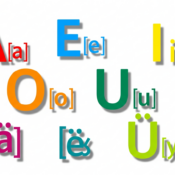
Here are the six simple vowels used in Mandarin:

  • a

  • o

  • e

  • i

  • u

  • ü

Differences Between Mandarin and English Vowels

One of the biggest problems for English speakers who want to learn Mandarin Chinese is saying the vowels the right way. Some sounds might be close to what you know, but many Chinese vowels do not match any sounds in English. If you see a pinyin syllable and say it like you do in English, you will often be wrong.

For example, about half the time, the pinyin syllable will not sound the same as what you think. If you see ‘he’ in pinyin, you may try to say it like the English “he,” but it should sound more like “huh.” It helps a lot when you see these differences early. You will get less mixed up and learn to sound more like native Chinese speakers. They learn these special vowel sounds when they are young.

Key things to note are:

  • Mandarin has some vowel sounds, like ‘ü,’ that English just does not have.

  • The way you say letters in pinyin is often not the same as how you say them in English.

  • Mandarin Chinese vowels stay the same sound most of the time, while in English, vowels can sound very different depending on the word.

Mandarin Vowels in Pinyin

Pinyin is very helpful for anyone who wants to learn Mandarin Chinese. The word pīnyīn means “spell-sounds.” It is the most used way to write out Chinese words with the Latin alphabet. With this pinyin guide, you will learn how Chinese vowels are shown in this system.

Pinyin makes things easy. You do not have to deal with hard Chinese characters at the start. You get to work on how to say words first. Every vowel in Mandarin has its own way to be written in pinyin. This gives you a tool that will not change and is useful for knowing mandarin chinese, chinese vowels, and pronunciation. Even kids who speak Chinese use pinyin first.

Representation of Vowels in Pinyin Spelling

Pinyin spelling provides a consistent way to represent Mandarin vowels. Unlike other romanization systems, Hanyu Pinyin is the standard in mainland China and is used globally for teaching Mandarin Chinese. Each simple and compound vowel is assigned a specific letter or combination of letters.

This system is incredibly helpful because once you learn the sound for each pinyin vowel, you can apply it across the board. For instance, the vowel ‘a’ in pinyin generally has a consistent sound, unlike the letter ‘a’ in English which can be pronounced in many different ways.

Here’s a simple look at how the six main vowels are represented:

Pinyin Vowel

Example Sound (English approximation)

a

“ah” as in “father”

o

“aw” as in “law”

e

“uh” as in “huh”

i

“ee” as in “see”

u

“oo” as in “moo”

ü

No English equivalent, like “ee” with rounded lips

Common Vowel Charts and Pronunciation Diagrams

If you want to see a chart with all the Mandarin vowels, interactive pinyin charts are a great way to do it. These charts show every possible pinyin syllable, so you get to see all the vowel sounds together. Many of them come with audio clips too. That way, you can hear the right way to say each one from a native speaker.

Vowel diagrams are also a good way to work on your pronunciation. These diagrams show you where a sound is made in your mouth. They use symbols from the International Phonetic Alphabet (IPA) to give you a clear guide. You can see where to put your tongue and how to shape your lips.

How these tools help:

  • Vowel charts give you a full list of all the sounds.

  • Pronunciation diagrams show what your mouth does to make each sound.

  • Interactive charts with audio help you listen and say each pinyin syllable, which is important for practice.

The Six Main Mandarin Vowels

The heart of Mandarin Chinese pronunciation is the six simple vowels. These sounds are the start of many more difficult compound vowels and are key for clear speaking. Learning them well is a must when you begin with Mandarin Chinese.

The six simple vowels are a, o, e, i, u, and the special ü. Each one has its own sound, so you have to practice until you get them right. In pinyin, you see these as their matching letters. They also each have their own IPA symbols that show what each sound should be.

These simple vowels will help you understand Mandarin Chinese pronunciation, how to use pinyin, and how IPA symbols are used to show vowel sounds.

Pronunciation of Each Vowel, Including ‘ü’

Getting the right pronunciation of the six main Mandarin Chinese vowels takes time and practice. Each of these simple vowels is made in a certain place in the mouth. To say the vowels right, you need to pay attention to where your tongue and lips are. These mandarin chinese vowels are a big part of pinyin and the way people speak chinese.

The vowel ‘ü’ can be one of the hardest for English speakers. That’s because it is not used in english words. To make the chinese vowel ‘ü’ sound in mandarin, start by saying the “ee” sound, like in “see.” Keep your tongue in that place. Now, round your lips like you are going to whistle. Do not move your tongue. The sound you get is ‘ü’.

Here is an easy guide for the six simple vowels in mandarin:

  • a: This sound is open, like “ah” in “father.”

  • o: It sounds close to “aw” as in “law.”

  • e: This is a hard one. It sounds a bit like the “uh” in “huh.”

  • i: This vowel is high in the mouth, and sounds just like “ee” in “see.”

  • u: This vowel is made at the back of your mouth. It is rounded like “oo” in “moo.”

  • ü: This is the front rounded vowel explained above.

With regular practice and by paying

Misconceptions About the Number of Mandarin Vowels

Many people think that Mandarin Chinese does not have many vowels. Some may even say that it has only two. But this is not true. Modern Standard Chinese has many vowel sounds. The speech sounds in Chinese are rich. This wrong idea may happen because some people do not know how the sound system works.

There are only six simple vowels in Mandarin. But these vowels can mix together to make many more sounds. There are also sounds called nasal finals. Native Chinese speakers learn all these sounds when they are young.

Here are some things to know:

  • Mandarin has six simple vowels: a, o, e, i, u, ü.

  • The simple vowels can combine. They can make more than 30 compound vowels and finals.

  • Saying that Mandarin only has two vowels is not correct at all.

Conclusion

To sum up, learning how to say Mandarin vowels the right way is very important if you want to speak the language well. You need to know both the simple and more complex vowel sounds. It’s also good to know how they show up in Pinyin and how to say them the right way. These things help you become better with Mandarin language skills. It also helps a lot when you clear up wrong ideas about how many vowels there are and learn how the tones work with the vowel sounds. This will give you a strong start as you learn Mandarin. Keep in mind that you get better at pronunciation with practice. Use any tools or resources you can find to practice more. If you want to move forward and learn even more about Mandarin vowels and pronunciation, try our free trial or ask for a chat so you can get tips that fit you best!

Frequently Asked Questions

How do Mandarin vowels interact with tones?

In Mandarin Chinese, each pinyin syllable has a tone that helps show what it means. In a syllable, the vowel is the part that carries the tone. Tone marks are always written right over the main vowel letter in a syllable. The sound of the vowel does not change, but the pitch moves up, down, or both depending on the tone. For some words in Mandarin, rules like tone sandhi can change the tone that a syllable uses in a sentence.

What is the function of finals in Mandarin pronunciation?

In the Chinese language, a syllable usually has two parts: an initial and a final. The initial is a consonant at the start of the syllable, and the final comes after it. The final has the main vowel, which is important in the Chinese language because it is the part you say with a tone. The tone in a syllable helps give the word its meaning. So, in chinese, the consonant and the vowel work together to make a word clear.

How can vowel diagrams help in learning Mandarin sounds?

Vowel diagrams show you how to move your tongue and lips to make Mandarin Chinese sounds. The diagrams use IPA symbols to show the place of articulation. This helps learners understand how to make the right pronunciation. These guides are very useful when you want to say sounds that are not in your own language.

Key Highlights

Ready to get the hang of Italian vowel sounds? This guide gives you a full look at Italian pronunciation. Here’s what you will find:

  • See the five Italian vowels and how their sounds are not like the ones you get in English.

  • Learn why it’s important to have a native-like sound if you want to speak the Italian language well.

  • Pick up useful tips to help you get every vowel sound right and not fall into mistakes that many people make.

  • Find out how things like accent marks, vowel length, and different regions can change your pronunciation.

  • See the answers to the questions people ask most about Italian vowels.

Introduction

Welcome to your easy guide on Italian vowels! This article will help you learn about every vowel sound in the Italian alphabet. Learning these vowel sounds is an important part of learning the Italian language. Why is this so important? Because good pronunciation helps you talk with confidence. When you get the vowel sounds right, native speakers of Italian will understand you better. It will also help you sound clear and stay true to the Italian language. Knowing your vowels will make it much easier to talk to people and feel more at home with the Italian alphabet.

The Five Italian Vowels: Overview and Importance

The Italian language has five main vowels. These are A, E, I, O, and U. In Italian, these vowels always sound the same. They are not like in English, where one vowel can sound many ways. These five vowels are a major part of the Italian alphabet and the way people speak Italian.

When you are trying to learn the Italian language, it’s very important to say the vowel sounds clearly. If you do this well, your pronunciation will get better. It will also help native speakers understand you. Learning these basic sounds is the first step you will take. It moves you closer to speaking Italian like a native. In the next section, we will talk about each of these vowels.

Introducing A, E, I, O, U – The Italian Vowel Alphabet

The Italian vowel alphabet consists of A, E, I, O, and U. Each single letter has a consistent and pure sound, which makes Italian alphabet pronunciation quite straightforward compared to English. The first vowel, “A,” is always open, like the “a” in “father.” The vowels “I” and “U” also have one distinct sound each.

However, the vowels “E” and “O” are special because they each have two sounds: one “open” and one “closed.” An open “E” sounds like the “e” in “bet,” while a closed “E” is similar to the “ai” in “bait.” Likewise, an open “O” resembles the “aw” in “law,” and a closed “O” sounds like the “oa” in “boat.” Don’t worry too much about this distinction; even native speakers often use them interchangeably without causing confusion.

Here is a simple table to help you understand the basic Italian vowel sounds.

Vowel

IPA Symbol

Sample Italian Word

English Comparison

A

[a]

casa (house)

father

E (closed)

[e]

mela (apple)

bait

E (open)

[ɛ]

festa (party)

bet

I

[i]

dormire (to sleep)

meet

O (closed)

[o]

notte (night)

boat

O (open)

[ɔ]

mondo (world)

law

U

[u]

gufo (owl)

moon

Vowel Sounds in Standard Italian vs. Regional Variations

When you learn the rules for standard Italian, you should know that vowel sounds can change from one place to another in Italy. The Italian pronunciation you get in language courses is a standard kind. But, many people in different regions say Italian words in their own way.

For example, the difference between open and closed “E” and “O” sounds is clear in some parts more than others. In some parts of Northern Italy, people use more closed vowels. In the South, open vowels show up more often. These changes in Italian sounds are normal in the spoken language. It adds to what makes the Italian language so special.

Knowing about these regional differences matters when you learn Italian. It helps you get what many native speakers say and lets you see the many ways people use Italian. While you should learn standard Italian pronunciation first, knowing about these vowel sounds and Italian pronunciation will make you better at listening and understanding Italian.

How Italian Vowel Pronunciation Differs from English

One big way Italian and English are not the same is in how they use vowels. Italian vowels have a pure sound. Each one is short, clear, and it stays the same every time. In the English language, vowels often have a hint of diphthong. This means they slip from one sound to another in the same syllable. For example, the “o” in “go” does this.

This is not easy for people who speak English. Unaccented English vowels often change to a more neutral sound, which is called the schwa. In Italian, all vowels get spoken fully every time, no matter which one has stress. Let’s now see what makes these vowel sounds stand out and how the english language and italian pronunciation are not the same when it comes to their vowels.

Pure Sounds vs. Diphthongs: Key Differences

Italian vowel sounds are different from English ones. When you say Italian vowel sounds, your mouth stays in one spot. There is no moving or gliding—just one pure sound. In English, you often find diphthongs. These are vowels made by sliding from one sound to another in the same syllable. For example, think about the “i” in the english word “ice.”

This makes a big difference with how you use your mouth and tongue. When you try to use good italian pronunciation, be sure you don’t fall back into the gliding motion that is common in english pronunciation.

  • Italian vowels are short and sharp.

  • English vowels can be longer and often move between sounds.

  • The pure sound of italian sounds makes them simple and easy to predict.

Even if you see two vowels written side by side in an italian word, each one keeps its own sound. This is not like the usual sound used when you say two vowels together in english. This clear and steady sound is a key part of italian pronunciation.

Common Challenges for English Speakers

For people who speak English, learning Italian vowel sounds can be hard. The biggest mistake is making a diphthong out of a simple Italian vowel. This can change the sound of words and make them not sound right to those who know Italian well.

There is also a problem with saying vowels that are not stressed. In English, these vowels turn into a basic “uh” sound. But in Italian, each vowel has to be said clearly. Here are some mistakes that happen a lot with vowel sounds:

  • Saying “o” like in “go” and not like a short, simple “o.”

  • Not clearly saying the vowels at the end of a word.

  • Not making the vowel short before a double consonant.

  • Putting stress in the wrong spot when there is no accent mark.

If you pay attention to these things and take corrections, your Italian pronunciation will get much better. You have to let your mouth get used to making new sounds. This is the way to get the right italian vowel sounds.

Mastering Each Italian Vowel Sound

Now it’s time to get practical and really learn each of the Italian vowel sounds. The best way to get good Italian pronunciation is to listen closely to native speakers and copy how they say things. You need to listen often and repeat what you hear a lot.

In the next sections, we will look at how you say each Italian vowel, from “A” to “U.” You will see and learn the right way to move your mouth for each sound. There will be examples with common Italian words, which will help you get the open and closed vowels right. You will also see how the vowels work with the different consonant sounds around them. This will help you know what to do and be more like a native speaker when you work on Italian pronunciation.

“A” – Pronunciation and Everyday Examples

Let’s start with the first vowel in the Italian alphabet: “A.” The Italian “A,” shown by the IPA symbol [a], is always open and clear. To make this sound, you need to open your mouth wide. Keep your tongue relaxed inside your mouth, and have the tip of your tongue touch your bottom front teeth. It sounds just like the “a” in the English word “father.”

You can hear this vowel sound in a lot of common Italian words. Try saying it in casa (house), pasta (pasta), and mamma (mom). You will see that the sound stays the same and always sounds pure.

A mistake people who speak English sometimes make is to close the sound or make it sound like the “a” in “cat.” Always remember, you should keep it open and bright. Unlike the vowels “E” and “O,” the “A” vowel never changes to a closed version. This makes it one of the easiest vowel sounds to learn when you are trying to master Italian vowel sounds, even for people new to the Italian alphabet.

“E,” “I,” “O,” “U” – Distinct Sounds with Sample Words

Besides “A,” the other Italian vowels also have their own clear sounds. The vowel “I” (IPA: [i]) is always like the “ee” in “meet.” The vowel “U” (IPA: [u]) is pronounced like the “oo” in “moon.” They are short vowels, so you need to keep them quick and clean.

The vowel sounds “E” and “O” are special because each of them can sound two ways: open or closed. The closed “E” (IPA: [e]) is like the “ai” in “bait,” while the open “E” (IPA: [ɛ]) is like the “e” in “bet.” The closed “O” (IPA: [o]) sounds like “boat,” but the open “O” (IPA: [ɔ]) is like “law.”

Here are some italian words to try out the different vowels:

  • E: mela (apple – closed), festa (party – open)

  • I: dormire (to sleep), amici (friends)

  • O: notte (night – closed), mondo (world – open)

  • U: guro (owl), uno (one)

Diphthongs and Glides in Italian Pronunciation

In Italian, vowels are usually clear and steady. But they can also mix together to make diphthongs and glides. This happens when you see two vowels side by side in the same part of a word. A diphthong has two vowel sounds working together. Glides, which people sometimes call semivowels, are fast moves from one sound to another.

Knowing about these Italian sounds really helps people who are not native speakers. These vowel sounds affect how the spoken language sounds and feels. If you learn how to say these the right way, your Italian pronunciation will sound a lot more smooth and natural. So, let’s look at what makes up these different sounds in Italian.

What Are Italian Diphthongs?

In the Italian language, a diphthong happens when you get an unstressed “i” or “u” that blends with another vowel in the same part of a word. The two vowels come together as one smooth sound. For example, in the word piano (slow), the “i” and “a” join up to make “ia,” which is a rising diphthong.

There are two kinds of diphthongs. A rising diphthong is when “i” or “u” shows up first, as in piano or questo, and the stress lands on the next vowel. A falling diphthong is when “i” or “u” comes after another vowel, like in pausa or sei, and the stress is on the first vowel.

Diphthongs in the Italian language do not sound like a normal single vowel. You hear a glide from one sound into the next. But, they stay different from English diphthongs because, in Italian, both vowel sounds are still clear, just said together in one part of the word. For the word fiore (flower), you will notice both the “i” and “o” vowel sounds when you say it.

Italian Glides and Semivowels Explained

Italian glides are special sounds in the language. They are also called semivowels or semi-consonants. The first is [j], which is like the “y” in “yet.” The other is [w], which is like the “w” in “wet.” These Italian sounds happen when the vowels “i” and “u” come before another vowel, so they start to sound more like consonants.

There are some examples. In the word aiuto (help), the “i” is not said like a full vowel. It turns into a [j] glide. In quello (that), the “u” turns into a [w] glide. The first vowel in these words is quick and softer. The second vowel is stronger. It lets native speakers tell Italian words apart.

Many people who learn Italian say each vowel by itself. This can be confusing. You have to remember that glides make a short, smooth step between the sounds. They are not like the gn sound, but glides do add another sound before the main vowel. This helps Italian words have the smooth flow that the language is known for.

Accent Marks and Vowel Length in Italian

Accent marks and vowel length are very important in italian pronunciation. When you see an accent mark on a vowel at the end of the word, it means that this vowel is where you need to put stress. For example, in città (city), the final “a” is the stressed syllable. It does not matter if the mark is a grave accent or an acute accent. Both types can change how vowel sounds are made.

Vowel length is also a key point in italian pronunciation. When a vowel is in the stressed syllable, it might be long or short. This will depend on which letters come right after the vowel. Now, let’s look at how vowel sounds can be different because of these things.

Acute vs. Grave Accents – How They Change Pronunciation

Italian uses two types of accent marks: the acute accent (´) and the grave accent (`). The acute accent is only used on “é” and “ó” to indicate a closed vowel sound, where your lips are closer together. The grave accent is used on all vowels (“à,” “è,” “ì,” “ò,” “ù”) and indicates an open sound for “e” and “o.”

These marks are not just for show; they can change the meaning of a word entirely. For example, perché (“why” or “because”) uses an acute accent for a closed “e” sound. In contrast, caffè (coffee) uses a grave accent for an open “e” sound.

Understanding the difference is practical for learners. The accent mark always shows which syllable to stress, making Italian pronunciation more predictable.

Accent Type

Vowel

Example Word

Meaning

Pronunciation Note

Acute (´)

é

perché

because/why

Closed ‘e’ sound

Grave (`)

è

caffè

coffee

Open ‘e’ sound

Grave (`)

à

città

city

Stressed final syllable

Grave (`)

ù

virtù

virtue

Stressed final syllable

Long and Short Vowels: When and How They Occur

Vowel length in Italian changes with the way the syllable is made. When a vowel is in a stressed syllable, it is usually long. But if that syllable has a double consonant after the vowel, or if it is at the end of a word, the vowel is not long. When you say a long vowel, just hold the sound a bit longer.

Look at the word sete (thirst). Here, the “e” is in a stressed syllable and only has one consonant after it, so the vowel is long. But in sette (seven), the “e” is right before a double consonant sound. This makes the vowel short and sharp. In italian pronunciation, this rule about double consonant and short vowels is important.

If you can spot this in words, it helps your italian pronunciation when you speak and listen. Having a short vowel in italian tells you that a double consonant sound is coming. When you work on the difference between long and short vowels, it will help you get the right sound and talk more like a native italian speaker.

Conclusion

To sum up, learning the Italian vowel sounds can really help how you say words and talk with others in Italian. When you get to know the different sounds for “A,” “E,” “I,” “O,” and “U,” and you learn about their accents and changes, you will find it much easier to speak clearly. This can make it easier to understand people when they talk, too. You will notice more small details in the language and enjoy it even more. By practicing these vowel sounds often, you will see that your confidence and fluency start to grow. If you want to get better at Italian, you can try our free trial or book a talk with us. We will help you with your pronunciation, vowels, and more as you work on your skills!

Frequently Asked Questions

Are there rules for “hard” and “soft” vowels in Italian pronunciation?

In Italian, the vowels themselves are not called “hard” or “soft.” Instead, they help shape the consonant sounds next to them. When you see the vowels A, O, or U with C or G, you get “hard” sounds. These sound to us like the ‘k’ in ‘cat’ and the ‘g’ in ‘go.’ When you see the vowels E or I, they make “soft” consonant sounds. These sound to us like the ‘ch’ in ‘church’ or the ‘j’ in ‘gem.’

What are tips to practice and improve my Italian vowel sounds?

The best way to make your Italian vowel sounds better is to listen to native speakers and copy how they say words. You can record yourself speaking and check it against the native audio to see what needs fixing. Try to keep your vowels short and clear. Also, pay close attention to where you put the tip of the tongue. This will help you say Italian vowel sounds just like they do.

What are common mistakes to avoid with Italian vowels?

Many people often make this mistake with Italian vowels. They add a “w” sound to “o,” which turns it into a diphthong. Another thing they do is change vowels that are not stressed into more of an “uh” sound. If you want your Italian pronunciation to be good, it helps to say every vowel the whole way. This simple practice can make your vowels sound right and save you from needing corrections.

Key Highlights

Here’s a quick look at what this guide covers:

  • The Vietnamese language has 12 vowels. Some of these vowels use accent marks that change the sound.

  • Vietnamese is a tonal language. The pitch you use will change the meaning of a word.

  • To learn Vietnamese pronunciation, you need to know about single vowels, as well as vowels that come together like diphthongs and triphthongs.

  • Accent marks, also called diacritics, show you both the right vowel sound and the tone.

  • How you pronounce Vietnamese vowels can change by region, for example in Northern and Southern dialects.

Introduction

Welcome to your complete guide to Vietnamese vowels! When you see written Vietnamese, you will notice the many marks over and under the letters. These marks are not just for looks; they help with correct pronunciation. It is important to learn the different vowel sounds in the Vietnamese language. If you can get these sounds right, you will find it much easier to use and understand the Vietnamese language.

This guide shows you everything you need to know about vowels. You will learn about single vowels, tones, and mixed vowel sounds. With this help, you can make your learning journey much smoother. The information here will help you say words the right way and improve your pronunciation in Vietnamese.

Understanding Vietnamese Vowels and Their Importance

Knowing how to say Vietnamese vowels is key to speaking and being understood. In Vietnamese, each vowel in the alphabet makes a clear sound. This is not like English, where one vowel can get said in different ways. The Vietnamese language uses marks, called diacritics, on the vowel letters. These marks help you know which sound to make.

The vowel sounds are the start of every word. If you say a vowel wrong, it can change what you mean. People might not get what you want to say. Now, let’s take a look at the vietnamese alphabet. This way, you can see how vowels in the vietnamese language are not like the ones in English.

Overview of the Vietnamese Alphabet and Vowel System

The modern Vietnamese alphabet uses a Latin script, so at first, it may look like English. But it has letters and marks you do not see in English. In this alphabet, there are 12 basic vowel letters: a, ă, â, e, ê, i, y, o, ô, ơ, u, and ư. Each one stands for its own sound, and the pronunciation is always the same.

Some letters, such as â, ê, and ô, have a “hat” mark (called mũ). Others like ă, ơ, and ư, have a “hook” mark (called móc). These marks are important because they give the letters distinct sounds compared to normal vowels. That means o, ô, and ơ are not the same. ‘O’ is like the ‘o’ in “hot.” ‘Ô’ sounds like the ‘o’ in “go.” ‘Ơ’ is close to the ‘er’ in “bird.”

To get started with the vietnamese alphabet, try to understand how its vowels work. This is a big step toward speaking Vietnamese well. Each sound is clear on its own. If you learn the vowel quality for every letter, you will do well. For example, when you want to say the ư sound, you can smile a little. That helps you get it right.

How Vietnamese Vowel Sounds Differ from English Vowels

For english speakers, vietnamese vowel sounds can be hard because a lot of them do not match any sound in english. The way you use your mouth and your tongue is much more important to make these distinct sounds right in vietnamese.

In english, we have many vowel sounds for the same letters. For example, the letter ‘a’ makes different sounds in “cat,” “car,” and “cake.” But vietnamese is different. It is more phonetic. Each vowel, with its diacritics, will have one sound only, almost all the time. So, if you memorize these rules, it can actually be easier to learn.

Here are a few key differences:

  • New Sounds: Vietnamese has some vowel sounds like ‘ư’ and ‘ơ’ that english speakers do not use.

  • Consistency: Vietnamese vowel sounds are the same every time. In english, they can be so different.

  • Mouth Shape: To make the ‘ư’ sound, you need to use a small smile with your mouth. This is not how most english vowel sounds are made.

The Role of Tones in Vietnamese Vowel Pronunciation

Vietnamese is a tonal language. This means the pitch and how your voice moves when you say a word are just as important as the vowel and the consonant sounds. Each syllable in Vietnamese has one of six tones. If you change the tone, you change the whole word’s meaning.

Think of vietnamese tones as a key part of the vowel sounds. You can not just say the vowel. You need to use the right pitch with it. Mastering vietnamese tones is very important for people to understand you in vietnamese. Now, let’s see what these tones are and how they change the vowel sounds.

Introduction to Vietnamese Tones

There are six separate tones in the standard Vietnamese language. Each tone is shown by a special tone mark, or accent, that is put on the main vowel of a syllable. These marks are not just for style. They tell you how to change your voice’s pitch when you speak. For example, the word ‘ma’ can mean a lot of things. It can mean “ghost,” “but,” “mother,” “rice seedling,” “tomb,” or “horse.” The meaning depends on the tone mark used.

The six tones in Vietnamese are: ngang (high, flat), huyền (low, falling), sắc (high, rising), hỏi (dipping-rising), ngã (creaky rising), and nặng (low, short). The marks for each tone often look like the sound they make. The sắc accent (´) points up, the same way your voice does when you use it. The hỏi accent (̉) looks a bit like a question mark, and your voice goes up and down, like you are asking something.

Tone marks in Vietnamese are added together with the vowel’s own diacritics. That’s why sometimes, a single vowel in Vietnamese can have two marks, like in the word ‘tiếng’.

How Tones Affect Vowel Sounds

Tones in Vietnamese change both how you say a vowel and how people hear it. In English, people use intonation throughout a sentence to show how they feel or to ask a question. But in Vietnamese, every syllable in a word has its own pitch pattern. This changes the word’s meaning a lot.

Think about the vowel ‘a’. On its own, it has just one sound. If you add a tone, you add a layer of pitch too. For example, ‘la’ with the ngang tone is flat and high. With the huyền tone like ‘là’, it starts low and stays low. Even though the base sound is the same, the pitch makes them two different words.

Here’s what happens when tones and vowels work together:

  • Meaning: The main job of tones is to tell one word’s meaning from another.

  • Pitch Contour: Every tone gives the vowel its own pitch pattern. It might go up, down, or dip.

  • Length and Quality: Some tones, like the nặng tone (.), can make the vowel quicker and more abrupt.

Vietnamese Vowel Types Explained

Vietnamese vowel sounds come in different types. The simple ones are called single vowels, or monophthongs. These are the 12 basic vowel sounds that we talked about before. Things start to change when these single vowels join together to form new sounds.

When two vowels mix, they make diphthongs. When three come together, these are known as triphthongs. These blended vowel sounds pop up a lot in Vietnamese, and they are very important for good pronunciation. Let’s take some time to look at the types of vowel sounds to see how they work.

Single Vowels (Monophthongs) and Their Pronunciation

The foundation of Vietnamese pronunciation lies in its 12 single vowels, or monophthongs. Each of these has a distinct and consistent sound. Unlike in English, where ‘a’ can be pronounced many ways, in the Vietnamese alphabet, ‘a’, ‘ă’, and ‘â’ are three separate vowels with their own unique sounds.

Mastering these core sounds is crucial before moving on to more complex combinations. For instance, the difference between ‘o’ and ‘ô’ is a common stumbling block for learners. ‘O’ is an open sound like in “hot,” while ‘ô’ is a closed sound like in “go.”

Here is a quick reference to some of these vowels and their approximate English sounds. Remember that mouth shape is key—for ‘ư’, you need to smile slightly!

Vietnamese Vowel

Approximate English Sound

Example Word

a

‘a’ as in “father”

ba (three)

ă

‘a’ as in “cat” (shorter)

ăn (to eat)

â

‘u’ as in “but”

cân (to weigh)

e

‘e’ as in “get”

em (younger sibling)

ê

‘ay’ as in “say”

tên (name)

o

‘o’ as in “hot”

cho (to give)

ô

‘o’ as in “go”

tô (bowl)

ơ

‘er’ as in “bird”

bơ (butter)

u

‘oo’ as in “boot”

du (to travel)

ư

(no English equivalent)

tư (four)

i/y

‘ee’ as in “see”

đi (to go)

Diphthongs: Common Combinations and Sounds

Once you feel good with single vowels, the next thing to do is learn about diphthongs. In Vietnamese, a diphthong is when two vowels come together in one part of a word, and your voice moves from the first vowel to the next. There are many of these vowel sounds in Vietnamese words, and you will hear them a lot in daily talk.

Some vowel mixes will sound like English sounds. That can help if you are one of the learners. For example, the ‘ai’ sound in Vietnamese words is like it is in “like” or “high” in English. You hear this when you say ‘hai’ (two). The ‘ao’ sound in Vietnamese words is like ‘ow’ in the words “now” or “how.” You see this in the word ‘chào’ (hello).

But some of these diphthongs are special to Vietnamese, and not like ones you hear in English. For example, when you say ‘ay’ as in the word ‘tay’ (hand), your mouth needs to open wide. Then shut your teeth together a bit to make the right /i/ sound. Learning how to say these sounds the right way helps you to sound more like a native when you speak Vietnamese.

Triphthongs: Unique Blended Vowel Sounds

The vietnamese vowel system does not just use diphthongs. It also has triphthongs in the vietnamese language. These are vowel sounds that mix three vowels together in one go. Triphthongs are not as common as diphthongs, but they are still key for the vietnamese language. They make a smooth, flowing sound in a single syllable that moves over three vowel sounds.

An easy triphthong to hear in the vietnamese language is in the word ‘yêu’ (to love). In this word, the sound starts like ‘i’, shifts into an ‘e’ sound, and ends with the ‘u’ sound. The word ‘tươi’ (fresh) has another triphthong, which shows up in ‘ươi’. When you say these, your tongue and lips move together, mixing the vowel sounds in a soft way.

If you want to get better at vowels and pronunciation in vietnamese, triphthongs are helpful to learn. When you know how these three sounds join together to make a smooth note, you will understand and speak better. Try to listen and pay close attention to native speakers. Doing this will teach you the rhythm and sound that go with triphthongs in the vietnamese language.

Accent Marks and How They Represent Vietnamese Vowels

The accent marks, called diacritics, in the Vietnamese alphabet can look confusing at first. But they have two big jobs. First, they can change a vowel in the alphabet to make a new sound. Second, they show the tone that you should use for each part of a word.

This way of using marks in the Vietnamese writing system helps make meaning clear. In Vietnamese, a vowel can get one mark that changes its sound, such as the ‘hat’ seen on ‘ê’. It can also have a different mark to show the tone, like the ‘sắc’ mark in ‘tiếng’. Let’s look at these accent marks to see how they work.

Understanding Diacritics in Vietnamese Writing

Diacritics are at the heart of Vietnamese writing. If you do not have them, the words are almost impossible to read. There are two main types of diacritics in Vietnamese. Some change the vowel. Others tell you the tone. For instance, the letters ‘a’, ‘ă’, and ‘â’ are not the same letter. They are three different vowels because of these marks.

The accents that change a vowel sound have special names. The circumflex (^) is called ‘dấu mũ’, or “hat accent.” You will see it on ‘â’, ‘ê’, and ‘ô’. The breve (˘) is on ‘ă’. The horn shows up on ‘ơ’ and ‘ư’. That mark is called ‘móc’, or “hook.” These are not extra marks; they make new letters with different sounds.

On top of all that, you add one of six main tone marks. Here are the main vietnamese accent marks:

  • Mũ (^): Makes â, ê, ô.

  • Móc (˘, ̛ ): Makes ă, ơ, ư.

  • Ngang (no mark): Gives a high and flat sound.

  • Huyền (`): Gives a low, falling sound.

  • Sắc (´): Gives a high, rising sound.

  • Hỏi (̉): Dips and rises in sound.

  • **Ngã (~

Examples of Vowel Representation with Accent Marks

Seeing how accent marks work in real Vietnamese words makes their function much clearer. A single vowel letter can appear in many forms depending on the tone and vowel modification marks applied to it. This efficient system packs a lot of pronunciation information into each syllable.

Consider the word ‘phở’, Vietnam’s famous noodle soup. The vowel is ‘ơ’, which is created by adding a ‘móc’ or horn to ‘o’. The tone mark is ‘hỏi’ ( ̉ ), which tells you to say the word with a dipping-rising pitch, almost like asking a question: “phở?”. This combination of a vowel diacritic and a tone mark is very common.

Let’s look at another example. The sentence “Học tiếng Việt hay lắm” (“Studying Vietnamese is very interesting”) showcases this perfectly. ‘Học’ has one mark (the nặng tone), ‘tiếng’ and ‘Việt’ have two marks (a vowel modifier and a tone mark), and ‘hay’ has none.

Word

Vowel Letter

Vowel Diacritic

Tone Mark

Meaning

ma

a

None

Ngang (none)

ghost

a

None

Huyền (`)

but

a

None

Sắc (´)

mother (Southern)

mả

a

None

Hỏi (̉)

tomb

a

None

Ngã (~)

horse/code

mạ

a

None

Nặng (.)

rice seedling

một

ô

Mũ (^)

Nặng (.)

one

sữa

ư

Móc ( ̛ )

Ngã (~)

milk

Beginner’s Guide: How to Learn and Practice Vietnamese Vowels

For beginners, it can seem hard to learn Vietnamese vowels. But if you have the right approach and keep practicing, you can do it. It helps to break everything down. Try to learn small parts instead of taking on too much at one time.

It’s all right to make mistakes at the start, because that is how people learn. Focus on listening and saying sounds again and again. This gives you a strong start in learning the Vietnamese language. You can use apps, join a Vietnamese language course, or talk with native speakers. What matters most is to keep working at it every day.

What You Need to Get Started (Resources, Tools, Apps)

Having the right resources can really help you when you want to learn Vietnamese sounds. You can find many tools and apps made to help you with this. It is good to use audio material because you get to hear the correct pronunciation from native speakers.

If you like learning in a classroom, you can choose to join Vietnamese classes. You get personal feedback on your pronunciation from a teacher. If you want to study by yourself, language learning apps have exercises that help you listen and speak.

Here are some resources to help you get started:

  • Language Apps: Try out apps like Pimsleur or VPod101 that have audio lessons and teach you pronunciation.

  • Flashcards: Make flashcards, digital or on paper, for each vowel and tone. Add an example word and audio for each card.

  • Online Dictionaries: Use dictionaries that come with audio recordings, so you can hear how a word is said the right way.

  • Language Exchange Partners: Talk to a native Vietnamese speaker, either on the internet or in person, to practice with them.

Step-by-Step Guide to Mastering Vietnamese Vowels

A simple, step-by-step plan works best for learning Vietnamese vowels. Do not try to learn everything at once. Just focus on one sound and one mark each time. This way, you get better in the vietnamese language and build good habits for pronunciation.

You want to go from just hearing to using what you learn. Begin with listening to the sounds to know how they are different. Next, do your best to copy the sounds. Then use your new skill with accent marks when you write and speak. This approach helps make learning Vietnamese feel easier for all people.

You can use this plan to learn the vietnamese language:

  • Step 1: Listen and pick out each vowel sound.

  • Step 2: Practice saying each sound with audio from a native speaker.

  • Step 3: Use accent marks the right way as you write.

  • Step 4: Try your new skills in real words and sentences.

  • Step 5: Ask a native speaker or teacher for feedback.

Using this plan, you will get to know the vietnamese language and be good with vowels and accent marks.

Step 1: Listen and Identify Each Vowel Sound

The first step is to train your ear. Before you try to say the vowel sounds, you need to listen and pick up the small differences. Use audio tools where native speakers say each of the 12 single vowels clearly and slowly.

Listen to pairs of vowels that sound alike, like ‘o’ and ‘ô’, or ‘i’ and ‘ư’. If you are watching a video, look at how the speaker’s mouth moves. The goal here is to be able to tell the sounds apart in your mind. Ask yourself if you can hear the difference between ‘a’, ‘ă’, and ‘â’.

Do this exercise often. The more you listen, the better you get at hearing these vowel sounds. It is key to getting good at vowel pronunciation. The skill you build by listening will help you later when you start pronouncing them yourself.

Step 2: Practice Pronunciation with Native Audio

When you know how to recognize the different vowel sounds, it is time to try making them yourself. The best way to work on your pronunciation is by using the “listen and repeat” method. Play a short audio of a native speaker saying a vowel or an easy word. Try to copy the sound as closely as you can.

Record yourself to hear how your vietnamese sounds compare to the audio. Ask yourself if the pitch matches. Is your mouth shape right? This might feel hard, but it really helps you find mistakes and fix them early. Work on one sound at a time. Keep at it until you feel good about it, then move to the next one.

Do not be afraid! Making these vietnamese vowel sounds can feel odd when you start, because you have to use your tongue and mouth in ways you have not tried before. Doing it again and again is the best way to get the muscle memory you need for fluent pronunciation.

Step 3: Use Accent Marks Correctly in Writing

Now that you know the sounds, it’s time to match them with the writing system. Practice by writing words and noticing the diacritics. The vietnamese alphabet uses accent marks on the vowels, and these also show the tones.

A good way to practice is to listen to a word and write it with the right accent marks. For instance, if you hear ‘sữa’ (milk), try to spot the ‘ư’ vowel and the ‘ngã’ tone, then write it right. This helps you see how the heard sounds and written symbols go together in vietnamese.

Learning where to put the diacritics and what they mean is key for reading and writing. It will help you understand more about how the vietnamese alphabet and the writing system work. There are also lots of online tools and keyboards that you can use to practice typing accent marks.

Step 4: Apply Vowel Pronunciation in Real Words and Sentences

The last step is to take what you know and start using it in real sentences and everyday words. It is important to learn about vowels and tones one by one. But the main goal is to use these in the right place when you talk or read. You can start with easy, one-syllable vietnamese words. Later, move on and try bigger words and short sentences.

Read easy sentences out loud. Pay close attention to how you say each vowel and tone. Listen to native speakers say those same lines. Try to copy the way they sound and how their sentences flow. Doing this will help you stop thinking about single sounds and start talking in a smooth and clear way.

Don’t worry about making mistakes when you try what you have learned in a talk with someone, even if all you can say for now is “chào bạn” (hello friend). The more you speak vietnamese, the better and more sure you will feel. Every talk gives you a time to use and grow your language skills.

Regional Differences in Vietnamese Vowel Pronunciation

The Vietnamese writing system is the same everywhere in the country. But the way people say vowels and tones can be very different in each area. There are three main dialects. These are Northern (Hanoi), Central (Hue), and Southern (Ho Chi Minh City). The way Vietnamese changes by region is a big part of the language.

If you are learners, it is best to pick one dialect and use it all the time so you do not get confused. Most people learn either the Northern or Southern dialect. These two are the ones taught to most people from other countries. Let’s see some of the main ways that pronunciation can be different across dialects.

Northern vs Southern Vowel Sounds

The biggest differences in Vietnamese vowel sounds come from the Northern and Southern dialects. Many of the vowels are said the same in these areas, but there are some that sound and feel different. The northern pronunciation, used in Hanoi, is seen as the standard. This is what you most often hear on national news in Vietnam.

The southern accent, which you will often hear in Ho Chi Minh City and the Mekong Delta, also has its own things that stand out. One big thing is with the tones. Southern speakers mostly use five tones. The ‘hỏi’ and ‘ngã’ tones that are different in northern Vietnamese become the same in southern Vietnamese. That means, in southern vietnamese, words like ‘sữa’ and ‘sửa’ may both sound the same.

Here are a few big ways the dialects do not match up:

  • Tones: Southern vietnamese makes the ‘hỏi’ and ‘ngã’ tones sound the same.

  • Consonants: Some starting sounds in words are different in the south. ‘r’, ‘d’, and ‘gi’ are usually said like the ‘y’ in “yes” in English.

  • Vowel Mergers: Certain vowel sounds that stay different in northern vietnamese are combined into one sound in the southern accent.

Central Dialect Variations

The Central dialect of Vietnamese, especially from places like Hue and Nghe An, is one of the hardest for most people to understand. Even native speakers from other parts of Vietnam can find this accent hard. The vowel sounds in this group of dialects are not like what you get in other parts of the country, and the way the tones sound is also very different.

For example, in some areas in Central Vietnam, the ‘ê’ vowel sound will be spoken in another way. The tones in these dialects are heavier. That makes the way people say words sound very distinct compared to what you might hear in Hanoi or Ho Chi Minh City. The Central dialect still keeps some things from old Vietnamese, so it does not sound the same as today’s Northern or Southern dialects.

This way of speaking is interesting, but most learners or beginners will not need to spend time on the Central dialect. Unless you want to live or work in Central Vietnam, it is usually better to pick either the Northern or Southern Vietnamese dialect to start with. This helps most people who want to learn Vietnamese communicate better.

Tips for Correct Vietnamese Vowel Pronunciation

Getting Vietnamese vowel pronunciation right needs some time and a lot of practice. When you want to learn, you need to know there are some common mistakes and useful ways to get better at it. Do not try to be perfect at once. Make slow and steady progress instead.

The best thing you can do is listen more than you talk, at least when you start. Try to hear the small differences in each vowel sound. If you pay attention and use good methods, you can get better at vietnamese pronunciation much faster.

Common Mistakes Learners Make and How to Avoid Them

Many people who start with the Vietnamese language, especially if English is their first language, often make the same mistakes. One big mistake is to leave out the tones or think they are not needed. In Vietnamese, the tone is a part of every word. If you get it wrong, you can change the meaning by accident.

Another thing learners often do is say Vietnamese vowels the same way as they say them in English. For example, a lot of people make a mistake by saying ‘o’ and ‘ô’ in the same way. When you learn the Vietnamese language, you have to see every vowel as a new sound. You need to use your mouth and your tongue in a different way for each one.

To help you get better with Vietnamese pronunciation:

  • Don’t Ignore Tones: Practice Vietnamese tones every time you say a new word.

  • Forget English Rules: Each Vietnamese vowel needs its own sound. Treat it as something new.

  • Mixing up Vowels: Listen closely to vowels that sound almost the same, like ‘o’, ‘ô’, ‘ơ’, or ‘i’, ‘y’, ‘ư’. Practice saying these pairs so you get better at hearing and saying the difference.

  • Record Yourself: Try to make a recording when you speak Vietnamese. Then, listen to it so you can find where you may have made mistakes.

With work and practice, you will get better at the Vietnamese language over time.

Techniques for Improving Your Pronunciation

Getting better at your pronunciation takes time and steady work. You will see the most improvement in the vietnamese language when you practice with the right methods, not just by repeating after someone over and over. Doing special exercises lets you work on your accent and makes you sound more like you grew up with the language.

One of the best ways to get better is by using shadowing. You can do this by listening to a native speaker and copying what he or she says right after. Try to follow just a moment behind, staying with the speed and sound at the same time. In this way, you copy the rhythm, the intonation, and the flow of the vietnamese language, not just single words or sounds.

Here are some ways to work on your pronunciation and make good progress:

  • Shadowing: Listen to native audio and repeat right away. This helps you pick up a good flow and the right rhythm with the vietnamese language.

  • Minimal Pair Drills: Practice telling the difference between words that are almost the same except for one sound. For example, practice saying ‘ma’ and ‘má’ and listen for what is different.

  • Tongue Twisters: Try saying vietnamese tongue twisters out loud. These are good for hard sounds and will help your mouth remember new moves.

  • Get Feedback: Ask a native speaker or your teacher to listen while you talk. They can point out small mistakes that you might not hear, and help

Conclusion

To sum up, learning how to use vietnamese vowels is very important if you want to speak the language well. These vowels have their own sounds and, with tones, they help you say words the right way. Knowing them can make your vietnamese pronunciation better and help you understand more about the culture.

As you start to learn, try to practice as much as you can. Listen to how people say the words. Repeat after them, and use what you learn when you talk. Make sure to use all the resources we talked about to help you get better.

If you want more help with your vietnamese vowel pronunciation, you can ask for a free meeting to get tips that fit you best. Good luck, and have fun while you learn!

Frequently Asked Questions

Which Vietnamese vowels are hardest for English speakers to master?

For many English speakers, the vowels ‘ư’ and ‘ơ’ are hard to say. This is because they are distinct sounds that English does not have. The pronunciation needs new mouth and tongue moves that people are not used to. Also, it can be tough for beginners in English to tell the small differences in vowel groups like ‘a’, ‘ă’, and ‘â’.

Is there a Vietnamese vowel sound that does not exist in English?

Yes, some Vietnamese vowel sounds are not found in English. The best-known ones are ‘ư’ and ‘ơ’. These different sounds have a vowel quality that is new to English speakers. Learners have to make new mouth movements to say them the right way, because there is no direct match for these vowels in English words.

What are the main diphthongs and triphthongs in Vietnamese?

The Vietnamese language has many diphthongs and triphthongs. Some common diphthongs in Vietnamese are ‘ai’ (like “high”), ‘ao’ (like “how”), ‘iê’ (like “ear”), and ‘ưa’. The triphthongs are made by putting more vowel sounds together, like ‘ươi’ and ‘yêu’. These mixes of vowel sounds help make the vietnamese language sound melodic and different from other languages. You can really hear the distinct sounds in the way people speak vietnamese.

Are there any quick tips for learning Vietnamese vowel pronunciation?

To improve fast, try to listen to native speakers and copy how they say things. Use audio flashcards. This can help you learn how the written vowel sounds. You can also find out its tone. Record yourself and then listen to the native audio. See how the two sound. It is a good idea for beginners to practice in short, steady times. This works better than working for a long time, but not often.

Key Highlights

  • This guide shows you every German vowel sound. You will learn about the main vowels (a, e, i, o, u) and the special umlaut vowels (ä, ö, ü).

  • You will find out the big difference between long vowels and short vowels. This is very important for good German pronunciation.

  • See how German diphthongs like “au,” “ei,” and “eu” make their own sounds.

  • There are useful tips and easy exercises here to help you speak more like a native. You will also learn how to stay away from common mistakes.

  • Learn how to use the International Phonetic Alphabet (IPA) so you can get each vowel sound right.

  • You will get help from tools and resources to support your practice, like apps and ways to add more German into your daily life.

Introduction

Welcome to your full guide on German vowels! Do you want to speak German with more confidence and make your words clear? Learning the German vowel sounds is one of the most important things you can do. It helps you be understood by native speakers. It also helps you get better at the German language. This blog will go through each vowel, from the simple ones to the tricky umlauts. It will help you get better at your German pronunciation, one sound at a time.

Understanding German Vowels and Their Importance

In the german alphabet, vowels are at the heart of words and sounds. They are key to the german language, and how you say them can change what a german word means. Getting these right helps you talk clearly.

Many german learners who speak english first find these sounds hard. But, if you spend time learning and practicing, you will feel much better about talking with a native german. It will help you get more comfortable saying a german word and using the german language with confidence.

Why Pronunciation of German Vowel Sounds Matters

Saying German vowel sounds the right way is not just to sound good. It helps you be clear and easy to understand. If you change a small part of a vowel sound, you could say another word by mistake. For example, the word “Miete” means rent, and “Mitte” means middle. There is only one small vowel sound that is not the same in the two words. Getting these german vowel sounds right stops mix-ups and helps your talks go well.

If you work on your pronunciation, you also train your ear. You get better at hearing what native speakers say. Soon, you will notice small differences in how people say german vowel sounds. You may not have picked up on these before. With this skill, talking with others in the german language feels less scary and more fun.

When you say words clearly, it shows you respect the german language and the people you speak with. Most german speakers will not be hard on you if you make mistakes. However, trying to pronounce each word right shows you work hard to get better. It helps make the move from just learning to speaking with confidence along with others in german.

How German Vowels Differ From English Vowels

One of the biggest challenges for a native English speaker is that German vowels stay the same most of the time. In English, vowel sounds can shift a lot because of the letters that come before or after them. But, in German, sounds are fixed. They are clear and crisp. You will not find the sliding sounds found in English.

The german alphabet has vowel combinations and special symbols that you do not see in English, like the umlauts (ä, ö, ü). These dots are not just for looks. Each one shows a whole new sound. You need to use your mouth and tongue in a new way. For example, the “ö” sound does not match anything in English. You have to learn it from the beginning.

Long and short vowels are much more important in German. English does have long or short sounds, but in German, this rule can change the meaning of a word every time. If you want to speak well, you should learn the difference. This will help you sound right and not too much like an English speaker.

The Role of Vowels in Clear German Communication

Vowels are the key part of every German word. Saying them right helps your speech to be clear and easy for others to get. If you mess up a vowel sound, you could say a different word by mistake. That can cause people not to understand you. So, for German learners, paying close attention to vowels is the best way to have good communication.

You can think of vowels as the tune of the German language. Consonants are the rhythm, but vowels bring the flow and mood. When you get the different vowel sounds right, your German pronunciation sounds more natural. It doesn’t seem like you are just saying an english word in a german way.

Being careful with these sounds makes a difference. When you speak clearly, native speakers don’t have to try hard to understand you. That makes talking with them more easy and nice. It makes you feel sure about yourself and helps you to want to speak more, which is good for your learning of the german language.

Overview of the Main German Vowels

The German alphabet has five main basic vowels. These are a, e, i, o, and u. These German vowel letters are the base for many words and german speech sounds. They may look like vowels in English, but they sound different in German. German vowels often have a cleaner and more clear sound.

Learning about these five letters is the first thing to do. Each german vowel has its own features. It comes in both long and short forms. Knowing these features is key for saying words right. We will look at them closely so you can have a good base in the german alphabet.

The German Vowel Alphabet: A, E, I, O, U

The German alphabet has five main vowels: a, e, i, o, and u. In standard German, each basic vowel has a regular way to be said. That’s not the same in English, where one vowel can sound many different ways.

Every time you see one of these vowels in a German word, you can trust the sound will follow certain rules. For example, the ‘a’ in a German word might have a long sound, like in “Bahn” (train), or a short sound, like in “hallo” (hello). You can use the International Phonetic Alphabet to find the right sound. Its symbols such as [aː] show the long ‘a’ sound and [a] marks the short sound.

Getting these five basic vowels right is very important. These are the most common vowels you will meet when you learn German. If you can say them well, moving on to harder sounds like umlauts and diphthongs will be a lot easier.

Unique Features of Each German Vowel

Each German vowel has its own clear sound. It is not like English, where most vowel sounds move or glide. With German, you have to make sure the vowel sound is “pure” when you speak. For example, with the German ‘o’, you just say the sound once. You do not slide into another letter like many people do with the English “oh.”

A german word can have its vowel sound change, depending on where it sits in the word. The sound might be long or short, and this change can make the meaning of the word completely different. Say the words “Ofen” (oven) and “offen” (open). “Ofen” has a long ‘o’, and “offen” has a short one. It is really important to notice these differences. You need to hear and say them in the right way.

Here are some example words to show how the vowel sound works in German:

  • A: You say the ‘a’ in “Bahn” like “ah.”

  • E: You say the ‘e’ in “sehr” kind of like “ay.”

  • I: You say the ‘i’ in “Liebe” like “ee” in “feet.”

  • O: You say the ‘o’ in “Ton” with one clear “oh” sound.

  • U: You say the ‘u’ in “Zug” like “oo.”

So, the way you use a german

Common Mistakes When Pronouncing German Vowels

Many german learners often make the mistake of using English ways to say a german vowel. This leads to a noticeable accent. It can also confuse people. One common slip is not keeping the vowels flat enough. German does not add a second little sound to the end of a vowel, but English does. Adding that glide is easy to do but it makes a foreign pronunciation.

Another common issue comes up with long and short vowels. Native german speakers can hear the difference right away. Vowel length matters for a word’s meaning. If you forget this rule, your accent will sound more foreign.

To stay away from these problems, remember these tips:

  • Don’t say the quiet ‘e’ sound at the end of some German words too hard. It should sound soft, like “uh”.

  • Be careful with the german ‘i’. It should be close to the English “ee”, not like the “ih” in “sit”.

  • The german ‘u’ should have your lips round, like the ‘oo’ in ‘moon’.

  • Do not turn a single vowel sound into two (a diphthong).

Keep these things in mind as you use a german vowel. Native german people will notice the difference. This will help you avoid a noticeable accent and learn faster.

Short vs. Long German Vowel Sounds

One of the most important parts of german pronunciation is knowing vowel length. Every german vowel can be long or short. This is not a minor thing. It can change the meaning of a german word.

Learning to spot and say these vowel lengths helps you speak clearly. For example, the german word “Bett” means bed. The german word “Beet” means garden bed. The only difference is the vowel length.

We will look at the rules for long and short vowels. This will help you understand this key part about german vowels.

Explaining Vowel Length in German

So, what is it that sets the length of a vowel in German? It really comes down to the consonants that come right after the vowel. A long vowel in German is held for more time. It sounds more open and stressed. A short vowel is much quicker. It feels sharper and often sounds more closed.

You can think of long vowels as calm and stretched out. You will often see a long vowel when it comes before a single consonant, like in the word “Weg” (way). The short variants of a vowel seem more sudden and fast. They usually show up when there are two or more consonants right after, like in “Wetter” (weather).

The length of a vowel does not change by chance; it happens in a set way. Noticing these patterns can really help your pronunciation. After you practice, you will see how easy it is to tell if the vowel should be long or short just by looking at how the word is set up. It is all about knowing the vowel length, the long vowels, the short variants of a vowel, and what comes after—a single consonant or more.

Examples of Words With Short and Long Vowels

Seeing example words is one of the best ways for German learners to grasp the concept of vowel length. The difference in sound between a short and long vowel is often subtle to the untrained ear, but the contrast becomes clear when you compare words side-by-side.

A long vowel sound is often drawn out, while a short vowel sound is clipped and quick. This change is not just about pronunciation; it creates entirely different words with distinct meanings. This is a fundamental aspect of spoken German that you need to master.

Let’s look at some examples in a table to make the distinction clear. Notice how the number of consonants after the German vowel often gives you a clue about the vowel sound.

Vowel

Short Vowel Word

Meaning

Long Vowel Word

Meaning

a

Bann

ban

Bahn

train

e

Bett

bed

Beet

garden bed

i

ich

I

Liebe

love

o

Gott

God

Boot

boat

u

bunt

colorful

Zug

train

Simple Rules for Identifying Vowel Length

When you learn German, you will find a few basic rules to help you know if a vowel is long or short. You can use these tips to figure out how to say a new German word. If you keep working with these rules, you will start to use them without thinking much.

One of the best ways to tell is by checking how many consonants come after the vowel in the same part of the word. This will often tell you if a vowel sound is long or short.

Here are some basic rules to guide you:

  • Long Vowel: The vowel sound is long if there is just a single consonant after it in the word (for example, “Rat”).

  • Long Vowel: It is long if the vowel is written two times in a row (for example, “Beere”) or a consonant ‘h’ comes right after the vowel (for example, “Kohl”).

  • Short Vowel: If two or more consonants come after the vowel, the vowel is short (for example, “schrecklich”).

  • Short Vowel: At the end of a word, if there is an unstressed ‘e’, it is always short (for example, “bitte”).

German Umlauts: ä, ö, ü

Get ready to learn about a special part of the German alphabet. These are called umlauts. The letters are ä, ö, and ü. You make them by putting two dots over the vowels a, o, and u. These dots do not just change how the word looks. They make new sounds that are important for good German pronunciation.

If you can use umlauts well, you will sound much better when you speak standard German. They may look hard at first, but they always follow rules you can learn. In the next parts, we will show you how to say each sound. We will also talk about why these sounds matter in the German alphabet and how you use them with German pronunciation.

How to Pronounce Umlauted Vowels

The key to saying German vowel sounds with umlauts is knowing that these are different sounds, not just changes of the usual German vowel. Each German vowel with an umlaut needs you to move your mouth and tongue in a special way. Let’s start with “ä.” The good news is that its long and short sound both work kind of like the “eh” you hear in the English words “late” and “bed.”

The “ö” sound is harder. There is no sound just like it in English. To say it, start by making the “a” sound. Then, round your lips just like you would do with an “o” sound. Try to let the sound come out from the front of your mouth, not the back. This is the German back vowel with a round shape to it. You may need to try this a few times to get it right.

To make the “ü,” start by making the long “ee” sound, like in the word “see.” While you make that, round your lips tight, like you are going to whistle or say “ooh.” The sound you get is the German “ü.” Umlaut forms of a word can seem hard at first and need good mouth work, but they get easy when you have more practice.

Umlaut Changes in Meaning and Pronunciation

The umlaut vowel is not just something you use for style. It is a real grammatical tool. In a german word, it can change how you say it and what it means too. The umlaut is often used to make the plural form of a noun or to show a new word that comes from the root form. The original purpose of a germanic umlaut was to show a shift in the vowel sound in the next part of the word.

For example, the word “Apfel” means “apple,” but when you make it plural, it becomes “Äpfel,” which means “apples.” The umlaut shows that there is a change from the “ah” vowel sound to an “eh” vowel sound. This kind of change is common in many german words.

Here are a few examples that show how an umlaut changes a word from its root form:

  • Buch (book) -> Bücher (books): Here, the vowel sound ‘u’ becomes ‘ü’ for the plural.

  • Hand (hand) -> Hände (hands): When you go to plural, ‘a’ turns into ‘ä’.

  • kochen (to cook) -> Köchin (female cook): The root form has ‘o’, but when you make the word for a female cook, it turns into ‘ö’.

Tips for English Speakers Learning Umlauts

For many people who speak English, getting the German umlauts right can be hard. The reason is, these german sounds are not found in English. Your mouth and tongue have to do something new. The main thing you need to do is pick out the sound and practice it again and again.

A very helpful tip is to use a mirror. Watch the way your lips and mouth move when you try the “ö” and “ü” sounds. Are your lips rounded enough? Is your tongue in the same spot every time? It is good to see what you are doing so you can fix small mistakes.

Here are some other tips to help you learn german umlauts:

  • For ö: Say the english word “her” but make your lips round and tight when you finish the sound.

  • For ü: Say “ee” and then, without moving your tongue, make your lips round and small, as if you are going to say “o.”

  • Listen and Repeat: Find audio or videos with native speakers saying words with umlauts, then try to say it just like them.

  • Record Yourself: Use your phone to make a recording of you saying these german sounds, then play it back and match it to a native speaker.

  • Start with Similar Sounds: Try first with english word sounds that are a little like the german umlauts. This way, your mouth will have time to get used to moving in a new way.

IPA Symbols for German Vowel Sounds

Have you ever come across odd marks like [ɛ:] or [yː] and not been sure what they are? This is the International Phonetic Alphabet (IPA). The IPA works like a special code that helps you get perfect pronunciation. It has a clear sign for each German vowel sound, so there is no confusion about how to say things.

When you learn the IPA for standard German, it can really help your German pronunciation and make your accent better. This is a great way for people who want to be as true to the language as they can. We will show you how you can read these symbols and use them to your good.

Understanding IPA for Precise Pronunciation

The International Phonetic Alphabet, or IPA, is a system where each symbol stands for just one sound. Unlike the regular alphabet, the letter ‘a’ can sound different in different words, but in IPA each symbol always has the same sound. This helps you learn the right way to say German vowels.

If you know how to read IPA, you do not have to guess how a word should sound. You will often see IPA written next to a word in dictionaries and language guides. This lets you see the exact german speech sound that you need to make. You will not be confused by how a word is written in English.

The IPA is like a world-wide guide for saying words the right way. People who study language, teach, or act use it to make sure they say words the correct way. Anyone who wants to learn a new language can trust the IPA. It helps you spot and fix your own mistakes when you speak.

Mapping Each German Vowel to Its IPA Symbol

To use the IPA effectively, you need to know which symbol corresponds to which German vowel. Each of the standard German vowels, including the umlauts, has a unique IPA symbol for its long and short versions. Learning these will help you read phonetic transcriptions in dictionaries and learning materials.

This one-to-one mapping removes all the guesswork. For example, the German alphabet letter ‘a’ has two main sounds, and the IPA gives them distinct symbols: [aː] for the long sound and [a] for the short one. The colon (:) is a common marker for a long vowel in the IPA system.

Let’s map out the main German vowels and their corresponding IPA symbols. This table will be your reference for decoding and perfecting your pronunciation.

Vowel

IPA (Long)

Example (Long)

IPA (Short)

Example (Short)

a

[aː]

Bahn

[a]

hallo

e

[eː]

sehr

[ɛ]

besser

i

[iː]

Liebe

[ɪ]

ich

o

[oː]

Ton

[ɔ]

Gott

u

[uː]

Zug

[ʊ]

bunt

ä

[ɛː]

länger

[ɛ]

hängen

ö

[øː]

blöd

[œ]

Hölle

ü

[yː]

über

[ʏ]

füttern

Using IPA To Improve Your German Accent

Once you know the IPA symbols for German vowels, you can use them to help improve your German accent. The IPA shows exactly how each sound should be made. It helps you move away from the way you might guess using English and gets you closer to real German pronunciation.

When you find a new German word, look it up in a dictionary that gives you IPA forms. Before you listen to anyone say the word, try to pronounce it by looking at the IPA symbols. After you try, listen to an audio clip of that word to hear how close you are. Doing this helps train your mouth and your ear to work together.

Here is how the IPA can help german learners with german pronunciation:

  • Identify Problem Sounds: When you check your sounds using the IPA, you can find out which ones give you trouble.

  • Consistent Practice: You can use IPA flashcards to connect symbols and sounds. Think about example words each time to make it stick in your mind.

  • Self-Correction: Record what you say and check it against the right IPA form. You become the coach and can keep adjusting yourself to sound better.

German Vowel Diphthongs

The German alphabet does not just have single vowels. It also has vowel combinations called diphthongs. A diphthong happens when two vowels come together in one part of a word. The sound starts with one vowel and moves to another. In German, these vowel combinations be used a lot. They make special german speech sounds that you need to know.

If you want to speak German well, it is important to learn about german diphthongs like “ei,” “au,” and “eu.” Each one has its own way to sound that you need to get right. Now, let us look at what these vowel combinations are and how you say them.

What are Diphthongs and Why Are They Important?

A diphthong is like a “gliding vowel.” You start by putting your mouth in the spot for one vowel. Then your mouth moves smoothly to the place for another vowel, all in one syllable. These vowel combinations make a single, special German speech sound. A simple vowel stays the same the whole time you say it. A diphthong, on the other hand, changes as you say it.

These sounds are very important in German. You find them in many common words. For example, the german word for “no” is “nein.” It has the “ei” diphthong in it. If you say this wrong, your speech may sound odd and people might not know what you mean.

Getting good at noticing and pronouncing german diphthongs is a big step towards talking in German well. They help give the language its rich sound and are key to saying many words the right way. If you master these vowel combinations, your accent can sound much more like a local speaker.

List of Common German Diphthongs

There are a few main German diphthongs that you will see a lot. German does not have many vowel combinations like other languages. This makes it simple to learn. If you put your time into the important ones, you will get good results.

Each German diphthong has the same sound every time. When you learn how to say “ei,” you can use that same sound in any word with those letters. For example, you can use it in “mein” (my) or “frei” (free).

Here are the most common German diphthongs. This list has the sounds and some example words in English and German:

  • ei / ai: Say it like the long “i” in the english word “ice.” Example words: “nein” (no), “Mai” (May).

  • au: Say it like “ow” in “cow.” Example word: “grau” (gray).

  • eu / äu: Both are said like “oy” in “toy.” Example words: “neu” (new), “Häuser” (houses).

  • ie: This one can be a little tricky. It is not really a diphthong, but used to show a long “i” sound, kind of like “ee” in “see.” Example word: “viel” (much).

How to Pronounce Diphthongs vs. Simple Vowels

The biggest difference when you say diphthongs and simple vowels is in how your mouth moves. A simple vowel sound is steady. Your mouth stays in the same shape the whole time. With a diphthong, though, your mouth starts in one spot and moves to another during the same breath.

Think about the simple vowel ‘o’ in the german word “Boot” (boat). Your lips are round the whole time and do not change. Now, look at the diphthong ‘au’ in “grau” (gray). Your mouth starts wide open for the ‘a’ sound and then moves in, getting rounder, for the ‘u’ sound. This smooth shift is what a diphthong is.

This is how you can work on them:

  • One fluid sound: Do not say the two vowel sounds by themselves. Blend them together, making just one movement.

  • Start and end points: Know how your mouth starts with the first vowel sound, and be sure where it should end.

  • Avoid English habits: The German “ei” has the sound of the English “eye.” The German “ie” sounds like the English “ee.” German learners often get these mixed up.

  • Practice the glide: Pick out the diphthong and try to do the gliding mouth movement, slow at first. Get quicker as you get used to it and let it feel just right.

Practice these tips to nail that german

Practicing German Vowel Pronunciation

Now that you know the rules, it’s time to use them in real life. Learning about German pronunciation is important, but you also need to train your mouth to make these sounds. To get better at this, you have to practice all the time. Regular practice is the only way to speak German with less of an accent and with more confidence.

There are many ways for German learners to work on their German pronunciation. You can try special exercises or fun ways to really use the language. We will show you some good methods, tools, and apps. These will help you sound more like a native speaker.

Exercises to Sound More Native-Like

To sound more like native speakers, you have to do special exercises with your mouth muscles. One good way is to use minimal pairs. These are two words with just one sound that is not the same, like “Bett” and “Beet.” By saying these word pairs many times, you can learn the small differences.

You can also try shadowing. Listen to a short audio clip of a native German speaker. Repeat what they say at the same time. Try to copy their rise and fall, how they say the words, and their vowel length. It’s like tracing a picture to learn how it works.

If you want to know the best way to get better, try these exercises often:

  • Read Aloud: Pick a German text. Read it out loud every day.

  • Tongue Twisters: Practice German tongue twisters (Zungenbrecher). This will make your mouth get faster and better.

  • Listen and Repeat: Use language apps or videos to listen to a word or sentence. Then say them back out loud.

  • Record and Compare: Record yourself saying German. Listen to it and see how close you are to native speakers.

  • Sing German Songs: Singing is fun and helps you with German sounds, vowel length, and rhythm since songs stick in your head.

Doing these steps will take you closer to speaking like native German speakers. Try to use them every day for the best results.

Tools and Apps for Practicing Vowel Sounds

In the world we live in now, it has never been easier for German learners to find tools and apps to help with german pronunciation. Many language-learning apps use speech recognition. This lets you get feedback right away on how you say different words.

You do not have to use only special apps to learn german sounds. You can listen to german media, such as podcasts, audiobooks, and music. This gives you a chance to hear native speakers. You get to pick up the way they speak, their flow, and how they sound in real life. If you keep listening, your ear gets used to german sounds. This is a great way to get better at it, even if you are not speaking all the time.

Here are some tools and apps to use when you want to work on your german pronunciation:

  • Language Apps: Try apps like Lingvist, Duolingo, and Babbel. They have practice parts that use speech recognition. It will tell you if you said something right or not.

  • Forvo: Visit this site when you want to hear native speakers. Forvo has lots of words, and people from many parts of the world say them so you can hear the differences.

  • YouTube and Podcasts: Search for german media on ideas or topics you care about. There is news, comedy, and much more to listen to. You will have as much content as you want.

Tips for Continuous Improvement in Pronunciation

Learning to say German words the right way takes time. It is not something you do all at once. You need to practice a little bit every day, and you should try to make it fun. Do not feel bad if you make mistakes or do not sound just right yet. Most people get better one step at a time, not all in one day.

One thing that helps a lot is to work with a language partner or a tutor. Getting help from german speakers as you practice is really important. When you talk to someone who grew up speaking German, they hear small things you might miss. They can tell you about any mistakes you make and help you know what to change. This back-and-forth talking is a big part of making your accent sound right.

Here are some tips for getting better at your german pronunciation over time:

  • Be patient with yourself: Know that when you learn, you will get things wrong sometimes, and that’s okay.

  • Focus on one sound at a time: If there is one sound, like ‘ö’, that is hard for you, spend a whole week just working on that.

  • Immerse yourself: Listen to as much German as you can, because the more you hear it, the more normal it will sound to you.

  • Seek feedback: Ask german speakers to let you know when you need to change how you say things.

  • Review regularly: Go back over hard words and sounds often so you do not forget them

Conclusion

To sum up, getting better at German vowels is key if you want to talk well in the German language. When you know what makes each vowel sound different, you will have a much easier time with how you talk. It helps if you notice the vowel length. This is important because it can change what a word means. You should also get to know the umlauts and diphthongs, as they give you a better idea of how German sounds work.

If you keep practicing little by little, the way you speak will start to sound more like native speakers. Make use of the tips and tools you have to help with this. If you want to keep growing in your German language skills, try to use more learning resources and talk with people who already speak German. This will help you get your pronunciation right. Good luck and enjoy learning!

Frequently Asked Questions

How can I easily tell when to use long or short vowels in German words?

As a general rule, a vowel is long when it comes before a single consonant, like in the german word “Weg”. The vowel is also long if it is doubled, like in “Boot”. A vowel is usually short if there are two or more consonants right after it, as in “kurz”. If you follow these basic rules for vowel length, you will be able to say a new german word right most of the time.

What are some effective ways to practice German vowel pronunciation at home?

You can use language apps at home that have speech recognition. Try listening to german media, like podcasts or songs, and then copy how they speak. Also, record yourself and listen to check how your pronunciation matches native speakers. Reading out loud every day can help a lot with your german practice.

Are there exceptions or tricky vowel sounds that English speakers struggle with?

Yes, for many English speakers, the umlaut sounds “ö” and “ü” can be hard. There are no English equivalents for these sounds. Many also find it tough to tell the short “i” [ɪ] from the long “i” (spelled “ie”) [iː]. This can make their speech have a foreign pronunciation.

Key Highlights

  • Vowel harmony is a main rule in the Turkish language. In this rule, all vowels in a word must come from the same group.

  • The Turkish alphabet has eight vowels (a, e, ı, i, o, ö, u, ü). Each one has its own clear and steady pronunciation.

  • You need to understand vowel harmony to have the right pronunciation in Turkish. It also helps you add suffixes, and this is an important part of Turkish grammar.

  • In Turkish, vowels are split into front or back and rounded or unrounded. These groups shape the rules of vowel harmony.

  • Most words follow these rules, but there are some exceptions. These often come from loanwords or words made from two smaller words.

Introduction

Have you ever thought about why the Turkish language sounds smooth and nice to listen to? A lot of this is because of its vowels and a cool rule called vowel harmony. This main rule controls how vowels work together in words, and it helps the way people say things sound more natural. If you want to learn Turkish, you need to know about vowel harmony. It is not just good to know—it is needed. It changes the way you say words and how you add new parts to words, which are called suffixes. Getting vowel harmony right helps you speak well and build words the right way when using the Turkish language.

Overview of Turkish Vowels

The Turkish alphabet has eight vowels: a, e, ı, i, o, ö, u, and ü. In the turkish language, each vowel has just one sound. This is not like english, where one vowel can sound many ways. The simple, regular pronunciation makes things easier if you want to learn turkish.

These eight vowels are the base of the turkish alphabet and the way words sound. There are groups of vowels, and these groups are part of vowel harmony in turkish. Vowel harmony is a rule for how words are spelled and spoken. These groups of vowels guide how words are put together and make turkish simple to read and say out loud. We will talk about the sets of vowels and how they sound more up close next.

The Eight Turkish Vowel Sounds and Their Pronunciation

Each of the eight Turkish vowels has a unique sound. Using the International Phonetic Alphabet (IPA) helps to pinpoint their exact pronunciation. Unlike in English, vowel length is not a distinguishing feature in Turkish; the sounds are generally short and crisp.

Here is a simple guide to their sounds:

Vowel

IPA Symbol

Pronunciation Guide

a

[a]

Like the ‘a’ in “father”

e

[e]

Like the ‘e’ in “bed”

ı

[ɯ]

Like the ‘u’ in “radium” or the ‘e’ in “open”

i

[i]

Like the ‘ee’ in “see”

o

[o]

Like the ‘o’ in “go”

ö

[œ]

Like the ‘u’ in “burn” (UK English)

u

[u]

Like the ‘oo’ in “moon”

ü

[y]

Like the ‘u’ in the French word “tu”

Getting these sounds right is your first step toward authentic Turkish pronunciation. Listening to native speakers and practicing these sounds individually will help you master them quickly. The consistency of the Turkish alphabet means that once you learn these sounds, you can confidently pronounce almost any word.

Key Differences Between Turkish and English Vowels

If English is your first language, you will see that Turkish vowels feel simple in some ways but also a bit tricky in others. The biggest difference is in how vowels work in a steady way in Turkish. Turkish uses vowel harmony to decide which vowels can go in a word together.

Here are a few important differences:

  • Consistency: Each vowel in Turkish has just one sound. In English, one vowel can sound different in every word. For example, the letter ‘a’ sounds different in “cat,” “car,” and “cake.”

  • Quantity: Turkish has eight vowels. English uses more vowel sounds, but it only has five letters that act as vowels.

  • Vowel Harmony: The Turkish language uses something called vowel harmony. It means that the vowels in a word must be in the same group. English does not use this rule.

These things mean that when you start to learn Turkish, you will need to pick up some new sounds, like ‘ı’ and ‘ü’. But you do not need to guess how to say any vowel in a word, because every vowel is always spoken the same way. The rules may be new but, with vowel harmony, the Turkish language makes pronunciation very clear after you get the hang of it.

Vowel Classification in Turkish

To really get what vowel harmony is, you first have to know how Turkish vowels are grouped. This grouping to do with the place and the way you make the sounds in your mouth. Each vowel sits in one group, and this is what tells you the way it acts in a word.

The vowels in Turkish are grouped by two big things. One is about whether you make the sound at the front or back of your mouth. The other is if your lips are round or not when you say the sound. These ways to group vowels are not just for experts. They are easy rules that native speakers use all the time without having to think about it. Here is a closer look at these different groups of vowels used in vowel harmony in Turkish.

Front and Back Vowels: What Makes Them Different?

The first big type of Turkish vowels is about where your tongue is in your mouth. Your tongue can be in the front or back of your mouth. This is what makes two main sets of vowels in Turkish, and it is very important for vowel harmony.

A word will most of the time have vowels from just one of these groups. Here’s how it works with Turkish vowels:

  • Front Vowels (ince ünlüler): e, i, ö, ü. For these sounds, you push your tongue to the front of your mouth.

  • Back Vowels (kalın ünlüler): a, ı, o, u. For these, your tongue goes back in your mouth.

This different tongue spot, front or back, is the rule for a simple form of vowel harmony in Turkish called e-type harmony. When the last vowel of a word is a back vowel, you add a suffix using ‘a’. If the last vowel is a front vowel, you add the suffix using ‘e’. For example, araba (car) takes the suffix -lar and becomes arabalar (cars). But kedi (cat) gets the suffix -ler and turns into kediler (cats). The suffix -ler or -lar will match the front vowels or back vowels in the word, just like the rule in Turkish.

Rounded and Unrounded Vowels Explained

The second way to group vowels uses the shape of your lips. You look at if your lips are rounded or not. This works with if a vowel is at the front or back of the mouth. Both things together give us the whole system of Turkish phonology.

Vowels are put into these groups by how your lips look:

  • Rounded Vowels: o, ö, u, ü. Your lips make a round shape when you say these sounds.

  • Unrounded Vowels: a, e, ı, i. Your lips stay loose. You do not make them round.

This way of grouping is very important for i-type vowel harmony. There are four suffix vowels you can use (i, ı, u, ü). The ending for “my” in Turkish changes with the vowel found in the noun. For example, kol (arm) becomes kolum (my arm) because the “o” sound makes you add “u.” But kız (daughter) turns into kızım (my daughter) because “ı” is unrounded. Knowing this rule helps you pick the right suffix for Turkish words.

Understanding Vowel Harmony in Turkish

Now let’s see how vowel harmony works in the Turkish language. Vowel harmony is a rule that means all vowels in a Turkish word have to share some features. In other words, all the vowels (including ones in suffixes) need to be in the same group. They are either front vowels or back vowels. This rule makes Turkish words easy to say and sound natural.

There are two main types of vowel harmony in Turkish. The first one is called e-type vowel harmony. With this, you pick between ‘a’ and ‘e’. The second is called i-type vowel harmony. This means you choose from ‘ı’, ‘i’, ‘u’, or ‘ü’. If you can understand these two types of vowel harmony, you will be one step closer to getting the hang of Turkish grammar and pronunciation.

How Vowel Harmony Affects Turkish Grammar and Suffixes

Vowel harmony is what keeps Turkish grammar working, especially when adding a suffix. Turkish adds suffixes to words to change their meaning, and the vowel in the suffix has to match the last vowel of the word.

This means one suffix can show up in many ways. If you want to learn Turkish, it is good to understand this. Here are some clear examples:

  • Plural Suffix (-lar/-ler): This uses e-type harmony. If a word ends with a back vowel, you add -lar (for example, kuşlar – birds). If it ends with a front vowel, you use -ler (like gözler – eyes).

  • “Without” Suffix (-sız/-siz/-suz/-süz): This uses i-type harmony. For example, tuz (salt) becomes tuzsuz (without salt), and et (meat) becomes etsiz (without meat).

It is very important to know about vowel harmony in Turkish. You do not have to remember all the different forms of every suffix. You just need to learn the main suffixes and the way vowel harmony works. This makes the grammar much easier and helps you to use Turkish in a logical and regular way once you get used to it.

Pronunciation Tips for Unique Turkish Vowels

Some vowels in Turkish can be hard for people who speak English. This is because English does not have the same sounds. The hardest ones are the dotted ‘i’ and the dotless ‘ı’. But ‘ö’ and ‘ü’ are also tough for many. To get them right, you have to look at how your mouth and tongue move. For ‘ü’, start by saying “ee” and then round your lips as if you are about to “ooh”. For ‘ö’, think of the word “burn” in English but round your lips while you say it.

There is also a sound in Turkish words called the “soft g” (ğ). It does not make its own sound. Instead, it makes the vowel right before it longer. For example, the word dağ (which means mountain) should sound like “daa.” Don’t try to say the “ğ” by itself. If you learn these small details in Turkish pronunciation, you will sound much better when you say Turkish vowels. Now, let’s see how to deal with the most common problem: the two ‘i’s in Turkish.

Mastering the Dotted and Dotless ‘i’

One of the first things learners need to know is how to tell the dotted ‘i’ and the dotless ‘ı’ apart. These two are not the same in the turkish alphabet. They each stand for a different vowel sound in turkish. If you mix them up, that can change the meaning of the word.

The dotted ‘i’ sounds like the “ee” in “see.” It gives a sharp sound at the front when you say it. You can hear it in the word dil (tongue). The dotless ‘ı,’ on the other hand, makes a sound at the back of your mouth. This sound is not in english. It is close to the ‘u’ in “radium” or the unstressed ‘a’ in “sofa.” You hear it in the word kız (girl).

A lot of people say ‘ı’ like a short ‘i,’ which is not correct. You should make this sound from the back of your throat and keep your lips straight. For example, ılık means “warm.” If you say it as ilik, it means “marrow.” You need to watch for the dot carefully when reading and speaking turkish, so you do not mix these letters up.

Keywords: turkish alphabet, turkish, english

Using the International Phonetic Alphabet (IPA) for Turkish Vowels

Learning about Turkish vowels using the International Phonetic Alphabet (IPA) can really help you improve your pronunciation in the Turkish language. There are front vowels like /i/ and /e/, and back vowels like /u/ and /o/. Each one has its own IPA symbol that shows how it sounds and fits with vowel harmony. For example, rounded vowels such as /ø/ are very important when you talk about Turkish words and how suffixes work. Knowing these IPA symbols makes it easier to hear vowel length and helps you speak Turkish more clearly.

Exceptions and Special Cases in Turkish Vowel Harmony

Vowel harmony is a rule that works most of the time in the Turkish language. Still, there are some exceptions. When you see a Turkish word that looks like it breaks the rule, it’s usually because there’s a reason behind it. Most exceptions to vowel harmony belong to groups that you can spot, so they are not random.

Knowing these special cases helps you to not get confused when you see them. The biggest reason for exceptions are loanwords from other languages and a few Turkish words that changed as time went by. We will talk about some of these common exceptions and show examples.

Common Exceptions to the Rules

Yes, there are some types of exceptions to the vowel harmony rules. Most Turkish words follow these rules, but you should know there are some that do not.

These exceptions come from two main places:

  • Loanwords: Turkish gets a lot of words from other languages, like Arabic, Persian, and French. Words such as telefon (from French) and insan (from Arabic) have both front and back vowels, like e and o, or i and a. This does not happen in most real Turkish words.

  • Compound Words: Some words in Turkish join two words together. An example is bugün (today), made from bu (this) and gün (day). Because they started as two words, the vowels in them do not have to match.

Some Turkish words that are not loanwords, such as anne (mother), also touch the rule. This is usually because they changed over time from old forms. It helps to know these patterns so you can spot when a word is an exception. This also shows when to add endings in the right way, since loanwords often follow their own kind of vowel harmony rules when you add suffixes.

When you understand what types of Turkish words use vowel harmony and which do not, it will be easier to read or write Turkish and use right vowels. This is because some loanwords, compound words, and even old Turkish words break the regular vowel harmony rules

Examples of Words That Don’t Follow Typical Patterns

To see these exceptions in action, it’s helpful to look at some actual Turkish words. Notice how these words contain vowels from different groups (front and back) within the same root word.

Here are some examples of loanwords and other exceptions:

Word

Origin

Explanation

Saat

Arabic

The word for “hour.” Suffixes usually follow the final vowel, making it saatler, which breaks harmony.

Meşgul

Arabic

The word for “busy.” Contains both ‘e’ (front) and ‘u’ (back).

Telefon

French

The word for “telephone.” Contains ‘e’ (front) and ‘o’ (back).

Elma

Turkish

The word for “apple,” which evolved from the older form alma.

When adding suffixes to these words, the rule is generally to follow the final vowel of the word. For example, with saat, the plural suffix becomes -ler instead of -lar as you might expect from the ‘a’. This is a special quirk of some loanwords where the harmony “switches” for suffixes.

Turkish Vowel Usage in Everyday Words

Theory has its use, but the best way to learn about Turkish vowels is by seeing them in real words. When you listen to or read anything in the Turkish language, you get a good idea of how the vowel system works. This goes for all kinds of talks, from easy greetings to long sentences. The rules about vowel harmony and how to use vowels are always in these Turkish words.

When you check out examples from daily life, you start to get a feel for how vowels join together. Now, let’s look at some common Turkish words. This will help you see each vowel in its normal spot and watch how vowel harmony works in Turkish sentences.

Practical Examples for Each Vowel

To help you get better at Turkish vowel pronunciation, let’s look at a simple word for each of the eight vowels. Try to say them out loud, and focus on making the right sound for each vowel.

Here are some common Turkish words you can use to practice:

  • a: araba (car)

  • e: ev (house)

  • ı: balık (fish)

  • i: kedi (cat)

  • o: okul (school)

  • ö: göz (eye)

  • u: su (water)

  • ü: gün (day)

You might notice that in some words with more than one syllable, like araba and balık, the vowels all come from the same group. These are called back vowels. This is an example of vowel harmony in the Turkish language. If you practice these Turkish words, you will start to hear the different vowel sounds better and learn how to say more words over time. Getting used to these sounds gives you a strong start for learning the rest of the Turkish language and its pronunciation rules.

Sample Sentences Highlighting Vowel Harmony

Sentences are where you really see vowel harmony in action, mainly when you add suffixes. You can notice that the vowel used in a suffix depends on the vowels in the main word.

Take the plural suffix as an example. It can be -lar or -ler. When you say “The dogs are in the houses” in Turkish, it is Köpekler evlerde. In this sentence, both köpek (dog) and ev (house) have front vowels, so they use the front-vowel suffixes -ler and -lerde.

But if you say “The cars are on the roads,” you get Arabalar yollarda. Here, araba (car) and yol (road) have back vowels, so they use back-vowel suffixes -lar and -larda. This shows how vowel harmony in Turkish makes all the words in a sentence match and sound smooth together.

Keywords: vowel harmony, front vowels, back vowels, turkish, vowels, suffix, lar, ler

Conclusion

To sum up, learning about Turkish vowels and vowel harmony is very important if you want to get good at the Turkish language. These sounds help a lot with your pronunciation, and they matter in grammar and how words are built. You need to know the eight vowel sounds, how they are grouped, and the few times the rules don’t work. This will help you speak and be understood better in Turkish. It does not matter if you are new or if you just want to get better at speaking. Using what you learn about vowel harmony and pronunciation in your practice will make your journey with Turkish easier. If you want to go even further and make your Turkish language skills stronger, you should look for more help or tools. Best of luck with your learning!

Frequently Asked Questions

Why is vowel harmony so important in Turkish?

Vowel harmony is at the heart of Turkish grammar and pronunciation. It is what guides people when they add endings to words, which makes the Turkish language sound smooth and easy to follow. If you do not get vowel harmony, you will not be able to say or write Turkish words the right way. This is because vowel harmony touches almost every part of Turkish words and how you talk.

Are there any Turkish words that break vowel harmony rules?

Yes, there are some exceptions to the vowel harmony rules. These show up most in loanwords, which are words borrowed from other languages like Arabic or French. Examples are telefon or saat. Now and then, you will also find some compound Turkish words and a few old native Turkish words that do not follow the vowel harmony rules. These words have changed as time has gone by.

How can I quickly learn Turkish vowel sounds?

To pick up Turkish vowel sounds fast, work on just one sound at a time. Listen to how native speakers say it. Use the international phonetic alphabet (IPA) to help with your pronunciation. Say words out loud. Record yourself. Then, you can compare how you sound with the way native people say it. The more you do this, the better you will get at Turkish sounds. Staying with it and not giving up makes a big difference.

Key Highlights

  • The Swedish language has nine vowels. These include the usual letters A, E, I, O, U, and Y. There are also the special letters Å, Ä, and Ö.

  • In Swedish pronunciation, you hear both long and short vowel sounds. The difference between these can change the meaning of a word.

  • Vowel length is often decided by how many consonants come after the vowel.

  • Swedish vowels can be “hard” (A, O, U, Å) or “soft” (E, I, Y, Ä, Ö). This choice can affect how the consonant before the vowel sounds.

  • For people who speak English, learning these vowel sounds is a key way to get good at Swedish pronunciation.

Introduction

If you want to learn the Swedish language, you should know that Swedish pronunciation is an important first step. The Swedish alphabet may look the same as the one in English, but some things about it are not easy for English speakers. The Swedish language has nine vowels. A few of these are not in English, and each one is said in at least two ways. To speak with others clearly, you have to get these sounds right. This guide will help you go through all you need to know about the Swedish vowels. It will help you feel sure about your new swedish pronunciation and improve the way you talk in Swedish.

Understanding Swedish Vowels: An Overview

The vowel system is an important part of Swedish pronunciation. The Swedish language has nine vowels, and each one makes its own sound. These are A, E, I, O, U, Y, as well as the special letters Å, Ä, and Ö.

You should know that in the Swedish language, each vowel can be long or short. This big difference changes the meaning of a word. We will look at what makes these vowels special and why they matter in Swedish pronunciation. Each sound, or phoneme, is important to get right when you use Swedish.

What Makes Swedish Vowels Unique?

What makes the Swedish language stand out is the way the vowels sound and how long you hold them. If you look at the Swedish alphabet, you will find some extra letters: Å, Ä, and Ö. These are not in the English alphabet at all. They are not just different ways to use A and O. They are their own letters in the Swedish alphabet. Each one has a special sound. For example, ö is close to the “er” sound in “her.”

Another special part of Swedish is how it groups vowels as “hard” or “soft.” The Swedish alphabet includes hard vowels like A, O, U, and Å. The soft vowels are E, I, Y, Ä, and Ö. This is important because it can change how you say the consonant right before the vowel. For example, the ‘g’ in gata (street) will not be the same as the ‘g’ in gärna (gladly). The vowel right after the consonant tells you which sound to use.

Where you make the sound in your mouth, or the “place of articulation,” also matters in Swedish pronunciation. Some Swedish vowel sounds happen further back in your throat, like how you say ‘u.’ That is different from English and makes the sound in Swedish more rounded. These small changes are what gives Swedish its musical sound. They are key for being able to say words the Swedish way.

The Importance of Vowels in Swedish Pronunciation

In Swedish pronunciation, vowels are very important. They help create the melody and intonation that make the Swedish language sound unique. In English, vowel sounds can change a lot, but in Swedish pronunciation, you need to get each vowel sound right if you want people to understand you. Even a small change in how you say a vowel can make a word mean something else.

You can think of each vowel as one building block in a syllable. How long you hold the vowel, and the way you say it, will change the rhythm and flow of your words. For example, glas (glass) and glass (ice cream) are different only because the ‘a’ sound is short in one and long in the other. If you learn this, you will get much closer to sounding fluent in Swedish.

The music and stress you hear when people speak Swedish comes mostly from vowels. Pitch and the way people say their words mix together to make that singing sound that Swedish has. You will do better in your learning if you listen closely to every vowel right from the start. This helps make things much easier as you pick up more words in Swedish.

The Swedish Vowel Alphabet

The modern Swedish alphabet comes from the Latin alphabet, like English. The Swedish alphabet has 29 letters in all. You will find the same 26 letters in English, but Swedish has three extra letters at the end. These extra letters are Å, Ä, and Ö.

The Swedish letters Å, Ä, and Ö are not just the English A and O with a mark added. These are special Swedish letters with new sounds. The Swedish vowels are A, E, I, O, U, Y, Å, Ä, and Ö. Let’s look at these nine vowels in the Swedish alphabet.

Introducing the 9 Swedish Vowels

Swedish has a rich vowel system with nine vowels in its alphabet. What makes it interesting is that each of these vowels has at least two different pronunciations: a long version and a short version. This duality is a fundamental part of the language.

The vowels are also divided into two categories: hard and soft. The hard vowels are A, O, U, and Å, while the soft vowels are E, I, Y, Ä, and Ö. This distinction influences the pronunciation of certain consonants that precede them, such as ‘g’, ‘k’, and ‘sk’.

Let’s break down the basic sounds. The table below shows each vowel, its type (hard or soft), and a comparison to help you understand its long and short pronunciation.

Vowel

Type

Long Pronunciation (like the vowel in…)

Short Pronunciation (like the vowel in…)

A

Hard

father

tack (Swedish for thank you)

E

Soft

year

set

I

Soft

week

till (Swedish for to)

O

Hard

wool

shop

U

Hard

du (Swedish for you, an “ew” sound)

bus

Y

Soft

sy (Swedish for sew, like “ee” with rounded lips)

flytta (Swedish for move)

Å

Hard

for

Gårdsby (Swedish place name)

Ä

Soft

air

Gällivare (Swedish place name)

Ö

Soft

her

köttbullar (Swedish for meatballs)

Distinguishing Å, Ä, and Ö from Other Vowels

For people who are learning the swedish alphabet, the three extra letters—Å, Ä, and Ö—can look a bit scary to start with. The most important thing you need to know is these are not different types of A or O. Each one is a separate letter in the alphabet. Every letter has its own sound for you to learn.

The letter Å sounds a lot like the ‘o’ in the english word “for.” You will see it often in swedish. For example, it’s in the word hej då (goodbye). It helps to learn this sound soon because it comes up a lot with swedish pronunciation.

The letter Ä is said almost like the ‘ai’ in “hair.” There is a nasal sound to it. You will hear this in a word like äta (to eat). Lastly, Ö is a sound that we use in english, but we do not have our own letter for it. It is close to the ‘er’ in “her.” You can hear this sound in öl (beer).

If you get these new sounds right, using the swedish alphabet will become much easier.

Vowel Length in Swedish

One big thing you need to know about Swedish pronunciation is vowel length. In the Swedish language, each vowel can be long or short. This is not just about how you talk. It can really change what a word means. So, getting the vowel length right helps people understand you.

Most of the time, a vowel in Swedish is long when it has only one consonant after it or when it is at the end of a word. A vowel gets short when there are two or more consonants after it. In this text, we will show you examples of this, so you can see how it works in Swedish pronunciation.

Long vs. Short Vowel Sounds Explained

If you want better Swedish pronunciation, it’s good to know the way long and short vowel sounds work in the Swedish language. Here’s the main thing to remember: the number of consonants after a vowel, in a part of a word with strong stress, will often decide if you use a long or short vowel.

You will find a long vowel when there is one consonant, or none, after the vowel (especially when the vowel is at the end of a part in a word). A good example is the word bil (car). Here, the ‘i’ is long because there is just one consonant after it. The sound of ‘i’ goes on more, like the “ee” in the English word “week.”

On the other hand, you use a short vowel when you see two or more consonants after the vowel. With the word till (to), the ‘i’ is quick and short since ‘ll’ comes right after it. The sound comes fast. Knowing this rule can help you get the clear beat and sound of Swedish when you say words the right way.

How Vowel Length Changes Word Meaning

In the Swedish language, the length of a vowel is not a small thing. It is a big part of what makes words different from each other. If you say the vowel too short or too long, you might end up saying a word you did not mean to say. This can cause confusion and sometimes funny mistakes.

One well-known example in Swedish is between tak and tack. The word tak means “roof.” It has a long ‘a’ sound because there is only one consonant after it. On the other hand, tack means “thank you.” It has a short ‘a’ sound because there are two consonants after the vowel. The spelling looks like only a small change, but the difference in how you say these words changes what they mean.

There is another pair: mat (food) and matt (dull). In mat, the ‘a’ is long so you need to stretch the sound. In matt, the ‘a’ is short and quick because it has double ‘t’ after it. Knowing these changes is very important if you want your Swedish pronunciation to get better. It helps you say the right word and makes talking and understanding in Swedish much easier.

Making sure you use the right vowel length is a big step to improve your Swedish pronunciation and word use. It helps people know what you want to say and it makes you sound more natural when you speak Swedish.

Beginner’s Guide to Mastering Swedish Vowel Pronunciation

Are you ready to work on Swedish vowel pronunciation? Don’t worry if it doesn’t sound good right away. If you keep at it, you will start sounding like the Swedish speakers in Sweden before long. The most important thing is to listen and practice often.

This guide will show you what you need and give you step-by-step help to begin. You will hear native speakers, and you will record your own voice. You will learn some good ways to get the hang of these new sounds. Let’s begin and help you do well.

What You’ll Need to Get Started (Resources & Tools)

To start getting good at your Swedish pronunciation, you do not need much to begin. But the right tools can really help you. The most important thing is to listen to real Swedish speakers often and try to copy what you hear. Getting feedback on your own pronunciation will help you get better.

You can work on your Swedish pronunciation while you are at home. There are videos, audio clips, and language apps that use native speakers. The way these Swedish speakers say words will help your ear get used to the different Swedish vowel sounds.

To begin, here are some helpful tools:

  • Language Learning Apps: Many apps let you hear words spoken by native Swedish speakers.

  • Swedish Media: Watch Swedish movies, listen to Swedish podcasts, or enjoy Swedish music for real, everyday pronunciation in Swedish.

  • Recording Device: Use your phone or computer to record your own voice. This lets you hear your pronunciation and help yourself get better.

  • Online Dictionaries: Some online dictionaries offer audio so you can listen to how words are said in Swedish.

Common Challenges for English Speakers

For english speakers, getting used to swedish pronunciation can be tough in some ways. The biggest problem is that there are some swedish vowel sounds that do not happen in english. The sounds for ‘y’ and ‘u’ in swedish need you to use your lips and tongue in new ways. It does not feel natural at first.

Another thing that makes trouble is how vowel length works. In english, the length of a vowel is not the most important thing for meaning. But in swedish, if you say a short vowel instead of a long one, it could turn your word into another word. You have to use your ear and practice making and hearing these differences.

There are also extra vowels in swedish, which are Å, Ä, and Ö. These can confuse english speakers. A lot of people try to use sounds they already know, but these vowels are new and not the same as in english. It is important to learn them as new sounds and not try to use english vowel sounds for them. Learning swedish pronunciation will go much better if you treat these as fresh sounds and start from the start.

Step-by-Step Guide to Pronouncing Swedish Vowels

Now let’s look at some easy steps to help you get better at Swedish vowel pronunciation. This three-step plan will help you use your muscles the right way and also train your ear. It is about listening, practicing with special drills, and getting feedback.

If you follow these steps, you will do more than just know the rules. You will really start to feel the sounds of the vowels. You will hear the small changes, say them better, and start to speak with more confidence. The first and most important step is to listen.

Step 1: Listening to Native Speakers

The best way to learn any new sound is to hear it first. Before you try to say the Swedish vowels, take some time just to listen to native speakers. This will help you make a mental picture in your head of how the sounds should be. This is an important first thing you need to do.

Put yourself into the Swedish language as much as you can. You can watch Swedish TV shows, listen to podcasts, or play Swedish music. Pay good attention to how Swedish speakers say their words, especially the vowels. You do not need to understand all the words right now. Your goal is to take in the sound, the rhythm, and the melody of the Swedish language.

You should know that there are a few dialects in Swedish, so how people say things might be a bit different. But, by listening to a lot of native speakers, you can get a good idea of the main sounds in Swedish. Just listening will help your ear learn the small changes in pronunciation that you will use later.

Step 2: Practicing with Minimal Pairs

Now that you have trained your ear, you can start to practice more. One very good way to learn hard sounds in the Swedish language is by using minimal pairs. These are words with only one sound that is not the same. This makes it easy to pick out and work on a certain vowel.

For Swedish pronunciation, minimal pairs help a lot with both long and short vowels. For example, you can try to say tak (roof) for the long ‘a’ sound. Then say tack (thank you) for the short ‘a’ sound. Say one, then the other, and listen to how your mouth makes the sound. You will hear the change in the sound when you do it like this.

You can get lists of minimal pairs on the internet or in Swedish textbooks. Look for the pairs that use the vowel sounds that are hardest for you. This kind of practice will help you make new muscle habits. After some time, your Swedish pronunciation can sound much better and feel more natural. These drills can be a very important part of your learning in the swedish language.

Step 3: Recording and Comparing Your Voice

Now, you get to be your own coach for Swedish pronunciation. You have practiced by listening to native Swedish speakers. You also worked with minimal pairs before this. Now it’s time to record your own voice. At first, it can feel a bit strange. Still, this is one of the best ways for you to get better.

Grab your phone or any app where you can record audio. Pick some words or short sentences. Try to choose ones with tough vowels or tricky consonant clusters. Listen to how a native Swedish speaker says the word. Then, record yourself saying the same thing. Afterward, play both recordings. See how your words match the native one.

Listen to your recording with care. Do your vowels sound long or short like the Swedish speaker? Did you say Å, Ä, and Ö the right way? Can others hear your consonant and vowel sounds clearly? When you compare yourself to native speakers, you find out where you need to fix your pronunciation. Keep repeating this exercise often. You’ll see that your Swedish accent will get much better in time.

Conclusion

To sum up, learning how to say Swedish vowels can help you get better at Swedish pronunciation and talking to others in the language. It is important to know the special sounds of Å, Ä, and Ö. Paying attention to vowel length in Swedish also helps you say words the right way. This makes what you say easy to understand. When you follow our simple guide, you can get past common problems and feel sure when speaking Swedish. Remember, the more you practice, the better you get. Don’t be afraid to listen to native speakers and use different resources to learn more. If you want to get even better at the Swedish language, you can book a free trial or talk with someone who can help you personally. This will give you more support as you learn.

Frequently Asked Questions

How do Swedish vowel sounds compare to English vowels?

Some vowel sounds in the Swedish language are close to the ones you hear in English, such as the ‘i’ sound in bil. But, there are many others that are new for english speakers. The swedish language has more vowel sounds. You will find different sounds for Y, U, Å, Ä, and Ö. You also have to make new shapes with your mouth and lips for these swedish vowels that you do not use for any english vowel.

Are there common mistakes to avoid when pronouncing Swedish vowels?

Yes, many english speakers make this mistake. They often do not hear the difference between a short vowel and a long one. This can change the meaning of a word in swedish. Some also say the letters in the swedish alphabet, like Å, Ä, and Ö, the same way they do in english. But these letters have their own sounds. It helps to practice with minimal pairs. This way, you can learn how the vowel sounds should be in swedish and not mix them up with english.

How is vowel length shown in written Swedish?

In Swedish writing, you can often tell the length of a vowel by looking at how many consonants come after it. If there is only one consonant after the vowel, the vowel is long. An example is tak. If there are two or more consonants that come after a vowel, the vowel is short. For example, in tack. This is seen often in Swedish pronunciation.

These rules make vowel length easy to spot in Swedish. They help people know how to say a word the right way. If you want to learn about Swedish pronunciation or the way vowel length works, keep an eye on how many consonants follow the vowel. It is a helpful tip when you read or speak Swedish.

Is there an easy way to practice Swedish vowels at home?

Yes! You can practice Swedish pronunciation at home with no trouble. There are language apps to use. Listen to Swedish music, podcasts, or watch movies to hear how native speakers say things. You can use your phone to record your voice. After you record, listen back and see if your pronunciation is like native speakers. Working with minimal pairs is a good way to get better.

Key Highlights

Here’s a quick look at what this guide will help you with for your start in Mandarin Chinese:

  • Mandarin vowels give you the base for Chinese pronunciation, and they are shown with the Chinese Pinyin system.

  • The Chinese Pinyin system lets you use the Latin alphabet so you can “spell-sounds.”

  • You will see simple vowels, like ‘a’, ‘o’, and ‘e’. There are also compound vowels that mix simple vowel sounds.

  • Learning Chinese tones matters a lot because they work with vowels to show what a word means in Mandarin Chinese.

  • Some sounds, like the Chinese vowel ‘ü’, need a way of moving your tongue and lips that you will not find in English.

  • It is a good idea to practice with an interactive chart if you want to get Chinese pronunciation right.

Introduction

Ready to get better at mandarin chinese pronunciation? The best way to start is by looking at the vowels. Even though chinese characters can look hard, the sounds in the chinese language use a system called chinese pinyin. This system uses the letters you already know to show each sound in mandarin. When you learn how vowels work in pinyin, you will make a good base for saying words the right way and feeling sure when you talk. Let’s start learning these important sounds for your chinese pronunciation now.

Understanding Mandarin Chinese Vowel Sounds

Learning the sounds in Mandarin Chinese can be a fun part of picking up the language. Vowels are a big part of every pinyin syllable, and they help you get better at Chinese pronunciation. It is not like looking at chinese characters, which can look tricky. The sound system in mandarin is something you can learn if you spend time with it.

Vowels are at the heart of a syllable’s sound. Below, you will see how vowels work in the pinyin system and how they are not the same as the ones you know from English. This will help you build a good start with mandarin pronunciation.

The Role of Vowels in the Mandarin Pinyin System

The Pinyin system is the official way to show Mandarin sounds using the Latin alphabet. The name, pīnyīn (拼音), means “spell-sounds.” This name fits its job well. Each Pinyin syllable is made with a vowel at its center. This makes the vowel very important for pronunciation. Vowels carry the main sound in a syllable. Without a vowel, a syllable is not complete.

Pinyin is just one of the romanization systems for showing Chinese sounds, but it is now the most used way. You will find it used in mainland China and in other places around the world by learners. It is not only for people studying Mandarin as a new language. Chinese children also learn Pinyin first in school, even before they start with characters. This shows that vowels are a key part of learning to speak Chinese.

So, the job of the vowel in a Pinyin syllable is to carry the main sound. This sound can come with an initial consonant, and always has a tone. If you want clear and right Mandarin pronunciation, start by learning these vowel sounds. This first step will make it easier to say every Pinyin syllable well, whether you are in mainland China or just learning at home.

How Chinese Vowels Differ from English Vowels

Many native English speakers often think Mandarin vowels sound just like the ones in English. But even though they use the same letters, chinese pronunciation in Mandarin can be very different. About half the time, if you say a pinyin syllable as if it were an english word, you will not get the right sound.

In Mandarin, each vowel has only one sound. This is not like English, where a letter like ‘a’ can sound different in words like ‘cat’, ‘car’, or ‘cake’. For pinyin, a vowel will sound the same every time you see it. This way, once you break your old habits, it may actually be easier to learn.

For example, the pinyin syllable ‘he’ is not said like the english word “he.” It sounds more like “huh.” If you want to have good chinese pronunciation, it’s important to notice these differences and practice a lot. Over time, this will help people get better at pronouncing Mandarin vowels the right way.

Overview of Standard Chinese Vowels

When you look at a Pinyin chart, you will see that the vowels in Chinese, called Pinyin finals, fall into groups. There are two main types: simple vowels and compound vowels. Together, these two groups make up all the sounds that native Chinese speakers use. Knowing how these types are different can help you break down Chinese words. This way, you will learn new words faster.

We will start with simple vowels. These are the basic sounds. Next, we will talk about compound vowels. These are made by joining two or more simple vowels together. Both are used by all native Chinese speakers to make words in Chinese.

List of Simple Final Vowels in Chinese Pinyin

The simple vowels are the six basic vowel sounds in Chinese Pinyin. These single-letter Pinyin finals are the foundation upon which more complex sounds are built. Since Pinyin uses the Latin alphabet, you’ll recognize the letters, but their pronunciation is specific to Mandarin.

Learning these six sounds is your first major step. They are consistent and do not change, which makes them a reliable starting point for your pronunciation practice.

Here is a list of the simple vowels with a guide to their pronunciation:

Simple Vowel

Approximate Pronunciation

a

“ah” as in “father”

o

“o” as in “story”

e

“uh” as in “huh”

i

“ee” as in “see”

u

“oo” as in “too”

ü

No direct English equivalent, like “ee” with rounded lips

Common Compound Vowels and Their Pronunciation

After you learn the simple vowels, you can start with compound vowels. As the name tells you, these Pinyin finals are made by mixing two or three simple vowels together. When you say a compound vowel in a Pinyin syllable, your voice glides from one sound to the next one.

This smooth mix of sounds is an important part of Chinese pronunciation. You do not make two separate sounds. You join them to create one running sound. For example, the compound vowel ‘ai’ uses both ‘a’ and ‘i.’

Here are some common compound vowels you can try:

  • ai: This sounds like the word “eye.”

  • ei: This sounds like the “ay” in “say.”

  • ao: This sounds like the “ow” in “cow.”

  • ou: This sounds like the “o” in “go.”

Mastering Unique Mandarin Vowel Sounds

Some sounds in Mandarin Chinese are not the same as sounds in English. There are a few special vowels. It can be hard to say these at first. But if you get them right, you will sound more like someone who speaks Mandarin all the time. To get better at chinese pronunciation, you need to know where to put your tongue and lips for each sound.

A well-known new vowel in mandarin is called ‘ü’. We are going to show you the exact way to say this sound. You will see some examples. This will help you to practice your chinese pronunciation and learn some new words for speaking chinese.

Pronouncing the Chinese Vowel ‘ü’

The Chinese vowel ‘ü’ can be tough for people who speak English. This is because there is not the same sound in English. The key is to focus on your mouth shape. To make the ‘ü’ sound, start with the English “ee” sound. Keep making the sound and notice where your tongue sits. The tip of your tongue should be behind your lower teeth.

Then, while your tongue stays in this spot, round your lips. Do it like you were going to whistle or say “oo.” The sound you get is how you say the Mandarin ‘ü’. It’s like the ‘ee’ sound for your tongue and the ‘oo’ shape for your lips.

You can hear this vowel in Pinyin syllables such as ‘lü’ (as in lǜ, which means green), ‘nü’ (nǚ, which means female), and ‘qu’. When the vowel ‘ü’ comes after the letters j, q, or x, the two dots are dropped. You will see it as just ‘u’—like ju, qu, or xu—but you still need to use the ‘ü’ sound.

Learning to say this vowel will really help you with chinese sounds, mandarin, and understanding chinese pinyin.

Examples of Words with Unique Vowel Sounds

Practicing your Chinese pronunciation with real words helps you remember what you learn. When you hear the special vowel sounds in context, your brain can connect the pinyin to how it sounds and what it means. For every new Chinese word you learn, be sure to listen closely to the vowel and the tone.

Keep in mind that the same pinyin spelling can mean different things. Different tones set the words apart. So, when you practice, make sure you also say the right tone with the sound.

Here are some words with the ‘ü’ sound:

  • nǚ (女): This means “female” or “woman.”

  • lǜ (绿): This is the word for “green.”

  • yú (鱼): This means “fish.” The pinyin uses a ‘y’ before the ‘u’, but it still sounds like ‘ü’.

  • qù (去): This means “to go.” After ‘q’, the dots for ‘ü’ are left out, but the sound does not change.

Conclusion

To sum up, when you want to get better at speaking Mandarin, it’s important to know and use Chinese vowel sounds well. These vowels help with your pronunciation. They also help people understand your words clearly. When you learn about simple finals, compound vowels, and special sounds like ‘ü’, your communication will get better. Practice is the best way to improve. Take some time to listen and repeat these sounds, so that they start to feel easy for you. If you want to learn more about Mandarin, you can ask for a free consultation. Start learning Chinese vowels now. You will be able to talk more clearly before you know it!

Frequently Asked Questions

What is the relationship between Chinese vowels and tones in pronunciation?

In Mandarin Chinese, the vowel and the tone always go together. The vowel is the key sound in a syllable. The tone is the way your voice goes up or down on that vowel. When you say a word in Mandarin, its meaning can change if you use a different tone. In Pinyin, there are tone marks. You will see these marks over the main vowel in a syllable. These show you how to say the pitch of that vowel in Mandarin.

How many standard vowel sounds are there in Mandarin Chinese?

Mandarin Chinese has more than 35 vowel sounds. These are called Pinyin finals. There are six simple vowels and many compound vowels in Mandarin. This may sound like a lot, but all these vowel sounds are made from just a few basic sounds. Native Chinese speakers and others use these sounds with Pinyin to form every word in the language.

Are there any tips for beginners to master Chinese vowel pronunciation?

To get better at chinese pronunciation, you should listen to audio made by native speakers. Repeat what you hear. You can use an interactive pinyin chart or try a language app for more practice. It is good to record yourself. Then, play your audio back and compare it to the correct sound. This will help learners find and fix problems with mandarin vowels and pronunciation.

Key Highlights

Ready to learn about Siouan vowels? Here’s what you should know:

  • The Siouan language family is spoken in the Great Plains and Mississippi Valley. It has a vowel system that is different from others.

  • These are indigenous languages of the Americas. The Siouan language family uses both oral and nasal vowels. This can change what a word means.

  • The first Siouan language, called Proto-Siouan, had five oral vowels and three nasal vowels.

  • How long you say a vowel matters. Vowel length helps tell one word from another that might sound the same.

  • Some Siouan languages lost nasal vowels over time. Others made their sound systems more complex as the years went by.

Introduction

Welcome to the world of Siouan languages. These languages are spoken by Indigenous groups in many parts of North America. They have a long history and a unique way of using words. Linguists and people who love language find the sound systems of Siouan languages to be interesting. These sound systems show how the language family has changed and grown.

In this guide, we will look at the vowels. We will talk about the way they sound, the features they have, and why they are so important in this language family from North America.

Overview of the Siouan Vowel System

The Siouan language family has sounds that are different from other languages. Vowels are a big part of this. If you want to learn the vocabulary or grammar in Siouan languages like Dakota, Crow, or Mandan, you need to know about these vowels.

The Siouan language family is not like English. It uses things like nasal sounds and long vowels to change meaning. Let’s look at how these sounds work in the language family and why they matter.

The Role of Vowels in Siouan Languages

In any Siouan language, vowels are not just sounds. They are main parts of meaning in every word. The phonology in these languages depends on small vowel changes to tell one word from another. In the old Proto-Siouan language, the main vowel sounds were five oral vowels, made all in the mouth.

These vowels make up the heart of the vocabulary. When you use a noun or a verb, the vowel in the word can change what it means. Because of this, saying the vowels the right way is very important for both speakers and learners.

Also, Siouan languages use many affixes, like prefixes, infixes, and suffixes, to change words. These parts can turn a verb into a noun and need the right vowel sound to work and mean what they should. How vowels connect with grammar is one big part of these languages.

Defining Features of Siouan Vowels

Siouan vowels have features that make them different from how vowels work in English. The biggest way they are not the same is because the siouan language uses both nasal vowels and oral vowels. In English, you sometimes hear a sound like this when a vowel comes before the letters ‘n’ or ‘m’, but English does not use nasalization as a main way to tell vowels apart.

Many siouan language words have nasal vowels. People make these by letting air go out through the nose and the mouth at the same time. This action is important because in this language, the difference between an oral vowel and a nasal vowel can create words that have a different meaning.

The Proto-Siouan language shows this difference in a clear way. There are:

  • Five oral vowels that sound different from each other.

  • Three nasal vowels that match up with three of the oral vowels.

  • Vowel length also matters, so not just the sound itself, but how long you say it adds another kind of difference.
    People who speak this language have to listen closely to small changes in the way vowels sound. These small changes do not happen the same way in English.

The Proto-Siouan Vowel Inventory

Linguists, with help from groups like the American Philosophical Society and the Max Planck Institute, have tried to rebuild Proto-Siouan. This is the early language that gave rise to all the modern Siouan languages. Their work lets us see what the first sound system was like.

The vowels in Proto-Siouan were pretty simple. But some things about these vowels have changed a lot in today’s Siouan languages. Here, we look at how many vowels there were, what kinds you could find, and how these vowels have changed through the years.

Number and Types of Proto-Siouan Vowels

Based on comparative studies, linguists have determined that Proto-Siouan likely had a total of eight vowels. This inventory was split into two main categories: oral vowels and nasal vowels. There were five oral vowels, which are the most common type of vowel sound across the world’s languages.

In addition to the oral vowels, Proto-Siouan featured three nasal vowels. These sounds were crucial for distinguishing meaning and are a hallmark of the language family, although some descendant languages have since lost them.

The evolution from this eight-vowel system has varied. Some modern Siouan languages have expanded their vowel inventories, while others have simplified them. For example, Crow and Hidatsa lost the nasalization feature, while languages like Dakota retained it.

Vowel Type

Proto-Siouan Inventory

Oral Vowels

Five distinct sounds

Nasal Vowels

Three distinct sounds

Evolution of Proto-Siouan Vowel Sounds

The vowel sounds in Proto-Siouan changed a lot over time. As the language split into different branches, the sounds did not stay the same. Over thousands of years, there were many sound shifts. That is why there is now so much variety in the languages we see today. Linguists like Frank Siebert have spent much of their lives tracking these changes.

A well-known shift is that some languages lost nasal vowels over time. For example, Crow and Hidatsa once used nasal vowels, but now they do not. Their ancestor, Proto-Siouan, had these sounds. Losing nasal vowels is a big change in how these languages sound, and it makes them different from other languages in the same family.

There are also other regular sound shifts. One is that languages like Crow, Hidatsa, and the Southeastern languages sometimes added vowels at the beginning of syllables. Also, in some languages like Dakota, unvoiced consonants became voiced. This could change how surrounding vowels sound to people. These changes show just how much languages can change and grow over time.

Vowel Sounds Across Siouan Language Families

The Siouan language family is a group of different languages. It is not made of just one language. This family has many languages and dialects, like Mandan, Crow, and Lakota. They all come from the same older language. But, over time, their vowel sounds became special in their own way.

When you look at these Siouan languages, you see things they have in common. You also see things that are different and interesting about their vowels. Below, we will talk about some vowels that many major Siouan languages share. We will also see how different dialects use these vowels in their own ways.

Common Vowels in Major Siouan Languages

Across the main Siouan languages, such as Dakota, Mandan, and the older Catawba, you will find that oral vowels are key parts of the way people speak. These vowels, which came from Proto-Siouan a long time ago, sound close to each other, but the way people say them can be a little different in each language. For example, the vowels /i/, /e/, /a/, /o/, and /u/ are the ones you see most in these languages.

You can notice these vowels right away if you listen to words. Take the Dakota word for “fire boat” or steamship, which is watapeta. This word shows how the vowels /a/ and /e/ are used to form words and help you understand the meaning. It is important to use each vowel clearly, as that is what makes the word easy for people to get.

When we talk about vowels in these languages, some things are there in most of them. Oral vowels are very common, but the use of nasal vowels changes more from place to place. The mississippi valley group of languages, like Dakota, still use the nasal vowels they had a long time ago in Proto-Siouan. On the other side, in languages such as Crow, people do not use nasal vowels anymore. Mandan shows a lot of these details as well, and Catawba was once similar before it became extinct. So, if you look at the

Variations in Vowel Usage Among Siouan Dialects

No, not every Siouan language or its dialects uses the exact same vowels. The internal relationships of Siouan languages changed as groups moved from the Ohio River Valley. This led each branch and dialect to develop its own sounds.

These differences help linguists study the history of the Siouan people. The number of vowels, and if some have nasal vowels, show how close dialects are.

Some important differences are:

  • Loss of Nasalization: Languages like Crow and Hidatsa lost their nasal vowels.

  • Vowel Addition: Some Southeastern languages, plus Crow and Hidatsa, added vowels to the start of their syllables.

  • Inventory Size: The total number of vowels changes from language to language. While Proto-Siouan had eight, some now have more or less because of splits and merges.

These changes show how spoken language can grow and shift over time.

Vowel Length and Nasalization

Two things about Siouan vowels stand out: their length and if they are nasal vowels. In English, the length of a vowel is often because of stress. But in many Siouan languages, the length is important on its own. A short vowel and a long vowel can make two different words.

Nasal vowels are also key in western Siouan languages. In this, we look at what long vowels do and where nasal vowels are found in these languages.

Importance and Function of Vowel Length

In many Siouan languages, like the ones spoken near the Missouri River, vowel length matters a lot. It’s not just about how you say a word. This plays a big role in the language’s phonology and it helps tell words apart. Two words can look the same except for a mark that shows a long vowel, but they can mean very different things.

This adds to the sound system of the language, making it more detailed. When you learn the language, you must get the difference between long vowels and short vowels right. This is just as key as learning about the consonants. If you don’t use the correct vowel length, it can lead to confusion.

Long vowels stand out for their special effect in these languages. The use of long vowels has nothing to do with usual word order, like subject-object-verb, or other grammar rules. Long vowels are at the heart of the list of words you need to know. They help the language have more words that sound different, even if there are not too many types of consonants and vowels to use.

Presence and Distribution of Nasal Vowels

Yes, many of the Siouan languages have nasal vowels. This is a common thing in American Indian languages but you do not find it much in European languages like English. When you say nasal vowels, the sound comes out through the nose along with the mouth. This happens when you bring down the soft part at the back of your mouth, so air can go through your nose. The sound then gets a different, deeper feel.

Nasal vowels are one of the main things that the Siouan languages got from Proto-Siouan. Proto-Siouan had three different nasal vowels, which were close to some of the normal mouth vowels, or oral vowels. Many of the languages that came from Proto-Siouan have still kept these sounds. This is true most in the mississippi valley branch, like the Dakota language.

But not everyone in the family kept the nasal vowels. In some languages, like Crow and Hidatsa from the missouri river branch, these nasal vowels went away with time. In the end, there, the old nasal vowels joined up with their matching oral vowels. This made that part of their phonology much simpler.

Spelling and Pronunciation of Siouan Vowels

Knowing what the sounds are is one thing, but how do you read and write them? The way people spell and say the vowels in the Siouan language follows a set pattern. But, they use a Siouan alphabet that might be new to speakers of English. Every mark in this alphabet is made to show a certain sound all the time.

It is very important to learn this to read the Siouan language vocabulary the right way. Next, let’s see how people write the vowels. After that, we will look at some examples that show the different vowel sounds.

How Vowels Are Represented in the Siouan Alphabet

The Siouan alphabet, or the many ways people write the Siouan languages, tries to give each sound just one letter. This helps make spelling the words in the vocabulary clear and simple, which does not always happen in English. Most vowels are shown using the same five Latin alphabet letters.

But there are more vowel sounds in many of these languages than there are standard vowel letters. So, writers use special marks or rules to show this. This is important for things like nasal vowels and how long a vowel is. These can change what a word means.

Here are some common ways used with vowels:

  • Basic Vowels: The letters a, e, i, o, and u are used for oral vowels.

  • Nasal Vowels: A small mark is added to the vowel, like an ogonek (examples—ą, į, ų), or sometimes ‘n’ comes after the vowel.

  • Long Vowels: People may write the vowel twice (like aa, ee) or use a flat line over the letter (a macron, like ā, ē).

These ways make it clear how to speak and write Siouan words without any confusion.

Example Words Illustrating Vowel Sounds

Seeing examples is one of the best ways to understand how vowel sounds function in the vocabulary of Siouan languages. Words from Lakota, Mandan, or Crow can illustrate the differences between oral, nasal, and long vowels in both a noun and a verb context.

For instance, in Lakota, the distinction between an oral and a nasal vowel can change the entire meaning of a word. The same is true for vowel length. A short ‘a’ sound might appear in one word, while a long ‘aa’ sound appears in another, creating two separate lexical items.

Let’s look at a Dakota example. The word for steamship, watapeta, combines the noun wata (“boat”) with the verb peta (“fire”). This compound word clearly shows the use of the oral vowels ‘a’ and ‘e’.

Language

Word Example

Vowel(s) Illustrated

Meaning

Dakota

watapeta

a, e (oral)

Steamship

Dakota

hemani

e, a, i (oral)

Train

Conclusion

To sum up, it is important to learn about Siouan vowels if you want to understand the wide range of Siouan languages. You will find that their vowels have special sounds. Things like vowel length and how they use the nose in vowel sounds matter a lot. This guide talked about the main points that make the Siouan vowel system stand out. Because people use these vowels in different ways in different dialects, we can see more about how these languages work. If you want to know more about how to say Siouan vowels, or you need to find good ways to learn, you can ask for help. There is a lot to explore around Siouan languages, so why not start today?

Frequently Asked Questions

Do all Siouan languages use the same set of vowels?

No, they do not. The Siouan languages have a link in the past, but their dialects changed in different parts of north america. Some of these languages do not have nasal vowels now, and some have new ones. The way their vowels, vocabulary, and sounds are different helps linguists learn about the internal relationships of siouan languages.

How does the Siouan vowel system differ from English vowels?

The Siouan vowel system is known for using nasal vowels and vowel length that can change the word’s meaning. In English, if a sound is nasal, you can often guess when it will happen. But in many American Indian languages, including Siouan languages, nasalization helps make words different from each other. Siouan phonology also shows that short and long oral vowels are important, because they help tell words apart.

Keywords: nasal vowels, oral vowels, american indian languages, vowels, phonology

What resources are available for learning Siouan vowel pronunciation?

There are many ways to learn how to say Siouan vowels the right way. University language departments, tribal colleges, and groups like the American Philosophical Society often have lots of written records and books. Some linguists also write dictionaries and guides that show you the spelling and tell you how to say words in different Siouan languages.